
Top 14 Pork Belly Recipes: Crispy Roast, Braised, Grilled and More
Updated June 29, 2026 · Curated by Chefadora
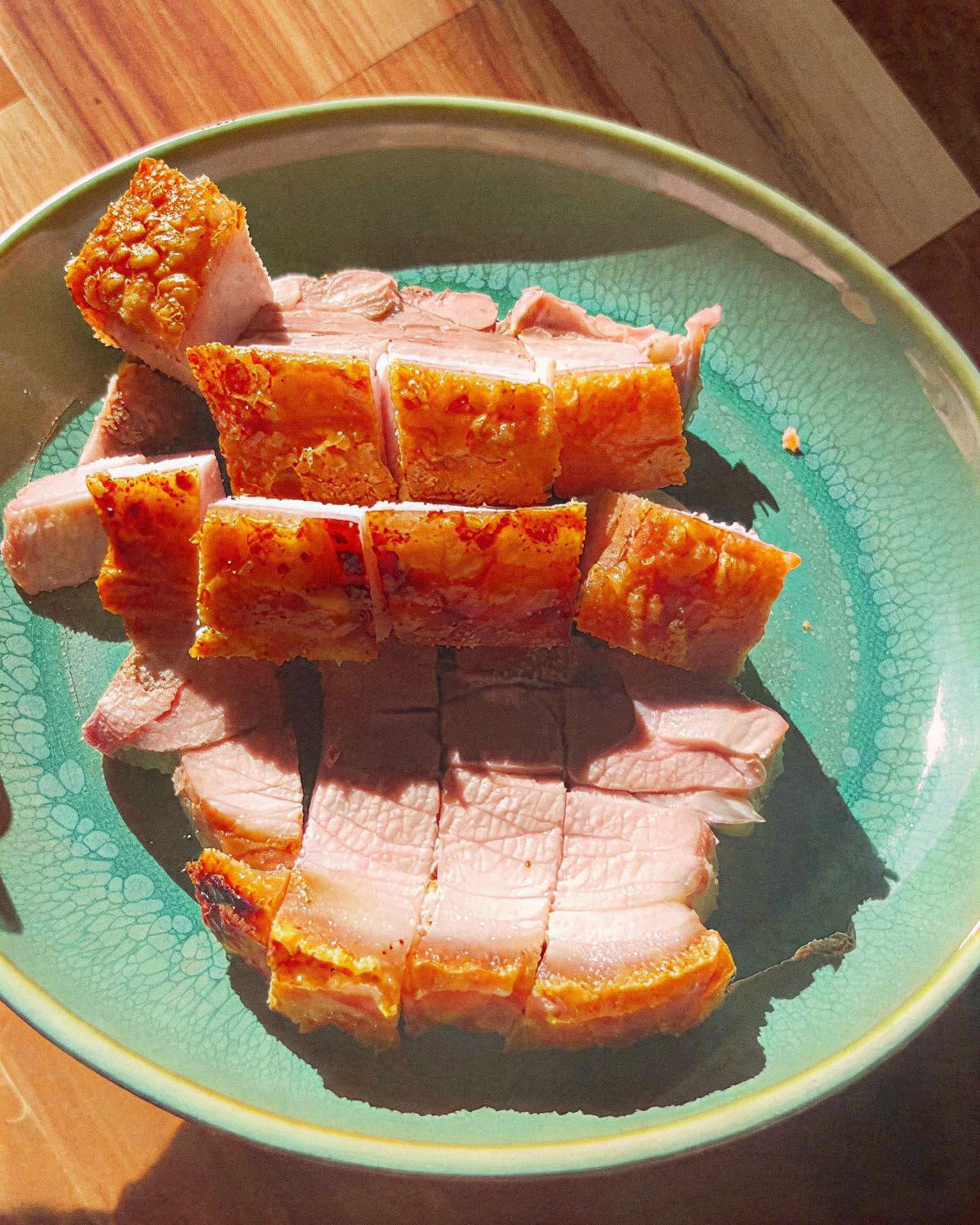
Pork belly recipes turn one of the cheapest, most forgiving cuts on the pig into some of the most luxurious eating in the kitchen. It is a layered slab of meat and fat with a skin on top, and that structure is the whole point: cook it right and the fat renders into something silky, the meat falls apart, and the skin can shatter into crackling. The dishes below were chosen to show that full range rather than ten variations on the same roast.
What makes pork belly special is also what trips people up. The fat needs time and gentle heat to render, but the skin needs the opposite — a blast of high, dry heat to puff and crisp. Get them out of sync and you end up with chewy, rubbery skin over greasy meat, or a beautiful crackle hiding fat that never melted. Almost every recipe and guide here is built around managing those two clocks: low and slow for the inside, hot and dry for the top.
You will find four clusters: crispy roasted and oven belly chasing that glassy crackling; braised, glazed and sticky versions where soy, sugar and spice do the work; grilled, pan-seared, taco and sandwich dishes for fast handheld eating; and quick air-fryer bites for weeknights. Across all of them the same handful of moves repeats — score, dry, render, crisp — so once you have cooked one well, the rest get easier.
Treat this as a working reference. Each recipe links to full ingredients and steps on Chefadora, and the guides below cover the decisions that actually decide whether your belly turns out crisp and tender or tough and greasy: how to score and dry the skin for crackling, how to run a low-and-slow then high-heat roast, how to build a sticky braise, and how to slice and store it.
Crispy Roasted & Oven Pork Belly
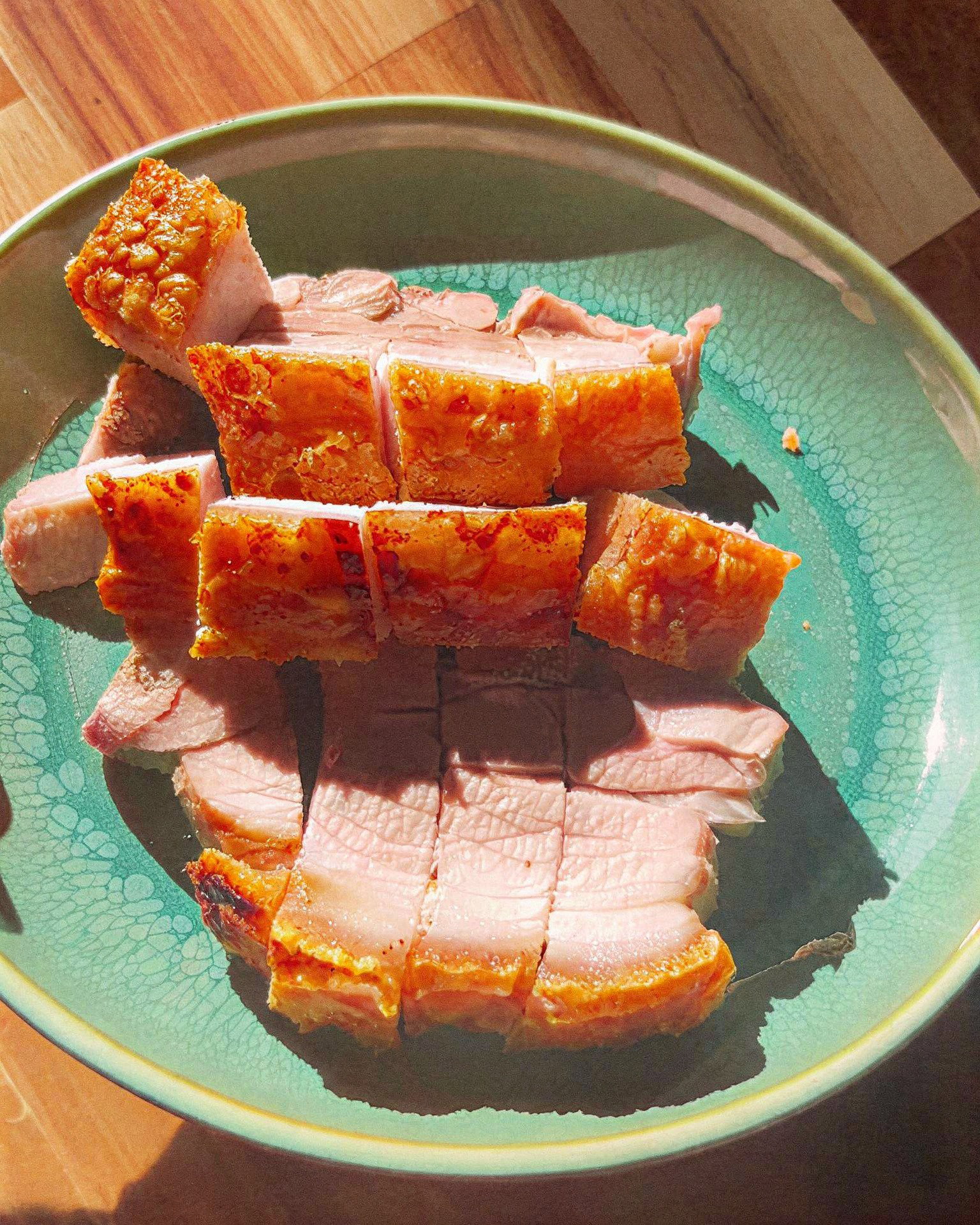
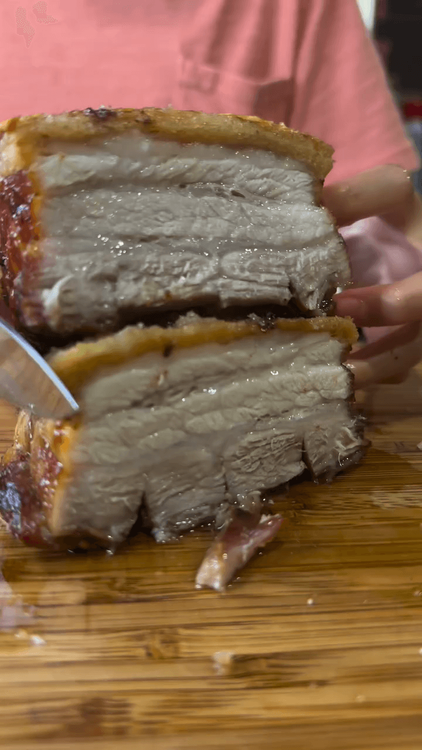
This is the cluster people come to pork belly for: a slab that emerges from the oven with skin so crisp it shatters under the knife, sitting over fat that has rendered to silk and meat that pulls apart. Getting there is all about respecting two clocks. The fat and meat need long, gentle heat — somewhere around 150 to 160C for a couple of hours — to render and turn tender, while the skin needs the opposite, a final blast of the highest heat your oven has, to puff and crackle. Try to do both at once and you get either rubbery skin or greasy, undercooked meat. The groundwork happens the day before: score the skin through the fat but not the meat, salt it, and dry it uncovered in the fridge overnight, because bone-dry skin is the single non-negotiable for true crackling. Keep the skin seasoned with salt alone, sit the belly flat on a rack, rest it uncovered, and slice down through the crackling with a serrated knife so it cracks clean. Lechon kawali, siu yuk and slow-roasted porchetta all live here. Standouts here include Crispy Pork Belly and Crispy Air Fryer Pork Belly.

- Non-Vegetarian
- Main Course

- Chinese
- Non-Vegetarian
- Main Course
Braised, Glazed & Sticky Pork Belly
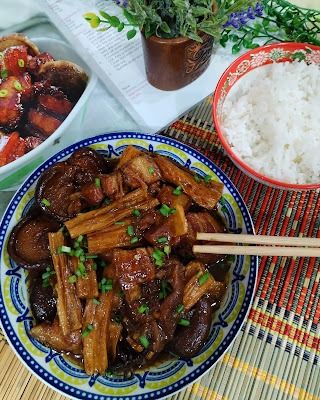
When you trade crackling for melting fat and a glossy, clinging sauce, you get the deeply comforting end of the pork belly world — Chinese red-cooked and Dongpo belly, Filipino adobo, Japanese kakuni, sticky soy-and-honey numbers. The method is forgiving but patient. Cut the belly into large cubes or thick slices, sear them first to brown the surfaces and render a little fat, then simmer them gently in a sweet-savoury liquid built on soy, sugar, and aromatics like ginger, garlic and star anise, with a splash of wine or vinegar for depth. The golden rule is to keep it at a bare tremble rather than a rolling boil; a hard boil toughens the lean layers and turns the fat greasy instead of unctuous. Give it ninety minutes to two hours so the connective tissue breaks down and the meat goes fork-tender while still holding its shape. The finish is the glaze: lift the meat, reduce the liquid hard until it is syrupy, then return the belly and turn it to lacquer every side. A day-ahead chill lets you skim the fat for a cleaner result, and a squeeze of acid at the end keeps all that richness in balance. Standouts here include Slow Braised Pork Belly with Gula Melaka and Braised Pork Belly with Egg Noodles, plus Braised Pork Belly with Preserved Vegetables.
- Chinese
- Non-Vegetarian
- Lunch
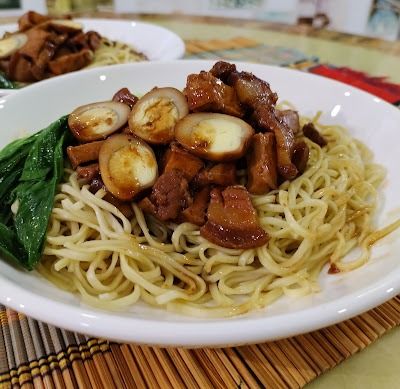
- Chinese
- Non-Vegetarian
- Lunch
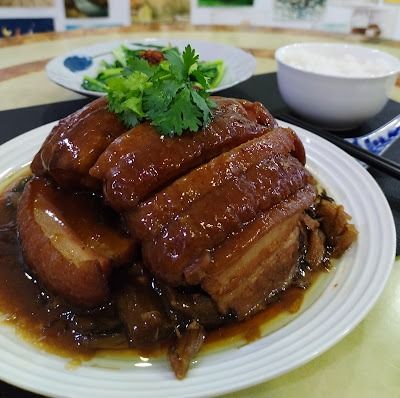
- Chinese
- Non-Vegetarian
- Dinner
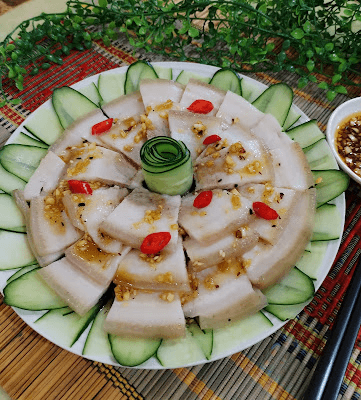
- Asian
- Non-Vegetarian
- Main Course
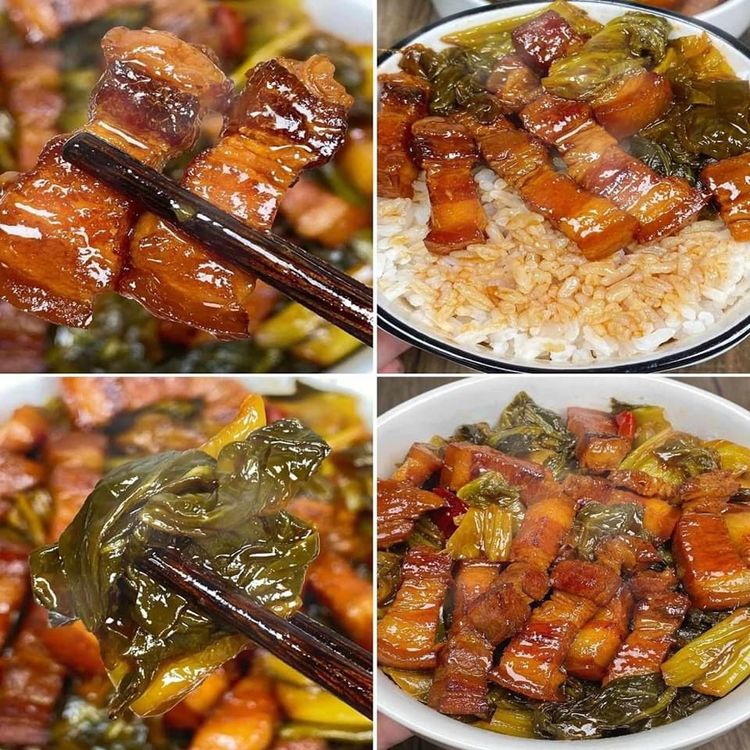

- Asian
- Non-Vegetarian
- Dinner
Grilled, Pan-Seared, Tacos & Sandwiches
This is the fast, smoky, handheld corner of pork belly — sliced thin and cooked hot over flame or in a ripping pan until the edges char and crisp, then piled into tacos, banh mi, samgyeopsal lettuce wraps, sandwiches and noodle bowls. Because the slices are thinner, the rules flip from the long roast: you want high, direct heat and speed, rendering the fat fast so the edges crisp before the lean dries out. Pat the slices dry and lay them on a genuinely hot grill or pan with space between them; crowding steams the meat grey and weeps fat everywhere instead of searing it. The fat will flare on a grill, so keep a cooler zone to move pieces to and watch it closely. A quick marinade — soy, garlic, gochujang, a little sugar for char, or just salt — builds flavor and helps the surface caramelize. The most common error is cooking the slices too long chasing crispness and ending up with tough, leathery meat; pull them while they still have give, then build the handheld around acid and crunch. Lime, pickled onion, fresh herbs and a warm tortilla or baguette are what cut through the fat and make each bite sing. Standouts here include Gua Bao (pork belly steamed buns) and Dan Dan Noodles with Paneer and Pork Belly.
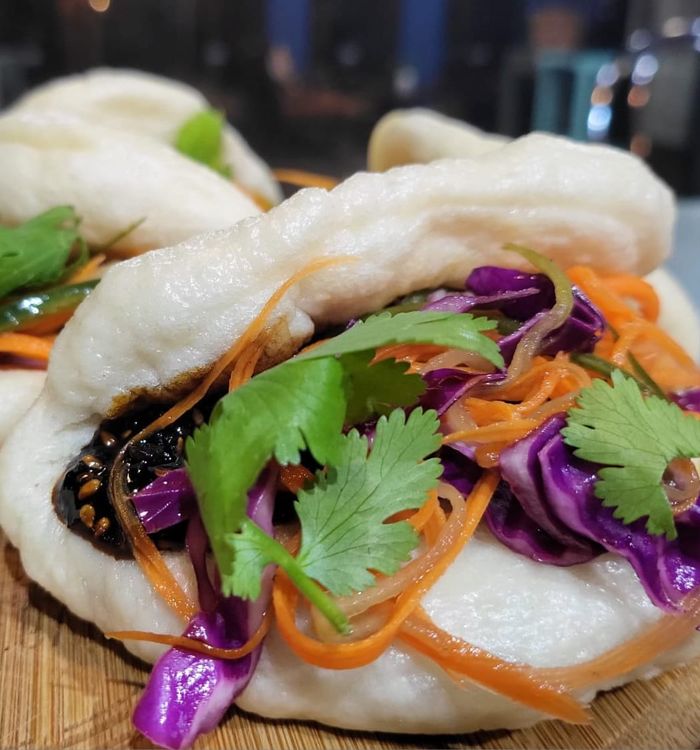

- Chinese
- Dairy-Free
- Lunch
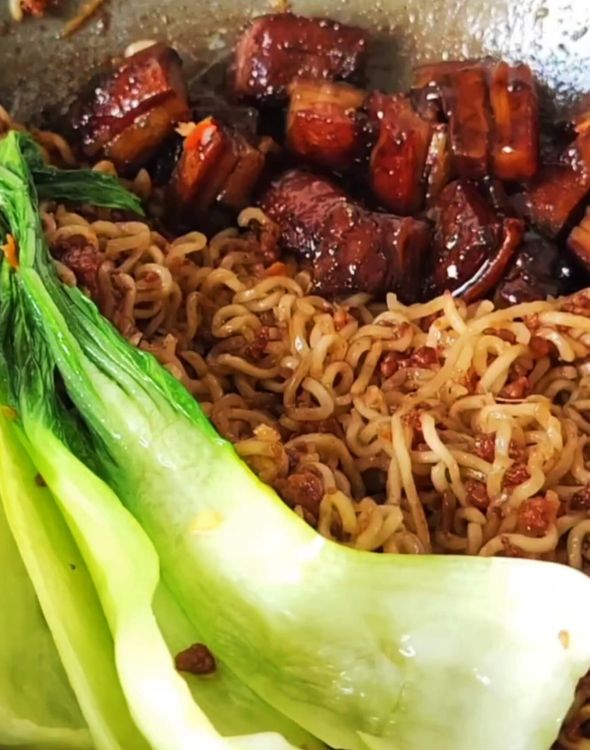

- Asian
- Gluten-Free
- Lunch
More Pork Belly Favourites
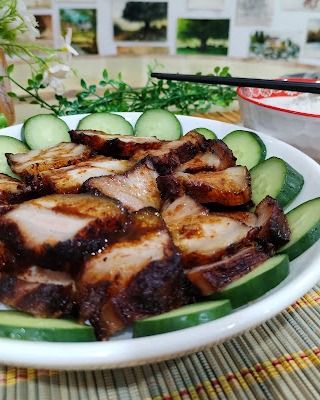
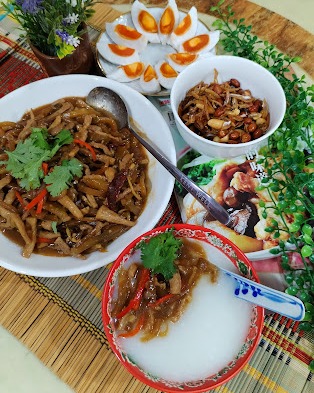
A few pork belly dishes never quite settle into a single category, and these are the ones worth keeping in your back pocket once the staples feel routine. They lean on the same handful of techniques you already know — scoring and drying the skin, rendering the fat low and slow, building a sticky glaze, searing hard for char — but steer them toward different textures and cuisines so the cut never tastes the same twice. Picking your next one is mostly about matching effort to mood: reach for a quick seared or air-fried preparation on a busy night when you want richness in half an hour, and save the overnight-dried crackling roasts and long, lacquered braises for a weekend when you can let the fat render properly. Pay attention to how you cut the belly, too, since smaller cubes crisp and render faster while a whole slab stays custardy in the center under its crackling. And whatever the dish, remember the fat is the gift and the trap: give it the time and heat it needs, then balance the richness with something sharp and fresh on the plate. Think of this group as the natural next step after the classics, the recipes that quietly earn a regular spot in the rotation. Standouts here include Pork Belly with Bamboo Shoot and Char Siu (Chinese BBQ Pork Belly) on stove, plus Stir-Fried Pickled Mustard Greens with Pork Belly.
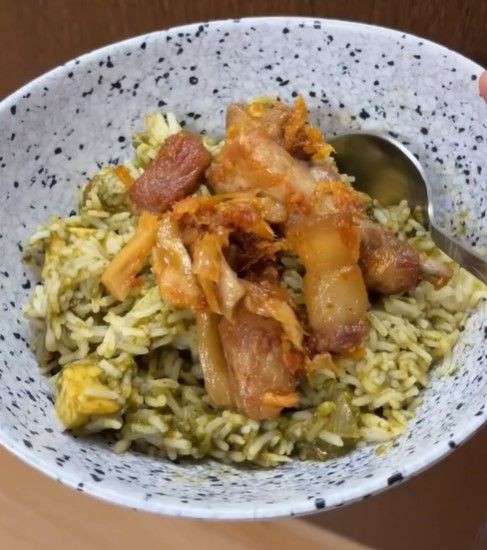
- Indian
- Non-Vegetarian
- Dinner
- Chinese
- Non-Vegetarian
- Lunch
- Chinese
- Non-Vegetarian
- Dinner
- Chinese
- Non-Vegetarian
- Dinner
- Chinese
- Non-Vegetarian
- Lunch
Scoring and Drying the Skin for Crackling
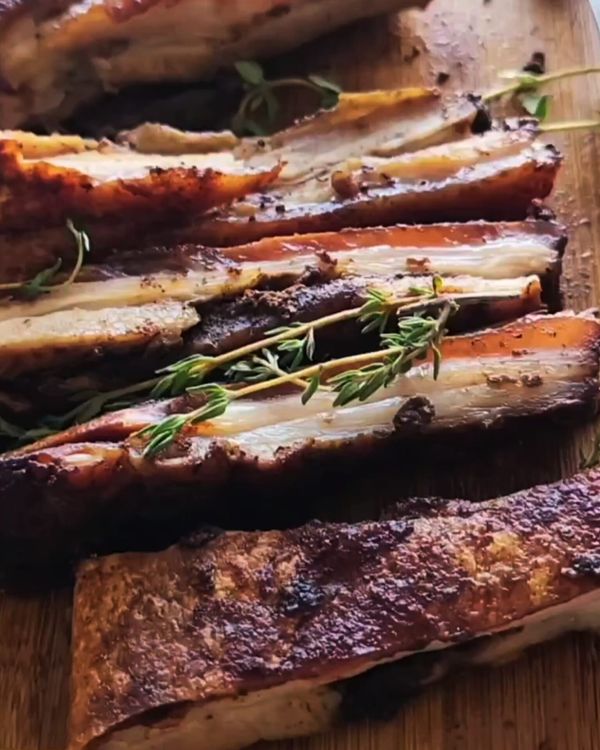
Crackling starts a day before you cook. Pat the skin bone-dry, then score it in close, parallel lines (or a crosshatch) with a very sharp knife or a clean box cutter, cutting through the skin and into the fat but stopping before you reach the meat. The cuts give the fat a path to render out and let the skin expand and bubble instead of staying a leathery sheet. Even, shallow scoring is what gives you that uniform, tile-like crackle.
Then dry it, hard. Rub the scored skin with salt and leave the belly uncovered, skin-side up, in the fridge overnight — twelve to twenty-four hours is ideal. The cold, moving air pulls moisture out of the surface, and dry skin is non-negotiable for crackling; any trapped moisture steams instead of crisps and leaves you with chewy patches. Wipe off the released brine and salt fresh just before roasting. Keep the seasoning on the skin to salt only, since pepper and sugar scorch under the high heat that crackling needs.
Skip the moisture on the skin but be generous with flavor underneath. Flip the belly and rub the meat side with whatever you like — fennel and garlic for porchetta, five-spice for an Asian lean, just salt and pepper for a clean roast. To keep the skin from bowing as the meat shrinks, sit the belly on a rack or a bed of vegetables so it cooks flat, which is what lets the heat hit every inch of skin evenly for an all-over crackle.
Low-and-Slow, Then High Heat: The Roast Method
The reliable roast is two stages, and the order matters. Start low — around 150 to 160C (300 to 325F) — for an hour and a half to two and a half hours depending on thickness, which gives the fat time to render and the meat time to turn tender without drying. Rushing this stage is the main reason belly comes out greasy and tough: the fat simply has not had long enough to melt and the meat has not relaxed.
Then crank it. Once the meat is tender, raise the oven to its highest setting — 230 to 250C (450 to 480F) or the grill/broiler — and roast hot until the skin puffs, bubbles and turns glassy, usually fifteen to thirty minutes. Watch it closely at this point because the line between perfect crackling and burnt is short, and rotate the tray if your oven has hot spots so the skin blisters evenly. If patches refuse to crackle, a kitchen torch or a few minutes directly under the broiler will finish them.
Rest before you cut, but rest it uncovered so the crackling stays crisp — tenting with foil traps steam and softens the skin you worked so hard for. Give it ten to fifteen minutes, then cut with a serrated knife, slicing down through the crackling first with a firm, decisive stroke so you crack the skin cleanly rather than shattering it across the board. Slice into fingers or squares and serve straight away while the skin still shatters.
Building a Sticky Braise or Glaze
Braised belly trades crackling for melting fat and a glossy sauce. Cut the belly into large cubes or thick slices and, for the deepest flavor, sear the pieces first to brown the surfaces and render some fat before the liquid goes in. Then simmer gently — soy, sugar (or rock sugar), aromatics like ginger, garlic, star anise and a splash of wine or stock for a Chinese red-cooked or Dongpo style; vinegar, soy, garlic and bay for adobo. Keep it at a bare tremble, not a rolling boil, so the fat turns silky instead of stringy.
Time is the active ingredient. Most braises want ninety minutes to a couple of hours, long enough for the connective tissue to break down and the meat to go fork-tender while still holding its shape. Resist the urge to crank the heat to speed it up; a hard boil toughens the lean layers and can leave the fat greasy rather than unctuous. If you can, cook it a day ahead, chill it, and lift off the firm cap of fat from the top before reheating for a cleaner, less oily result.
The glaze is the finish. Once the meat is tender, lift it out and reduce the braising liquid hard until it turns syrupy and coats the back of a spoon, then return the belly and turn it to lacquer every side. A spoon of honey, maple or extra sugar near the end pushes it toward sticky, while a squeeze of citrus or a dash more vinegar keeps all that richness in balance. Taste and adjust the sweet-salty-sour axis at the end, off the heat, because a sauce seasoned only at the start always tastes flat.
Slicing, Serving, Storage and Reheating
How you cut belly changes how it eats. For crackling roast, slice down through the skin first with a serrated knife into fingers or squares so each piece gets its share of crisp top. For braise and grill, slice across the grain into thick batons or thin sheets. Render any soft, untendered fat by laying slices on a hot, dry pan for a minute a side — it crisps the edges and is the classic trick behind crispy bits in fried rice, ramen and tacos.
Pork belly keeps three to four days in the fridge and freezes well for a couple of months, cooked or raw. The catch is crackling: it goes soft once stored, so reheat roasted belly in a hot oven or air fryer rather than the microwave to bring the crisp back, skin-side up and uncovered. Braised belly actually improves overnight as the flavors meld and the fat firms, making it easy to skim — reheat gently in its sauce so the meat stays tender.
Build the plate around the richness. Crackling roast wants something sharp and fresh alongside — apple sauce, pickles, a crisp slaw or a squeeze of lemon — to cut through the fat. Braised and glazed belly is happiest over plain steamed rice with greens or a soft bun to soak up the sauce. For grilled and taco styles, lean on acid and crunch: lime, herbs, quick-pickled onion and a fresh tortilla or baguette. The cut is intensely savory and fatty, so contrast is what keeps every bite interesting.
Pro Tips from the Test Kitchen
- Score the skin through the fat but not into the meat — even, parallel cuts give the fat a path out and the skin room to bubble.
- Dry the salted skin uncovered in the fridge overnight; bone-dry skin is non-negotiable for crackling.
- Salt the skin, but keep pepper and sugar off it — they scorch under the high heat crackling needs.
- Roast low first to render the fat and tenderize, then blast high to crisp the skin. Two clocks, two heats.
- Rest crackling roast uncovered; tenting with foil traps steam and softens the crisp skin.
- Sear braise pieces before adding liquid for deeper color and to render some fat upfront.
- Keep a braise at a bare tremble, never a hard boil, so the fat turns silky instead of stringy.
- Cook braised belly a day ahead, chill it, and lift off the fat cap before reheating for a cleaner result.
- Reduce the braising liquid to syrup, then turn the belly in it to lacquer every side.
- For air-fryer crackle, pat cubes bone-dry, single layer with space, hot basket — crowding steams the skin pale.
Frequently Asked Questions
How do you get crispy crackling on pork belly?
Three things, in order. Score the skin through the fat but not the meat so it can render and expand. Dry it hard — salt it and leave it uncovered in the fridge overnight so the surface is bone-dry. Then cook in two stages: low and slow to render the fat and tenderize the meat, followed by a blast of the highest heat your oven has until the skin puffs and turns glassy. Any moisture left in the skin steams instead of crisps.
Why is my pork belly skin not crispy?
Almost always trapped moisture or not enough top heat. If the skin was damp going in it steams rather than crackles, so dry it uncovered in the fridge overnight and pat it bone-dry. If it stayed leathery, the final blast of high heat was too low or too short — finish under a hot broiler or with a kitchen torch. Shallow or uneven scoring also leaves patches that never bubble up.
Should you score pork belly skin?
Yes, for any crispy roast. Scoring the skin in close parallel lines or a crosshatch — cutting through the skin and fat but stopping before the meat — gives the rendering fat a path to escape and lets the skin expand and bubble into even crackling instead of staying a tough sheet. Use a very sharp knife or a clean blade, and keep the cuts shallow and even for a uniform, tile-like crackle.
What temperature do you cook pork belly at?
For a crackling roast, use two temperatures: start low at around 150 to 160C (300 to 325F) to render the fat and tenderize the meat over one and a half to two and a half hours, then finish at the oven's highest setting, 230 to 250C (450 to 480F) or the broiler, to crisp the skin. For a braise, keep the liquid at a gentle simmer — a bare tremble — rather than a rolling boil.
How long does it take to cook pork belly?
A crispy roast typically takes two to three hours total — most of it low and slow, with a short high-heat blast at the end. A braise runs ninety minutes to a couple of hours at a gentle simmer for the meat to go fork-tender. Air-fryer cubes are far faster, often twenty-five to forty minutes. The slab is forgiving, so use tenderness and crisp skin as your cues rather than the clock alone.
How do you make braised pork belly silky and not greasy?
Keep the simmer gentle — a bare tremble, never a hard boil — so the fat melts slowly into a silky texture rather than turning stringy and greasy. Give it the full time, ninety minutes to two hours, for the connective tissue to break down. The cleanest trick is to braise it a day ahead, chill it overnight, and lift off the firm cap of fat that sets on top before reheating gently in the sauce.
Do you cook pork belly skin side up or down?
For a crispy roast, skin side up the whole time so the heat hits the skin directly and can crisp it, especially during the final high-heat blast. Sit it on a rack or a bed of vegetables so it stays flat and the fat drains away. For braising, where you want melting fat rather than crackling, it does not matter much — just keep the pieces mostly submerged in the liquid.
What is the difference between pork belly and bacon?
Bacon is pork belly that has been cured (and usually smoked) — same cut, different treatment. Fresh pork belly is uncured, so it is milder and far more versatile: you can roast it for crackling, braise it sticky, grill it, or cure it into bacon yourself. Because it is not salted and smoked, fresh belly tastes of pork rather than of cure, and you control the seasoning entirely.
Can you cook pork belly in an air fryer?
Yes, and it is one of the easiest ways to do it. The circulating heat renders fat and crisps skin quickly with little oil. Pat the belly or cubes bone-dry, score the skin, and cook in a single layer with space between pieces — crowding traps steam and leaves the skin pale. Many cooks go low first to render, then high to crisp, just like an oven, but in a fraction of the time.
What goes well with pork belly?
Because the cut is rich and fatty, contrast is everything. Crackling roast loves something sharp and fresh — apple sauce, pickles, a crisp slaw or lemon. Braised and glazed belly is best over plain steamed rice with greens, or tucked into a soft bun. Grilled and taco styles want acid and crunch: lime, fresh herbs, quick-pickled onion and a warm tortilla. Aim to balance the fat rather than match it with more richness.
The thread through every pork belly recipe here is the same: a layered cut that rewards patience and respects two clocks. Render the fat low and slow, crisp the skin hot and dry, or trade crackling for a silky braise and a glossy glaze — master those moves in the guides and crispy roast, sticky braise, grilled tacos and quick air-fryer bites all fall into place.
Pick three to cook over the next few weeks — a crackling roast, a sticky braise and something fast off the grill or out of the air fryer — and save your favorites to a Chefadora cookbook. Then work through the rest; this page is built to be the pork belly reference you actually come back to.
Related
- Pork Belly
- Pork
- Crispy
- Roast
- Braised
- Asian
- Grilling
- Dinner
Popular Searches
- Best pork belly recipes
- Easy pork belly recipes
- Quick pork belly recipes
- Healthy pork belly recipes
- Simple pork belly recipes
- Homemade pork belly recipes
- Delicious pork belly recipes
- Popular pork belly recipes
- crispy pork belly
- braised pork belly
Marnirni-apinthi Building, Lot Fourteen,
North Terrace, Adelaide, South Australia, 5000
Australia
