
33 Palak Paneer Recipes for Every Night of the Week
Updated July 7, 2026 · Curated by Chefadora
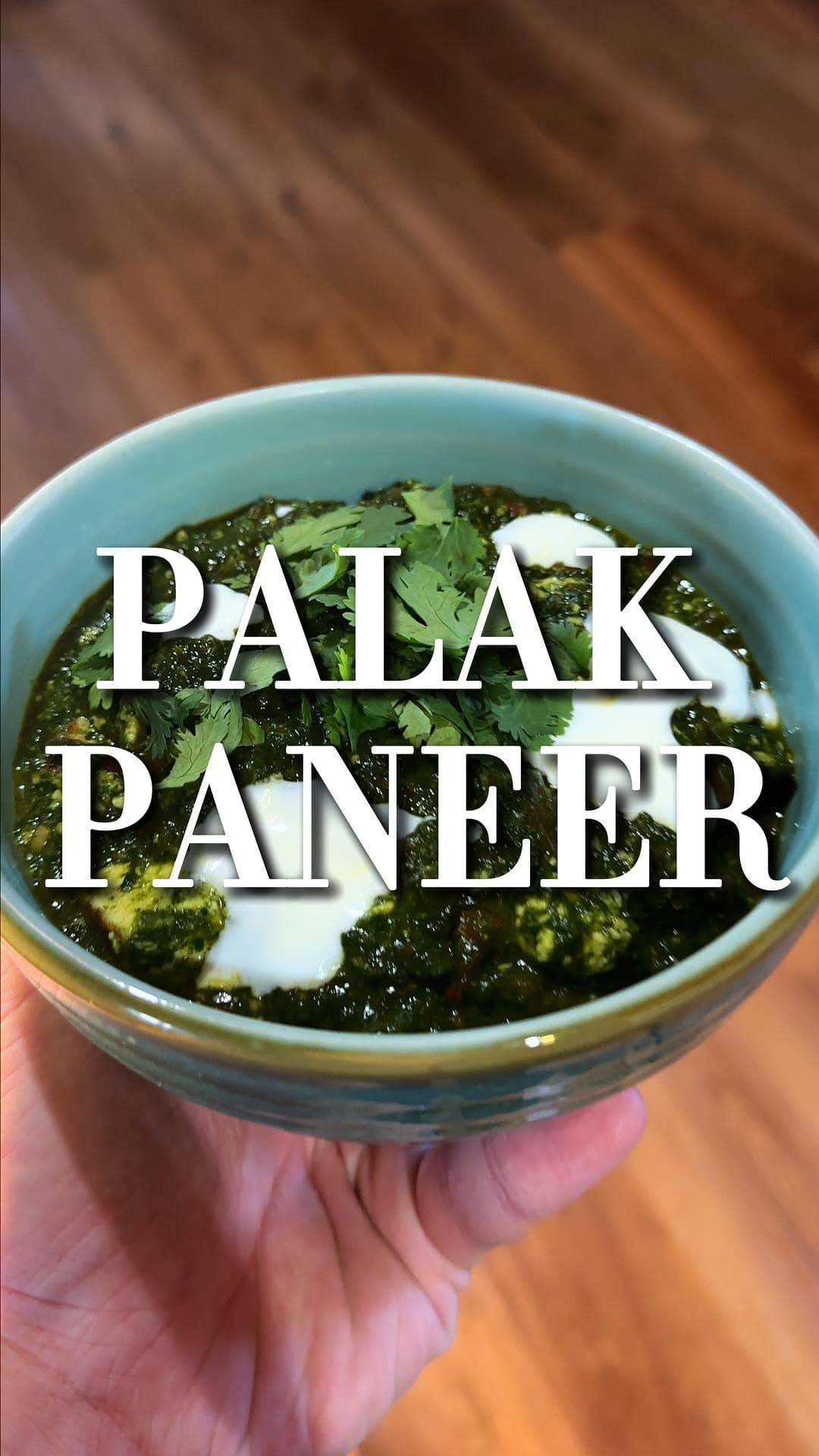
There's a reason palak paneer recipes turn up on almost every North Indian menu: few dishes balance comfort and nutrition so easily. A silky green gravy of pureed spinach wrapped around soft cubes of paneer, finished with ginger, garlic and a knob of butter, it's the kind of food that feels indulgent while quietly loading your plate with iron and greens.
I've cooked this dish more ways than I can count, and this collection of 33 versions gathers the very best of them in one place. You'll find slow, restaurant-style gravies alongside quick weeknight pans, gentle no-onion-no-garlic versions for fasting days, protein-packed spins with chicken or tofu, and clever ways to use up leftovers like bhurji, paratha and pulao. Whether you're after deep, smoky dhaba flavour or a lighter, cream-free bowl, there's something here to match your mood and your evening. Scroll through, read the blurbs, and pick the one that best fits the ingredients already sitting in your fridge tonight.
Classic & Restaurant-Style Palak Paneer Recipes
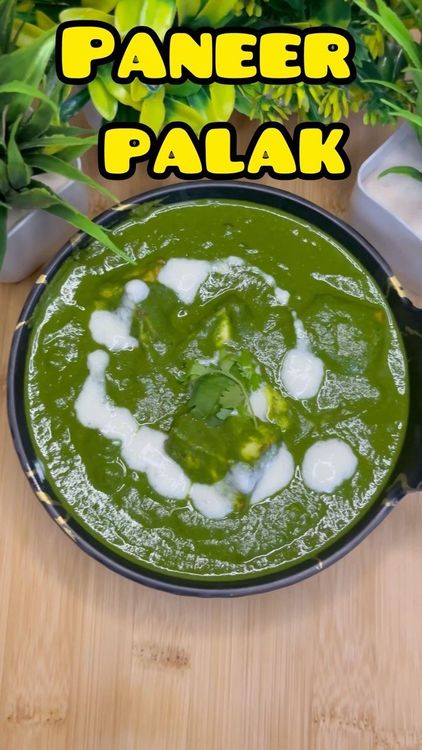
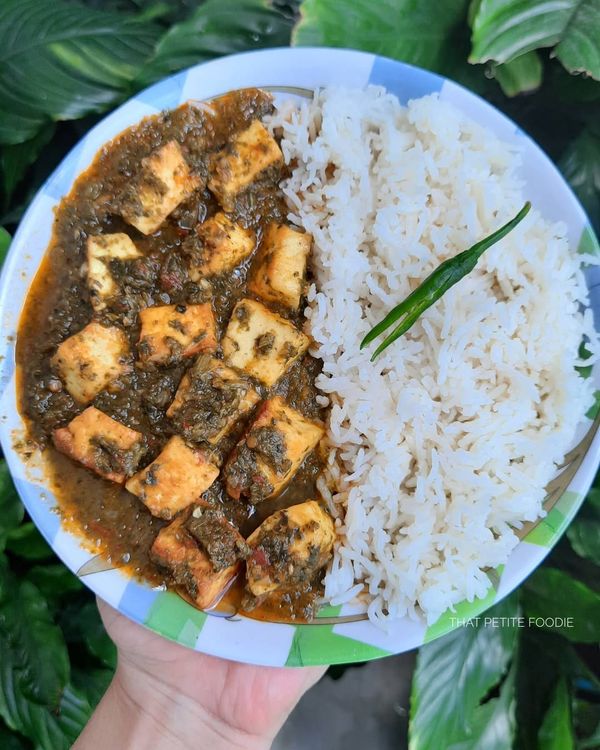
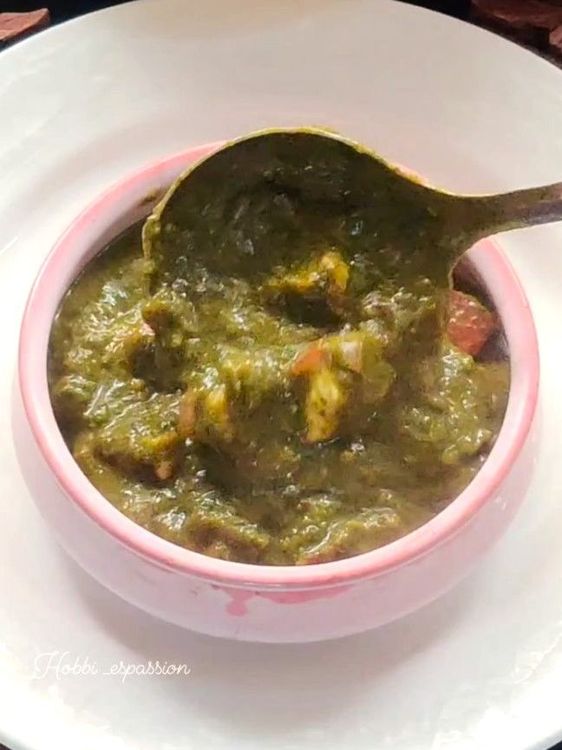
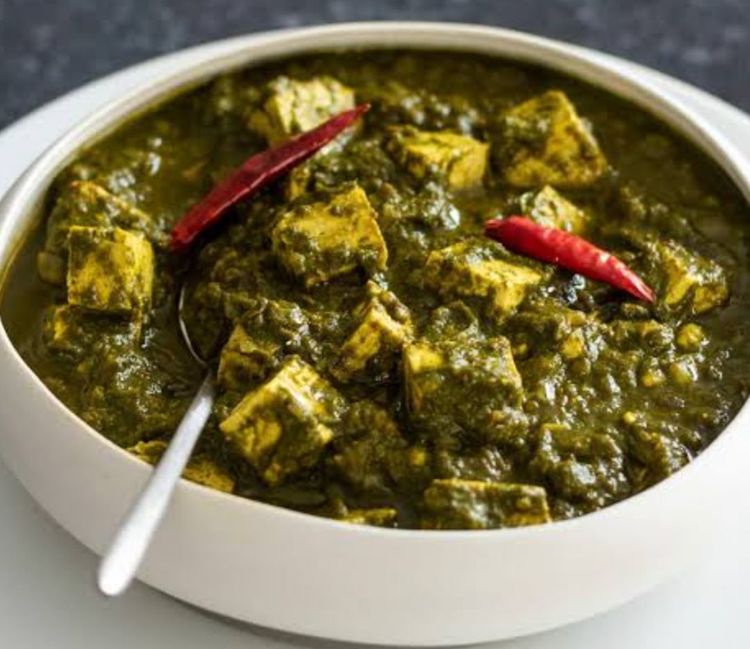
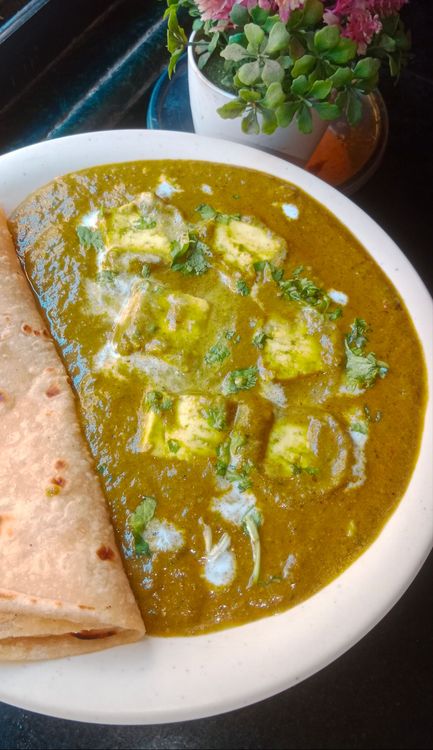
This is the heart of the collection, the deep green, restaurant-style gravy most people picture. The technique is consistent: blanch the spinach briefly, shock it in ice water to lock in colour, then puree and simmer with a base of onion, ginger, garlic and tomato. A finish of cream or butter rounds the edges, while kasuri methi adds that unmistakable dhaba aroma. These versions range from a 35-minute weeknight pan to a slow 90-minute project, so pick by the time you have on hand.


- Vegetarian
- Main Course

- Indian
- Vegetarian
- Lunch

- Indian
- Vegetarian
- Dinner

- Punjabi
- Vegetarian
- Lunch
- Indian
- Vegetarian
- Lunch
- North Indian
- Vegetarian
- Lunch
- Indian
- Non-Vegetarian
- Lunch
Healthy, Light & Cream-Free Versions
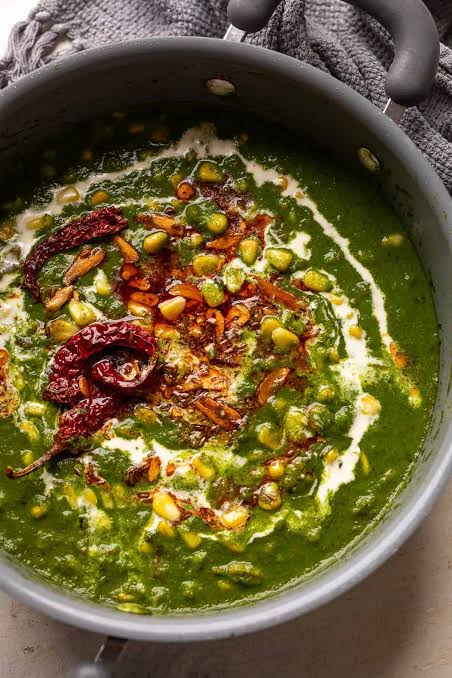
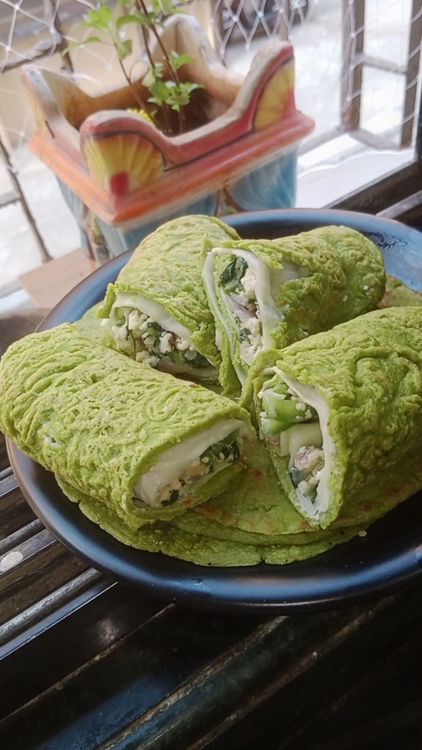
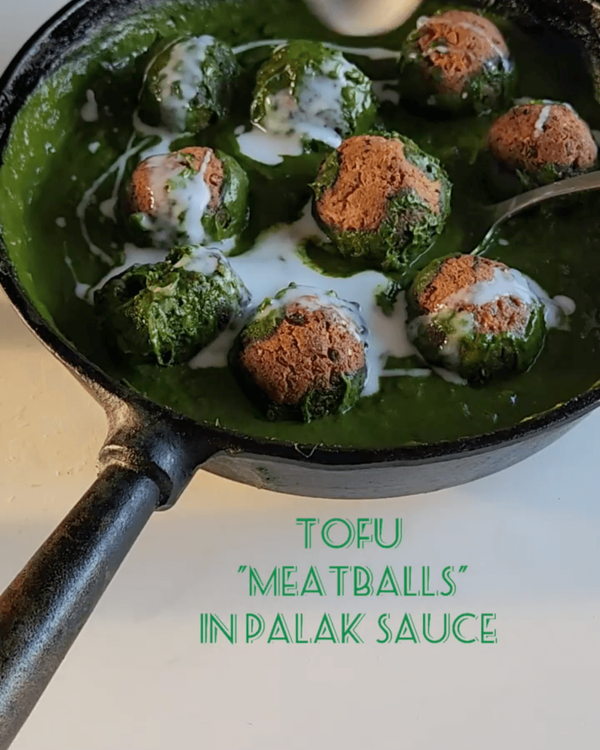
Not every night calls for cream and butter. The recipes gathered here lighten things up without losing any character: a no-onion-no-garlic version for fasting days, a portable spiced wrap for lunchboxes, and even a clever tofu-based spin for anyone skipping dairy altogether. Spinach is naturally low in calories and high in fibre, so leaning on its own body rather than heavy cream keeps the bowl bright, clean and fresh. Expect greener, livelier flavours and plenty of protein, without the heavy, sleepy feeling a richer curry can leave behind.
- Indian
- Vegetarian
- Lunch

- Middle Eastern
- Vegetarian
- Breakfast
- Indian
- Vegetarian
- Lunch

- Indian
- Vegan
- Dinner
Saag, Dal & Regional Green Curries
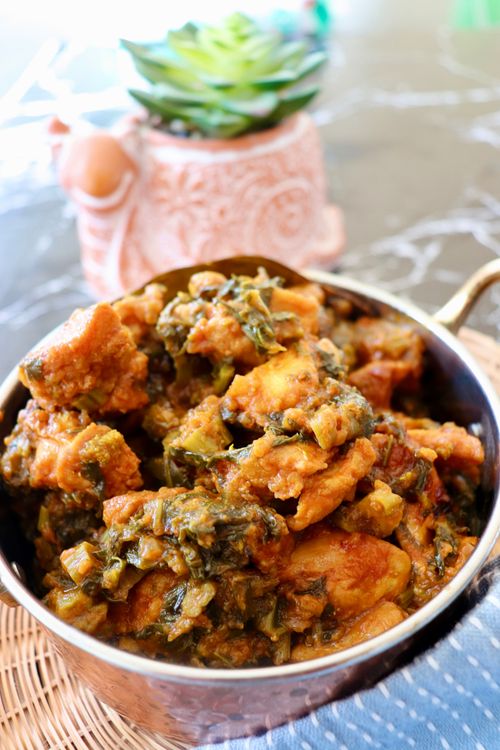
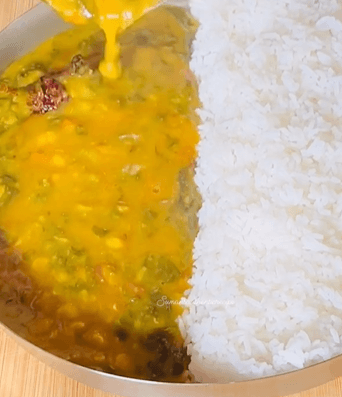
Palak is not only ever paired with paneer. Right across India, cooks fold fresh spinach into lentils, chicken and mixed greens for hearty, everyday meals. This group leans on dal palak and chana dal for budget-friendly protein, a rich chicken saag for a proper Punjabi winter warmer, and a light Kerala-style chana coconut soup. Most of them simmer low and slow, letting the greens melt down into the base. They also freeze and reheat beautifully, which makes them absolutely ideal for a big batch cook on a Sunday afternoon.

- Indian
- Non-Vegetarian
- Lunch
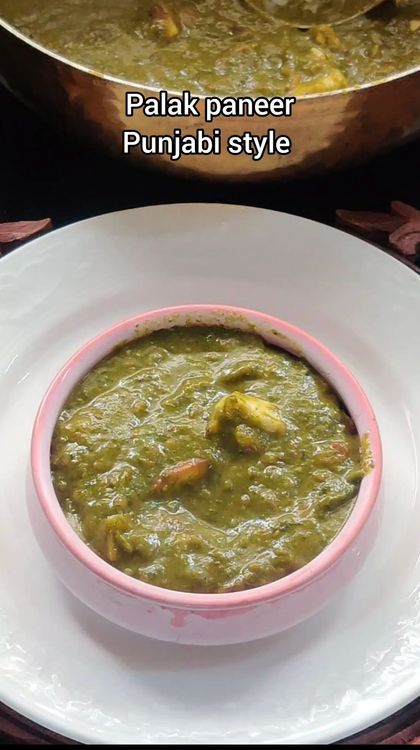
- Indian
- Vegetarian
- Dinner
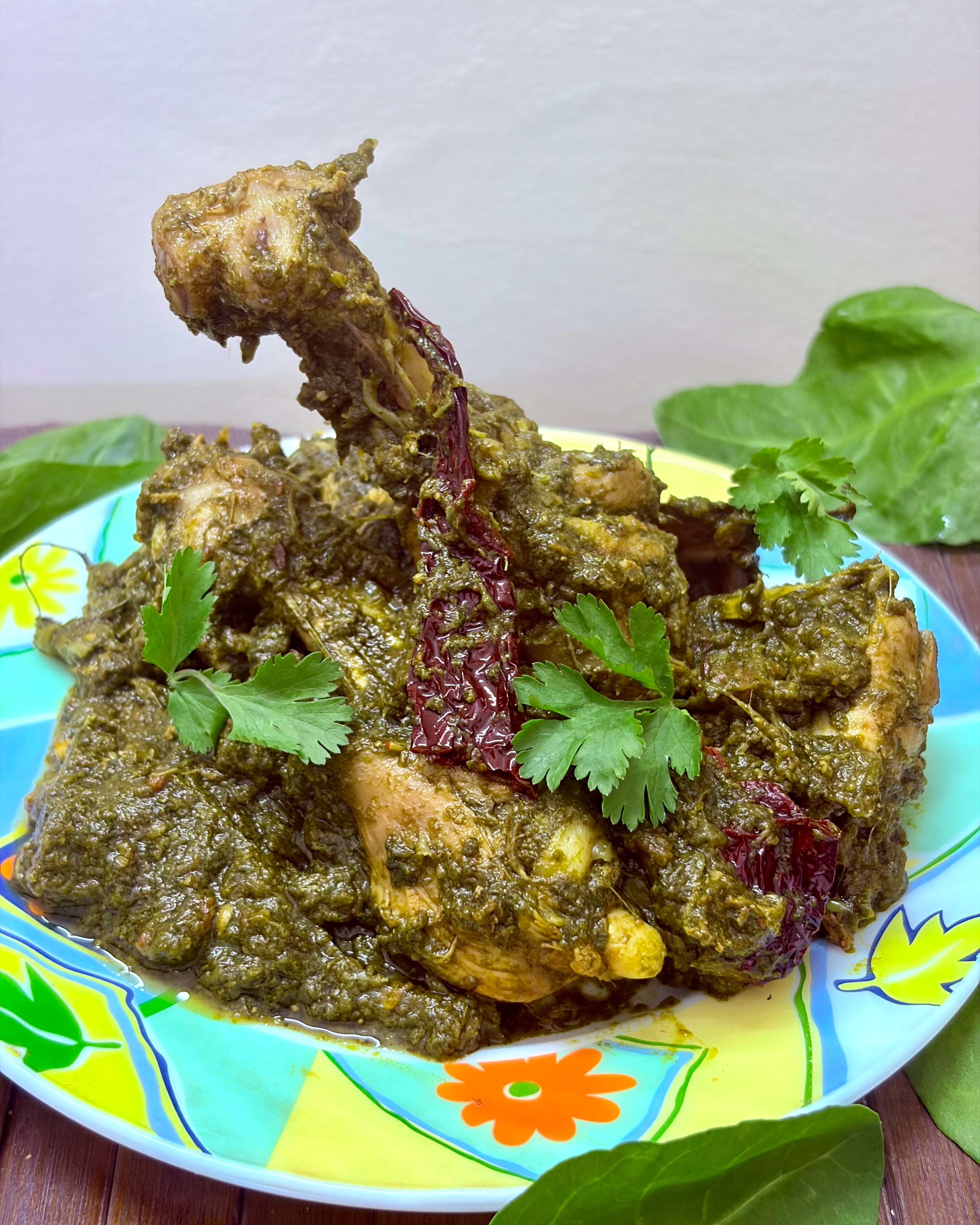
- Indian
- Non-Vegetarian
- Dinner

- Indian
- Vegan
- Lunch
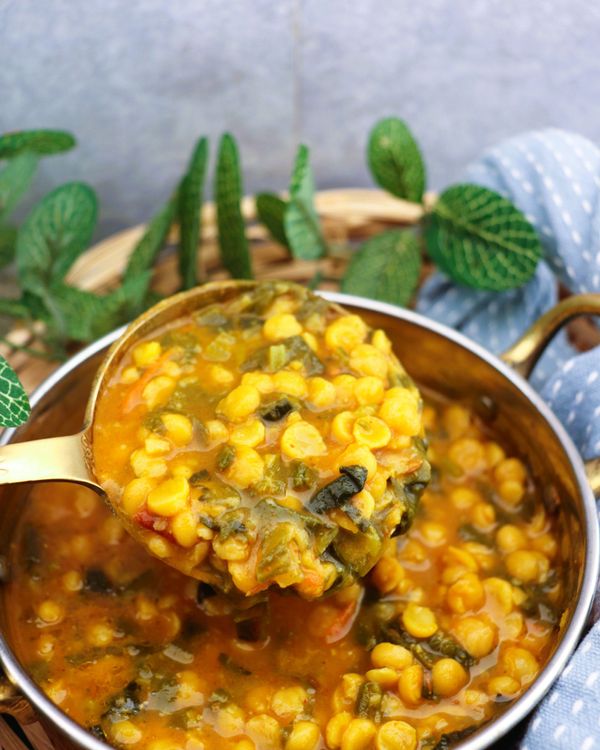
- Indian
- Vegetarian
- Lunch
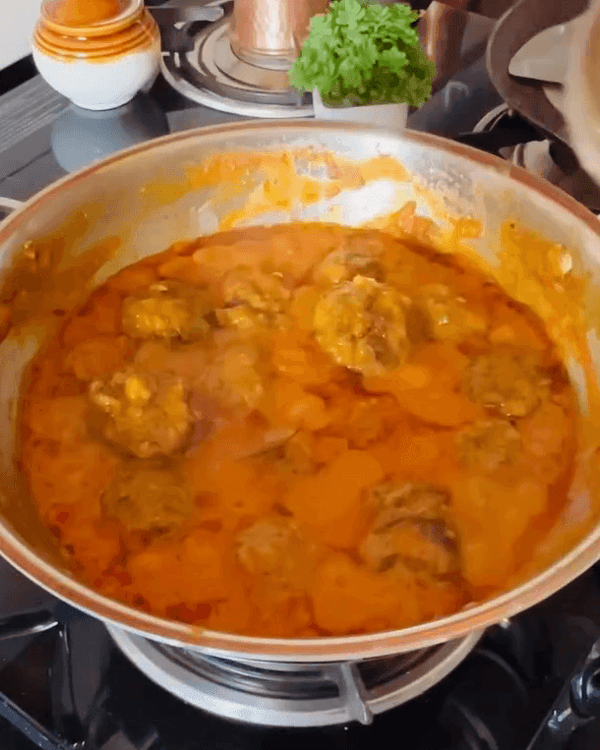
- Indian
- Vegan
- Dinner


- Indian
- Vegan
- Lunch
- Indian
- Vegetarian
- Dinner
Beyond the Curry: Bhurji, Paratha, Dosa & Rice
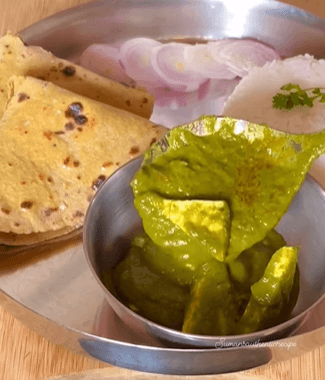
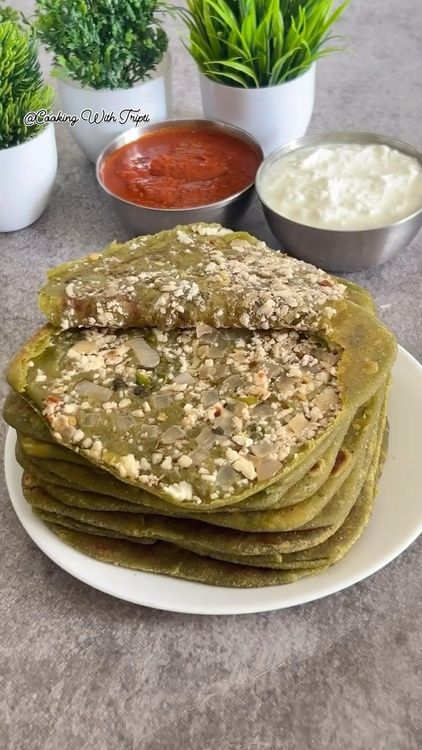
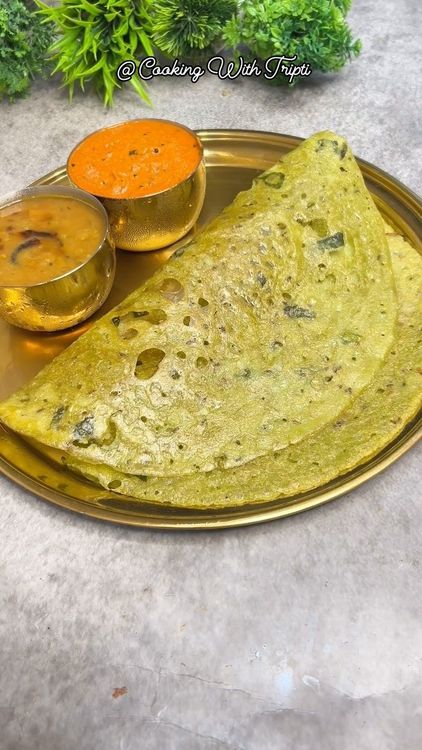
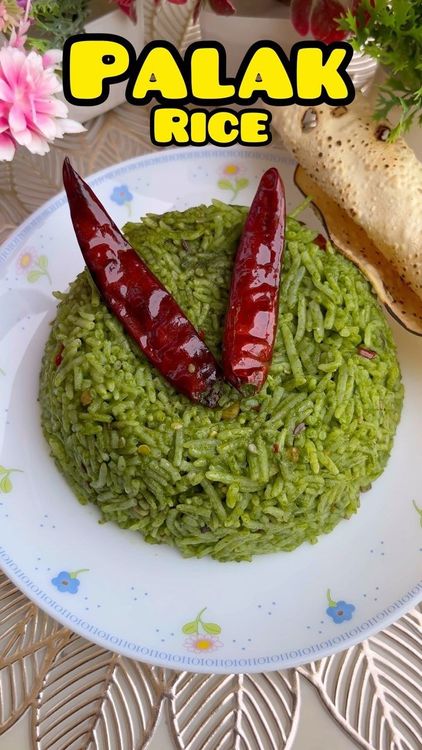
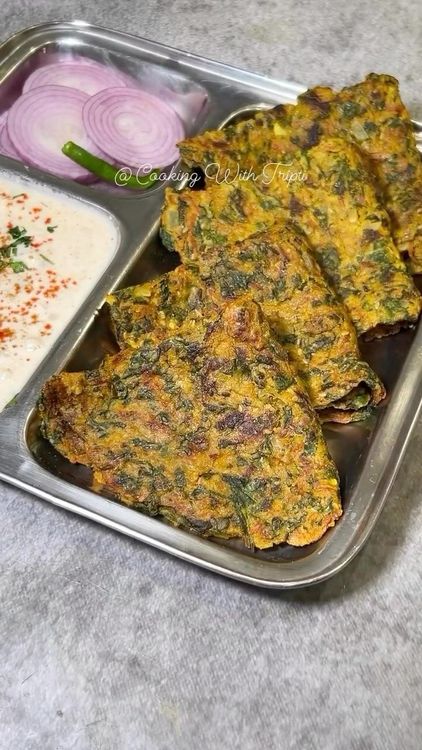
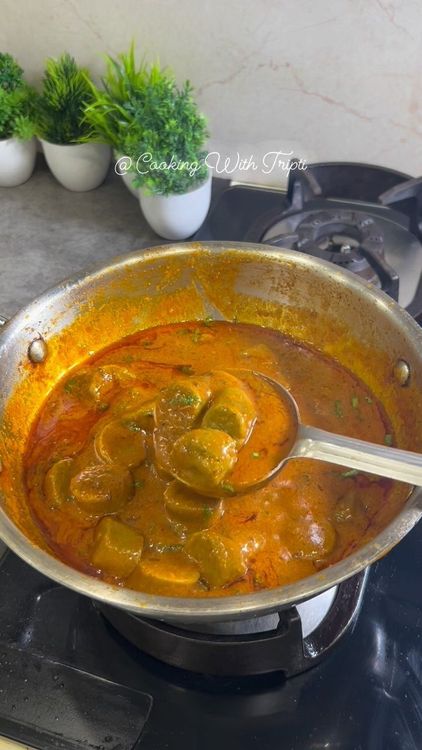
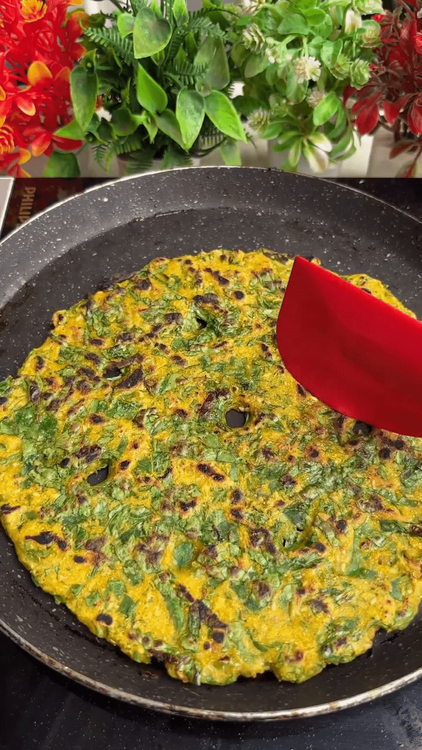
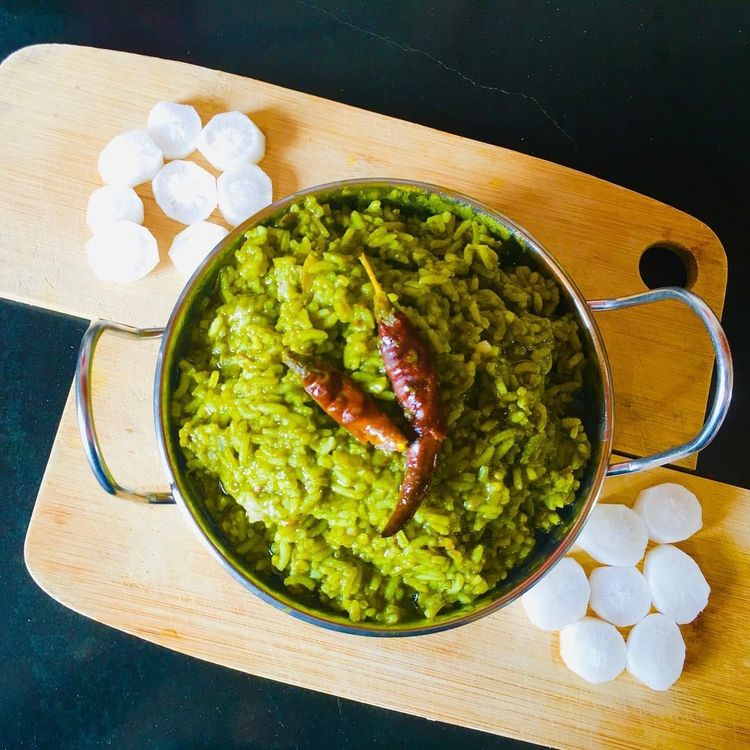
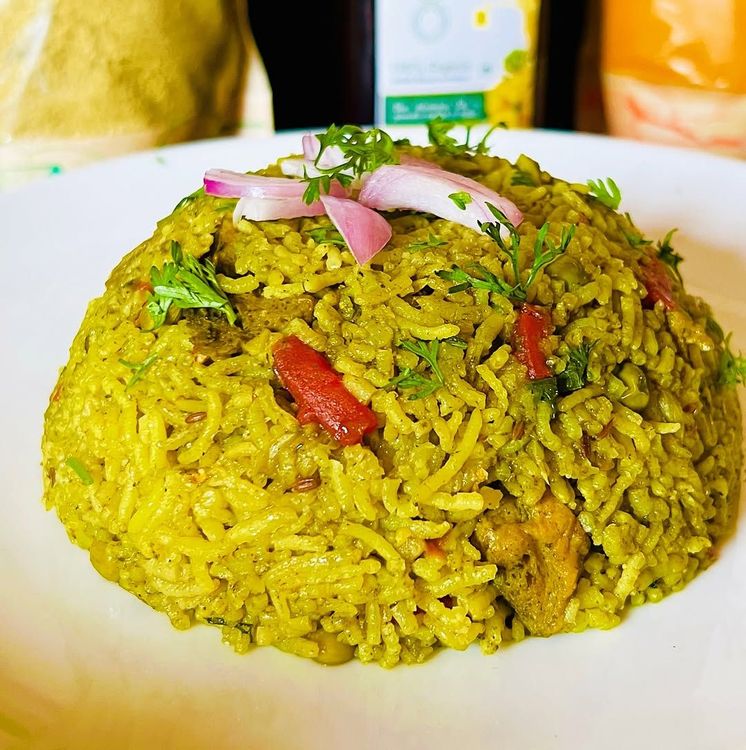
Got leftover spinach puree, or a forgotten bag of palak wilting in the fridge? Turn it into something completely new. This section covers the wider world of spinach cooking: a quick bhurji you can scramble in twenty-five minutes, stuffed parathas and rotis for breakfast, a crisp South Indian dosa, savoury chilla, rustic thalipeeth, and vibrant green rice like pulao and khichadi. These are exactly the recipes I reach for when I want all the nutrition of greens delivered in a form the whole family will happily finish.

- Indian
- Vegetarian
- Dinner
- Indian
- Vegetarian
- Breakfast
- South Indian
- Vegan
- Breakfast
- Indian
- Vegan
- Lunch
- Indian
- Vegetarian
- Breakfast
- Indian
- Vegan
- Lunch
- Indian
- Vegan
- Breakfast
- Indian
- Vegetarian
- Lunch

- Indian
- Vegetarian
- Dinner
- Indian
- Vegetarian
- Lunch
Snacks, Soups & Sides to Serve Alongside
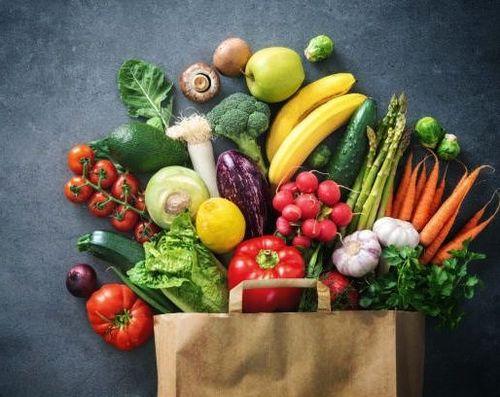
Round out the meal with these crisp, cosy little extras. Golden palak pakode and monsoon spinach fritters make brilliant tea-time snacks, spinach poori puffs up soft and green in the pan, and a warming corn-and-spinach soup starts a dinner party off nicely. None of them are remotely hard, and most come together from everyday pantry staples you'll already have. Serve them alongside any of the curries above, or set out a few together for an easy, generous, greens-forward spread.

- Indian
- Vegan
- Breakfast

- Indian
- Vegetarian
- Appetiser

- Indian
- Vegetarian
- Appetiser
- Indian
- Vegan
- Appetiser
Keeping Spinach Bright Green
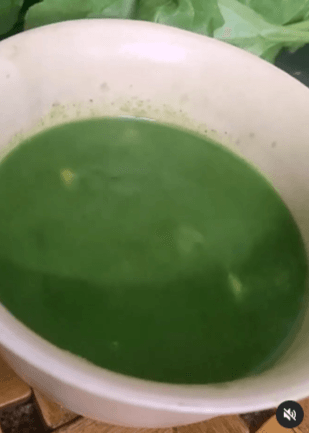
The single biggest giveaway of a home-made spinach curry is a dull, olive-brown gravy. The colour bleeds away for two reasons: overcooking and acid. Spinach holds its vivid green thanks to chlorophyll, and heat plus prolonged exposure to air steadily degrades it. The fix is speed. Bring a large pot of water to a rolling boil, drop the washed leaves in for no more than 60 to 90 seconds, then lift them straight into a bowl of iced water. That cold shock halts the cooking instantly and sets the colour. Drain the leaves well and puree them immediately, before they have any chance to sit and yellow.
A few smaller habits help too. Don't add salt to the blanching water in large amounts, and never cover the pan while the greens cook, as trapped acids and steam only accelerate yellowing. Hold back acidic ingredients like tomato and lemon until after the spinach puree goes in, and keep the final simmer short; five to seven minutes is plenty once everything is combined and warmed through.
I also avoid pureeing the spinach to a completely smooth paste unless the recipe specifically wants it silky, because a slightly coarse puree actually reads greener to the eye. Follow these few steps and your gravy will stay the fresh, vivid restaurant green you're after, rather than the tired grey-green of leftovers that have been reheated one too many times on the stove.
Soft Paneer Every Time
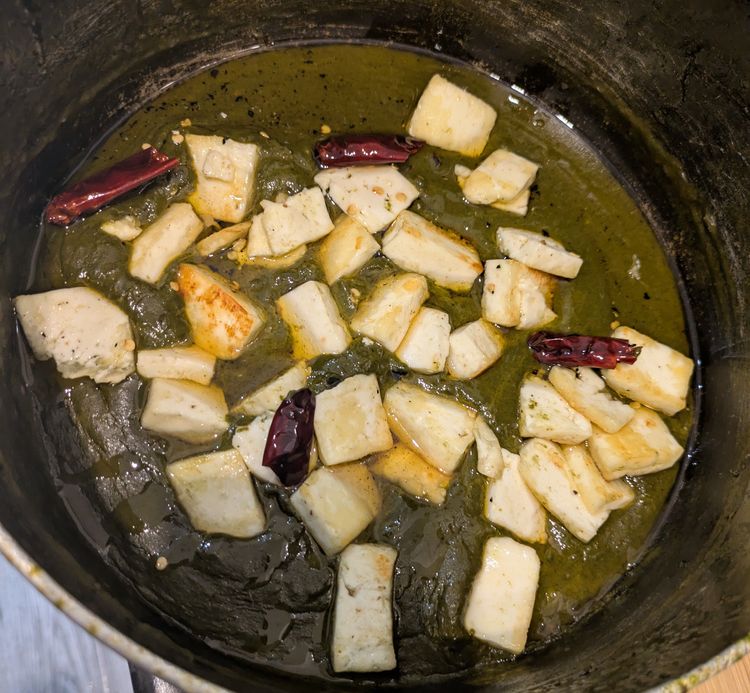
Paneer has a frustrating habit of turning rubbery and squeaky, especially the firm blocks sold at supermarkets. The good news is that texture is almost entirely within your control. If you are using shop-bought paneer straight from the fridge, soak the cubes in warm, not boiling, water for 15 to 20 minutes before you cook. This gently rehydrates the surface and softens the bite, and it makes a bigger difference than almost anything else. Drain the cubes just before adding.
Resist the urge to fry paneer hard. A deep golden crust looks appealing but tightens the protein and drives out moisture, leaving a chewy centre. If you want a little colour, sear the cubes briefly in a spoon of ghee over medium heat until barely blush-gold, then move them straight into warm water while you finish the gravy. Add the paneer to the curry only in the last three to four minutes, off a hard boil, so it warms through gently without ever toughening.
Salt matters as well: heavily salting paneer early can leach out its moisture. Season the gravy properly instead and let the paneer quietly absorb it. Fresh, homemade paneer is softer still because it hasn't been pressed as firmly, and it soaks up gravy like a sponge. Whichever you use, treat it gently, keep the heat moderate, and add it late, that simple trio keeps every cube pillowy and tender right to the very last bite.
Palak Paneer vs Saag Paneer
People use these two names interchangeably, but there is a real difference worth knowing. Palak refers specifically to spinach, so a palak dish is made purely, or almost purely, with spinach leaves. That gives the classic bright green, relatively smooth gravy most restaurants serve. Saag, by contrast, is a much broader Punjabi word for leafy greens as a whole category. A true saag can blend spinach with mustard greens (sarson), fenugreek (methi), bathua, dill or amaranth, which makes it earthier, more textured and often a deeper, muddier green.
The flavour follows the greens. Spinach alone is mild and slightly sweet, so the classic dish tastes clean and creamy. Mixed saag carries a pleasant bitterness and a more rustic, robust character, especially when pungent mustard greens dominate as they do in the depths of winter. Saag is also traditionally cooked longer and mashed by hand rather than blended silky-smooth, which gives it real, satisfying body and a coarser, more homespun texture.
In practice, many home cooks and menus label any green paneer gravy as one or the other, and that's perfectly fine. But if a recipe promises saag yet uses only spinach, expect the milder, sweeter profile. Want more depth? Stir a handful of methi or mustard greens into any spinach base and you nudge it firmly toward genuine saag. Knowing the distinction helps you pick the recipes that match the exact flavour you happen to be craving that day.
Pro Tips for the Best Green Gravy
- Always blanch and ice-shock your spinach rather than simmering it in the gravy; that quick 90-second dip followed by a plunge into cold water is the single difference between a vivid, restaurant-green curry and a dull, disappointing army-green one. Drain it well and puree it straight away while the colour is at its brightest.
- Toast a generous pinch of kasuri methi between your palms and crumble it in during the final minute of cooking. That crushed dried fenugreek is the one ingredient that gives dhaba-style gravies their unmistakable savoury aroma, and skipping it is usually why a home version tastes like it's quietly missing something.
- Soak cold, shop-bought paneer in warm water for fifteen minutes before you cook, and add it to the pan only in the final few minutes off a hard boil. Both small habits keep the cubes soft and pillowy rather than tight and rubbery, which is the most common complaint people have with this dish.
- Balance spinach's faint natural bitterness with a small pinch of sugar or a splash of cream right at the end. It rounds out the gravy and takes the edge off without ever making the dish taste sweet, and a squeeze of lemon at the table brightens the whole plate right back up again.
- Fry your ginger, garlic and green chilli patiently until the raw smell has completely disappeared before the spinach puree goes in. Underdone aromatics leave a harsh, sharp edge that no amount of cream or butter can later hide, so give this base stage the extra two or three minutes it genuinely deserves.
- These gravies freeze exceptionally well, so make a double batch whenever you cook. Freeze the spinach base on its own without the paneer, then simply stir in fresh cubes after reheating; you'll have a near-instant, genuinely home-made weeknight dinner ready in the time it takes to warm some naan through.
Frequently Asked Questions
What's the difference between palak paneer and saag paneer?
Palak means spinach specifically, so palak paneer is made purely, or almost purely, with spinach for a mild, bright green gravy. Saag is a much broader term for mixed leafy greens, spinach combined with mustard greens, fenugreek or bathua, which gives an earthier, more textured and often deeper-coloured curry. Menus and home cooks frequently use the two names loosely, but that difference in the greens is the real distinction.
How do I stop my curry turning brown or grey?
Colour loss comes down to two things: overcooking and acid. Blanch the spinach for just 60 to 90 seconds, then plunge it into iced water to lock in the green, and puree it immediately. Keep the final simmer short, no more than five to seven minutes, and add tomato or lemon only after the puree goes in. Never cover the pan while the greens cook.
Can I make these palak paneer recipes without cream?
Absolutely, and plenty here do. Many of the palak paneer recipes in this collection skip cream entirely and still taste rich and satisfying. Use a spoonful of cashew paste, a little full-fat yoghurt whisked in off the heat, or simply a knob of butter for body. The pureed spinach turns naturally creamy on its own, so cream is genuinely optional rather than essential to the finished dish.
How do I keep paneer soft and not rubbery?
Soak cold, shop-bought paneer in warm water for fifteen to twenty minutes before cooking to gently rehydrate it. Avoid frying it hard, which tightens the protein and squeezes out moisture, and add the cubes to the gravy only in the last three or four minutes, off a rolling boil. Fresh homemade paneer, being less firmly pressed, stays the softest of all and soaks up gravy beautifully.
Is spinach and paneer curry actually healthy?
It is genuinely nutritious. Spinach delivers iron, fibre, folate and vitamins A and C, while paneer contributes protein and calcium to help keep you full. To keep things light, go easy on the cream and butter and resist over-frying the paneer. Several versions in this collection are low-carb and come in under 400 calories a serving, which makes this a smart, filling vegetarian main.
What can I serve with this dish?
It pairs beautifully with warm naan, roti, jeera rice or plain steamed basmati. A side of dal, a fresh kachumber salad and some cooling raita round it out into a proper thali. For something lighter, spoon it over quinoa or scoop it up with paratha, and a little pickle with a wedge of lemon lifts every single plate on the table.
Can I freeze and meal-prep spinach and paneer curry?
Yes, and it is genuinely ideal for batch cooking and meal prep. Freeze the spinach gravy on its own, without the paneer, for up to three months, since paneer tends to turn grainy after thawing. Reheat it gently and stir in fresh cubes just before serving. In the fridge, the finished curry keeps for three to four days and often tastes even better the next day.
Can I use frozen spinach instead of fresh?
Frozen spinach works really well and saves you time, since it has already been blanched for you. Thaw it fully, squeeze out every last bit of excess water with your hands, then puree it as usual, expecting a slightly softer, duller colour than fresh leaves. Use roughly 250 grams of frozen chopped spinach for every large bunch of fresh spinach the recipe calls for.
From slow, restaurant-style gravies to quick bhurji, hearty dals and crisp pakode, these 33 palak paneer recipes give you a version for every appetite, skill level and weeknight. Bookmark a couple, keep spinach in the freezer, and you'll always have a bright, nourishing green dinner within reach. Start with a classic, then branch out, your new favourite is somewhere in this list.
Related
- palak paneer
- saag paneer
- paneer recipes
- spinach recipes
- north indian curry
- vegetarian dinner
Popular Searches
- Best palak paneer recipes
- Easy palak paneer recipes
- Quick palak paneer recipes
- Healthy palak paneer recipes
- Simple palak paneer recipes
- Homemade palak paneer recipes
- Delicious palak paneer recipes
- Popular palak paneer recipes
- palak paneer
- restaurant style palak paneer
- saag paneer
- how to make palak paneer
Marnirni-apinthi Building, Lot Fourteen,
North Terrace, Adelaide, South Australia, 5000
Australia
