
20 Modak Recipes, From 21-Pleat Ukadiche to Choco Lava
Updated July 15, 2026 · Curated by Chefadora
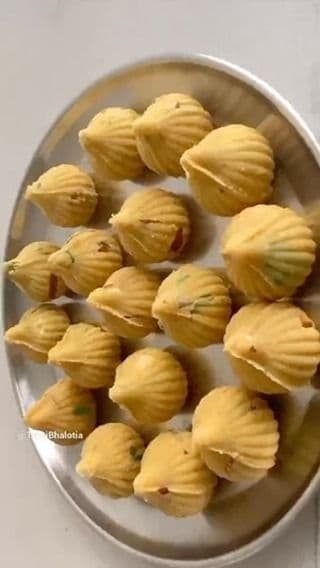
Every August my kitchen counter disappears under a drift of rice flour, and the modak recipes I keep coming back to get pulled out of a stained notebook. Some are the pleated, steamed kind a neighbour taught me to fold when I was twenty-two and hopeless at it. Others are the fried ones her mother-in-law swore were the only respectable version. If you have ever searched how to make modak and come away with twelve conflicting sets of instructions, this collection is my attempt at an honest answer.
The twenty here come from Chefadora cooks across Maharashtra, the Konkan coast, and a few kitchens that stopped worrying about tradition somewhere around the chocolate aisle. I have grouped them by method rather than by pedigree, because that is the decision you actually make on a festival evening: do I have the patience to pleat, the oil to fry, or fifteen minutes and a bowl?
Each has a note on what it tastes like, how long it really takes, and where it tends to go wrong. Start wherever your nerve is.
Ukadiche and Steamed Modak Recipes for the Naivedya Plate
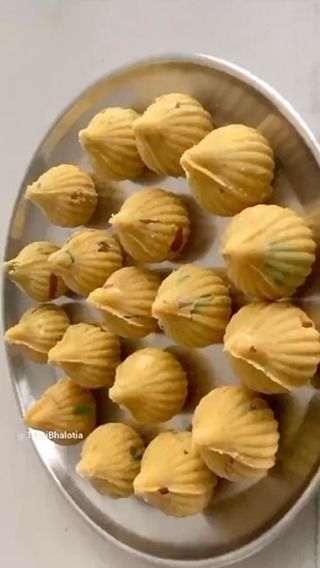
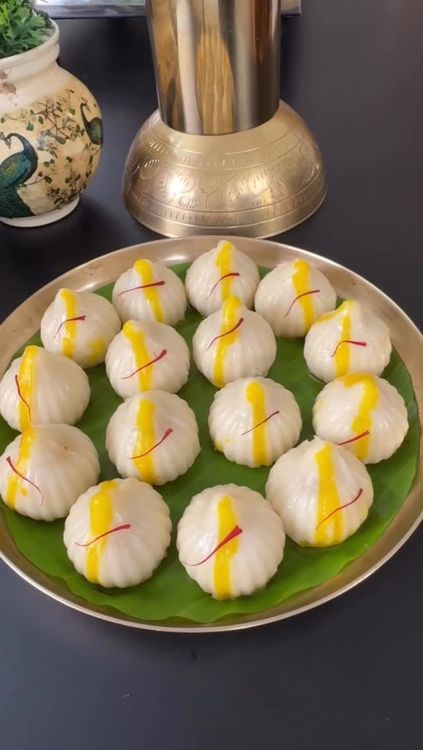
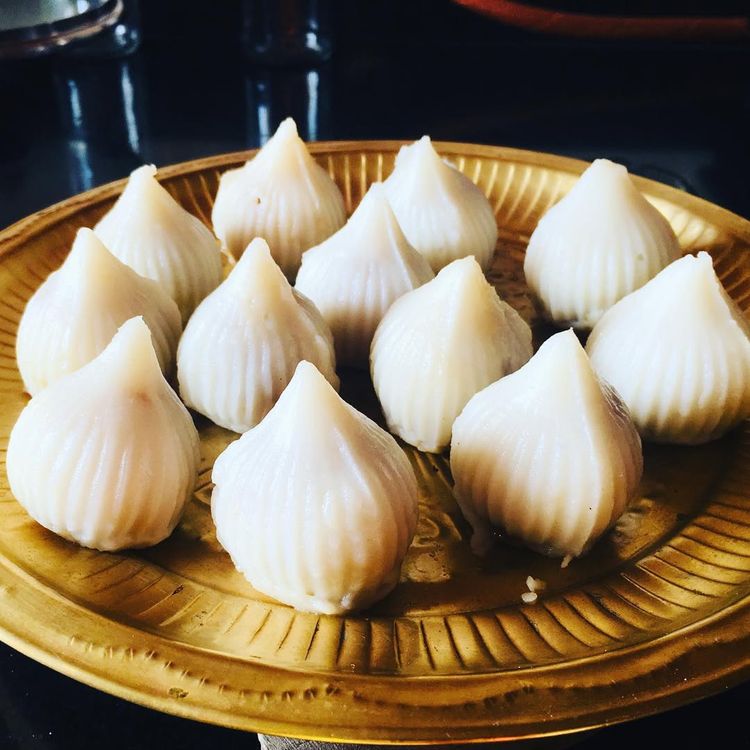
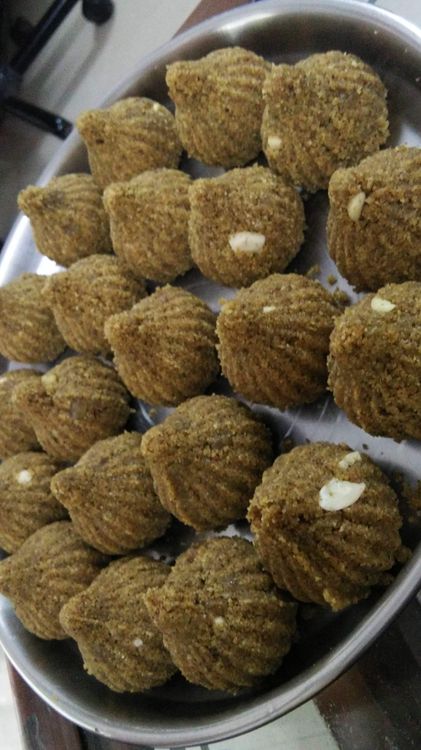
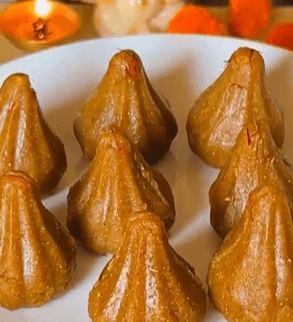
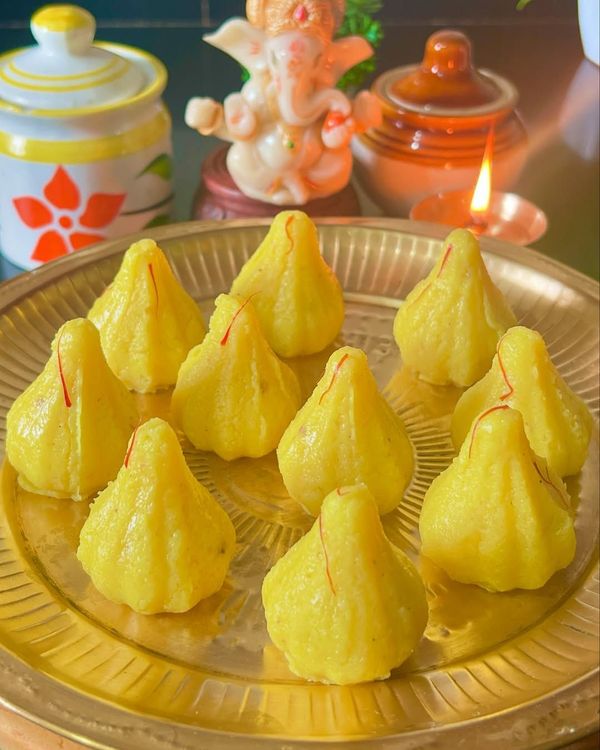
The ukadiche modak carries the ritual weight: a translucent rice-flour shell, twenty-one pleats if you are counting, and a coconut-jaggery heart that should still be warm when it reaches the plate. It is also the one that humbles people. The dough has to be kneaded hot, the pleats pinched while it is still pliable, and a steamed modak left to cool uncovered on a rack turns tough and chalky within the hour. The six here run from a stripped-back rice-flour version to a sprouted green-moong reworking and one sweetened with nothing but dates and jaggery. Read the ukad guide below before you start, not after your dough has already cracked.

- Indian
- Vegetarian
- Snack
- Indian
- Vegetarian
- Snack


- Indian
- Vegetarian
- Snack
- Indian
- Vegetarian
- Snack

- Indian
- Vegetarian
- Snack
- Indian
- Vegetarian
- Snack
Fried Parcels With a Crisp, Blistered Shell
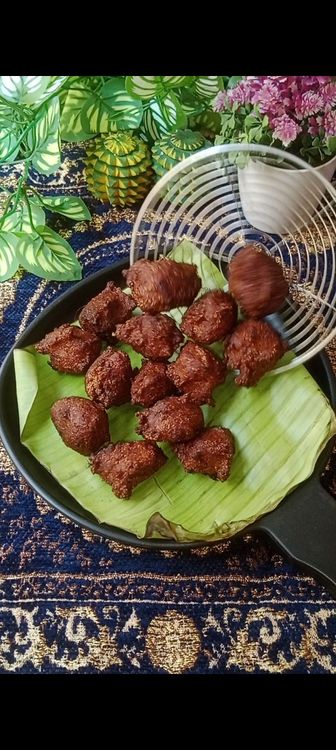
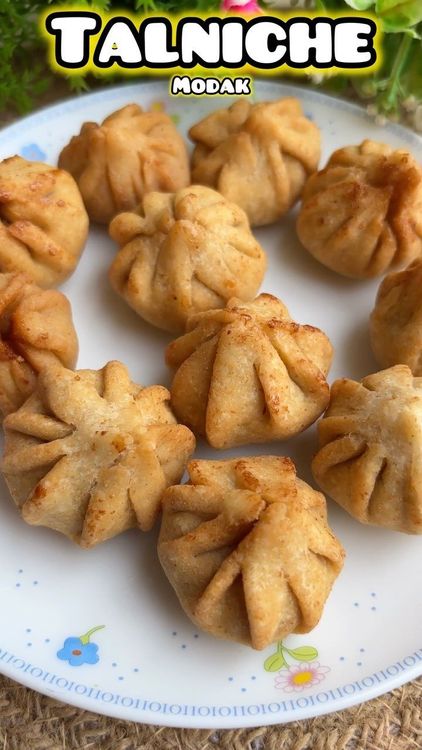
Talniche simply means fried, and this is the version that travels. A wheat-flour shell rolled thin, stuffed, sealed and lowered into medium-hot oil until it blisters into something sitting halfway between a karanji and a very small samosa. A fried modak keeps four or five days in a tin, which is exactly why it is what gets packed off with relatives at the end of the week. The trick is moyan: rub two tablespoons of warm ghee into every cup of flour until it clumps when you squeeze it. Skip that and the shell fries hard rather than short. Keep the oil around 170C.

- Indian
- Vegetarian
- Dessert
- Indian
- Vegan
- Breakfast
- Indian
- Vegetarian
- Snack
- Indian
- Vegan
- Breakfast
Cocoa, Mango and Other Cheerful Heresies
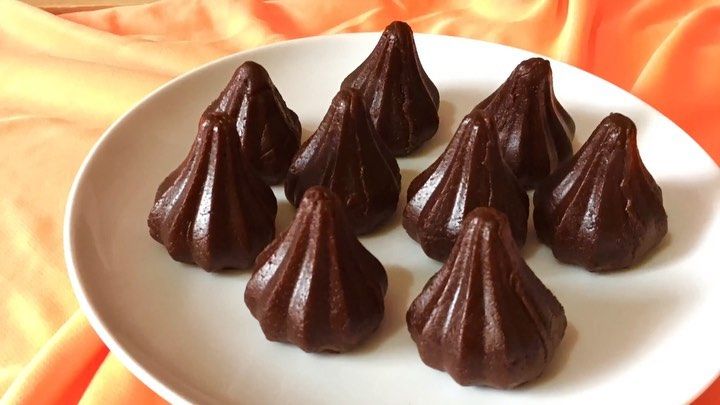
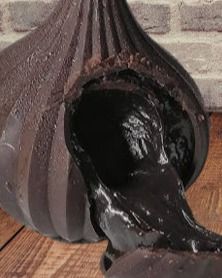
Purists will not love this section and that is fine. A chocolate modak is barely thirty years old as an idea, invented more or less the moment Indian home cooks got reliable cooking chocolate and a silicone mould, and it has earned its place because children will eat six of them. What follows ranges from crushed-biscuit shortcuts you can make in ten minutes to a molten cocoa centre that genuinely runs when you break it open. Temper your chocolate if you want a snap; skip tempering if you plan to serve straight from the fridge. Mango and warm spice show up here too, and work better than they have any right to.
- Indian
- Vegetarian
- Snack
- Indian
- Vegetarian
- Snack
- Indian
- Vegetarian
- Snack
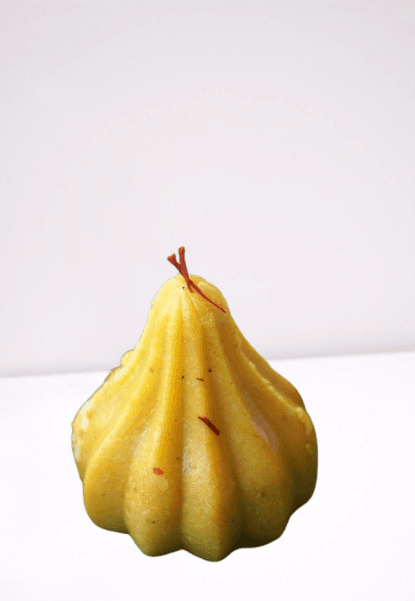
- Indian
- Vegetarian
- Dessert
Quick, No-Cook and Coconut-Led Sweets
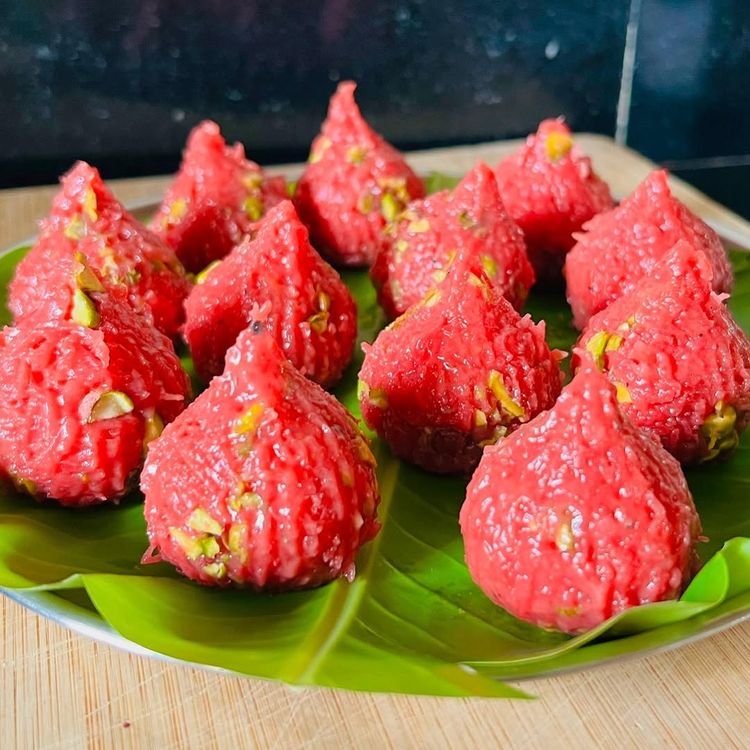
This is the section I use most, and I suspect that is true for most people who are honest about their weeknights. Desiccated coconut, mawa or condensed milk, a mould, and fifteen minutes of pressing gets you something perfectly respectable on the naivedya plate. Nothing here needs a steamer or a kadhai of hot oil. A few of them, like the khajur and besan versions, do want a short spell on the stove to bloom the fat and drive off moisture, which is what stops them weeping in the fridge two days later. Press the mixture firmly into the mould while it is still warm and pliable.
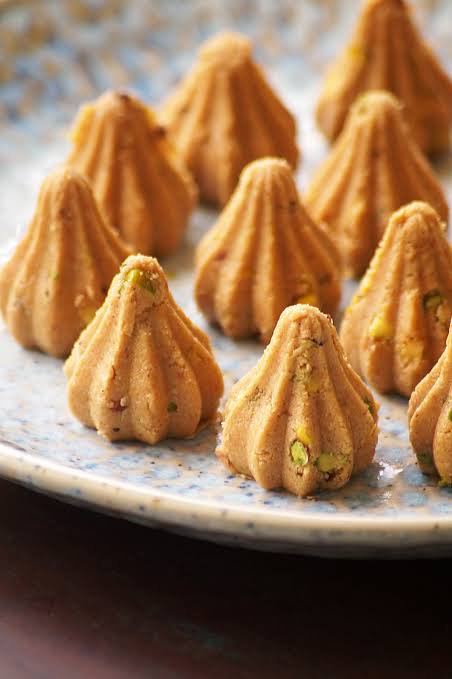
- Indian
- Vegetarian
- Snack
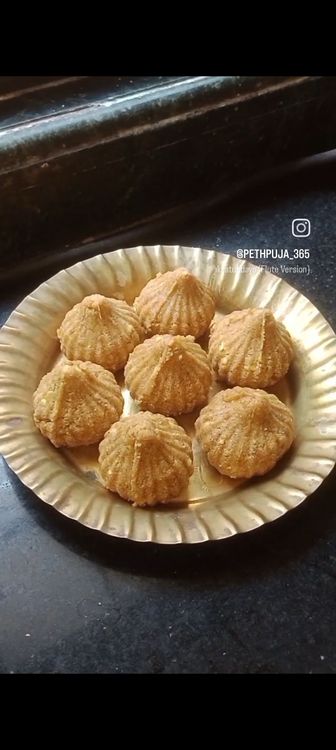
- Indian
- Vegetarian
- Dessert
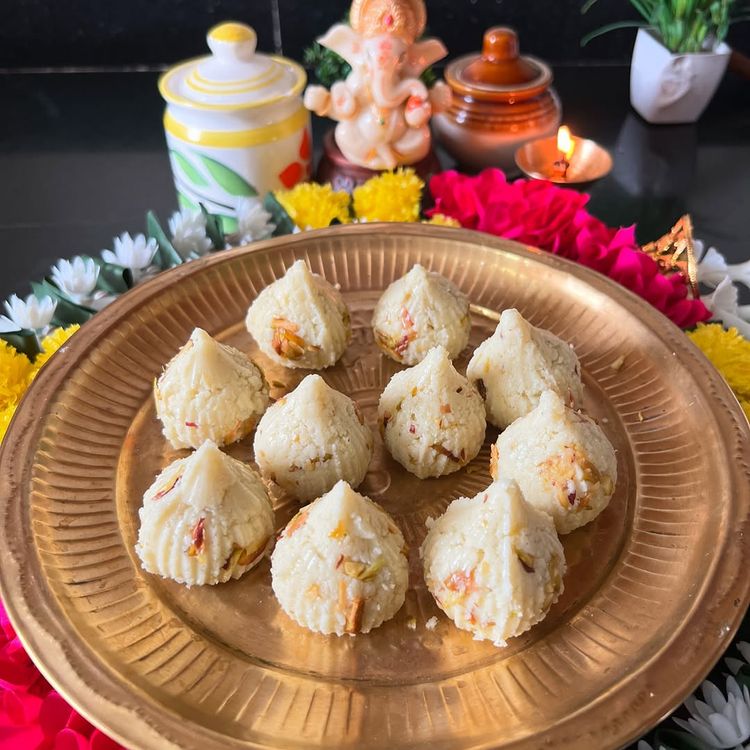
- Indian
- Vegetarian
- Snack
- Indian
- Vegetarian
- Snack
- Indian
- Vegetarian
- Dessert
- Indian
- Vegetarian
- Dessert
Shaping Modak by Hand vs Mould
Hand-pleating is the skill everyone photographs and almost nobody masters on the first festival. You flatten a ball of hot dough into a shallow cup about three inches across, thinning the rim between your thumb and forefinger until it is nearly translucent while the base stays thick enough to hold. Then you pinch pleats around that rim, five at minimum, twenty-one if you are being devout, spoon in the filling, gather the pleats up to a point and twist. The whole thing has to happen in maybe ninety seconds, because rice dough stiffens as it cools and a stiff rim tears instead of folding.
The plastic mould is not cheating. It is what most Maharashtrian kitchens I know actually reach for on a weekday, and for an ukadiche modak it gives you a cleaner cone and a more even shell than a shaky hand will. Grease the inside with a fingertip of ghee, press dough up the walls to an even two millimetres, fill, then cap the base with a disc of dough and pinch it shut. Open the hinge slowly. If it sticks, your dough is too wet.
One caveat: a mould will not help you with a fried modak. That dough is wheat-based, rolled thin like a puri, and it wants to be folded and crimped by hand along the edge, the same way you would seal a karanji. Use a fork to press the seam if your crimping is untidy. An unsealed seam bursts in hot oil and takes the filling with it, and you will be fishing coconut out of the kadhai all afternoon.
The Rice-Flour Dough (Ukad)
Ukad is the cooked rice-flour dough, and it is where most attempts fall apart. The ratio I trust is one cup of fine rice flour to one and a quarter cups of water, with a teaspoon of ghee and a good pinch of salt in the water. Bring that liquid to a genuine rolling boil first. Not a shiver, a boil. Then tip the flour in all at once, stir hard with the back of a wooden spoon until there is no dry flour visible, clamp a lid on and pull it off the heat for four or five minutes to steam through.
Now the part people skip. You must knead it hot. Tip the mass onto a greased plate, wet your palms in cold water, and work it for a solid three minutes while it is still too warm to be comfortable. Cold dough will not knead smooth, and a lumpy ukad gives you a shell that cracks along fault lines the moment it hits the steamer. If it feels dry, wet your hands again rather than pouring water in.
Flour matters more than technique here. Use fine rice flour milled for this purpose, ideally labelled for ukadiche modak or bhakri; coarse flour drinks water unpredictably and grits on the tongue. Keep the kneaded dough under a damp cloth and work one ball at a time, because an uncovered batch skins over within minutes. If your shells still crack, add a tablespoon more water next time. The dough should feel like soft clay, never like putty.
The Coconut-Jaggery Filling
The filling, called saran, is fresh grated coconut and grated jaggery in roughly equal volume, cooked together until the jaggery melts and then keeps cooking until the mixture pulls away from the sides of the pan. That last stage is not optional. Wet filling is the single most common reason a steamed modak splits open in the pot: the moisture turns to steam inside a sealed shell with nowhere to go. Cook it until a spoon dragged through leaves a clean track that holds for a second.
Fresh coconut is worth the labour if you can get it. Desiccated works, but soak it in three tablespoons of warm milk for ten minutes first or it will pull moisture out of everything around it. Jaggery is a judgement call by batch, since dark jaggery is stronger and slightly bitter while the pale sort is cleaner and sweeter. Taste it before you commit. I add half a teaspoon of ground cardamom, a pinch of nutmeg, and a spoon of poppy seeds toasted dry in the pan.
Cool the saran completely before you fill anything. Warm filling softens the shell from the inside and makes pleating a misery. It also keeps beautifully: I make it a day ahead and refrigerate it in a covered box, which turns festival morning from a two-hour job into a forty-minute one. Some cooks add a spoon of khus khus or a handful of chopped cashew for texture. Both are good. Chopped dates work if you want the sugar down.
Ganesh Chaturthi and Serving
These are Ganpati's favourite sweet, which is the whole reason twenty-one of them go on the naivedya plate on Ganesh Chaturthi. Twenty-one is the traditional count, though five or eleven are perfectly normal in a small household and nobody is auditing you. They are offered first, then eaten, and the offering is meant to be warm. That single fact should shape your entire timeline: steam the last batch as late as you reasonably can.
Serve them with a small pool of warm ghee poured over the top just before eating. This is not a garnish, it is the point. The ghee softens the shell, carries the cardamom, and turns a slightly dry parcel into something that tastes intentional. Cold ones can be revived with two minutes back in the steamer, though never the microwave, which turns the rice shell into rubber with startling efficiency.
For timing across a full festival day, the fried modak is your friend: make it two or three days ahead, cool it completely, and store it airtight at room temperature. No-cook coconut versions hold four days refrigerated. Only the steamed ones are truly same-day, and even those will survive six or seven hours under a damp cloth in a covered container. If you are cooking for a crowd, make the filling on day one, the fried batch on day two, and leave yourself nothing but pleating and steaming on the morning itself. That is how the aunties do it, and they have had considerably more practice than either of us.
Pro Tips From My Kitchen
- Keep a bowl of cold water beside you while you shape. Wet palms stop the hot dough sticking and let you thin the rim without tearing it, and you will re-wet your hands roughly every second parcel. This one habit does more for your pleating than any amount of practice.
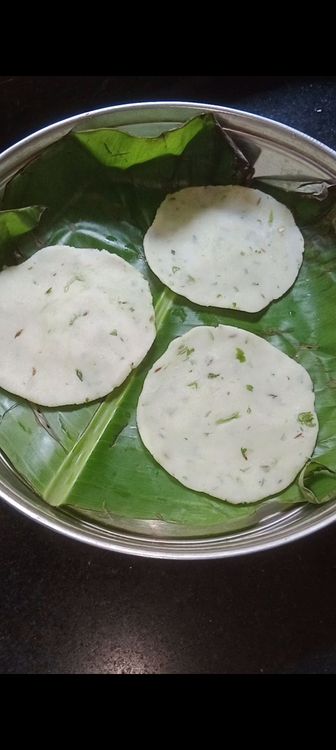
- Line the steamer with a banana leaf, or failing that a greased muslin or a few turmeric leaves. Bare metal grabs the base and rips it off when you lift. Grease the plate too, even over the leaf, and leave a finger's width between each one so they do not fuse.
- Steam for exactly ten to twelve minutes on a medium flame, no more. Overcooked shells go gummy and start to sag off the filling. You will know they are ready when the surface turns glossy and slightly translucent, almost like wet porcelain.
- For a chocolate modak that unmoulds cleanly, chill the filled mould for fifteen minutes before you open it. Cocoa fat needs to set hard or the cone slumps the moment it hits air, and a slumped one looks like a sad little hat rather than a sweet.
- Test your frying oil with a scrap of dough rather than guessing. It should rise in about four seconds with a lazy fizz. Too hot and the shell colours before the filling warms; too cool and it drinks oil and turns heavy and greasy.
- Grate jaggery rather than chopping it, and grate it fine. Big shards melt at their own pace and leave you with a filling that is simultaneously scorched in one spot and gritty in another, which you only discover after everything is sealed shut.
- Make a couple of deliberately ugly ones first and eat them standing at the stove. It calibrates your dough, your filling and your seasoning before you commit the batch, and it is a much cheaper mistake than finding out at the plate.
Frequently Asked Questions
How many modak recipes do I actually need for a Ganesh Chaturthi naivedya?
One, honestly, if it is the pleated steamed kind, because that is what tradition asks for. Most households I know make two: the classic for the offering itself and something fast and no-cook for the stream of visitors who arrive all week. Twenty-one pieces is the customary count on the plate, but five or eleven is entirely normal and nobody will think less of your devotion.
What is ukadiche modak and why is it considered so hard?
Ukadiche means steamed, and the difficulty is the timing rather than the skill. The rice dough must be cooked, then kneaded while genuinely hot, then shaped before it cools and stiffens, all inside a window of a few minutes per ball. Miss that window and the rim tears as you pleat. Keep the batch covered with a damp cloth and work one piece at a time and it becomes very manageable.
Can I make fried modak ahead of time?
Yes, and this is exactly what it is for. A fried modak cools, dries and keeps for four to five days in an airtight tin at room temperature, which is why it gets packed off with relatives. Make sure it is completely cool before the lid goes on, since trapped steam softens the shell overnight. Re-crisp for three minutes in a hot oven if it has gone limp.
Why did my steamed modak crack open in the pot?
Almost always one of two things. Either the filling was too wet, so it turned to steam inside a sealed shell and forced its way out, or the dough was under-kneaded and had fault lines running through it. Cook your saran until it pulls away from the pan, knead the ukad hot for three full minutes, and seal the tip properly. A cracked base usually means you rolled it too thin.
How to make modak without a mould or any pleating skill?
Roll the filled dough into a smooth ball, then pinch the top into a point with your thumb and two fingers and gently taper the sides. It gives you the cone silhouette without a single pleat, and once ghee is poured over it nobody looks that closely. Alternatively use the no-cook coconut versions in this collection, which are stiff enough to shape freehand in seconds.
Is chocolate modak actually traditional?
Not remotely, and that is fine. The chocolate modak arrived with cooking chocolate and silicone moulds maybe three decades ago, and it has stuck around because children reliably eat it and it takes ten minutes. Purists keep it off the offering plate and serve it to guests instead, which strikes me as a sensible compromise. The classic goes to Ganpati; the cocoa one goes to the cousins.
Which flour should I use for the shell?
Fine rice flour for the steamed kind, ideally one milled specifically for this or for bhakri, because coarse flour absorbs water unpredictably and grits on the tongue. For the fried version, use maida for a shell that blisters and shatters, or fine wheat flour if you want something sturdier that travels well. Rubbing warm ghee into either flour before adding water is what keeps the shell short rather than tough.
How long do these keep, and can I freeze them?
Steamed ones are a same-day proposition, holding six or seven hours under a damp cloth before the shell turns chalky. Fried keep four to five days airtight; no-cook coconut ones keep about four days refrigerated. Freezing works better than you would expect: freeze them shaped but uncooked on a tray, bag them once solid, and steam or fry straight from frozen with a few extra minutes.
Twenty modak recipes, four methods, and one piece of advice: pick the one that matches the time you honestly have, not the one that matches your ambition. A cheerful no-cook coconut sweet made calmly beats a pleated disaster made at speed. Start with the plain rice-flour version, get a feel for the dough, and work up to the twenty-one pleats next year.
Related
- ganesh chaturthi
- maharashtrian sweets
- indian festival food
- coconut desserts
- no-cook sweets
- diwali sweets
Popular Searches
- Best modak recipes
- Easy modak recipes
- Quick modak recipes
- Healthy modak recipes
- Simple modak recipes
- Homemade modak recipes
- Delicious modak recipes
- Popular modak recipes
- ukadiche modak
- fried modak
- how to make modak
- chocolate modak
Marnirni-apinthi Building, Lot Fourteen,
North Terrace, Adelaide, South Australia, 5000
Australia
