
14 Red Lentil Recipes: Masoor Dal, Curries, Soups and Snacks
Updated July 7, 2026 · Curated by Chefadora
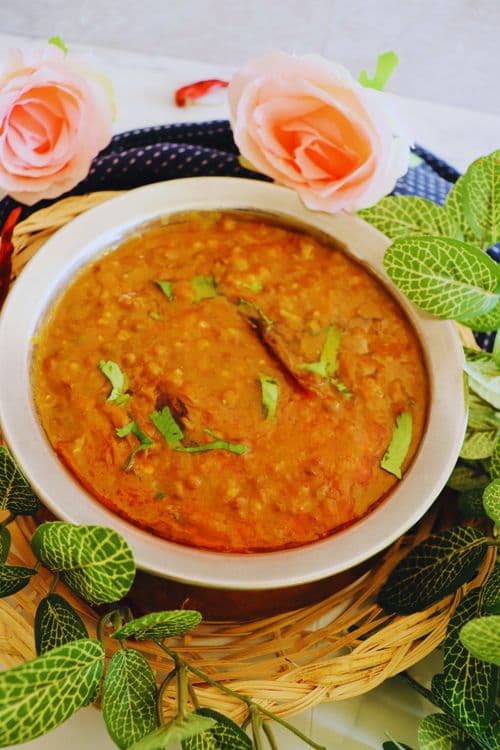
These red lentil recipes lean into what split red lentils do best - collapsing into silky, comforting dal in well under an hour with no soaking required. Most of the fourteen dishes here are Indian, Bangladeshi and Sri Lankan classics: masoor dal tadka, arhar dal, dal chawal, a quick coconut lentil sauce and crisp fritters you fry to order. I've cooked lentils like these on ordinary weeknights for years, and what keeps me coming back is how forgiving they are.
Red lentils are the fast food of the pulse world. They need no overnight soak, they thicken on their own, and they take a tempering of ghee, cumin and garlic like nothing else. Below I've sorted every dish into four groups - everyday dals and curries, soups and stews, one-pot rice meals, and crunchy snacks - so you can cook by mood. Each recipe carries a quick note on texture, timing and what to serve alongside it.
Masoor Dal & Everyday Red Lentil Recipes (Curries & Dals)
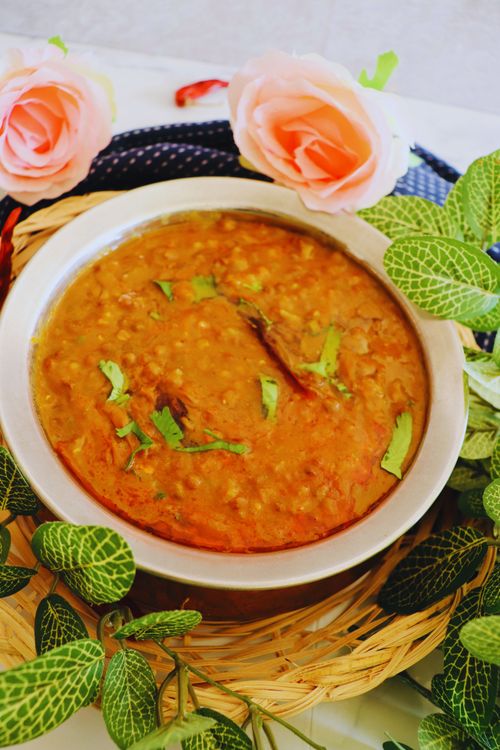
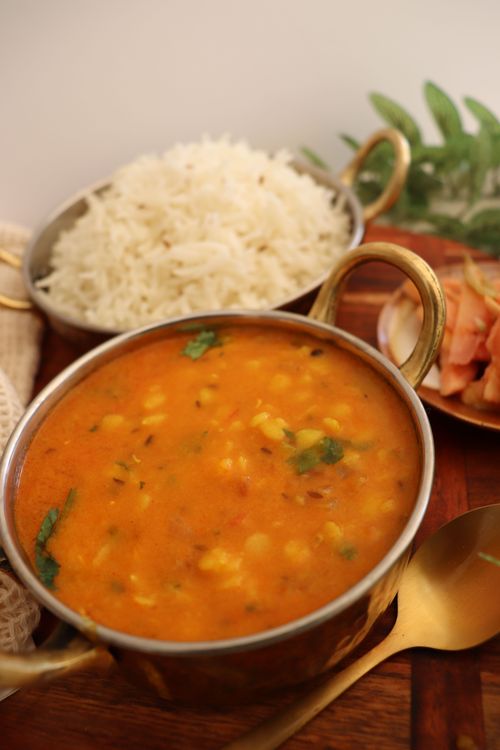
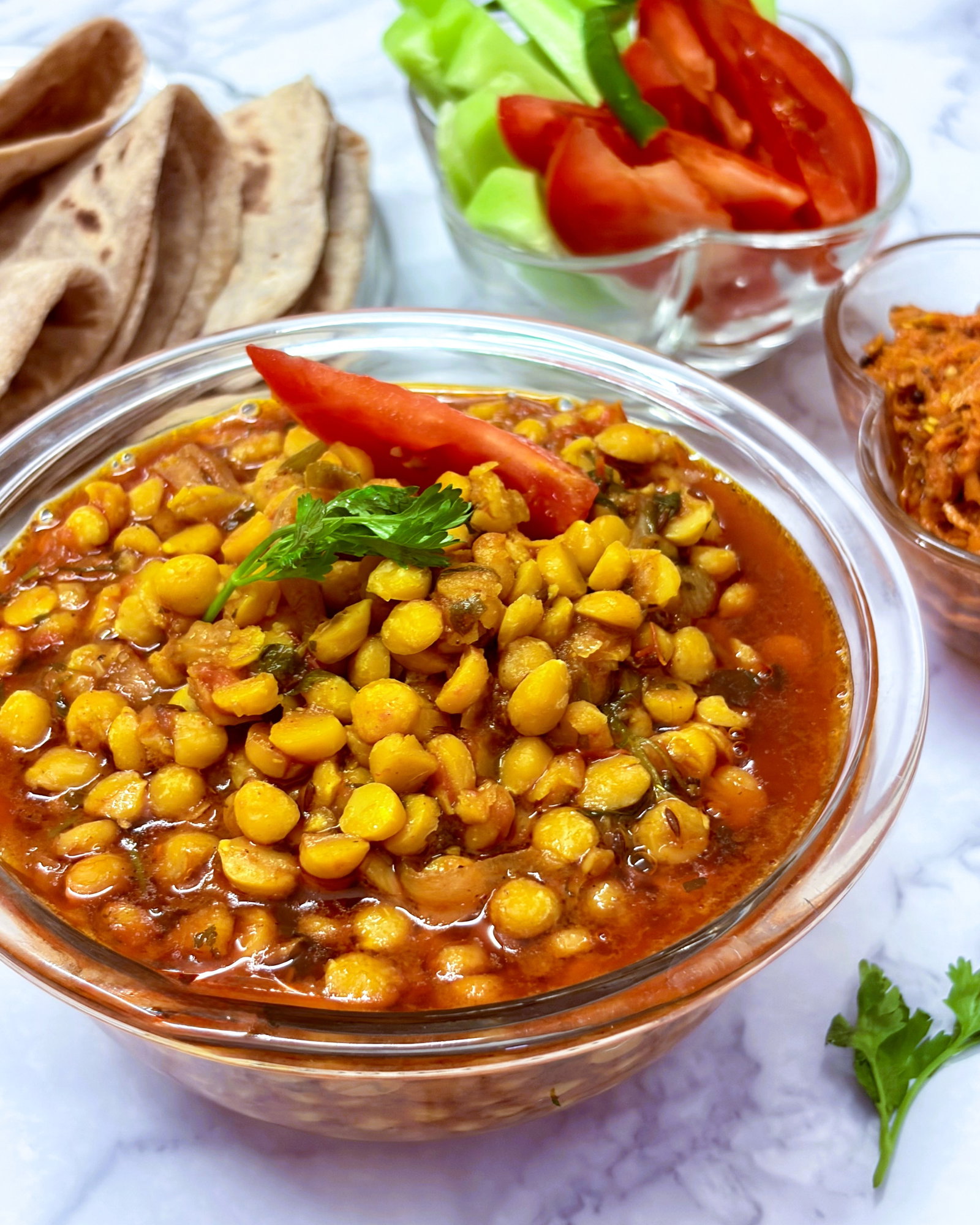
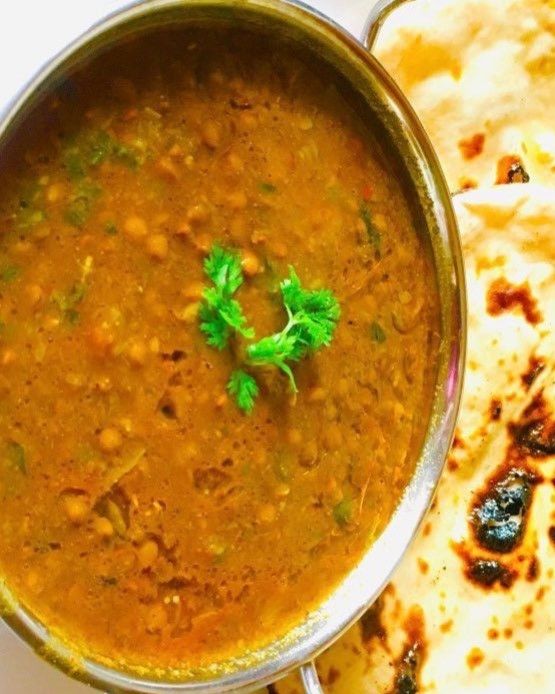
This is the heart of the collection: everyday dals and lentil curries you can put on the table any night of the week. Split red lentils (masoor) cook fastest, turning tender in 15 to 20 minutes, while chana dal and urad hold a little more bite and want a pressure cooker. The technique is nearly always the same - simmer the lentils soft with turmeric and salt, then finish with a sizzling tadka of ghee, cumin, garlic and dried chilli poured over the top. Serve with steamed rice or hot roti, a wedge of lime and sliced raw onion. These are the dishes I lean on when I want dinner sorted with almost no effort.

- Indian
- Vegetarian
- Lunch
- Indian
- Vegetarian
- Lunch
- Vegetarian
- Main Course
- Vegetarian
- Main Course
- Indian
- Vegan
- Lunch

- Indian
- Vegan
- Lunch
Red Lentil Soups & Stews
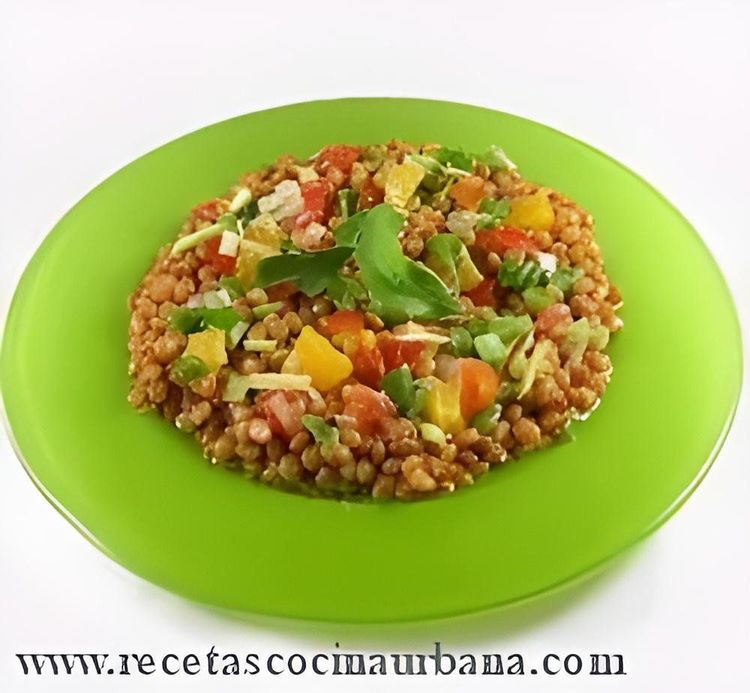
When you want something spoonable rather than saucy, red lentils make the best thickener going - they melt into broth and give soup body without cream or flour. In this small group you'll find a warming, spiced red lentil soup served with a molten mozzarella toastie for dunking, plus a cooler French-style dish of whole lentils dressed in a sharp mustard vinaigrette that eats somewhere between a stew and a salad. Both keep beautifully: the soup thickens overnight, so loosen it with a splash of stock, and the dressed lentils actually taste better on day two once they've soaked up the acid. Make a big pot on Sunday and lunch is done.


- Vegetarian
- Soup
- Mediterranean
- Vegan
- Salad
Red Lentil Khichdi, Rice & One-Pot Meals
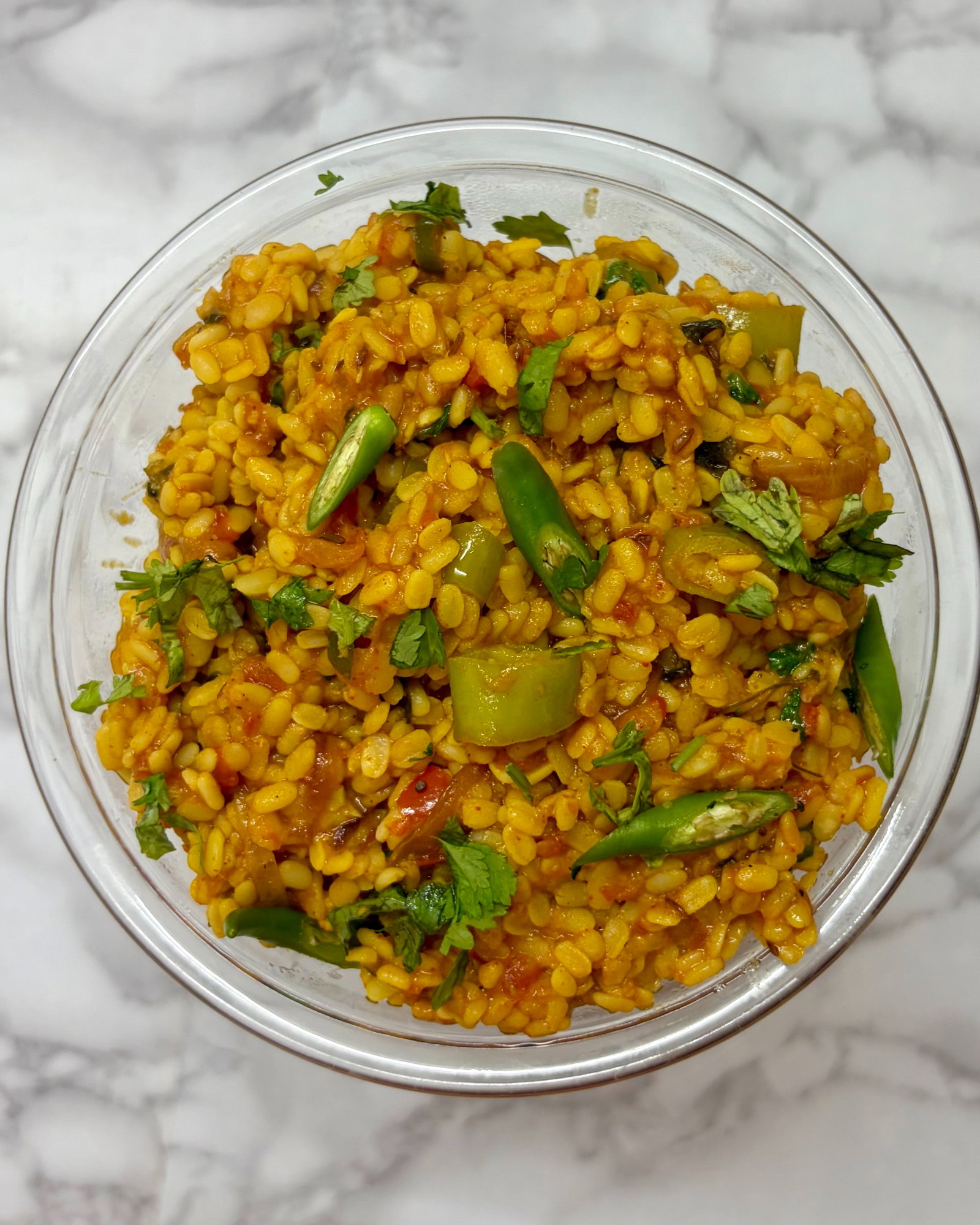
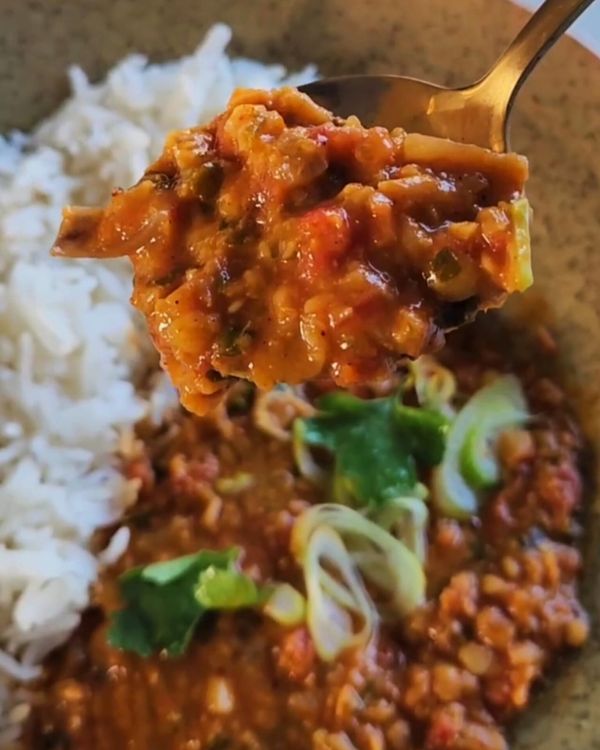
One-pot lentil cooking is where budget and comfort meet. Here dal shares the pan with a starch so the whole meal comes together in a single vessel - less washing up, more flavour. Dal chawal (dal bhat) is the ultimate South Asian comfort plate, soft lentils spooned over fluffy rice; the moong dal paratha tucks a spiced lentil filling inside a griddled flatbread; and the black bean and lentil pasta borrows the same protein trick for a weeknight bowl ready in half an hour. All three are filling, freezer-friendly and endlessly adaptable - swap the grain, dial the chilli up or down, and stretch a single cup of lentils to feed the whole table.

- Vegetarian
- Breakfast
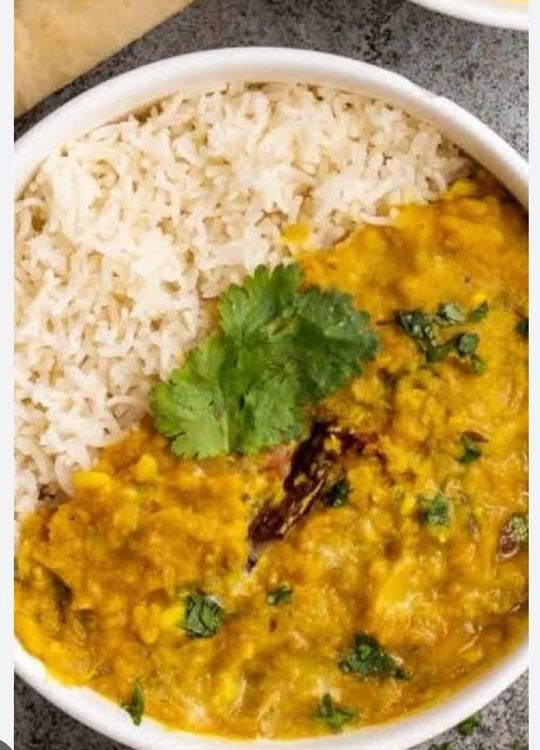
- Indian
- Vegetarian
- Lunch
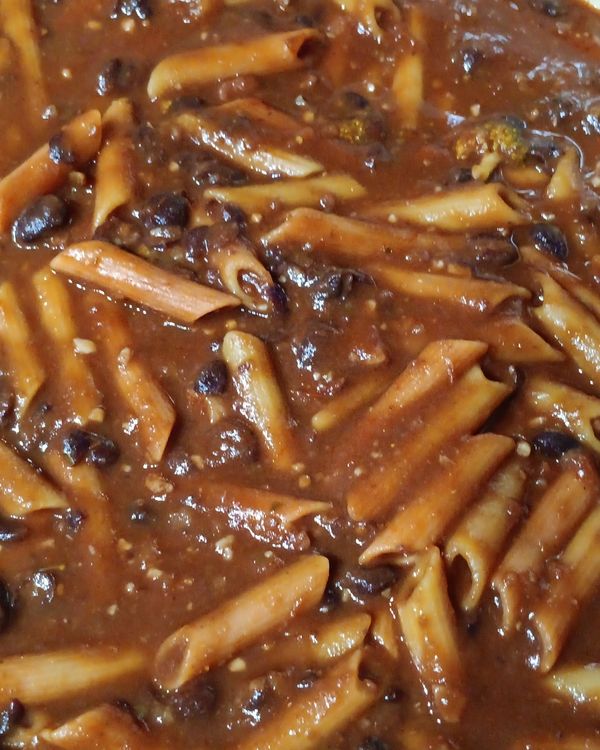
- American
- Non-Vegetarian
- Dinner
Red Lentil Snacks: Chilla, Pakora & Vadai
Ground or battered, lentils fry into some of the best snacks in the subcontinent. This group is all crunch: a soft moong dal chilla (savoury lentil pancake) you can fill and roll for breakfast, Sri Lankan dhal vadai - spiced fritters with a craggy, deep-fried edge - and Bangladeshi peyaju, thin onion-and-lentil pakora that vanish the moment they hit the plate at teatime. The chilla is batter-and-cook simple; the vadai and peyaju reward a coarse grind so the fritters stay light rather than dense. Serve any of them hot with green chutney or a squeeze of lime, and keep the oil at a steady 170C for a shatter-crisp shell.
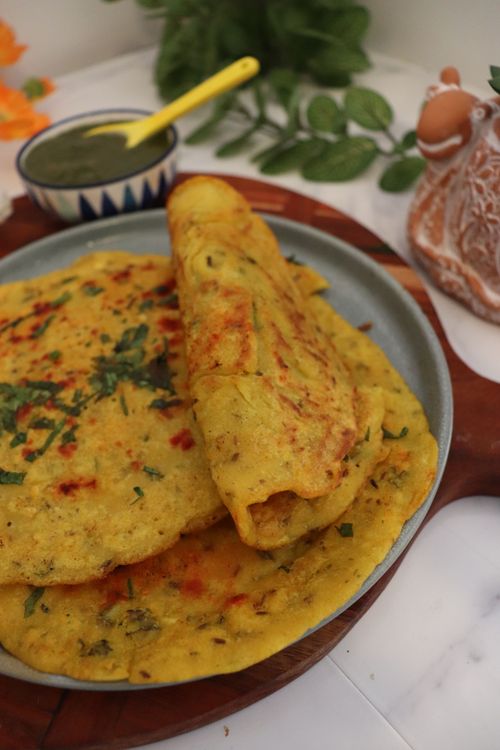
- Indian
- Vegan
- Breakfast
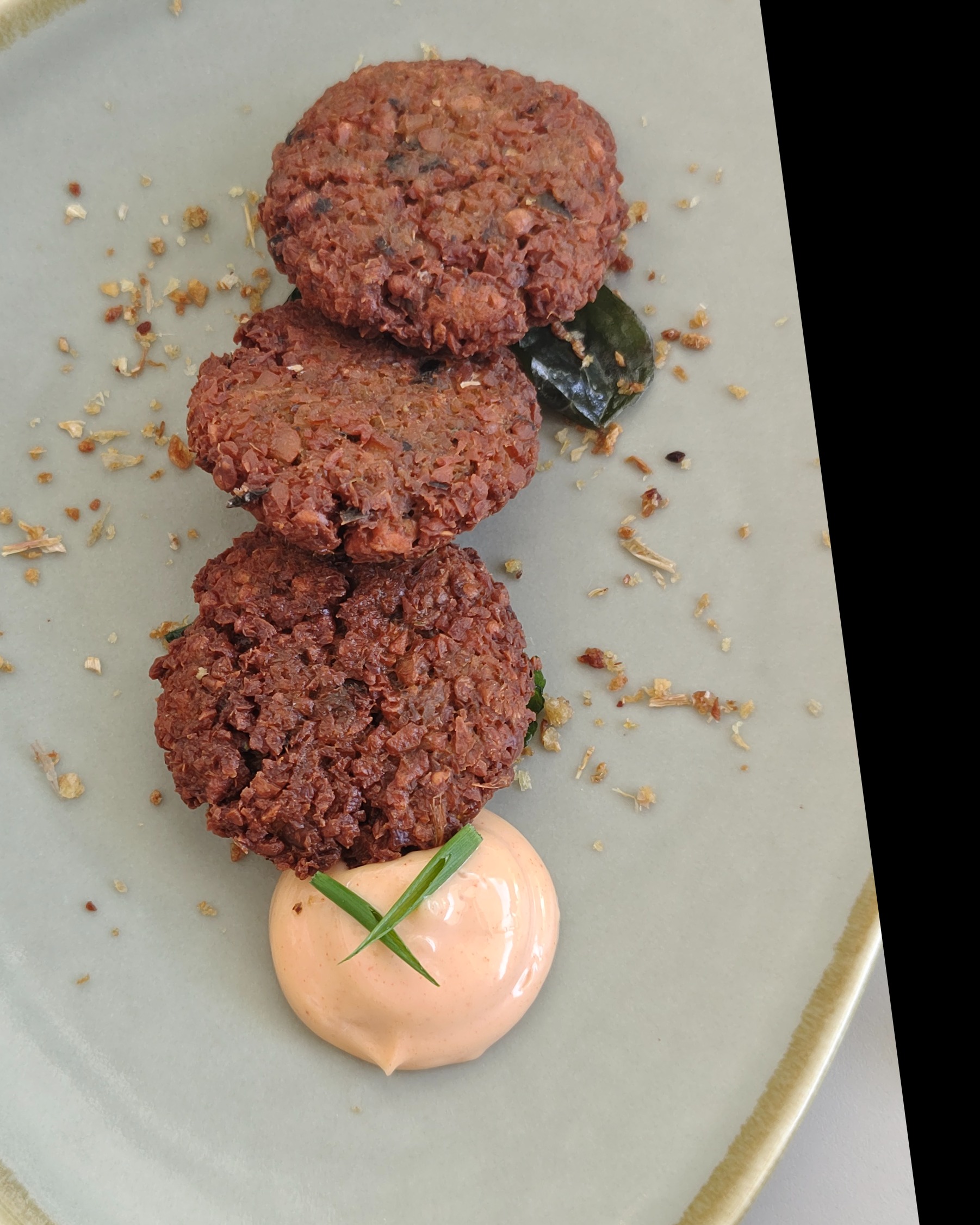

- Sri Lankan
- Vegan
- Appetiser
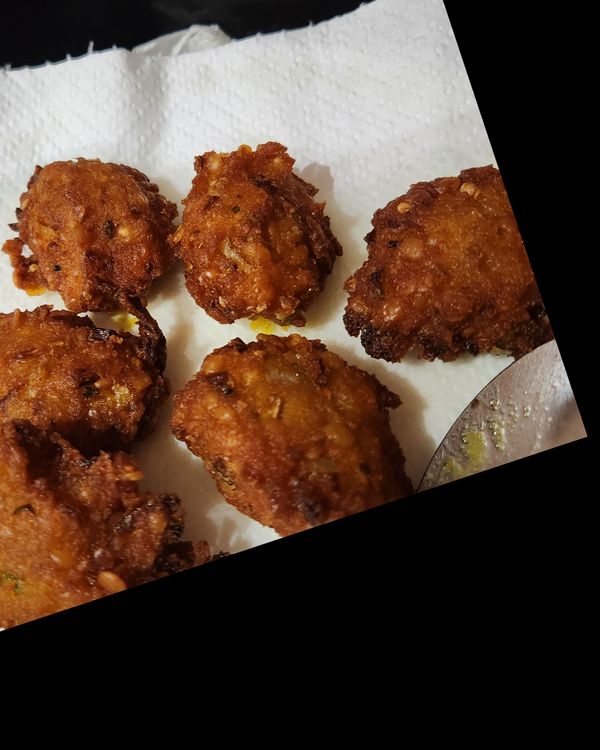
- Bangladeshi
- Vegan
- Appetiser
Cooking Red Lentils Perfectly (No Soaking Needed)
Split red lentils are the one pulse you never have to plan ahead for. Because the seed coat is removed and the lentil is split, water penetrates fast - a good rinse under the tap is all the prep they need. Skip the overnight soak entirely; soaking only makes them disintegrate faster and turns your dal to mush. Rinse in two or three changes of water until it runs clear, which washes off surface starch and stops the pot foaming over, then cook straight away. Use roughly three cups of water to one cup of lentils for a pourable dal, or two-to-one for something thicker you can scoop up with roti. A pinch of turmeric in the water gives colour and, some cooks swear, keeps digestion easy.
On the stovetop, bring them to a boil, skim the grey foam that rises in the first few minutes, then drop to a gentle simmer for 15 to 20 minutes until they collapse. Salt early - the old rule that salt toughens lentils simply doesn't hold for the split red kind. In a pressure cooker or Instant Pot you're looking at three to four whistles, or about 8 minutes at high pressure with a natural release. The lentils are done when they've lost their shape and a spoon drawn through the pot leaves a clean line across the bottom. If it looks thin, simmer uncovered for a few minutes to reduce; if it's claggy, whisk in a little hot water. Always finish with tadka off the heat, stir once, and let the dal rest five minutes before serving so the flavours settle and the texture turns velvety rather than loose. One cup of dry lentils feeds three to four people as a main with rice, and the recipe scales up cleanly, so it is worth cooking a big pot and freezing the rest.
Red Lentils vs Other Dals: A Quick Guide
Walk down the pulse aisle and the choice can be baffling, so here's how the common dals differ once they hit the pot. Masoor (split red lentils) are the quickest and softest - they cook in 15 to 20 minutes with no soak and break down into a smooth, almost creamy dal, which is why they're the go-to for a fast weeknight tarka. Whole brown and green lentils are a different animal: they hold their shape and are far better suited to salads and stews, like the vinaigrette-dressed dish in this collection, where you want distinct, toothsome beads rather than a purée. Colour is your quick clue at the shop - orange-pink means split and fast, while a dull brown or slate-green means whole and slower.
Moong (mung) dal is mild, pale yellow and very digestible - ideal for khichdi, chilla batter, and anything you're feeding a child or an unwell stomach. Arhar or toor (pigeon pea) is the everyday South Indian and Gujarati dal, slightly firmer and nuttier, and usually cooked in a pressure cooker with a spoon of oil to tame the froth. Chana dal (split chickpea) is the sturdiest of the lot: it needs the longest cook, holds a pleasant bite, and delivers that rich, restaurant-style body you get in a dhaba dal fry. Urad, used in dal maash and many fritters, turns glossy and deeply umami. The good news is that these dals are largely interchangeable in spirit, so once you master the rinse-simmer-temper method it carries across them all. As a rule, reach for red lentils when you want speed and silkiness, and the firmer dals when you want texture and a longer, deeper simmer. Store all of them in airtight jars away from light, and try to use them within a year, as older lentils take noticeably longer to soften and never quite turn as creamy.
Nutrition & Protein in Red Lentils
Red lentils earn their place in a weeknight rotation on nutrition alone. A cooked cup delivers roughly 18 grams of plant protein and around 15 grams of fibre, along with meaningful iron, folate and potassium, for very few calories and almost no fat. That protein-and-fibre combination is what makes a bowl of dal so satisfying - it slows digestion, steadies blood sugar and keeps you full for hours, which is why so many of these dishes carry 'high fibre' and 'gut health' tags. For anyone eating less meat, or simply eating on a budget, lentils are one of the cheapest and most reliable protein sources you can buy, and they store almost indefinitely in the cupboard.
Lentils are an incomplete protein on their own, missing a little of the amino acid methionine, but the classic pairing of dal with rice or roti closes that gap and gives you a complete amino-acid profile - dal chawal isn't just comforting, it's genuinely smart nutrition. To get the most from the iron, add something acidic: the squeeze of lime or the tomato in a tadka boosts absorption of the plant-based, non-heme iron considerably. The soluble fibre also supports healthy cholesterol levels and feeds the beneficial bacteria in your gut microbiome. If lentils tend to leave you gassy, a thorough rinse, a proper skim of the cooking foam, and a pinch of asafoetida or fresh ginger in the tempering all help make them far easier to digest. Cook them until fully soft, too - undercooked pulses are the usual culprit behind an unhappy stomach. Because red lentils are mild and easy to digest, they are also a great first pulse for children and for anyone recovering from illness, especially cooked thin as a simple dal or a soft khichdi with rice.
Tempering & Tadka: The Secret to Great Dal
Tadka - also called tarka, chhonk or baghar - is the sizzling spiced fat you pour over finished dal, and it's the single step that separates flat lentils from a dish you can't stop eating. The idea is simple: hot fat pulls the flavour out of whole spices and aromatics and carries it, blooming and fragrant, across the whole pot. Heat a couple of tablespoons of ghee or oil in a small pan until it shimmers, then add cumin seeds and let them crackle and darken a shade - this takes only 20 to 30 seconds, so have everything measured and ready before you start.
Next go the aromatics in quick succession: sliced garlic until golden (not brown, or it turns bitter), then dried red chillies, a pinch of asafoetida and, off the heat, a little Kashmiri chilli powder for colour without scorching. Some cooks add curry leaves, grated ginger or a chopped tomato at this stage; in the south, mustard seeds and a curry-leaf sprig are near mandatory. The moment the garlic is gold, pour the whole lot over the hot dal - it should hiss dramatically - and clamp on a lid for a minute to trap the aroma before stirring it through. You can even temper at the start, to build a base, and again at the end, for a fresh top note, giving the dish a double hit of fragrance. Keep the heat honest: burnt cumin or garlic will make the entire dish taste acrid, so err toward pulling the pan early. A stainless tadka pan or a small kadai with a spout makes the pour cleaner and safer. Once you have the technique down, the same tempering lifts everything from a plain bowl of masoor dal to a pot of soup or a tray of roasted vegetables, so it is easily the most useful trick to learn in this whole collection.
Pro Tips for Better Lentils
- Rinse split red lentils in two or three changes of water until it runs clear - this removes surface starch, cuts the foaming, and stops the finished dal from turning gluey as it cooks and cools.
- Salt the lentils while they simmer, not just at the very end; split red lentils absorb seasoning as they soften, and they taste oddly flat and one-note if you salt them too late in the cook.
- Keep a kettle of hot water beside the stove so you can loosen thick dal to exactly the consistency you want, a splash at a time, without shocking and dulling the pot with cold water.
- For fritters like dhal vadai and peyaju, grind the soaked lentils coarse rather than smooth - a little grit and texture in the batter keeps them light and shatter-crisp instead of heavy and dense.
- Bloom whole spices in hot ghee or oil for under a minute; the moment the cumin darkens a shade and the garlic turns gold, kill the heat, because acrid bitterness creeps in within seconds.
- Add lime juice or chopped tomato right at the finish - the hit of acid brightens the whole pot, balances the richness, and actually helps your body absorb more of the plant iron the lentils carry.
- Dal thickens as it sits and freezes well for up to three months, so cook a double batch and stash single-serve portions in the freezer for genuinely instant, no-effort weeknight dinners later.
Frequently Asked Questions
Which of these red lentil recipes is best for a first-timer?
Start with masoor ki dal - it's the fastest and most forgiving dish here, ready in under thirty minutes with just a handful of ingredients and a simple tadka. Arhar dal tadka and the coconut lentil sauce are close seconds. All three are beginner-friendly, hard to overcook, and teach you the rinse-simmer-temper rhythm that every other dal in this collection follows.
Do I need to soak red lentils before cooking?
No. Split red lentils (masoor) have no seed coat and cook through in 15 to 20 minutes straight from the bag, so soaking is unnecessary and can even make them fall apart. Just rinse them in a few changes of water until it runs clear, then simmer. Whole lentils and firmer dals like chana benefit from a short soak, but red lentils really don't need one.
Are red lentils and masoor dal the same thing?
Essentially, yes. Masoor is the Hindi word for red lentils, and 'masoor dal' usually means the split, skinned version that cooks up orange-pink and turns golden. Whole masoor still wearing its brown coat holds more shape and takes longer. When a recipe here says masoor dal, it means the quick-cooking split kind that most shops simply label 'red lentils'.
How do I stop my dal from being watery or too thick?
It's all about the water-to-lentil ratio plus a final adjustment. Start with three parts water to one part lentils for a pourable dal. If it ends up thin, simmer uncovered to reduce; if it's stodgy, whisk in hot (never cold) water a splash at a time. Dal also thickens as it cools, so leave it looser than you want to serve it.
Can I make these lentil dishes vegan?
Most already are, or convert with one swap. The dals and curries taste completely traditional when you temper in neutral oil or coconut oil instead of ghee, and the coconut lentil sauce and lentil pasta are naturally plant-based. Only the mozzarella toastie beside the soup and a few dairy enrichments need changing. Skip or substitute those and you've got a whole spread of hearty, high-protein vegan meals.
What should I serve with dal?
Steamed basmati rice and hot roti or naan are the classic partners - dal chawal is comfort food for a reason. Add sliced raw onion, a wedge of lime, a spoon of yogurt or pickle, and a simple vegetable sabzi to round out the plate. The soups want crusty bread, while the fritters need only a bowl of green chutney.
How long do cooked lentils keep, and can I freeze them?
Cooked dal keeps for four to five days in the fridge in an airtight container and freezes beautifully for up to three months. Cool it quickly, portion into containers, and reheat gently with a splash of water, since it thickens in storage. Fried snacks like pakora and vadai are best eaten fresh but can be re-crisped in a hot oven or an air fryer.
Why do lentils sometimes cause bloating, and how can I prevent it?
Lentils are rich in fibre and complex sugars that can ferment in the gut and cause gas, especially if you rarely eat pulses. A thorough rinse, a proper skim of the cooking foam, and a pinch of asafoetida (hing) or fresh ginger in the tadka all help. Introduce them gradually and cook them fully soft, and most people tolerate red lentils easily.
Few ingredients give back as much as split masoor for so little effort, and these red lentil recipes prove it - from a fifteen-minute weeknight dal to crisp weekend fritters and a soup that only gets better overnight. Rinse, simmer, temper, and you'll have real comfort on the table fast. Pick one, cook it tonight, and let the tadka do the talking.
Related
- masoor dal
- red lentil curry
- dal recipes
- lentil soup
- vegetarian protein
- one-pot meals
Popular Searches
- Best red lentil recipes
- Easy red lentil recipes
- Quick red lentil recipes
- Healthy red lentil recipes
- Simple red lentil recipes
- Homemade red lentil recipes
- Delicious red lentil recipes
- Popular red lentil recipes
- masoor dal
- red lentil curry
- red lentil soup
- masoor dal recipe
Marnirni-apinthi Building, Lot Fourteen,
North Terrace, Adelaide, South Australia, 5000
Australia
