
13 Creamy Coconut Milk Recipes You'll Want on Repeat
Updated July 7, 2026 · Curated by Chefadora
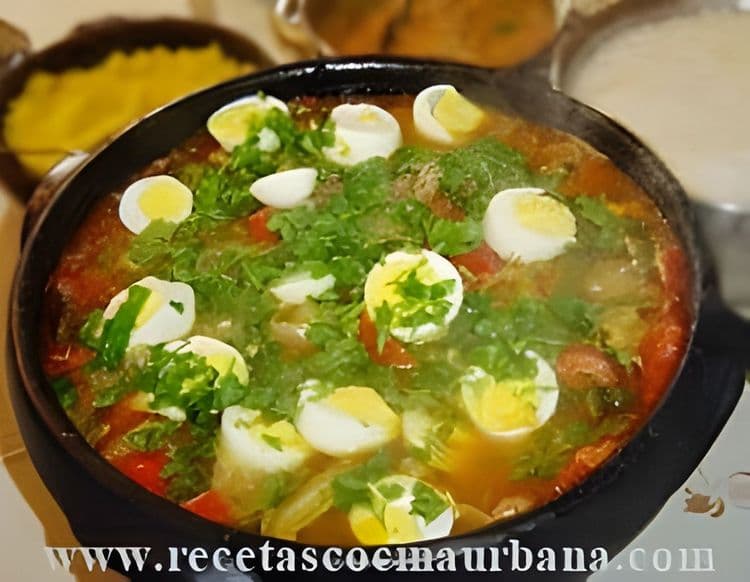
These coconut milk recipes are the ones I reach for when I want dinner to taste like it took effort without actually chaining me to the stove. A single can carries a dish a long way: it thickens a curry, mellows chili heat, poaches fish until it flakes, and turns rice and simple puddings silky and rich. I have pulled together thirteen of my favorites here, spanning Kerala kitchens, Brazilian coasts, Filipino home cooking, and West African streets, so you can see just how far one humble tin stretches.
What I love about cooking with this ingredient is how forgiving it is. You do not need special equipment or hard-to-find spices, and most of these dishes come together in under an hour. Below you will find curries and stews, savory rice and mains, creamy puddings, and a couple of sweet-and-sippable treats. Each one comes with a short note on what makes it worth your time and how to get it right the first time, plus practical guides on buying, cooking, and storing the can.
The collection is deliberately global, because this is a genuinely international pantry staple. You will travel from the coasts of Bahia to the backwaters of Kerala, through Filipino and Jamaican kitchens, and end up on a Nairobi street with a bag of warm mandazi. If you have ever opened a can, used half of it, and let the rest turn in the fridge, this page is for you: pick two or three recipes that use up a tin between them and you will waste nothing.
Curries and Stews Worth Simmering
Coconut milk earns its keep in a curry pot. Its fat carries spice, tames chili heat, and gives a sauce that glossy, spoon-coating body you cannot fake with water or stock. The four dishes here show its range across continents: a spicy Brazilian moqueca built on fried fish, a quick Kerala amaranth curry that wilts greens into a fragrant gravy, a Jamaican-style fish soup that eats like a meal, and a Hyderabadi chicken curry that proves you can build deep flavor even without a can. Simmer gently rather than boil hard, taste for salt and acid at the end, and always serve with rice or bread to catch every last drop.
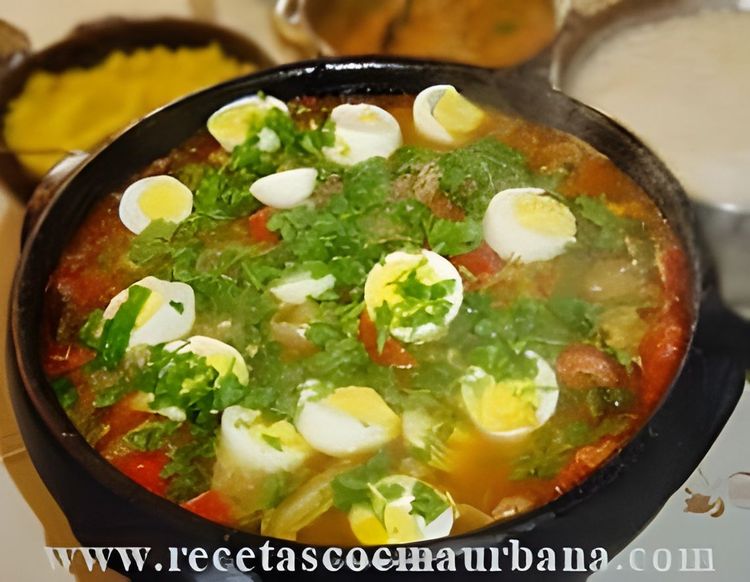
- Brazilian
- Pescatarian
- Lunch
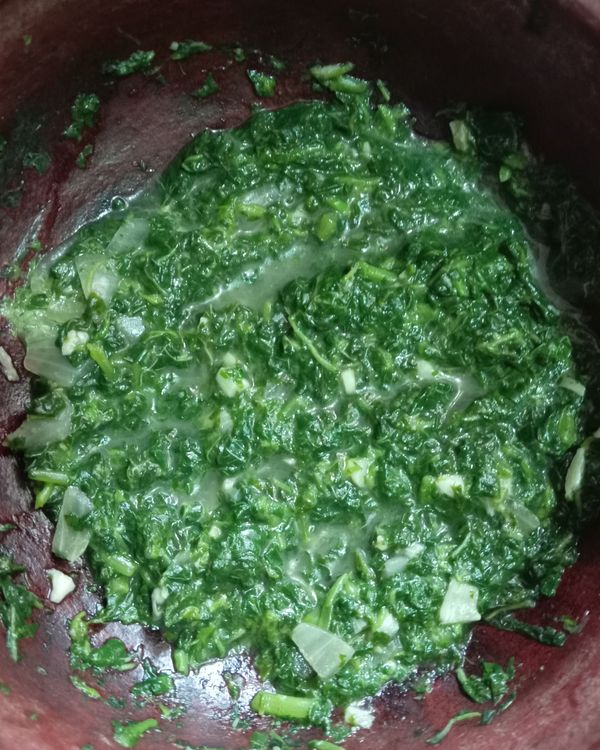
- Indian
- Vegan
- Lunch

- Latin American
- Pescatarian
- Lunch
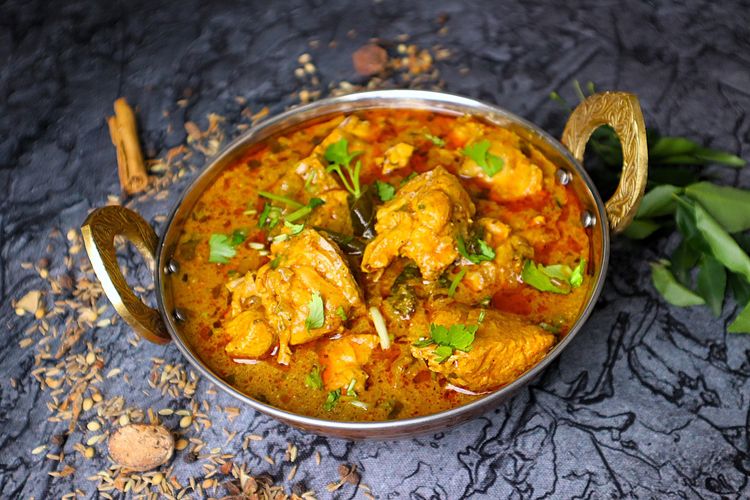

- Indian
- Non-Vegetarian
- Lunch
Rice Dishes and Savory Mains
Beyond curry, this creamy base quietly transforms rice and everyday mains. It steams grains into something fragrant and faintly sweet, poaches fish until it flakes, and turns humble vegetables into a rich braise. This trio spans a South Indian dessert-leaning rice dumpling, a light oven-baked hake fillet, and a fifteen-minute Filipino bamboo shoot side. The thread running through them is restraint: you want the coconut to enrich, not drown, so measure rather than pour, and let the other ingredients keep their voice. Each of them reheats well, which makes them smart choices for meal prep or a relaxed weekend when you want real flavor without much fuss at the stove.
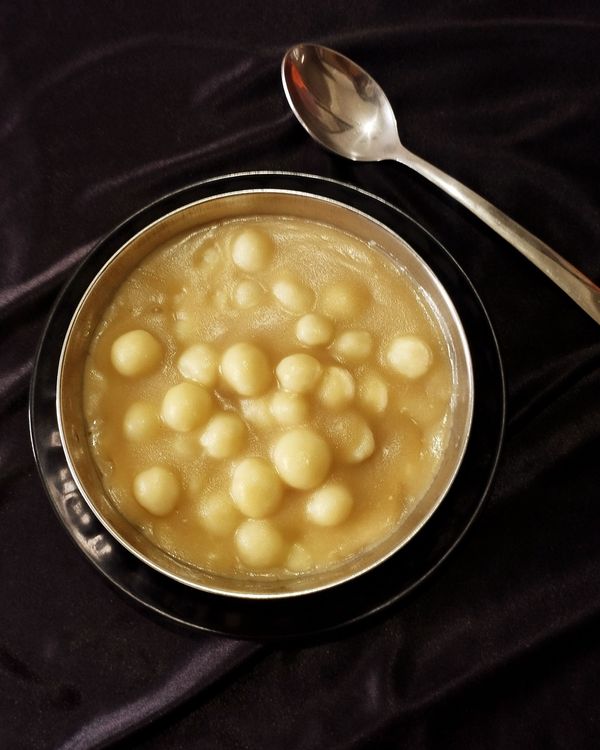
- South Indian
- Vegetarian
- Dessert
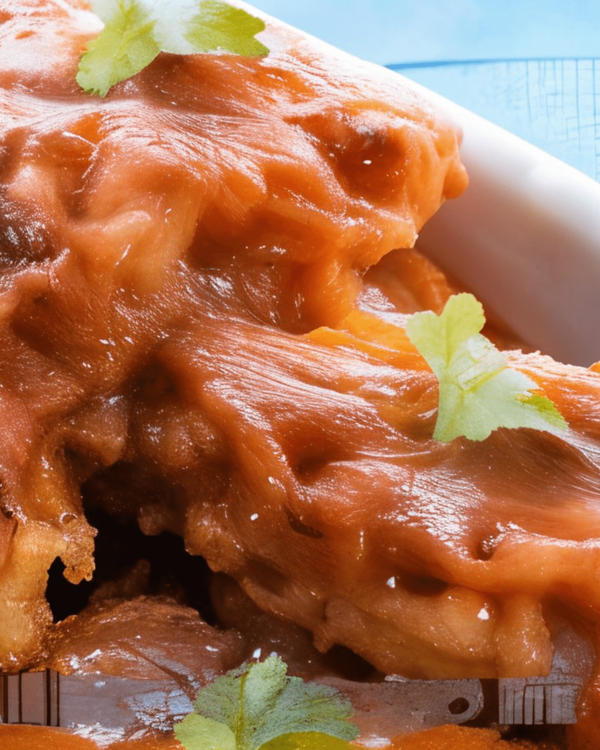
- Brazilian
- Pescatarian
- Lunch
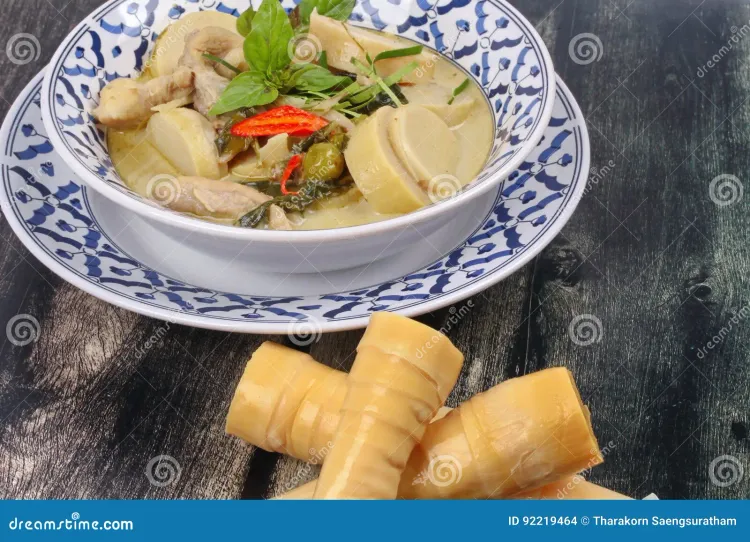

- Filipino
- Pescatarian
- Lunch
Sweet Coconut Milk Recipes: Puddings and Desserts
This is where coconut truly shines for a lot of home cooks. Its natural richness sets into puddings that feel indulgent yet often skip dairy entirely, which makes these among the easiest crowd-pleasers you can make. Here you will find two takes on a classic set pudding, a fully vegan version, and a quick tres leches mug cake for when a craving strikes late at night. Most need only a handful of ingredients and a short chill in the fridge. The trick is sweetening to taste and not rushing the set; give them the full resting time and you are rewarded with a clean, wobbly, tropical finish every single time.


- Indian
- Vegetarian
- Dessert
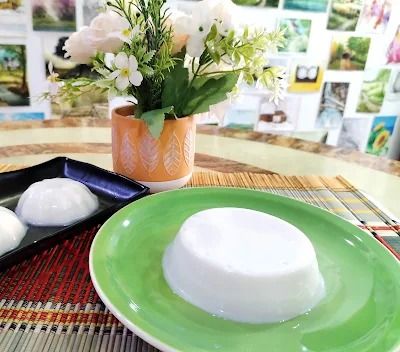
- Chinese
- Vegetarian
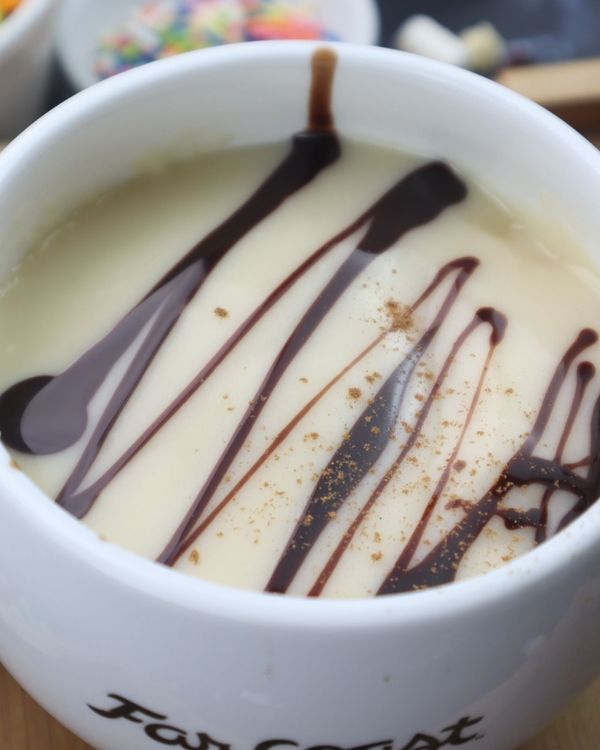
- Mexican
- Vegetarian
- Snack

- Fusion
- Vegetarian
- Dessert
Snacks, Sweets, and Drinks
Sometimes you just want a treat or something cool to sip, and coconut delivers on both. These two recipes bookend a lazy afternoon: pillowy East African mandazi donuts to fry and dust while they are still warm, and a blended cooler that needs no cooking at all. Both are budget-friendly and endlessly adaptable, so lean into whatever spices or add-ins you love, from cardamom and citrus zest in the dough to a pinch of nutmeg or a handful of fruit in the glass. They prove that this humble ingredient is as at home at snack time and happy hour as it is in a dinner curry.
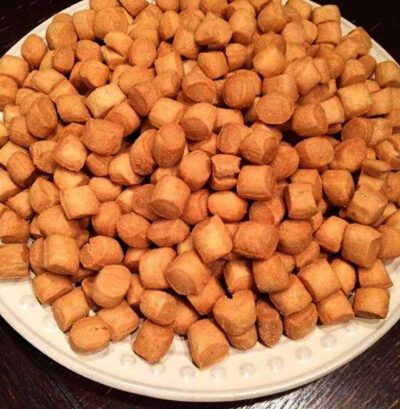

- Kenyan
- Eggetarian
- Snack

- Global
- Vegetarian
- Snack
Coconut Milk vs Coconut Cream: What's the Difference?
People use these names loosely, but the difference matters at the stove. Coconut milk is made by simmering grated coconut flesh with water and straining it; full-fat cans usually run around 17 to 24 percent fat, giving you a pourable, creamy liquid. Coconut cream is the same idea with far less water, so it is thicker, richer, and can climb past 24 percent fat. Think of the cream as the concentrated, spoonable cousin of the milk.
Which should you grab? For curries, soups, and rice, the full-fat canned kind is the workhorse; it has enough body to build a sauce without overwhelming everything else. Reach for coconut cream when you want maximum richness with minimal added liquid, such as in dense puddings, whipped toppings, or a decadent frosting. If a recipe simply calls for the canned kind with no qualifier, it almost always means full-fat, so that is your safe default when the instructions are vague.
You can convert between them in a pinch. To approximate cream, chill a can of the full-fat kind overnight and scoop off the thick top layer, leaving the thin water behind. To loosen cream into a pourable liquid, whisk in water a spoonful at a time until it flows freely. Just watch the label: 'cream of coconut,' the sweetened stuff used in pina coladas, is a different product entirely and will wreck a savory dish. Read the can, shake it well before opening, and you will always know exactly what you are working with.
One more note on shopping. Fat percentage varies a surprising amount between brands, so if a curry comes out thinner than you like, it may just be a leaner can rather than anything you did wrong. When richness is the whole point, as in a set pudding or a whipped topping, spend a little more on a high-fat can or true coconut cream. For everyday simmering, a mid-range full-fat can is plenty, and you can always concentrate it by reducing the sauce a few extra minutes on the stove.
How to Cook Without Splitting the Sauce
Split coconut milk, where the fat separates into greasy little pools, is the most common complaint I hear, and it is almost always about heat and timing. It is an emulsion, and hard boiling shears it apart. The fix is gentle: bring your sauce to a bare simmer, not a rolling boil, and keep the heat at medium or lower once the can goes in.
Order matters too. Add it toward the end of cooking rather than at the start, especially in tomato-heavy or very acidic dishes, since acid encourages curdling. If a recipe needs a longer simmer, stir frequently and keep the pot uncovered so it reduces evenly instead of scorching on the bottom. A heavy-bottomed pan makes a real difference here, spreading the heat so no single hot spot breaks the emulsion before the rest of the sauce even gets going.
A few insurance tricks help. A teaspoon of cornstarch slurry stabilizes a thin sauce and holds the emulsion together. Stirring in a spoonful of the thick cream from the top of the can at the finish restores a glossy look. And if it does split, do not panic: pull the pan off the heat and whisk hard, or blitz the sauce briefly with an immersion blender to bring it back together. Season at the very end, because reduction concentrates salt. Master these small habits and your curries will stay smooth, silky, and restaurant-worthy every single time.
It also helps to understand what a split sauce actually costs you. Visually it looks broken, but the flavor is still there, so a curry that separates is never ruined, just less pretty. That said, for a dish you are serving to guests, or one you want to photograph, the glossy emulsion really does sell it. When in doubt, keep the flame low and be patient; the sauce rewards a gentle hand far more than a rushed one, and a few extra minutes of slow cooking beats a fast boil every time.
Canned vs Fresh: Which Should You Use?
Fresh milk pressed from grated flesh at home has a bright, delicate flavor that canned versions cannot fully match, and it is worth trying at least once if you can find mature coconuts. To make it, blend grated coconut with warm water, then squeeze it through a muslin cloth; the first press gives you a thick 'first milk,' and a second press yields a thinner batch for stretching a dish.
That said, the canned kind is what most of us reach for, and for good reason. It is consistent, shelf-stable, and available year round, so you can cook a Thai curry or a Kerala pudding on a whim. Look for cans with a short ingredient list, ideally just coconut and water, and choose full-fat for savory cooking. Some brands add guar gum as a stabilizer, which is harmless and actually helps prevent separation.
The practical trade-off is flavor versus convenience. Fresh milk sings in simple dishes where coconut is the star, like a light pudding or a drink, but it spoils within a day or two. The canned kind is unbeatable for weeknight reliability and long simmers where other spices carry the show. Keep a couple of cans in the pantry, and press fresh only when you have a special dish and the time to spare. Either way, shake or stir well before you pour, since the cream always rises to the top.
There is a third option worth mentioning: cartoned coconut, the thin drinking kind sold in the refrigerated aisle. It is heavily diluted and often sweetened or fortified, so it works as a beverage or a splash in coffee but falls flat in curries and puddings, where it turns everything watery. For the recipes on this page, stick to canned or freshly pressed liquid. Save the cartons for cereal and smoothies, and you will keep the two worlds from ever disappointing you. When a can lists a percentage on the label, higher is better for cooking, and anything above eighteen percent fat will give you a properly luxurious result.
How to Store Leftovers and Freeze the Rest
Half-used cans are a fact of kitchen life, so store the rest properly and it will not go to waste. Never leave leftovers sitting in the open can; the metal can impart a metallic taste and it is not designed for storage. Transfer the milk to an airtight container or jar, and it will keep in the fridge for four to six days. Give it a sniff before using; fresh milk smells sweet and clean, while a sour or fermented note means it is time to toss it.
For longer storage, freezing works beautifully. Pour the leftovers into an ice cube tray, freeze until solid, then pop the cubes into a labeled bag. Each cube is roughly a tablespoon, so you can drop exactly what you need into a curry, smoothie, or pot of rice straight from the freezer. Frozen this way it keeps for two to three months.
One thing to expect: thawed milk often looks grainy or separated, because the fat and water split when frozen. This is completely normal and no cause for alarm. Simply warm it gently while whisking, or blend it for a few seconds, and it comes back together smoothly enough for cooking. I would not use previously frozen liquid for a raw drink or an unheated pudding where texture is everything, but for any cooked dish it performs just fine.
A little planning turns leftovers into an asset rather than an afterthought. I like to freeze cubes in two sizes, single tablespoons for quick smoothies and larger portions of about half a cup for curries, so whatever I am cooking, I can reach for the right amount without thawing a whole batch. Label the bag with the date, because even in the freezer it is best used within a few months. Do that once and you will stop pouring good milk down the drain for good. It is a small habit that quietly pays for itself, since half a wasted can on every recipe adds up fast over a year of cooking.
Pro Tips for Silky, Split-Free Results
- Always chill your can before you need the thick cream on top; an overnight stint in the fridge separates the solids cleanly so you can scoop rich cream for puddings or whipping.
- Shake the can hard before opening for curries and soups, since the cream and water separate on the shelf and you want them fully recombined for an even, glossy sauce.
- Toast your spices in oil before the creamy liquid goes in; blooming curry powder, ginger, or garlic in hot fat builds a deeper base that the sauce then carries beautifully.
- Balance coconut's richness with acid and salt at the end. A squeeze of lime or a splash of fish sauce cuts through the fat and makes the whole dish taste brighter and more complete.
- For the silkiest puddings, strain your mixture through a fine sieve before chilling to catch any lumps, and let it set undisturbed for the full time rather than testing it early.
- Reduce the sauce uncovered over gentle heat to thicken it naturally, but stir often; the sugars can catch and scorch on the bottom of the pan faster than you might expect.
- Keep a few cans in the pantry and a bag of frozen coconut cubes in the freezer, so you are always minutes away from a curry, smoothie, or quick creamy weeknight dinner.
Frequently Asked Questions
What can I make with a single can?
Quite a lot from one tin. These coconut milk recipes alone span curries, fish stews, coconut rice, silky puddings, fried donuts, and a blended drink, which shows the range. A single full-fat can will build a curry for four, set a couple of puddings, or enrich a pot of rice. Keep some in the pantry and you always have the start of dinner or dessert on hand.
Is coconut milk healthy to drink?
In moderation, yes. It offers medium-chain fats plus small amounts of iron, magnesium, and potassium, and it is naturally dairy-free, so it suits lactose-intolerant and vegan diets. It is calorie-dense, though, because of its fat content, so treat a creamy coconut drink as a rich treat rather than a water replacement. Choose unsweetened cans when you can, and balance it within an otherwise varied diet.
Can I use coconut milk in chicken curry?
Absolutely, and it is a classic move. Stir a splash of the full-fat canned kind into your chicken curry toward the end of cooking to mellow the chili heat and give the sauce a rich, glossy body. Add it after the tomatoes have cooked down, keep the heat at a gentle simmer so it does not split, and finish with lime. If you prefer a lighter, sharper curry, you can skip it entirely.
What is the difference between light and full-fat cans?
It comes down to how much water is added. The full-fat kind is thick and rich, ideal for curries, puddings, and anything that needs body. The light version is simply diluted with more water, so it has fewer calories but also less richness and a thinner texture. For most cooking I reach for full-fat and add water myself if I want it looser, which gives me more control over the final dish.
How do I make coconut milk from scratch?
Blend the grated flesh of a mature coconut with warm water, roughly one part coconut to two parts water, until creamy. Pour the mixture through a muslin cloth or fine sieve and squeeze out the liquid; that first press is your thick milk. Add more warm water to the pulp and press again for a thinner second batch. Use it within a day or two, as the fresh version spoils quickly.
Can I freeze the leftovers?
Yes, and it is the best way to save leftovers. Pour it into an ice cube tray, freeze until solid, then store the cubes in a labeled freezer bag for two to three months. Thawed cubes often look grainy because the fat separates, but a quick whisk or blend brings them back for cooking. I would keep frozen-then-thawed portions for cooked dishes rather than raw drinks, where texture matters most.
Why did my curry split?
Splitting almost always means the heat was too high or the liquid cooked too long at a hard boil. It is an emulsion that breaks when it boils aggressively, especially alongside acidic ingredients like tomato. Add it later in the cooking, keep the pot at a gentle simmer, and stir often. If it does separate, pull it off the heat and whisk hard or blend briefly to bring the sauce back together.
Are these recipes vegan-friendly?
Many are. The vegan pudding, the amaranth curry, the bamboo shoots, and the blended drink are all plant-based as written, and coconut itself is a popular dairy substitute. Others, like the fish dishes and the chicken curry, are not vegan but can often be adapted by swapping the protein for tofu, chickpeas, or extra vegetables. Always check each recipe's full ingredient list to be sure it fits your diet.
One can, a whole world of dinners and desserts, that is the quiet magic behind these coconut milk recipes. Whether you simmer a spicy fish stew, set a silky pudding, or blend a cool drink, these thirteen dishes give you an easy, delicious place to start. Grab a tin, pick a recipe, and let that creamy richness do the heavy lifting at your table tonight.
Related
- coconut curry
- dairy-free desserts
- coconut rice
- vegan curry
- fish curry
- tropical desserts
Popular Searches
- Best coconut milk recipes
- Easy coconut milk recipes
- Quick coconut milk recipes
- Healthy coconut milk recipes
- Simple coconut milk recipes
- Homemade coconut milk recipes
- Delicious coconut milk recipes
- Popular coconut milk recipes
- coconut milk curry
- coconut milk dessert
- coconut milk rice
- coconut milk pudding
Marnirni-apinthi Building, Lot Fourteen,
North Terrace, Adelaide, South Australia, 5000
Australia
