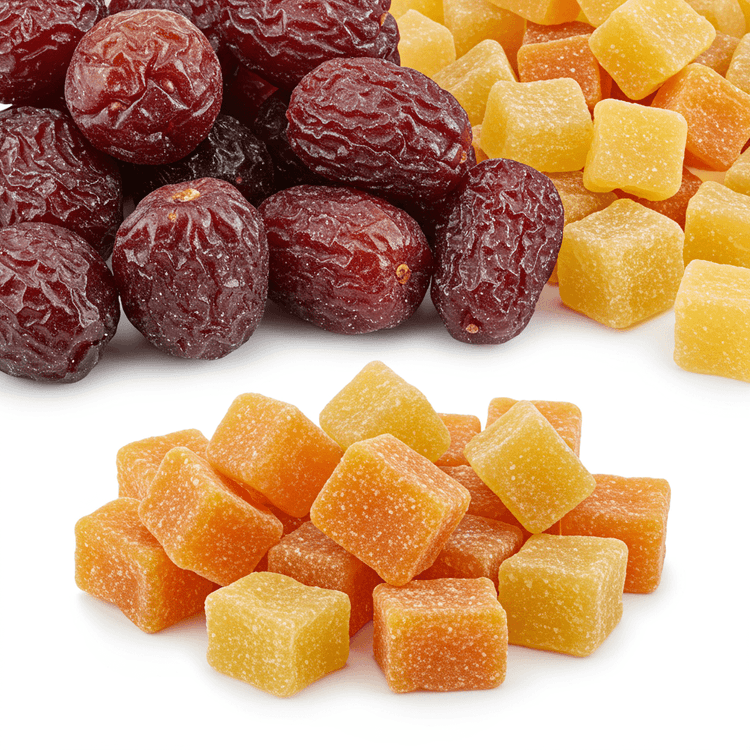
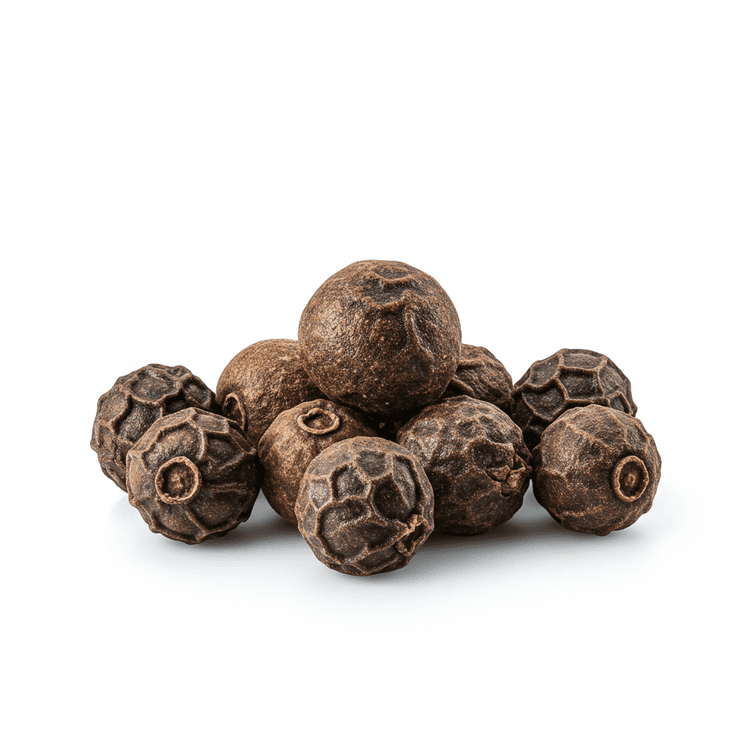
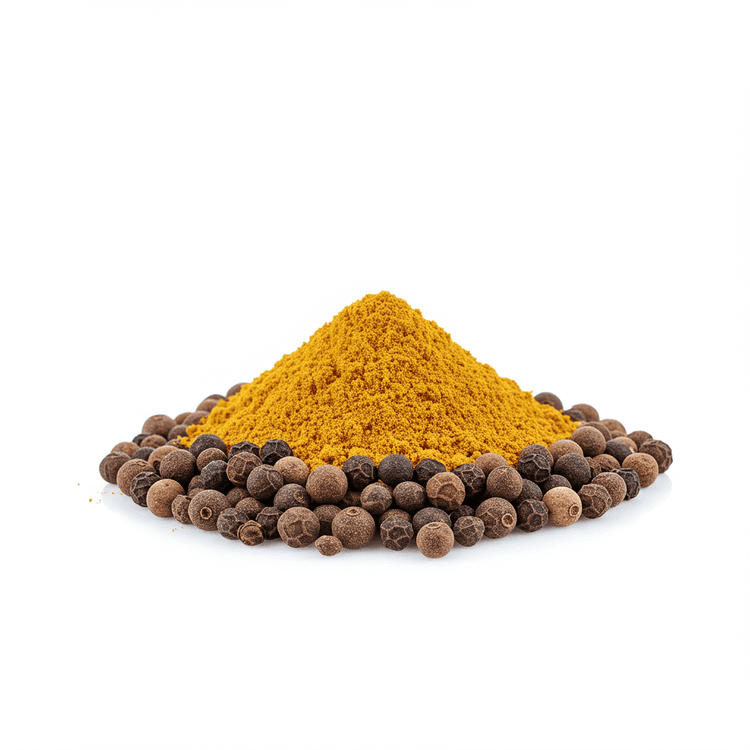
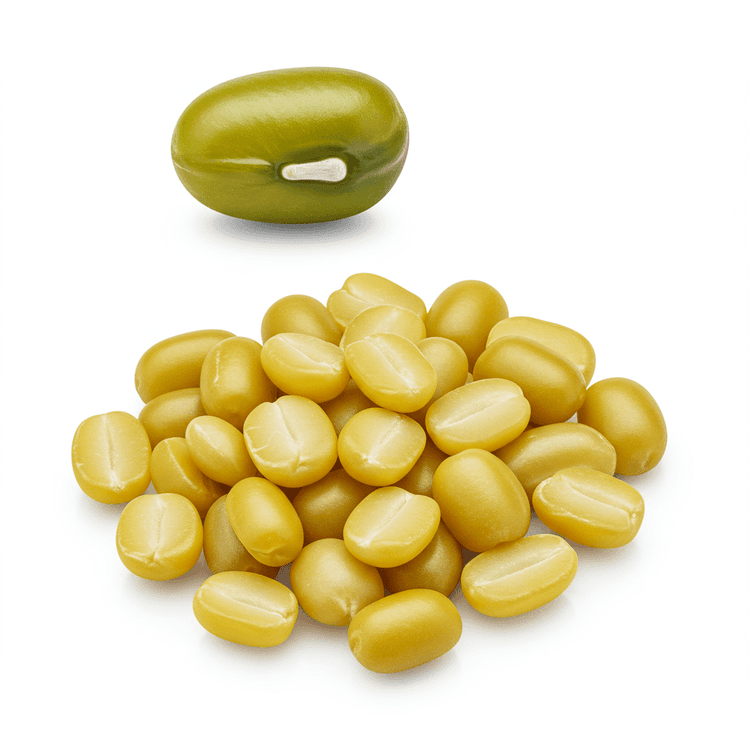
Dried goods, a pantry staple for centuries, offer a convenient and nutritious way to incorporate essential nutrients into your diet. This diverse category encompasses everything from dried fruits like raisins and apricots to legumes like lentils and beans, as well as grains like quinoa and oats. Their extended shelf life makes them invaluable for meal prepping, emergency food supplies, and reducing food waste.
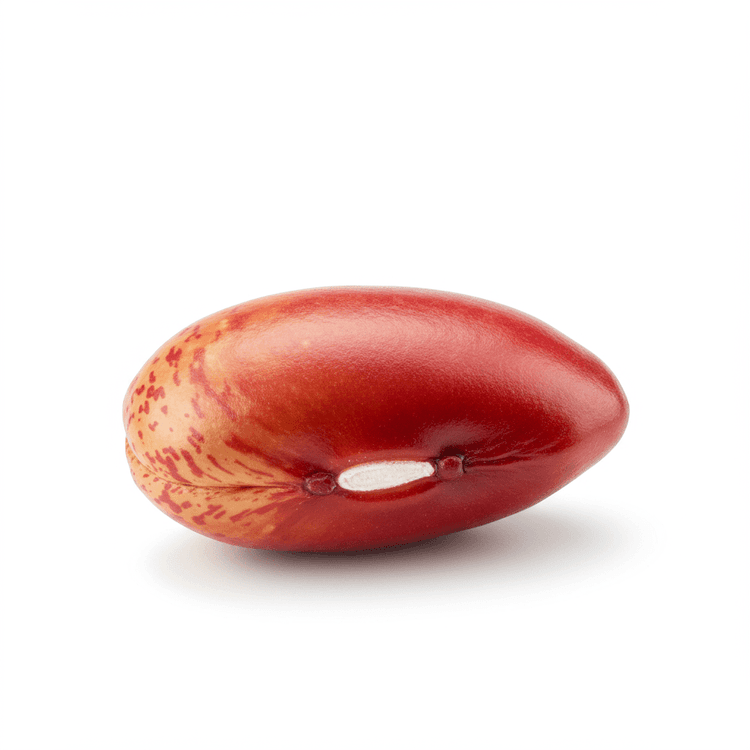
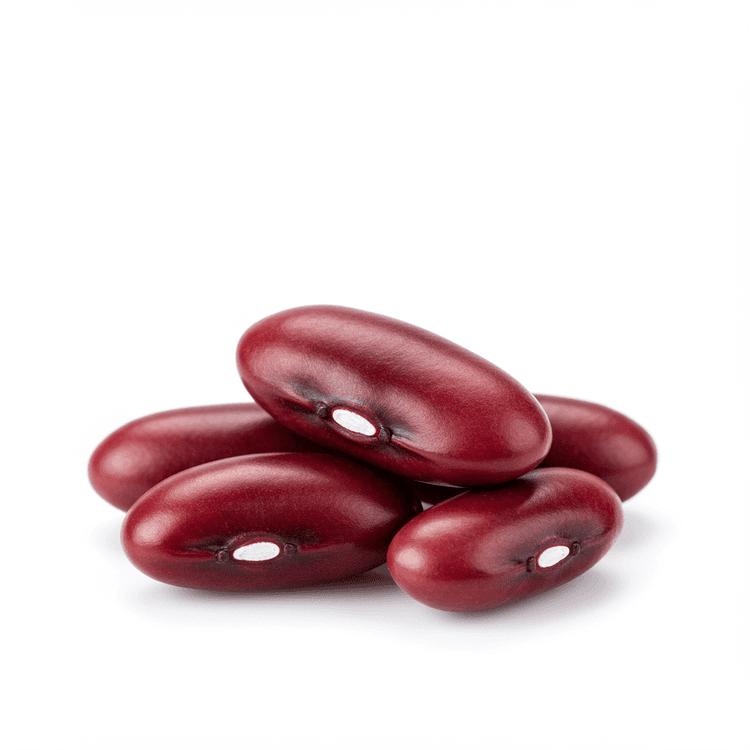
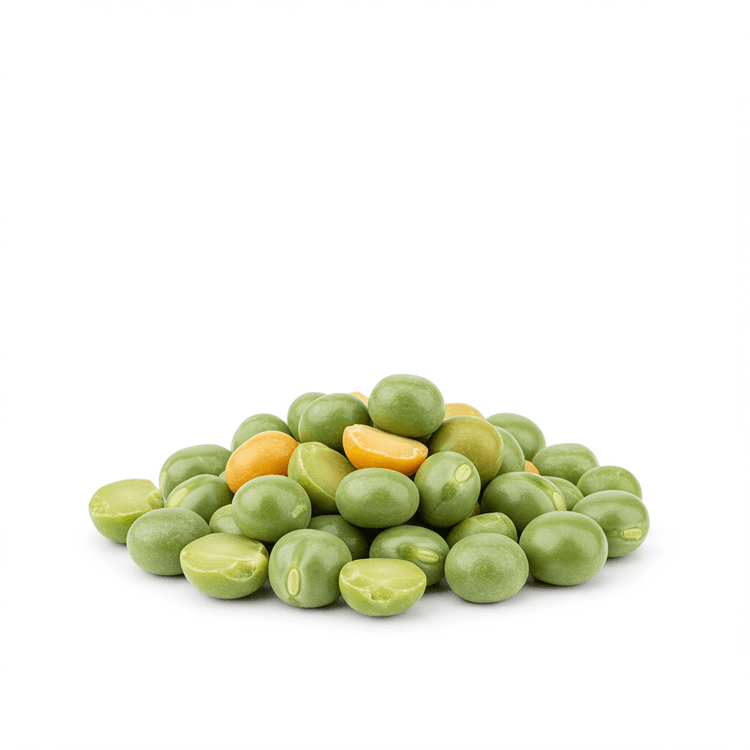
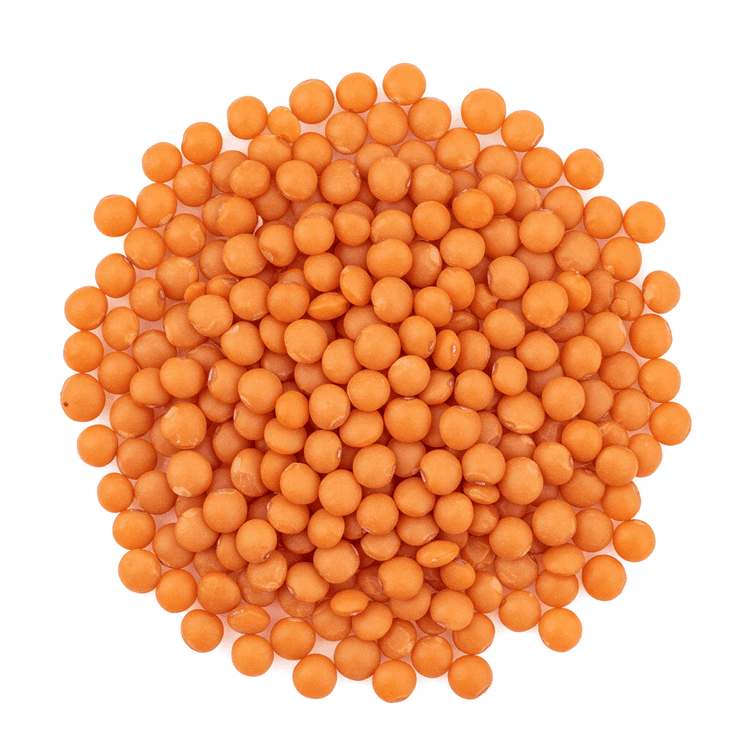
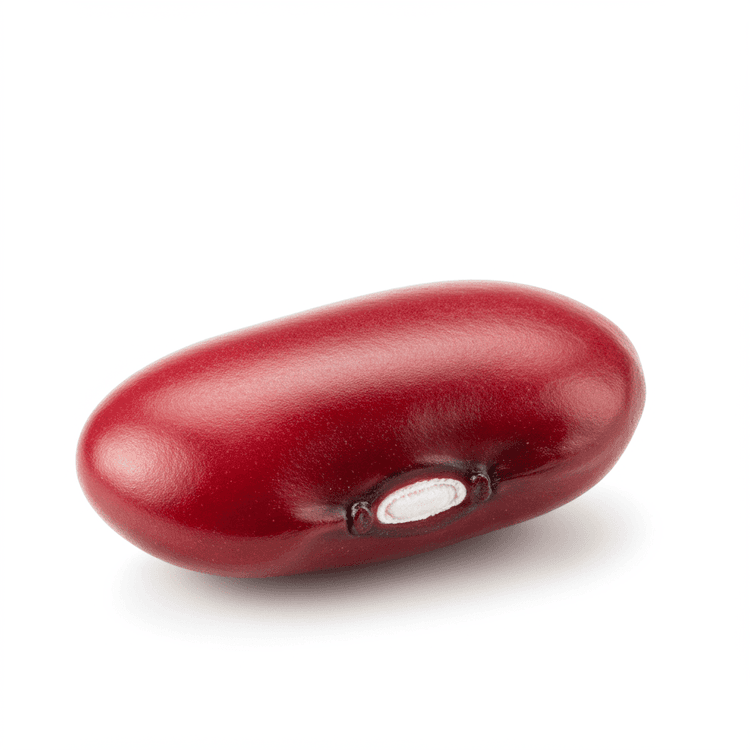
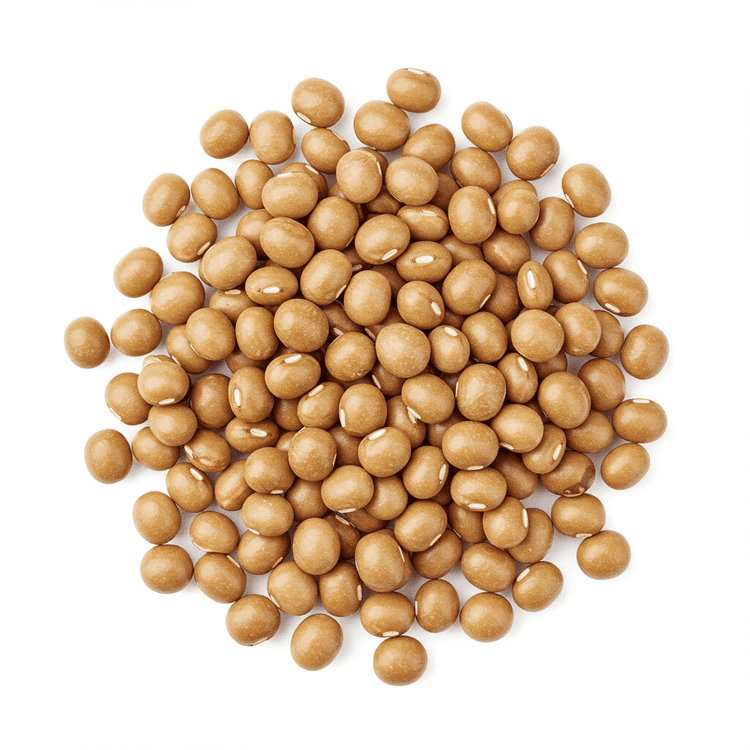
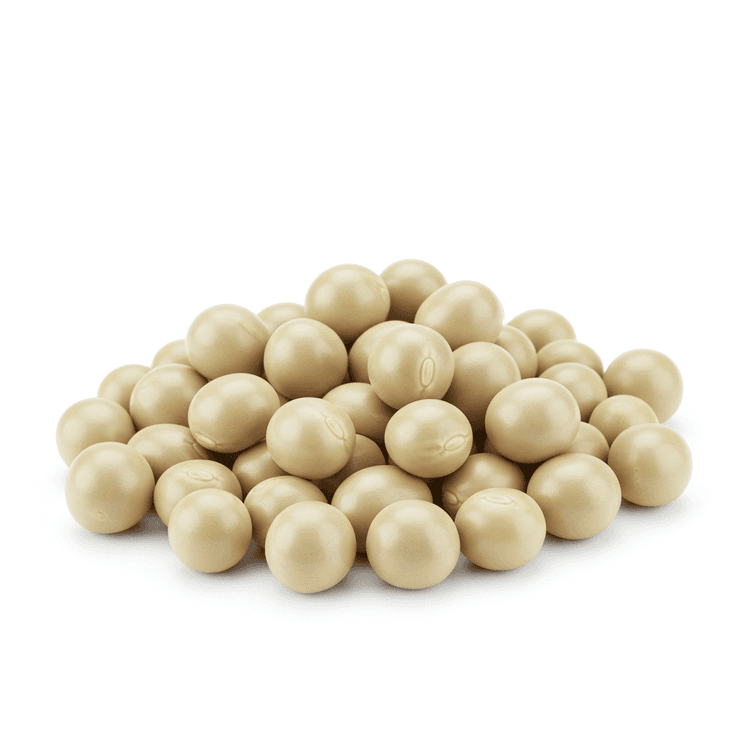
One of the primary benefits of dried goods lies in their concentrated nutritional value. Drying removes water, which intensifies the presence of vitamins, minerals, and antioxidants. For instance, dried apricots are a fantastic source of potassium, crucial for maintaining healthy blood pressure and nerve function. Dried figs boast high levels of calcium, essential for strong bones and teeth. And prunes are well-known for their fiber content, promoting digestive health and regularity. Dried beans and lentils, packed with protein and fiber, are excellent sources of iron, which is vital for oxygen transport and energy production. Quinoa, a complete protein source, contains all nine essential amino acids, making it a valuable addition to vegetarian and vegan diets. Oats, a whole grain, are rich in soluble fiber, helping to lower cholesterol levels and stabilize blood sugar.
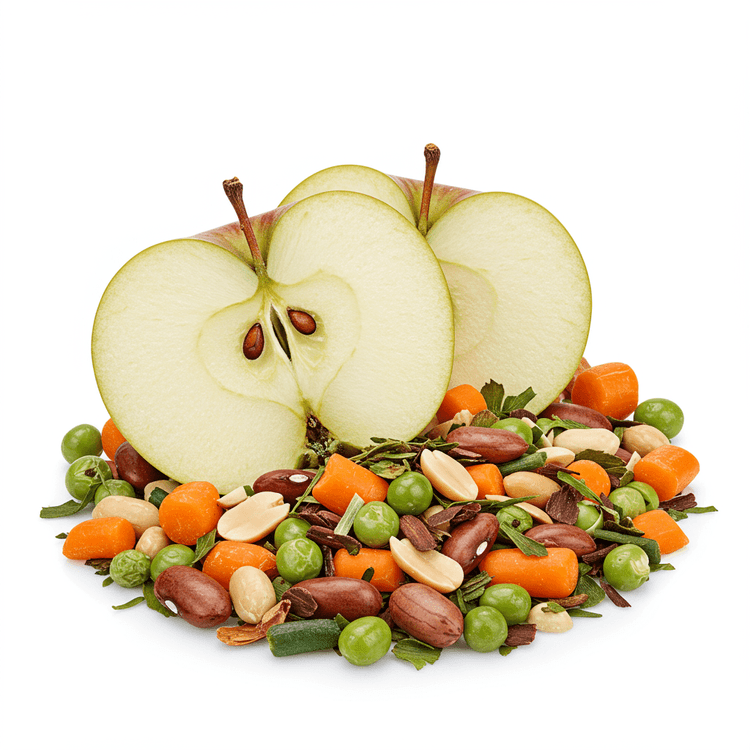
Culinary uses for dried goods are incredibly versatile. Dried fruits add natural sweetness and chewy texture to baked goods like muffins, cookies, and breads. They can also be incorporated into trail mixes, granolas, and oatmeal for a nutritious boost. Dried beans and lentils form the base of hearty soups, stews, and chili, offering a satisfying and protein-rich meal. Quinoa serves as a healthy alternative to rice or couscous, and can be used in salads, bowls, and as a side dish. Oats are a classic breakfast staple, enjoyed as porridge, overnight oats, or incorporated into smoothies and granola bars. Dried herbs and spices, also falling under the dried goods umbrella, are essential for adding flavor and depth to a wide range of dishes, from savory to sweet.
The importance of dried goods in a balanced diet cannot be overstated. Their long shelf life and concentrated nutrients make them a practical and efficient way to meet your daily nutritional needs. They are particularly valuable for individuals with dietary restrictions, such as vegetarians and vegans, who can rely on legumes and grains as excellent sources of protein and iron. The high fiber content of many dried goods contributes to satiety, aiding in weight management and promoting a healthy gut microbiome. Furthermore, the antioxidants found in dried fruits help protect cells from damage caused by free radicals, reducing the risk of chronic diseases. Whether you're a seasoned cook or a beginner in the kitchen, incorporating dried goods into your meals is a simple and delicious way to enhance your overall health and well-being. From the potassium-rich dried apricot to the iron-packed lentil, this versatile category offers a wealth of nutritional benefits that should not be overlooked. By understanding the unique properties of each dried good, you can strategically incorporate them into your diet to support your health goals and create flavorful and satisfying meals. ||
Dried Goods are an essential part of a healthy diet, providing a wide range of nutrients and health benefits. Explore our collection of dried goods ingredients.