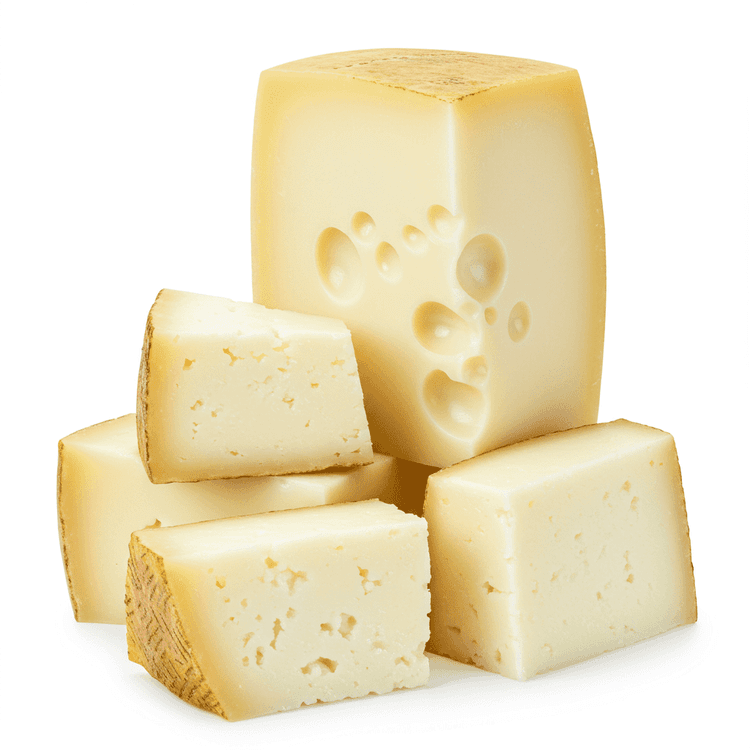
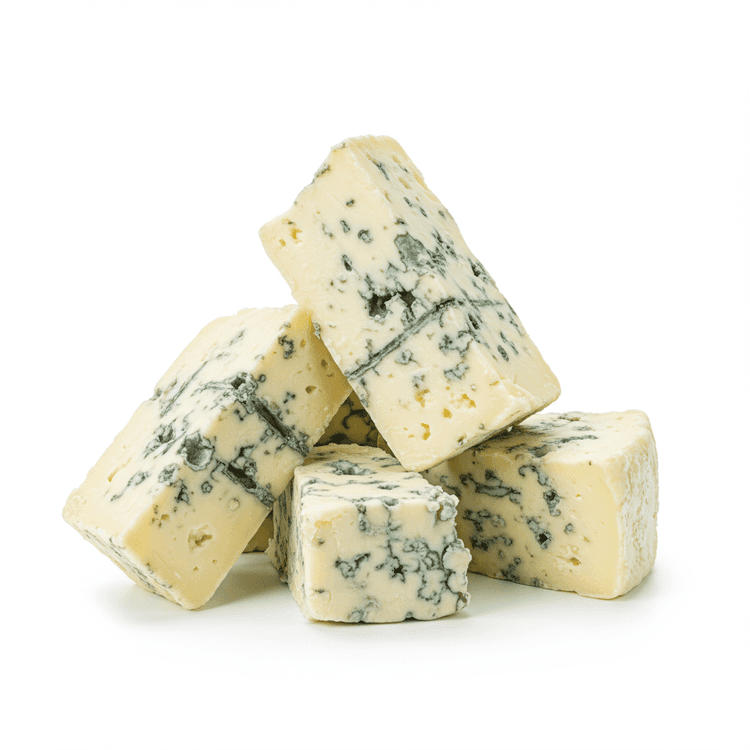
Dairy products, a cornerstone of diets around the world, offer a wealth of essential nutrients and culinary versatility. From the creamy richness of milk to the tangy zest of yogurt and the savory depth of cheese, dairy plays a pivotal role in supporting overall health and enriching countless dishes.
One of the most significant benefits of dairy lies in its high calcium content, crucial for building and maintaining strong bones and teeth. This is particularly important during childhood and adolescence when bone density is developing, and later in life to prevent osteoporosis. Beyond calcium, dairy is also an excellent source of vitamin D, which aids in calcium absorption and supports immune function. Vitamin B12, essential for nerve function and red blood cell formation, is another key nutrient found in dairy, especially in animal-derived milk and cheese. Furthermore, dairy provides protein, the building block of our bodies, important for muscle repair, growth, and overall cellular function. The proteins found in dairy are high-quality, meaning they contain all the essential amino acids that our bodies cannot produce on their own.
Culinary applications of dairy are seemingly endless. Milk forms the base for countless beverages, from simple glasses of cold milk to creamy lattes and decadent milkshakes. Yogurt, whether plain or flavored, is a popular breakfast staple and snack, often enjoyed with granola, fruit, or nuts. It also serves as a key ingredient in dips, sauces, and marinades. Cheese elevates everything from simple sandwiches to elaborate pasta dishes and charcuterie boards. Popular dishes featuring dairy include mac and cheese, lasagna, pizza, and creamy soups like tomato bisque. Dairy can be used in both sweet and savory applications and adds richness and depth of flavor to dishes across cuisines. Butter, a dairy derivative, is essential for baking and adds richness to sauces.
Dairy's importance in a balanced diet stems from its unique combination of nutrients. While it's possible to obtain these nutrients from other sources, dairy provides them in a readily bioavailable form, meaning the body can easily absorb and utilize them. The conjugated linoleic acid (CLA) found in some dairy products, particularly those from grass-fed cows, has been linked to potential health benefits, including improved metabolic function and weight management. Choosing low-fat or fat-free dairy options allows individuals to enjoy the benefits of dairy while minimizing their intake of saturated fat. For those who are lactose intolerant, lactose-free dairy products offer a convenient alternative. Ultimately, incorporating dairy into a balanced diet can contribute to stronger bones, improved muscle health, and a greater sense of overall wellness. Consider experimenting with different types of dairy, from milk to cheese to yogurt, to discover your favorite ways to incorporate this nutrient-rich food group into your meals. ||
Dairy are an essential part of a healthy diet, providing a wide range of nutrients and health benefits. Explore our collection of dairy ingredients.