We use cookies on this website to ensure its proper functioning and to improve the quality of our services. Cookie Policy

Tags and nutritional info are auto-generated and may be inaccurate. Always check the full ingredient list before cooking.


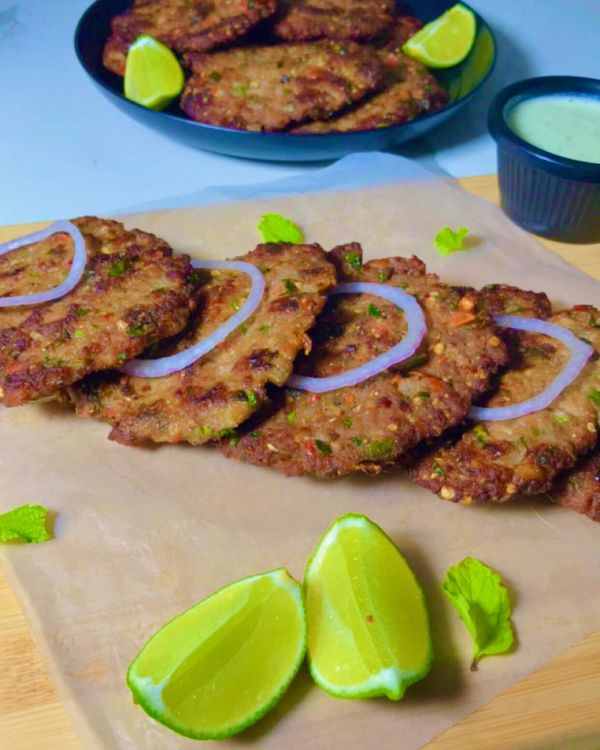
Add the soaked chickpeas, chopped onion, parsley, coriander, garlic, and green chillies to a food processor and grind to a coarse paste.

Dry roast the coriander and cumin seeds in a pan until fragrant. Let them cool slightly, then grind to a fine powder.

Add the spice powder to the chickpea paste, mix well, and let the falafel mix rest for about 30 minutes.

Spread a generous layer of the falafel mix evenly over each pita bread.

Heat a large pan over medium-high heat. Place the falafel-covered pita in the hot pan and cook until the falafel mix is browned and cooked through, about 4 to 5 minutes per side.

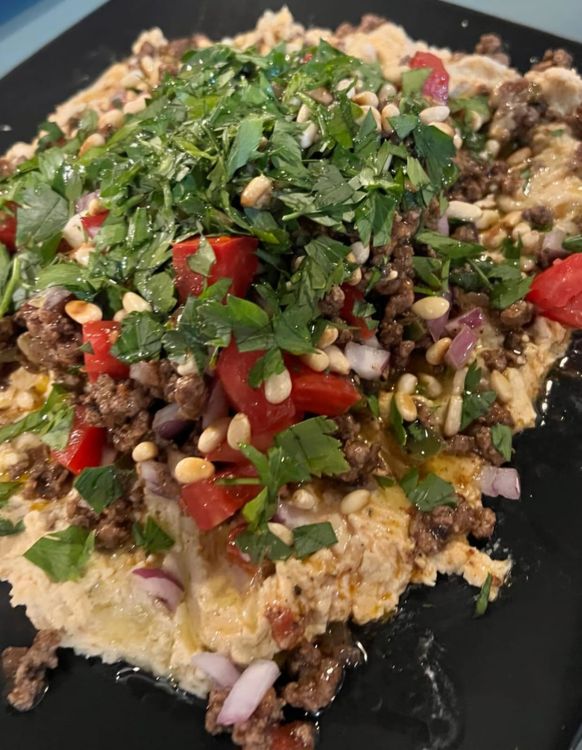
Spread a layer of hummus over the cooked falafel on each pita.

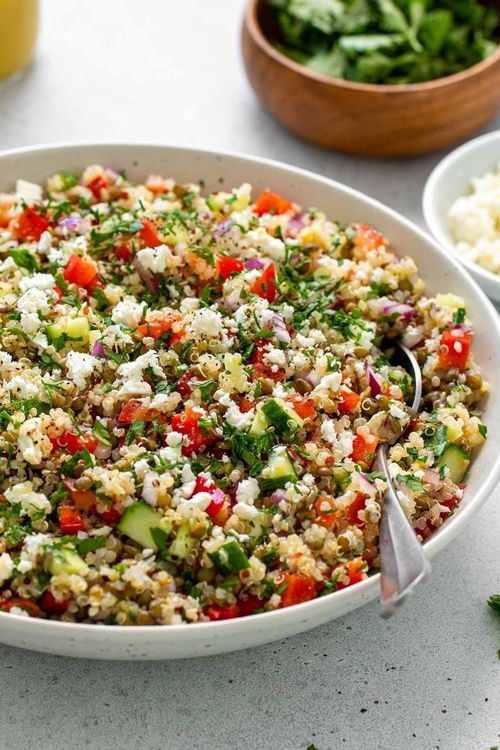
Add a portion of fattoush salad on top and drizzle with garlic yoghurt.

Season with salt and pepper to taste and serve.

Want to keep this recipe for later? We can email it to you!
For a spicier falafel, add more green chillies to the mix.
You can substitute the pita bread with tortillas for a different texture.
Can I use canned chickpeas for the falafel mix?
It's best to use soaked dried chickpeas for the right texture, but canned chickpeas can be used in a pinch.
How can I make the falafel mix ahead of time?
Prepare the falafel mix and store it in the refrigerator for up to 24 hours before using.
What can I use instead of garlic yoghurt?
You can use plain yoghurt or a tahini sauce as an alternative.
Can I bake the falafel instead of frying?
Yes, you can bake the falafel-covered pita in a preheated oven at 375°F (190°C) until golden and crispy.
Is it necessary to rest the falafel mix?
Resting the falafel mix allows the flavors to meld and the mixture to firm up, making it easier to handle.
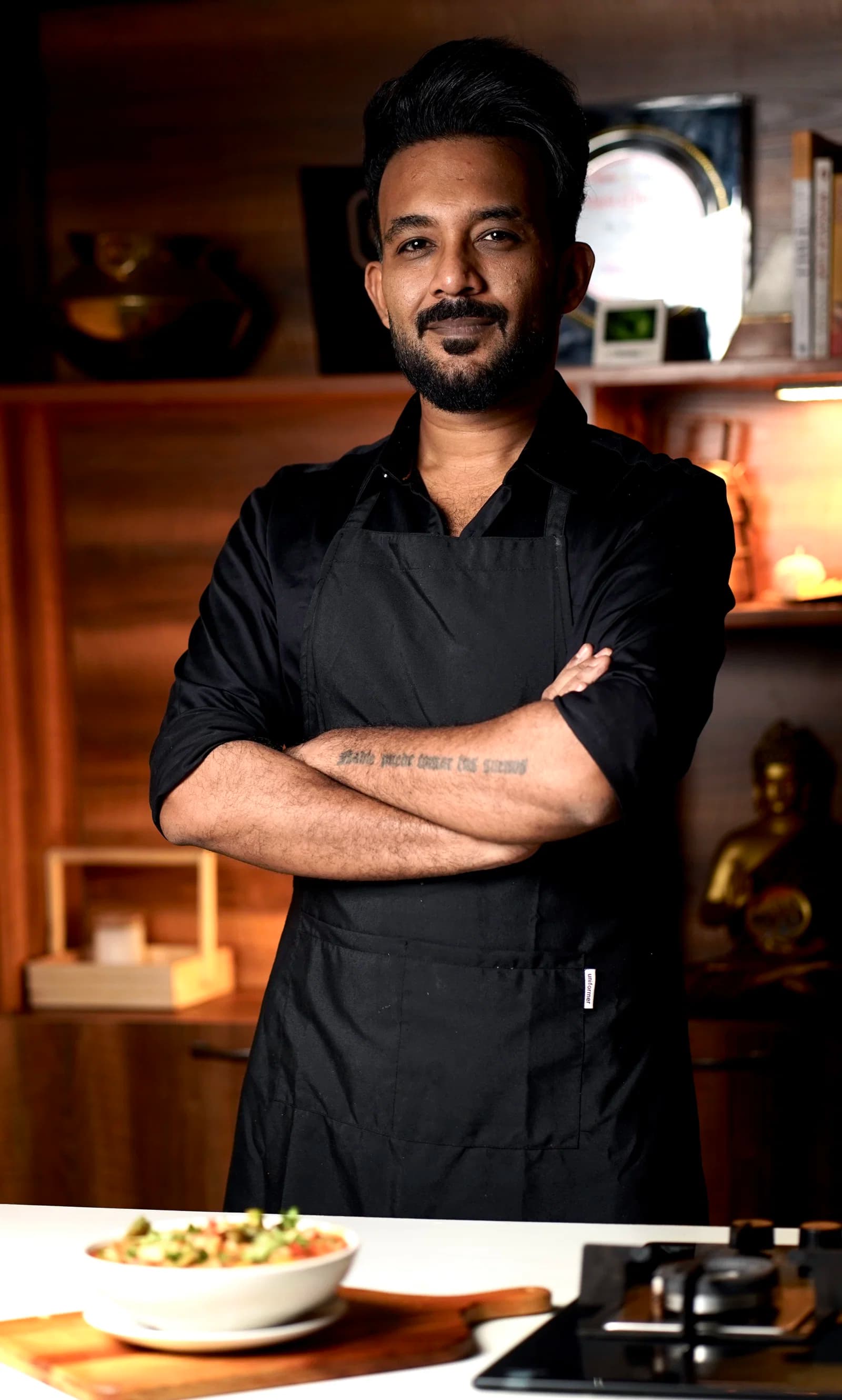
I’m Parichay, a food creator, recipe developer and the person behind Bhukkad in Town. For me, food has always been more than just a recipe. I grew up around Nepal and later made Chandigarh home, so a lot of the way I cook comes from memories, places I’ve travelled to, food I’ve eaten and the people I’ve shared it with. My cooking moves between comforting Indian food, regional recipes, street-food nostalgia and the occasional experiment that starts with, “What if we did this instead?” I love understanding why a dish tastes the way it does, simplifying it for a home kitchen, and then telling the story that made me want to cook it in the first place. Because eventually, the recipe tells you how to make the food. The story tells you why you might want to.
...