We use cookies on this website to ensure its proper functioning and to improve the quality of our services. Cookie Policy

Tags and nutritional info are auto-generated and may be inaccurate. Always check the full ingredient list before cooking.


Heat mustard oil in a pan until it reaches smoking point, then reduce the heat slightly.
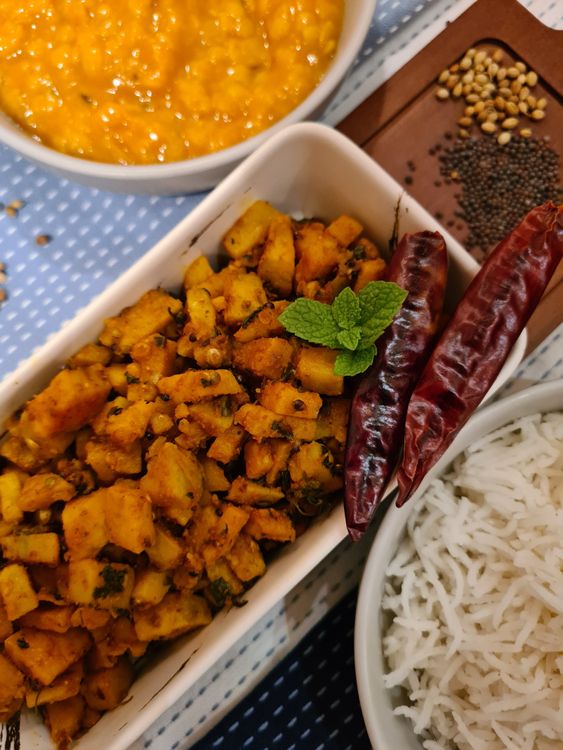
Add panch phoron and dried red chilies. Let them splutter for 20 seconds until aromatic.
Stir in the grated ginger for 10 seconds.
Add chopped tomatoes, turmeric, and salt. Stir well, cover with a lid, and cook on medium-low flame for 6–8 minutes until the tomatoes soften completely and break down into a pulpy mash.
Stir in the sliced dates, raisins, and aamshotto (if using). Cook uncovered for 2 minutes so the fruit absorbs the juices.
Pour in the sugar and 2–3 tablespoons of water. Stir on medium heat until the sugar dissolves completely and turns into a glossy syrup that coats the back of a spoon.
Turn off the heat, stir in the lemon juice, and let it cool.
Want to keep this recipe for later? We can email it to you!
Adjust the sugar to taste based on the tartness of the tomatoes.
Mustard oil is essential for the authentic pungent base of the chutney.
Can I use a different oil instead of mustard oil?
Mustard oil is essential for the authentic flavor, but you can substitute with vegetable oil if necessary.
What is panch phoron?
Panch phoron is a Bengali 5-spice blend consisting of equal parts fennel, cumin, nigella, fenugreek, and mustard/radhuni seeds.
Is aamshotto necessary?
Aamshotto is optional but typical in Bengali catering for added flavor and texture.
How should I serve this chutney?
Serve it warm or chilled alongside crisp papad, luchi, or over steamed rice as a sweet palate cleanser.
Can I adjust the spice level?
Yes, adjust the number of dry red chilies to suit your spice preference.