
Top 25 Dal Recipes: From Everyday Tadka to Creamy Dal Makhani
Updated June 22, 2026 · Curated by Chefadora
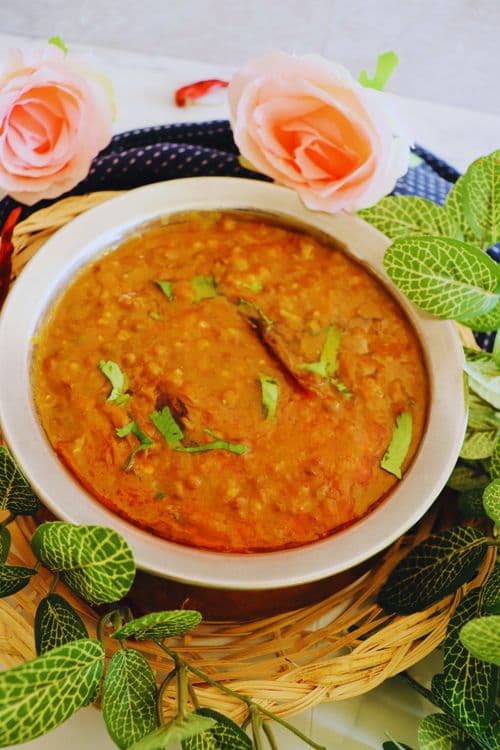
Dal recipes are the daily bread of the subcontinent: split lentils or pulses simmered soft and finished with a tempering of spices in hot fat. Humble, cheap and quietly nourishing, a good dal is also one of the most comforting things you can cook. The recipes below run from a 20-minute weeknight tadka dal to the slow, buttery indulgence of dal makhani, plus regional classics and the surprising snacks lentils can become.
Almost every dal follows the same two-act structure. First you cook the lentils — often in a pressure cooker — until soft and broken down to the texture you like. Then you make a tadka (also called tarka or chhonk): whole and ground spices, garlic, chilli and aromatics sizzled in ghee or oil and poured over the top, where they bloom and perfume the whole pot. That second act is where a plain dal becomes crave-able.
You will find four clusters: everyday tadka dals, the rich and creamy ones, South Indian and regional specialities, and the snacks and dishes built from dal. The technique scales across all of them — change the lentil and the tempering and you change the dish — so learning one well unlocks the rest.
Keep this as a working reference. Each recipe links to full ingredients and steps on Chefadora, and the guides below cover the decisions that matter most: which lentil to use, whether and how long to soak, how to get the texture right in a pressure cooker, and how to build a tempering that lifts the whole pot.
Everyday Tadka Dals
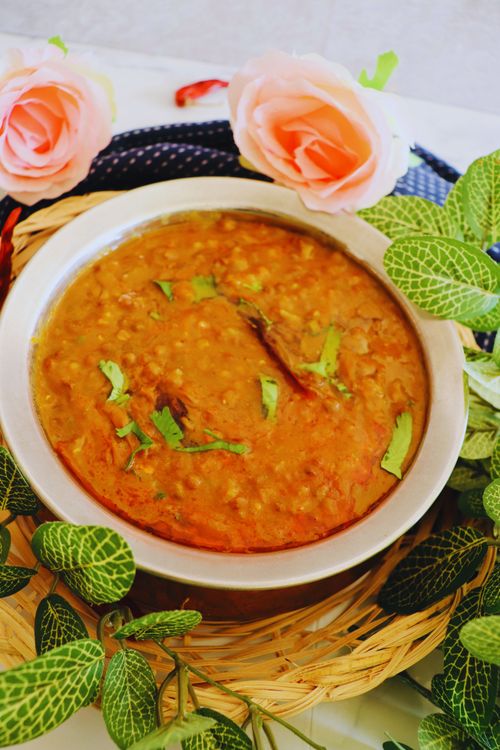
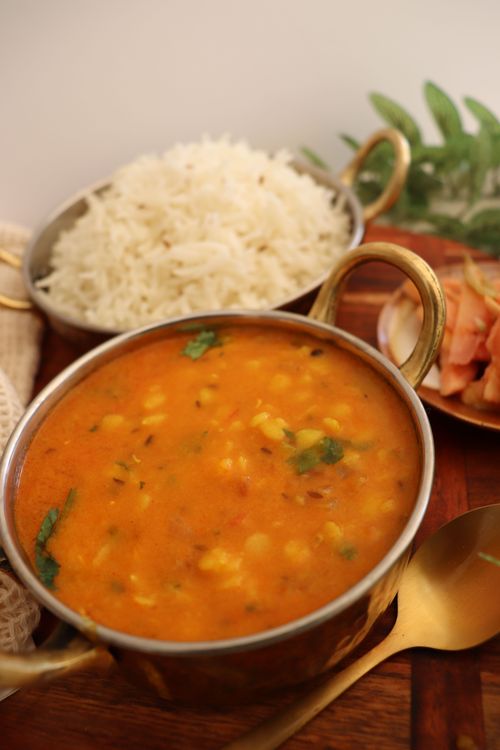
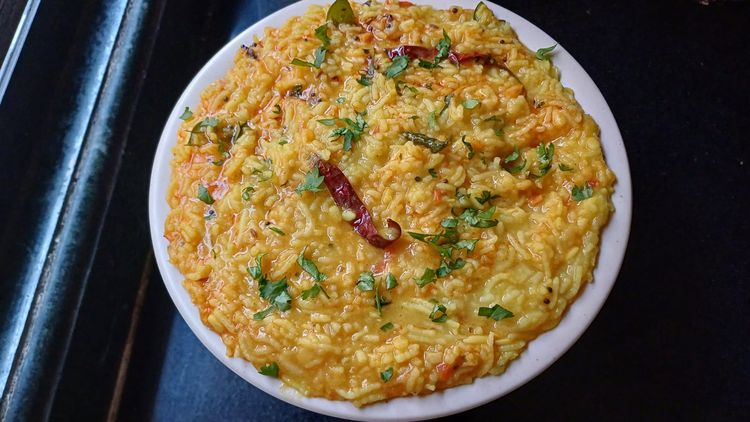
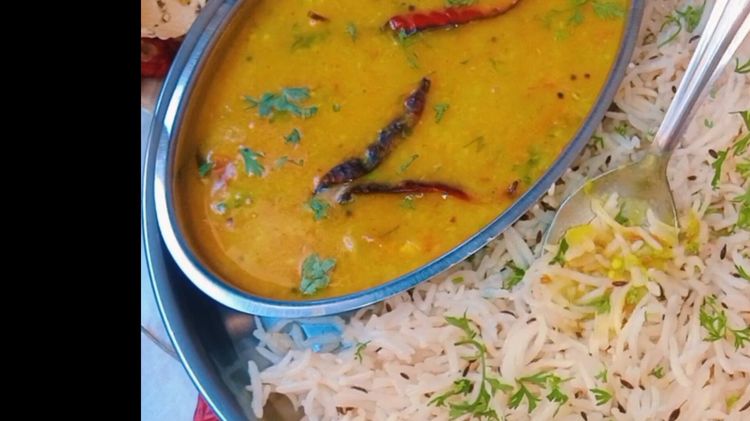
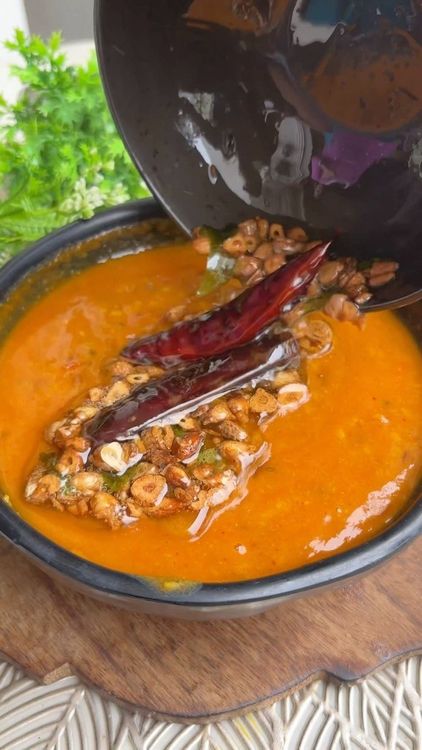
The dals you reach for on a Tuesday night are the ones that ask the least and give the most. Quick-cooking lentils like split moong, masoor and toor break down into a soft, pourable comfort that anchors a simple thali alongside rice or roti. The flavour comes almost entirely from the tadka: a spoon of ghee heated until it shimmers, then cumin, garlic, dried chilli and a pinch of asafoetida bloomed for thirty to forty seconds until fragrant but not scorched. The single most common mistake is rushing that tempering and burning the spices, which turns the whole pot bitter; keep the heat at medium and pull the pan the moment the cumin darkens by a shade. Cook the lentils until they collapse when pressed, around 15 to 20 minutes in a pressure cooker, season after they soften so the salt does not toughen the skins, and pour the sizzling oil over at the very end so it hisses. That last theatrical hiss is the whole point of this style. Standouts here include Masoor Dal (Brown Lentil Curry) and Arhar Dal Tadka, plus Easiest Dal Khichdi Tadka 🍲.

- Indian
- Vegetarian
- Lunch
- Indian
- Vegetarian
- Lunch

- Indian
- Vegetarian
- Lunch
- Indian
- Vegetarian
- Lunch

- Indian
- Vegetarian
- Lunch
Rich & Creamy Dals
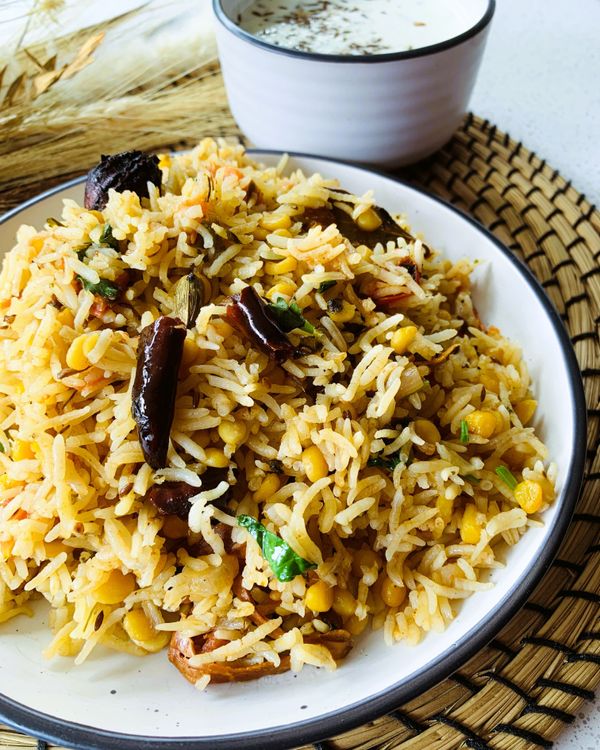
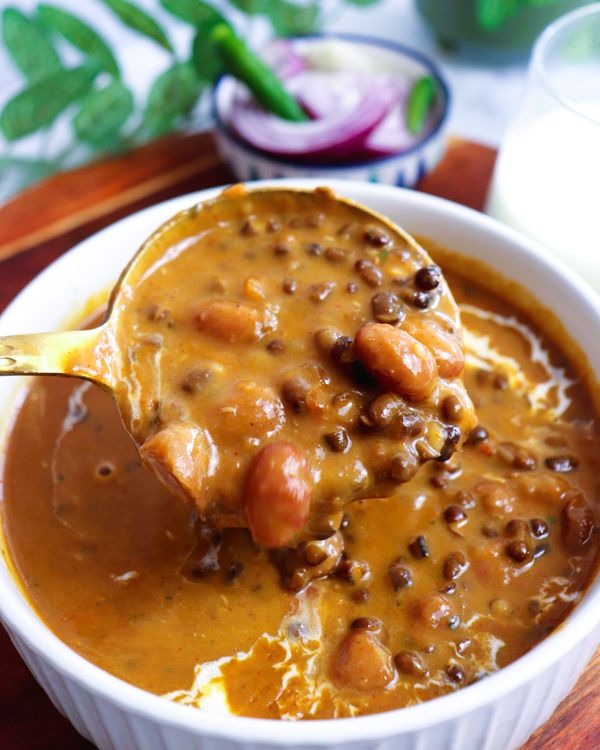
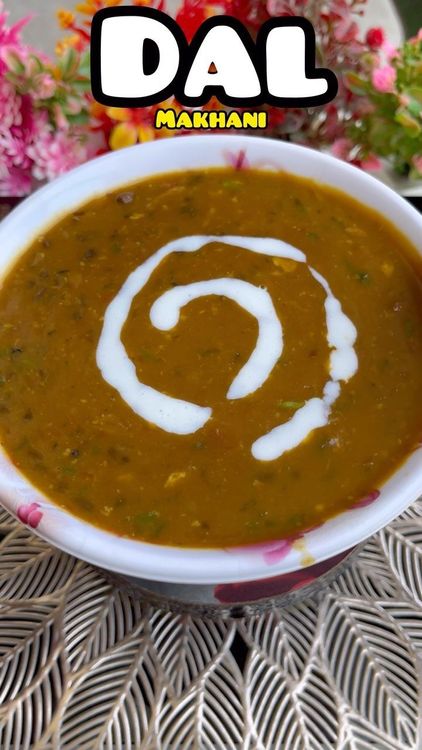
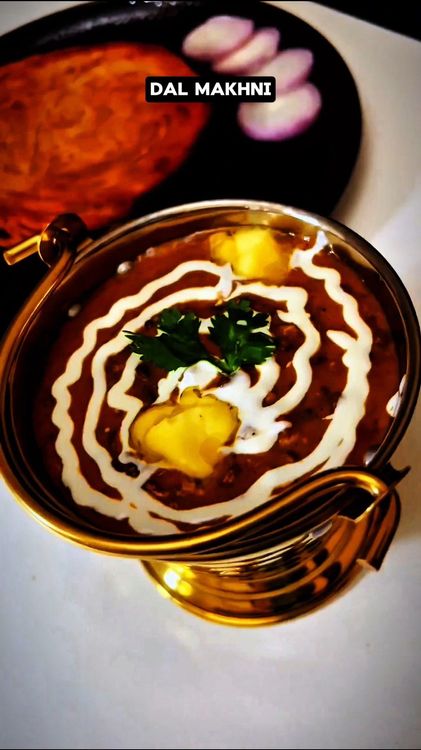
Some lentils are made for showing off, and these are them. Built around whole black urad and rajma rather than quick split varieties, this style trades speed for a deep, velvety richness that only long, patient simmering delivers. Soak the urad overnight, then cook it low and slow, often two to three hours, stirring in butter and cream in stages so the dal turns glossy and almost emulsified rather than thin. The flavour layers come from a tomato-and-ginger base, a whisper of kasuri methi crushed between your palms, and just enough garam masala to warm without dominating. The usual misstep is adding all the cream at once at the start, which can split and leave a greasy slick; instead fold it in near the end over gentle heat and let it melt into the lentils. Hold the simmer at a bare bubble, never a rolling boil, and resist the urge to rush. A long finish is what makes this feel like a treat. Standouts here include Chana Dal Pulao (Punjabi-Style) and Dal Makhani (Punjabi-Style) , plus Dal Makhani.
- Indian
- Vegetarian
- Lunch
- Indian
- Vegetarian
- Lunch
- Indian
- Vegetarian
- Lunch
- Indian
- Vegetarian
- Lunch
- Mughlai
- Vegetarian
- Lunch
South Indian & Regional Dals
Travel south and the lentil pot changes character entirely, leaning sour, peppery or coconut-rich depending on where you are. Sambar leans on toor dal thickened with vegetables and tamarind, brightened by a roasted spice powder; rasam is thinner and sharper, almost a peppery broth meant to be sipped or spooned over rice; chana and regional specialities each carry their own signature. What unites them is a finishing tadka of mustard seeds, curry leaves and dried chilli crackled in oil, plus a deliberate hit of acidity. The mistake to avoid is dumping tamarind in raw at the end, which tastes harsh and astringent; simmer the tamarind extract into the dal for at least five minutes so its sourness rounds out. Wait for the mustard seeds to pop fully, about thirty seconds in hot oil, before adding the leaves, and toast your sambar powder fresh when you can. These are dishes where tang and tempering do as much work as the lentil itself. Standouts here include Chana Dal Doodhi (Bottle Gourd with Split Bengal Gram) and Easy Chana Dal Palak (Bengal Gram with Spinach), plus Chana Dal Puri with Tomato Chutney.

- Indian
- Vegan
- Dinner
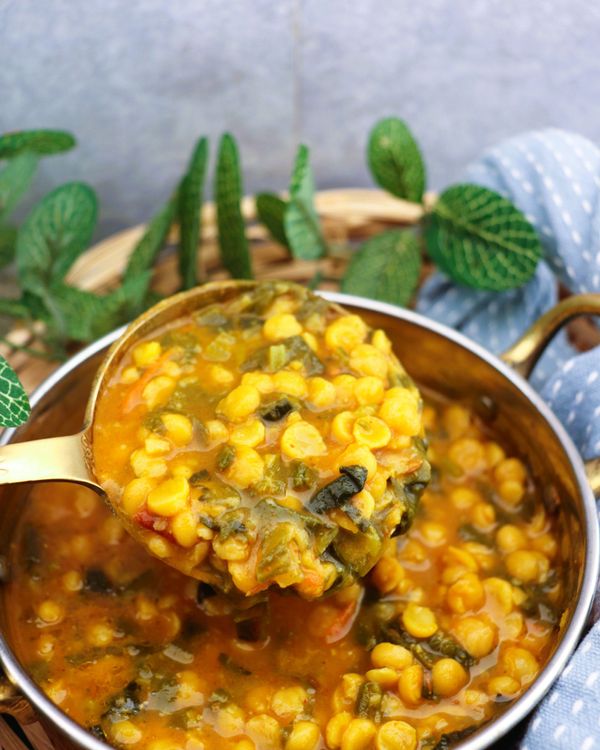
- Indian
- Vegetarian
- Lunch
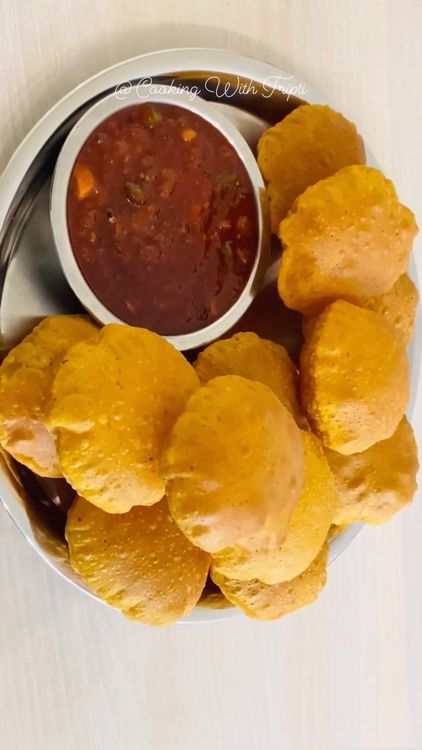

- Indian
- Vegan
- Breakfast
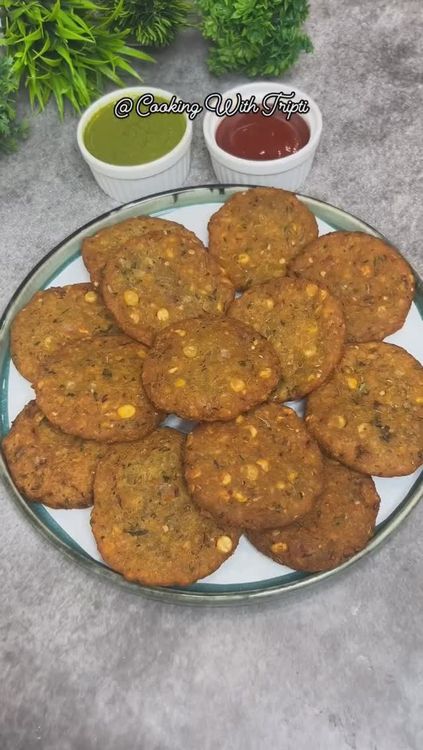
- Indian
- Vegetarian
- Snack
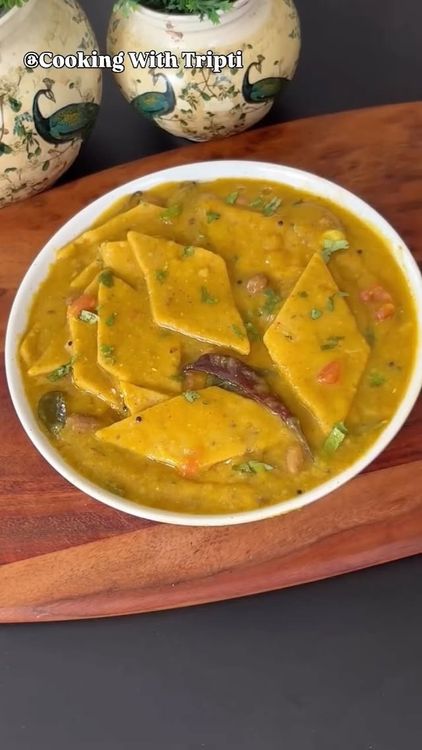
- Indian
- Vegetarian
- Lunch
Snacks & Dishes from Dal
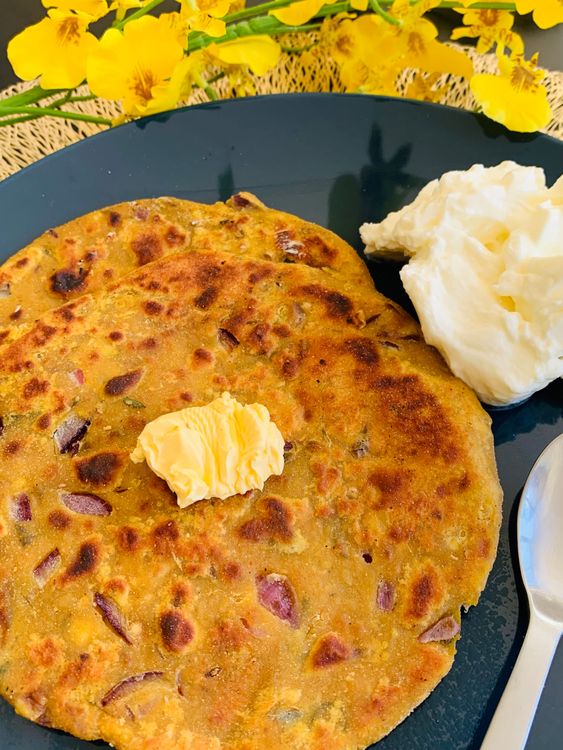
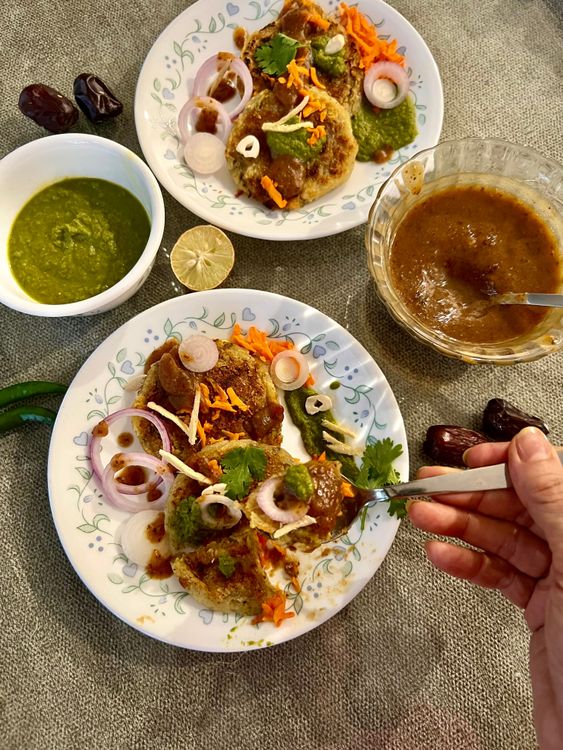
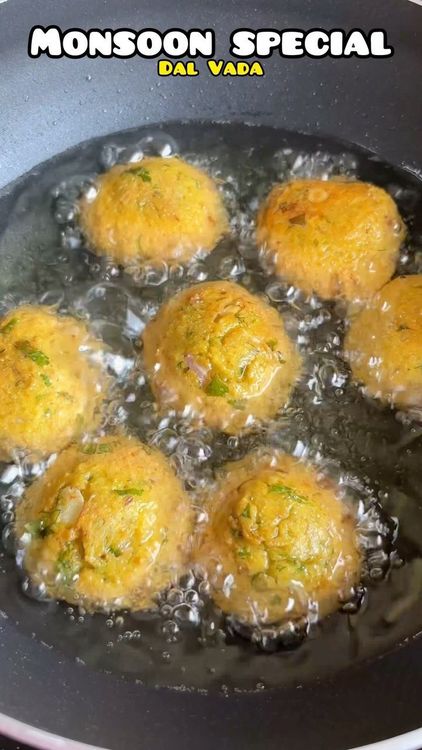
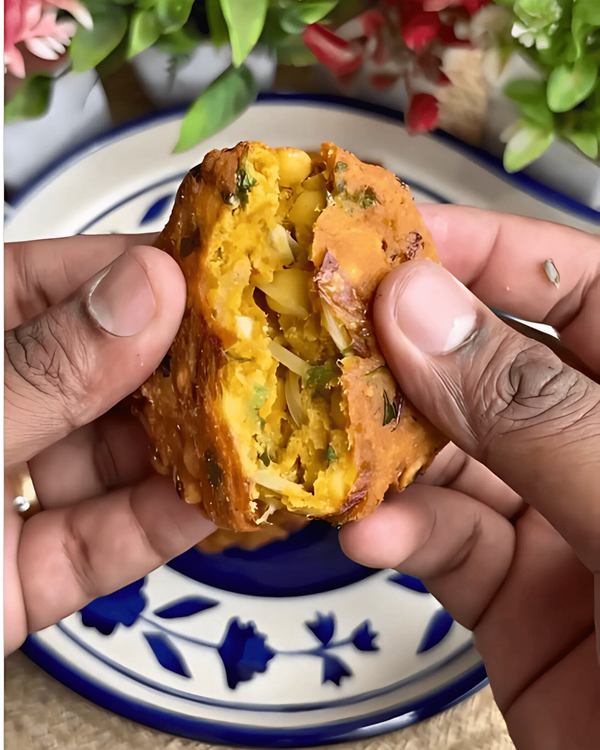
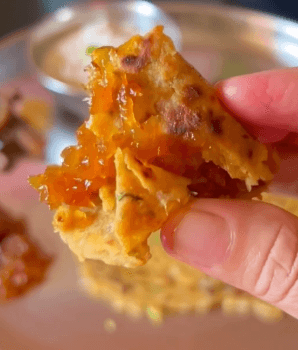
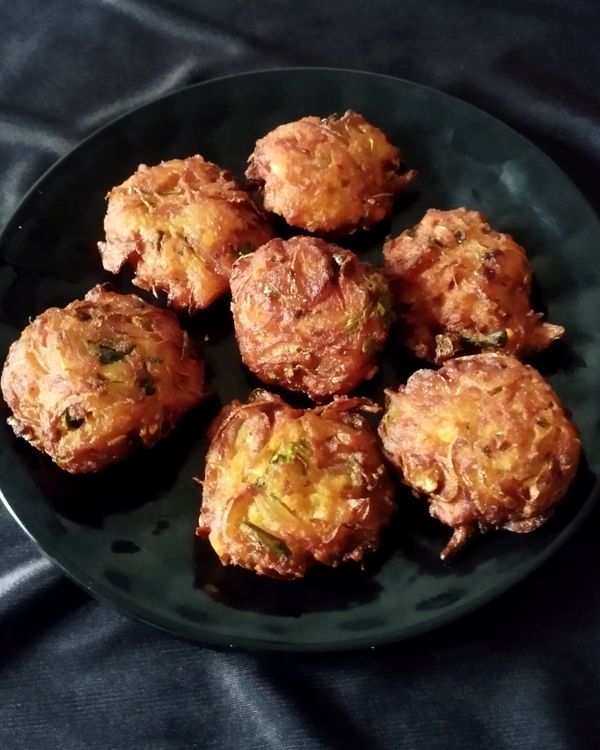
A bag of lentils stretches far further than a single pot of soup, and this is where that becomes obvious. Soaked and coarsely ground, urad and chana turn into the batter for crisp vadas; spiced fillings of crushed dal become the heart of flaky kachoris; thin moong batter cooks into quick savoury cheelas on a hot tava; and sweetened, simmered chana dal even fills festive sweets. The technique that ties them together is grinding to the right texture and getting your fat hot enough. For deep-fried vadas, hold the oil around 350 degrees Fahrenheit so the outside sets and crisps before the inside goes greasy; too cool and they drink oil, too hot and they brown before cooking through. The frequent error is over-soaking the dal and grinding it too wet, which makes the batter slack and the fritters flat; keep it thick enough to hold a soft peak. With a little patience, the humble lentil shows real range. Standouts here include Lentil (Dal) Paratha and Channa Dal Stuffed Potato Tikki, plus Monsoon Special Dal Vada.
- Indian
- Vegan
- Breakfast

- Indian
- Vegan
- Appetiser
- Indian
- Vegan
- Appetiser
- Indian
- Vegan
- Snack
- Indian
- Vegetarian
- Breakfast
More Dal Favourites
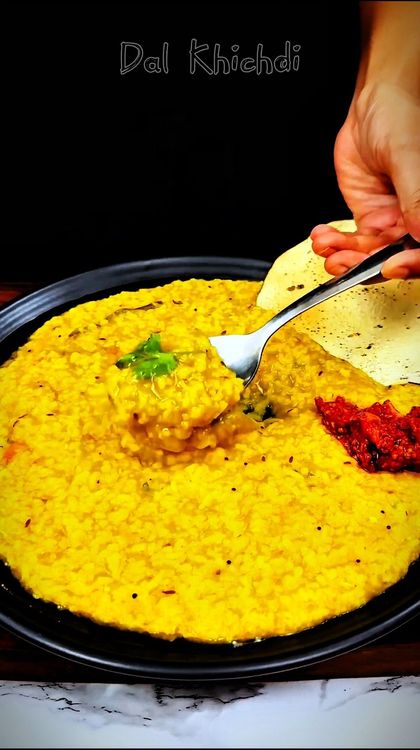
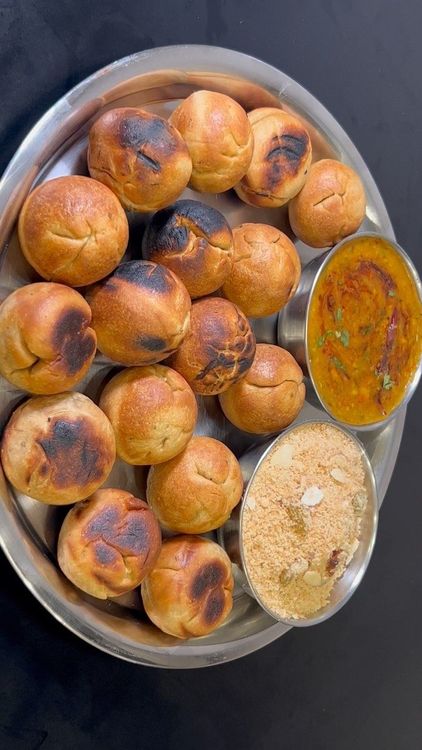
Once you understand that the lentil and the tempering are two separate dials, a whole world of variation opens up. Swap toor for chana and the dish turns nuttier and holds its shape; reach for whole green moong and you get something earthier with a little bite; change the tadka from cumin-and-garlic to mustard-and-curry-leaf and the same base tastes like a different region entirely. These are the pots worth cooking when you want to push past your usual one or two. To pick your next, think about texture first, smooth and collapsing versus whole and toothsome, then choose a tempering to match. A reliable starting ratio is one cup of dry lentils to about three cups of water, adjusted as they swell, and always taste for salt and acid at the end rather than the start. Treat each combination as an experiment, and you will quickly find a handful that earn a permanent spot in your weekly rotation. Standouts here include Restaurant-Style Dal Khichdi and Dal Chawal | All time comfort food dal-rice ❤️, plus Dal Bati Churma.
- Indian
- Vegetarian
- Breakfast

- Indian
- Vegetarian
- Dinner
- Rajasthani
- Vegetarian
- Lunch
- Indian
- Vegan
- Appetiser

- Indian
- Vegetarian
- Dinner
Choosing and Soaking Your Lentils
Different dals behave differently. Split moong (yellow mung) is the fastest and most digestible, cooking soft in 15–20 minutes; masoor (red lentil) breaks down quickly into a smooth dal; toor/arhar is the everyday workhorse of tadka dal; and whole pulses like black urad (for dal makhani) and chana take far longer. Match the lentil to the dish and the time you have.
Soaking is optional for quick split dals but transformative for whole, hard pulses. Soak black urad and chana for at least four hours, or overnight, so they cook evenly and turn creamy rather than chalky in the centre. A 30-minute soak even for split dals shortens the cook and helps digestibility. Always rinse dal in a few changes of water first to remove dust and loose starch.
Salt timing is a small thing that matters: with most split dals you can salt early, but with whole pulses, adding salt too soon can toughen the skins, so season once they are tender. A pinch of turmeric and a drop of oil in the cooking water keeps foam down and gives the dal its warm yellow colour.
Cooking Texture: Pressure Cooker and Stovetop
A pressure cooker is the home cook's best friend for dal: split dals take two to three whistles (about 8–10 minutes at pressure), while soaked whole pulses for dal makhani want a long pressure-cook, sometimes 30–45 minutes, to go truly creamy. Let the pressure release naturally for the softest result rather than forcing it.
On the stovetop, expect to roughly double the time and keep an eye on the water level, topping up with hot (not cold) water so you do not shock the lentils. Skim the foam that rises at the start. The texture you want is a personal choice — some like dal pourable and loose, others thick enough to mound — so adjust water at the end to suit, remembering it thickens as it sits.
For a silkier dal, whisk or lightly mash the cooked lentils, or blend a portion and stir it back. Dal makhani specifically wants long, gentle simmering after pressure-cooking — an hour or more on low with butter and a little cream — which is what develops its signature depth. There is no shortcut to that one; time is the ingredient.
The Tadka: Where Flavor Comes From
The tadka is the soul of dal. Heat ghee or oil until shimmering, then add whole spices first — cumin seeds, mustard seeds, dried red chilli, a pinch of asafoetida (hing) — and let them crackle and bloom. The hot fat extracts and carries their aroma in a way that simply stirring ground spices into the pot never will.
Next go the aromatics: garlic (and ginger, onion or curry leaves depending on the style) cooked until golden and fragrant, followed by a little ground spice — turmeric, chilli, coriander — off the direct heat so it does not burn. Garlic browned just to gold is sweet; pushed to dark it turns acrid and takes the whole tempering with it.
Pour the sizzling tadka over the cooked dal (or stir the dal into it) and let it bubble together for a couple of minutes so the flavors marry. Many cooks do a second tempering of just ghee, chilli and garlic poured over at the table for drama and a fresh hit of aroma. Finish with fresh coriander, a squeeze of lemon and a knob of butter or ghee.
Serving, Make-Ahead and Storage
Dal is happiest with steamed rice or a flatbread — jeera rice, plain basmati, roti or naan — with the warm, spiced lentils ladled over or alongside. A wedge of lemon, sliced onion, a spoon of pickle or a little yogurt rounds out a simple, complete meal. Dal plus rice is also a complete protein, which is part of why it anchors so many vegetarian diets.
Most dals are excellent make-ahead and many taste better the next day as the spices settle. They thicken in the fridge, so loosen with hot water when reheating and consider a fresh tadka on top to wake them up. Keep cooked dal three to four days refrigerated, or freeze for up to a couple of months — split dals freeze especially well.
If a dal tastes flat, it is usually under-salted or under-tempered rather than under-spiced — add salt, a fresh squeeze of lemon for brightness, or a quick second tadka of ghee and garlic. If it is too thin, simmer it down; too thick, loosen with hot water. Texture and seasoning, adjusted at the end, are what separate a good dal from a great one.
Pro Tips from the Test Kitchen
- Match the lentil to the dish: moong for fast and light, toor for everyday tadka dal, black urad for dal makhani.
- Soak whole pulses (urad, chana) at least 4 hours or overnight so they turn creamy, not chalky.
- Add salt to whole pulses only after they soften — early salt can toughen the skins.
- A pinch of turmeric and a drop of oil in the cooking water cuts foam and gives the dal its colour.
- Let pressure release naturally for the softest texture; forcing it leaves lentils firmer.
- In the tadka, crackle whole spices in hot fat first — that bloom is where the aroma comes from.
- Brown garlic only to gold; pushed to dark it turns bitter and ruins the tempering.
- Top up simmering dal with hot water, never cold, so you do not shock the lentils.
- Dal thickens as it sits — loosen reheated dal with hot water and refresh with a quick second tadka.
- If it tastes flat, reach for salt and lemon before more spice — under-seasoning is the usual culprit.
Frequently Asked Questions
What is the difference between dal tadka and dal fry?
They are close cousins. Dal tadka is boiled dal finished with a tempering (tadka) of spices bloomed in ghee poured over the top. Dal fry typically cooks the dal into a sautéed onion-tomato masala base, so it is a touch richer and more integrated. Both use the same lentils; the difference is whether the dal is dressed with a tempering or simmered into a masala.
Do you need to soak dal before cooking?
It depends on the lentil. Quick split dals like moong and masoor cook fine without soaking, though a 30-minute soak speeds them up and aids digestion. Whole, hard pulses such as black urad and chana should be soaked for at least four hours or overnight so they cook evenly and turn creamy. Always rinse dal well before cooking either way.
How do you make dal creamy?
Cook the lentils until fully soft, then whisk or lightly mash them — or blend a portion and stir it back — to break the grains down. For dal makhani specifically, long, slow simmering after pressure-cooking, with butter and a little cream, is what builds the silky texture. There is no quick substitute for that gentle time on the stove.
What is a tadka or tempering?
A tadka (also tarka or chhonk) is the tempering that finishes most dals: whole and ground spices, garlic, chilli and aromatics sizzled in hot ghee or oil, then poured over the cooked dal. The hot fat blooms the spices and carries their aroma through the whole pot in a way stirring in dry spice never achieves. It is the single biggest flavor step in dal.
Which dal is the healthiest?
All dals are nutritious — high in plant protein, fibre and minerals — so the "healthiest" is largely the one you eat regularly. Moong dal is the lightest and most easily digested, masoor is quick and iron-rich, and whole pulses bring more fibre. Paired with rice or roti, dal forms a complete protein, which is why it is a cornerstone of vegetarian diets.
How long does dal take to cook?
In a pressure cooker, split dals (moong, masoor, toor) take roughly 8–10 minutes (two to three whistles); soaked whole pulses for dal makhani want 30–45 minutes plus a long simmer. On the stovetop, expect to roughly double those times. Soaking and the type of lentil are the biggest factors, so match your method to the dal.
Why is my dal bland?
Usually it is under-salted or under-tempered rather than short on spice. Check the salt first, brighten it with a squeeze of lemon, and if it still falls flat, make a quick fresh tadka of ghee, garlic and chilli to pour over — that hit of bloomed aroma revives a dull pot instantly. A weak or burnt tadka is the most common reason a dal disappoints.
Can you freeze dal?
Yes, dal freezes very well, especially split-lentil dals, for up to a couple of months. Cool it fully, portion into airtight containers, and thaw in the fridge or gently on the stove. It thickens when chilled, so loosen with hot water on reheating, and a fresh tadka on top brings it right back to life.
What can I serve with dal?
Steamed rice or a flatbread is the classic base — jeera rice, plain basmati, roti or naan — with the dal ladled over or alongside. Add a wedge of lemon, sliced raw onion, a spoon of pickle, papad or a little yogurt for a complete, simple meal. Dal with rice is also a complete protein, which is part of its everyday appeal.
What is dal makhani made of?
Dal makhani is built on whole black urad lentils (and often a few kidney beans), soaked overnight, pressure-cooked until creamy, then simmered slowly for an hour or more with tomato, butter and cream. The long, gentle cooking and the dairy are what give it the rich, velvety texture and deep flavor that set it apart from everyday dals.
Every dal here is the same two acts: lentils cooked to the texture you like, then a tempering bloomed in hot fat and poured over. Change the lentil and the tadka and you change the dish — which is why one good technique unlocks a hundred dals.
Cook a quick tadka dal this week, then set aside an afternoon for a proper dal makhani, and save your favorites to a Chefadora cookbook. Come back for the regional and snack ideas; this page is built to be the dal reference you reach for again and again.
Related
- Dal
- Lentils
- Vegetarian
- Indian
- High protein
- Comfort food
- Everyday
- Vegan-friendly
Popular Searches
- Best dal recipes
- Easy dal recipes
- Quick dal recipes
- Healthy dal recipes
- Simple dal recipes
- Homemade dal recipes
- Delicious dal recipes
- Popular dal recipes
- dal tadka
- dal makhani
- moong dal
Marnirni-apinthi Building, Lot Fourteen,
North Terrace, Adelaide, South Australia, 5000
Australia
