
Top 19 Egg Curry Recipes: Anda Masala, Kerala-Style and Bhurji Varieties
Updated July 2, 2026 · Curated by Chefadora
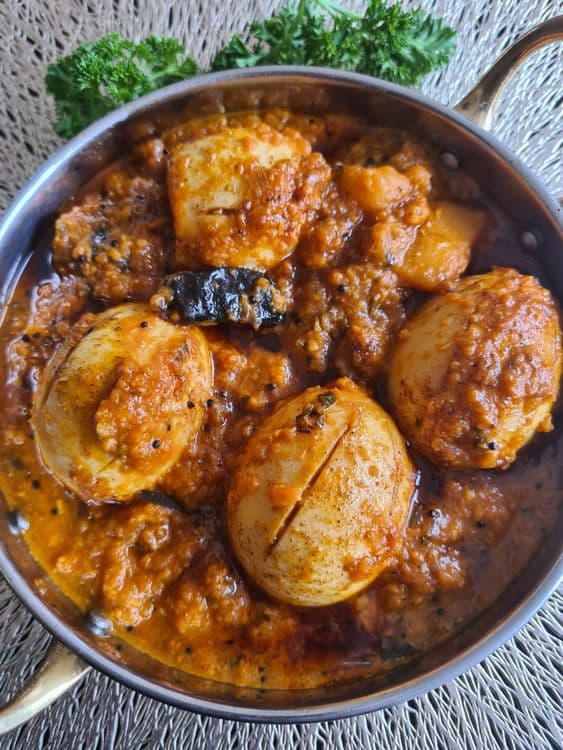
Egg curry recipes turn the cheapest protein in the kitchen into one of Indian cooking's most reliably good weeknight dinners — hard-boiled eggs simmered in a spiced onion-tomato gravy, or scrambled straight into a bhurji, ready in under half an hour. This collection covers the range worth knowing: rich coconut-based Kerala-style curries, the classic dhaba-style anda masala, egg bhurji and scrambles, and the wider family of egg masala, biryani and fried variations.
What makes egg curry so dependable is how forgiving it is. Boiled eggs hold their shape through a long simmer without falling apart the way a delicate protein might, so the gravy can be built properly — onions cooked down, tomatoes reduced, spices bloomed — without worrying about overcooking the eggs, which mostly just need to sit in the finished sauce and soak up flavor.
Below, the recipes split into four groups: coconut-forward South Indian styles, North Indian anda and potato-egg curries built on a thick onion-tomato base, egg bhurji and scrambles for something quicker, and a wider bucket of egg masala, biryani and fried egg curry variations. Between them they cover breakfast, weeknight dinner and the occasional special-occasion plate.
Treat this as a working reference. Every recipe links through to full ingredients and method on Chefadora, and the guides below cover the parts that actually decide how an egg curry turns out — how to boil eggs so they peel cleanly, how to build a gravy with real depth, and how to keep eggs from turning rubbery in a long-simmered sauce.
Coconut & South Indian Egg Curries
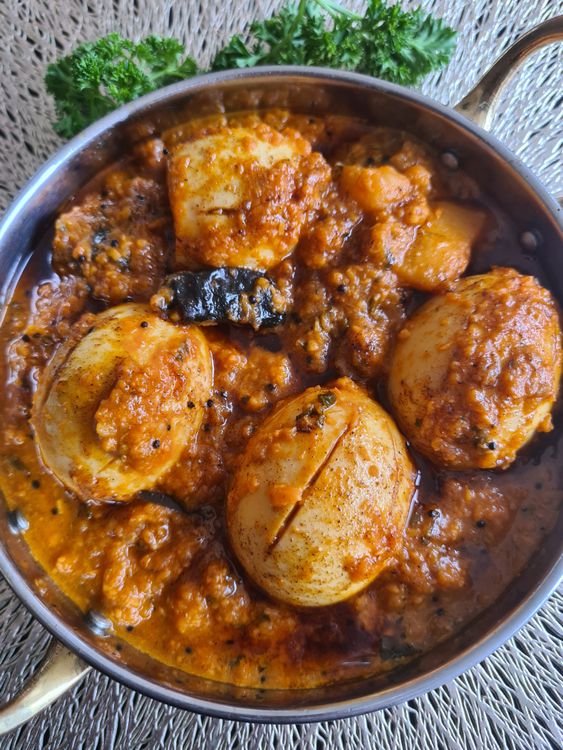
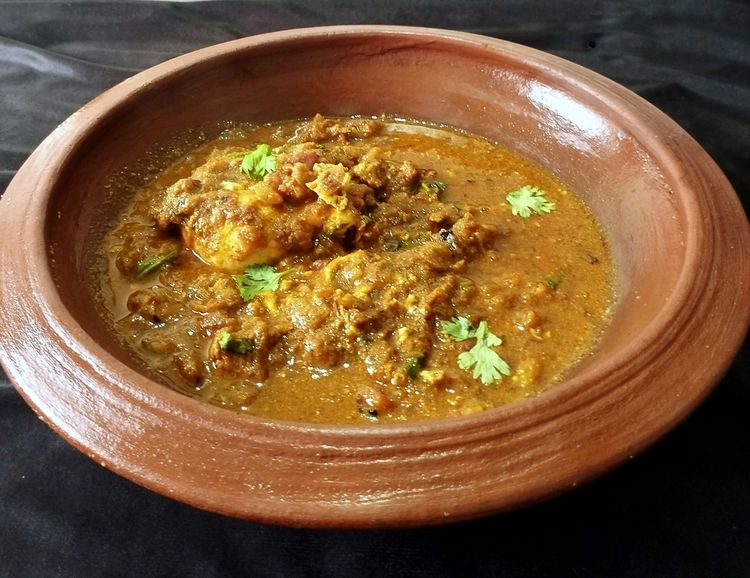
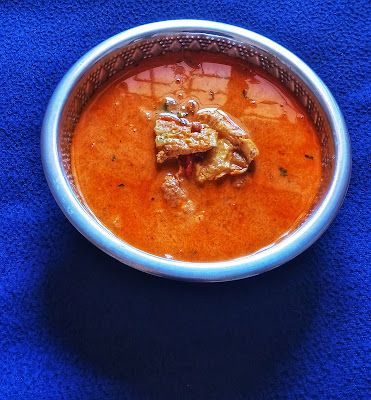
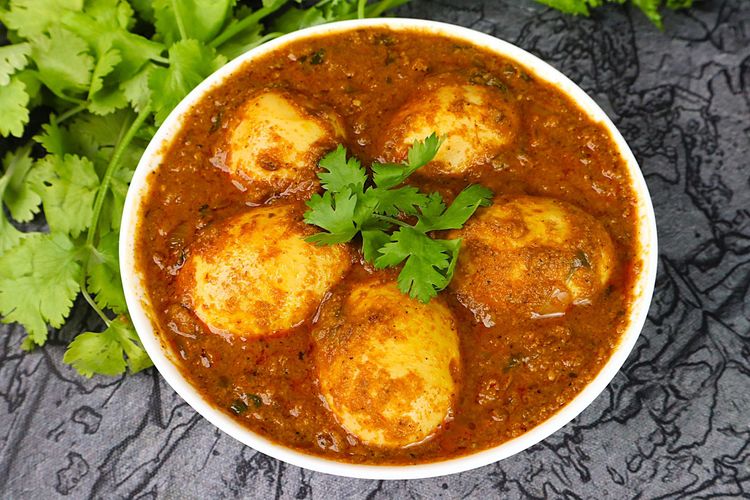
Kerala-style egg curry builds its gravy around ground coconut rather than the tomato-heavy base common in North India, giving it a richer, slightly sweet backbone that gets balanced with curry leaves, mustard seed and a sour note from tamarind or raw mango. Coconut egg curry follows the same basic logic — fresh or dried coconut ground into a paste, sometimes lightly roasted first for extra depth, then simmered with the tempering and boiled eggs. Varutharacha egg curry takes this a step further, roasting the coconut and spices in a dry pan before grinding, which gives the finished curry a deep, almost smoky brown color and a noticeably toastier flavor than an unroasted coconut base. This roasting step is the main technical difference between varutharacha-style curries and simpler coconut versions, and it is worth the extra few minutes for how much flavor it adds. Mutta puli, the Kerala name for this style of egg curry, leans on tamarind specifically for its sourness rather than tomato, giving it a sharper, more tangy edge than most North Indian egg curries. These coconut-based curries are usually thinner and more pourable than the thicker anda masala gravies, and pair best with rice rather than roti. Standouts here include Coconut Egg Curry and Varutharacha Egg Curry / Egg Curry in Roasted Coconut Gravy, plus Kerala Style Mutta Puli / Egg Curry.

- Indian
- Eggetarian
- Lunch
- Indian
- Eggetarian
- Lunch
- Indian
- Eggetarian
- Main Course
Anda & Potato Egg Curries
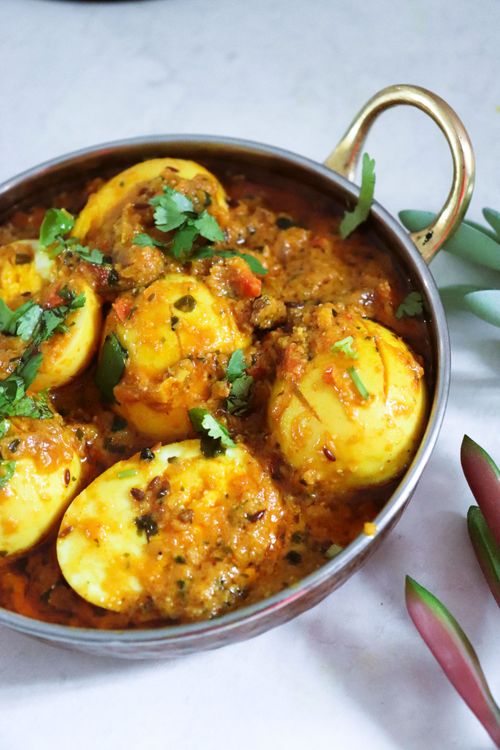
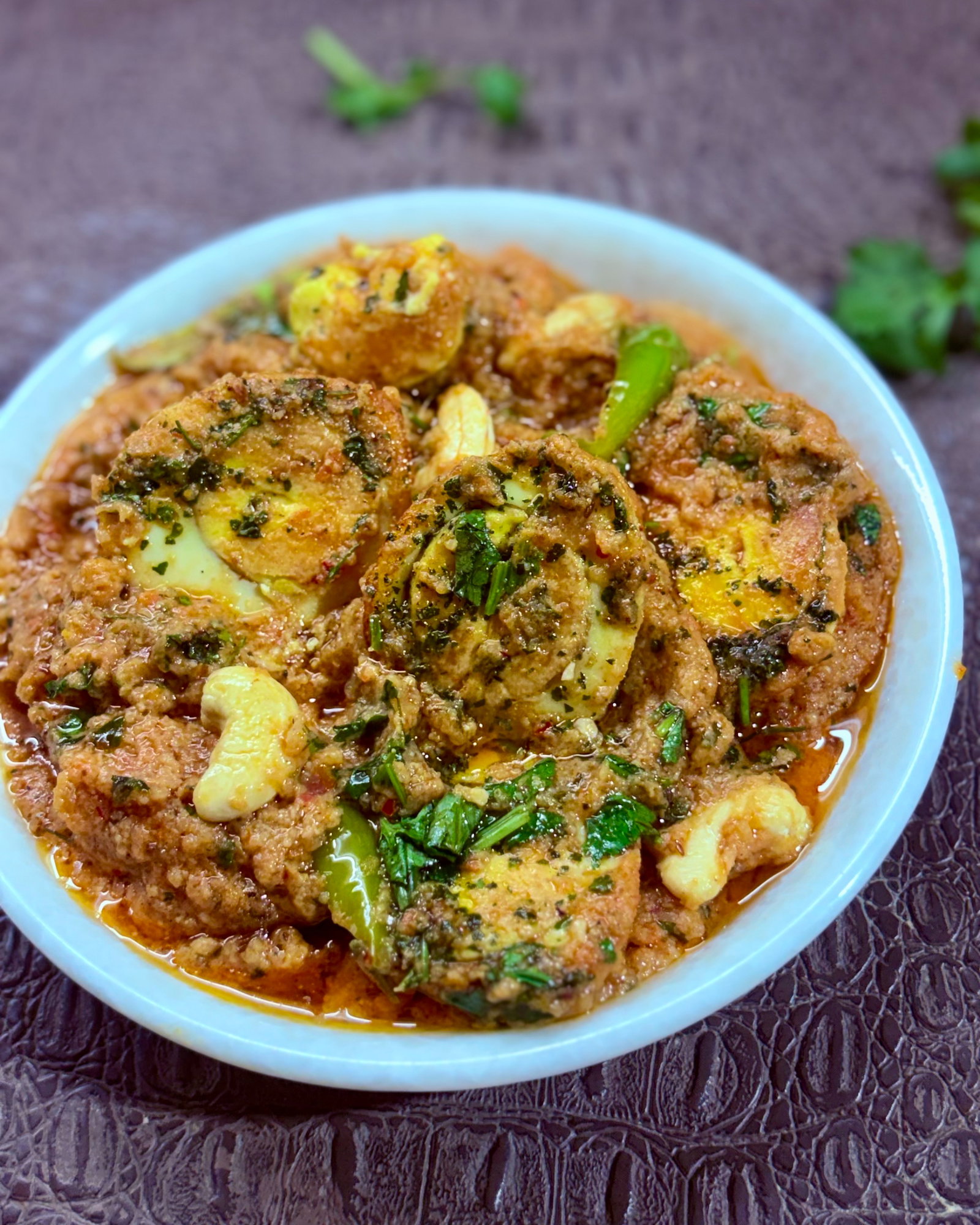
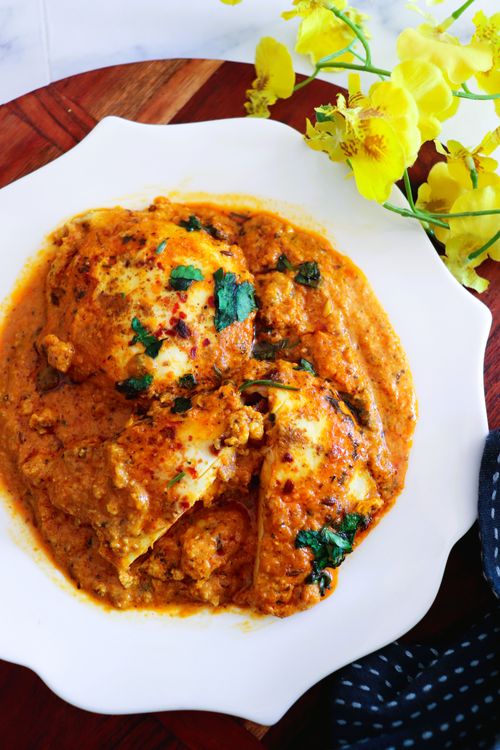
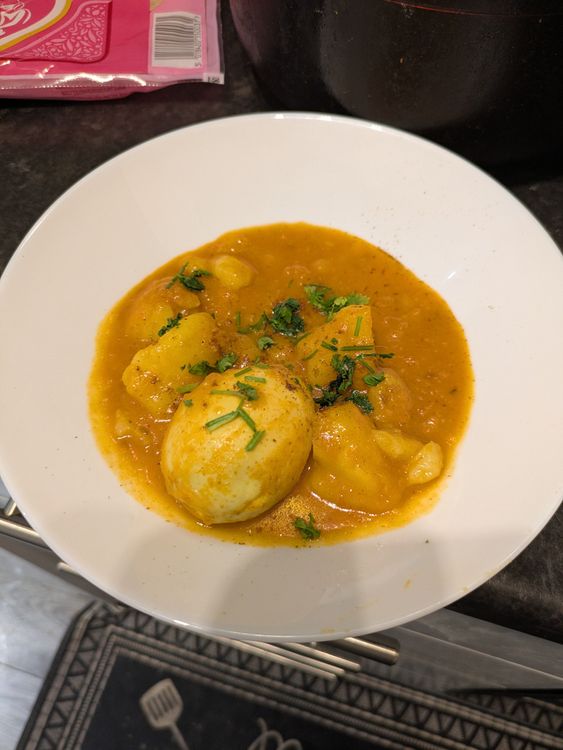
This is the anda curry most people picture first — a thick, well-cooked onion-tomato masala, deeply spiced with garam masala and red chilli, into which boiled eggs (and often potato) are added to simmer until they take on the color and flavor of the gravy. Dhaba-style anda masala is the benchmark: cooked hard and fast on a high flame the way roadside dhabas do it, giving the gravy a slightly charred, smoky depth that is hard to replicate on a home stove but worth attempting. Adding potato, as in aloo anda curry, is both practical and traditional — it bulks out the dish, stretches fewer eggs across more servings, and gives the gravy something starchy to cling to. The potato is usually parboiled or fried lightly before going into the curry, so it holds its shape through the simmer rather than breaking down into the sauce. Regional variations like Kolhapuri egg curry push the spice level up further with a distinctive dry-roasted masala blend specific to that region, while dishes like anda ghotala — a scrambled, street-food take on egg curry from Surat — blur the line between this cluster and a bhurji. Across all of them, the gravy is the star, with the egg there to absorb it. Standouts here include Dhaba-style Anda Masala Curry (Egg Curry) and Shahi Anda Curry (Egg Curry), plus Aloo Anda Curry (Potato Egg Curry).
- Indian
- Eggetarian
- Main Course
- Indian
- Eggetarian
- Dinner

- Indian
- Eggetarian
- Dinner
- Indian
- Eggetarian
- Lunch


- Eggetarian
- Street Food
- Pakistani
- Eggetarian
- Lunch

- Indian
- Eggetarian
- Lunch
Egg Bhurji & Scrambles
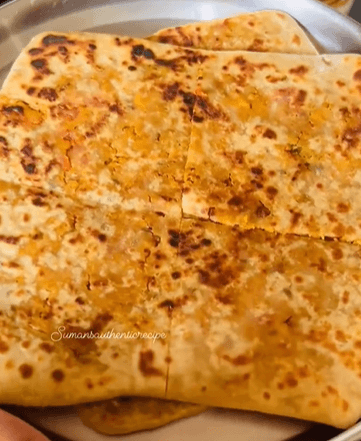
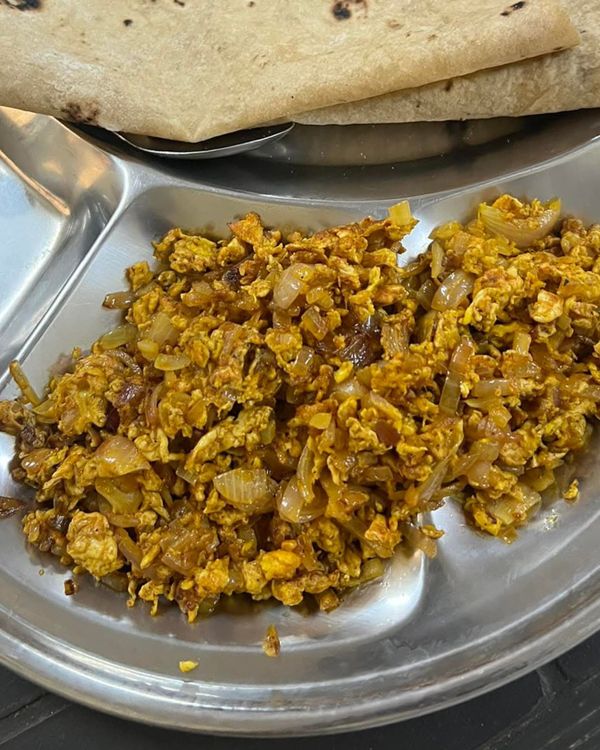
Egg bhurji is the everyday, fifteen-minute version of egg curry — no boiling or peeling required, just onion, tomato and green chilli cooked down until soft, then beaten eggs stirred in and scrambled through until just set. It sits somewhere between an Indian-spiced scramble and a very loose curry, and its speed makes it one of the most common breakfast and quick-dinner dishes in Indian households. The technique differs from Western-style scrambled eggs in one key way: the vegetable base is cooked down properly first, often until it is nearly a dry masala, before the eggs go in, rather than cooking eggs and aromatics together from the start. This gives bhurji its characteristic texture — small, well-seasoned curds of egg distributed through a spiced vegetable mixture, rather than large, plain curds with vegetables scattered through. Bhurji is also one of the most flexible dishes here — it happily takes on paneer, extra vegetables, or leftover gravy from another curry stirred through it, and any version reheats well for a next-day breakfast wrap or paratha filling. Because there is no boiling involved, it is also the fastest entry point into egg curry cooking for anyone intimidated by peeling a dozen eggs. Standouts here include Not the regular Egg Bhurji and Egg Bhurji Paratha, plus Granny's Scrambled Eggs (Egg Bhurji).

- Eggetarian
- Main Course
- Indian
- Vegetarian
- Breakfast
- Indian
- Eggetarian
- Breakfast
Egg Masala, Biryani & Other Curries
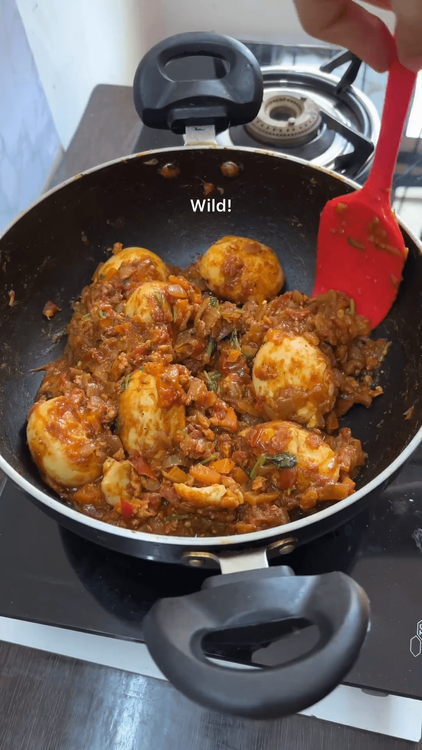
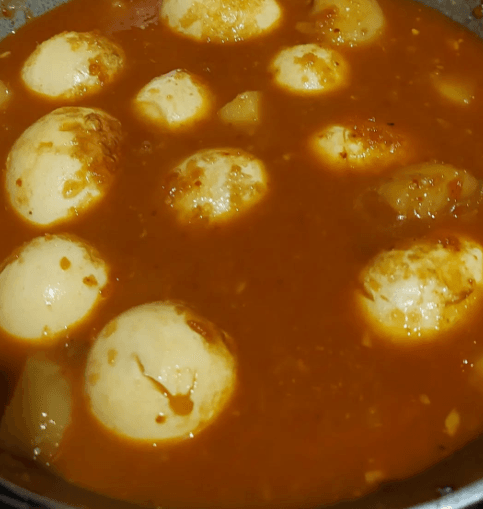
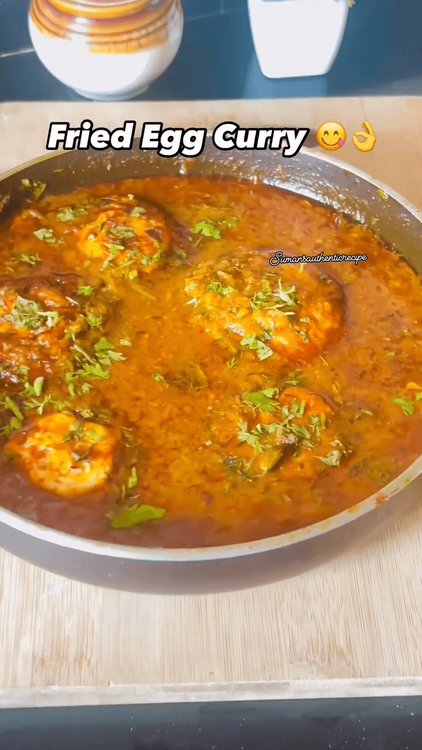
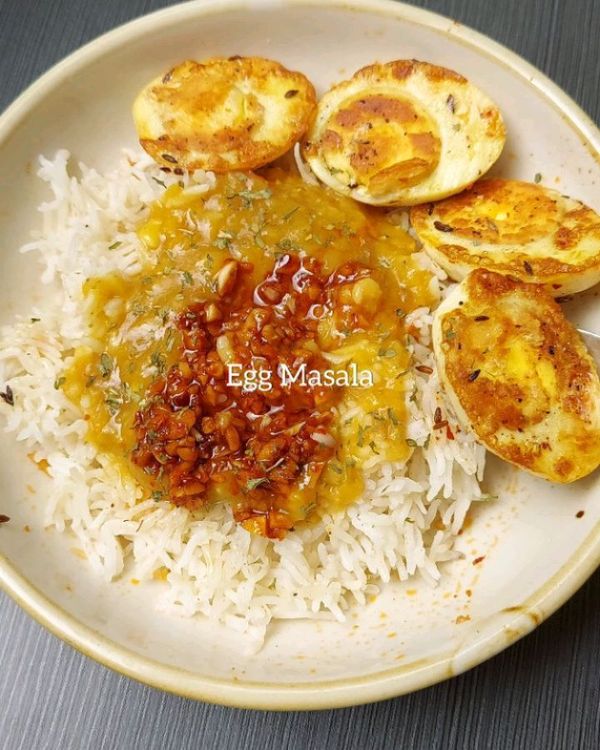
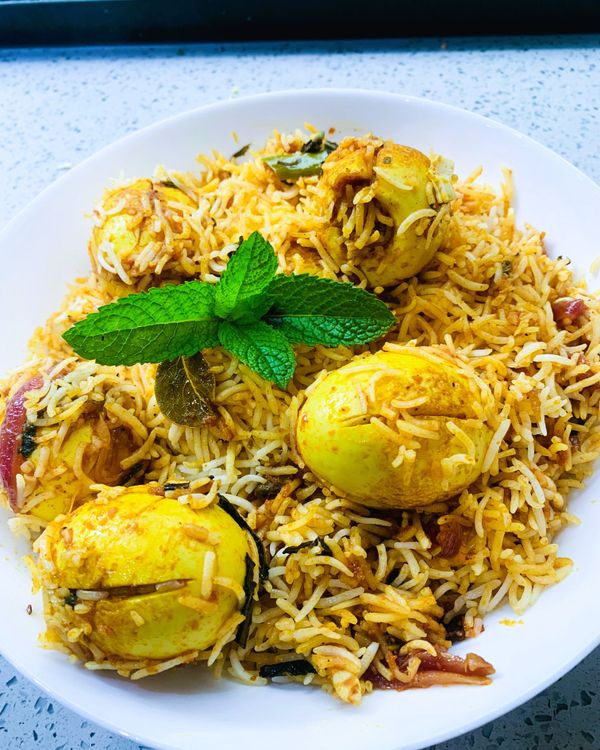
This last cluster gathers the rest of the egg curry family — the plainer, everyday egg masala that does not fit neatly into a regional style, fried egg curry where the eggs are shallow-fried whole or halved before hitting the gravy, and anda biryani, which takes the same boiled egg and folds it into a full rice dish rather than a standalone curry. Fried egg curry adds an extra step compared to a standard version: eggs are lightly fried, sometimes with a few slashes cut into them so the hot oil can crisp the surface unevenly, before going into the gravy. This gives the eggs a slightly firmer bite and a mottled, golden surface that holds sauce differently than a plain boiled egg does. Anda biryani, meanwhile, treats the egg less as the centerpiece of a gravy and more as a protein layered through spiced, part-cooked rice using the dum method — sealed and steamed together so the flavors meet without ever really becoming a curry. Egg masala, the plainest entry here, is essentially a simplified anda curry without a strong regional identity, and is often the recipe worth learning first before branching into the more specific styles elsewhere on this page. Standouts here include Egg Curry and Egg Curry, plus Fried Egg Curry.
- Indian
- Eggetarian
- Dinner
- Indian
- Eggetarian
- Dinner
- Indian
- Eggetarian
- Dinner
- Indian
- Eggetarian
- Lunch
- Indian
- Eggetarian
- Lunch

- Indian
- Eggetarian
- Breakfast
Boiling and Peeling Eggs Cleanly
Start with eggs that are a few days old rather than fresh from that morning — very fresh eggs are notoriously harder to peel cleanly because the shell clings tighter to the membrane. Lower eggs gently into already-boiling water rather than starting them in cold water, and simmer for about ten to eleven minutes for a fully set yolk, which is what most egg curries call for. If you are boiling a large batch for a party, work in smaller pots of five or six eggs rather than one crowded pot, since overcrowding cooks the eggs unevenly and makes timing far less reliable.
As soon as the eggs are done, transfer them straight into a bowl of ice water and let them sit for at least five minutes. This rapid cooling stops the cooking process, prevents the grey-green ring that can form around an overcooked yolk, and — just as importantly — makes the shells noticeably easier to peel.
Peel under a thin stream of running water or in a bowl of water, which helps separate the shell from the membrane cleanly. Once peeled, some cooks make a few shallow slits in the egg before it goes into the curry, which lets the gravy penetrate further and season the egg all the way through rather than just coating the outside.
Building a Gravy With Real Depth
The base of most North Indian egg curries is onion, ginger and garlic cooked down until deeply golden, followed by tomatoes reduced until the oil separates from the mixture. This step takes longer than most home cooks give it — a full ten to fifteen minutes of proper cooking rather than a quick five-minute sauté — and it is the single biggest factor in whether the finished curry tastes rich or thin. A wide, heavy-bottomed pan conducts heat more evenly than a thin one, which matters here since a scorched patch of onion at the bottom of the pan can throw off the flavor of the whole batch of gravy.
Whole spices bloomed in oil at the start, such as cumin seeds, bay leaf or a cinnamon stick, build a base layer of flavor that ground spices added later cannot replicate on their own. Add ground spices — turmeric, coriander, red chilli — once the onion is soft rather than at the very start, since they burn quickly in hot oil and turn bitter if added too early.
For a Kerala-style coconut curry, the technique shifts slightly: a ground coconut paste, sometimes lightly roasted first for a deeper, nuttier flavor, replaces much of the tomato base, and curry leaves and tamarind add the sour, aromatic notes that a North Indian version gets from tomato and garam masala instead. Either style benefits from finishing with a touch of ghee or a pinch of garam masala stirred in off the heat.
Keeping Eggs From Turning Rubbery
Boiled eggs added too early to a simmering curry, or left in a bubbling gravy for too long, develop a firm, slightly rubbery texture as their proteins tighten under prolonged heat. Add the eggs once the gravy itself is essentially finished, and simmer for only five to ten minutes more — just long enough for them to warm through and absorb some of the sauce's flavor.
Some cooks lightly fry the boiled eggs in a little oil or ghee before adding them to the curry, which gives the surface a slightly blistered texture and helps it hold up better in a longer simmer, though this step is optional and mostly about texture preference rather than necessity. If you fry, do it briefly — just enough to color the surface, not to cook the egg further.
If a curry needs to be reheated, do so gently over low heat rather than at a hard boil, and add any freshly boiled eggs to already-warm leftover gravy rather than reheating eggs that were already sitting in the sauce, which compounds the toughening. This is especially worth remembering if you are making the gravy ahead and adding eggs closer to serving time.
Serving and Pairing Egg Curry
Egg curry pairs naturally with steamed rice or a simple jeera rice, which soaks up the gravy well, and with roti or paratha for scooping. Coconut-based Kerala-style versions are especially good with appam or a plain rice like matta rice, which stands up to the richer, slightly sweet coconut gravy better than a plain basmati does.
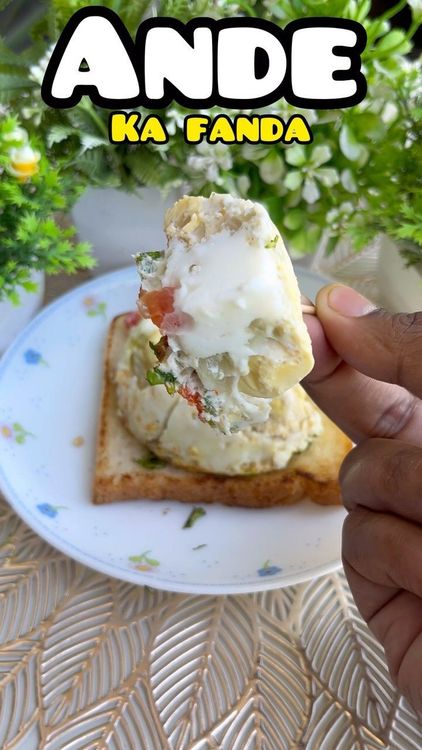
Egg bhurji works differently — it is closer to a dry scramble than a saucy curry, so it pairs best with paratha or plain bread as a filling or side, and doubles well as a quick breakfast rather than only a dinner dish. It also makes an excellent, fast filling for a wrap or sandwich when there is leftover bhurji in the fridge.
Leftover egg curry actually improves overnight as the gravy's spices continue to meld, much like many other Indian curries, so it is a reasonable dish to make a day ahead. Store the eggs in the gravy in an airtight container and reheat gently; if the eggs have firmed up slightly by the next day, a brief simmer to just warm through is usually enough to soften them again.
Pro Tips from the Test Kitchen
- Use eggs a few days old rather than very fresh — they peel far more cleanly once boiled.
- Shock boiled eggs in ice water for at least five minutes to stop cooking and make peeling easier.
- Cook the onion-tomato base until the oil separates before adding ground spices — this builds real depth.
- Add ground spices once onions have softened, not at the very start, so they don't turn bitter from burning.
- Add boiled eggs to the curry only once the gravy is nearly finished, and simmer just 5-10 minutes more.
- Make a few shallow slits in peeled boiled eggs so the gravy's flavor penetrates all the way through.
- For Kerala-style curry, roast the ground coconut paste lightly first for a deeper, nuttier flavor.
- Lightly fry boiled eggs in ghee before adding to curry for a blistered texture that holds up in a long simmer.
- Reheat egg curry gently over low heat rather than at a hard boil to avoid toughening the eggs further.
- Make the gravy a day ahead if you like — it improves overnight — and add freshly boiled eggs closer to serving.
Frequently Asked Questions
How do you boil eggs so they peel easily for egg curry?
Use eggs that are a few days old rather than very fresh, lower them into already-boiling water, and simmer for about ten to eleven minutes. Transfer immediately to ice water for at least five minutes once done. This combination — slightly older eggs plus a fast ice-water shock — is what makes the biggest difference to how cleanly the shells come off.
How do you keep eggs from turning rubbery in curry?
Add the boiled eggs to the gravy only near the end of cooking, once the base is essentially finished, and simmer for just five to ten minutes more. Prolonged simmering is what tightens an egg's proteins and gives it a rubbery bite, so the key is brief, gentle heat rather than a long cook alongside the gravy.
What is the difference between egg curry and egg masala?
The terms are often used interchangeably, though egg masala sometimes refers to a slightly drier, more concentrated version with less gravy, while egg curry usually implies a looser, more liquid sauce meant for scooping with rice or bread. Regional recipes vary enough that the line between the two is not strict.
Can you make egg curry without tomatoes?
Yes — Kerala-style coconut egg curries lean on a ground coconut paste with curry leaves and tamarind for sourness instead of tomato, and some North Indian versions substitute yogurt for tang if tomatoes are unavailable. The core technique of building a well-cooked base still applies regardless of what provides the acidity.
What is egg bhurji?
Egg bhurji is India's version of scrambled eggs, made by cooking onion, tomato and green chilli down until soft, then stirring in beaten eggs and scrambling them through the mixture until just set. It is drier and more heavily spiced than a typical Western scramble, and is commonly eaten with paratha or as a sandwich filling.
How long does egg curry last in the fridge?
Egg curry keeps for three to four days in an airtight container in the fridge, and the flavor often improves after the first day as the spices continue to meld into the gravy. Reheat gently over low heat rather than boiling hard, which helps keep the eggs from becoming any tougher than they already are.
Can egg curry be frozen?
The gravy itself freezes well for up to about a month, but boiled eggs do not freeze well on their own — they turn rubbery and watery once thawed. The better approach is to freeze just the gravy, then boil fresh eggs and add them once the gravy is thawed and reheated.
What spices are essential for egg curry?
Cumin, coriander, turmeric, red chilli powder and garam masala form the backbone of most North Indian versions, with ginger and garlic as the aromatic base. Kerala-style curries lean more on curry leaves, mustard seed and black pepper alongside coconut. Either way, blooming whole spices in oil before adding ground ones builds noticeably more flavor.
Why is my egg curry watery?
The onion-tomato base likely was not cooked down long enough before liquid was added — it should be reduced until the oil visibly separates from the masala before you add water or the eggs. If the curry is already thin, simmer it uncovered for a few extra minutes to reduce, rather than adding thickeners.
What can I serve with egg curry?
Steamed rice, jeera rice or roti are the classic pairings for a saucier egg curry, while Kerala-style coconut versions pair especially well with appam or a heartier rice like matta rice. Egg bhurji, being drier, is better suited to paratha or bread rather than rice.
Every egg curry here relies on the same handful of moves: eggs boiled and shocked properly so they peel clean, a gravy base cooked long enough to build real depth, and the eggs added late so they stay tender rather than turning rubbery. Once those are second nature, the whole category — from Kerala coconut curry to a quick weeknight bhurji — gets much easier.
Pick a curry style, a bhurji and something from the wider masala group to try over the next few dinners, and keep the guides above close by for the next boil-and-peel session. Save your favorites to a Chefadora cookbook and this stays the egg curry reference you actually come back to.
Related
- Egg Curry
- Indian
- Eggs
- High protein
- Weeknight Dinner
- Kerala
- North Indian
Popular Searches
- Best egg curry recipes
- Easy egg curry recipes
- Quick egg curry recipes
- Healthy egg curry recipes
- Simple egg curry recipes
- Homemade egg curry recipes
- Delicious egg curry recipes
- Popular egg curry recipes
- egg curry recipe
- egg masala
- anda curry
Marnirni-apinthi Building, Lot Fourteen,
North Terrace, Adelaide, South Australia, 5000
Australia
