
Top 15 Keema Recipes: Chicken, Mutton and Vegetarian Keema
Updated July 2, 2026 · Curated by Chefadora
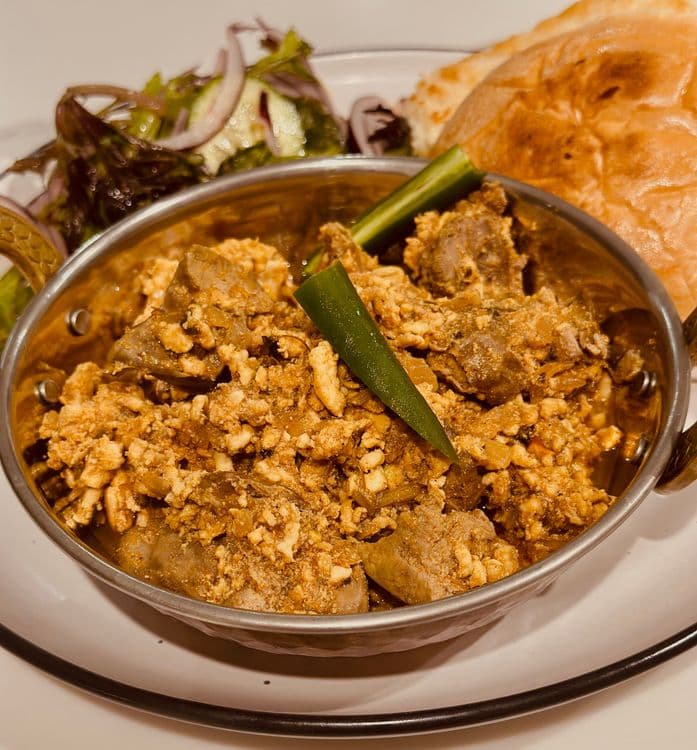
Keema recipes turn minced meat or vegetables into one of the fastest, most adaptable dishes in Indian home cooking — spiced, saucy and done in a fraction of the time a curry with whole cuts would take. This collection covers chicken keema for weeknight speed, mutton and goat keema for deeper flavour, vegetarian and vegan versions built on cauliflower or paneer, and a handful of snacks and wraps that turn leftover keema into something new.
What makes keema so forgiving is its texture: because the meat or vegetable is already broken down, it cooks fast and takes on spice almost instantly, which means most keema recipes come together in twenty to thirty minutes on the stove. That speed is also where it can go wrong — mince overcooks in minutes, not the tens of minutes a curry with whole pieces allows, so timing and moisture matter more here than almost anywhere else in Indian cooking. Once you have cooked it a few times, though, keema becomes one of the least fussy things in the kitchen, since there is no cut of meat to worry about and no long simmer to plan around.
The four clusters below reflect how differently keema is used: chicken keema for quick, everyday cooking, mutton and goat keema for richer, slightly slower dishes, vegetarian and vegan keema for meat-free nights that do not skimp on spice, and keema worked into sandwiches, puffs and bowls for something a little different. Each keeps the same base technique with small adjustments for the protein or vegetable involved, so once you know one you largely know them all.
Use this page as a working reference rather than a one-off read. Every recipe links through to full ingredients and method on Chefadora, and the guides below cover what actually decides whether keema turns out dry and crumbly or moist and well spiced — how to brown it properly, how to season it, how to control moisture, and how to store and reheat leftovers.
Chicken Keema
Chicken keema is the fastest, most forgiving entry point into this whole category — lean, quick-cooking mince that takes on spice almost as soon as it hits the pan. The recipes gathered here range from a straightforward keema matar built on peas and a classic spiced base, to keema folded into a bento box lunch, stirred through dosa batter for a quick fusion breakfast, or baked into a puff pastry parcel. Chicken keema's low fat content compared with mutton or goat means it needs slightly gentler handling: brown it quickly over fairly high heat so it does not turn dry and crumbly, then keep the final simmer with the base short rather than long, since there is very little fat to protect the meat if it overcooks. It is also the most versatile cluster for repurposing — a batch of well-spiced chicken keema on a Sunday can turn into sandwiches, wraps or a rice bowl through the week without much extra work. If you are new to keema cooking generally, this is the cluster to start with, since the timing is forgiving and the ingredients are usually already in a well-stocked fridge. Standouts here include Chicken Keema Kaleji and Chicken Keema, plus Chicken Keema.
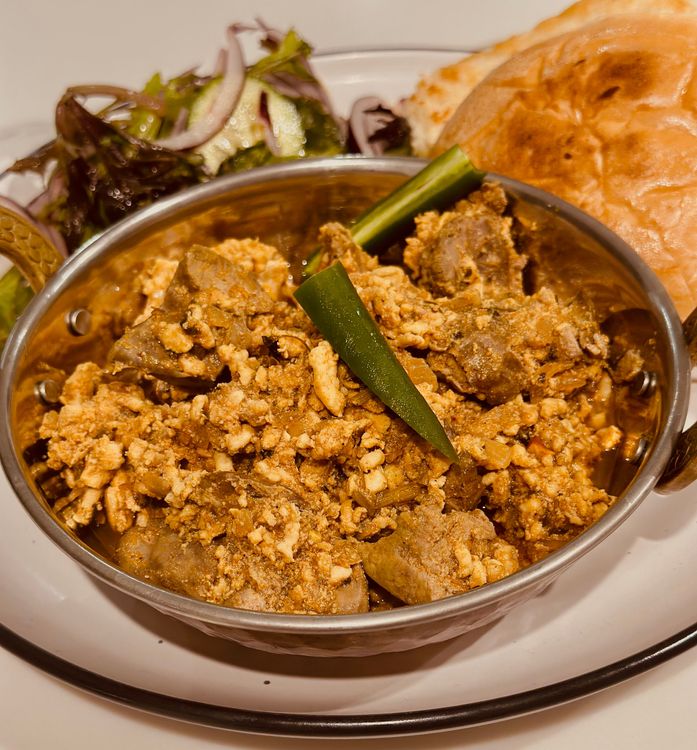

- Indian
- Non-Vegetarian
- Lunch
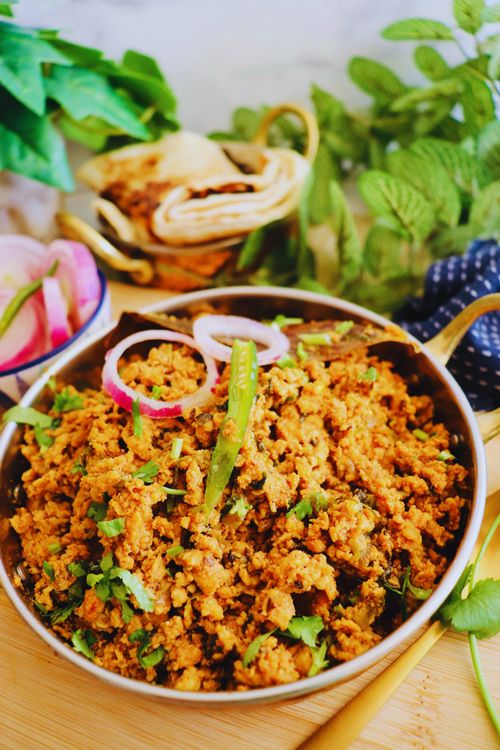
- Indian
- Non-Vegetarian
- Lunch
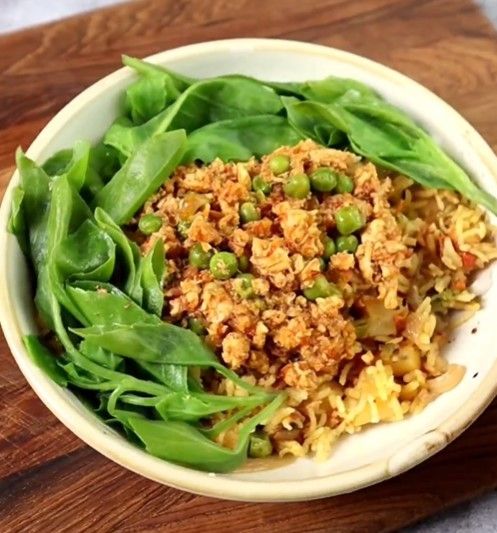

- Afghani
- Non-Vegetarian
- Lunch
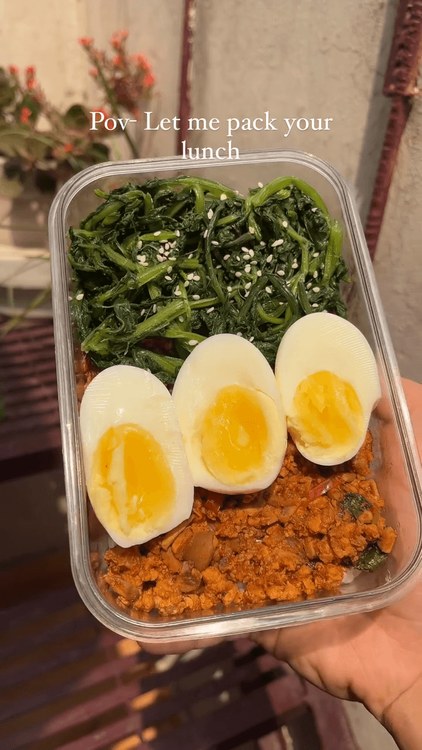
- Japanese
- Non-Vegetarian
- Lunch
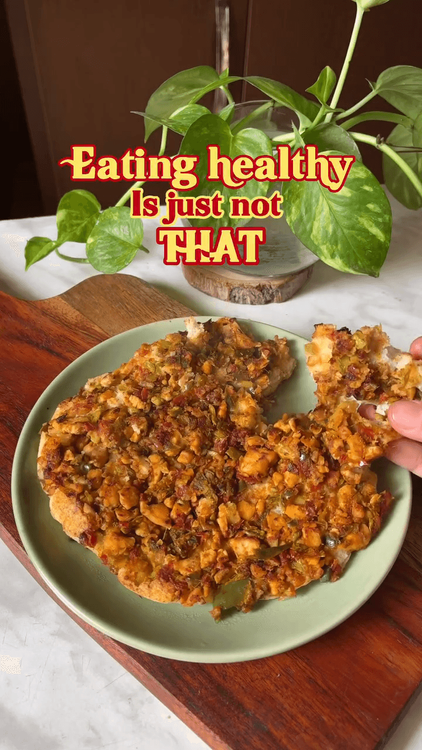
- Indian
- Non-Vegetarian
- Dinner

- Indian
- Non-Vegetarian
- Appetiser
Mutton & Goat Keema
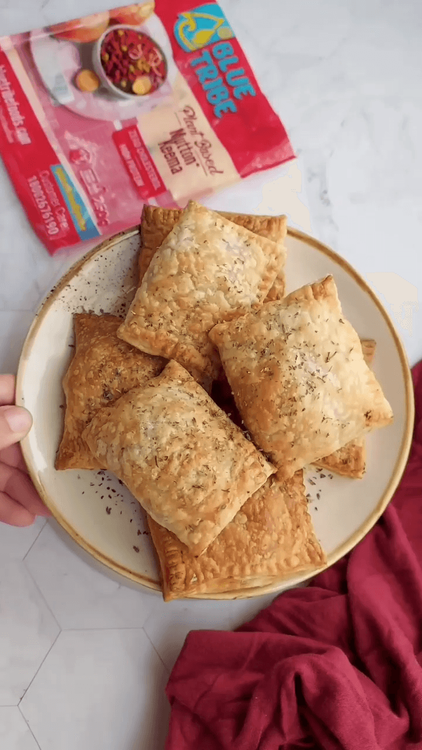
Mutton and goat keema bring the deepest, most savoury flavour in this collection, helped along by a slightly higher fat content that renders out during browning and carries spice through the rest of the dish. The Hyderabadi-style dry mutton kheema here leans into that richness with minimal gravy, letting the meat and spice concentrate rather than sit in sauce, while the pressure-cooker version shows how much time a pressure cooker saves with tougher mince. A plant-based version sits in this cluster too, built to mimic the same richness and spice profile using a meat alternative rather than actual mutton. Because mutton and goat mince carries more fat than chicken, it can handle a slightly longer sear without drying out, which is exactly what develops its flavour — do not rush this stage the way you might with a leaner mince. A pressure cooker is genuinely useful here if you have one, cutting the time needed to fully cook and tenderise the mince while keeping the moisture in, though a heavy pan on the stove gets a similar result with a little more attention. Standouts here include Hydrabadi Dry Mutton Kheema and Plant-Based Mutton Keema Pastry, plus Mutton Keema in Pressure Cooker | Mutton Keema Recipe.
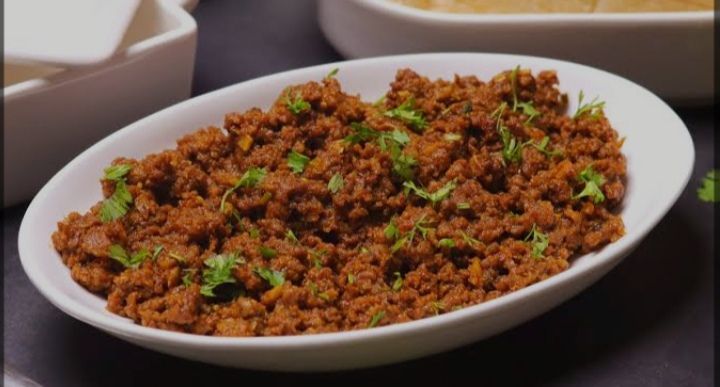

- Indian
- Non-Vegetarian
- Lunch
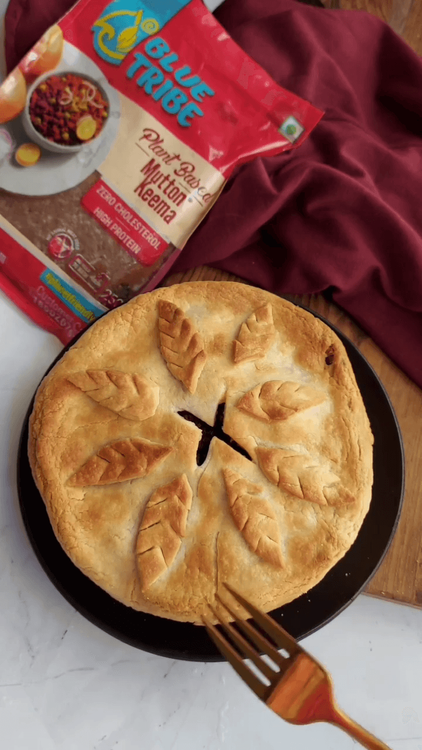
- Indian
- Non-Vegetarian
- Snack
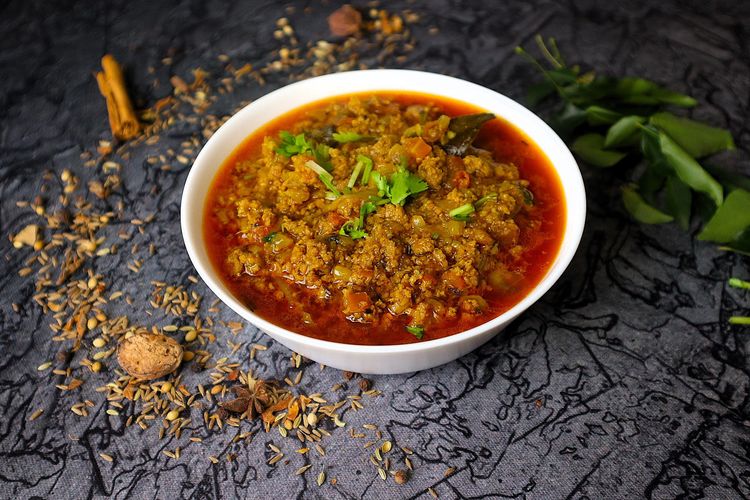

- Indian
- Non-Vegetarian
- Lunch
Vegetarian & Vegan Keema
Vegetarian and vegan keema proves the format does not depend on meat at all — grated cauliflower, crumbled paneer and plant-based mince all take on the same spiced base and come out convincingly close to the real thing in texture and flavour. Gobi keema, made from finely minced or grated cauliflower, is the standout here: it browns in a similar way to meat mince when given enough heat and a dry pan, and soaks up spice quickly because of its surface area. Paneer keema takes a gentler approach, since paneer does not need browning the way cauliflower does — it mainly needs a well-built base to sit in. Vegan keema puffs show the format working as a pastry filling rather than a stovetop main, proving how adaptable this base technique is. The main adjustment across all of these is moisture: vegetables and paneer do not release fat and juices the way meat mince does, so the base itself needs to carry more of the flavour and a touch more oil than a meat version might need. Standouts here include Minced Cauliflower (Gobi Keema) and Gobi Keema Matar, plus Paneer Keema.
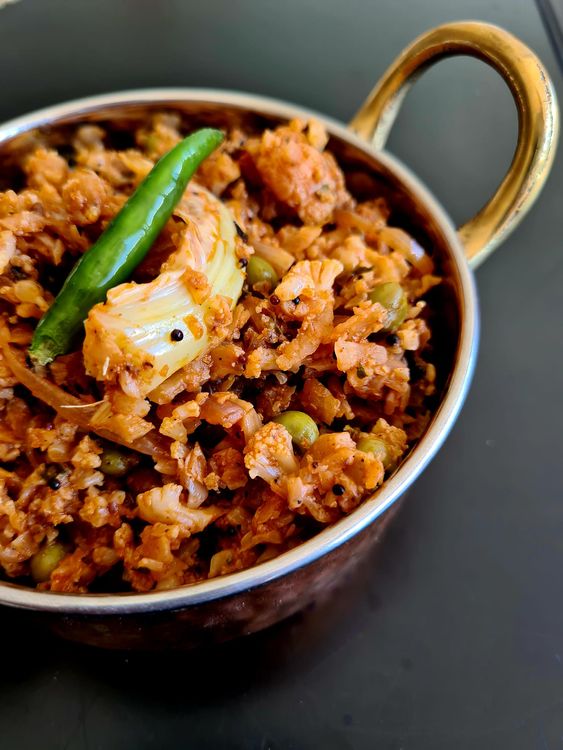
- Indian
- Vegan
- Lunch
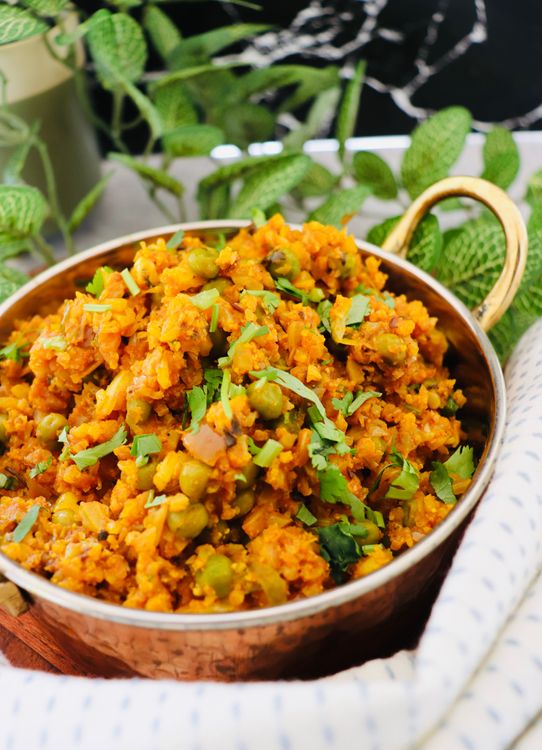
- Indian
- Vegan
- Lunch
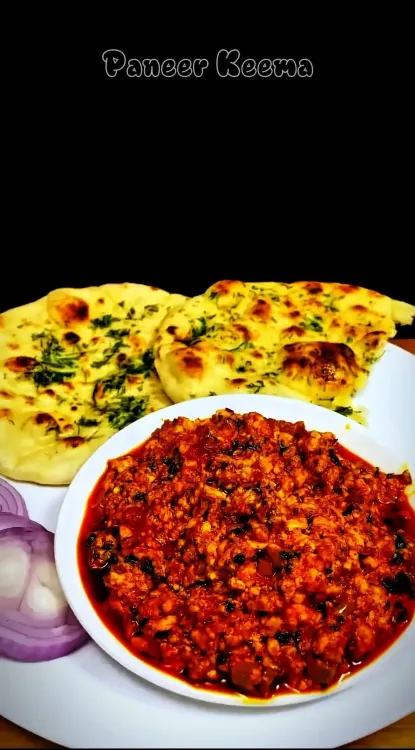
- Indian
- Vegetarian
- Lunch
- Indian
- Non-Vegetarian
- Appetiser
Keema Snacks, Wraps & Bowls
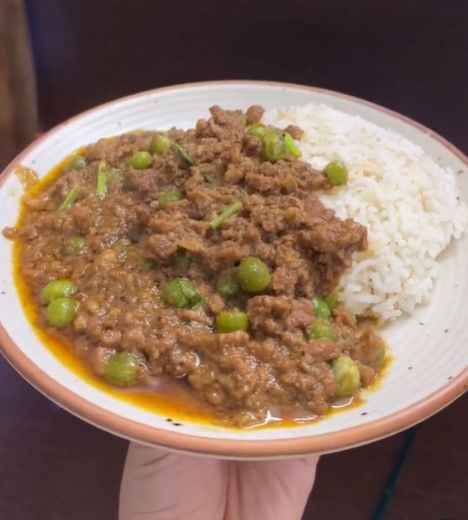
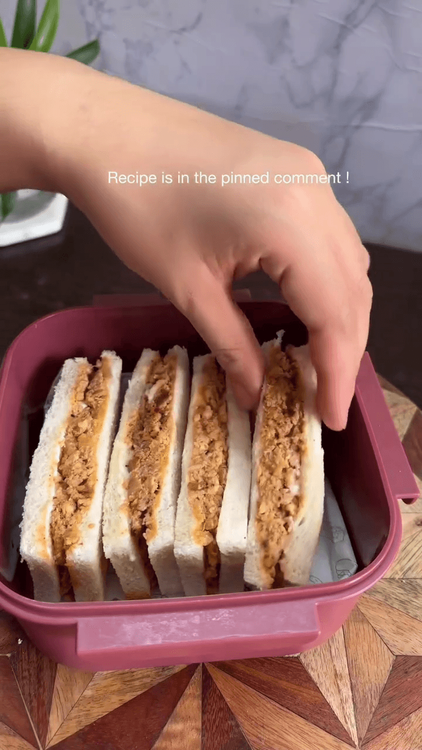
This cluster is where cooked keema stops being a stovetop main and becomes something else entirely — a sandwich filling, a pastry, a quick bowl built around peas and spice. A well-made keema matar sits at the centre of it, simple enough to eat with rice or roti but also drier variations that work folded into bread. Keema sandwiches and pastry-wrapped keema both rely on the same principle: cook the mince slightly drier than you would for a saucy main, since excess liquid makes bread soggy and pastry soft rather than crisp. These are also the best use for leftover keema from earlier in the week — a spoonful stirred into a wrap or piled onto toasted bread turns a side portion into a full meal in a few minutes. If you are batch-cooking keema on a weekend, it is worth setting aside a portion before you loosen the rest with extra water or stock, specifically so you have a drier base ready for whichever of these you want to make next. Standouts here include Keema Matar and Keema Sandwich.
- Indian
- Non-Vegetarian
- Dinner
- Indian
- Non-Vegetarian
- Lunch
Browning Keema Properly
Keema needs a hot pan and a bit of patience at the start, even though the whole dish cooks quickly overall. Add the mince to hot oil in a single layer where possible rather than dumping it all in at once, and let it sit for a minute before breaking it up — this gives it a chance to brown rather than just steam in its own released liquid.
Break the mince into small, even pieces with a spatula as it cooks, rather than leaving large clumps that stay pink in the centre while the outside overcooks. Chicken and vegetable keema cook through fast, often in five to seven minutes; mutton and goat keema benefit from a slightly longer sear since the extra fat renders out and adds flavour to the pan. A wide, heavy pan helps here too, since it gives the mince room to spread out rather than steaming in a crowded pot.
If the mince releases a lot of liquid, as chicken and vegetable keema often do, let it cook off before adding the spiced onion-tomato base rather than adding the base to a watery pan. This one adjustment is the difference between keema that tastes concentrated and one that tastes diluted and steamed rather than fried.
Building the Spiced Base for Keema
The base for keema follows the same principle as any curry — onions cooked until golden, ginger and garlic softened, tomatoes reduced until the oil separates — but on a faster timeline since keema itself cooks quickly. Build this base in the same pan before or after browning the mince, so the browned bits at the bottom of the pan get incorporated into the sauce rather than left behind.
Ground spices go in once the base is ready and are given thirty seconds to a minute to bloom in the fat before the browned keema goes back in. Because keema has a lot of surface area, it absorbs spice noticeably faster than a curry made with whole pieces of meat, so it is easy to over-season if you are not tasting as you go.
Peas, potatoes or other vegetables are often added partway through, once the base is built, so they have time to cook through alongside the meat without turning the whole dish mushy. Vegetarian versions built on grated cauliflower or crumbled paneer follow the same order — base first, then the main ingredient stirred through and cooked just until it takes on colour and spice.
Controlling Moisture and Texture
Good keema sits somewhere between dry and saucy — moist enough to be spooned over rice or scooped with bread, but not swimming in liquid. If your keema is turning out watery, the most common cause is either too much liquid from the mince itself not being cooked off, or tomatoes that were added before the pan had a chance to reduce properly. A wide pan and uncovered cooking both help liquid evaporate faster than a covered pot ever will.
For a drier keema suited to fillings — samosas, puffs, sandwiches — cook it down further at the end over higher heat, stirring often so it does not catch, until most of the visible liquid is gone. For a saucier version to eat with rice or roti, hold back at that stage and finish with a splash of water or stock instead.
Mince has almost no connective tissue to break down the way a curry cut of meat does, so there is no benefit to a long simmer once it is cooked through — extended cooking just dries it out. Aim for the base to be fully developed before the mince goes back in, so the total cooking time for the meat itself stays short, ideally under ten minutes once the two come together in the pan.
Storing, Freezing and Repurposing Keema
Cooked keema keeps well in the fridge for three to four days in an airtight container and reheats easily on the stove with a splash of water to loosen it. It is also one of the best make-ahead dishes in Indian cooking, since the flavour holds up — and often improves slightly — after a day or two in the fridge.
Keema freezes exceptionally well, better than most curries, since there are no large pieces of meat to lose texture on thawing. Freeze in flat, labelled portions for up to three months and thaw overnight in the fridge before reheating gently on the stove. This makes batch-cooking keema on a weekend a genuinely efficient use of time.
Leftover keema repurposes easily into other dishes: stuffed into a sandwich or wrap, folded into pastry for a puff or samosa, layered into a bento box, or stirred through rice for a quick bowl. Cook it slightly drier than usual if you know you will be repurposing it, since fillings and wraps do not want excess liquid, and a soggy filling is the most common reason a homemade puff or samosa falls apart.
Pro Tips from the Test Kitchen
- Let mince sit in the hot pan for a minute before breaking it up — this browns it instead of steaming it.
- Cook off any liquid the mince releases before adding the spiced base, or the finished keema will taste diluted.
- Taste and adjust spice as you go — keema has a large surface area and takes on seasoning faster than curry cuts of meat.
- Cook keema drier if you plan to use it as a filling for samosas, puffs or sandwiches.
- Add peas, potatoes or other vegetables partway through cooking so they cook through without turning the dish mushy.
- Mutton and goat keema benefit from a slightly longer sear than chicken or vegetable keema to render the extra fat.
- Skip the long simmer — mince has no connective tissue to break down, so extended cooking just dries it out.
- Freeze cooked keema in flat portions; it thaws and reheats better than most whole-cut curries.
- Build the onion-tomato base fully before returning browned mince to the pan, rather than seasoning as it cooks.
- Reheat keema gently with a splash of water on the stove rather than in a dry microwave to keep it moist.
Frequently Asked Questions
What is keema?
Keema is the Hindi and Urdu word for minced or ground meat, most often lamb, mutton, goat or chicken, cooked in a spiced onion-tomato base similar to curry but faster since the meat is already broken down. Vegetarian versions swap in finely grated cauliflower, paneer or plant-based mince and follow the same technique. It is one of the quickest ways to get a fully spiced main dish on the table.
What is the difference between keema and curry?
Curry usually refers to whole or large pieces of meat, vegetable or lentils simmered in a spiced gravy, often for thirty minutes or longer to tenderise the main ingredient. Keema uses mince, which is already broken down and cooks through in minutes, so the total cooking time is shorter and the texture is looser and more scoopable rather than built around distinct pieces.
How do you keep keema from turning out dry?
Avoid overcooking it once the mince is browned and the base is built — mince has little fat and no connective tissue to protect it, so extra time on the heat just dries it out. Finishing with a splash of water or stock, and not skipping the fat in the recipe, both help keep the final dish moist rather than crumbly.
Can keema be made ahead?
Yes, and it is one of the better make-ahead Indian dishes since the flavour holds up well and even improves slightly after a day in the fridge. Store in an airtight container for three to four days, or freeze in flat portions for up to three months. Reheat gently on the stove with a little water to loosen it.
What can I make with keema?
Beyond a straightforward keema curry served with rice or roti, mince works into samosas, puffs, sandwiches, wraps, bento-style lunch boxes and even pastry fillings. Cooking the keema slightly drier than usual makes it easier to use as a filling, since excess liquid can make pastry or bread soggy.
Is keema the same as mince?
Mince is the raw ingredient — meat or vegetables ground or finely chopped — while keema refers to the cooked, spiced dish made from it. You can buy or make mince and turn it into keema, but not every mince dish is keema; the term specifically implies the Indian-style spiced preparation.
What meat is best for keema?
Lamb and mutton keema are the classic choices and bring the richest flavour, while chicken keema is lighter and cooks fastest, making it the most common weeknight option. Goat keema sits closer to mutton in flavour and needs a similar sear to render its fat. All three follow the same base technique with only minor timing differences.
Can keema be made vegetarian or vegan?
Yes — grated cauliflower (often called gobi keema) is a common substitute that takes on spice well and has a texture reasonably close to mince once cooked down. Crumbled paneer and plant-based mince are two other options in this collection, both following the same spiced base technique as meat keema.
Why does my keema taste bland?
Usually the base was undercooked before the mince went in, or the seasoning was only checked once rather than adjusted throughout cooking. Because mince cooks so quickly, it is worth tasting the base on its own before adding the meat, and tasting again once everything is combined, since keema does not get a long simmer to correct itself later.
How long does keema take to cook?
Most keema recipes come together in twenty-five to thirty-five minutes total, including building the base — noticeably faster than a curry made with whole cuts of meat. Chicken and vegetable keema cook fastest; mutton and goat keema take slightly longer to let the fat render and the flavour deepen, but still well under an hour.
Every keema recipe here relies on the same short list of moves: brown the mince properly, build a fully cooked spiced base, and keep the total cooking time restrained so the meat or vegetable stays moist rather than dried out. Once that rhythm feels familiar, moving between a quick chicken keema and a richer mutton version is mostly a matter of a few extra minutes on the stove.
Pick one from each cluster this week — a quick chicken keema, a slower mutton version, and one of the vegetarian options — and see which becomes your regular. Save your favourites to a Chefadora cookbook as you go; this page is built to be the keema reference you keep returning to.
Related
- Keema
- Mince
- Indian
- Chicken
- Mutton
- Curry
- Dinner
Popular Searches
- Best keema recipes
- Easy keema recipes
- Quick keema recipes
- Healthy keema recipes
- Simple keema recipes
- Homemade keema recipes
- Delicious keema recipes
- Popular keema recipes
- keema recipe
- chicken keema
- mutton keema
Marnirni-apinthi Building, Lot Fourteen,
North Terrace, Adelaide, South Australia, 5000
Australia
