
13 Rasmalai Recipes, From Classic Chenna Discs to Fusion Bakes
Updated July 15, 2026 · Curated by Chefadora
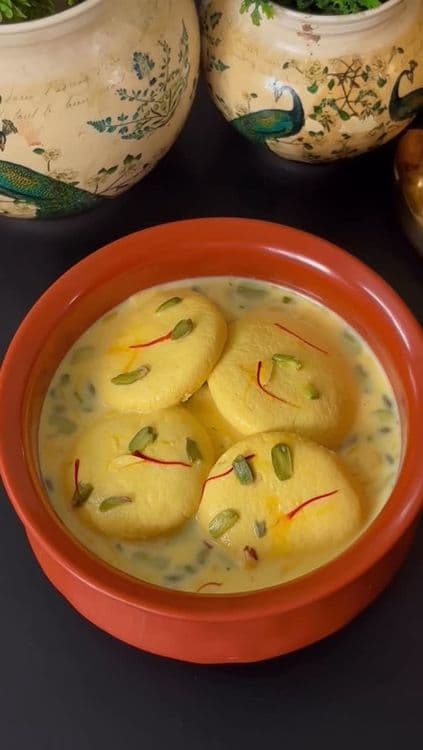
I have been chasing rasmalai recipes since a tiny sweet shop in Kolkata handed me a bowl where the discs were so soft they collapsed under the spoon. Mine were rubber pucks for years. What finally fixed them was not a secret ingredient but temperature control: milk split at a gentle simmer, chenna kneaded exactly until the heel of my hand comes away greasy, and a syrup that never rolls to a hard boil.
This collection pulls together the 13 versions our cooks make most, and they are not all traditional. Some are chenna-and-rabri classics, some are 30-minute cheats built on bread slices or milk powder, and a good handful are the fusion bakes that took over Diwali tables — tiramisu, cookies, a tres leches soaked in saffron milk. Each one links to the full method, and I have flagged where a version is genuinely beginner-safe versus where you should read the technique notes first. If you only have one evening, skip to the shortcuts; if you have a free Sunday, start at the top and do it properly once.
Classic Chenna Rasmalai Recipes Worth Mastering First
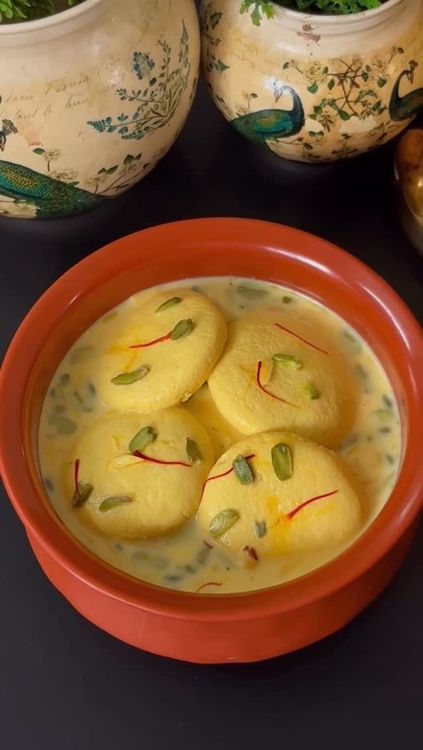
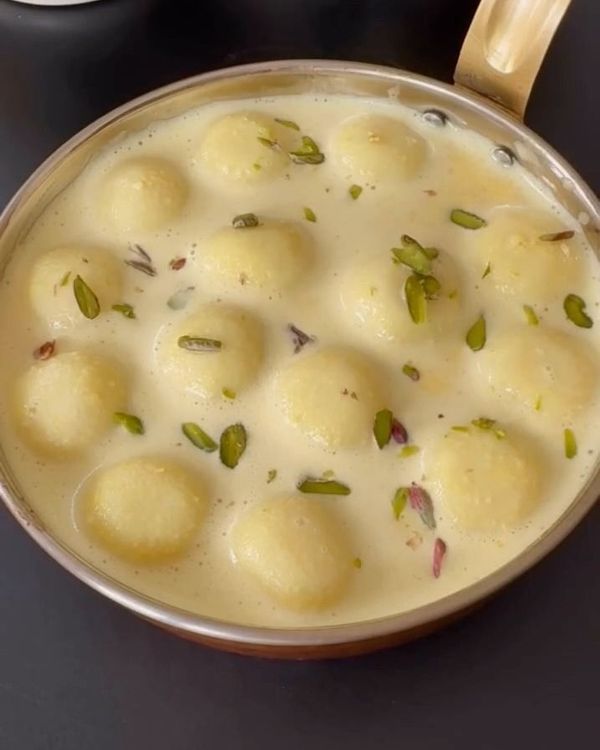
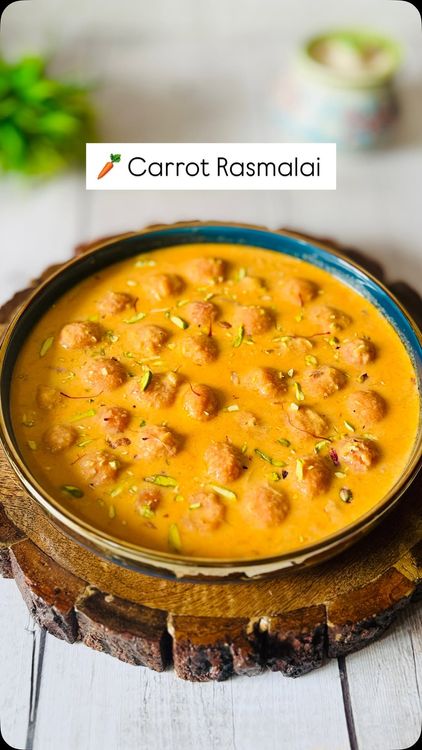
Everything here starts the same way: whole milk split with lemon juice or vinegar, drained, then kneaded into a chenna that feels like soft dough rather than crumbs. If you want to learn how to make rasmalai the way halwais do, start with the plain version and only then branch out. The Angoori style shrinks the discs to grape size, which cooks faster but punishes any dough that has not been kneaded enough — small patties crack first. The carrot one folds in grated gajar and behaves like a hybrid of halwa and the original, and it is more forgiving than either. Give yourself a free afternoon for the first attempt; the technique almost always lands on the second batch.

- Indian
- Vegetarian
- Dessert
- Indian
- Vegetarian
- Dessert
- Indian
- Vegetarian
- Dessert
Instant & Bread Shortcuts for a Weeknight Craving
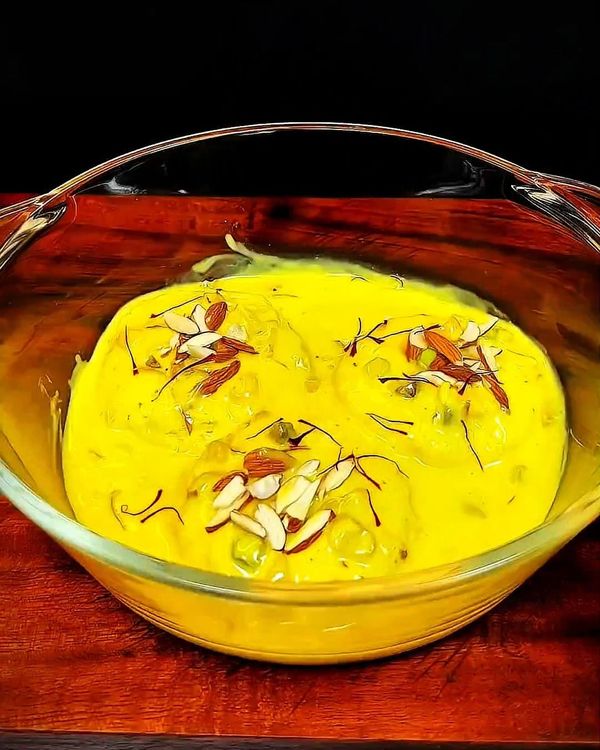
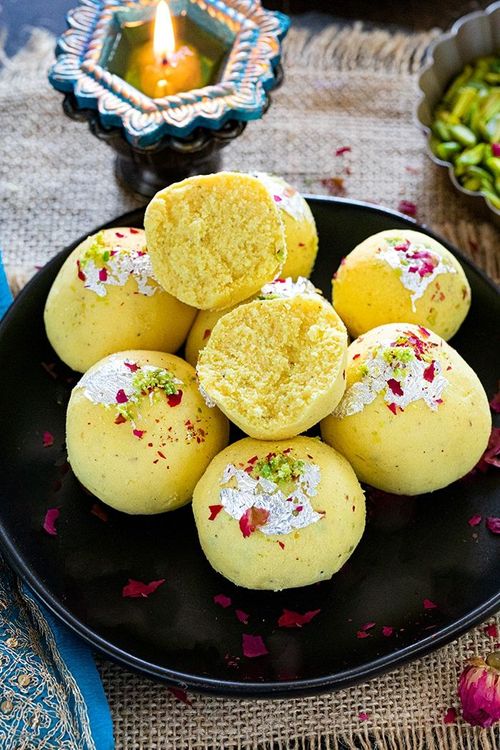
Some nights you want the dessert in half an hour, not two. Instant rasmalai leans on bread rounds or milk powder instead of split-and-drained curds, and the honest trade-off is texture: bread rasmalai drinks up rabri beautifully but never gets that spongy bounce. Cut the rounds with a glass, not a knife — clean edges stop them fraying in the milk. The no-cook pudding is the one I hand to nervous cooks and to kids, because there is nothing to curdle and nothing to overwork. The laddu version rolls the same flavours into something you can pack for a picnic, and it is the smartest way to rescue a batch of discs that came out ugly.
- Indian
- Vegetarian
- Dessert


- Bengali
- Vegetarian
- Snack
- Indian
- Vegetarian
- Dessert
Mithai-Style Twists: Peda, Rolls and Milk Cake
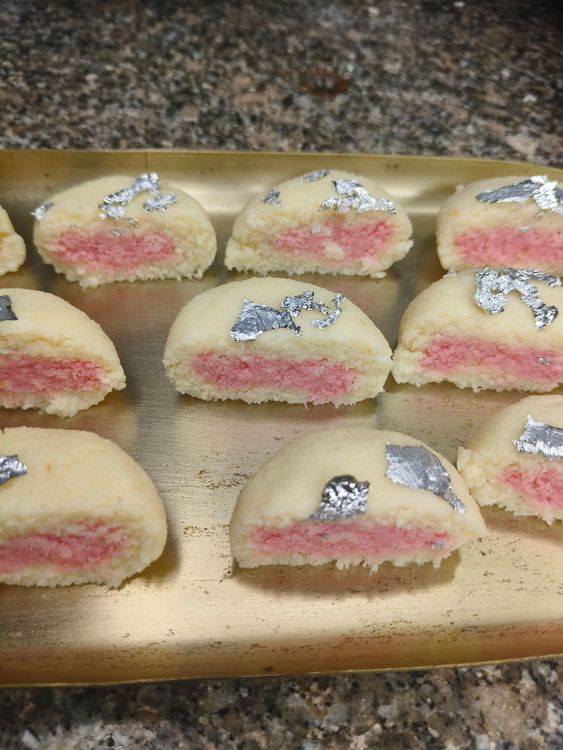
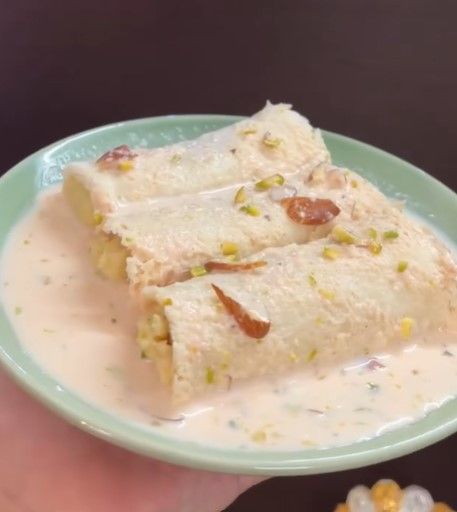
This is where the dessert stops being a bowl of milk and turns into something you hand round on a tray. The peda uses the same chenna base cooked down until it stiffens enough to shape; go too far and it turns grainy, so pull it off the heat while it still slumps slightly. Rolls flatten the patties, stuff them with malai and finish them in crushed pistachio — they hold their shape in the fridge for two days, which is why they end up on every Diwali platter I build. The milk cake is the ambitious one: baked, dense, and closer to kalakand than to anything soaked. All three keep well enough to make on Thursday for Saturday.

- Indian
- Vegetarian
- Dessert

- Indian
- Vegetarian
- Dessert

- Indian
- Vegetarian
- Dessert
Fusion Bakes, Cakes and Chilled Desserts
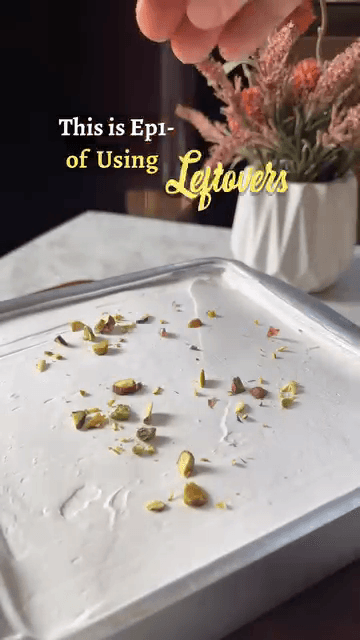
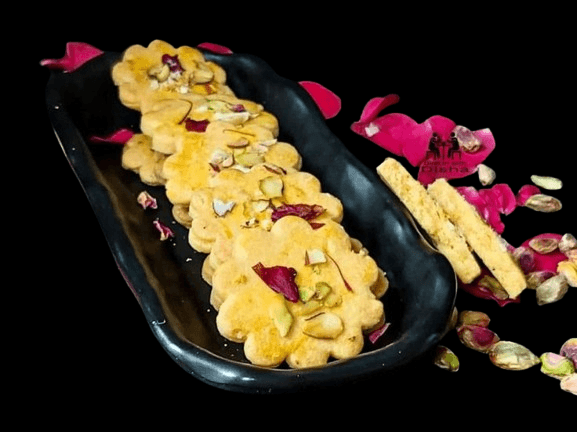
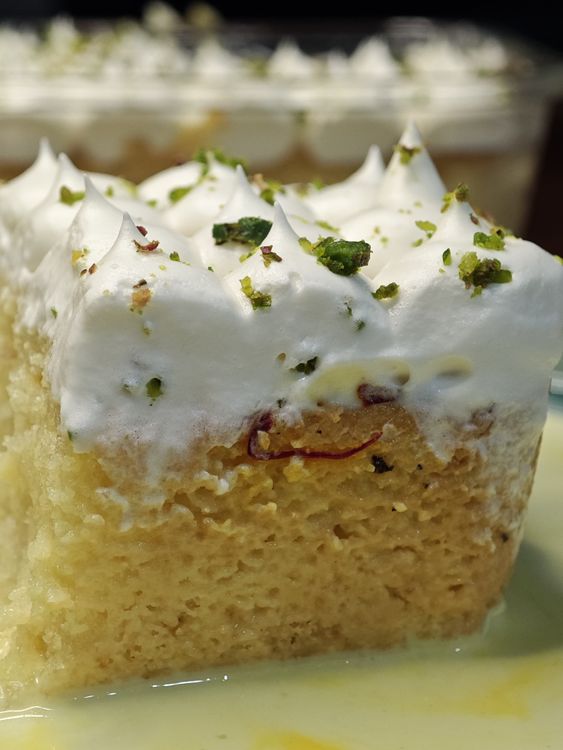
The rasmalai cake genre exploded for a reason: saffron milk and mascarpone or whipped cream are a genuinely good match, and the soak does the work a sugar syrup would. If you are baking, the rule is to underbake slightly and let the milk finish the job — a fully dry crumb refuses to drink. Both eggless options here lean on condensed milk and yoghurt for structure, and the tres leches quietly uses rabri as one of its three milks. The tiramisu is twenty minutes of assembly with no oven at all, and the cookies are the surprise of the group — I took them to a potluck expecting polite interest and came home with an empty tin.
- Fusion
- Vegetarian
- Dessert
- Indian
- Vegetarian
- Snack
- Indian
- Vegetarian
- Dessert

- Indian Fusion
- Vegetarian
- Dessert
Making Soft Chenna That Doesn't Turn Rubbery
Rubbery discs are almost always a milk problem before they are a kneading problem. Use full-fat milk — anything below about 4% fat gives you curds that squeak. Bring it just to the point where the surface trembles, kill the heat, wait thirty seconds, then add your acid a spoonful at a time. Lemon juice diluted 1:1 with water splits more gently than neat vinegar and leaves no aftertaste. The moment you see clear greenish whey, stop adding acid. Over-acidifying tightens the curd, and no amount of kneading will loosen it afterwards.
Rinse the curds under cold running water for a full minute to wash out the acid and drop the temperature — this single step fixes more rubber than anything else on this page. Then hang the chenna, but only for fifteen to twenty minutes. Most people over-drain. You want it damp, not dry; if it crumbles when you press it between two fingers, you have gone too far and will need to work a teaspoon of milk back in before you shape anything.
Kneading is where how to make rasmalai stops being a recipe and starts being a feel. Push with the heel of your hand across the counter for six to eight minutes. It goes from grainy to sticky to smooth, and the tell is grease: when your palm comes away faintly slick, the fat has emulsified and you stop immediately. Another two minutes past that point and the dough tightens into exactly the rubber you were trying to avoid. If your kitchen is warm, chill the ball for ten minutes before shaping — warm fat makes patties that sag.
The Rabri: Getting Thickened Milk Right
Rabri is just milk reduced with patience, but the shortcut everyone reaches for — cornflour — is why so many bowls taste like custard. Reduce a litre of full-fat milk to roughly 600ml over medium-low heat in the widest pan you own. Wide matters more than hot: surface area is what evaporates water, and a narrow saucepan will scorch the bottom long before it thickens the top. Stir every couple of minutes and scrape the skin that forms at the edges back into the milk. Those scrapings are the whole point; they are what gives real rabri its slightly grainy, layered body.
Sugar goes in at the end, never at the start. Add it early and the milk sticks and scorches, and a scorched note cannot be rescued. Saffron wants to be bloomed: crush six or seven strands into a tablespoon of warm milk and let it sit ten minutes so you get colour and not just expensive orange threads floating on top. Cardamom is the same — crush the seeds fresh and add them off the heat, because the volatile oils cook off fast and you lose the perfume you paid for.
For an instant rasmalai you can cheat this with milk powder whisked into simmering milk, roughly two tablespoons per cup. It thickens in four minutes and tastes convincingly close. It will not have the layered texture, but chilled overnight with bloomed saffron and a spoon of malai stirred through, it is more than good enough for a weeknight. Whisk the powder into cold milk first, then heat — dumped into hot milk it clumps and you will be picking lumps out for ten minutes.
Why Discs Flatten or Crack in the Syrup
Flattening and cracking are opposite failures with opposite fixes. A disc that dissolves into a cloudy mess was under-kneaded — the curds never came together, so the syrup gets in and takes it apart. A disc that cracks across the top was over-drained or over-kneaded, or it hit syrup that was boiling too hard. Shape one test patty and drop it in before you commit the batch; ninety seconds tells you which problem you have and saves you an hour of disappointment.
The syrup itself should be thin — roughly one part sugar to four parts water, far more dilute than rasgulla syrup. It needs to stay at a steady rolling simmer, covered, the whole time. Not a violent boil, which tears the discs, and never a lull, because if the syrup drops off the boil the patties sink and go dense. Cook them fifteen minutes and expect them to roughly double. Then squeeze each one gently between your palms before it goes into the rabri — that expels the syrup so the milk has somewhere to move in to. Do it while they are still warm; cold discs tear rather than compress, and a torn one will shed cloudy crumbs into your rabri for the rest of its life.
None of this applies to bread rasmalai, which is the honest appeal of it: bread rounds cannot crack or dissolve, they just sit and soak. If you have failed at chenna twice and are losing patience, learning how to make rasmalai with bread first is a perfectly reasonable way to get the flavour right before you go back and fight the texture again.
Chilling, Serving and Making Ahead
This dessert is genuinely better on day two, which makes it one of the few festival sweets you can finish the night before. Get the discs into the rabri while the milk is still warm — around 50°C — so they take on flavour as everything cools together. Then refrigerate for at least six hours, uncovered for the first hour so no condensation drips back in, then covered. Overnight is better. Cold is not just about temperature here; the fat firms up and the whole thing goes from sweet milk to something with real body.
Serve it cold but not fridge-shocked. Ten minutes on the counter wakes the saffron back up. Two discs per person in a shallow bowl with enough rabri to pool around them, a scatter of slivered pistachio and almond, and a couple of saffron strands on top. Rose petals if you have them and you are feeling ceremonial. Do not garnish until the moment you serve — nuts go soft in milk within the hour and lose the crunch that made them worth adding.
It keeps four days refrigerated and does not freeze well; the chenna goes grainy on thaw and the rabri splits. A rasmalai cake is the exception and actually improves with a full day's soak, though it turns wet enough by day three that you will want to eat it with a spoon. For an instant rasmalai built on milk powder, plan on three days at most. Store it in glass rather than plastic if you can — the saffron stains, and the milk picks up any lingering smell from whatever the container held last.
Pro Tips
- Buy the freshest full-fat milk you can find. Milk that is two days from its date splits into a tighter, meaner curd, and you will taste the difference in the finished discs. Ultra-pasteurised is the one thing I will not compromise on — it barely splits at all.
- Keep a bowl of ice water beside the stove. If the milk looks like it is about to break into hard curds rather than soft ones, a splash of cold water drops the temperature instantly and saves the batch. It costs you nothing and rescues maybe one attempt in five.
- Weigh the chenna and divide it before shaping. Twelve equal patties from 200g means they all cook in the same time; eyeballing it gives you a batch where half are raw in the middle and the other half have gone dense. A kitchen scale earns its counter space on exactly this job.
- Never let the syrup pan sit uncovered. Steam trapped under the lid is doing half the cooking, and the discs on top will stay stubbornly dense if you keep peeking. One look at the ten-minute mark, and that is it until they come out.
- Save your whey. It makes excellent chapati dough and keeps in the fridge for three days. Throwing away a litre of it every single time is the quiet waste built into this whole process, and it takes ten seconds to pour it into a jar instead.
- If you are baking any of the fusion versions, brush the soak on in three passes ten minutes apart rather than pouring it all at once. Poured, it pools at the bottom and leaves the top dry — you get a wet base and a stale-tasting crown.
- Toast your pistachios for four minutes at 160°C before slivering them. Raw ones taste of almost nothing against all that sweet milk; toasted, they actually register, and the colour deepens enough to look deliberate rather than accidental. Sliver them by hand while warm, too; a blitz in a grinder turns them to dust.
Frequently Asked Questions
What is the difference between rasmalai and rasgulla?
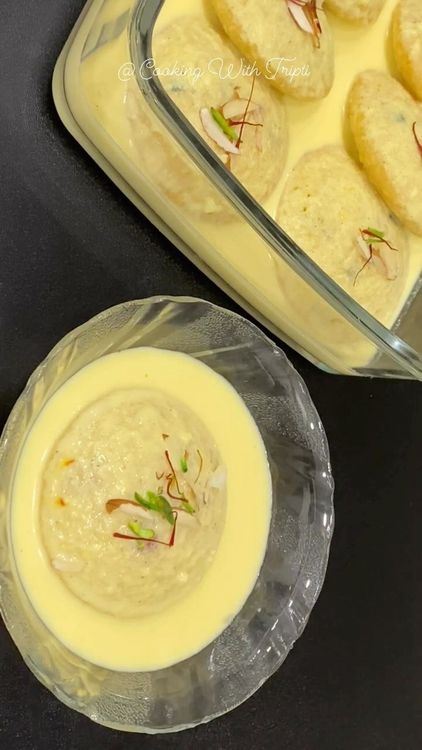
Rasgulla is a chenna ball that stays in its sugar syrup and gets served in it. For rasmalai you take that same ball, flatten it into a disc, squeeze the syrup out, and soak it in thickened saffron-cardamom milk instead. So one is a syrup sweet and the other is a milk sweet, built on an identical base. The rabri is what changes everything about it. Texture aside, they are cousins, not rivals.
Why did my discs turn rubbery instead of spongy?
Three usual suspects: low-fat milk, too much acid, or over-kneading. Full-fat milk is not negotiable, add your lemon juice a spoonful at a time and stop the moment the whey runs clear, and knead only until your palm feels faintly greasy. Rinsing the curds under cold running water for a minute after draining also helps more than most people expect. Cold water firms the fat back up and stops the curd contracting further.
Can I use store-bought rasgulla to save time?
Yes, and I do it more often than I like to admit. Squeeze each ball gently between your palms to expel the syrup, flatten it into a disc, and let it soak in your rabri for at least four hours. The texture comes out slightly firmer than homemade chenna, but with good saffron milk around it, almost nobody at the table notices. Drain them on kitchen paper first so no syrup dilutes your rabri.
How do I make instant rasmalai without splitting milk?
Two routes. Milk powder kneaded with a little milk and ghee into a dough, shaped and simmered briefly, gets you close in about twenty minutes. Or skip the patties entirely and use bread rounds. Neither gives the spongy bounce of real chenna, but both deliver the saffron-cardamom flavour that people actually remember from the dessert years later. Both hold up fine for a crowd, which is really the point on a weeknight.
Is bread rasmalai actually worth making?
It is a different dessert wearing the same clothes, and it is good on its own terms. The rounds go soft and cakey rather than springy, and they soak up rabri far faster than chenna ever will. Cut them with a glass so the edges stay clean, use plain white sandwich bread, and serve within a few hours before they slump. Day-old bread works better than fresh; it holds together under the soak.
How long do these rasmalai recipes keep in the fridge?
The soaked chenna versions hold four days and taste best on day two. The baked and fusion ones vary: cookies last a week in a tin, tiramisu and pudding want eating within three days, and the tres leches turns very wet by day three. None of them freeze well — the chenna goes grainy on thaw and the rabri splits. Assemble the fusion ones the day before and they only get better.
What makes a rasmalai cake different from an ordinary sponge?
The soak, mostly. It is built to be underbaked by a minute or two so the crumb stays open enough to drink saffron-cardamom milk without collapsing into pudding. The frosting is usually whipped cream or mascarpone rather than buttercream, because anything heavy fights the wetness. Crumbled chenna folded through the batter or scattered on top ties it back to the original. Chill it fully before slicing or the layers will slide apart on the knife.
Can I make this vegan or with milk powder?
Milk powder works well and is the fastest route to a convincing dough. Vegan is harder: soy milk is the only plant milk that splits into anything resembling chenna, and the curd stays fragile. Cashew milk makes a lovely rabri, though — reduce it with a little coconut cream and you get real body without the coconut taking over the saffron. Skip almond milk entirely — it refuses to curdle into anything useful.
Thirteen rasmalai recipes, and the honest truth is that only three of them need real technique. Start with the plain version on a quiet afternoon, get the chenna right once, and everything else on this list — the cookies, the tiramisu, the tres leches — becomes assembly. Make it a day ahead. It rewards the wait more than almost any sweet I know. Two discs, cold, in a shallow bowl.
Related
- indian sweets
- chenna desserts
- diwali sweets
- saffron milk
- eggless baking
- make ahead desserts
Popular Searches
- Best rasmalai recipes
- Easy rasmalai recipes
- Quick rasmalai recipes
- Healthy rasmalai recipes
- Simple rasmalai recipes
- Homemade rasmalai recipes
- Delicious rasmalai recipes
- Popular rasmalai recipes
- rasmalai
- instant rasmalai
- how to make rasmalai
- bread rasmalai
Marnirni-apinthi Building, Lot Fourteen,
North Terrace, Adelaide, South Australia, 5000
Australia
