Processed foods often get a bad rap, but the reality is that many processed items play a valuable role in modern diets, providing convenience, affordability, and, in some cases, enhanced nutritional value. Understanding the spectrum of processing – from minimally processed to heavily processed – is key to making informed choices.
Minimally processed foods are items like pre-cut vegetables, bagged salads, and frozen fruits. These retain most of their original nutritional content and simply make meal preparation faster and easier. They offer the same vitamins, minerals, and fiber as their fresh counterparts, just with added convenience. Frozen fruits, for example, can be a fantastic source of vitamin C and antioxidants, perfect for smoothies or adding to oatmeal. Canned beans, another example, are packed with protein and fiber and readily available for quick meals. These are often a great choice for boosting nutrient intake.
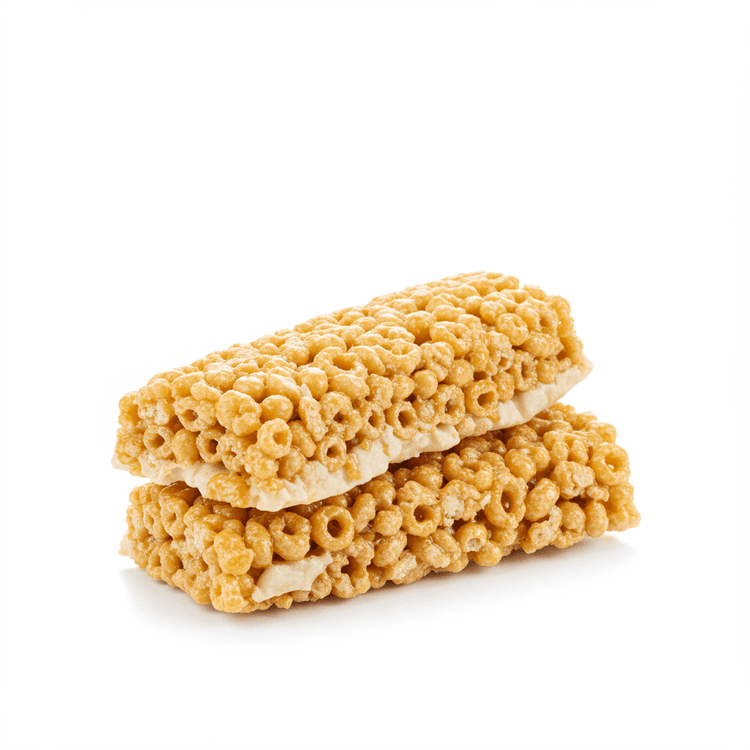
Other processed foods include items that have undergone some degree of transformation, such as canned tomatoes, whole grain bread, fortified cereals, and yogurt. While some nutrients may be altered during processing (like some vitamin loss in canned goods), these foods often offer benefits like increased shelf life and enhanced nutrient profiles. For example, many breakfast cereals are fortified with essential vitamins and minerals like iron and vitamin D, contributing significantly to daily intake, especially for those with dietary restrictions or picky eaters. Whole grain bread, compared to white bread, provides more fiber, promoting digestive health and helping regulate blood sugar levels. Yogurt can be an excellent source of probiotics, supporting gut health and potentially boosting immunity.
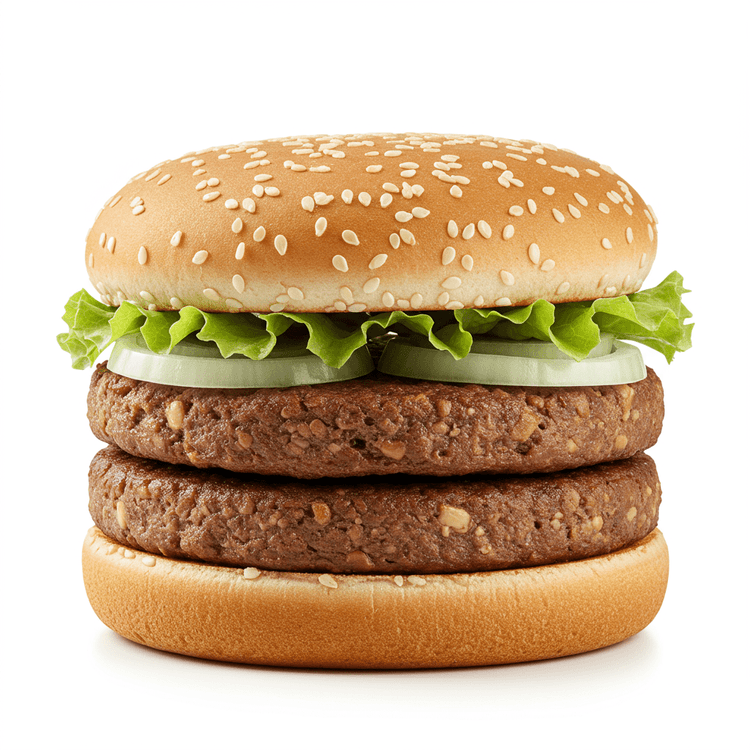
Heavily processed foods, such as sugary drinks, processed meats, and pre-made frozen meals, often contain high amounts of added sugar, salt, and unhealthy fats. While these can be part of a balanced diet in moderation, they shouldn't be the foundation of your daily nutrition. It's essential to read labels carefully and choose options with lower levels of these less desirable ingredients. When selecting processed meats, look for options lower in sodium and saturated fat. When choosing pre-made meals, focus on options with lean protein, whole grains, and plenty of vegetables. Even with more heavily processed foods, understanding portion sizes and incorporating them mindfully can help manage overall dietary intake.
Processed foods can be an integral part of a balanced diet when approached with awareness and informed choices. They provide crucial convenience for busy lifestyles, help maintain food affordability, and, in many cases, contribute vital nutrients. By focusing on minimally processed and moderately processed options, and carefully considering the nutritional content of more heavily processed items, we can leverage the benefits of processed foods while prioritizing overall health and wellness. The key is to read labels, understand serving sizes, and prioritize whole, unprocessed foods whenever possible to ensure a well-rounded and nutritious diet. ||
Processed Food are an essential part of a healthy diet, providing a wide range of nutrients and health benefits. Explore our collection of processed food ingredients.