We use cookies on this website to ensure its proper functioning and to improve the quality of our services. Cookie Policy
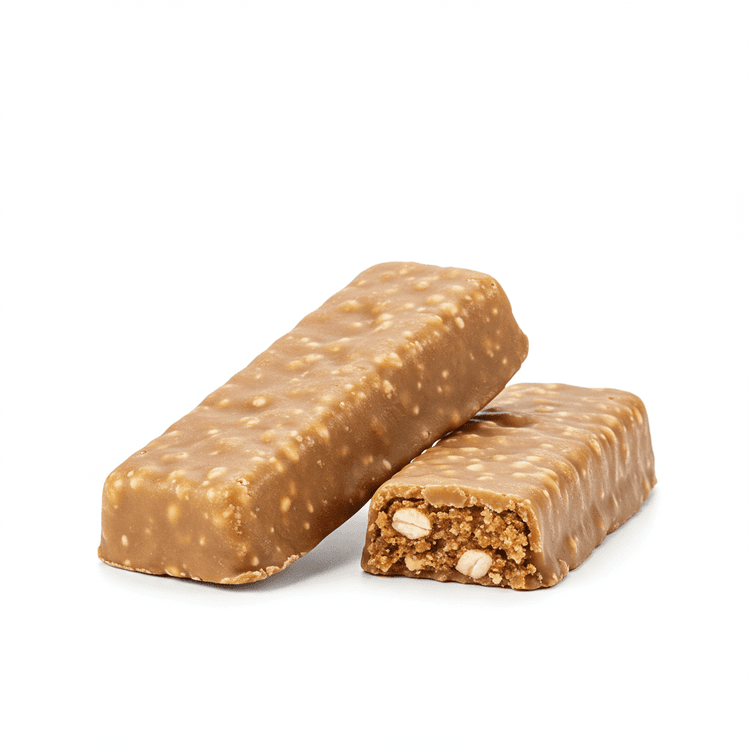
A protein bar is a convenient and often portable snack or meal replacement formulated to provide a concentrated source of protein. They come in various flavors and textures, from chewy and dense to crunchy and light. These bars often contain a blend of protein sources like whey, soy, casein, or plant-based proteins such as pea or brown rice protein. Protein bars may also include added ingredients like nuts, seeds, dried fruits, sweeteners, and vitamins to enhance flavor and nutritional value. They are generally used to supplement protein intake, fuel workouts, or provide a quick and satisfying snack, but should be chosen carefully based on individual dietary needs and preferences, considering factors like sugar content and ingredient quality.

Save recipes from anywhere, and get answers, swaps, and help as you cook.
Store protein bars in a cool, dry place away from direct sunlight and heat. Excessive heat can melt the chocolate or alter the texture, making them less palatable. While refrigeration isn't typically necessary, it can help maintain a firmer texture, especially in warmer climates. Keep them in their original packaging to protect them from moisture and air, which can cause them to become stale. Most protein bars have a clearly marked expiration date; it's best to consume them before this date to ensure optimal quality and freshness.


Available now for early access users.