Desserts: More Than Just a Sweet Treat?
Desserts, often the highlight of a meal, are typically sweet foods and drinks enjoyed at the end of a meal or as a snack. While sometimes perceived as purely indulgent, desserts can, in moderation, offer certain nutritional benefits and cultural significance. From fruit-based delicacies to creamy confections, the vast world of desserts provides a diverse range of textures, flavors, and even some surprising health attributes. Let's explore the nuanced role of desserts in our diets and culinary traditions.
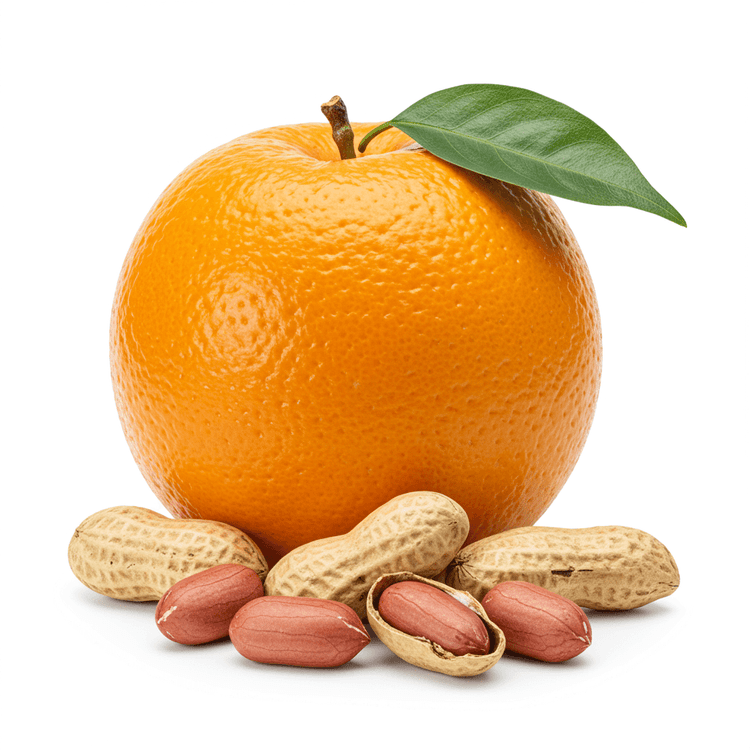
Many desserts incorporate fruits, which are excellent sources of vitamins, minerals, and antioxidants. Berries, for example, are rich in Vitamin C and antioxidants like anthocyanins, known for their anti-inflammatory properties and potential to combat oxidative stress. Apples, pears, and other fruits provide fiber, aiding in digestion and promoting gut health. Dark chocolate, a common ingredient in many desserts, contains flavonoids, which have been linked to improved heart health. Nuts and seeds, often included in desserts like pies and cookies, provide healthy fats, protein, and essential minerals like magnesium and zinc. Even spices such as cinnamon, nutmeg, and cloves, frequently used in baking, possess antioxidant and anti-inflammatory properties.
The culinary uses of desserts are incredibly varied. Fruit salads and compotes offer a light and refreshing option, while baked goods like cakes, cookies, and pies provide a comforting indulgence. Custards, puddings, and mousses offer creamy textures and rich flavors. Popular dishes include apple pie, chocolate cake, crème brûlée, and various types of ice cream and sorbet. Cooking methods range from baking and roasting to simmering and freezing, each resulting in unique flavors and textures. Desserts are often used to celebrate special occasions, adding a touch of sweetness and joy to gatherings.
While desserts should not form the foundation of a balanced diet, they can be enjoyed in moderation as part of a healthy lifestyle. The key is to choose desserts that are lower in added sugars, unhealthy fats, and processed ingredients. Opting for fruit-based desserts or those made with whole grains and natural sweeteners can be a healthier alternative. Paying attention to portion sizes and incorporating physical activity can also help balance the caloric intake from desserts. Furthermore, the mindful enjoyment of a dessert can contribute to emotional well-being and satisfaction. Desserts can provide a psychological break, offering a moment of pleasure and relaxation in a busy day. They also play an important role in many cultures, representing tradition, celebration, and social connection. Therefore, understanding the nuances of desserts and making informed choices can allow us to enjoy them responsibly as part of a balanced and fulfilling diet.
In conclusion, while often viewed as purely indulgent, desserts can offer nutritional benefits and cultural significance when enjoyed in moderation. By choosing wisely and practicing mindful consumption, we can savor the sweet pleasures of desserts without compromising our overall health and well-being. So, the next time you indulge in a dessert, remember that it's not just about satisfying a sweet craving, but also about enjoying a moment of pleasure and connecting with culinary traditions. ||
Dessert are an essential part of a healthy diet, providing a wide range of nutrients and health benefits. Explore our collection of dessert ingredients.