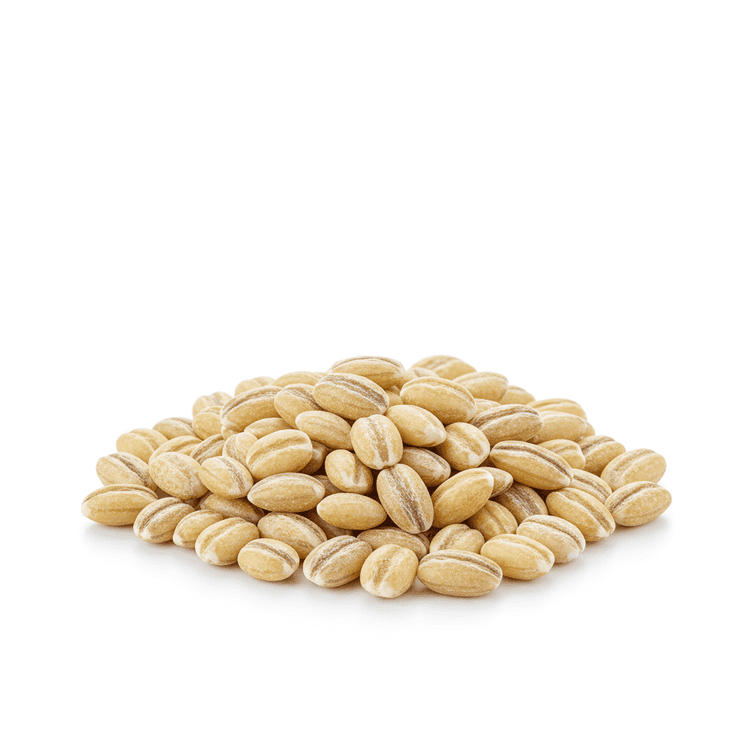
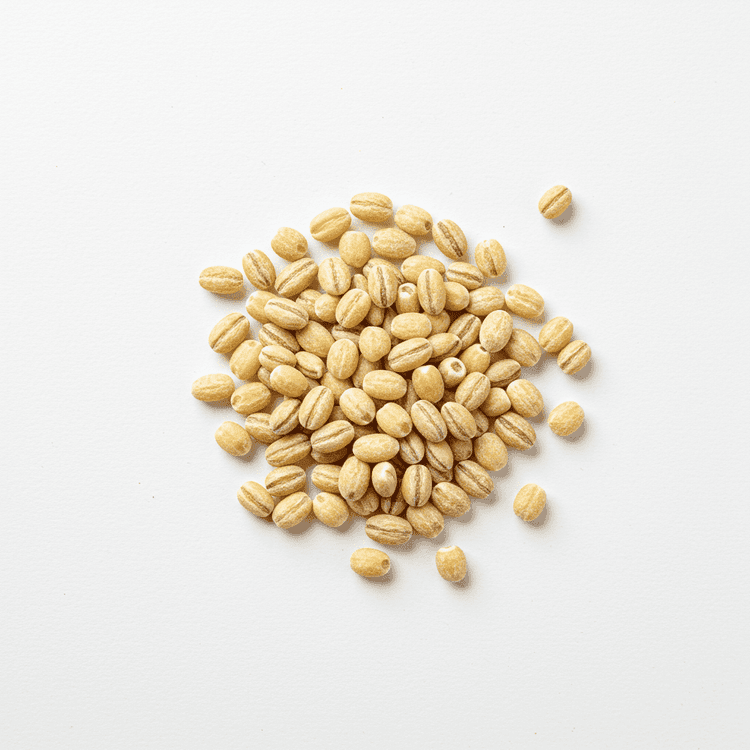
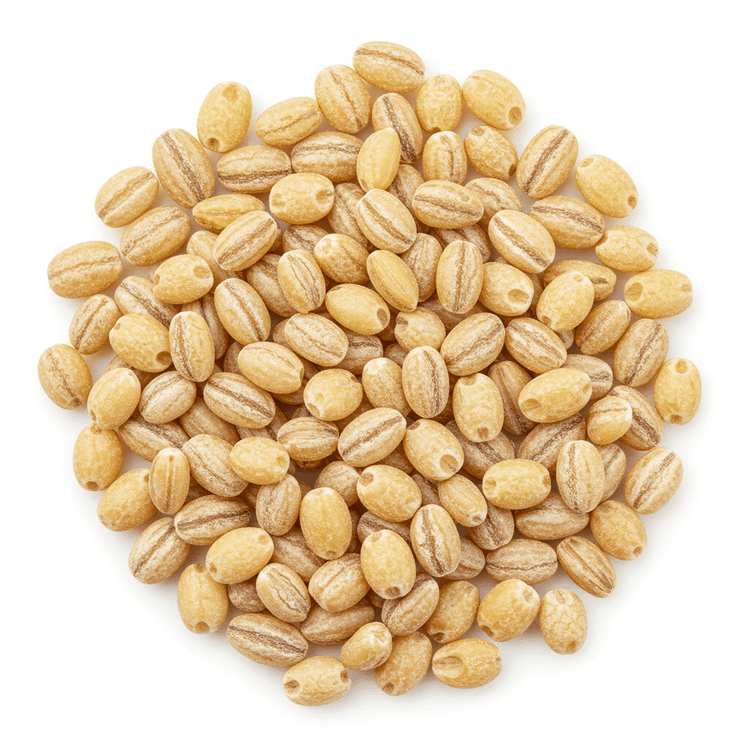
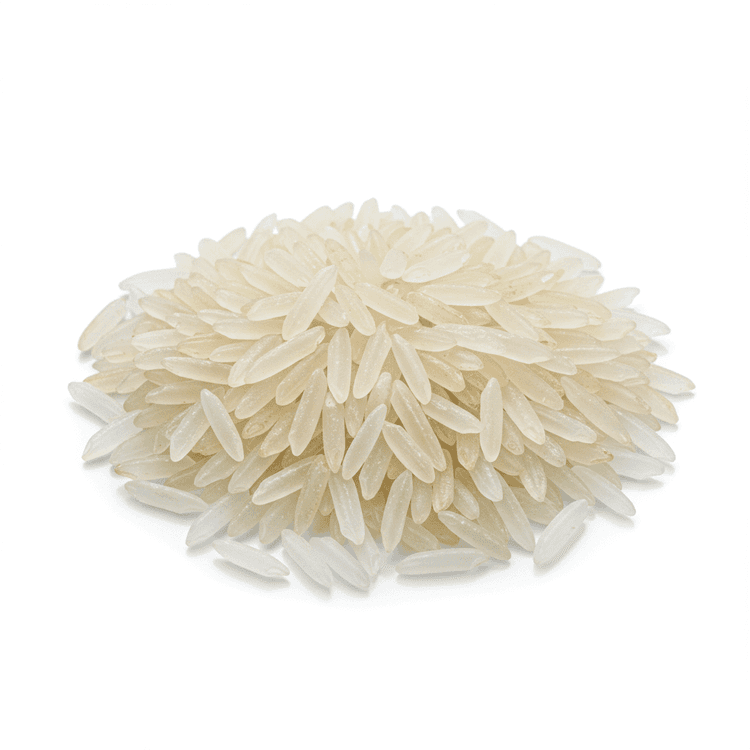
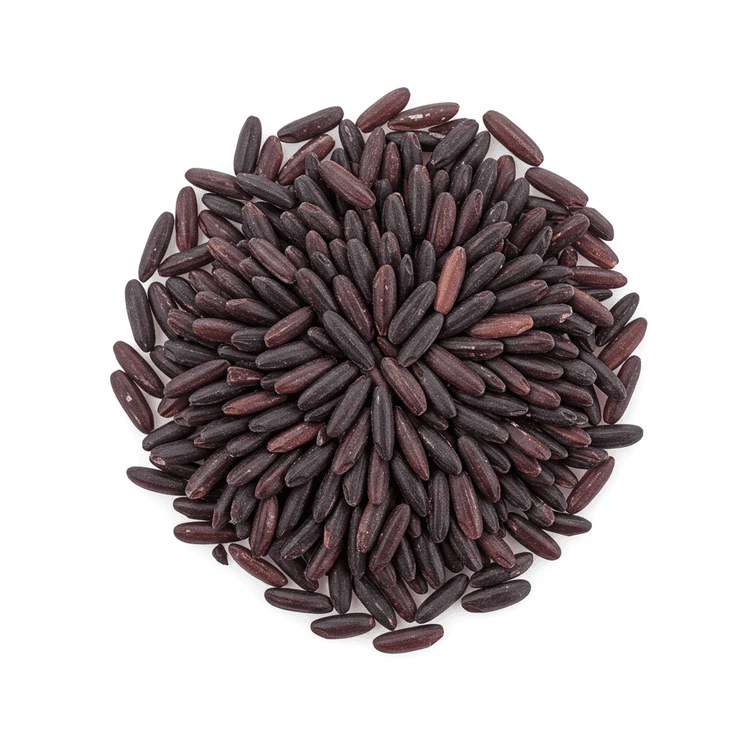
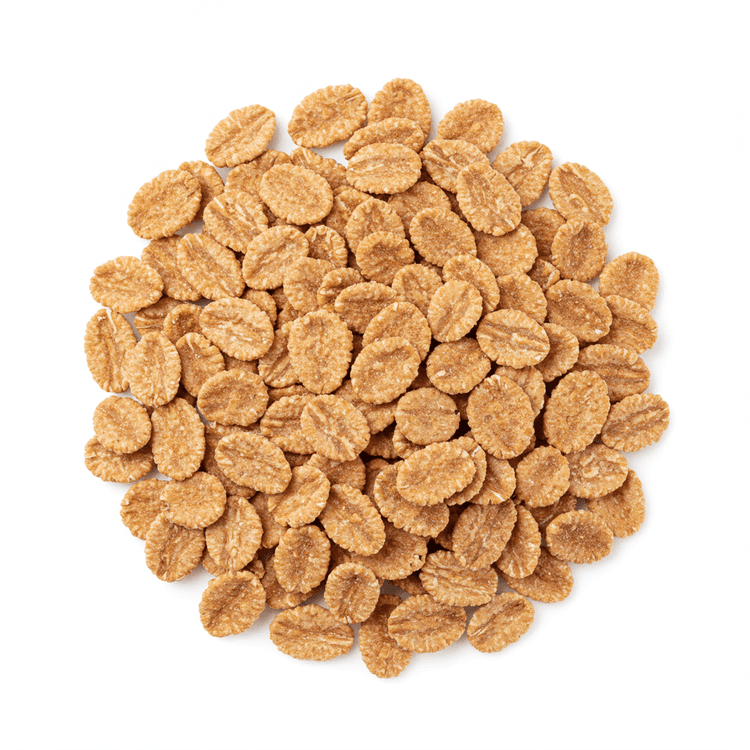
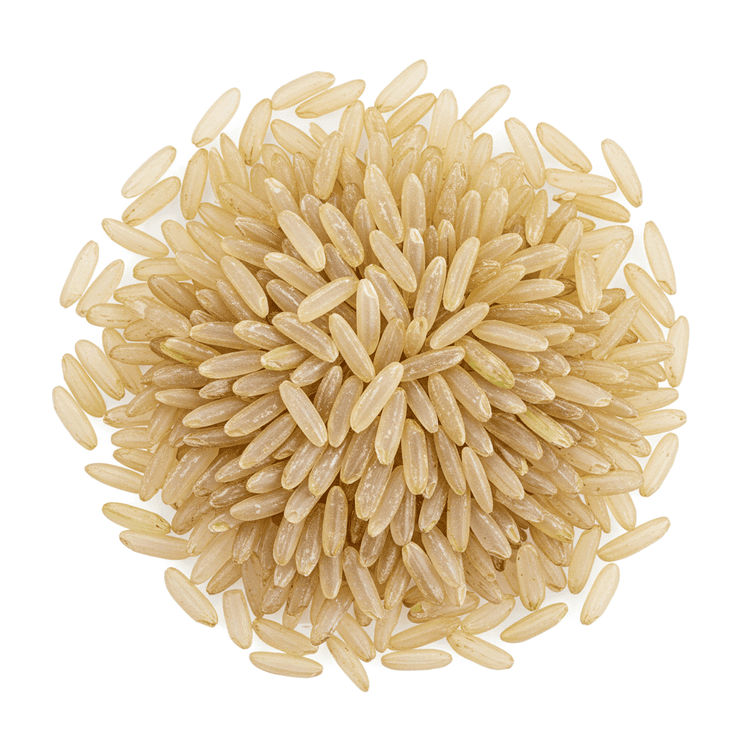
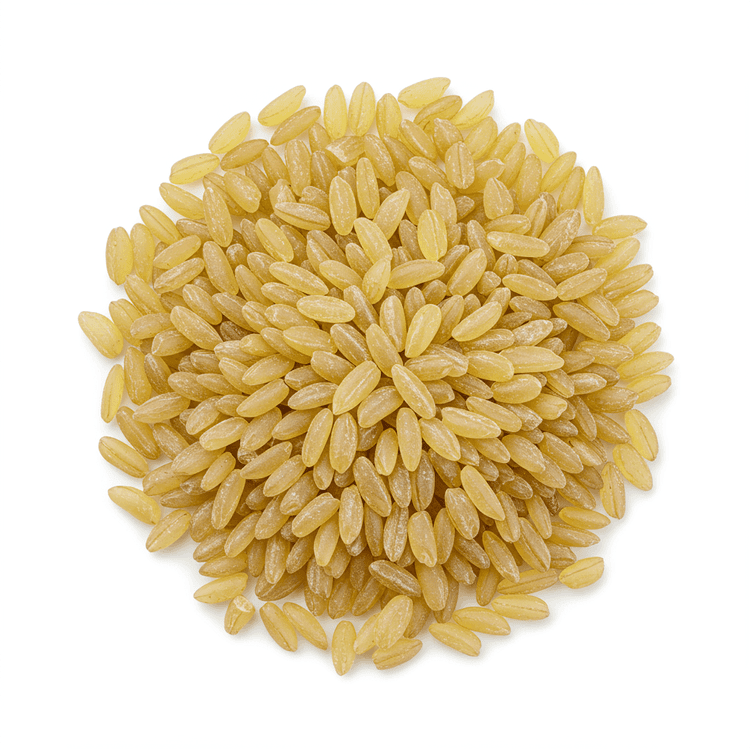
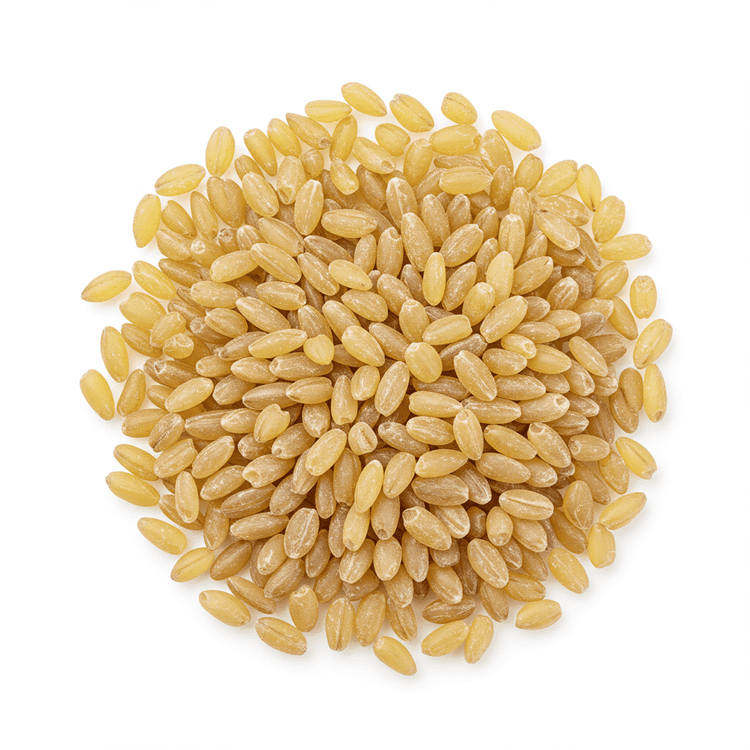
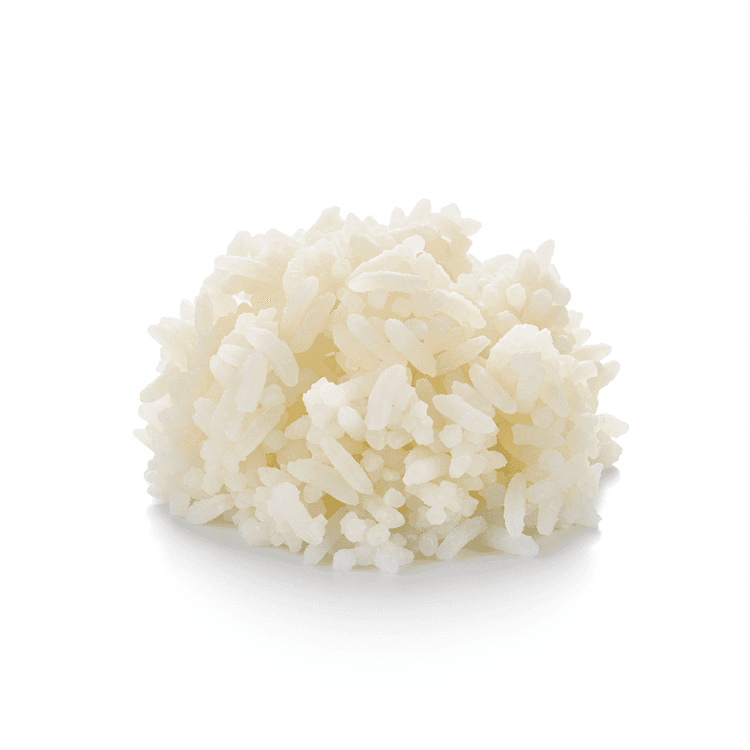
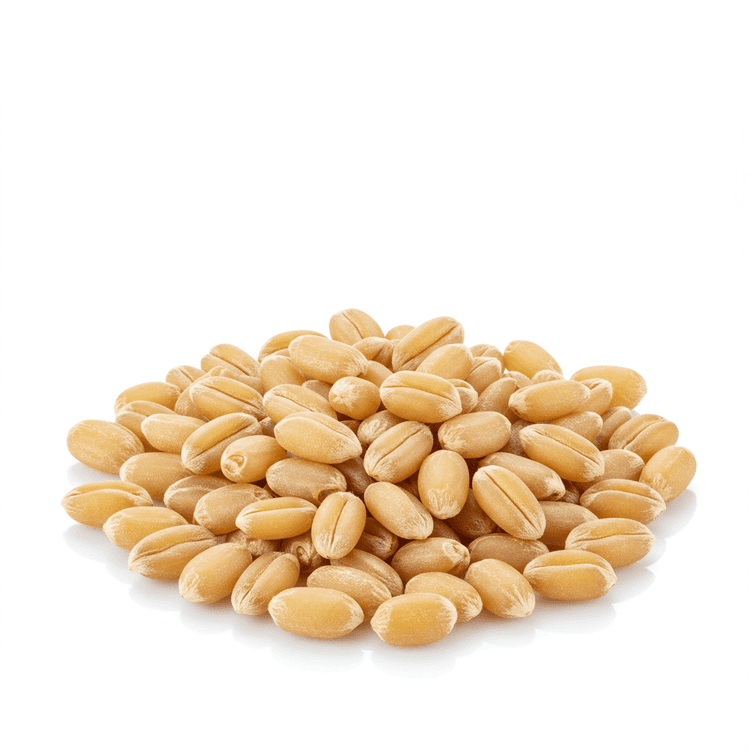
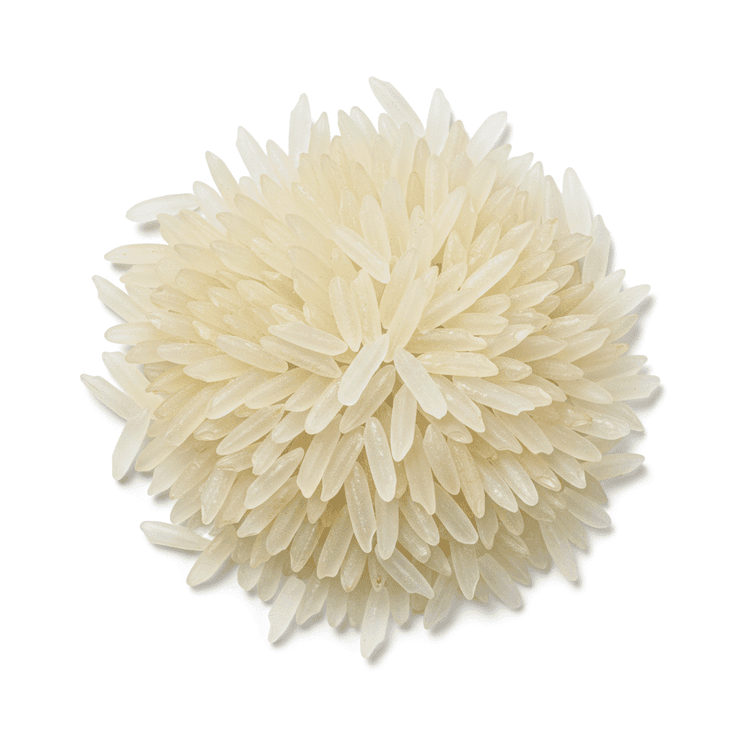
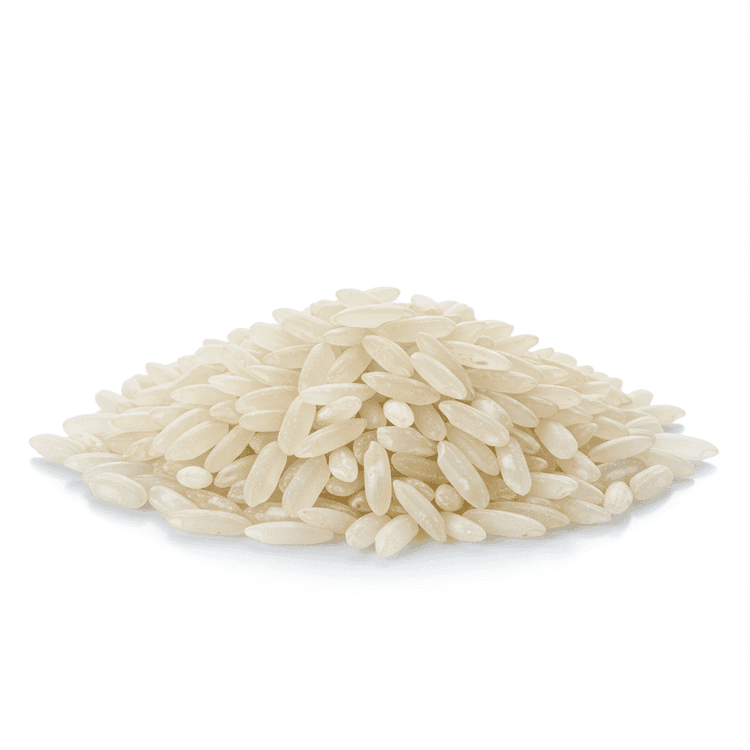
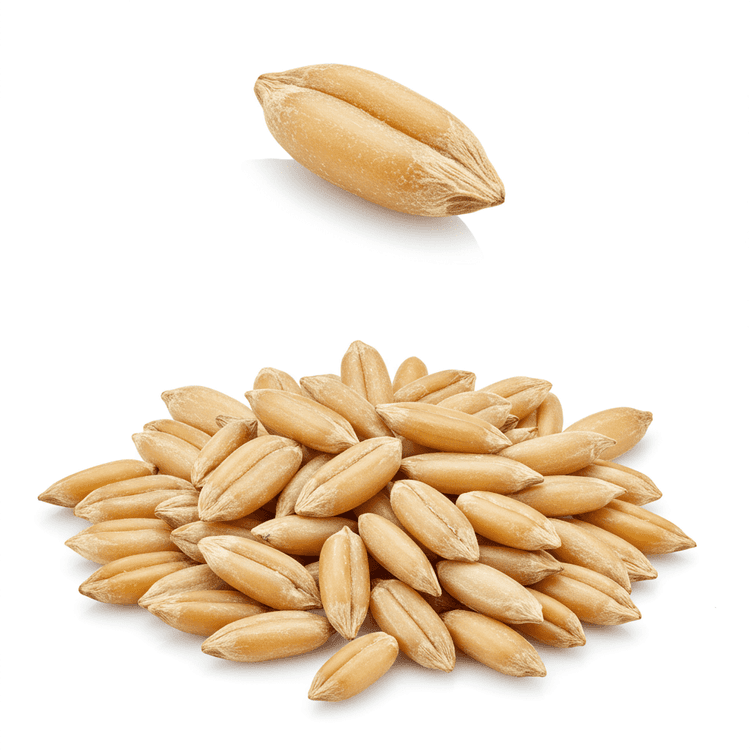
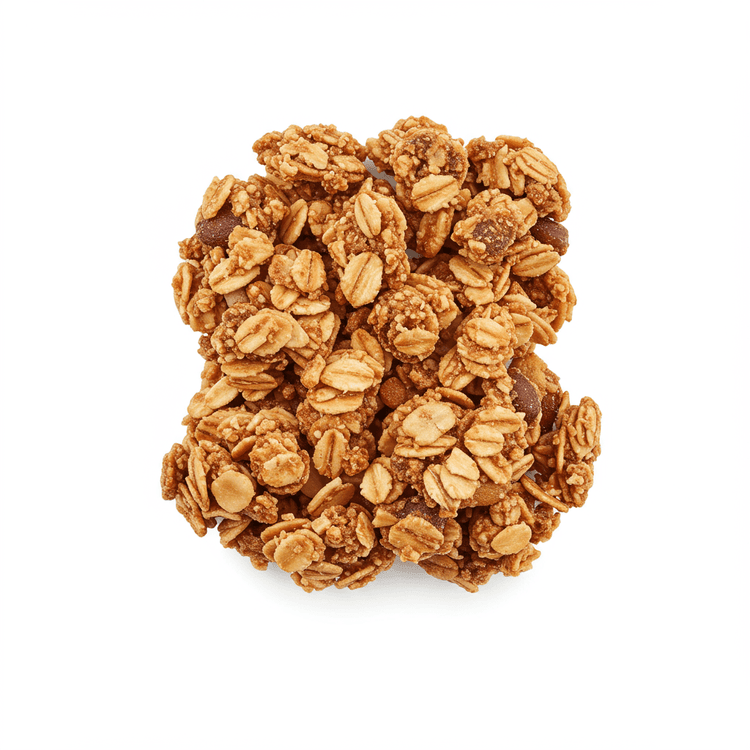
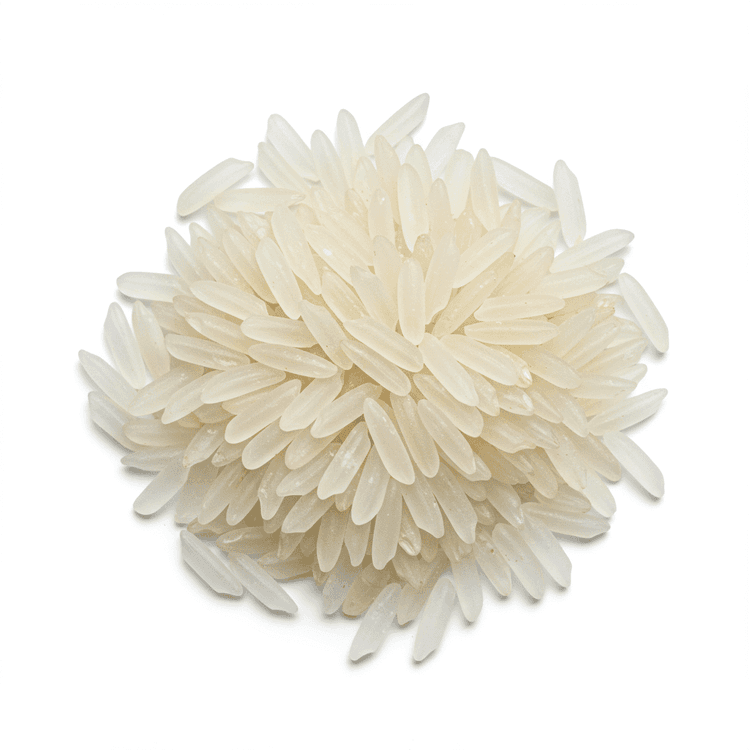
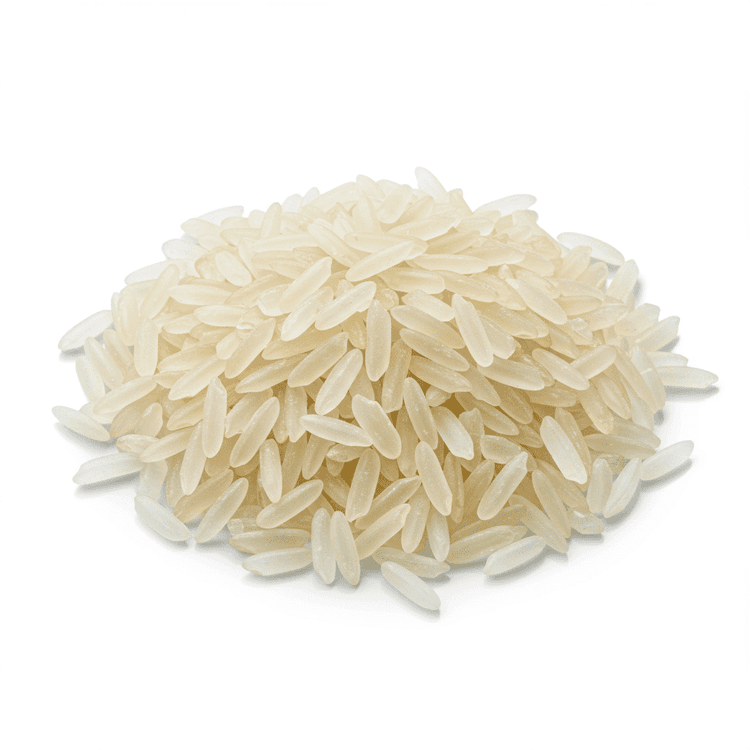
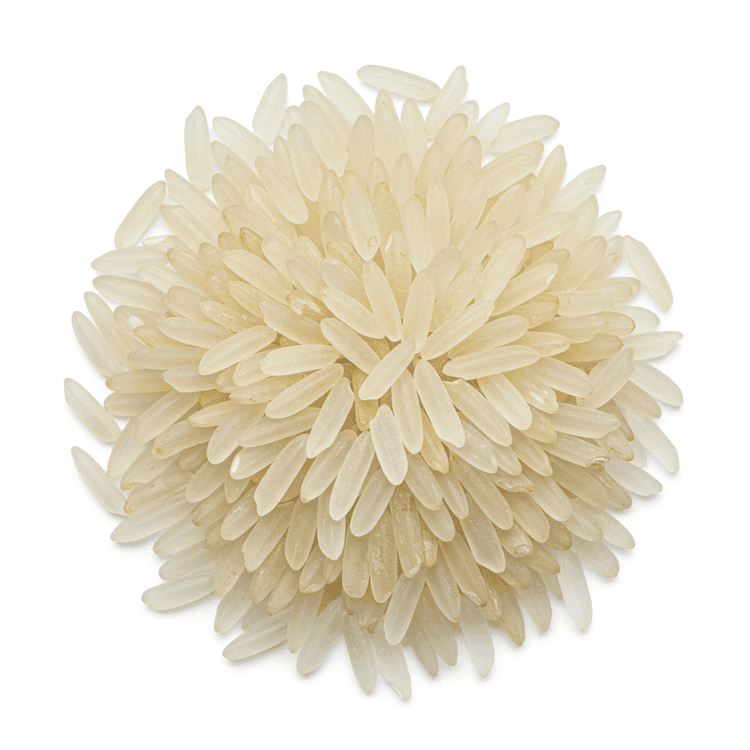
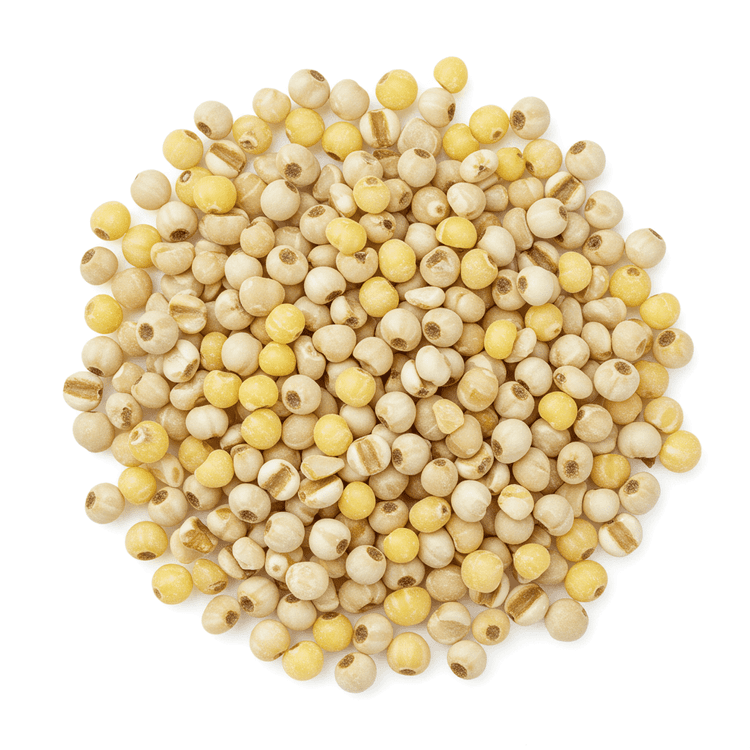
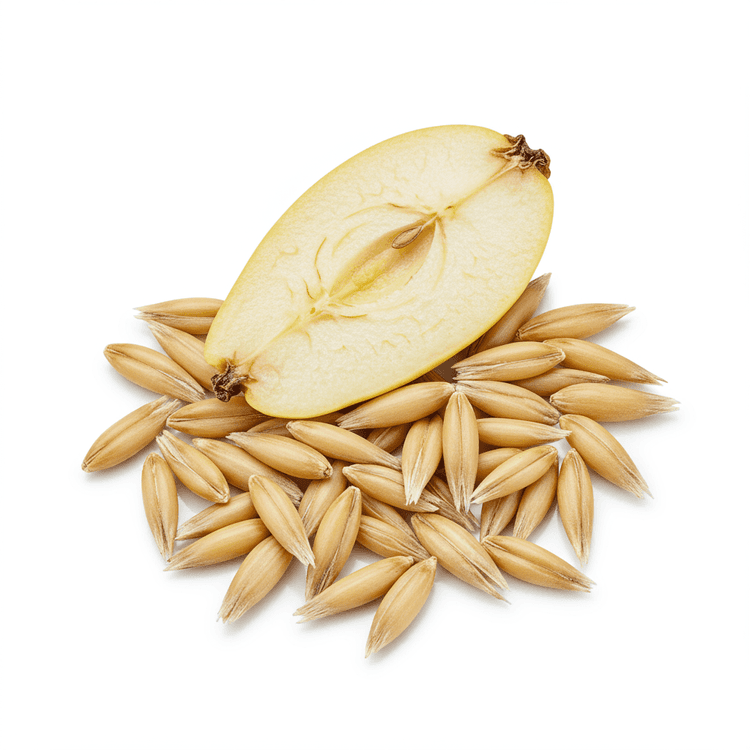
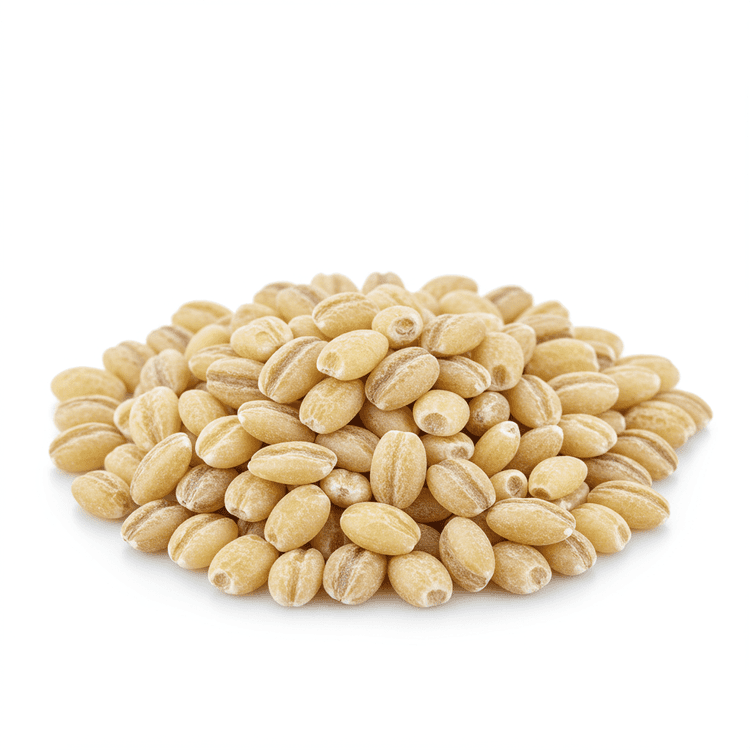
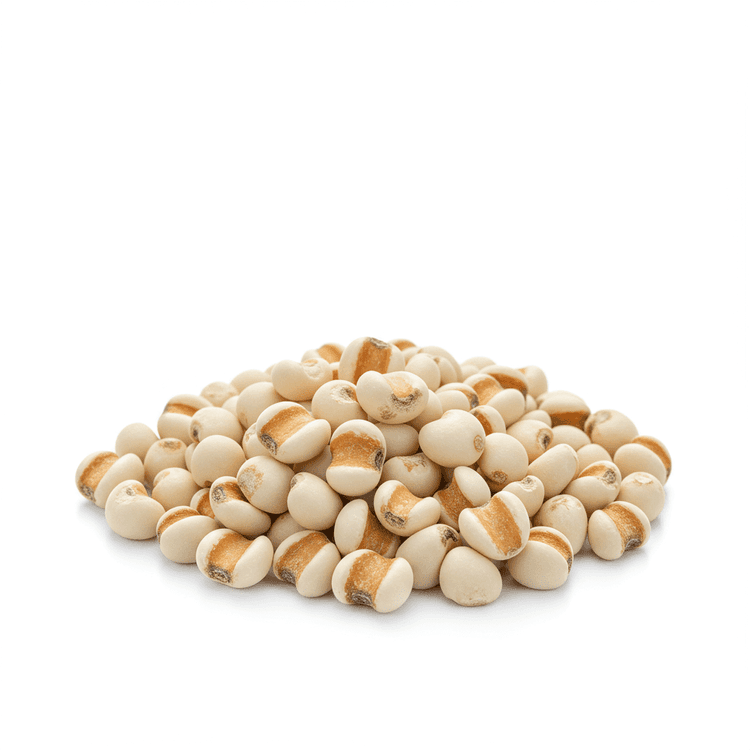
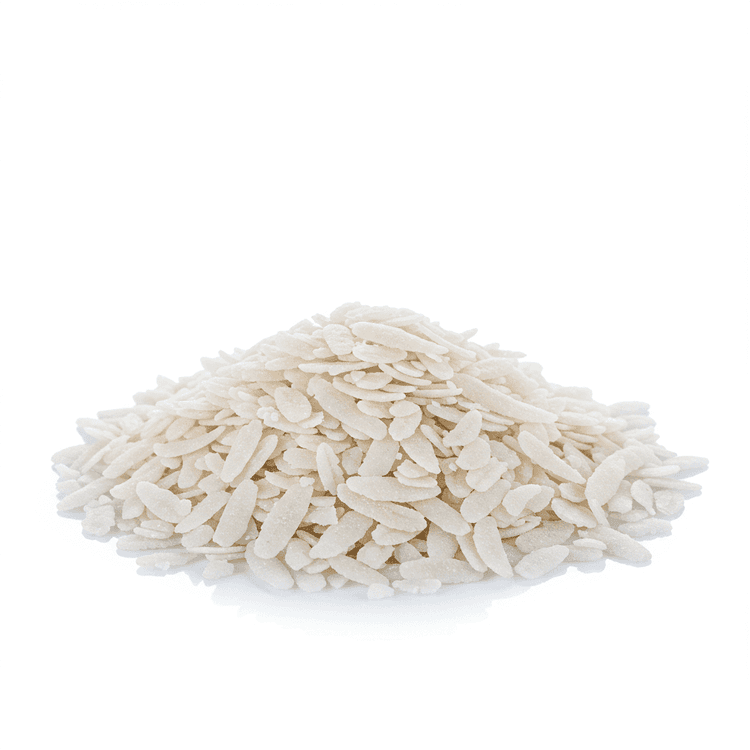
Cereals, often the cornerstone of a quick breakfast, encompass a wide range of grains processed and prepared for convenient consumption. Beyond a simple morning meal, cereals offer a diverse array of nutrients and culinary applications. Understanding the nutritional profile and proper selection is key to reaping the full benefits.
Many cereals are fortified with essential vitamins and minerals, making them a significant contributor to daily nutrient intake. Look for cereals high in iron, crucial for oxygen transport and energy levels; B vitamins, vital for nerve function and metabolism; and vitamin D, important for bone health and immune function. Some cereals are also excellent sources of fiber, particularly whole-grain varieties. Fiber aids in digestion, promotes satiety, helps regulate blood sugar levels, and can even contribute to lower cholesterol. Antioxidants, naturally present in some grains like oats, combat free radicals and protect against cellular damage. However, it's important to be mindful of added sugars and sodium, which can negate some of the health benefits.
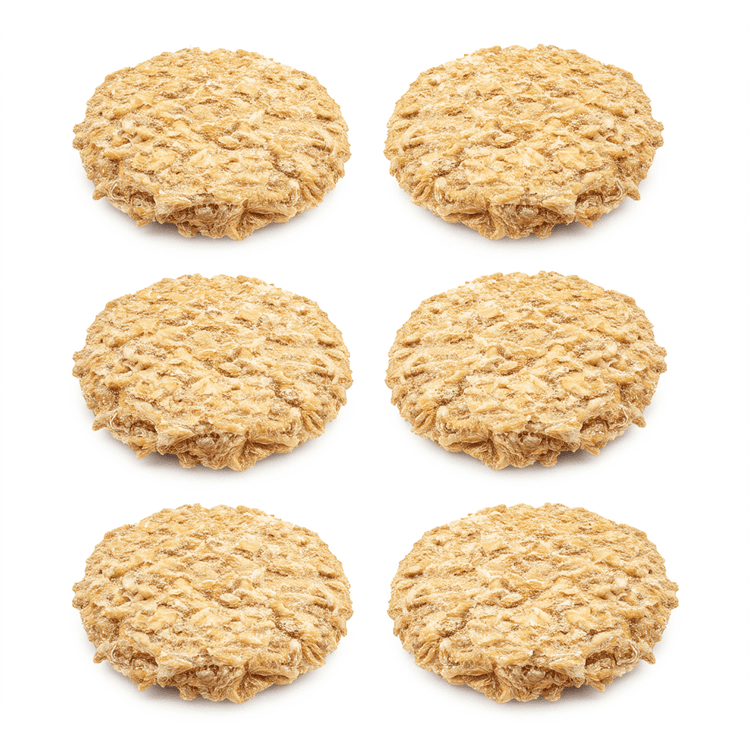
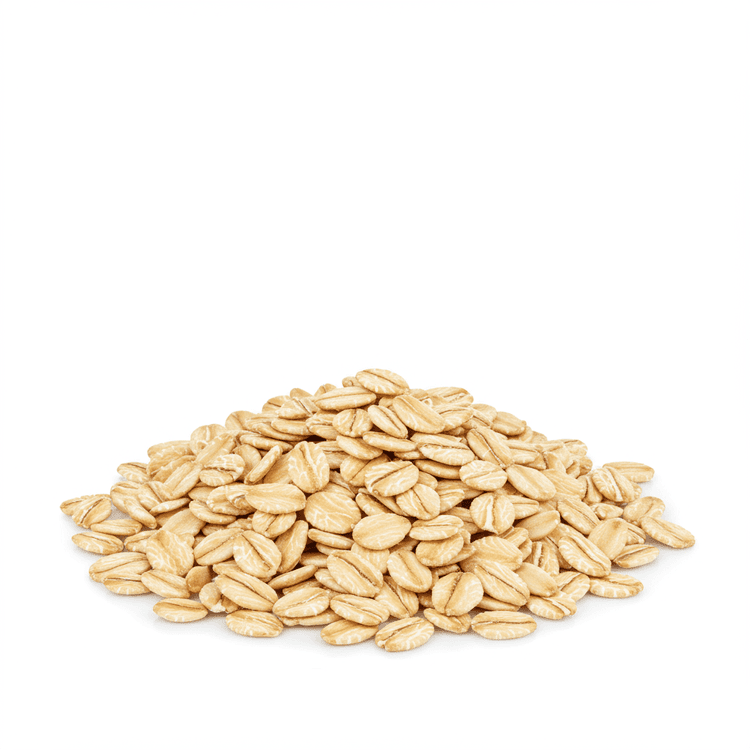
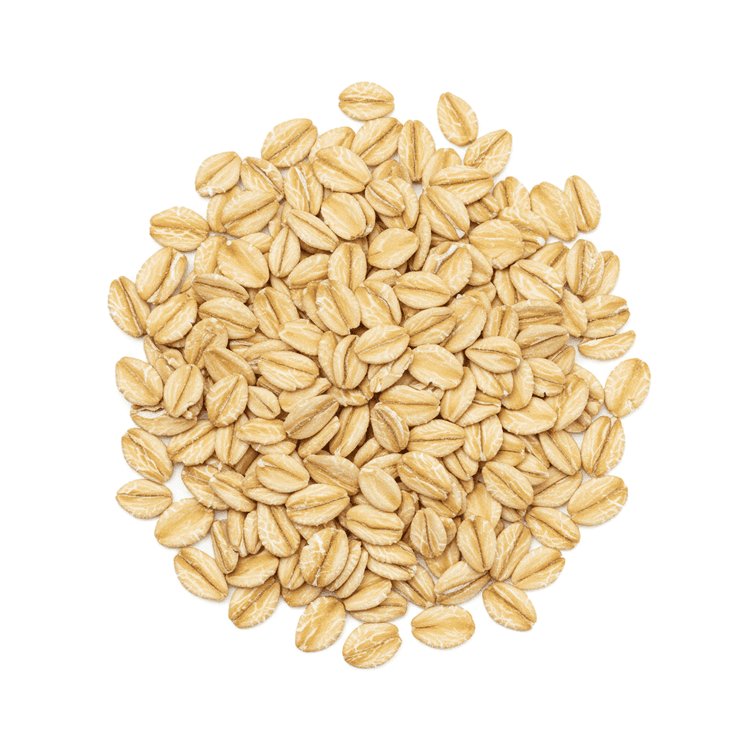
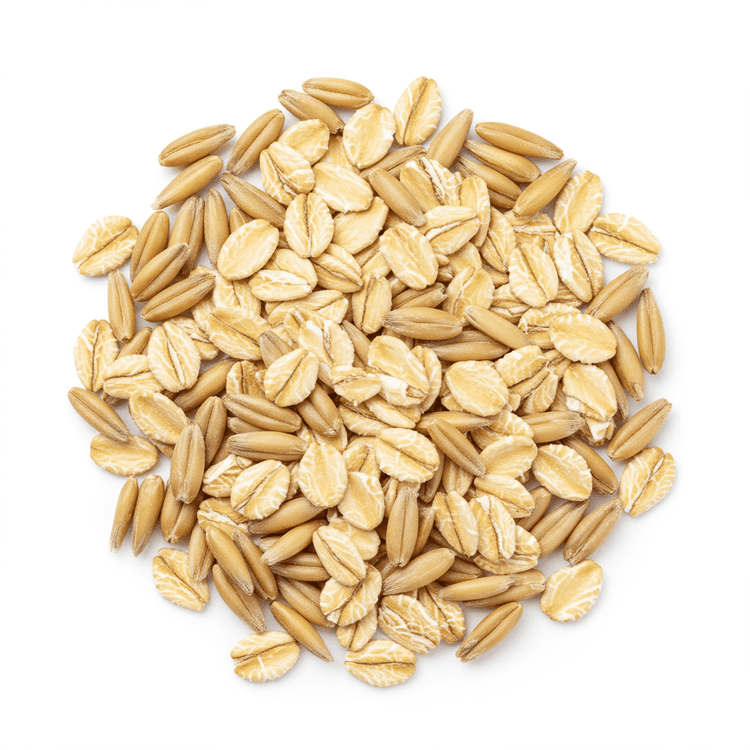
Culinary uses for cereals extend far beyond the breakfast bowl. They can be incorporated into baking, adding texture and flavor to muffins, breads, and cookies. Crushed cereals make excellent breading for chicken or fish, providing a crispy and flavorful coating. They can also be used as a binding agent in meatloaf or veggie burgers. Popular dishes featuring cereals include oatmeal, a hearty and versatile breakfast option that can be customized with various toppings; granola, a crunchy mix of oats, nuts, and seeds, perfect for snacking or adding to yogurt; and muesli, a European-style cereal often soaked overnight for a softer texture. Experimenting with different types of cereals and incorporating them into diverse recipes can add variety and nutritional value to your diet.
The importance of cereals in a balanced diet stems from their potential to provide sustained energy, essential nutrients, and dietary fiber. Whole grains, in particular, offer complex carbohydrates that release energy slowly, preventing blood sugar spikes and promoting a feeling of fullness. The fiber content aids in digestive health and can help manage weight. Choosing cereals with minimal added sugars and focusing on whole-grain options maximizes these benefits. Furthermore, fortified cereals can bridge nutritional gaps, ensuring adequate intake of vitamins and minerals that may be lacking in other areas of the diet. For individuals with specific dietary needs, such as gluten-free or vegan diets, there are a growing number of cereal options available. By making informed choices and incorporating cereals thoughtfully, they can contribute significantly to overall wellness and a balanced dietary pattern. Consider adding nuts, seeds, and fruit to your cereal to further enhance its nutritional value and flavor profile. The versatility and convenience of cereals make them a valuable asset in promoting a healthy lifestyle. ||
Cereal are an essential part of a healthy diet, providing a wide range of nutrients and health benefits. Explore our collection of cereal ingredients.