We use cookies on this website to ensure its proper functioning and to improve the quality of our services. Cookie Policy
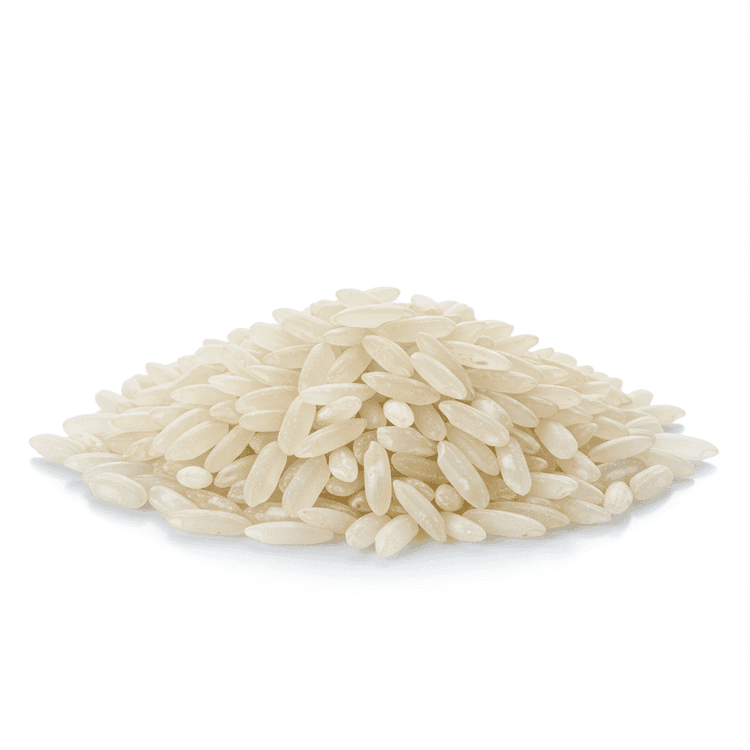
Glutinous rice, also known as sticky rice or sweet rice, is a type of rice distinguished by its opaque grains and particularly sticky texture when cooked. Unlike regular rice, it contains almost no amylose, resulting in a characteristic glutinous quality. Raw glutinous rice grains are short and plump, appearing white and chalky. Once cooked, glutinous rice transforms into a soft, chewy, and slightly sweet delight, making it a versatile ingredient for both sweet and savory dishes.
Despite the name, glutinous rice contains no gluten at all — the word refers to its glue-like stickiness, not the wheat protein. That stickiness comes down to starch: where most rice balances two starches (amylose and amylopectin), sticky rice is almost pure amylopectin, which is what makes the cooked grains cling together in soft, pillowy clumps rather than staying separate and fluffy. You'll find both a white variety and a nuttier purple or black version, the latter often used in puddings across Southeast Asia. It's a cornerstone grain in Thai, Lao, Filipino, Chinese, Japanese, and Korean kitchens.
Flavor-wise, glutinous rice is mild and gently sweet on its own, with a milky, almost buttery note that plays well against bold seasonings — coconut milk and mango on the sweet side, or fatty pork, mushrooms, and salted egg on the savory side. Because it doesn't cook up light and separate like long-grain rice, it's best steamed rather than boiled, and it's usually soaked for several hours (or overnight) first. It sits alongside other short-grain varieties like short-grain rice in the broader family of sticky, clingy grains.
Save recipes from anywhere, and get answers, swaps, and help as you cook.

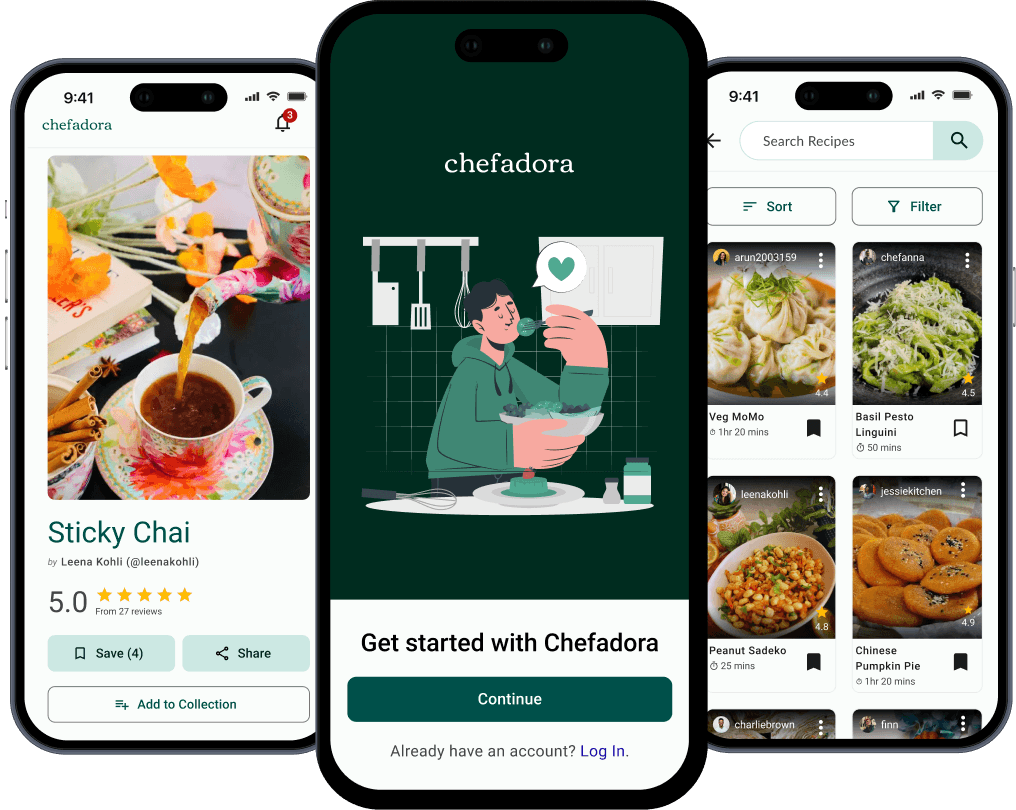
Available now for early access users.