We use cookies on this website to ensure its proper functioning and to improve the quality of our services. Cookie Policy

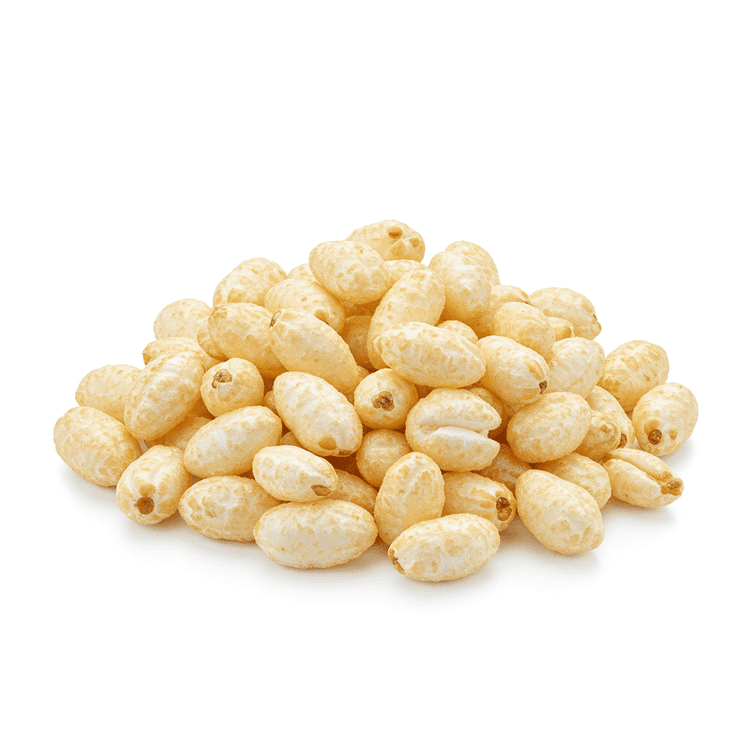
Pinipig are flattened, immature grains of glutinous rice, primarily from the Philippines. These young rice kernels are traditionally toasted or roasted, resulting in a light and crispy texture with a subtle, nutty, and slightly sweet flavor. Pinipig boasts a pale green to light beige color, depending on the toasting level. Often used as a topping or ingredient in desserts and savory dishes, pinipig adds a unique textural element and a hint of delicate flavor. It is a popular ingredient for adding delightful crunch and a hint of sweetness to a variety of Filipino treats and snacks.
If you've never tasted pinipig before, think of it as somewhere between toasted rice and puffed cereal, but softer and more delicate. The flavor is gentle and toasty, a little like brown rice or lightly roasted nuts, with just enough natural sweetness that it doesn't compete with whatever you pair it with. Because the grains are pressed thin while still green, they crisp up fast and stay light on the tongue instead of turning hard or heavy. Filipino families often keep a jar of it around specifically for that satisfying crackle it brings to cold, creamy desserts.
Pinipig is naturally gluten-free, since it comes from glutinous rice (the name refers to the sticky texture, not to wheat gluten), which makes it a handy topping for anyone avoiding wheat. It's plant-based and vegan on its own, and it slots easily into a Rice-lover's pantry alongside other toasted grains. It isn't a keto ingredient, though, since rice is starchy and carb-heavy, so it's best treated as an occasional garnish rather than a low-carb staple.
Save recipes from anywhere, and get answers, swaps, and help as you cook.


Available now for early access users.