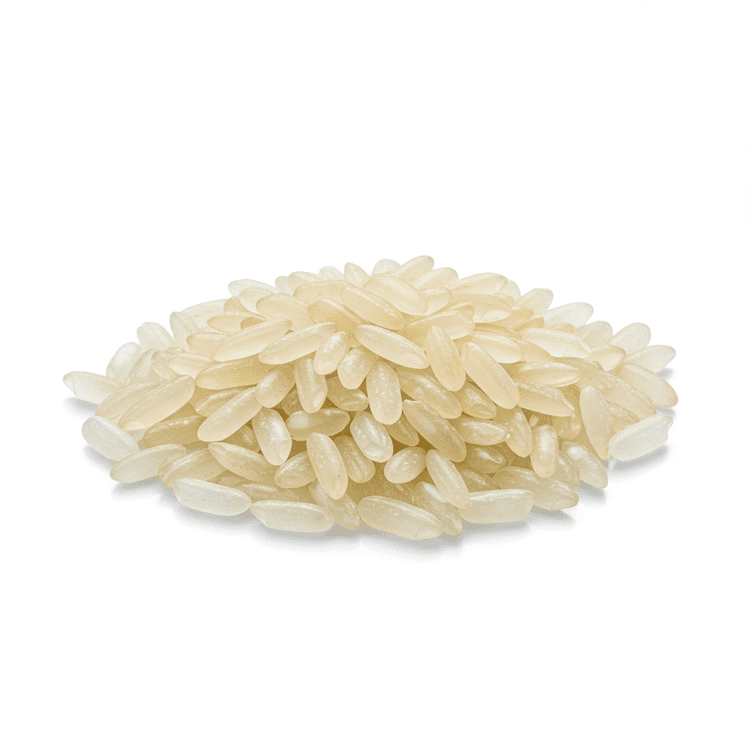
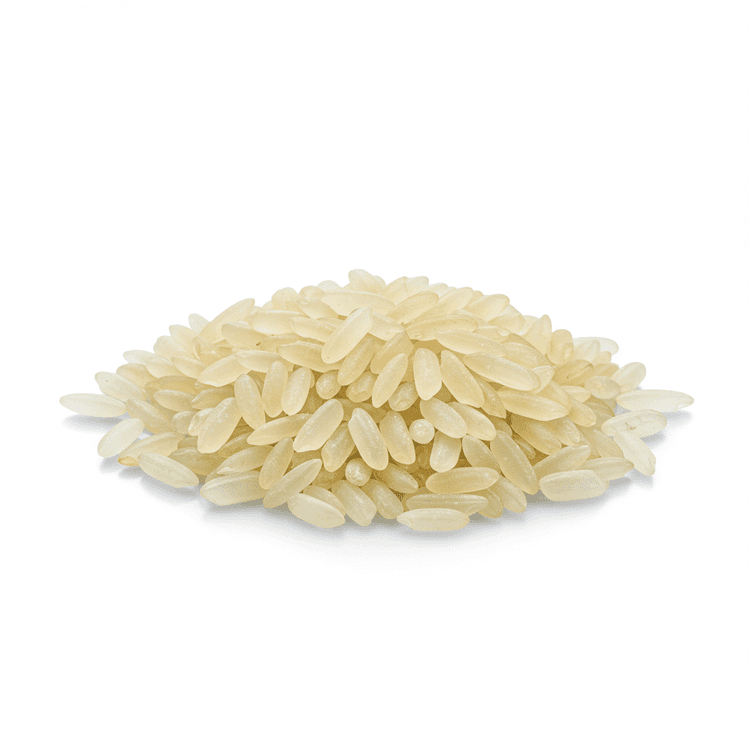
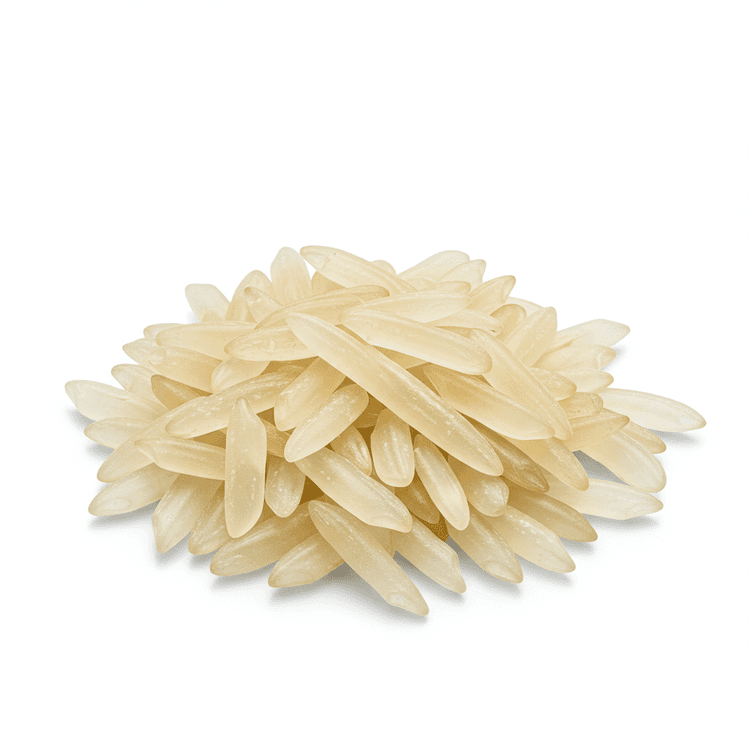
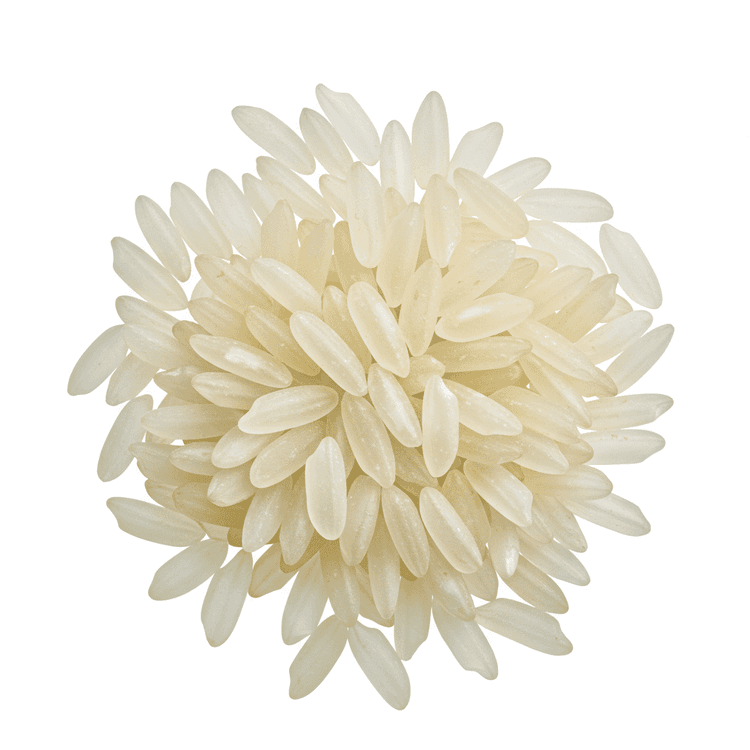
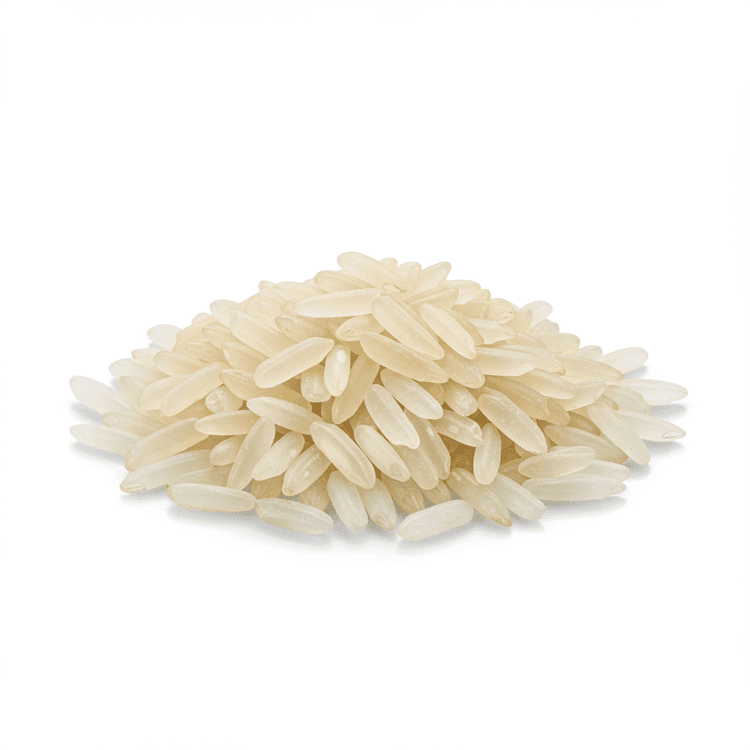
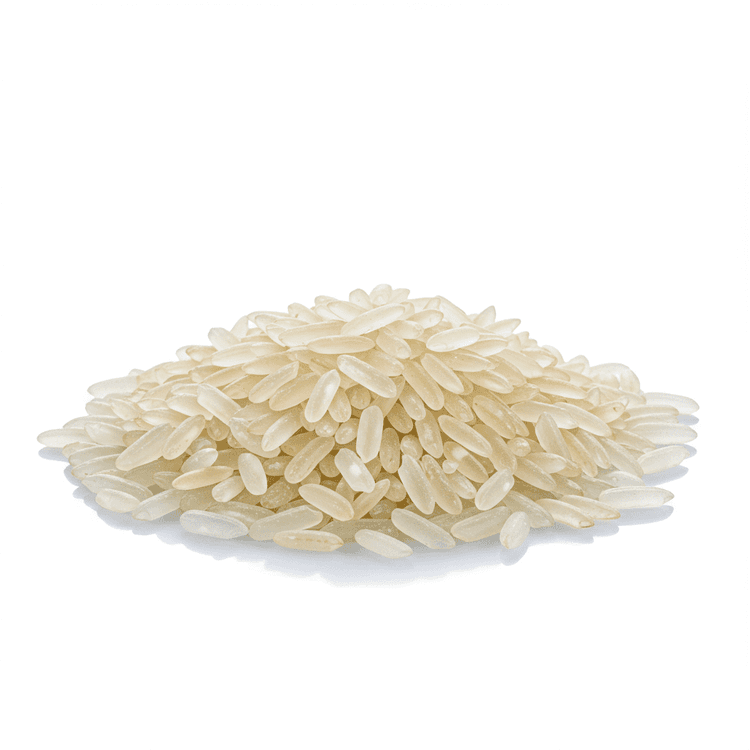
Rice, a staple grain for billions across the globe, is far more than just a simple side dish. It's a versatile ingredient with a rich history and diverse nutritional profile, playing a crucial role in cuisines worldwide. From the fluffy basmati of India to the sticky sushi rice of Japan, this grain offers a spectrum of textures, flavors, and health benefits.
The health benefits of rice depend heavily on the type consumed. Brown rice, a whole grain, retains its bran and germ, making it a significant source of fiber, magnesium, selenium, and manganese. Fiber aids digestion, promotes gut health, and helps regulate blood sugar levels. Magnesium contributes to bone health and nerve function, while selenium acts as an antioxidant, protecting cells from damage. Manganese is essential for metabolism and antioxidant defense.
White rice, on the other hand, has had the bran and germ removed, resulting in a softer texture and longer shelf life. While lower in fiber and some micronutrients compared to brown rice, enriched white rice is often fortified with iron and B vitamins like folate, crucial for energy production and preventing neural tube defects during pregnancy. Some varieties, like parboiled rice, retain more nutrients due to a special steaming process before milling.
Culinary uses for rice are practically limitless. In Asian cuisine, rice is the foundation of countless dishes, from stir-fries and curries to sushi and rice bowls. Italian risotto relies on Arborio rice for its creamy texture, while Spanish paella uses Bomba rice to absorb the flavorful broth. Rice flour is a gluten-free alternative for baking, and rice noodles are a staple in many Southeast Asian soups and salads. Popular dishes include: fried rice, biryani, paella, sushi, risotto, rice pudding, and various rice-based soups and stews. Cooking methods vary widely, from boiling and steaming to frying and baking, each method yielding a unique texture and flavor profile.
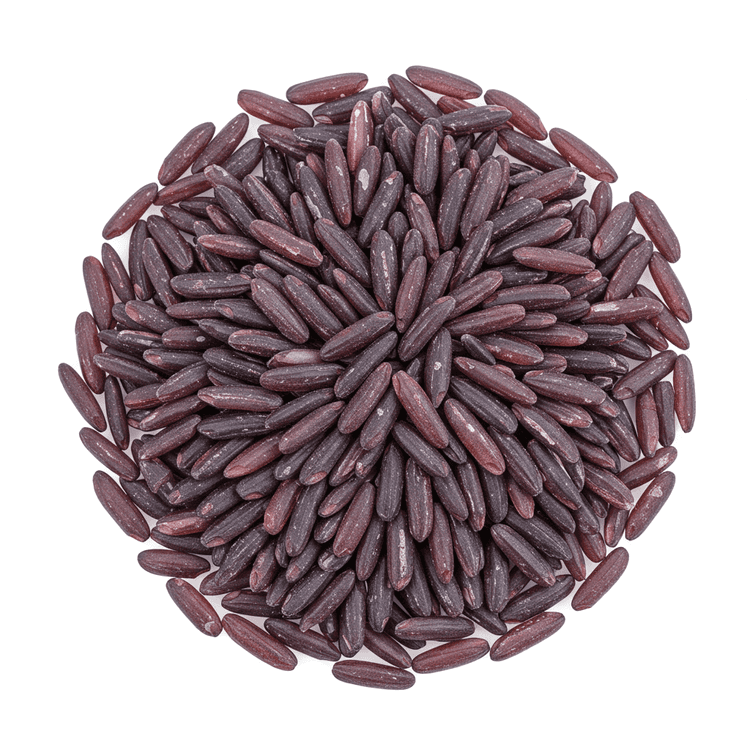
Rice is an important component of a balanced diet, particularly when choosing whole-grain varieties like brown rice. Its carbohydrate content provides energy, fueling our daily activities. The fiber in brown rice promotes satiety, helping to control appetite and manage weight. While white rice offers less fiber, it can still be part of a healthy diet when consumed in moderation and paired with other nutrient-rich foods. For individuals with gluten sensitivities or celiac disease, rice offers a safe and versatile grain option. Furthermore, certain types of rice, such as black rice, are packed with antioxidants, specifically anthocyanins, which have been linked to various health benefits, including reduced inflammation and improved heart health. Regularly incorporating a variety of rice types into your diet can contribute to overall well-being and a more diverse nutrient intake. ||
Rice are an essential part of a healthy diet, providing a wide range of nutrients and health benefits. Explore our collection of rice ingredients.