We use cookies on this website to ensure its proper functioning and to improve the quality of our services. Cookie Policy

Tags and nutritional info are auto-generated and may be inaccurate. Always check the full ingredient list before cooking.


Pour the full-fat milk into a deep pan. Boil on low flame for 20 to 25 minutes until reduced to half, stirring occasionally and scraping off the milk that sticks to the sides.

Add the cream and condensed milk to the reduced milk. Mix well and boil for another 10 minutes.

Grind the saffron in a mortar and pestle.

Add the saffron to a small bowl with a scoop of hot milk. Let it settle and infuse the milk.

Remove the pan from heat and add the saffron milk and cardamom powder.

Add the chopped almonds and mix well.
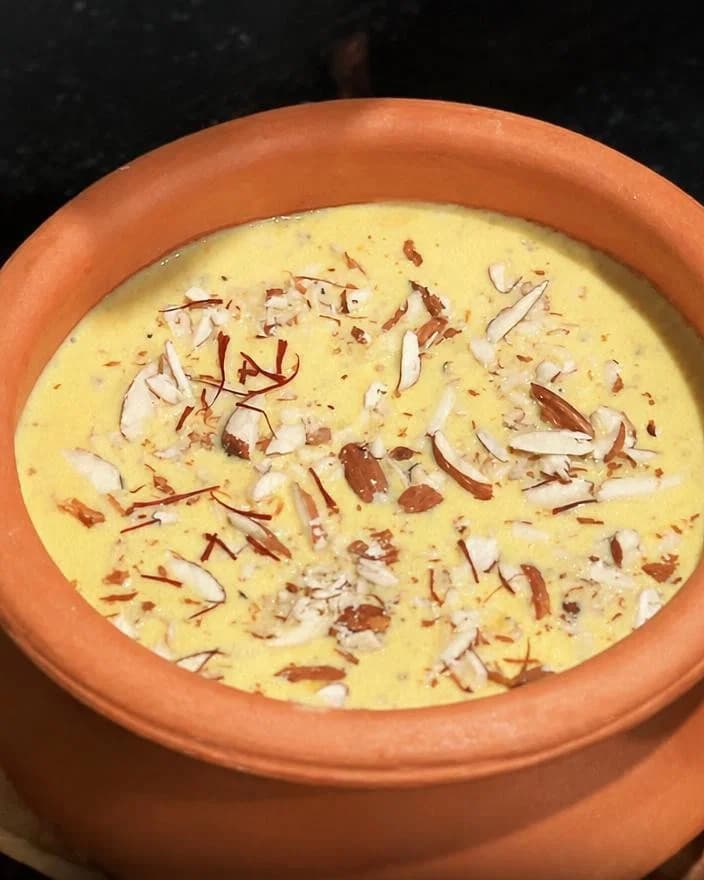
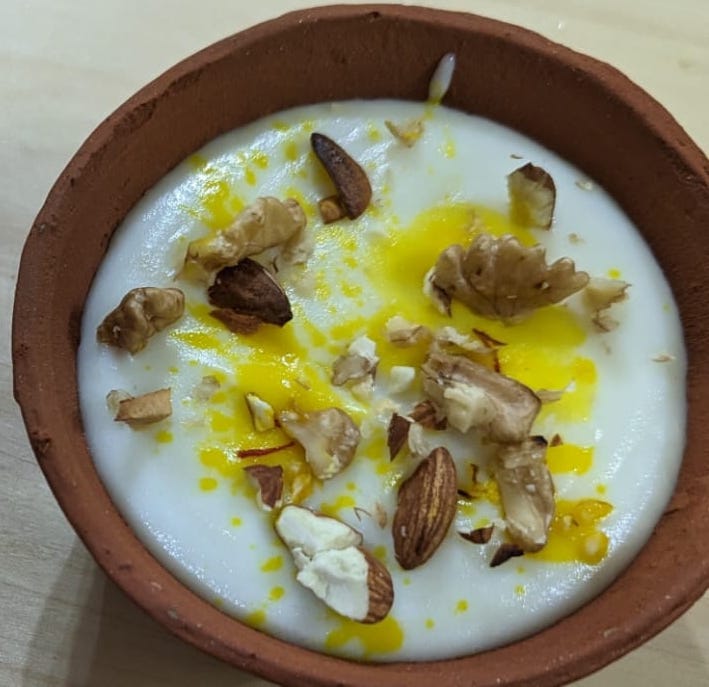
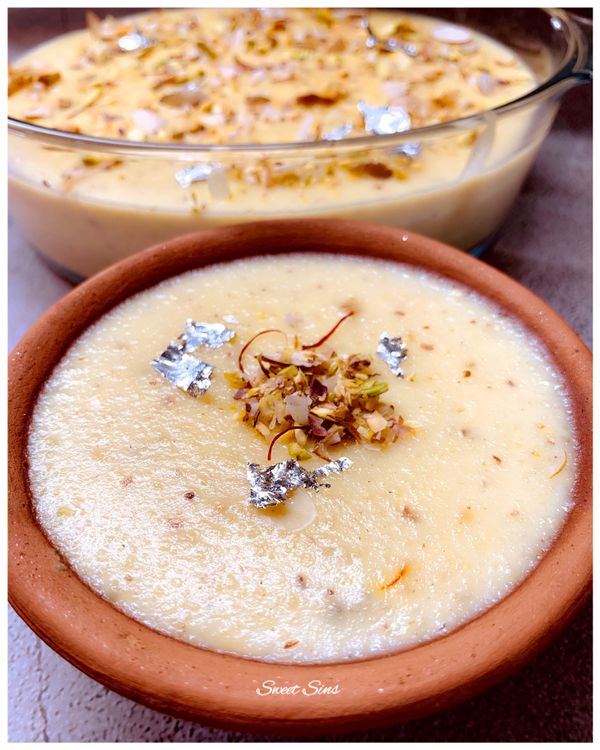
Pour the mixture into earthen pots or kulfi molds. Garnish with chopped almonds and a few strands of saffron.

Cover and freeze overnight.

Serve the chilled kulfi garnished with chopped nuts.

Want to keep this recipe for later? We can email it to you!
For a more intense saffron flavor, soak the saffron in warm milk for a longer time.
Can I use low-fat milk instead of full-fat milk?
Using full-fat milk is recommended for a creamier texture, but low-fat milk can be used if preferred.
How long should I freeze the kulfi?
Freeze the kulfi overnight for the best results.
Can I substitute cardamom powder with another spice?
Cardamom powder is traditional, but you can experiment with other spices like cinnamon for a different flavor.
What can I use if I don't have kulfi molds?
You can use small cups or any freezer-safe container as an alternative to kulfi molds.
How do I prevent ice crystals from forming in the kulfi?
Ensure the mixture is well-mixed and freeze it quickly to minimize ice crystal formation.
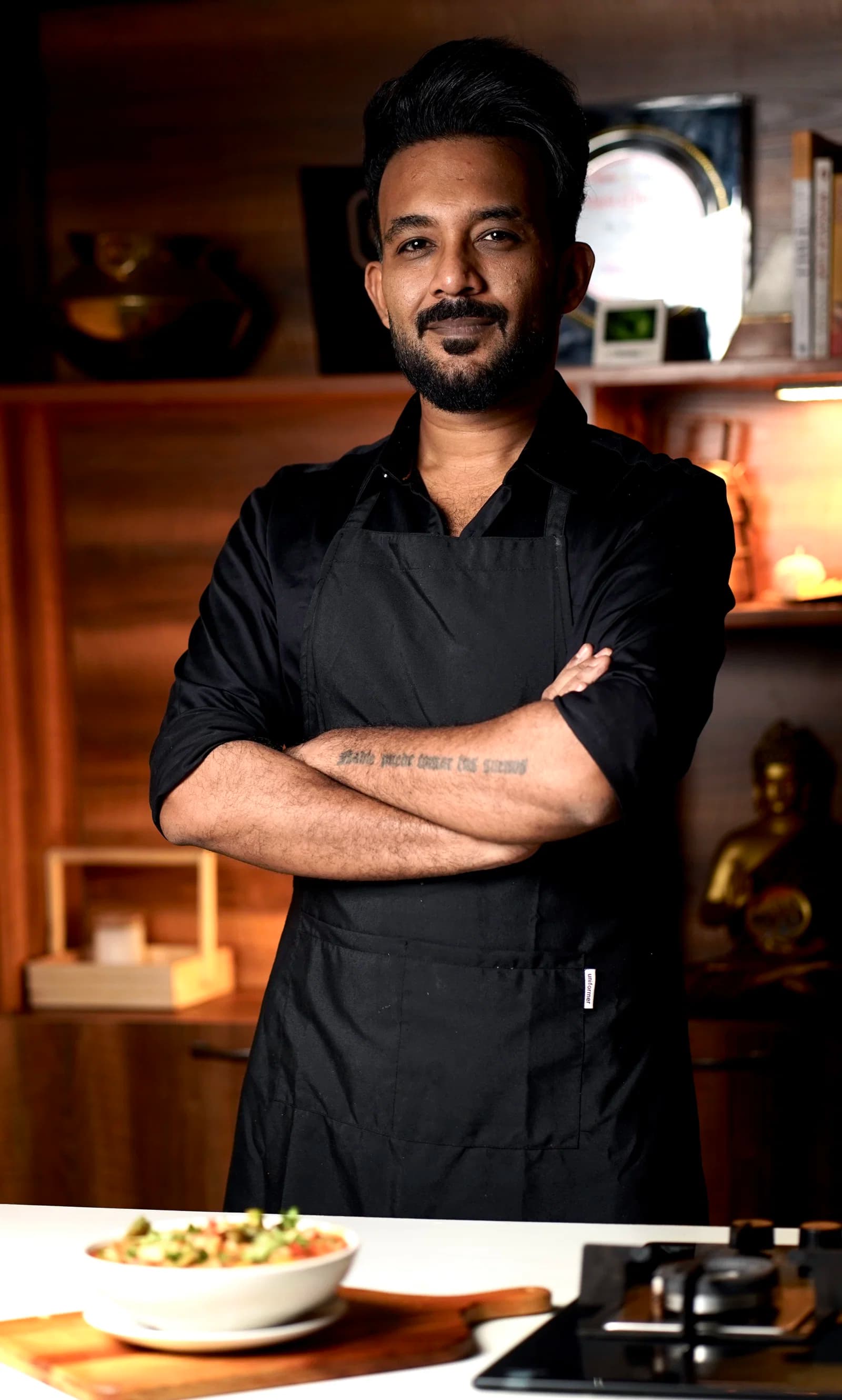
I’m Parichay, a food creator, recipe developer and the person behind Bhukkad in Town. For me, food has always been more than just a recipe. I grew up around Nepal and later made Chandigarh home, so a lot of the way I cook comes from memories, places I’ve travelled to, food I’ve eaten and the people I’ve shared it with. My cooking moves between comforting Indian food, regional recipes, street-food nostalgia and the occasional experiment that starts with, “What if we did this instead?” I love understanding why a dish tastes the way it does, simplifying it for a home kitchen, and then telling the story that made me want to cook it in the first place. Because eventually, the recipe tells you how to make the food. The story tells you why you might want to.
...