We use cookies on this website to ensure its proper functioning and to improve the quality of our services. Cookie Policy

Tags and nutritional info are auto-generated and may be inaccurate. Always check the full ingredient list before cooking.



Chop all your vegetables.
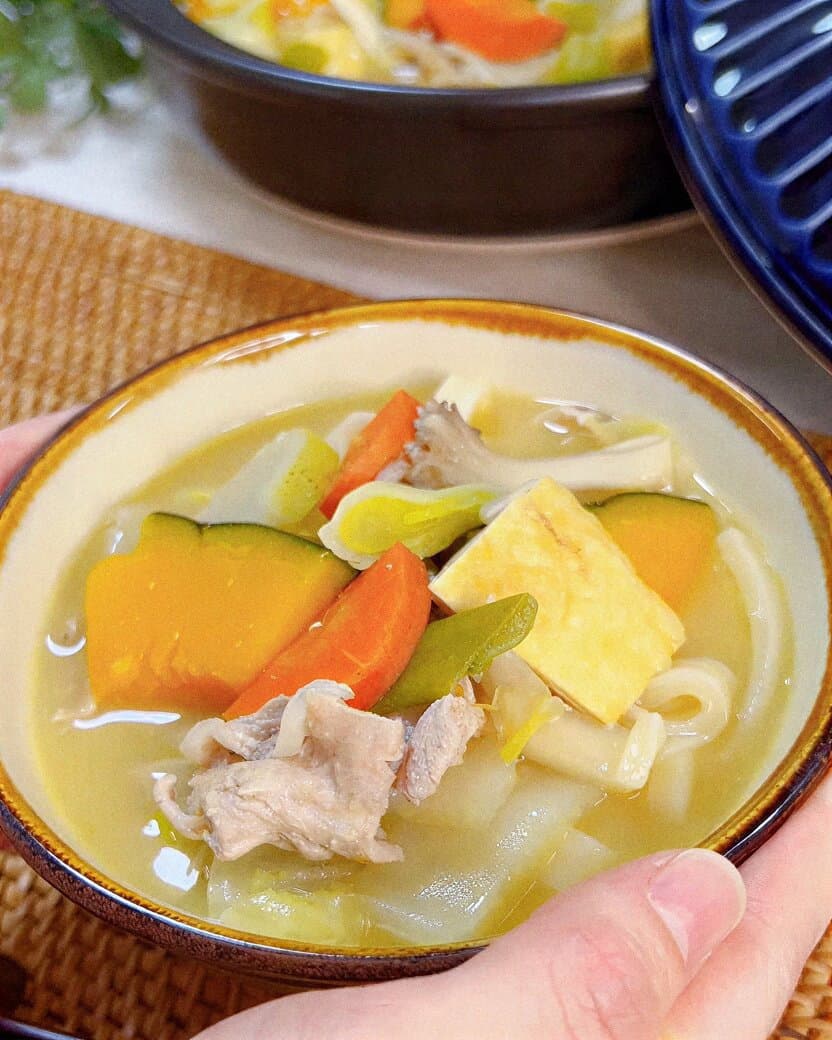
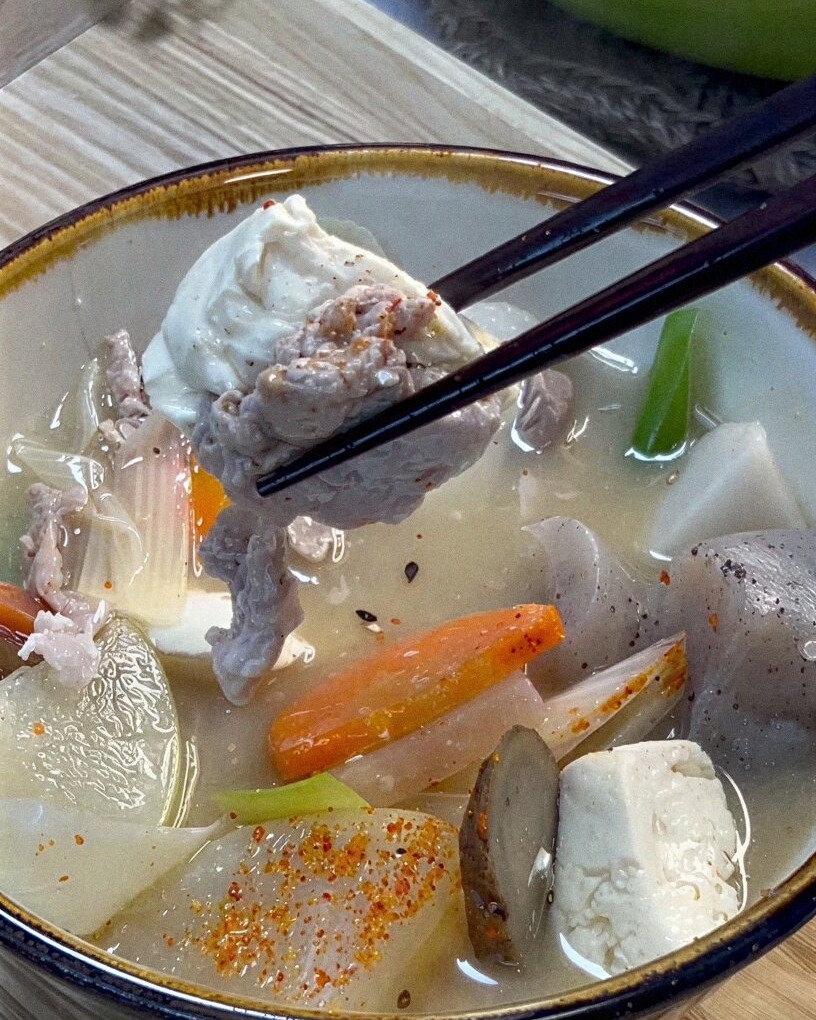
Add the root vegetables to the dashi and simmer. Once they start to soften, add the rest of the vegetables and simmer until tender.


Add the Hoto noodles directly into the pot.

Once the noodles are cooked, dissolve the miso and simmer on low heat for a few minutes to let the flavors meld.

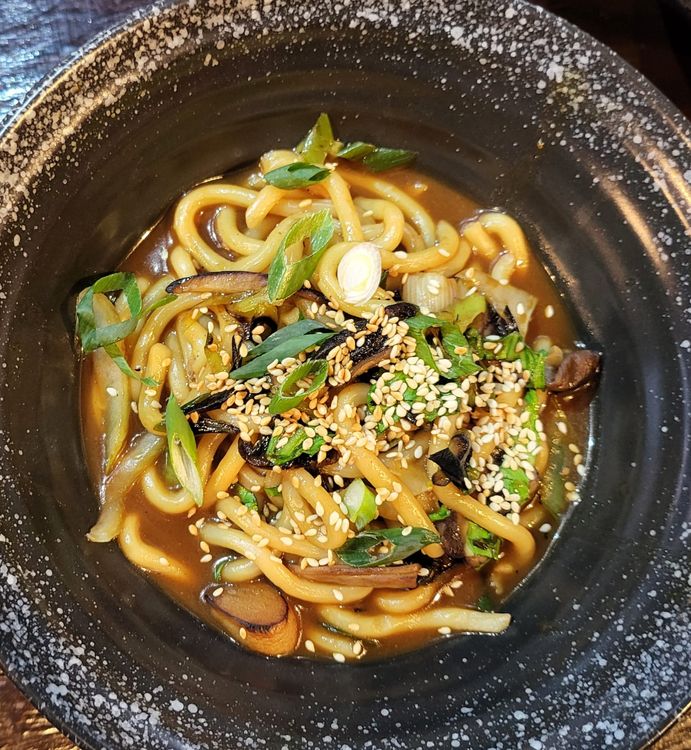
Serve in a bowl and top with Shichimi Togarashi (seven-spice blend) if you like.
Want to keep this recipe for later? We can email it to you!
Don't worry if you can't find every single vegetable on the list—this dish is very flexible! However, the pumpkin is a must as it gives Hoto its signature soul.
If you can't find authentic Hoto noodles, flat udon noodles or kishimen are great substitutes.
Can I use a different type of squash instead of Kabocha?
While Kabocha is ideal for its creamy texture, you can substitute it with other types of squash like butternut or acorn squash.
What is the best substitute for Hoto noodles?
Flat udon noodles or kishimen are the best substitutes for Hoto noodles. Regular udon can also work if you can't find the others.
Can I make this dish vegetarian?
Yes, simply omit the pork and use vegetable dashi instead of regular dashi.
How do I adjust the saltiness of the miso broth?
The saltiness can vary depending on the brand of miso you use. Start with 3 tbsp and adjust to taste.
What is Shichimi Togarashi and where can I find it?
Shichimi Togarashi is a Japanese seven-spice blend often used as a topping. You can find it at Asian grocery stores or online.
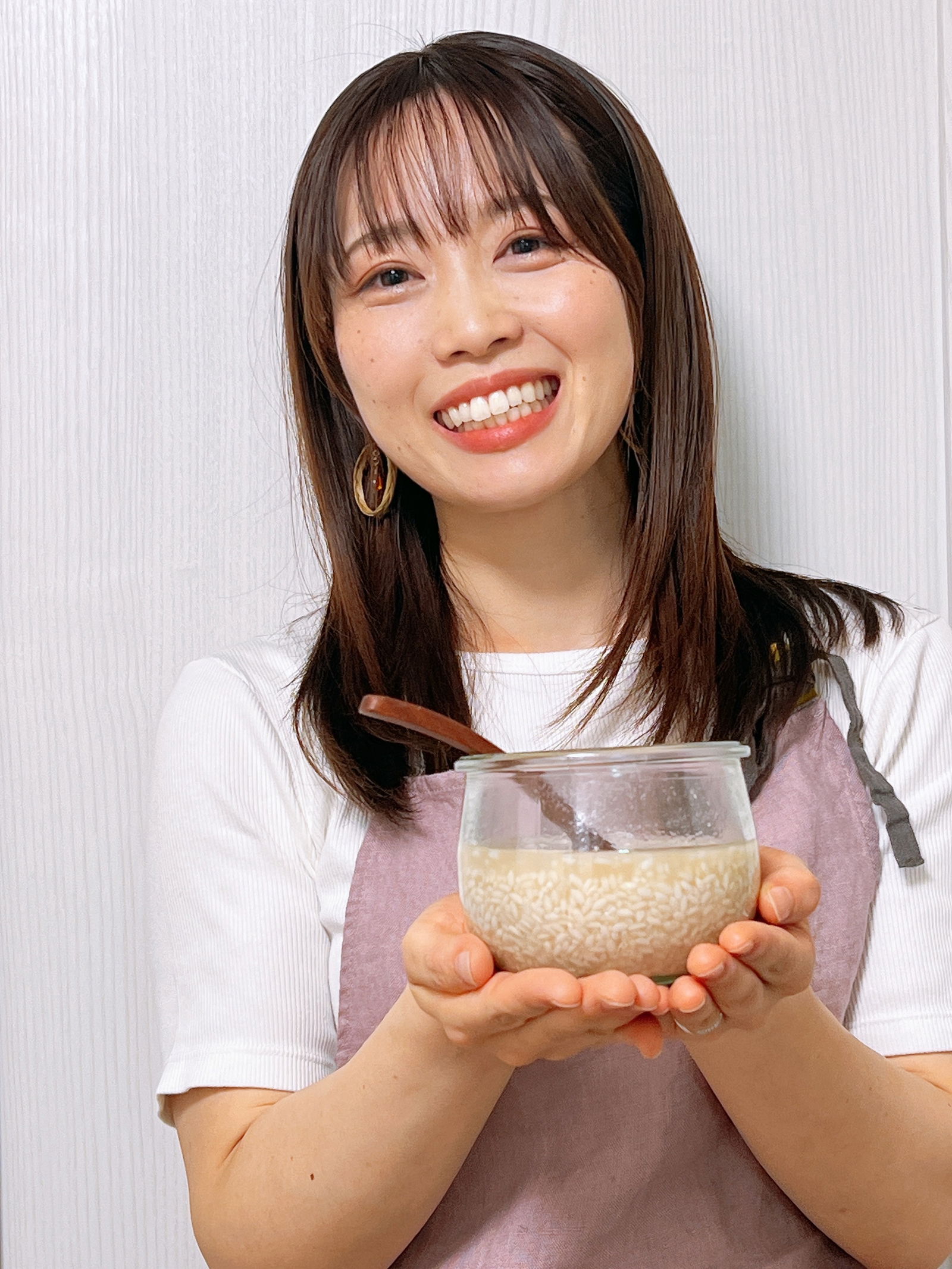
Hi, I'm Yukumi, a home cook from Japan sharing easy, everyday recipes rooted in Japanese fermentation culture. Koji, miso, amazake, and other fermented staples are at the heart of Japanese cooking — full of deep umami, natural nutrients, and centuries of tradition. My recipes make these ingredients simple and approachable, whether you're new to fermentation or looking to bring more Japanese flavors into your kitchen. Here you'll find recipes for gut-friendly miso soups, koji marinades, fermented seasonings, and more — all designed for a natural, balanced way of eating.
...