We use cookies on this website to ensure its proper functioning and to improve the quality of our services. Cookie Policy


Tags and nutritional info are auto-generated and may be inaccurate. Always check the full ingredient list before cooking.



Wash the soybeans and soak them in water overnight.
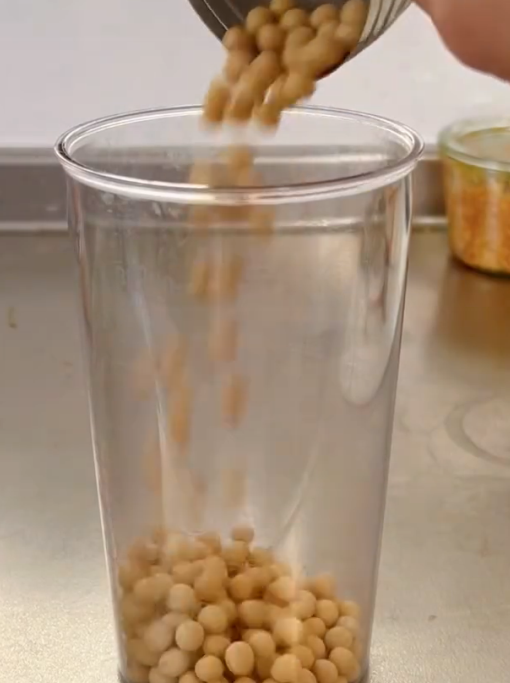
Add a little water to the soaked beans and blend or use a mortar and pestle until they form a smooth paste.

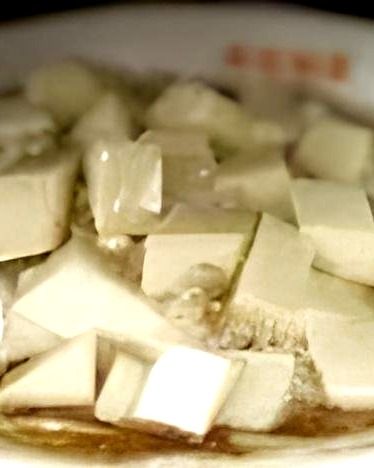
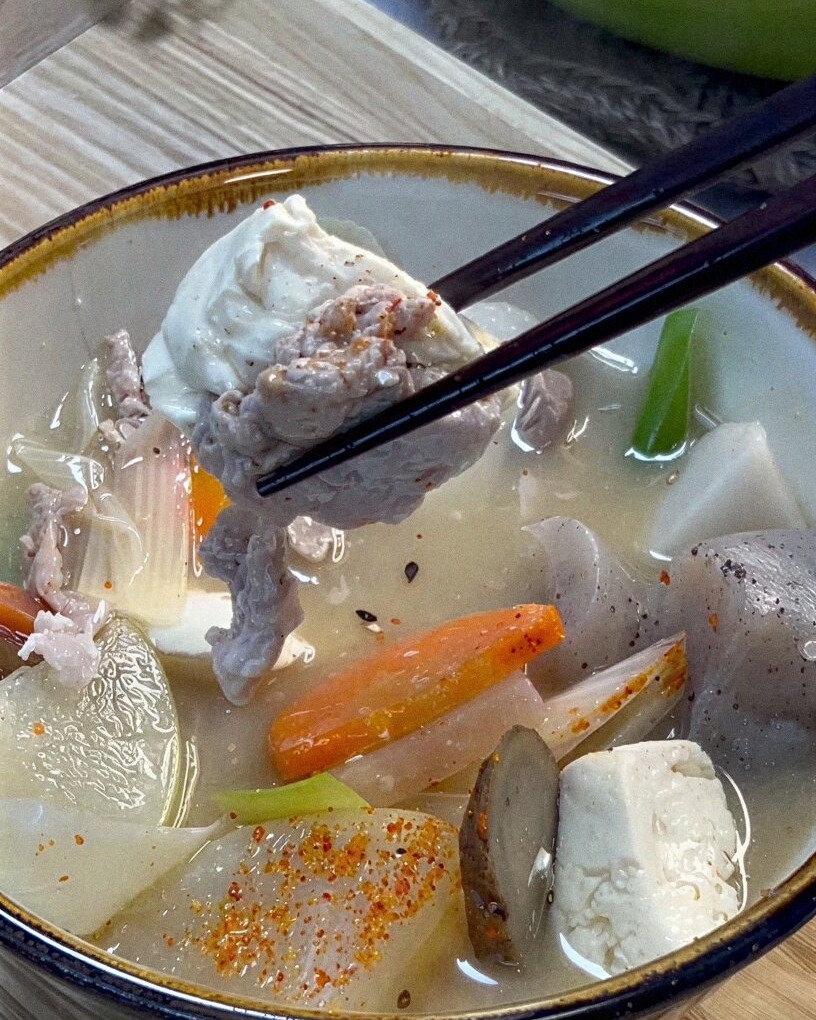
Chop the vegetables and fried tofu.

Simmer the chopped vegetables and fried tofu in the dashi stock.
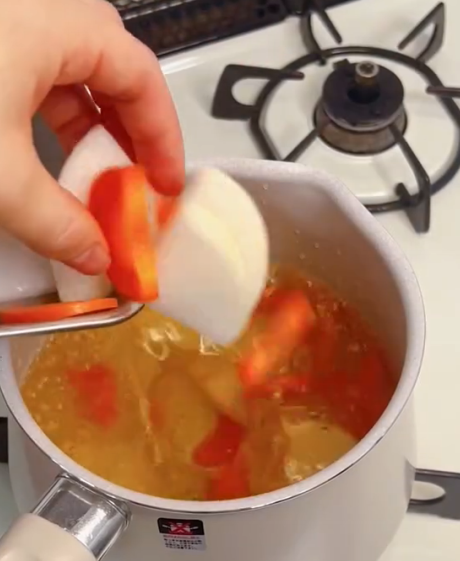
Once the veggies are tender, add the soybean paste and simmer for about 5 minutes. Watch out as it foams up and boils over easily. Skim off any excess foam if needed.

Turn off the heat and whisk in the miso paste.

Want to keep this recipe for later? We can email it to you!
It’s also delicious with mushrooms, konnyaku (konjac), pumpkin, or burdock root.
Short on time? Using pre-cooked (boiled) soybeans works perfectly too.
Can I use pre-cooked soybeans instead of dry soybeans?
Yes, using pre-cooked (boiled) soybeans works perfectly and saves time.
What other vegetables can I add to this soup?
You can add mushrooms, konnyaku (konjac), pumpkin, or burdock root for extra flavor and texture.
How do I prevent the soup from boiling over?
Keep an eye on the soup while simmering the soybean paste, as it foams up easily. Skim off any excess foam if needed.
Can I make this soup without soaking the soybeans overnight?
Soaking the soybeans overnight is recommended for the best texture, but you can use pre-cooked soybeans as a quicker alternative.
What is abura-age, and can I substitute it?
Abura-age is fried tofu skin. If unavailable, you can substitute it with firm tofu or omit it.

Hi, I'm Yukumi, a home cook from Japan sharing easy, everyday recipes rooted in Japanese fermentation culture. Koji, miso, amazake, and other fermented staples are at the heart of Japanese cooking — full of deep umami, natural nutrients, and centuries of tradition. My recipes make these ingredients simple and approachable, whether you're new to fermentation or looking to bring more Japanese flavors into your kitchen. Here you'll find recipes for gut-friendly miso soups, koji marinades, fermented seasonings, and more — all designed for a natural, balanced way of eating.
...