We use cookies on this website to ensure its proper functioning and to improve the quality of our services. Cookie Policy

Tags and nutritional info are auto-generated and may be inaccurate. Always check the full ingredient list before cooking.


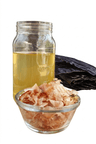


Mix the miso, sake, and mirin until smooth to prepare the seasoning base.

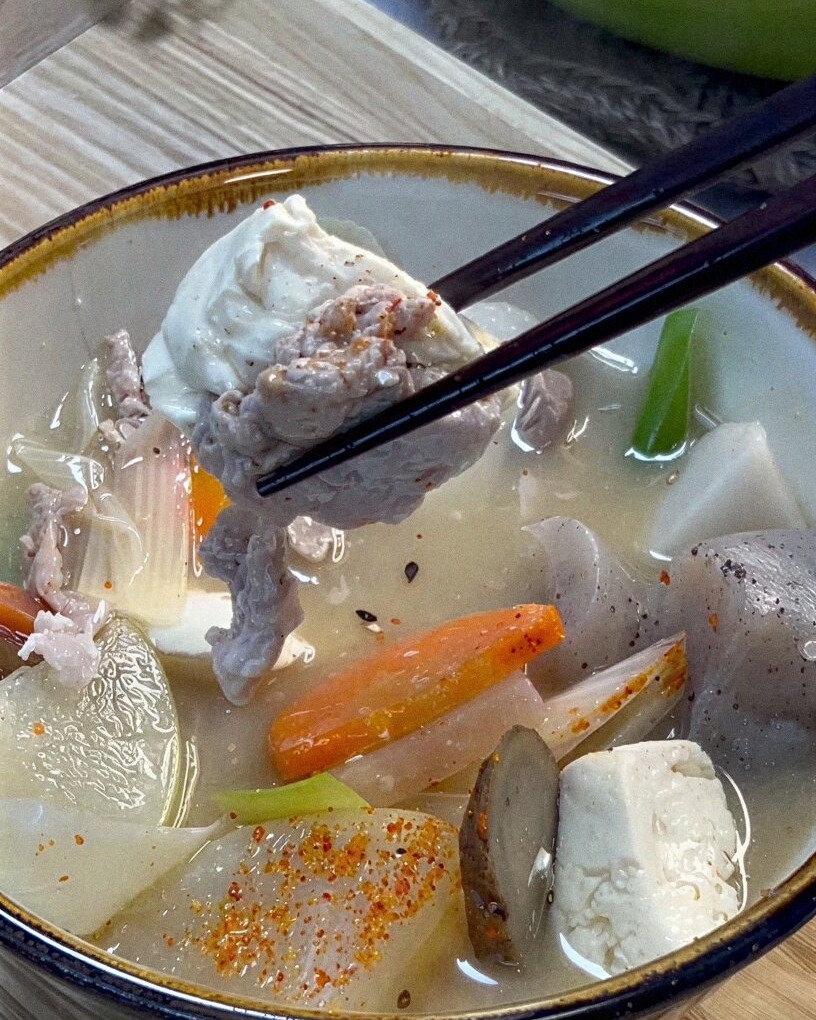
Chop your vegetables, tofu, and salmon into bite-sized pieces.
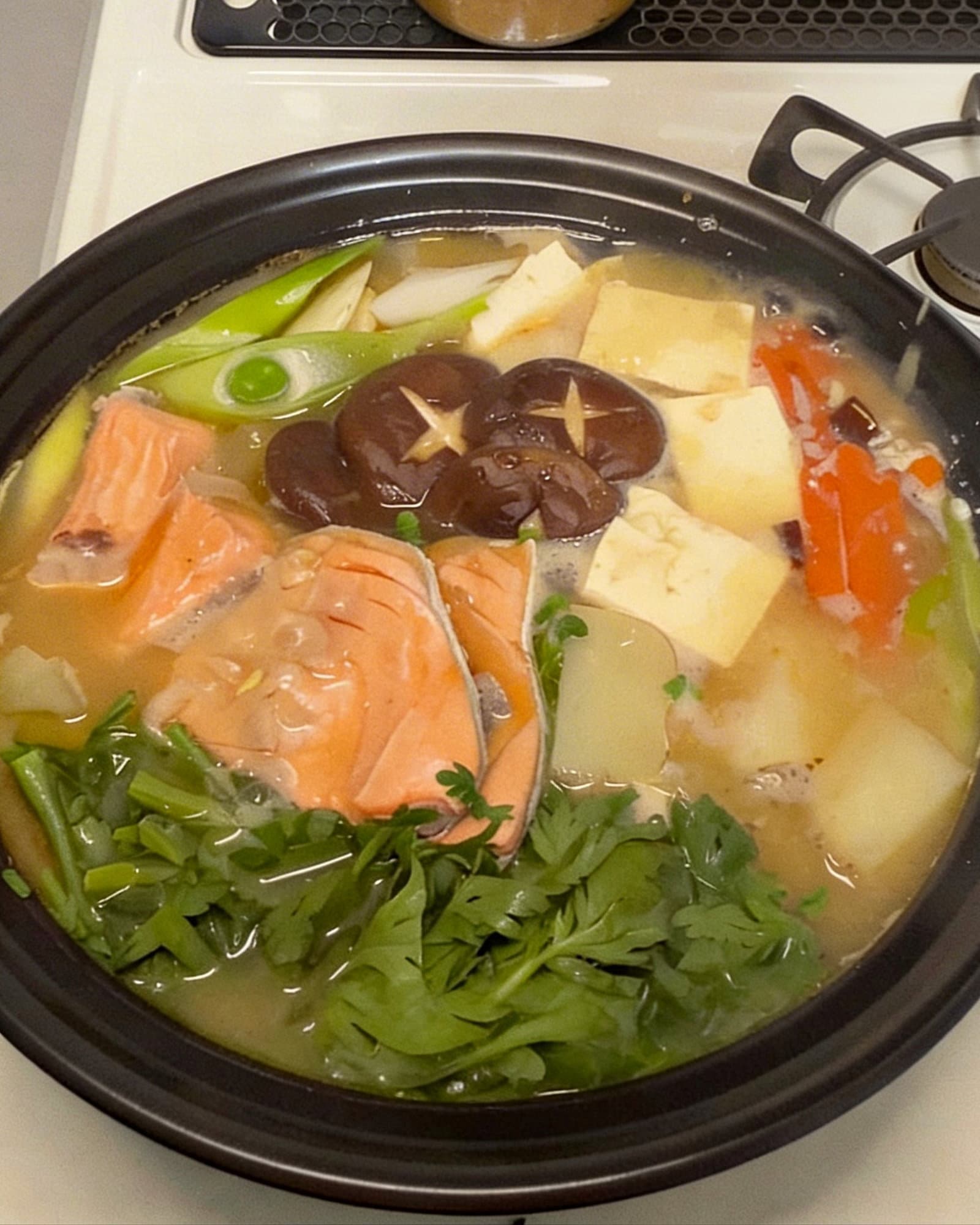
Start by boiling the potatoes and carrots in dashi stock until tender.
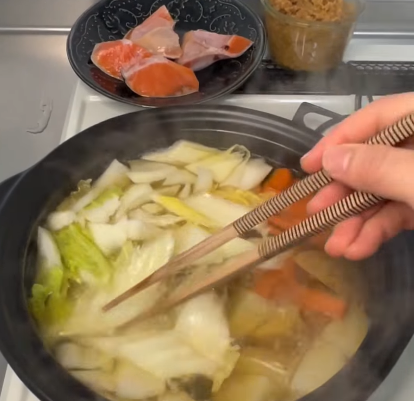
Add the rest of the vegetables, tofu, and the salmon to the pot.
Pour in your miso sauce and let everything simmer together.

Right before serving, add the shungiku and a generous pat of butter. Let it melt into the broth to create a creamy texture.
Want to keep this recipe for later? We can email it to you!
If you can't find shungiku, substitute it with spinach for a similar flavor profile.
Use fresh salmon fillets for the best taste and texture.
Adjust the miso sauce to your taste by adding more or less miso, sake, or mirin.
Serve the soup immediately to enjoy the creamy texture from the melted butter.
Can I use frozen salmon for this recipe?
Yes, you can use frozen salmon, but make sure to thaw it completely before cooking for the best texture and flavor.
What can I substitute for dashi stock?
You can use chicken or vegetable stock as a substitute, but the authentic flavor comes from dashi stock.
Can I make this soup vegetarian?
Yes, you can omit the salmon and use more tofu or mushrooms for a vegetarian version.
How do I store leftovers?
Store leftovers in an airtight container in the refrigerator for up to 2 days. Reheat gently on the stove.
Can I use regular cabbage instead of Napa cabbage?
Yes, regular cabbage can be used as a substitute, though Napa cabbage has a softer texture and sweeter flavor.
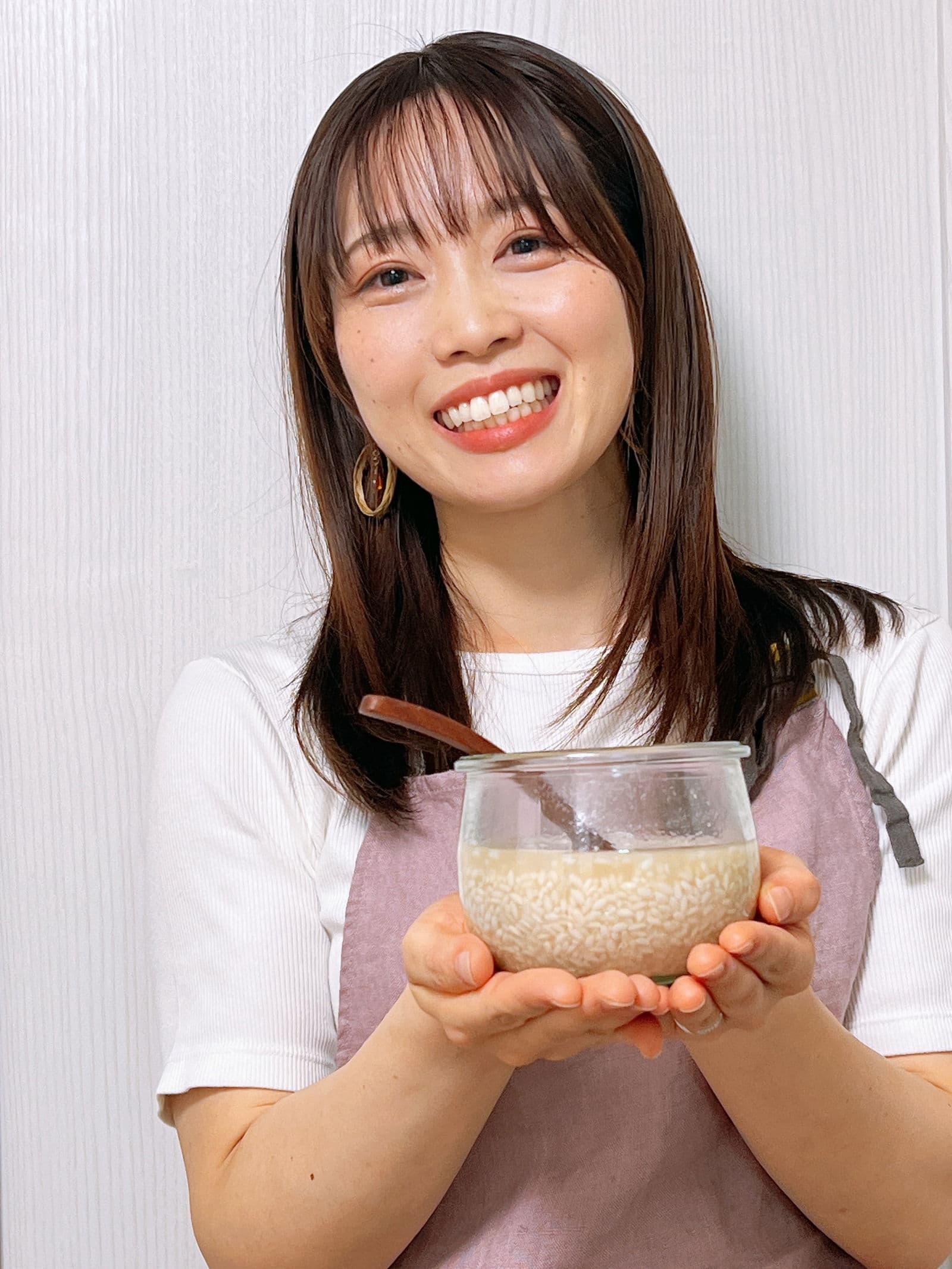
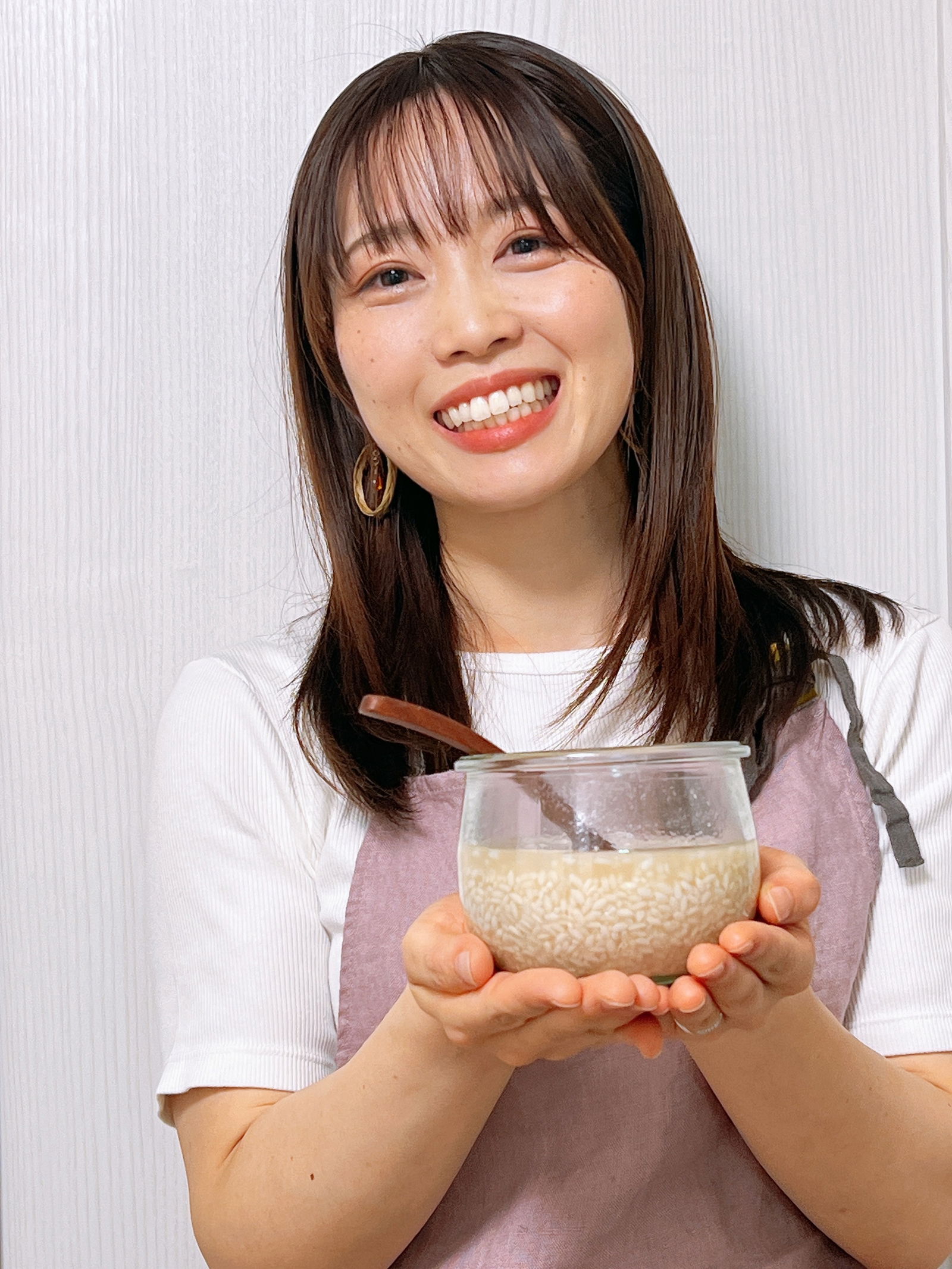
Hi, I'm Yukumi, a home cook from Japan sharing easy, everyday recipes rooted in Japanese fermentation culture. Koji, miso, amazake, and other fermented staples are at the heart of Japanese cooking — full of deep umami, natural nutrients, and centuries of tradition. My recipes make these ingredients simple and approachable, whether you're new to fermentation or looking to bring more Japanese flavors into your kitchen. Here you'll find recipes for gut-friendly miso soups, koji marinades, fermented seasonings, and more — all designed for a natural, balanced way of eating.
...