
Top 18 Chicken Breast Recipes: Baked, Seared, Grilled and Creamy
Updated June 29, 2026 · Curated by Chefadora
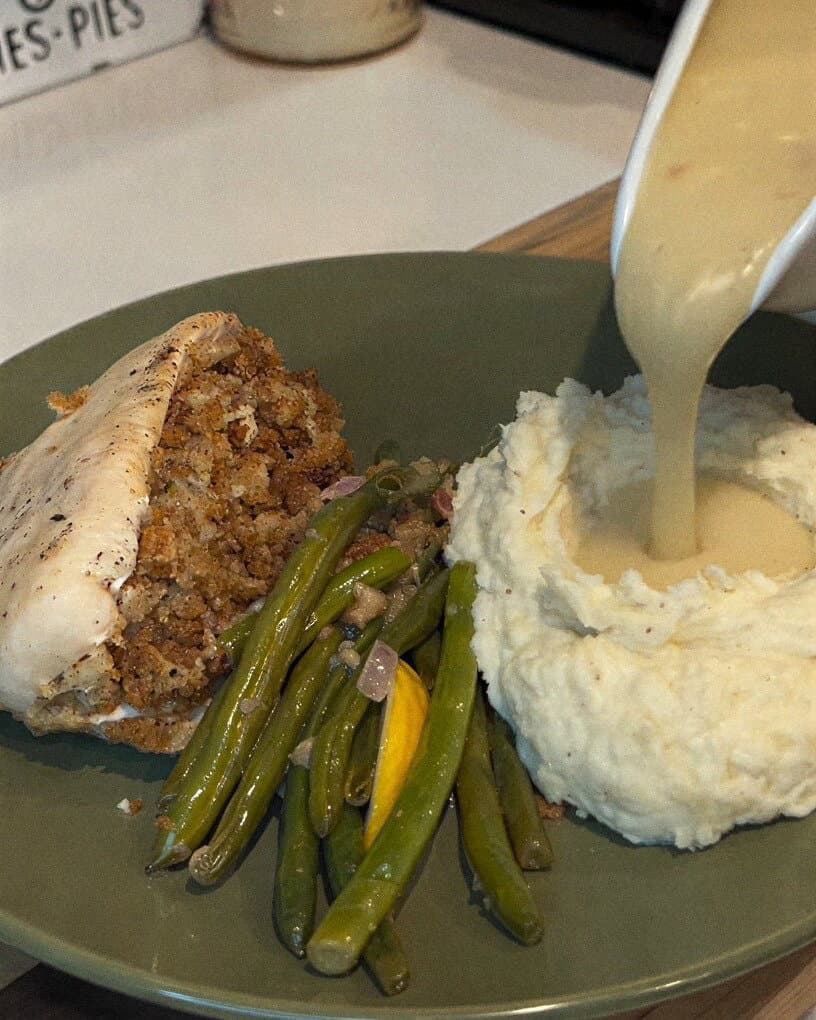
Chicken breast recipes are the backbone of weeknight cooking: lean, quick, endlessly adaptable and packed with protein. The trouble is that the very thing that makes breast popular — its leanness — is also what makes it so easy to ruin. With almost no fat to keep it moist, an extra few minutes in the pan or oven is the difference between tender and tragic. The dishes below were chosen to show the range of this cut while keeping juiciness at the centre of every method.
What unites a great baked breast, a seared cutlet, a grilled fillet and a creamy casserole is not a secret ingredient but a handful of habits: even thickness so the meat cooks uniformly, a brine or marinade where it counts, high enough heat to build colour, and — above all — pulling the chicken off the heat the moment it reaches temperature rather than waiting for it to look done. Lean meat carries on cooking after it leaves the pan, so the cooks who get juicy results stop early on purpose.
You will find four clusters here: baked and oven dishes, skillet and pan-seared plates, grilled and marinated fillets, and the indulgent stuffed, creamy and casserole end of the spectrum. The core technique scales across all of them — control the thickness, control the temperature, and give the meat a rest — so once you nail one method, the rest follow the same logic with a different sauce or seasoning.
Treat this as a working reference. Each recipe links to full ingredients and steps on Chefadora, and the guides below cover the decisions that actually determine whether your chicken comes out succulent or stringy: how to brine and why it works, how to pound and cook for even doneness, the temperatures and rests that matter, and how to rescue or repurpose breast that has gone a touch too far.
Stuffed, Creamy & Casserole Chicken Breast
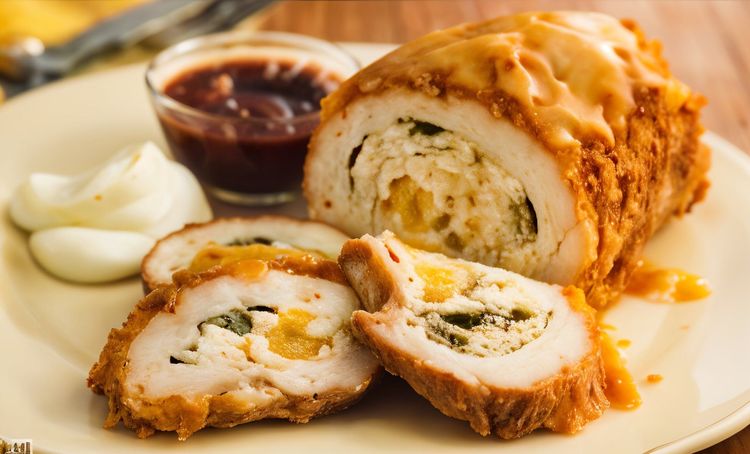
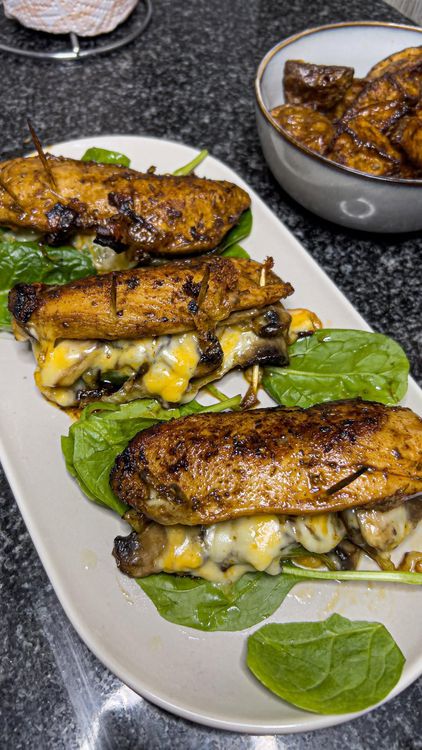
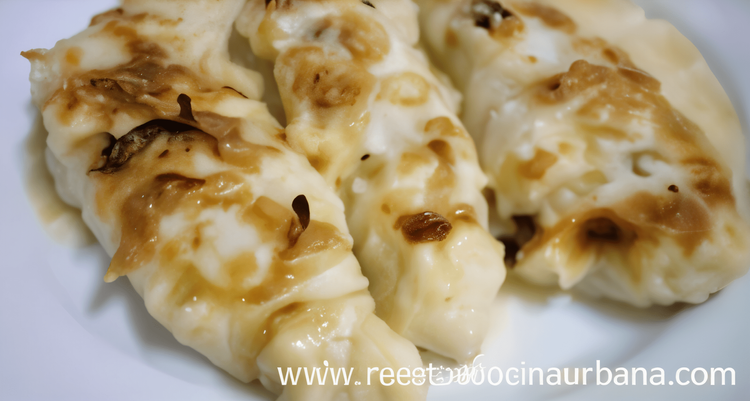
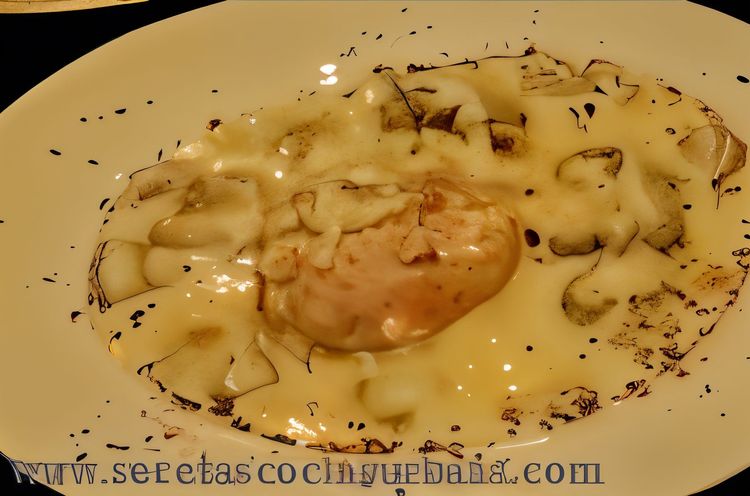
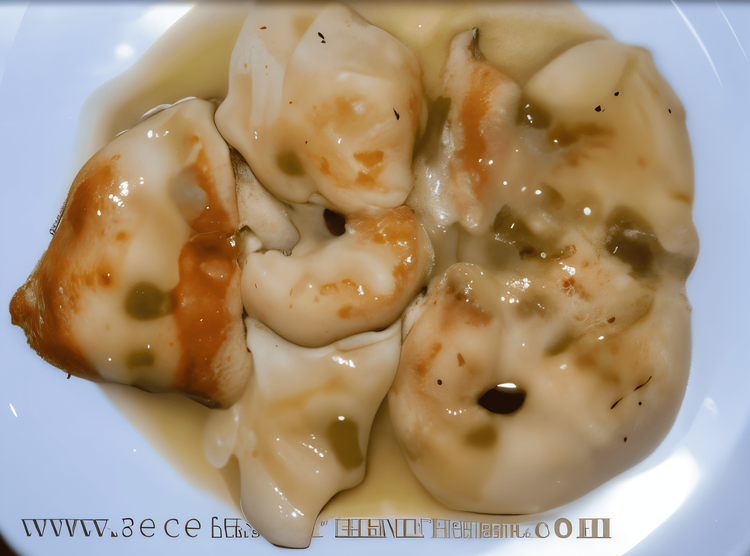
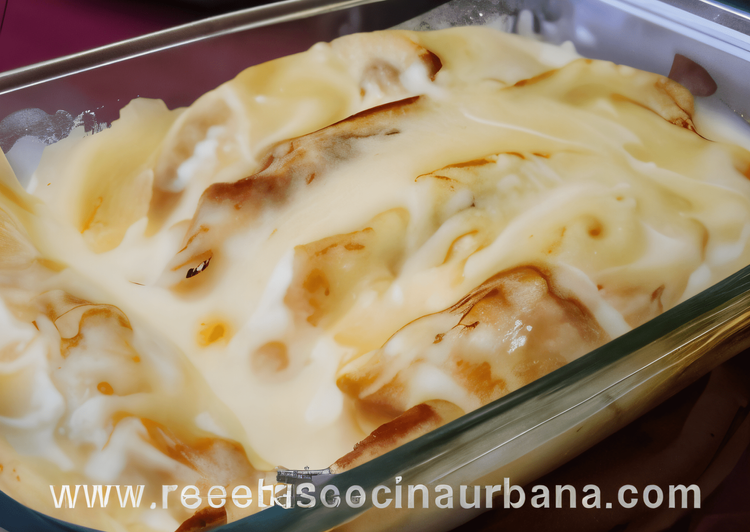
This is where lean chicken breast turns genuinely indulgent, and where the cooking method itself protects against dryness. Roll a butterflied breast around a filling of cheese, spinach, mushrooms or ham and the stuffing keeps the inside moist while the outside browns; simmer a seared breast in a glossy cream, mushroom or tomato sauce and the liquid bastes the meat far more forgivingly than dry heat ever could. Casseroles take the same idea further, baking the chicken under a blanket of sauce and cheese so it steams gently and stays succulent. The techniques are a little more involved than a quick sear, but they are also more relaxed about timing, because the surrounding moisture buys you a margin that bare breast never gives. For stuffed versions, butterfly cleanly, do not overfill, and secure the seam with a toothpick so the filling stays put; sear the roll to colour it, then finish it through in the oven. For creamy braises, build the sauce on the fond left from searing the chicken, then return the breast to barely simmer and warm through rather than boil hard, which can toughen the meat and split a cream sauce. Rich, comforting and surprisingly hard to dry out, these are the recipes for when chicken breast needs to feel like a treat. Standouts here include Stuffed Chicken Breasts with Gravy and Chicken Breast Rolls Stuffed, plus Chicken Breast Stuffed with Spinach and Cheese.


- American
- Non-Vegetarian
- Dinner
- International
- Non-Vegetarian
- Appetiser
- Spanish-inspired
- Non-Vegetarian
- Dinner
- American
- Non-Vegetarian
- Dinner
- International
- Non-Vegetarian
- Dinner
- International
- Non-Vegetarian
- Lunch
- International
- Non-Vegetarian
- Lunch
More Chicken Breast Favourites
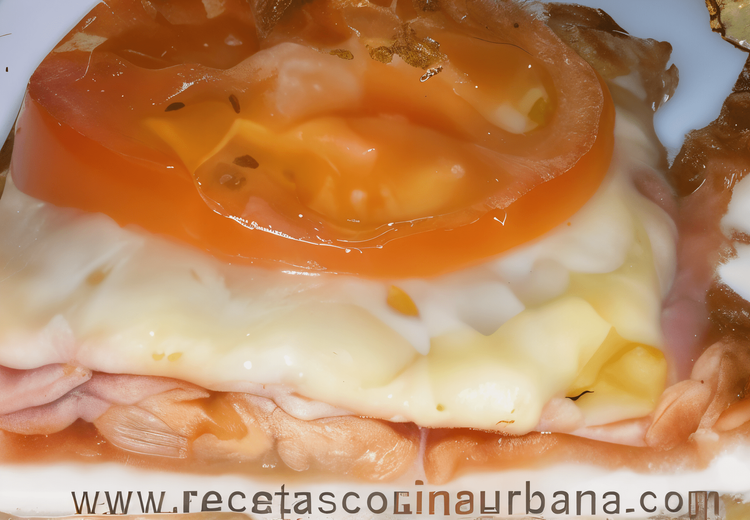
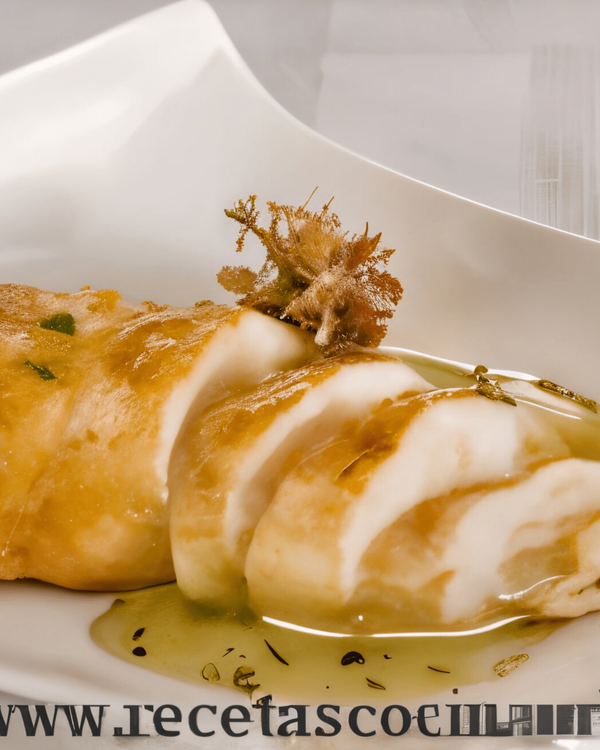
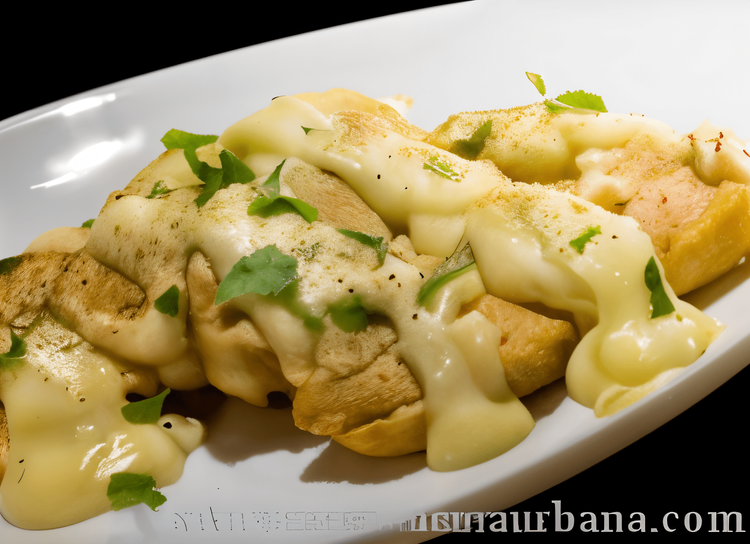
A few chicken breast dishes never sit neatly in a single category, and these are the ones worth keeping in your back pocket once the staples feel routine. They lean on the same handful of moves you already know, an even thickness, a brine or marinade, a watchful thermometer and a proper rest, but steer the cut toward different cuisines, textures and formats, from quick shredded fillings to global one-pan plates. Choosing your next one is mostly about matching effort to the evening: reach for a fast pounded cutlet or a tray bake on a busy night, and save the rolled, stuffed or slow-simmered numbers for when you have a little more time at the stove. Pay attention to how the breast is cut, too, since thin cutlets cook in minutes and stay juicy with the least fuss, while whole breasts demand more care and a thermometer to get right. The constant across every one of them is the same lesson the rest of this page keeps returning to: lean meat punishes overcooking, so pull it a touch early, let it rest, and lean on temperature rather than the clock. Think of this group as the natural next step after the classics, the recipes that quietly earn a regular spot in the rotation once you have tried them. Standouts here include Napolitana Chicken Breasts and Mustard Chicken Breasts, plus Chicken Breasts in Wine.
- Italian
- Non-Vegetarian
- Lunch
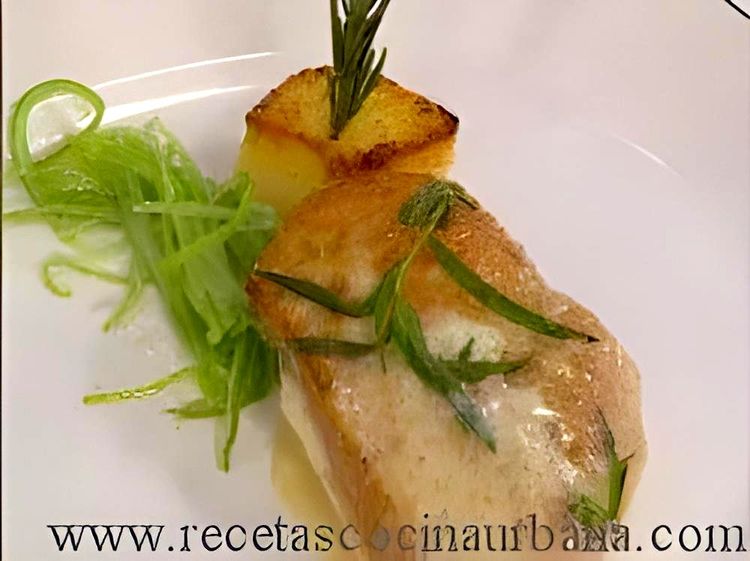
- French
- Non-Vegetarian
- Lunch
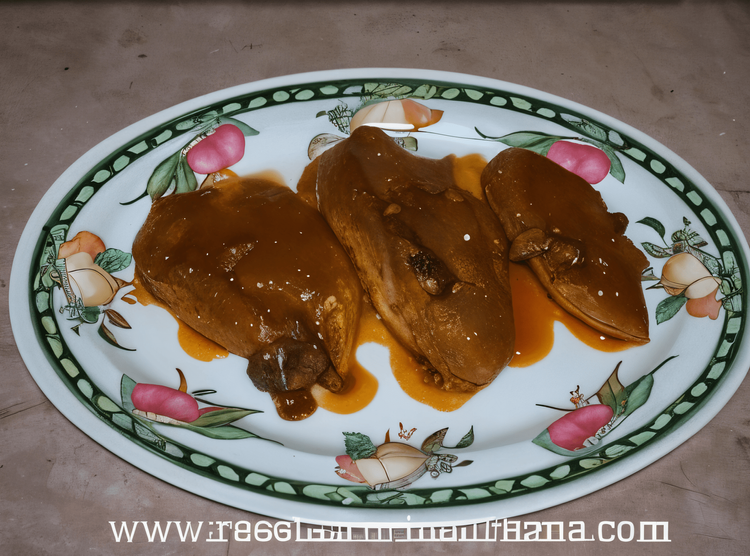
- International
- Non-Vegetarian
- Lunch
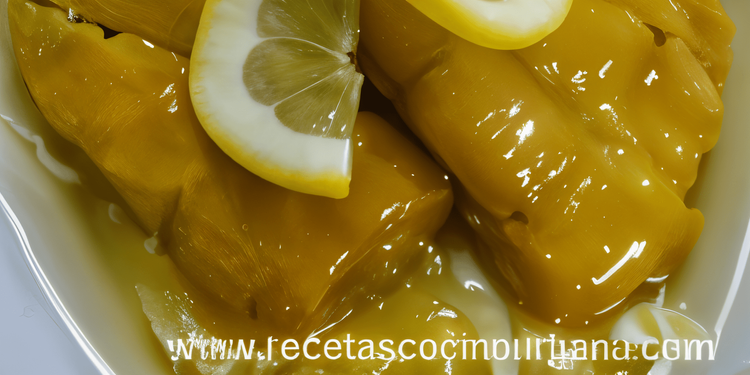
- Asian
- Non-Vegetarian
- Lunch
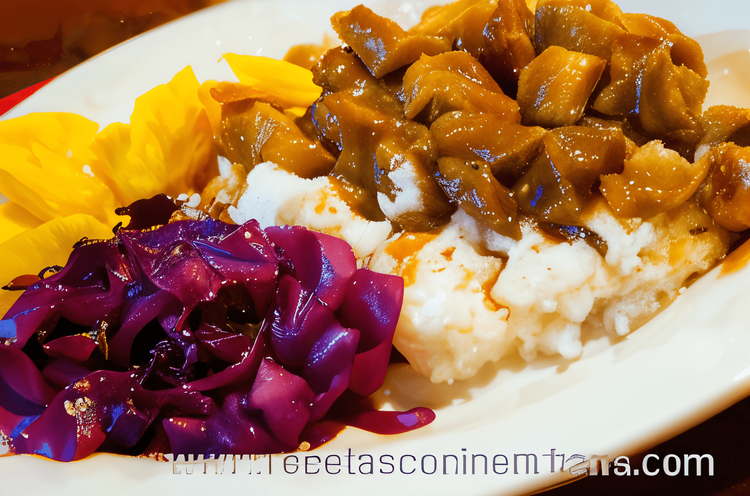
- European
- Non-Vegetarian
- Lunch
- International
- Non-Vegetarian
- Dinner
- European
- Non-Vegetarian
- Lunch
- European
- Non-Vegetarian
- Dinner

- Healthy
- Non-Vegetarian
- Dinner
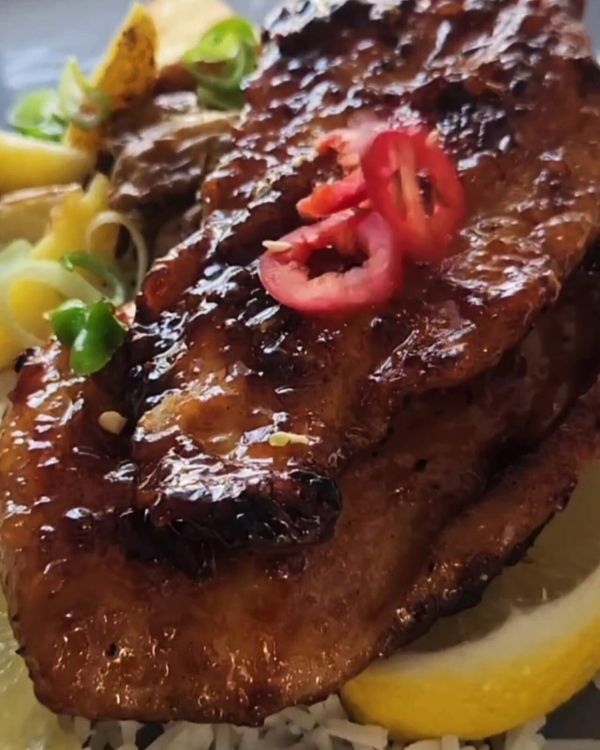

- Fusion
- Non-Vegetarian
- Dinner
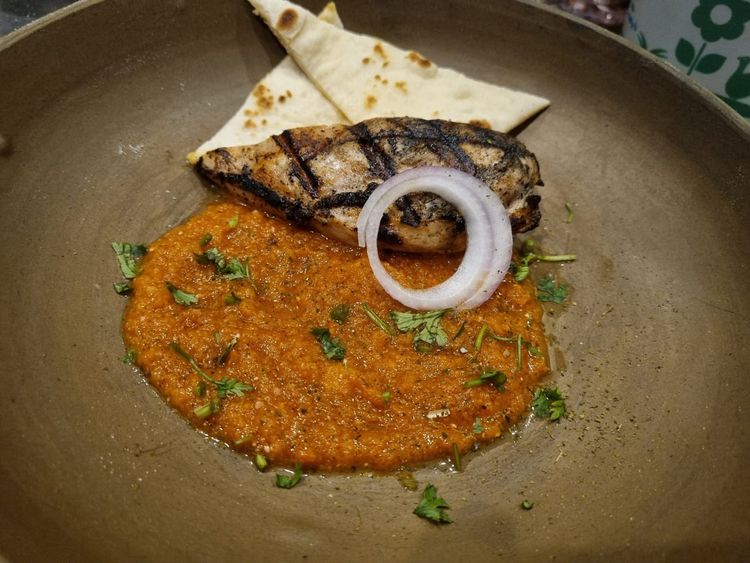
- Indian
- Non-Vegetarian
- Lunch
Brining and Marinating for Juiciness
A brine is the single most effective insurance against dry chicken breast. A simple wet brine — roughly a quarter cup of salt dissolved in a litre of water — for thirty minutes to a couple of hours seasons the meat all the way through and helps it hold onto moisture as it cooks, so even a slightly overshot breast stays palatable. Rinse and pat dry afterwards, because a wet surface will not brown. For a faster option, a dry brine (salting the surface and resting it uncovered in the fridge) does much the same job while drying the skin for better colour.
Marinades work differently from brines and are worth understanding. Acidic and yogurt-based marinades tenderize the surface and carry flavour, but left too long the acid can turn the outer layer mushy or chalky, so an hour or two is plenty for most and overnight suits only gentler, yogurt-led mixes. Oil in a marinade helps spices stick and promotes char on the grill. Always marinate in the fridge, and reserve some marinade before it touches raw chicken if you want to use it as a sauce.
Whichever you choose, salt is doing the real work. If you have time for nothing else, salt the breast and let it sit for fifteen minutes before cooking — the salt begins to penetrate and season from within, and that alone lifts a plain breast above bland. Bring the chicken to room temperature before it hits the heat, too: a fridge-cold breast cooks unevenly, leaving the outside overdone by the time the centre catches up.
Even Thickness, Pounding and Butterflying
The natural shape of a chicken breast is its biggest enemy: thick at one end, tapering thin at the other. Cook it whole and the thin tip is dry and stringy by the time the fat end is safe to eat. The fix is to make it an even thickness before cooking. Lay the breast between two sheets of cling film or in a bag and pound it gently with a flat mallet or the bottom of a pan, working from the centre out, until it is a uniform thickness all the way across.
For thicker breasts, butterflying is the move — slice horizontally almost all the way through and open the breast out like a book, giving you a thinner, even piece that cooks fast and stays juicy. This is ideal for cutlets, schnitzel, parmesan and any quick pan dish. Cutting a whole breast into two thin cutlets does the same and cooks even faster. Thin and even always beats thick and lopsided when juiciness is the goal.
Even thickness also makes timing predictable, which is half the battle with lean meat. A pounded cutlet a centimetre or so thick cooks through in just a few minutes a side, so there is far less window in which to overshoot. Whole, unpounded breasts are the hardest to get right precisely because the cooking is uneven — if you must cook them whole, lean on a thermometer and an oven rather than a hot pan.
Temperature, Doneness and Resting
Chicken breast is safe at 74C/165F, but the secret to juicy meat is to pull it off the heat a few degrees early, around 71C/160F, and let carryover cooking finish the job during the rest. Those last few degrees happen off the heat without driving out more moisture. A digital instant-read thermometer is the most valuable tool you can own for this cut — it removes all the guesswork that leads to either dry meat or undercooking, and it is far more reliable than colour or firmness.
Resting is not optional. When chicken cooks, its juices are driven toward the centre; cut into it straight away and they spill onto the board, leaving the meat dry. Rest a breast for five to ten minutes, loosely tented with foil, and the juices redistribute so they stay in the meat when you slice. Slicing against the grain afterwards shortens the muscle fibres and makes every bite more tender, which matters most for grilled or roasted breast served sliced.
Heat level is the other lever. For pan and grill, you want it hot enough to build a crust quickly, then often a drop to medium to finish the centre without scorching the outside. In the oven, a hotter, shorter roast (around 220C/425F) generally beats a long, low bake that slowly dries the meat out. Whatever the method, treat the thermometer as the final word and the clock as a rough guide only.
Sauces, Make-Ahead and Rescuing Dry Breast
A sauce is both a flavour boost and a safety net for lean meat. Pan sauces built from the fond — the browned bits left after searing — deglazed with stock, wine, lemon or cream, give you a glossy finish that coats sliced breast and disguises any slight dryness. Creamy and tomato-based braises let you simmer the chicken gently in liquid, which keeps it moist far more forgivingly than dry heat. When in doubt, finish a breast in a sauce rather than cooking it bone-dry.
Chicken breast is a meal-prep champion. Cook a batch, cool it quickly, and keep it three to four days in the fridge or freeze for a couple of months; sliced or shredded breast keeps well and reheats best gently with a splash of liquid under a lid, since blasting it in the microwave dries it out. Marinated raw breast can be portioned and frozen in the marinade so it seasons as it thaws — a genuinely useful weeknight shortcut.
If you do overshoot and the breast comes out dry, all is not lost. Shred it and toss it through a sauce, soup, curry or a creamy pasta where the surrounding moisture rescues the texture, or slice it thin across the grain and dress it well for a sandwich, wrap or salad. The lesson for next time is almost always the same: pull it earlier, rest it longer, and lean on the thermometer rather than the clock.
Pro Tips from the Test Kitchen
- Brine breasts 30 minutes to 2 hours in salted water — it seasons throughout and guards against drying out.
- Pull chicken at 71C/160F and let carryover finish it to 74C/165F during the rest; an instant-read thermometer beats guesswork every time.
- Pound or butterfly to even thickness so the thin tip does not overcook before the thick end is safe.
- Rest cooked breast 5–10 minutes before slicing so the juices redistribute instead of spilling onto the board.
- Slice against the grain to shorten the fibres and make every bite more tender.
- Pat the surface dry before searing or roasting — a wet breast steams grey instead of browning.
- Bring chicken to room temperature before cooking so it heats evenly from edge to centre.
- In the oven, roast hot and fast (around 220C/425F) rather than long and low, which slowly dries the meat.
- Keep yogurt or acidic marinades to an hour or two — too long and the surface turns mushy or chalky.
- Overcooked it? Shred and fold it through a sauce, soup or pasta where surrounding moisture rescues the texture.
Frequently Asked Questions
How do you keep chicken breast from drying out?
The two biggest levers are a brine and a thermometer. Soaking breasts in salted water for 30 minutes to a couple of hours seasons them through and helps them hold moisture, and pulling the meat at 71C/160F — letting carryover finish it to a safe 74C/165F during the rest — stops you overcooking. Even thickness and a 5–10 minute rest before slicing do the rest of the work.
What temperature should chicken breast be cooked to?
Chicken is safe at 74C/165F, but for the juiciest result pull it off the heat at around 71C/160F and let carryover cooking carry it the final few degrees while it rests. Those last degrees happen without driving out more moisture. Use a digital instant-read thermometer in the thickest part rather than judging by colour or firmness, which are unreliable on lean breast.
Should you brine chicken breast before cooking?
It is the single most effective way to keep lean breast juicy, so yes if you have time. A simple wet brine of a quarter cup of salt per litre of water for 30 minutes to two hours seasons the meat throughout and helps it retain moisture even if you slightly overcook it. A dry brine — salting and resting uncovered in the fridge — does much the same while drying the surface for better browning.
How long does it take to bake chicken breast?
At a hot 220C/425F, a boneless breast of average thickness takes roughly 18–22 minutes, but thickness varies so much that time is only a guide. Pound or butterfly thick breasts for faster, more even cooking, and rely on a thermometer — pull at 71C/160F. A hotter, shorter bake keeps breast juicier than a long, low one, which slowly dries the meat out.
Why is my chicken breast rubbery or tough?
Almost always overcooking. With so little fat, breast goes from juicy to dry in just a few extra minutes, and the proteins tighten and squeeze out moisture. Cook to temperature rather than the clock, pull it a few degrees early, and rest it before slicing. Uneven thickness makes it worse, so pound or butterfly the breast first, and slice against the grain to keep it tender.
Do you need to pound chicken breast?
Not always, but it helps enormously. A whole breast is thick at one end and thin at the other, so it cooks unevenly and the thin tip dries out. Pounding it to an even thickness — or butterflying it open — means it cooks uniformly and fast, with far less chance of overshooting. It is essential for cutlets, schnitzel and parmesan, and a good idea for most quick pan dishes.
How long should you marinate chicken breast?
For most marinades, one to two hours is plenty; the surface flavours and tenderizes in that time. Yogurt-based and gentler marinades can go overnight, but strongly acidic ones (lots of citrus or vinegar) left too long turn the outer layer mushy or chalky. Always marinate in the fridge, pat the breast dry before cooking so it browns, and reserve some marinade before it touches raw meat if you want a sauce.
Is chicken breast healthy?
Very — it is one of the leanest, most protein-dense meats around, low in fat and saturated fat, which is why it anchors so many fitness and weight-management diets. Grilled, baked or pan-seared with minimal oil keeps it light, while creamy sauces and breaded, fried versions add considerably more. Pair it with vegetables and a whole grain for a balanced, high-protein meal.
Can you cook chicken breast from frozen?
You can, though results are better from thawed. From frozen, baking or poaching works — expect roughly 50% longer cooking time and use a thermometer to confirm it reaches a safe 74C/165F, since the centre lags. Avoid grilling or pan-searing from frozen, as the outside chars before the middle thaws. For the juiciest results, thaw in the fridge overnight, then brine or season before cooking.
What can I do with leftover cooked chicken breast?
Leftover breast is endlessly useful and reheats best gently with a splash of liquid. Shred or slice it across the grain into wraps, sandwiches and salads, or fold it through pasta, soup, curry, fried rice or a creamy bake where the surrounding sauce keeps it moist. Repurposing into a saucy dish is also the best fix for breast that came out a touch dry the first time around.
The thread through every chicken breast recipe here is the same: a lean, fast-cooking cut that rewards a little salt, even thickness and a careful eye on temperature. Brine when you can, pound for evenness, pull the meat a few degrees early, and rest it before slicing — and baked, seared, grilled and creamy dishes all come out juicy instead of dry.
Pick three to cook this week — a hands-off tray bake, a quick pan cutlet and something creamy or grilled — and save your favourites to a Chefadora cookbook. Then work through the rest; this page is built to be the chicken breast reference you actually come back to.
Related
- Chicken Breast
- Chicken
- High Protein
- Weeknight
- Healthy
- Meal Prep
- Dinner
- Quick
Popular Searches
- Best chicken breast recipes
- Easy chicken breast recipes
- Quick chicken breast recipes
- Healthy chicken breast recipes
- Simple chicken breast recipes
- Homemade chicken breast recipes
- Delicious chicken breast recipes
- Popular chicken breast recipes
- baked chicken breast
- grilled chicken breast
Marnirni-apinthi Building, Lot Fourteen,
North Terrace, Adelaide, South Australia, 5000
Australia
