
Top 16 Paratha Recipes: Stuffed, Layered, Plain and Sweet
Updated June 22, 2026 · Curated by Chefadora
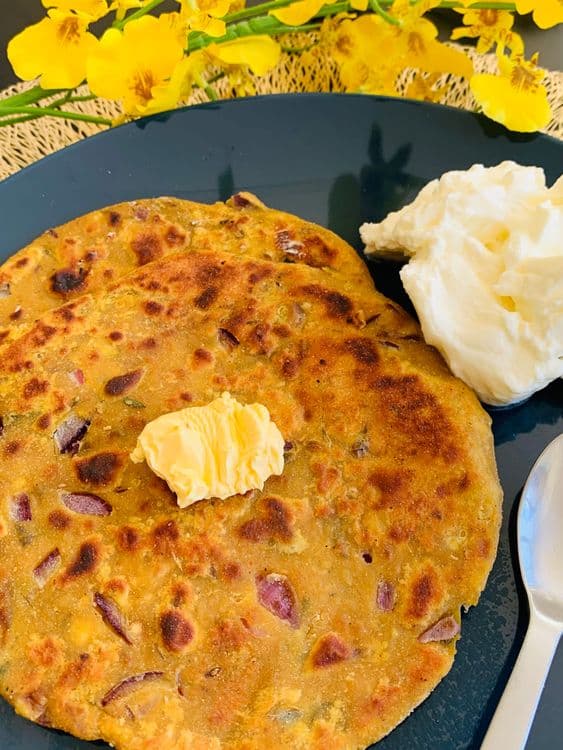
Paratha recipes are the unleavened heart of North Indian breakfasts and comfort meals: whole-wheat dough rolled and griddled with ghee until golden, often wrapped around a spiced filling. From a hearty aloo paratha that fuels a whole morning to flaky lachha and even sweet, festive versions, the paratha is endlessly adaptable — and far more forgiving than it looks once you understand the dough.
Every paratha rests on two skills: a soft, well-rested dough, and the rolling and cooking that turn it golden and either flaky or stuffed-and-sealed. Get the dough right — soft, smooth and rested — and everything downstream is easier. Rush it, and the parathas tear, turn stiff, or refuse to puff. The guides below put most of the attention there, because that is where success is decided.
You will find three clusters: stuffed parathas (aloo, paneer, gobi and more), plain and layered ones (lachha, Malabar, tawa), and a sweet corner for festive cravings. The base dough and the griddle technique are shared, so once you can cook a plain paratha well, stuffing and layering are just the next step.
Use this as a working reference. Each recipe links to full ingredients and steps on Chefadora, and the guides below cover the make-or-break moves: mixing and resting the dough, stuffing and sealing without tearing, laminating for flaky layers, and cooking on the tawa so they turn out soft, not leathery.
Stuffed Parathas
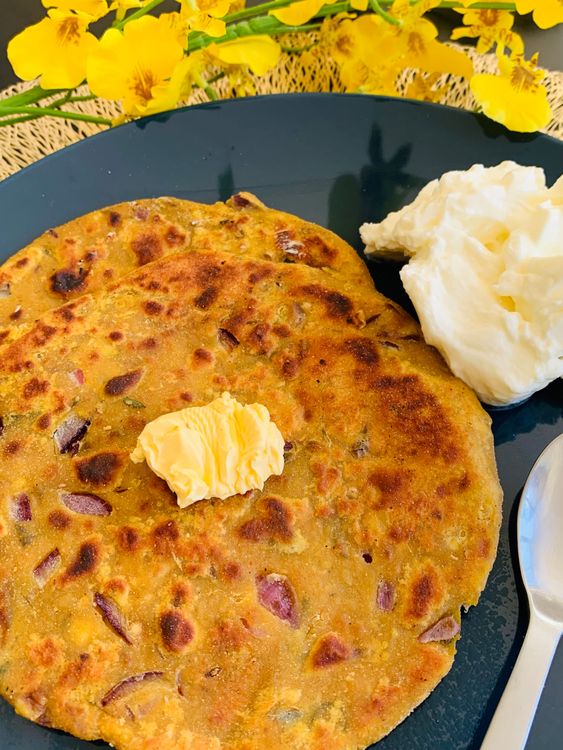
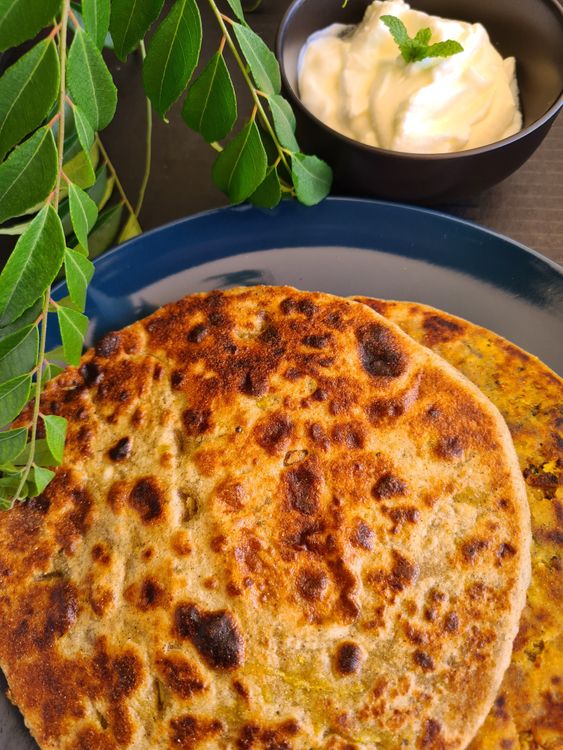
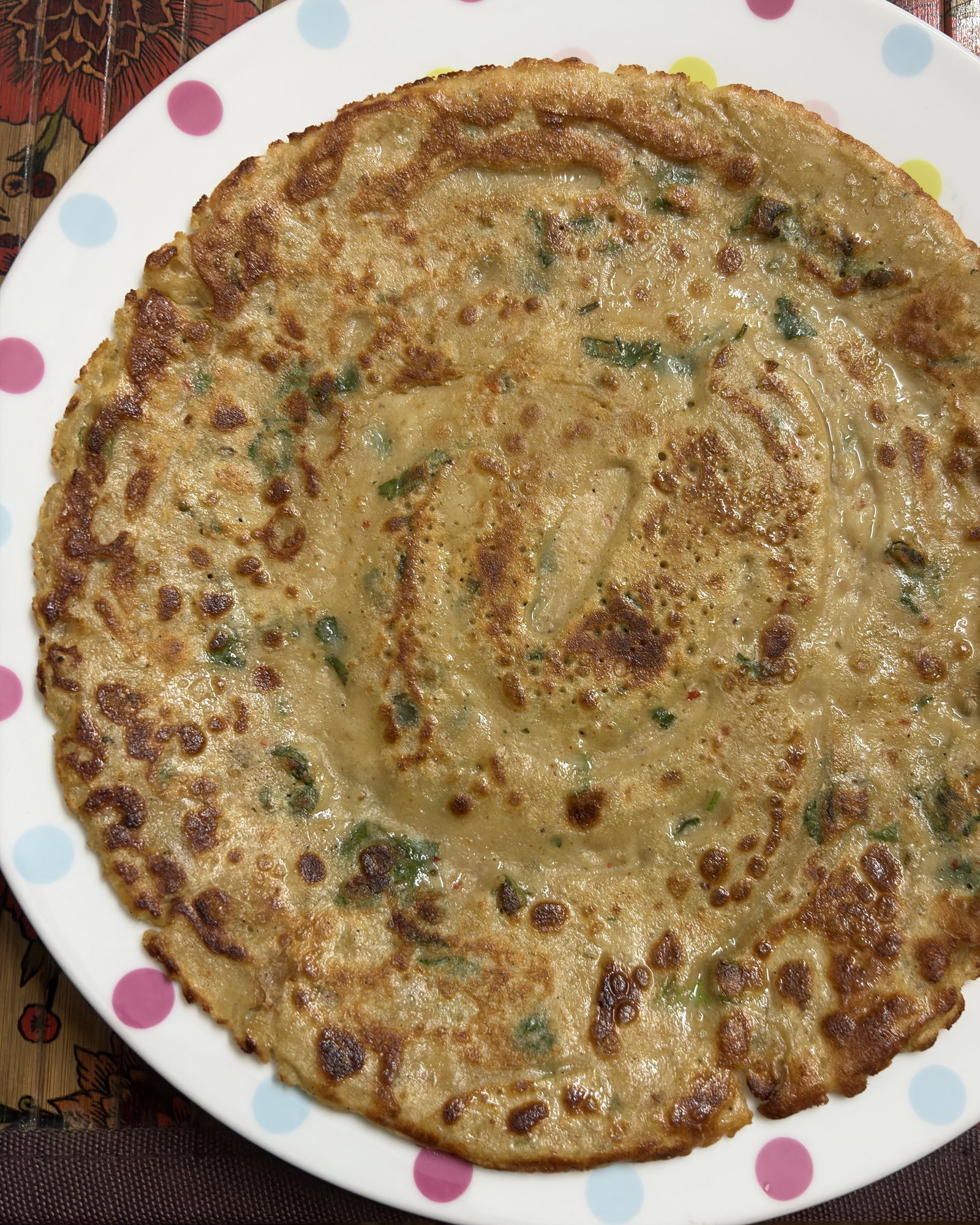
A good stuffed paratha lives or dies at the sealing stage. The dough has to wrap a spiced filling and stretch around it evenly, so when you roll, the stuffing spreads to the edges instead of bursting through a thin spot in the middle. Start with a soft, well-rested dough, around 30 minutes under a damp cloth, and keep your filling dry; a wet potato or paneer mix is the single most common reason these tear. The fix is simple: drain or dry-cook the filling, mash out lumps, and salt it just before stuffing so it does not weep. Pleat the dough up and over the ball, pinch the seam shut, then flatten gently before rolling with light, even pressure from the centre out. Cook on a medium-hot tawa, smearing ghee once each side blisters, until both faces are golden and freckled. Done right, you get a tender shell with filling in every bite. Standouts here include Lentil (Dal) Paratha and Stuffed Mooli (Radish) Paratha, plus Bacon & Egg Paratha .

- Indian
- Vegan
- Breakfast
- Indian
- Vegan
- Breakfast

- Indian
- Non-Vegetarian
- Breakfast
- Indian
- Eggetarian
- Breakfast


- Indian
- Eggetarian
- Breakfast
Plain & Layered Parathas
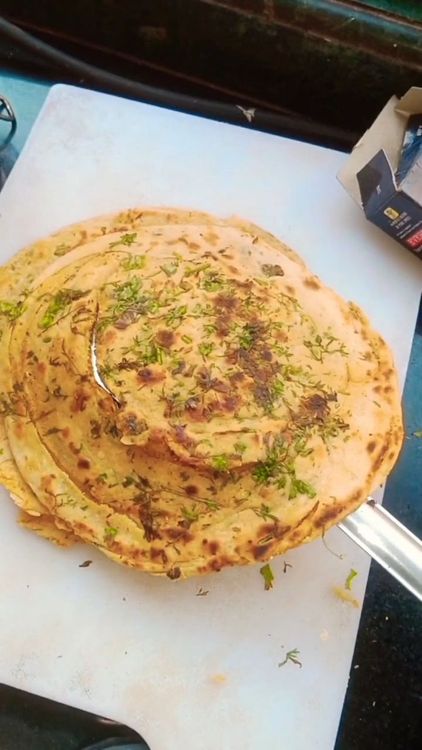
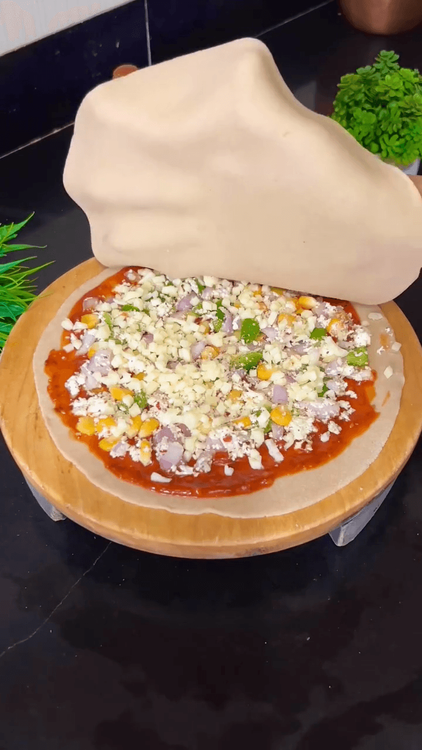
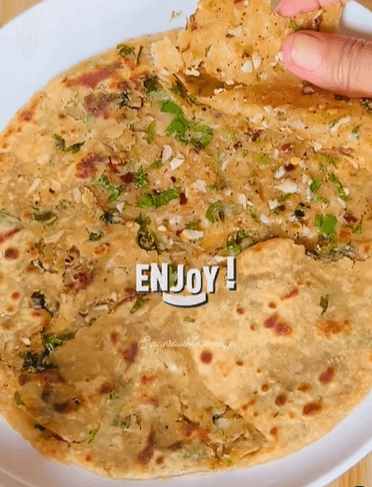
With no filling to hide behind, these are pure technique, and the reward is that flaky, pull-apart texture you can shred with your fingers. The trick across lachha, Malabar and plain tawa styles is lamination: you smear the rolled dough with ghee or oil, dust it with a little flour, then fold, pleat or coil it so the fat traps thin sheets that puff and separate on the griddle. Roll out gently afterwards so you do not crush those layers back together, which is the usual reason a paratha comes out dense and bready. The fix is a softer dough and a lighter hand, plus a properly hot tawa, roughly medium-high, so the layers set and steam before they toughen. Once cooked, scrunch the edges inward with both hands while it is still hot to open the flakes. Master this and the same dough carries you across half a dozen regional variations. Standouts here include Tandoori Laccha Paratha and 2 Layers Pizza Paratha, plus Garlic Laccha Paratha.
- Indian
- Vegetarian
- Lunch
- Indian
- Vegetarian
- Lunch
- Indian
- Vegetarian
- Side Dish
Sweet Parathas
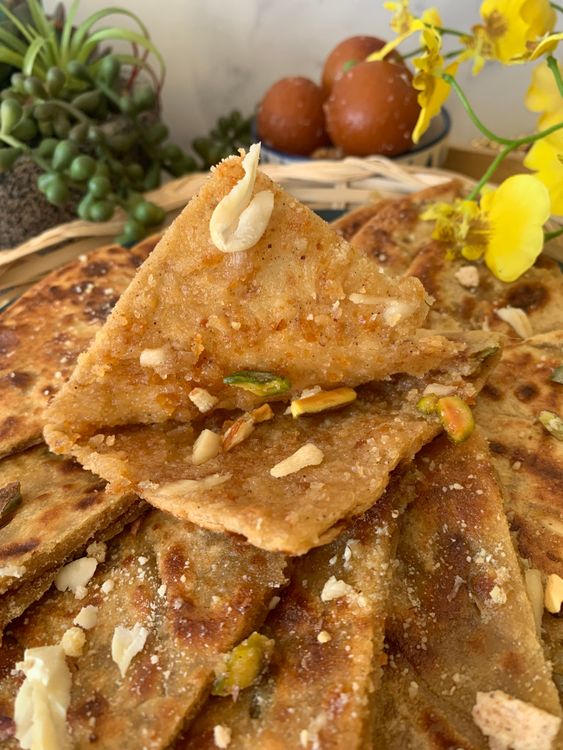
Sweet versions turn the everyday griddle into something festive, the kind of treat made for cold mornings, holidays and after-school cravings. Here the same soft dough wraps indulgent fillings instead of spice: jaggery melted with grated coconut, dried fruit and cardamom, or a modern slick of chocolate that goes gloriously molten under heat. The challenge is that sugar liquefies fast, so a filling packed too loosely leaks and scorches the moment it hits the pan. Keep the dough seam well pinched, roll slowly with even pressure, and cook on slightly lower heat than you would a savoury one, medium rather than high, so the inside warms through before the outside burns. Grated jaggery behaves better than chunks, which puncture the dough as they soften. Finish with a brush of ghee and, if you like, a drizzle of honey or a dusting of sugar. Serve warm, when the centre is still soft and oozing. Standouts here include Gulab Jamun Paratha and Poha Paratha with Sweet Corn Raita, plus Shahi Meetha Dry Fruits Paratha.
- Indian
- Vegetarian
- Breakfast
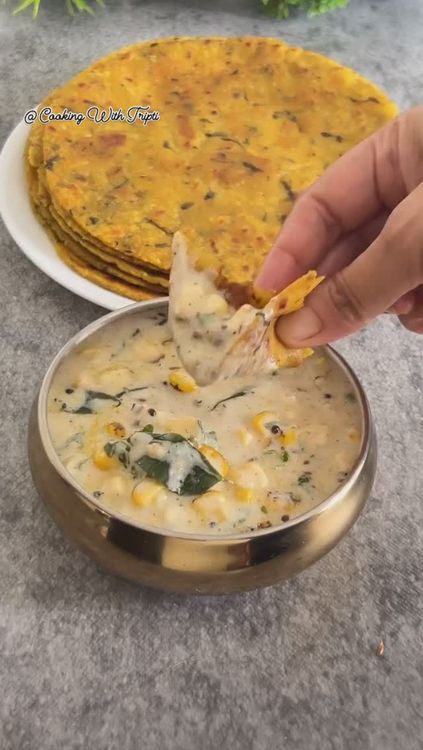

- Indian
- Vegetarian
- Breakfast
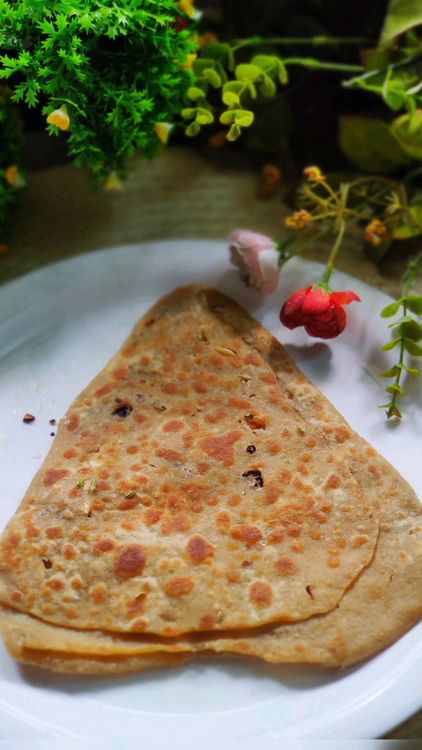

- Punjabi
- Vegetarian
- Snack
More Paratha Favourites
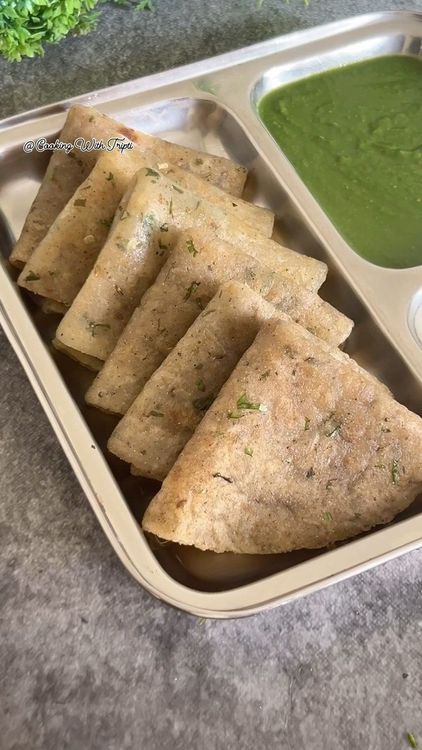
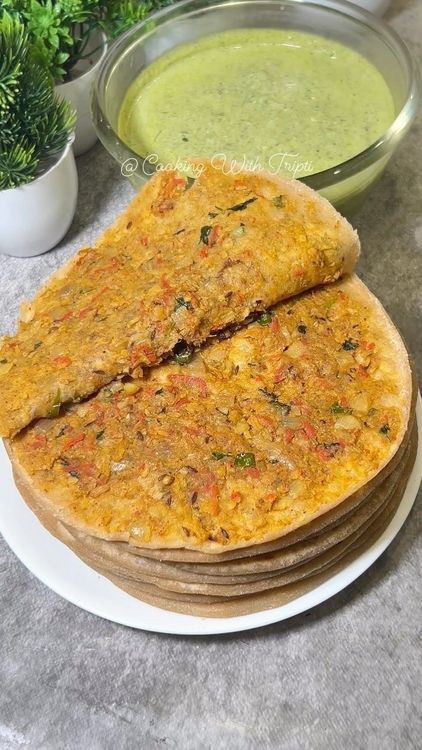
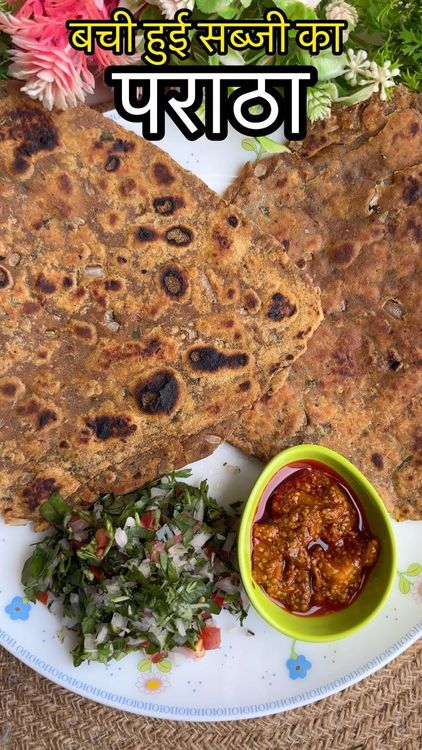
Beyond the headline categories sit a handful of variations worth a turn on the tawa, each built on the same trustworthy foundation: a soft, rested dough and a properly heated griddle. Think of these as your next experiments once the basics feel automatic, the ones that introduce a new flour, a regional fold, or a vegetable grated straight into the dough. Choosing what to try next is mostly about ambition. If you want an easy win, reach for a mixed-into-the-dough style, which skips the fussy sealing step entirely. Craving more of a challenge? Go for one that asks for careful rolling or a particular crisp finish. The common stumble at this stage is rushing the pan; give the tawa a couple of minutes to reach a steady medium-high before the first paratha goes down, and every one after cooks more evenly. Pick by mood and time, and let the soft-dough, hot-griddle rhythm carry you through. Standouts here include Capsicum (Bell Pepper) Paratha and Paratha Pizza, plus Sabudana Paratha.
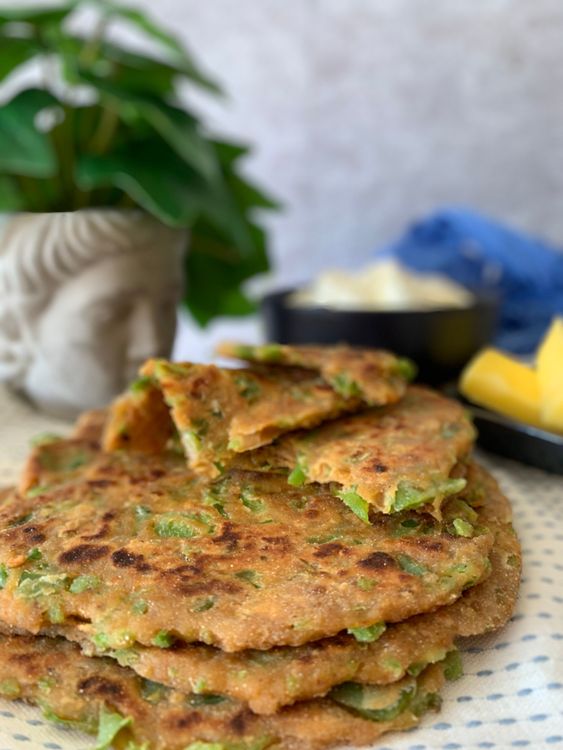
- Indian
- Vegan
- Breakfast
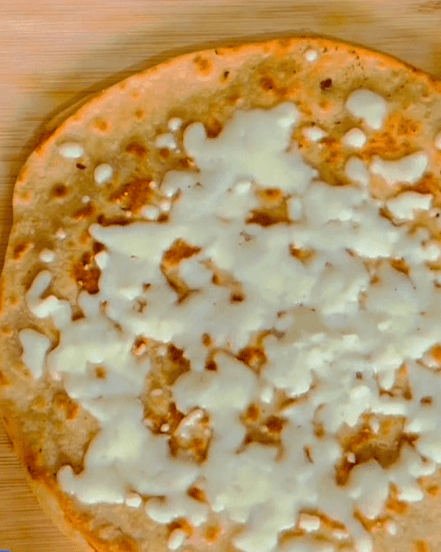
- Indian
- Vegetarian
- Snack
- Indian
- Vegan
- Breakfast
- Indian
- Vegetarian
- Breakfast

- Indian
- Vegetarian
- Breakfast
The Dough: Soft, Smooth, Rested
Start with whole-wheat atta and add water gradually, mixing to a dough that is soft and slightly sticky rather than firm — a stiff dough makes hard parathas. Knead for a few minutes until smooth and pliable, then rub the surface with a little oil. The hydration is the secret: a wetter, softer dough cooks up tender, while a dry one fights you at every step.
Rest the dough, covered, for at least 20 to 30 minutes. Resting relaxes the gluten so the dough rolls out easily without springing back and tearing, and it hydrates the flour evenly for a softer result. Skipping the rest is the most common reason parathas come out tough and hard to roll. If you have time, an hour is even better.
Divide into even balls and keep them covered while you work so they do not dry out and crack at the edges. Dust with dry flour only as needed when rolling — too much dry flour on the surface burns on the tawa and makes the paratha dry. A smooth, well-rested ball is the foundation of every good paratha, stuffed or plain.
Stuffing and Sealing Without Tearing
The filling must be dry and well-mashed. Wet stuffing — under-drained potato, watery paneer — is the number one cause of tearing and leaking. Mash potatoes smooth with no lumps to poke through, squeeze moisture from grated vegetables, and cool the filling before using it so it does not steam the dough. Season the stuffing assertively; it is the flavor of the whole paratha.
To stuff, roll the dough into a small disc, place a generous ball of filling in the centre, and gather the edges up over it like a pouch, pinching firmly to seal and removing any trapped air. Flatten gently. The seal and an even distribution of filling are what let you roll it out without the stuffing bursting through.
Roll out slowly and evenly with light, even pressure, turning the paratha as you go and re-dusting sparingly, so the filling spreads to the edges without tearing the dough. If a small tear appears, patch it with a pinch of dough and carry on. Roll to a medium thickness — too thin and it leaks, too thick and the centre stays doughy.
Layering for Flaky Parathas
Flaky lachha and Malabar parathas come from laminating the dough — building thin layers separated by fat, which puff apart in the heat. The classic method: roll the dough thin, brush generously with ghee or oil, dust lightly with dry flour, then pleat it like a fan, coil the pleated strip into a spiral, and roll that spiral out again. Each fold becomes a flaky layer.
Be generous with the fat between layers and gentle with the final roll — pressing too hard fuses the layers back together and you lose the flakiness. A short rest after coiling, before the final roll, helps. The goal is many thin, distinct sheets, which is what gives lachha paratha its signature pull-apart, shattering texture.
Cook laminated parathas on a medium-hot tawa with ghee, pressing very lightly with a spatula so the layers crisp without being crushed. The moment they come off the heat, many cooks scrunch them between their palms to separate and reveal the layers. Serve straight away while they are at their flakiest.
Cooking on the Tawa and Serving
Heat a heavy tawa or griddle to medium-hot before the paratha goes on — too cool and it dries out and turns leathery while it waits to brown; too hot and it scorches outside while the inside stays raw. Cook one side until pale brown spots appear, flip, then apply ghee or oil to each side and press lightly so it cooks evenly and turns golden.
A well-cooked paratha has even golden-brown blistering, a soft interior and a faint crispness at the edges. Cook to color, not strictly to time, since tawas and flames vary. Keep finished parathas wrapped in a clean cloth or in a covered container so the steam keeps them soft rather than letting them stiffen in the open air.
Parathas are best hot off the tawa, served with yogurt, pickle, white butter or a simple raita; stuffed ones often need nothing more. They make excellent make-ahead too: cook them, cool, stack with parchment between, and refrigerate or freeze, then reheat on a hot tawa. Dough can also be made a day ahead and kept covered in the fridge.
Pro Tips from the Test Kitchen
- Make the dough soft and slightly sticky, not firm — a stiff dough gives hard parathas.
- Rest the dough at least 20–30 minutes so the gluten relaxes and it rolls without tearing.
- Keep dough balls covered while you work so the edges do not dry and crack.
- Stuffing must be dry and well-mashed; wet filling is the main cause of tearing and leaking.
- Cool the filling before stuffing so it does not steam and soften the dough.
- Seal the stuffed pouch firmly and press out trapped air before rolling.
- Dust with dry flour sparingly — excess flour burns on the tawa and dries the paratha.
- For flaky lachha, brush ghee between layers, pleat and coil, and roll gently so the layers survive.
- Preheat the tawa to medium-hot; a cool griddle makes leathery parathas.
- Wrap cooked parathas in a cloth or covered box so trapped steam keeps them soft.
Frequently Asked Questions
How do you make parathas soft?
It starts with the dough: keep it soft and slightly sticky, not firm, and rest it for at least 20–30 minutes so the gluten relaxes. Cook on a properly preheated medium-hot tawa with ghee, and the moment they come off, wrap the parathas in a clean cloth or covered container so the trapped steam keeps them soft. A dry dough or an open, cooling stack is what makes them hard.
Why do my stuffed parathas tear?
Almost always wet or lumpy filling, or rolling too hard. The stuffing must be dry and well-mashed — drain watery vegetables, mash potatoes smooth, and cool the filling first. Seal the dough pouch firmly with no trapped air, then roll slowly with light, even pressure, turning as you go. Small tears can be patched with a pinch of dough.
How long should paratha dough rest?
At least 20 to 30 minutes, covered, and up to an hour if you have time. Resting lets the gluten relax so the dough rolls out smoothly without springing back or tearing, and it hydrates the flour for a softer result. Skipping the rest is the most common reason parathas come out tough and difficult to roll.
How do you make lachha (layered) paratha flaky?
Laminate the dough: roll it thin, brush generously with ghee, dust lightly with flour, pleat it like a fan, coil the strip into a spiral, and roll that out again. Each fold becomes a flaky layer. Be generous with fat between layers, roll the final disc gently so you do not fuse them, and scrunch the cooked paratha between your palms to reveal the layers.
What is the best flour for parathas?
Whole-wheat atta is the traditional and best choice — it gives the characteristic flavor, softness and pliability. Some recipes blend in a little all-purpose flour (maida) for extra softness or for specific layered styles, but a good atta dough, well-hydrated and rested, is all most parathas need. Freshly milled atta tends to absorb a touch more water.
Can you make parathas ahead of time?
Yes, easily. Cook them, cool, stack with parchment between each, and refrigerate for a couple of days or freeze for up to a month, then reheat on a hot tawa straight from the fridge or freezer. You can also make the dough a day ahead and keep it covered in the fridge, or prep stuffed parathas uncooked and freeze them between sheets of parchment.
What do you serve with paratha?
Plain yogurt or a raita, pickle (achaar) and white butter are the classic partners, and a cup of chai alongside for breakfast. Stuffed parathas like aloo or paneer are substantial enough to need little more, while plain and layered ones pair well with any dal or curry as a bread. Sweet parathas are served on their own or with extra ghee.
Why are my parathas hard and dry?
Usually a too-firm dough, no rest, too much dry dusting flour, or a tawa that was not hot enough so they dried out before browning. Soften the dough, rest it, dust sparingly, preheat the griddle, and cook with enough ghee. Crucially, wrap them after cooking — leaving parathas open to the air is what stiffens them as they cool.
How thick should you roll a paratha?
Medium — thicker than a chapati but not heavy. For stuffed parathas, too thin and the filling bursts through; too thick and the centre stays doughy. For plain and layered ones, you want enough thickness to hold the laminated layers. Aim for an even thickness across the disc so it cooks uniformly rather than scorching at thin spots.
Can parathas be healthy?
Yes — made with whole-wheat atta and cooked with a modest amount of ghee or oil, parathas are a wholesome source of complex carbs and fibre, and stuffed with vegetables, paneer or dal they carry real nutrition. The calories come mainly from how much fat you cook them in, so go lighter on the ghee and lean on vegetable fillings for an everyday version.
Every paratha here comes back to the same foundation: a soft, rested dough and a hot tawa. Master those, and stuffing, sealing and laminating are just variations — the difference between an aloo paratha, a flaky lachha and a sweet festive one is technique layered on the same base.
Cook a stuffed aloo or paneer paratha this week, then try your hand at a flaky lachha, and save your favorites to a Chefadora cookbook. Come back for the sweet versions when you want a treat; this page is built to be the paratha reference you keep on hand.
Related
- Paratha
- Indian bread
- Breakfast
- Vegetarian
- Flatbread
- North Indian
- Comfort food
Popular Searches
- Best paratha recipes
- Easy paratha recipes
- Quick paratha recipes
- Healthy paratha recipes
- Simple paratha recipes
- Homemade paratha recipes
- Delicious paratha recipes
- Popular paratha recipes
- aloo paratha
- paneer paratha
- lachha paratha
Marnirni-apinthi Building, Lot Fourteen,
North Terrace, Adelaide, South Australia, 5000
Australia
