
21 Lady Finger Recipes: Okra & Bhindi Made Easy
Updated July 7, 2026 · Curated by Chefadora
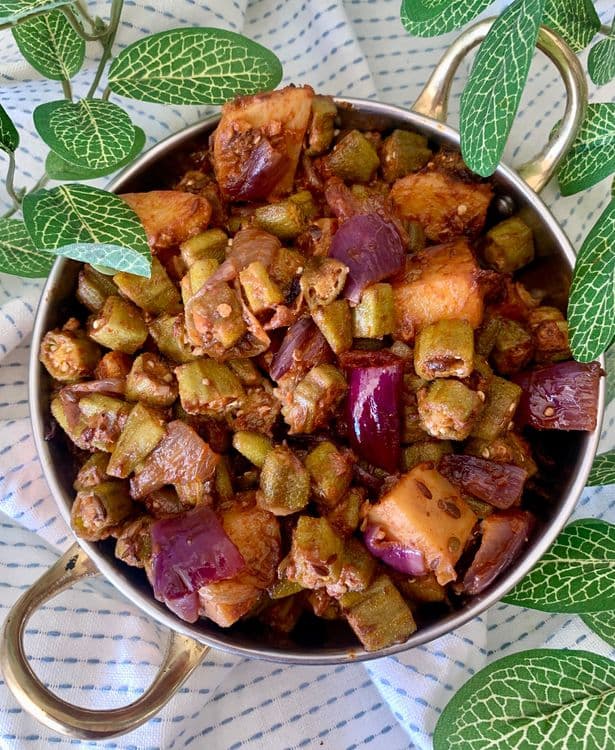
These 21 lady finger recipes turn one humble green pod into a whole week of dinners worth looking forward to. If the phrase throws you, let me clear it up right away: lady finger here means the vegetable, the ridged green okra known across India as bhindi and in West Africa simply as okra, not the sponge biscuit that happens to share the name. I have cooked this vegetable more ways than I can count, and it rewards a little know-how more than almost anything else in the crisper drawer.
Get the moisture and the heat right and okra turns silky, shatteringly crisp, or gently thickening, depending on exactly what you are after. This collection spans quick weeknight bhindi masala, gram-flour kurkuri, spice-stuffed bharwa, cooling yogurt curries, tangy South Indian sambar and rich West African okra soups. Every recipe here is a real dish from the Chefadora community, grouped by texture and technique so you can find the flavor you want in seconds. Whether you crave a fifteen-minute stir-fry, a make-ahead curry for the week, or a big weekend pot to share, there is a pod-based answer below. Grab a kilo of firm, bright pods and let us get cooking.
Bhindi Masala & Everyday Lady Finger Recipes
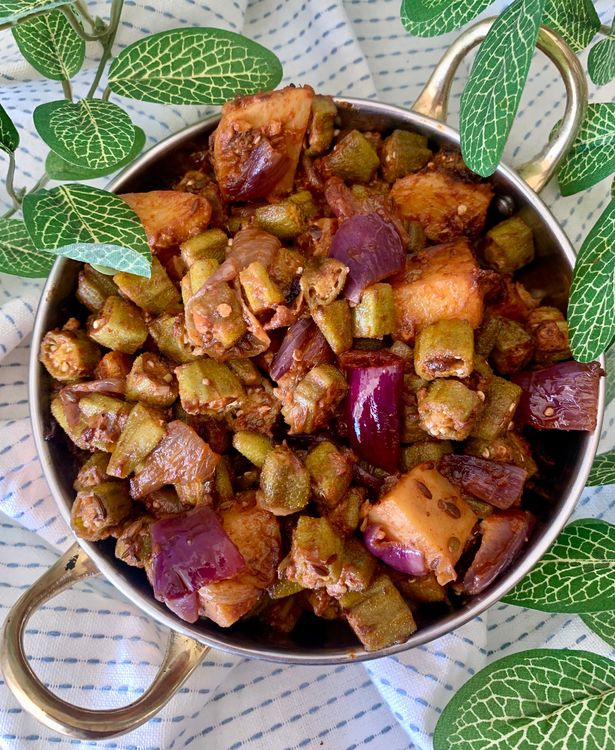
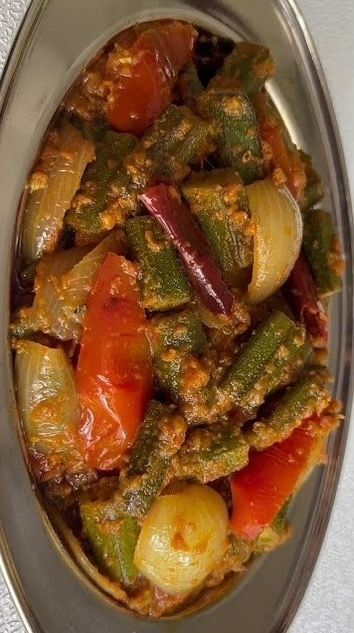
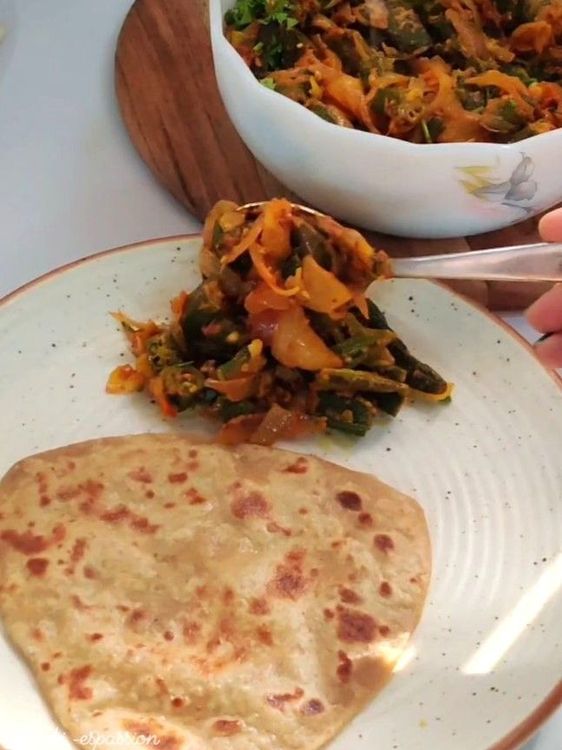
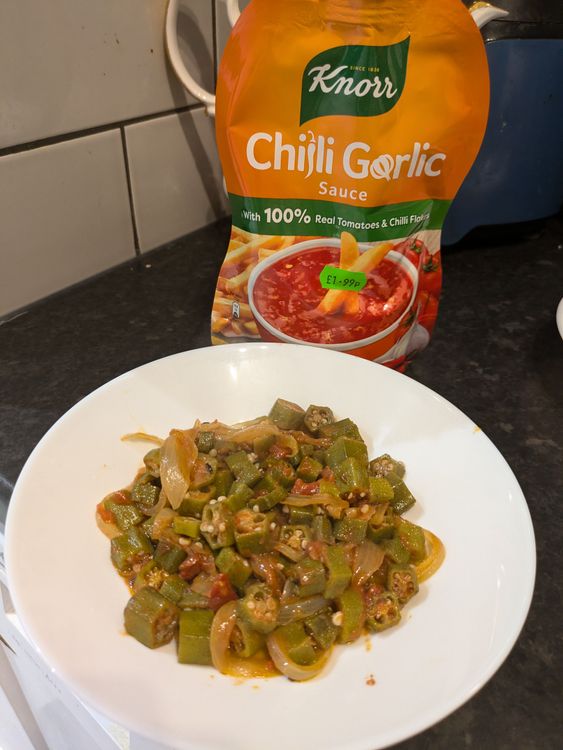
Bhindi masala is where most cooks begin, and for good reason: sliced okra sauteed with onion, tomato and warm ground spice is fast, forgiving and endlessly adaptable. The trick is patience over medium-high heat, so the pods brown at the edges and shed their raw stickiness before the masala goes in. These five dishes range from a twenty-minute Punjabi stir-fry to a dhaba-style do pyaaza loaded with double onions and a fiery Indo-Chinese chilli-garlic bhaji. Serve any of them with hot rotis, a spoon of dal and thinly sliced raw onion for a complete, comforting and genuinely budget-friendly plate.

- Indian
- Vegetarian
- Lunch

- Indian
- Vegan
- Lunch

- Indian
- Vegan
- Lunch

- North Indian
- Vegetarian
- Lunch
- Indian
- Vegan
- Lunch
Crispy Fried Bhindi & Kurkuri Okra
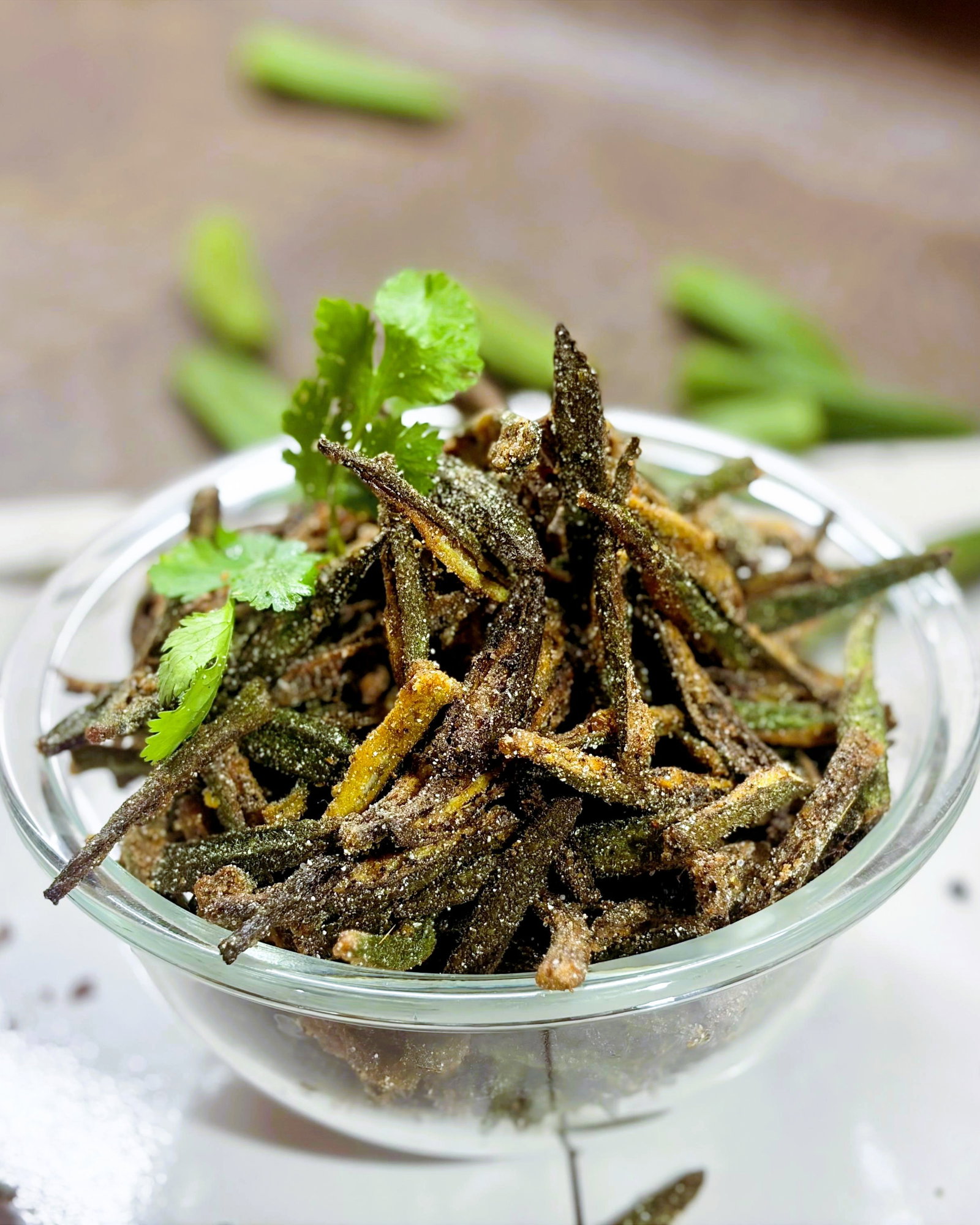
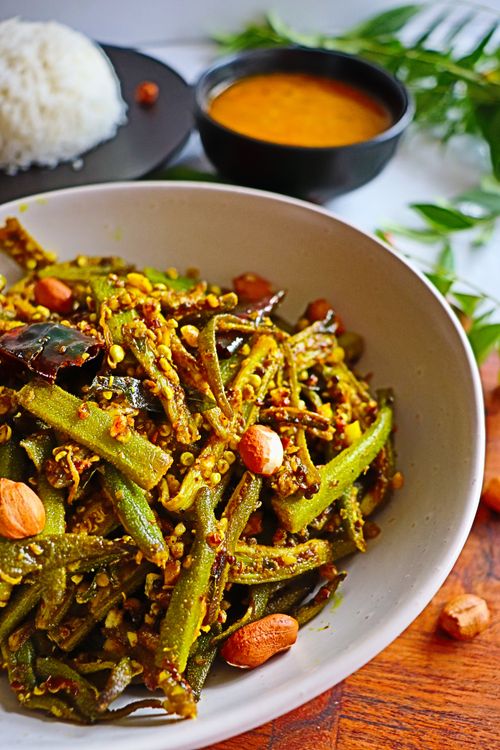
If you have only ever met okra as a soft curry, crispy bhindi will change your mind entirely. Thinly sliced pods tossed in seasoned gram flour and fried until shattering-crisp taste like the best masala fries, faintly nutty with a deeply savory crunch. Kurkuri bhindi is the undisputed star here, but a peanut-studded Rajasthani sabzi and a cumin-forward jeera bhindi give you lighter, pan-fried options for a weeknight. The golden rules are simple: dry the okra completely, slice it into thin batons, and never crowd the pan. Do that and you sidestep sogginess and get restaurant-worthy crunch every single time.
- Indian
- Vegetarian
- Snack


- Main Course
- Indian
- Vegan
- Lunch

- Indian
- Vegetarian
- Snack
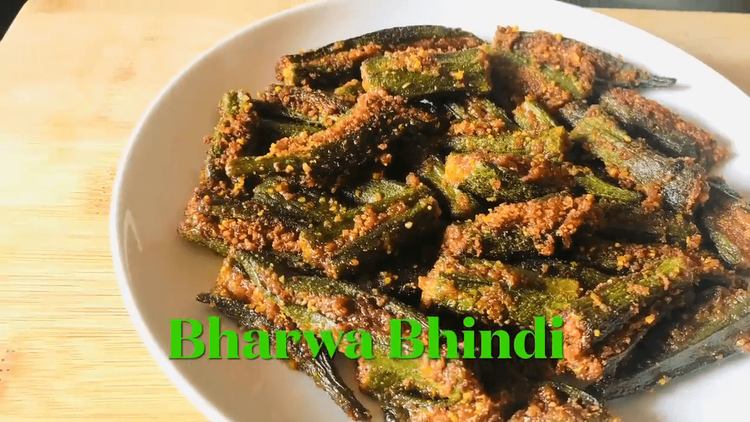
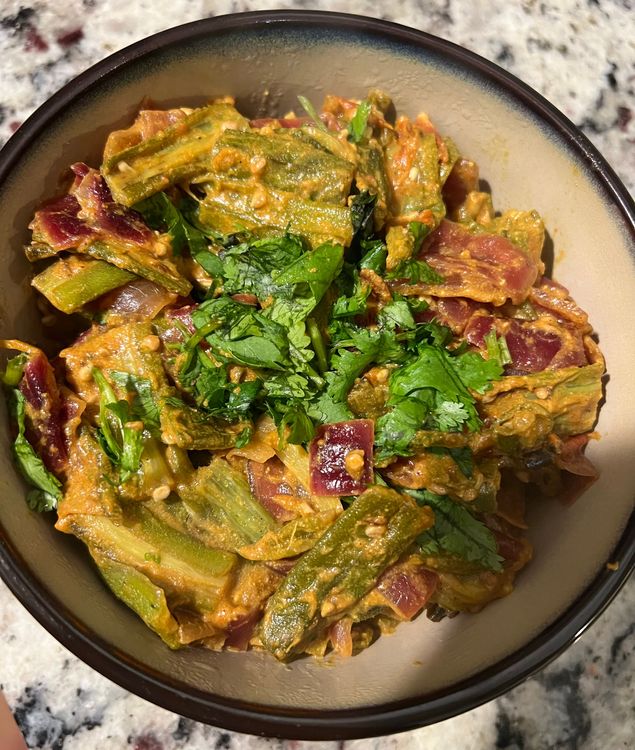
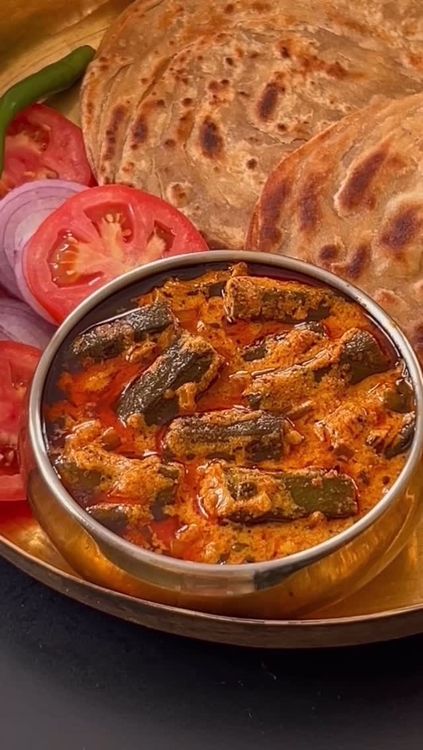
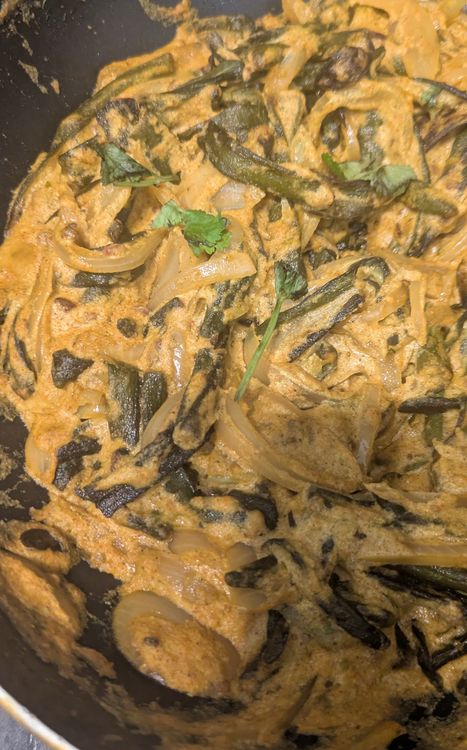
Stuffed Bharwa & Creamy Dahi Bhindi
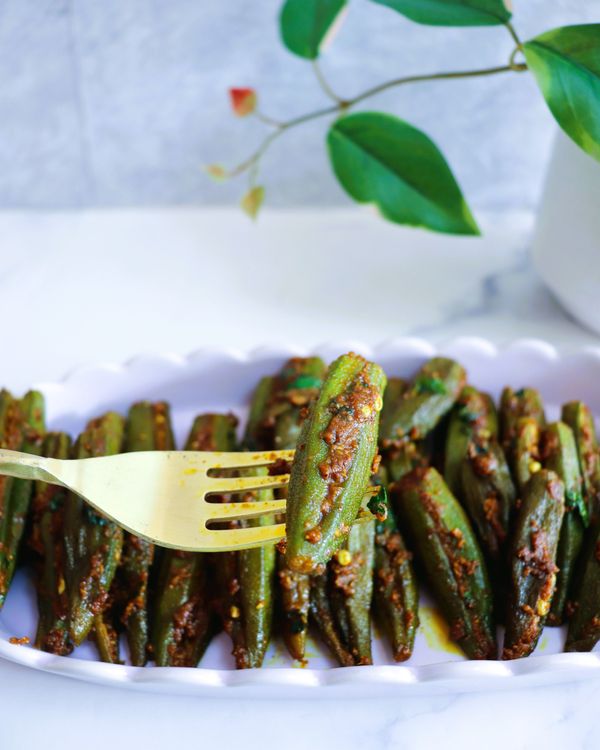
This is the special-occasion end of the okra spectrum. Bharwa bhindi means whole pods slit and packed with a toasted spice filling, then cooked slowly so they stay intact and turn meltingly tender. Dahi bhindi swings the other way, folding fried okra into a soothing spiced yogurt gravy that tames the chilli heat and adds a gentle tang. Between a no-onion-no-garlic Punjabi bharwa, a Maharashtrian version, and three regional yogurt curries stretching from Rajasthan to Kerala, you get a real masterclass in how one vegetable bends to wildly different techniques. Keep the flame low once the dairy goes in.
- Indian
- Vegan
- Lunch
- Indian
- Vegan
- Lunch

- Indian
- Vegetarian
- Lunch
- Indian
- Vegetarian
- Side Dish
- Indian
- Vegetarian
- Lunch
Okra Soups & Global Okra Dishes
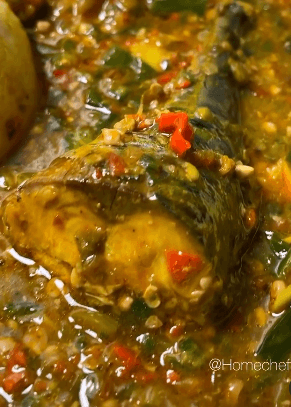
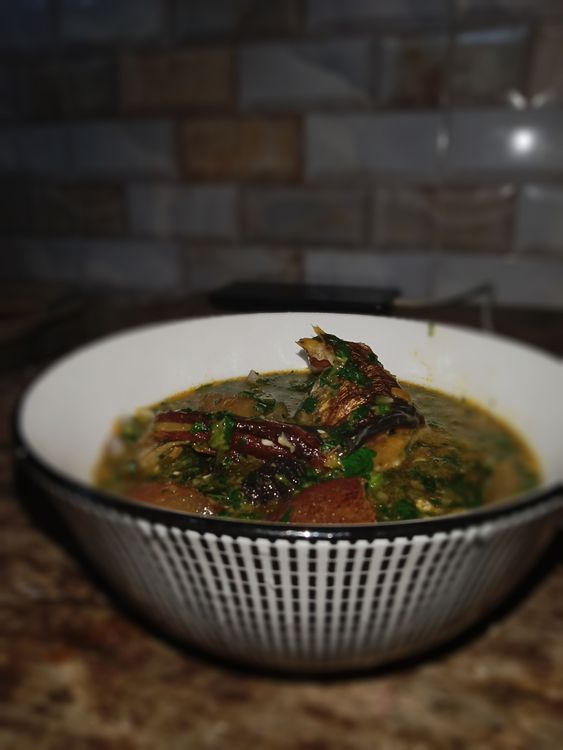
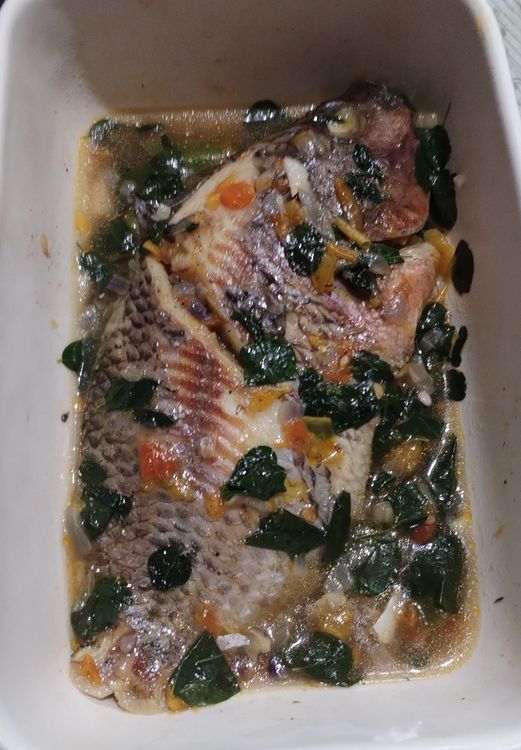
Beyond India, okra is prized for precisely the quality Indian cooks work to reduce: its natural thickening power. In West African kitchens that silkiness is the whole point, giving okra soup its signature draw and comforting body. Here you will find Nigerian and Ghanaian pots built on palm oil, stockfish and leafy greens, a faster frying-method version, and a light tilapia dish with okra and nutrient-dense moringa leaves. These are hearty, protein-rich mains meant to be scooped up with fufu, eba or rice. Expect deep, umami savoriness and a soft, satisfying texture unlike anything in the drier stir-fries above.

- Ghanaian
- Pescatarian
- Main Course

- Nigerian
- Non-Vegetarian
- Lunch

- Nigerian
- Non-Vegetarian
- Lunch
- Nigerian
- Non-Vegetarian
- Lunch
- Filipino
- Pescatarian
- Main Course
South Indian & Coastal Okra
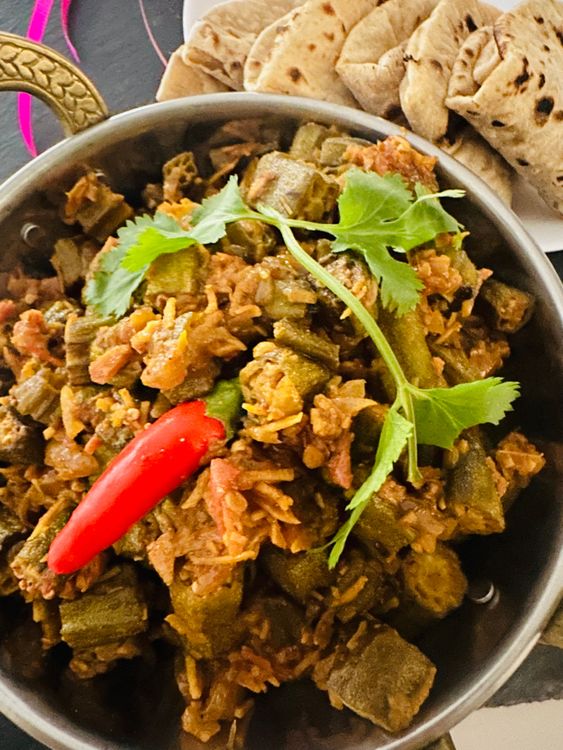
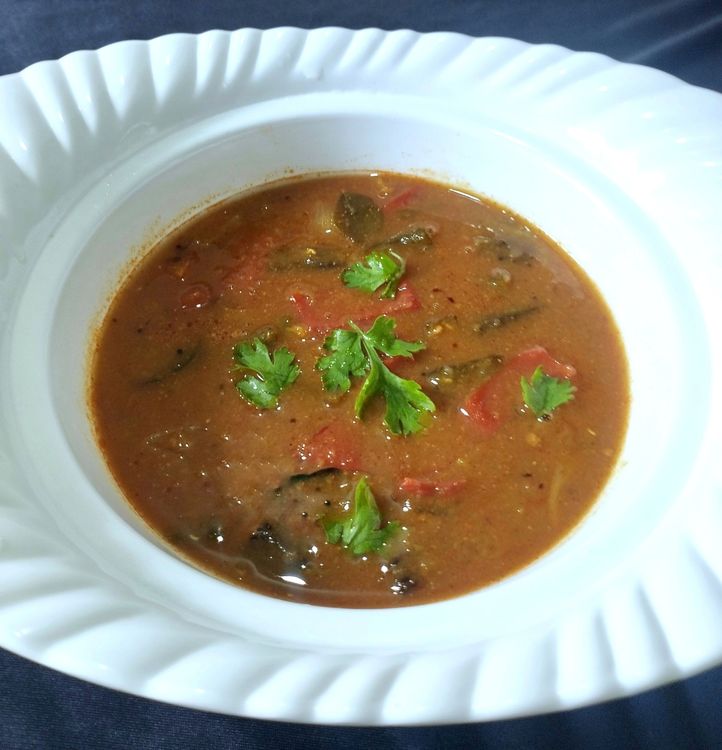
The peninsula treats okra with tamarind, coconut and curry leaves, and the results are bright and soul-warming. Vendakkai sambar simmers ladies finger in a tangy toor-dal and tamarind broth spiked with sambar powder, the okra holding its shape while thickening the pot just slightly. Coconut okra from the Konkan coast leans creamy and mild, the pods tossed with fresh grated coconut and a crackling tempering of mustard seeds. Both prove this vegetable is as at home beside steamed rice and rasam as it is with north Indian rotis. Keep the tempering generous and the tamarind lively for the best results.
- Indian
- Vegan
- Lunch
- Indian
- Vegan
- Breakfast
How to Cook Bhindi Without Sliminess
The single most common complaint about okra is the slippery, ropey texture cooks call sliminess. That mucilage is completely natural and, in West African soups, entirely welcome; in a dry Indian sabzi, though, it is the enemy. The good news is that it is genuinely easy to control once you understand it. Start with the pods bone dry. Wash them a day ahead if you can, or at least an hour before cooking, then spread them on a clean towel until every trace of surface water has gone. Water is what activates the goo, so a wet knife or a wet pan will quietly undo all of your careful effort.
When you slice, keep the pieces on the larger side and work with a dry knife, wiping the blade whenever it gets sticky. Then give the okra dry heat and plenty of space. Saute over medium-high in a wide pan without a lid, and resist the urge to stir for the first few minutes so the cut faces sear rather than steam. Crowding traps moisture and steams the pods into slime, so cook in two batches if your pan is on the small side rather than piling everything in at once.
Acid is your other great ally. A squeeze of lemon, a spoon of yogurt, tomato, tamarind or amchur added toward the end cuts any remaining slipperiness and brightens the whole dish. Salt late, since salt draws moisture straight out of the pods; add it only once the okra is already tender and well seared. Follow those four habits, dry pods, hot uncrowded pan, late acid and late salt, and even a nervous first-timer gets clean, non-slimy results. Once you have made a couple of dry sabzis this way, the whole thing becomes second nature and you stop thinking about slime altogether.
Buying & Storing Fresh Okra
Great okra dishes really do start at the market. Look for small-to-medium pods, roughly the length of your finger; oversized ones turn woody and fibrous no matter how patiently you cook them. The color should be a vivid, even green with no black spots, bruising or soft, slimy patches. The classic freshness test is the tip: bend the pointed end and it should snap off cleanly. If it bends without breaking, the pod is old and will cook up stringy and tough however long it simmers on the stove.
At home, do not wash okra until you are ready to cook, because trapped moisture speeds spoilage and encourages exactly the slippery texture you are trying to avoid. Store the dry pods in a paper bag, or wrapped in a paper towel inside a loosely closed container, in the warmer part of your fridge. Kept this way they hold nicely for three to four days. Avoid the coldest corner of the crisper, since okra suffers chill damage and develops dark, pitted spots below about seven degrees Celsius.
To freeze, wash and dry the pods thoroughly, trim the caps, then blanch them whole for two to three minutes, cool in ice water, dry again and bag them flat. Frozen okra keeps for months and is ideal for soups and stews, where a little extra softness genuinely does not matter. For crisp frying, though, always reach for fresh pods, since thawed okra carries too much water to ever crisp up properly in the pan. A quick tip at the checkout: give the bag a gentle squeeze, and if you feel any mushy or hollow pods, leave them behind.
Regional Okra Dishes Across India
Few vegetables show off India's regional range quite like bhindi. In Punjab and the wider north, okra leans dry and robust: think masala bhindi crisped hard with onion and tomato, dhaba-style bhindi do pyaaza heavy with browned onions, and kurkuri bhindi shattered into gram-flour crisps. These are roti dishes, cooked fast and hot, and big on chilli, amchur and freshly roasted cumin. They are the everyday face of okra for millions of home cooks across the plains.
Move west into Rajasthan and Maharashtra and stuffing takes over. Bharwa bhindi packs whole pods with a dry masala of coriander, fennel, amchur and turmeric, sometimes bound with a little besan, then pan-cooks them until the edges crisp. Rajasthani cooks also love pairing okra with peanuts and yogurt, adding richness in a region where fresh produce was historically precious. Yogurt-based dahi bhindi appears here too, cooling the spice into something almost gravy-like and deeply comforting on a hot afternoon.
Head south and the whole idiom changes again. Tamil Nadu simmers vendakkai in a tamarind-and-dal sambar, brightened with curry leaves and mustard seeds, while the Konkan and Kerala coasts fold okra into coconut and yogurt with a hissing tempering of curry leaves and dried red chilli. From the crisp, dry north to the tangy, coconut-laced south, one modest pod ends up telling the story of an entire subcontinent's pantry and its many regional habits. Cooking your way through even three of these styles is a quick lesson in how much a single vegetable can change with the spices around it.
Pro Tips for Perfect Okra Every Time
- Always dry your okra completely before it ever hits the pan. I wash mine an hour ahead and let it air-dry flat on a kitchen towel; a single stray drop of surface water is enough to turn a beautifully crisp sabzi ropey and slick, so patience here pays off every time.
- Cook uncovered over medium-high heat and give the pods room to breathe. A lid traps steam and a crowded pan steams instead of sears, so reach for a wide skillet and work in two unhurried batches whenever you are cooking okra for a hungry crowd.
- Add your acid near the end. A squeeze of lemon, a spoon of amchur, tamarind, tomato or yogurt cuts any lingering sliminess and wakes up the whole dish; salt late as well, for exactly the same anti-slime reason, once the pods are already tender and seared.
- For the crispest kurkuri, slice the okra into thin matchsticks, toss with a little rice flour alongside the besan, and fry in two batches. Rice flour is the quiet secret to a crunch that actually survives all the way from the pan to the dinner table.
- Buy small, tender pods and trust the snap test at the market. If the pointed tip breaks cleanly the okra is fresh; if it merely bends and folds, the pod is old and will cook up woody and fibrous however long you let it simmer on the stove.
- Leftover dry bhindi loves a second life. Fold cold masala okra into a wrap with a smear of yogurt, tuck it inside a folded paratha, or crisp it up again in a screaming-hot pan and pile it over rice with a runny fried egg on top.
Frequently Asked Questions
Is lady finger the same as okra?
Yes. In these lady finger recipes, lady finger means the green vegetable known as okra in the West and bhindi across South Asia, not the sponge-cake biscuit that shares the name. The pod is ridged, tapering and filled with small edible seeds. You may also see it written as ladies finger, bhendi or ochro, but it is all the same plant, whatever your local market happens to call it.
How do I stop okra from getting slimy?
Keep everything dry and hot. Wash the pods well ahead and dry them completely, slice with a dry knife, and cook uncovered over medium-high heat without ever crowding the pan. Adding an acid such as lemon, yogurt, tomato or amchur toward the end breaks down the remaining mucilage, and salting late keeps extra moisture from being drawn out of the pods too soon. Those few habits solve almost every slime problem.
How do you prepare okra for frying?
Rinse and dry the pods thoroughly, trim the caps, and slice them into thin, even batons so they crisp at the same rate. Toss with salt, spices and a mix of gram flour and a little rice flour until they are lightly and evenly coated. Fry in small batches in hot oil, without overcrowding, until deep golden and crackling, then drain them on paper towels and season again while still hot.
What does fried okra taste like?
Crispy fried okra tastes savory and mildly nutty, a little like a seasoned vegetable fry or a gently earthy green bean crisp. The gram-flour coating turns shatteringly crunchy while the inside stays tender, and the usual masala of chilli, cumin and amchur gives it a spicy, tangy edge. Done properly, there is no sliminess at all, just clean, moreish crunch that keeps you reaching back for one more piece.
How do you make okra water, and is it good for you?
Okra water is made by soaking a few trimmed raw pods in a glass of water overnight, then drinking the slightly viscous liquid in the morning. Fans say it supports blood sugar and digestion thanks to okra's soluble fiber. The evidence for those claims is limited, so treat it as a gentle wellness habit rather than medicine, and keep eating cooked okra as well for reliable, well-documented dietary fiber.
What can I serve with bhindi masala?
Dry bhindi dishes shine alongside soft rotis or parathas, a bowl of dal, and plain rice or jeera rice. Add sliced raw onion, a wedge of lemon and a spoon of yogurt or cooling raita to balance the spice. For a fuller thali, pair it with a lentil curry and a simple cucumber salad; the leftovers also make an excellent paratha wrap or a quick, savory rice bowl the next day.
Can I make these okra dishes ahead or freeze them?
Many can. Dry sabzis like masala bhindi and jeera bhindi keep in the fridge for two to three days and reheat well in a hot pan. West African okra soups actually improve overnight and freeze beautifully for a couple of months, making them ideal for batch cooking. Crispy kurkuri bhindi is the one exception; fry it just before serving, as it quickly loses its signature crunch once it has been stored.
How is okra soup with fufu eaten?
Okra soup is a thick, drawy West African stew served with a soft, dough-like swallow such as fufu, eba or pounded yam. You pinch off a small piece of the swallow, press a dent into it with your thumb, and use it to scoop up the soup, then swallow it without chewing much. It is a communal, filling meal that is traditionally and best enjoyed with your hands.
Okra is one of the most versatile vegetables you can keep in the fridge, and this collection proves it: crisp fried snacks, comforting yogurt curries, stuffed showpieces and rich West African soups all from a single humble pod. Start with whatever texture you are craving, keep your pods dry, and you will soon wonder why you ever walked past the okra bin. Bookmark a couple of favorites, buy your bhindi small and firm, and this once-tricky green vegetable quickly becomes a reliable weeknight friend.
Save this collection of lady finger recipes and come back whenever you need a fresh idea for the week ahead.
Related
- okra
- bhindi
- vegetarian
- indian
- quick dinner
- curry
Popular Searches
- Best lady finger recipes
- Easy lady finger recipes
- Quick lady finger recipes
- Healthy lady finger recipes
- Simple lady finger recipes
- Homemade lady finger recipes
- Delicious lady finger recipes
- Popular lady finger recipes
- okra recipes
- bhindi recipes
- bhindi masala
- crispy fried bhindi
Marnirni-apinthi Building, Lot Fourteen,
North Terrace, Adelaide, South Australia, 5000
Australia
