
18 Healthy Chicken Breast Recipes That Stay Juicy Every Time
Updated July 7, 2026 · Curated by Chefadora
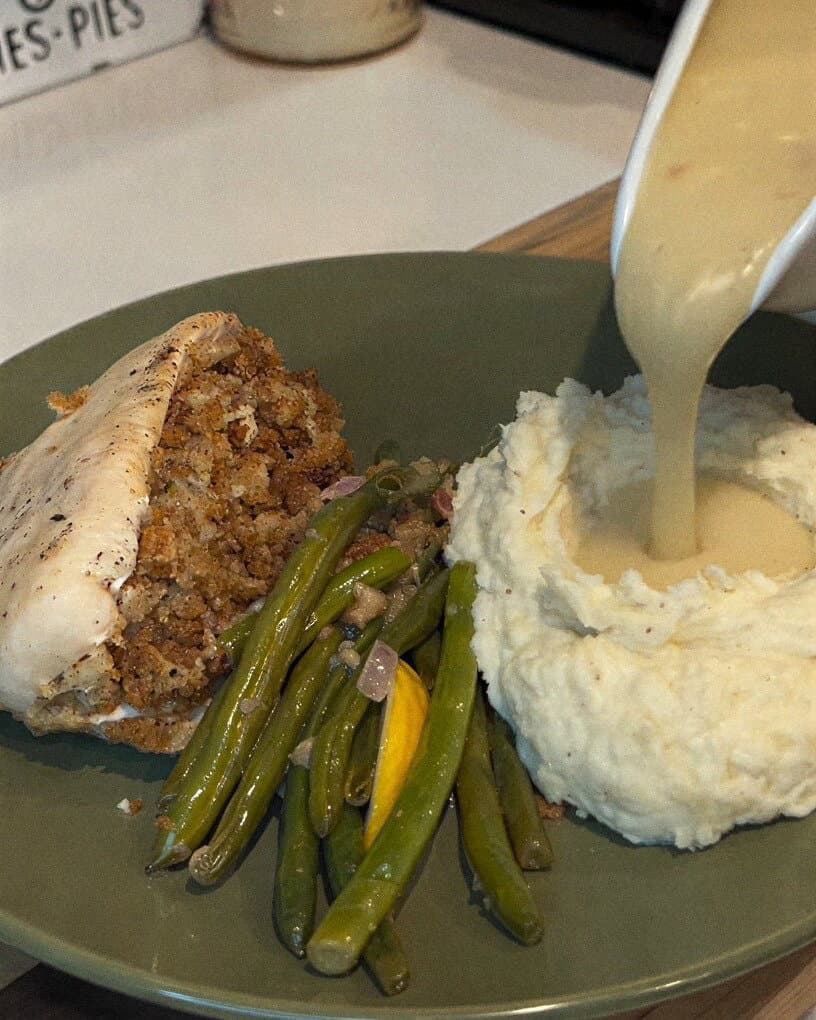
Chicken breast has a reputation problem: cook it a shade too long and it turns to cardboard. Treated right, though, it's the most versatile lean protein in the kitchen, and this collection of healthy chicken breast recipes is built to prove exactly that. I've gathered 18 dishes from our community cooks — stuffed roulades, quick skillet suppers, a smoky grilled makhani, a cozy one-pot soup — that all begin with the same humble fillet and end somewhere genuinely worth eating.
What ties them together is technique as much as flavor. Every dish leans on gentle heat, a smart pan sauce, or a savory stuffing to keep the meat moist, so dinner lands on the table in 25 to 70 minutes without anything drying out. Most are naturally low-carb and high in protein, which makes them simple to fold into a week of meal prep.
Browse by how you like to cook — over the grill, in the oven, in a hot skillet, or in a slow, brothy simmer — then dip into the guides below for the temperatures, storage tricks, and nutrition numbers that actually make the difference between a fillet you endure and one you look forward to.
Stuffed Chicken Breast: Rolls, Roulades & Pockets
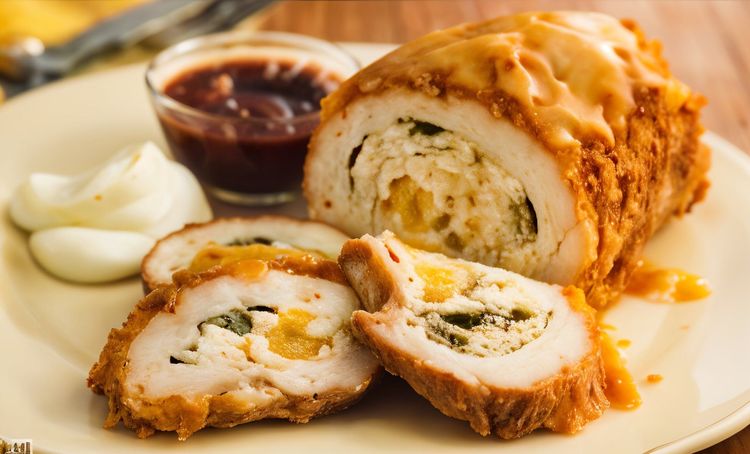
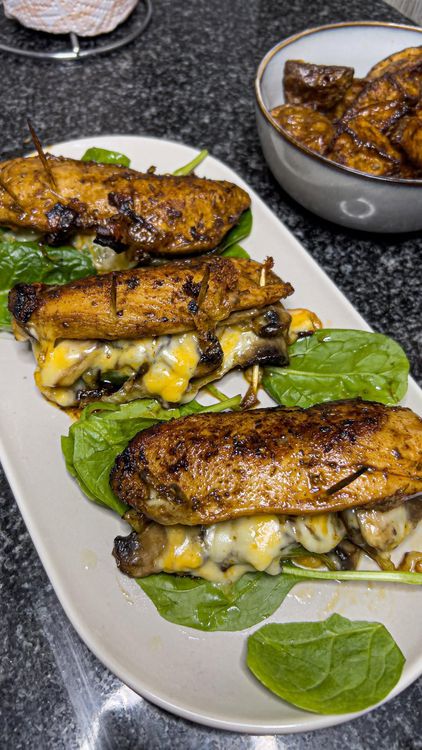
Stuffing is my favorite insurance against dry meat: the filling gently steams the inside while the outside browns, giving you a built-in safety margin. This group runs from a Sunday-worthy stuffed chicken breast with silky pan gravy to quick rolls you can have ready in 35 minutes. Pound each fillet to an even half-inch before you fill it, then secure the seam with a couple of toothpicks so the cheese or spinach stays put. Sear the parcels first for color, finish them in the oven so the center reaches a safe 165°F without scorching the exterior, and always rest before slicing so the juices stay where they belong.


- American
- Non-Vegetarian
- Dinner
- International
- Non-Vegetarian
- Appetiser
- Spanish-inspired
- Non-Vegetarian
- Dinner
- American
- Non-Vegetarian
- Dinner
Grilled & Oven-Roasted Chicken Breast Dinners
The oven and the grill are the hands-off end of the spectrum, and both reward a little patience. For baked chicken breast I roast at a steady 400°F and pull the fillets the moment they hit 160°F, letting carryover heat finish the job off the heat. A saucy bake like the Napolitana or a classic bechamel keeps things moist even if you drift a few minutes long. For grilled chicken breast, get the grate properly hot, oil the meat rather than the bars, and flip only once. The smoky grilled makhani here proves a lean fillet can carry a rich, restaurant-style sauce without ever turning heavy or greasy.
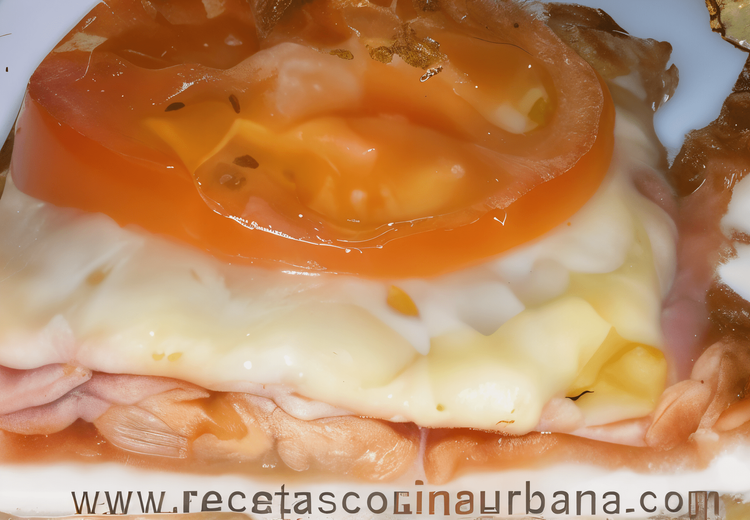
- Italian
- Non-Vegetarian
- Lunch
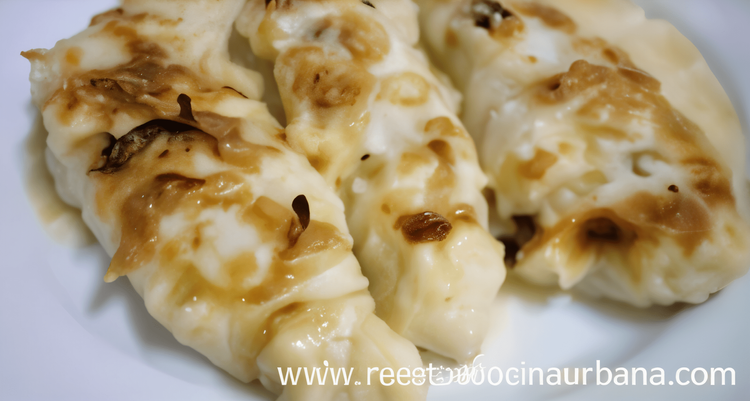
- International
- Non-Vegetarian
- Dinner
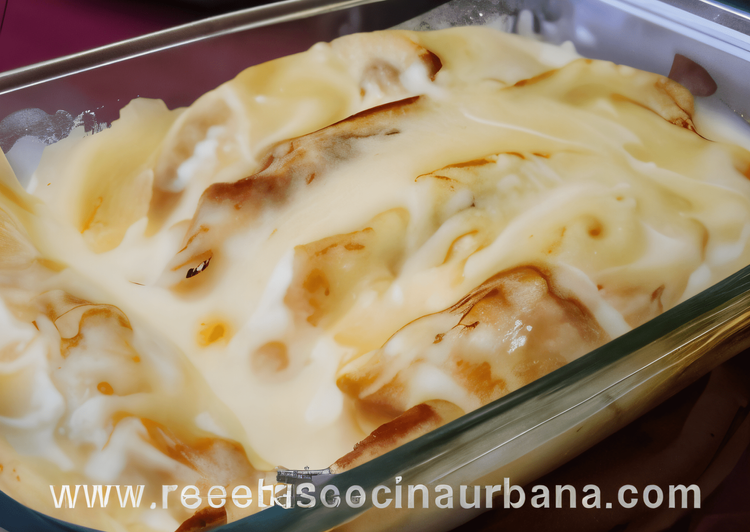
- European
- Non-Vegetarian
- Lunch
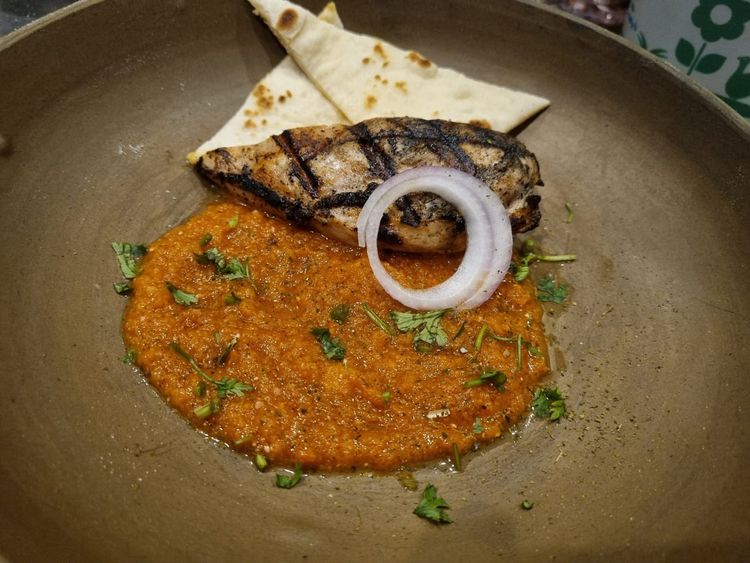
- Indian
- Non-Vegetarian
- Lunch
Pan-Seared & Skillet Chicken Breast
The skillet is where weeknight dinners are won. A good sear builds fond — those browned bits stuck to the pan bottom — which becomes the backbone of a fast pan sauce. Start with a dry, well-seasoned fillet in a hot pan with a little oil, leave it alone for four minutes to crust, then flip. Once it's nearly cooked, build the sauce right in the same pan: grainy mustard and cream, a splash of white wine, sweet paprika, or slowly softened leeks. Deglaze, scrape up every bit of fond, and let it reduce while the chicken rests. Ten minutes, one pan, and a chicken breast dinner that tastes like you genuinely fussed.
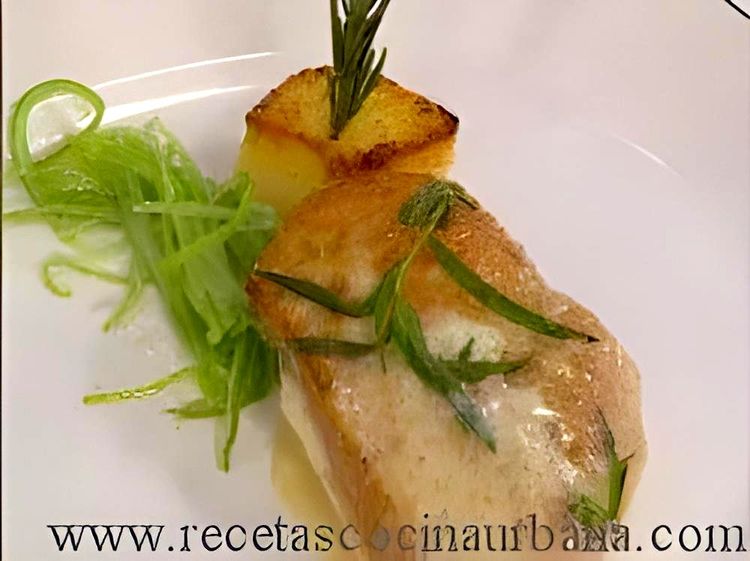
- French
- Non-Vegetarian
- Lunch
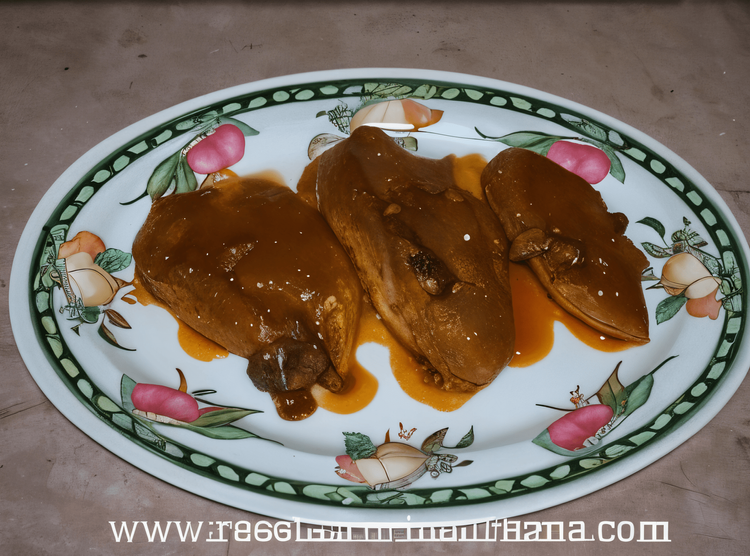
- International
- Non-Vegetarian
- Lunch
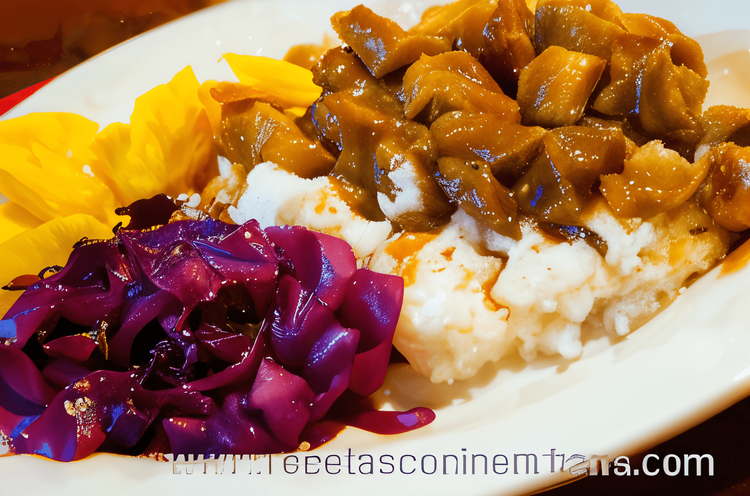
- European
- Non-Vegetarian
- Lunch
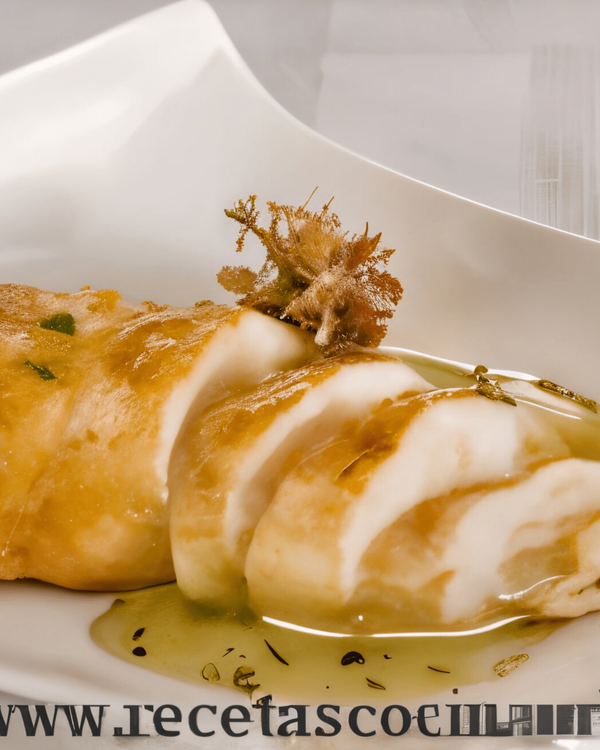
- International
- Non-Vegetarian
- Dinner
Creamy Sauce Chicken Breast Suppers
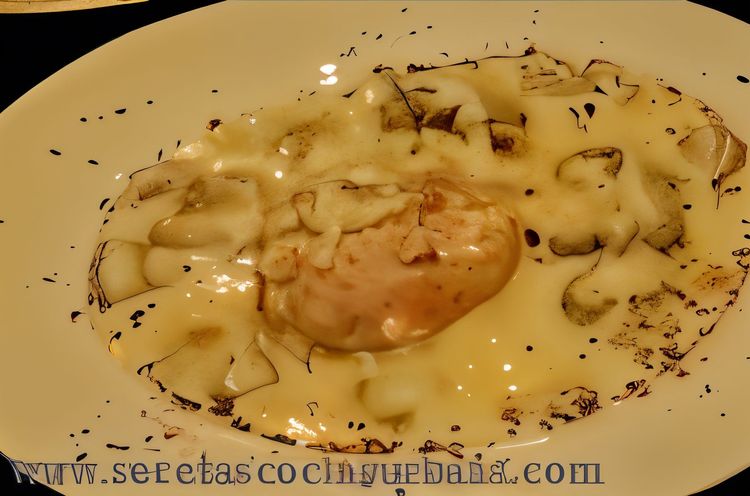
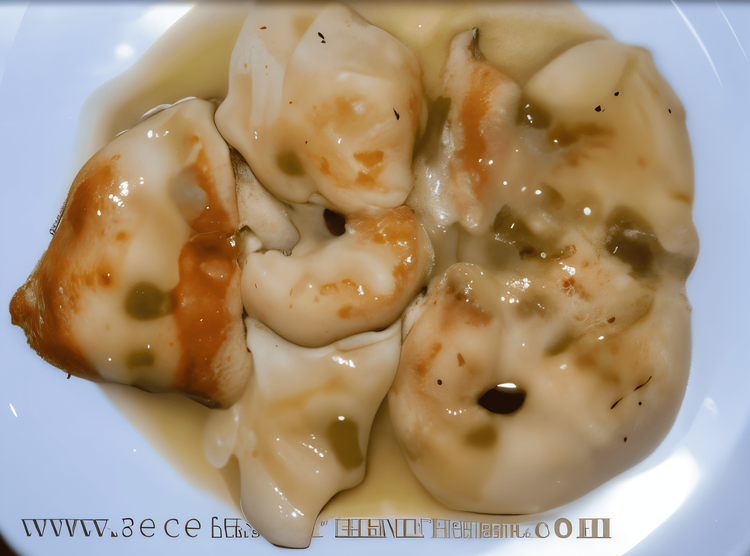
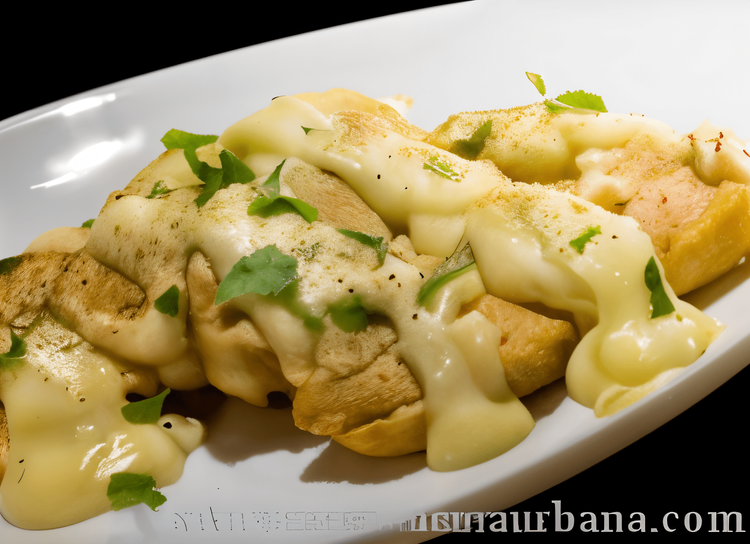
Cream sauces get a bad rap on a healthy menu, but a little goes a long way and they're brilliant at rescuing lean meat from dryness. The trick is to cook the chicken first, set it aside, then reduce your dairy gently so it clings without splitting. A handful of mushrooms, a spoon of grainy cheese, or a plain cream reduction each turn a bare fillet into something comforting and warm. Keep the pour modest — two or three tablespoons of sauce per portion — and lean on stock and aromatics for body so the plate stays on the lighter side. Serve it over wilted greens rather than pasta and you'll keep the carbs sensibly in check.
- International
- Non-Vegetarian
- Lunch
- International
- Non-Vegetarian
- Lunch
- European
- Non-Vegetarian
- Dinner
Global Flavors & Lighter Chicken Breast Bites
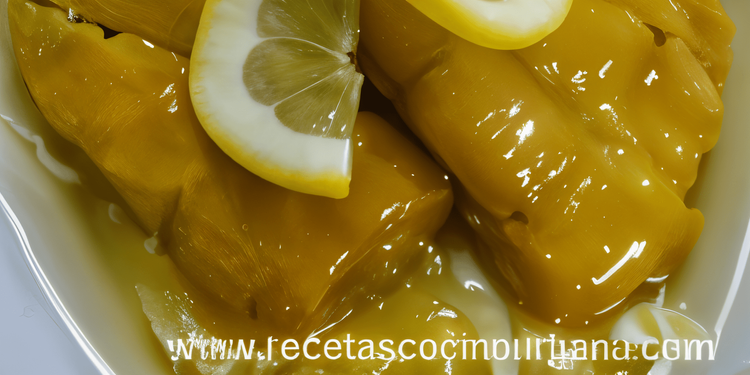
When plain fillets start to feel repetitive, borrow from further afield. A bright, tangy Cantonese lemon sauce, a sticky Korean gochujang glaze, and a clear, cozy chicken soup show just how far this cut can travel. These lean on pantry heat — chili, ginger, citrus, gochujang — instead of extra fat, so they stay light while tasting anything but plain. The soup is my go-to batch-cook: it freezes well and doubles as a lunchbox filler through a busy week. Slice any leftover glazed fillet cold into a chicken breast salad the next day, and you've quietly stretched a single cook into two proper meals. Big flavor, sensible numbers, minimal fuss.
- Asian
- Non-Vegetarian
- Lunch
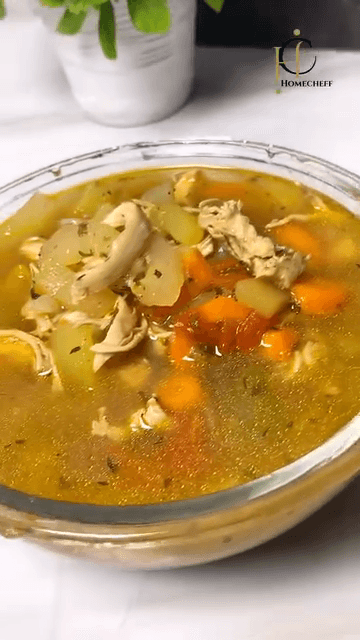

- Healthy
- Non-Vegetarian
- Dinner
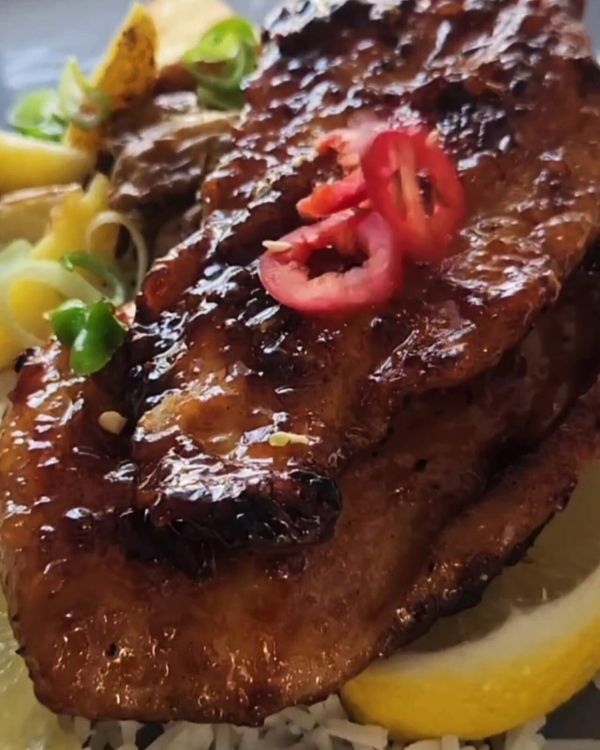

- Fusion
- Non-Vegetarian
- Dinner
How to Cook Juicy, Not-Dry Chicken Breast
The single biggest reason chicken breast disappoints is heat: too much of it, for too long. Lean meat has almost no fat to buffer overcooking, so the window between juicy and dry is narrow. The fix starts before the pan. Pound each fillet to an even thickness, around half an inch, so it cooks at the same rate from end to end. A thick, tapered breast will always overcook at the thin tip while the middle is still catching up, and no sauce can rescue that.
Then respect temperature. Pull the meat at 160°F and let carryover heat carry it to the safe 165°F while it rests; those last five degrees happen off the burner. An instant-read thermometer is the cheapest upgrade you can make, because guessing by cut or color is exactly how fillets end up chalky. A short brine helps too: even 20 minutes in a light salt solution seasons the meat all the way through and gives it a buffer against the heat.
Finally, rest and slice with intent. Give a cooked fillet five minutes before you cut, and slice against the grain so each bite is short-fibered and tender. If you're saucing the dish, rest the chicken while you build the sauce in the same pan, since the two jobs overlap perfectly. Do these four things — even thickness, a thermometer, a quick brine and a proper rest — and dry chicken becomes a problem you have quietly retired for good.
Meal-Prepping Chicken Breast Through the Week
Chicken breast is a meal-prepper's dream because it's lean, cooks quickly and reheats without turning greasy. Cook a batch at the start of the week — bake a tray at 400°F, or sear a few in a skillet — and you've got the backbone of five lunches. The key is to slightly undercook anything you know you'll reheat: pull those fillets at 158 to 160°F so the second round of heat doesn't push them over the edge into dryness.
Store cooked chicken in airtight containers for up to four days in the fridge, or freeze portions for about three months. Slice before freezing so you can grab exactly what you need. When you reheat, add a splash of stock or a spoon of the original sauce and cover the plate, because gentle steam is far kinder than dry microwave heat, which is precisely what pulls the moisture back out. Whole fillets reheat better than chopped, so hold off dicing until you're actually serving.
Think in components rather than finished plates. A stack of plain seared fillets can become a grain bowl on Monday, a chicken breast salad on Tuesday, and something shredded into the soup in this collection on Wednesday. Keep a couple of quick sauces on hand — a mustard cream, a spoon of gochujang glaze — and the same prepped chicken never tastes the same twice. That built-in variety is what stops healthy eating from getting boring and repetitive by Thursday.
Nutrition & Protein: Why Healthy Chicken Breast Recipes Work
A skinless chicken breast is one of the leanest complete proteins you can buy: a typical cooked 3.5-ounce portion delivers roughly 30 grams of protein for around 165 calories, with very little saturated fat. That protein density is exactly why this cut anchors so many high-protein and weight-management plans. You feel genuinely full, your muscles get the amino acids they need to recover, and you're not spending the day's calories on the main event alone.
Where dishes go sideways is the extras. The fillet itself is virtuous; the deep-fry, the heavy cream and the sugary glaze are where the calories climb. That doesn't make sauce the enemy, it just means portioning it. A two-tablespoon drizzle of cream sauce adds real richness for a modest cost, while drowning the plate does not. Lean on herbs, citrus, mustard and spice to carry the flavor, and treat cheese and cream as accents rather than the base. It's why healthy chicken recipes dominate so many sensible meal-prep menus.
Balance the rest of the plate, too. Pair your chicken with fiber and slow carbs — roasted vegetables, a leafy salad, a scoop of grains — so the meal keeps you satisfied for hours instead of spiking and crashing. Keep an eye on sodium if you're buying pre-brined or heavily seasoned cuts. Cooked with a little care, this is a genuinely smart cornerstone: high in protein, low in the things you're trying to limit, and endlessly adaptable to whatever else happens to be in the fridge.
Pro Tips for Better Chicken Breast
- Buy an instant-read thermometer and pull fillets at 160°F, then let carryover heat finish them at a safe 165°F; this single habit fixes more dry-chicken problems than any marinade ever will.
- Pound every fillet to an even half-inch before cooking, because uniform thickness is the whole difference between edge-to-edge juiciness and a dry, papery tip while the center is still stubbornly raw.
- A 20-to-30-minute brine in salted water, roughly a tablespoon of salt per cup, seasons the meat all the way through and gives you a real, forgiving buffer against accidentally overcooking it.
- Always rest cooked chicken for five minutes and slice against the grain; cutting across the muscle fibers shortens them, so every piece reads as tender rather than stringy and tough.
- Save the fond, those browned bits stuck to the pan after searing, and deglaze with stock or a splash of wine to build a fast, deeply savory sauce that costs you nothing extra.
- Cook once and eat twice: grill or bake a few extra fillets, then repurpose them cold over a salad, folded into a wrap, or shredded into soup for near-instant meals later in the week.
Frequently Asked Questions
What actually makes a chicken breast recipe healthy?
It comes down to the cut and the cooking. A skinless chicken breast is naturally lean and high in protein, so the best healthy chicken breast recipes keep the fillet as the star and treat fat-heavy extras — deep-frying, heavy cream, sugary glazes — as small accents rather than the main event. Grilling, baking and quick searing with a light pan sauce all keep calories sensible while flavor stays high.
What temperature should chicken breast be cooked to?
The USDA-safe internal temperature is 165°F, but you don't have to hit that number in the pan itself. Pull the fillets at about 160°F and let them rest; carryover heat raises the temperature the last few degrees while the juices redistribute. An instant-read thermometer pushed into the thickest part takes the guesswork out entirely and is the single surest way to avoid dry, chalky meat.
How do I keep chicken breast from drying out?
Three habits do most of the work. First, pound the fillets to an even thickness so they cook uniformly instead of at the tapered tip first. Second, use a thermometer and stop at 160°F rather than guessing. Third, rest the meat five minutes before slicing. A quick brine or a clinging pan sauce adds insurance, and slicing against the grain makes even a slightly overdone fillet feel noticeably more tender.
Is grilled or baked chicken breast healthier?
Both are excellent, lean choices, and the difference is mostly about technique rather than nutrition. Grilled chicken breast picks up smoky char with no added fat, though very high heat can dry it fast, so watch it closely. Cooking it in the oven is more hands-off and forgiving, especially under a light sauce that shields the meat as it gently roasts. The two are nearly identical on the plate, so pick whichever suits your kitchen and the weather.
Can I meal-prep these chicken breast recipes?
Most of them, yes. Skillet and baked fillets store well for up to four days refrigerated and freeze for about three months. Slightly undercook anything you plan to reheat, then warm it gently with a splash of stock or sauce so it doesn't seize up and dry out. The soup in this collection is especially prep-friendly and freezes beautifully for genuinely grab-and-go weekday lunches.
What sides go with a chicken breast dinner?
Lean protein pairs best with fiber and slower carbs. A crisp green salad, roasted vegetables, a grain like quinoa or brown rice, or a simple mash all round out this kind of lean, protein-rich dinner nicely. If your dish carries a rich, creamy sauce, keep the sides plain to balance it out; if the fillet is simply grilled, let the sides bring most of the color and texture.
How much protein is actually in a chicken breast?
A typical cooked, skinless 3.5-ounce (100-gram) portion carries roughly 30 grams of protein for around 165 calories, with very little saturated fat. That high protein-to-calorie ratio is why the cut anchors so many muscle-building and weight-management menus. Exact figures shift with fillet size and cooking method, but it stays one of the most protein-dense everyday foods you can keep in the fridge.
Can I swap chicken thighs into these recipes?
Usually, yes. Thighs are more forgiving because their extra fat resists drying, though they add a few calories and need a slightly longer cook. Aim for the same 165°F finish; thighs are actually best a touch higher, around 175°F, where the connective tissue softens and turns silky. Expect a richer, juicier result that suits the saucier, braised dishes in this collection especially well.
However you like to cook, there's a fillet here with your name on it — a stuffed showpiece, a ten-minute skillet, a batch of freezer soup. Keep these healthy chicken breast recipes in your back pocket, lean on a thermometer and a proper rest, and this lean, high-protein cut will reward you with dinner that's fast, flexible and never dry.
Related
- chicken breast
- high protein
- healthy dinner
- meal prep
- low carb
- grilled chicken
Popular Searches
- Best healthy chicken breast recipes
- Easy healthy chicken breast recipes
- Quick healthy chicken breast recipes
- Healthy healthy chicken breast recipes
- Simple healthy chicken breast recipes
- Homemade healthy chicken breast recipes
- Delicious healthy chicken breast recipes
- Popular healthy chicken breast recipes
- grilled chicken breast
- baked chicken breast
- chicken breast salad
- stuffed chicken breast
Marnirni-apinthi Building, Lot Fourteen,
North Terrace, Adelaide, South Australia, 5000
Australia
