
17 Rajma Recipes: Punjabi Masala, Chawal & Snacks
Updated July 7, 2026 · Curated by Chefadora
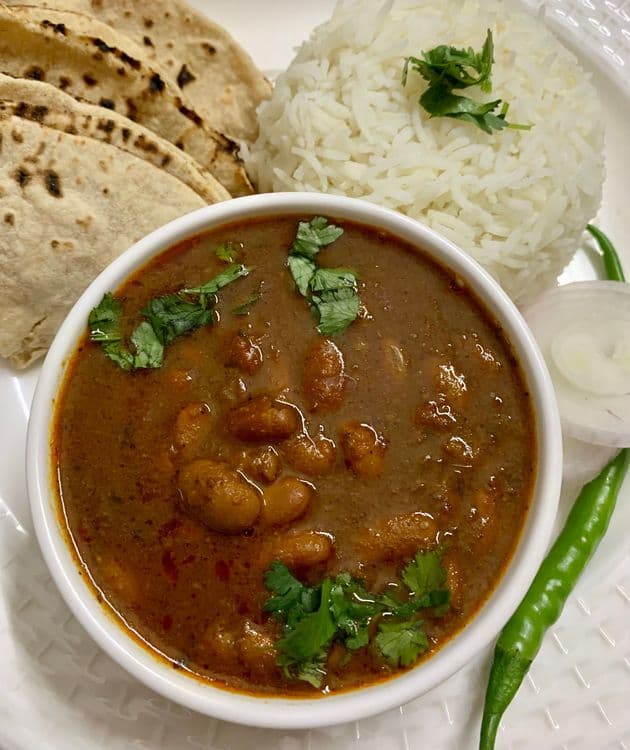
There's a reason rajma recipes hold such a firm grip on Indian home kitchens: a pot of red kidney beans simmered slowly in onion, tomato and warm spice is honest comfort food, and it costs next to nothing to put on the table. I grew up eating this curry on lazy Sundays, ladled thickly over hot rice, and I still cook a version of it most weeks.
What surprised me over the years is how much range this humble bean has. Across these 17 dishes you'll find the classic Punjabi gravy, a ten-minute pahadi style with no onion or tomato at all, cheesy fusion casseroles, crisp cutlets and cooling summer salads. Every one leans on the same starchy, satisfying kidney bean as its backbone.
I've grouped them into four sections so you can cook by mood: a rich masala for a slow dinner, a quick one-pot for a busy Tuesday, or a protein-packed salad for lunch. Blurbs, guides and tips follow to help you nail the texture every single time.
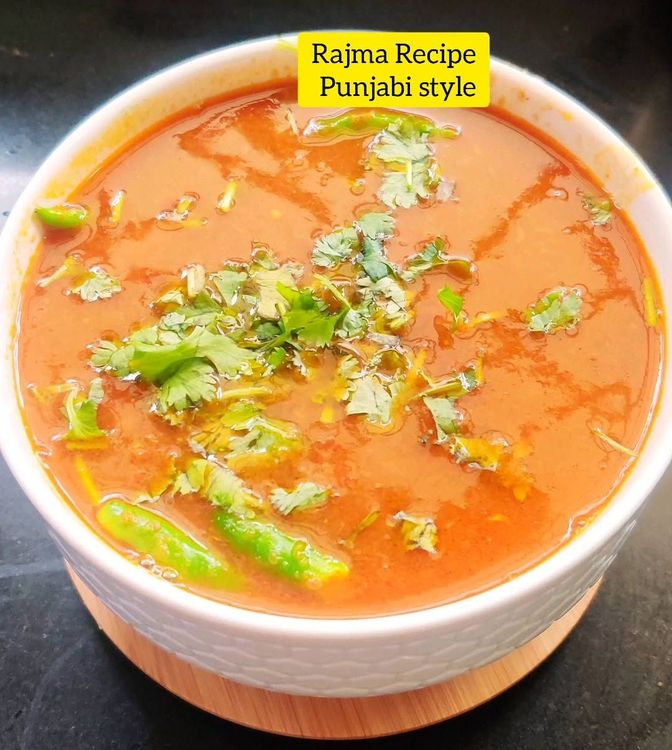
Classic Punjabi Rajma Masala
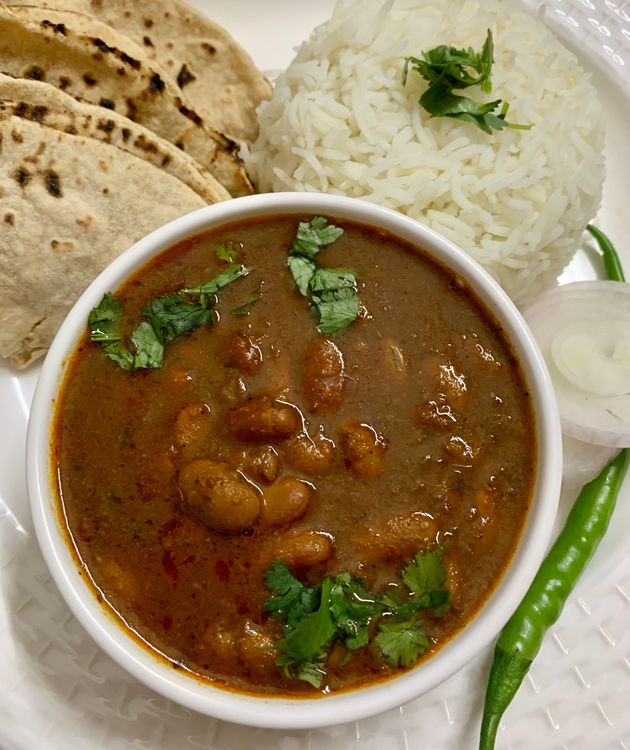
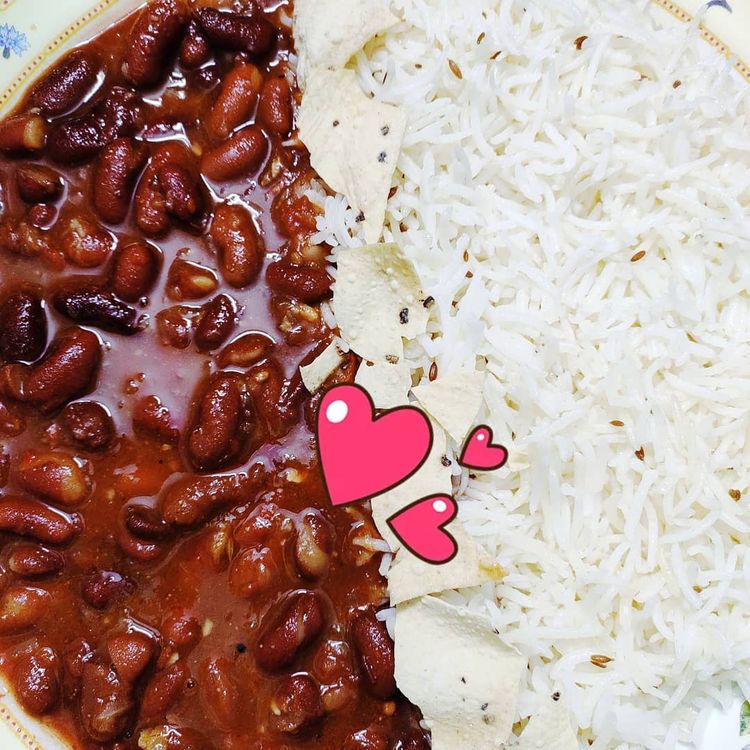
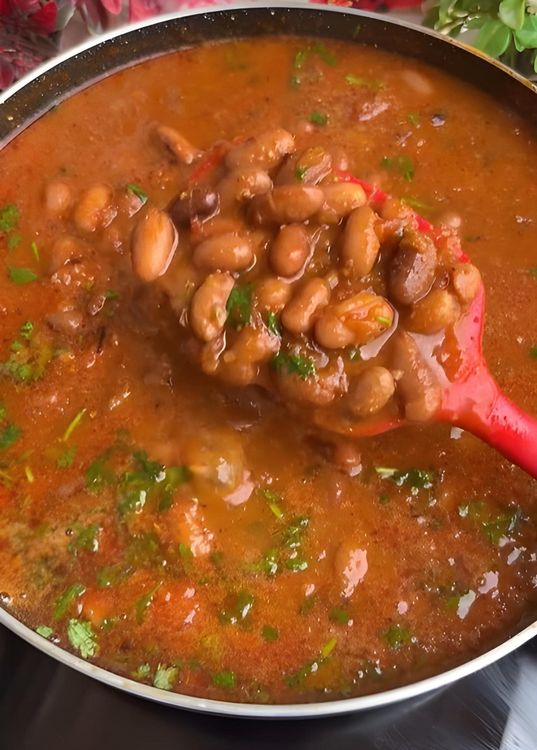
This is the heartland: a thick, glossy gravy built on browned onions, ginger-garlic and ripe tomatoes, with soft kidney beans that half-dissolve to thicken the sauce. The Punjabi style leans on a warm blend of cumin, coriander, garam masala and a pinch of dried fenugreek leaves for that unmistakable restaurant aroma. Some cooks mash a ladle of beans against the pot for a creamy body with no cream at all. These four are your foundation dishes; master one and you can improvise the rest. Expect an hour of mostly hands-off simmering, and even better flavour the next day once everything has settled and the spices have married.

- Indian
- Vegan
- Lunch
- Punjabi
- Non-Vegetarian
- Lunch

- Indian
- Vegan
- Lunch

- Punjabi
- Vegetarian
- Lunch
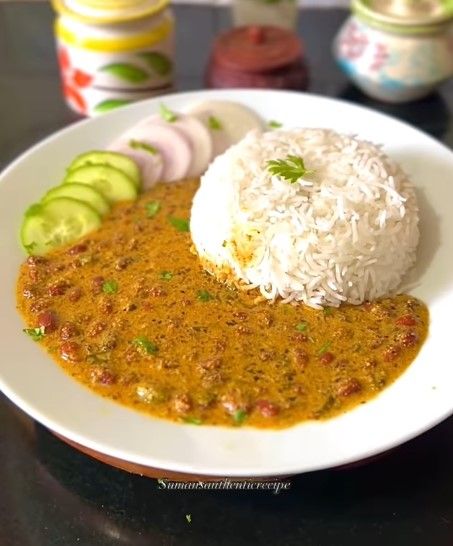
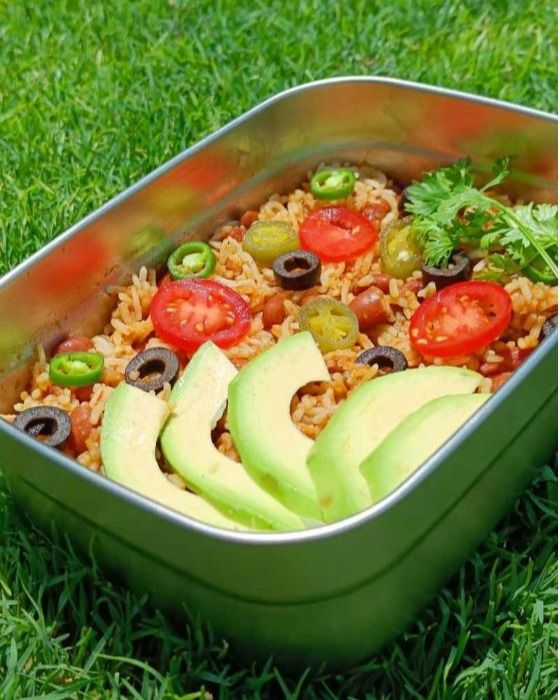
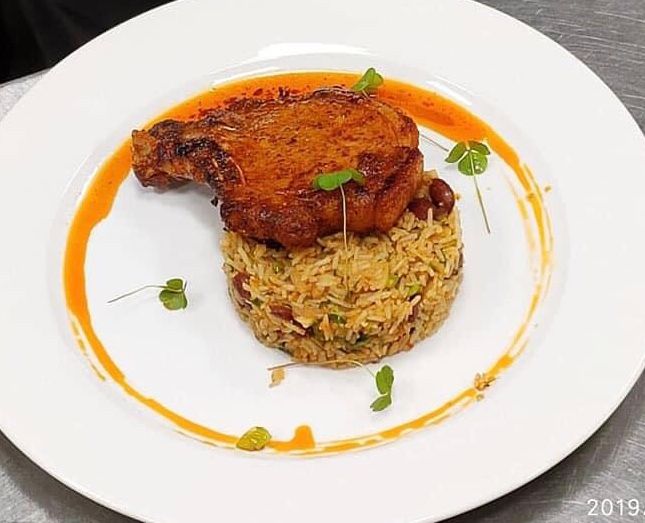
Regional & Fusion Kidney Bean Bowls
Step outside Punjab and the bean tells a different story in every hill and valley. Up in the mountains, a pahadi kitchen skips onion and tomato entirely, letting smaller, darker Himalayan beans shine with just cumin, ghee and a whisper of asafoetida. Elsewhere cooks borrow freely: a Tex-Mex casserole layers the beans with rice, cheese and smoky chilli, while a Nepali plate pairs them with spiced pork chops. What ties these three together is curiosity, a willingness to treat the kidney bean as a canvas rather than a fixed formula. If you already know the classic gravy by heart, this trio is where you go to be genuinely surprised at dinner.
- Indian
- Vegetarian
- Lunch

- Mexican
- Vegetarian
- Lunch

- Nepalese
- Non-Vegetarian
- Lunch
Rajma Chawal & One-Pot Rajma Recipes
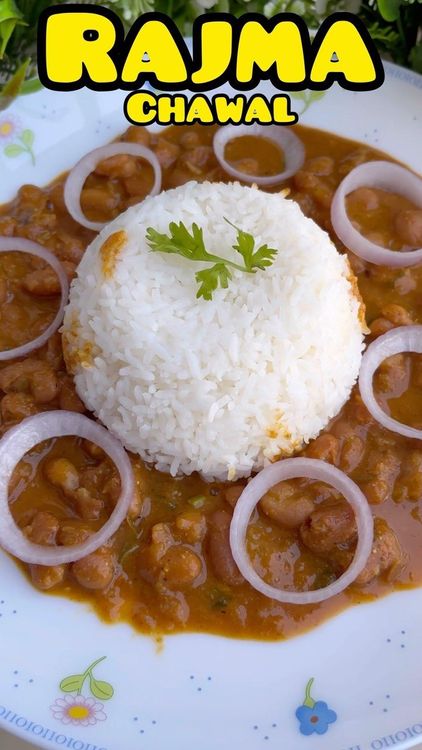
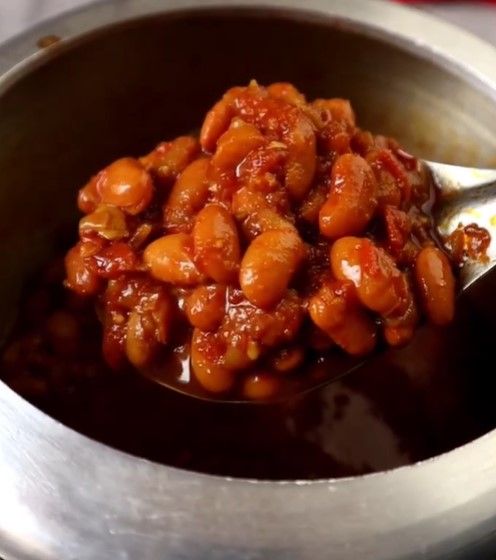
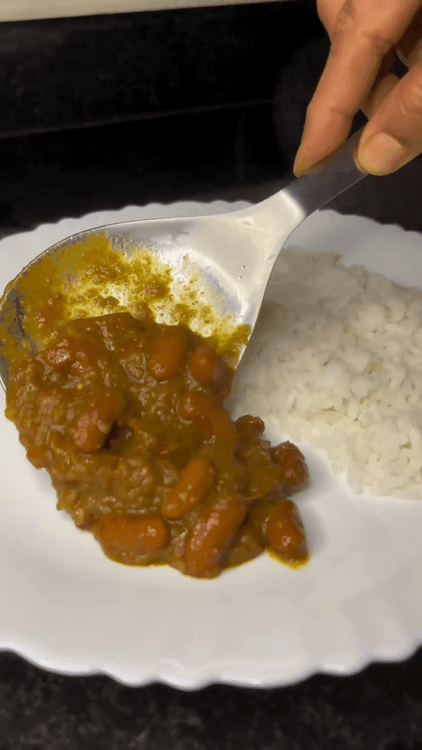
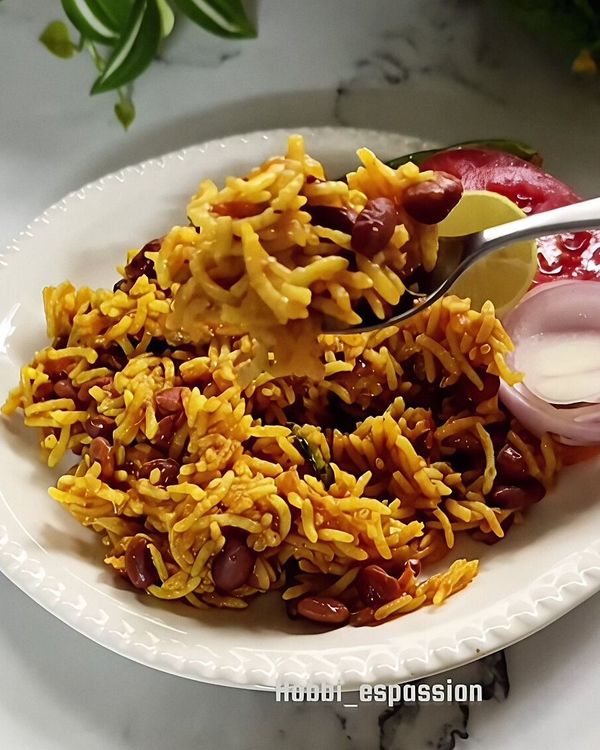
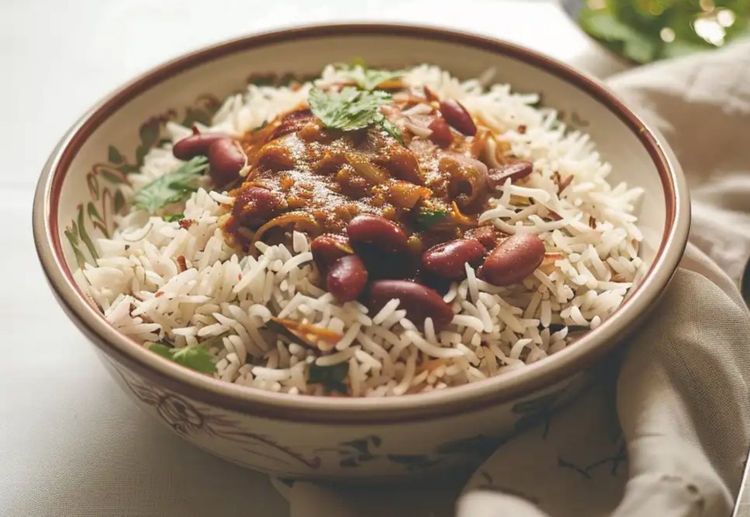
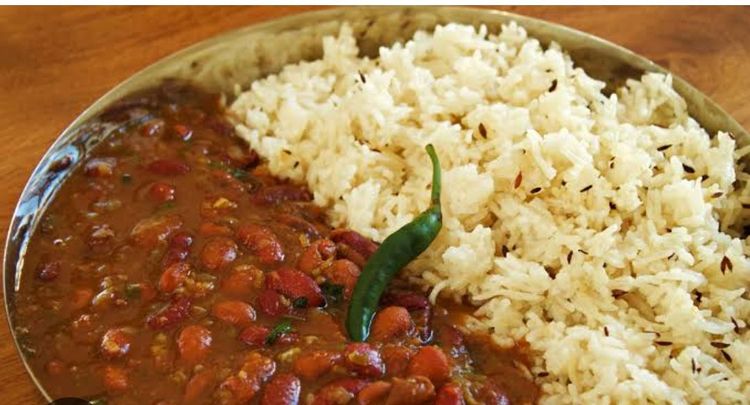
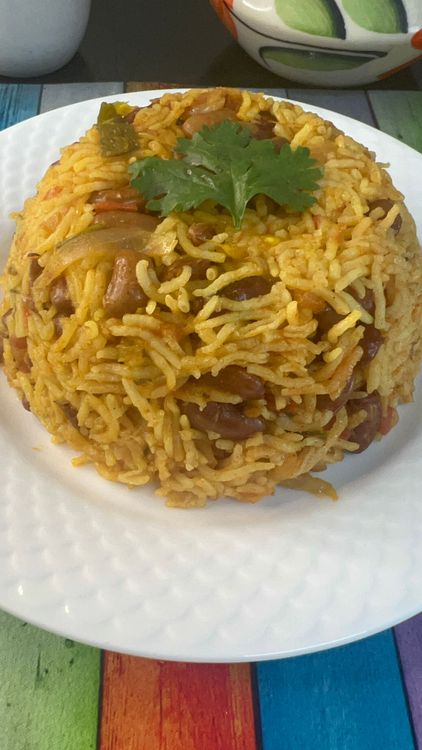
Rajma chawal is the pairing that launched a thousand cravings: soft beans and their spiced gravy spooned over plain rice until the two blur into one glorious bowl. This is the biggest section because it's how most of us actually eat the dish, whether you cook the curry and rice separately or throw everything into a single pressure cooker. You'll find quick 35-minute weeknight versions, a proper slow build, and even a fragrant pulao where the beans are folded through basmati. One-pot methods save washing up and let the rice drink in the flavour of the gravy. Pick by how much time and how many pans you feel like committing to tonight.
- Indian
- Vegetarian
- Lunch

- Indian
- Vegan
- Dinner

- Indian
- Vegetarian
- Dinner
- Indian
- Vegetarian
- Lunch

- Indian
- Vegan
- Lunch
- Indian
- Vegan
- Lunch

- Indian
- Vegetarian
- Lunch
Cutlets, Salads & Snacks from Leftover Beans
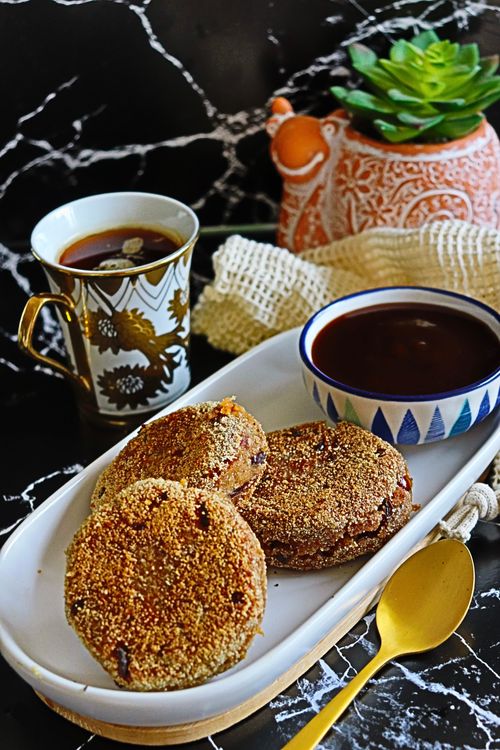
Leftover beans are a gift, and this section turns them into things you can eat with your hands or pack for lunch. Mash cooked kidney beans with potato, herbs and spice and you've got the base for crisp golden cutlets that kids inhale in seconds. Toss the beans cold with cucumber, onion, lemon and a shake of chaat masala and you've got a high-protein salad that keeps for a few days. These three lean lighter and quicker than the curries, and they're exactly why I always cook a bigger batch of beans than I strictly need. Think picnic boxes, potlucks and easy no-cook summer lunches.
- Indian
- Vegan
- Snack

- Indian
- Vegetarian
- Lunch

- Indian
- Vegetarian
- Lunch
Cooking Rajma from Scratch (Soaking & Pressure Cooking)
Dried kidney beans are cheap and reward a little planning. Start by rinsing them and picking out any stones or shrivelled beans, then cover them with plenty of cold water, at least three times their volume, because they swell dramatically as they drink. Soak for a full 8 to 12 hours, or simply overnight; the beans should feel plump and split easily when you press one between two fingers. A proper soak isn't only about speed, it also breaks down some of the compounds that cause bloating and helps every bean cook through at the same rate.
Drain, rinse again, and cook in fresh water, never the murky soaking liquid. In a pressure cooker, six to eight whistles on medium heat usually does it, but age matters: older beans can take fifteen minutes longer, so always test one before you commit. A perfectly cooked bean is soft enough to mush against the roof of your mouth with no chalky centre at all. Undercooked beans stay firm and can be genuinely hard to digest, so err on the side of longer rather than shorter. Add salt only once they are tender, since salting early can toughen the skins.
No pressure cooker? Simmer on the stovetop for 60 to 90 minutes, topping up with hot water so the beans stay submerged the whole time. Whatever the method, save a cup of that starchy cooking liquid; it is liquid gold for loosening and thickening your gravy later, and it carries far more flavour than plain tap water ever could.
The Perfect Rajma Masala Gravy
A great gravy is built in patient layers, and time really is the only secret worth knowing. Start by heating oil or ghee and blooming whole cumin seeds until they sizzle and smell nutty. Add finely chopped onions and cook them properly, well past soft and translucent to a genuine deep golden brown. This is where most home versions fall short; rushing the onions leaves the sauce thin, raw and sharp. Give them a good ten to twelve minutes over medium heat, stirring often so nothing catches or burns at the edges.
Next comes a generous spoon of ginger-garlic paste, cooked until its raw smell disappears, then puréed or very finely chopped tomatoes. Cook this base down until the oil separates and pools at the edges, a clear visual sign the masala is ready for spices. Only now add the ground turmeric, coriander, red chilli and a little garam masala, so they toast in the fat rather than steaming in liquid. Stir in your cooked beans with their reserved liquid and let everything simmer, uncovered, for at least twenty unhurried minutes.
For real body without any cream, mash a ladleful of beans against the side of the pot; the released starch thickens the whole thing naturally and gives it that velvety restaurant texture. Finish with a pinch of crushed kasuri methi rubbed between your palms and a small knob of butter. Taste, adjust the salt and acidity, and let it rest a few minutes before serving so the flavours can settle.
Canned vs Dried Kidney Beans
Both have a place in a busy kitchen, and choosing between them usually comes down to time. Dried beans are far cheaper per serving, let you control the texture and salt precisely, and give you that starchy cooking liquid that makes a gravy genuinely sing. The trade-off is planning: you need to remember to soak them the night before, and cooking adds the better part of an hour to your evening. For me they are the default whenever I know what I am cooking a day ahead.
Canned kidney beans are the weeknight rescue. They are already fully cooked, so a curry that would take ninety minutes comes together in about twenty-five. Always drain and rinse them well under cold running water to wash off the thick, salty packing liquid, which can taste tinny and muddy an otherwise clean gravy. Because they are soft, add them late and stir gently, or they will break apart into a mush. Reduce any added salt in your recipe too, since canned beans are almost always pre-salted at the factory.
One important safety note that too few people mention: never eat raw or barely cooked kidney beans. They contain a natural toxin that is only destroyed by proper boiling, which is exactly why a hard rolling boil for the first ten minutes matters with dried ones. Canned versions have already cleared that hurdle for you. My honest take: keep a can in the cupboard for emergencies, but soak dried beans whenever you can plan ahead, because the flavour and texture truly reward the effort.
Serving Rajma: What to Pair It With
The default, and for very good reason, is a generous mound of steaming rice. Plain basmati is classic, but jeera rice or a simple pulao lifts a weeknight bowl into something that feels special. The beans and rice together form a complete protein, which is part of why this dish has fed generations so well and so cheaply. Add a spoon of ghee melting on top and you are most of the way to genuine happiness with barely any effort.
Beyond rice, the beans are wonderful with soft rotis, flaky parathas or pillowy naan for scooping up every last drop. I always put out sharp accompaniments to cut the richness: thinly sliced raw onion tossed with lemon and salt, a spoon of tangy mango pickle, and something cooling like a cucumber raita. A wedge of lemon at the table lets everyone brighten their own bowl, and a scatter of fresh coriander over the top adds colour and a green lift.
Don't overlook the leftovers, which many people swear taste even better than the first serving. The gravy thickens overnight as the beans keep absorbing flavour, so it reheats into something richer and rounder. Thin it with a splash of hot water, or repurpose it entirely: stuff it into a wrap with onions, spoon it over a baked potato, or fold the cold beans through a salad. A single big pot can quietly feed you in three different guises across a week.
Pro Tips for Perfect Beans
- Always cook dried kidney beans until they are completely soft, never al dente; a firm, chalky centre is both unpleasant to eat and genuinely harder for your body to digest.
- Salt the beans only after they have turned tender, because adding it too early can toughen the skins and noticeably stretch out your total cooking time.
- Brown your onions well past the point you think is enough; that deep golden colour is the single biggest difference between a flat, watery sauce and a restaurant-quality one.
- Mash a ladle of cooked beans against the side of the pot to thicken the sauce naturally, so you get a lovely creamy body without ever reaching for cream.
- Save the starchy water the beans cooked in and use that, not fresh tap water, to loosen your gravy; it carries real flavour and helps everything cling together.
- A pinch of dried fenugreek leaves crushed between your palms right at the end delivers that unmistakable dhaba aroma you simply cannot fake any other way.
- Make a double batch and freeze half; the flavour only deepens on resting, and a tub of cooked beans in the freezer is the fastest weeknight dinner you own.
Frequently Asked Questions
Do I have to soak rajma before cooking?
Soaking isn't strictly mandatory, but I strongly recommend it. An 8 to 12 hour soak in plenty of cold water swells the beans so they cook faster and far more evenly, and it breaks down some of the compounds that cause bloating. If you truly forget, a quick-soak works: boil the beans hard for two minutes, cover, rest for an hour, then cook as usual.
Which rajma recipes are best for beginners?
If you're new to cooking beans, start with a straightforward Punjabi masala or an all-in-one pressure-cooker chawal, since both are forgiving and hard to ruin. The no-cook summer salad and the crisp cutlets are also very beginner-friendly and use up leftovers nicely. Once you're comfortable with the basic gravy, the regional and fusion versions become easy and fun to explore.
Why are my kidney beans still hard after cooking?
Usually it's one of three things: the beans were old and dry, they weren't soaked long enough, or you salted the water too early. Age is the sneaky one, since beans that have sat in a cupboard for a year resist softening no matter what you do. Cook them longer, add a little hot water, and always salt only after they have turned tender.
Can I make this curry without a pressure cooker?
Absolutely. After soaking, simmer the beans on the stovetop in plenty of water for 60 to 90 minutes until they are completely soft, topping up with hot water so they stay submerged. It takes longer and uses more fuel, but the result is just as good. Many cooks feel the slower simmer actually gives a rounder, deeper flavour to the finished dish.
Is rajma healthy?
Very. Red kidney beans are an excellent plant source of protein and fibre, they're naturally low in fat, and paired with rice they form a complete protein. The fibre supports gut health and steady energy, and the whole dish is genuinely budget-friendly. Just watch the added oil and salt if you're cooking toward specific goals, and lean on the lighter salad versions when you want something leaner.
How long does cooked rajma keep?
Stored in an airtight container, it keeps three to four days in the fridge and freezes beautifully for up to three months. The flavour genuinely improves after a day as the beans keep soaking up the spices. Reheat gently with a splash of hot water to loosen the gravy, since it thickens considerably once chilled. Always cool it quickly and refrigerate within a couple of hours of cooking.
Can I use canned kidney beans instead of dried?
Yes, and it's a huge time-saver on a busy night. Drain and rinse them thoroughly to remove the salty packing liquid, then add them near the end of cooking so they don't disintegrate into mush. You'll skip the soaking and long simmer entirely, cutting the recipe to under thirty minutes. Just cut back on added salt, as canned beans are usually pre-seasoned.
What's the difference between rajma and rajma chawal?
Rajma refers to the kidney bean curry on its own, while adding chawal, the Hindi word for rice, means it's served with or cooked alongside rice. The pairing is so beloved that the two names are often spoken as one. Nutritionally the rice completes the protein, and practically it turns a simple side dish into a full, satisfying one-bowl meal.
Few dishes give back as much as a good pot of beans, and these 17 rajma recipes cover every mood, from a slow Punjabi masala to a ten-minute pahadi bowl and a cooling summer salad. Cook one this week, save the leftovers, and let the flavour deepen overnight. Once the basic gravy is in your hands, the rest is just happy play.
Related
- rajma masala
- rajma chawal
- kidney bean curry
- punjabi recipes
- vegetarian dinner
- one-pot meals
Popular Searches
- Best rajma recipes
- Easy rajma recipes
- Quick rajma recipes
- Healthy rajma recipes
- Simple rajma recipes
- Homemade rajma recipes
- Delicious rajma recipes
- Popular rajma recipes
- rajma masala
- rajma chawal
- punjabi rajma
- how to make rajma
Marnirni-apinthi Building, Lot Fourteen,
North Terrace, Adelaide, South Australia, 5000
Australia
