
17 New Year Dinner Party Recipes to Ring in the Year in Style
Updated July 9, 2026 · Curated by Chefadora
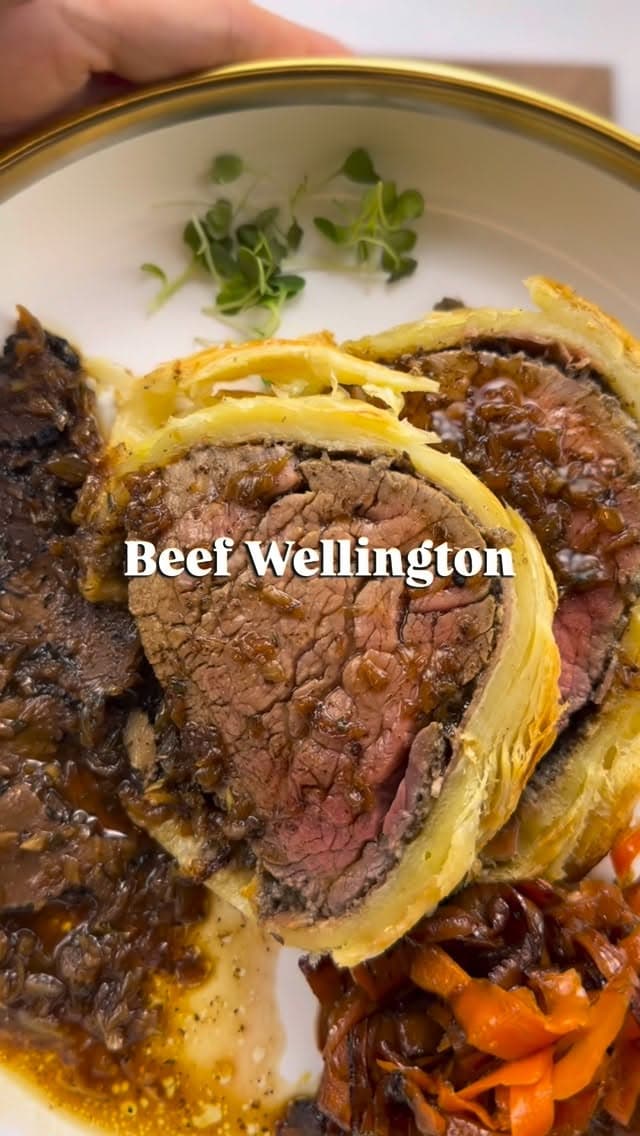
The best new year dinner party recipes do two jobs at once: they look like you fussed for hours, and they still let you sit down with your guests before the countdown. I've cooked my way through a lot of December 31st menus — some frantic, some smooth — and the smooth ones always came down to the same plan: one showstopper, a table of make-ahead bites, and a few sweet things that carry good-luck meaning. That is exactly how this collection is arranged.
Below you'll find seventeen dishes that span two celebrations at once — the champagne-and-canapes Western New Year's Eve, and the dumpling-and-tang-yuan Lunar New Year table. Some come together an hour before guests arrive; others are weekend projects worth the effort. Cluster them however your night runs: a seared-scallop starter, a beef Wellington centerpiece, steamed buns and crystal dumplings passed around, and a spread of nian gao, mooncakes and ice cream to close. Pour something sparkling and you are set.
Showstopper Mains: The Heart of Your New Year Dinner Party
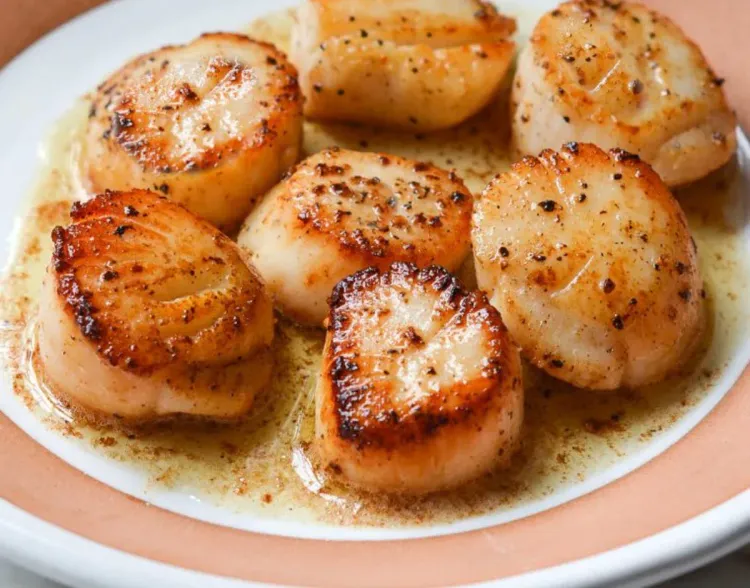
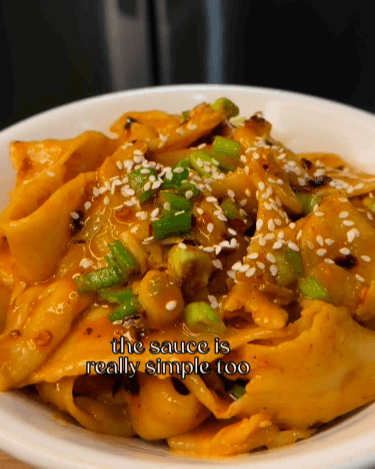
The centerpiece is where the night earns its applause. A beef Wellington sliced open to a rosy medium-rare, or scallops seared to a glassy crust, gives the night its wow moment — but so does a mountain of hand-pulled longevity noodles or a Cantonese-Sichuan feast platter. Pick just one true showstopper and time everything around it. Sear and chill the Wellington ahead, keep the scallops for the last five minutes, and let the noodles and feast anchor a more relaxed, share-everything table. Whichever you choose, rest meat before slicing and warm your plates, because a lukewarm main is the one thing that flattens an otherwise triumphant course.

- Non-Vegetarian
- Dinner
- American
- Pescatarian
- Dinner


- Chinese
- Non-Vegetarian
- Dinner
- Asian
- Vegetarian
- Dinner
Appetizers, Dumplings and Small Plates to Pass Around
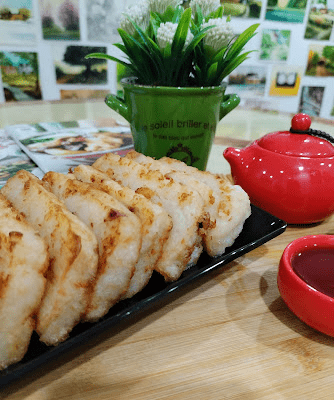
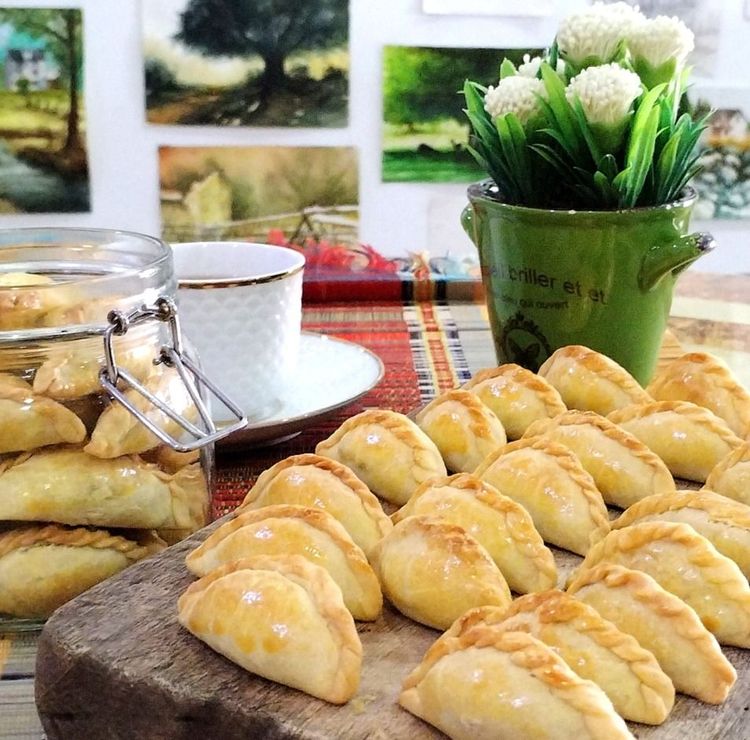
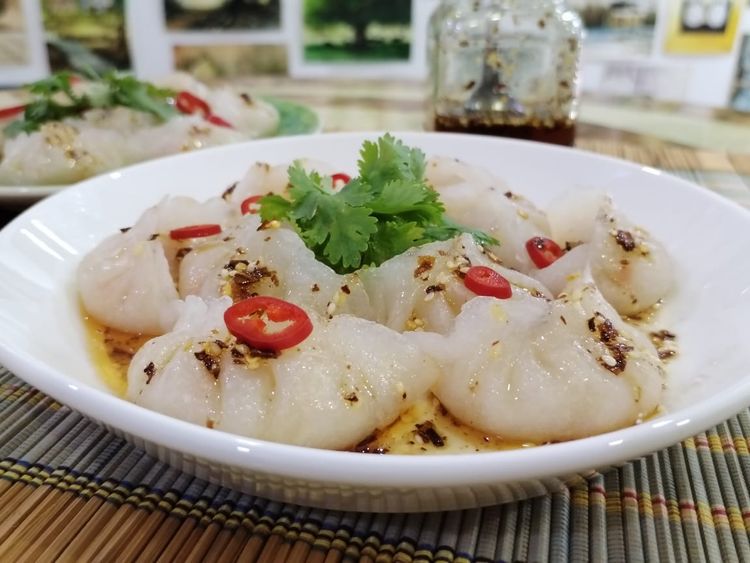
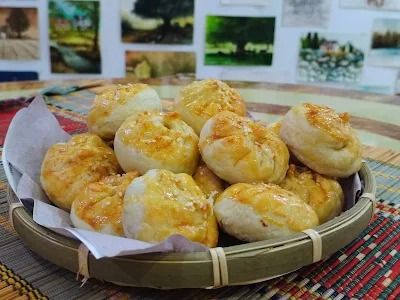
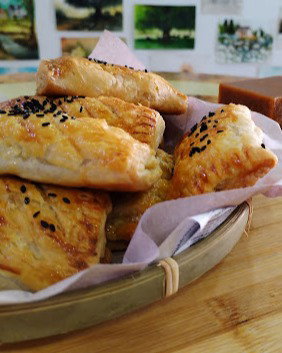
These are the dishes guests actually remember — the ones passed hand to hand while the champagne is poured. Steamed and pan-fried, most can be made ahead and revived in minutes: crisp squares of turnip cake, translucent crystal dumplings, baked peanut parcels and pillowy char siu buns. Fold and fill everything the day before, then steam or crisp to order so the kitchen stays calm. Set out small bowls of chili oil and black vinegar for dipping and let people graze at their own pace. The trick is variety of shape and texture — one crisp, one steamed, one baked — so a plate of small plates never feels like a single note repeated four times.
- Cantonese
- Dairy-Free
- Lunch
- Chinese
- Eggetarian
- Snack
- Chinese
- Pescatarian
- Appetiser
- Chinese
- Nut-Free
- Snack
Cocktails and Cold Treats to Toast Midnight
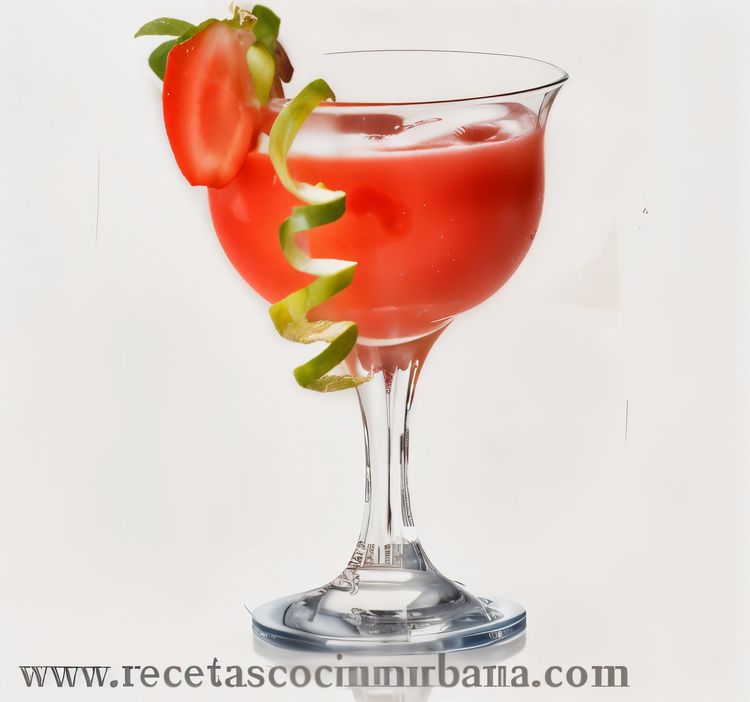
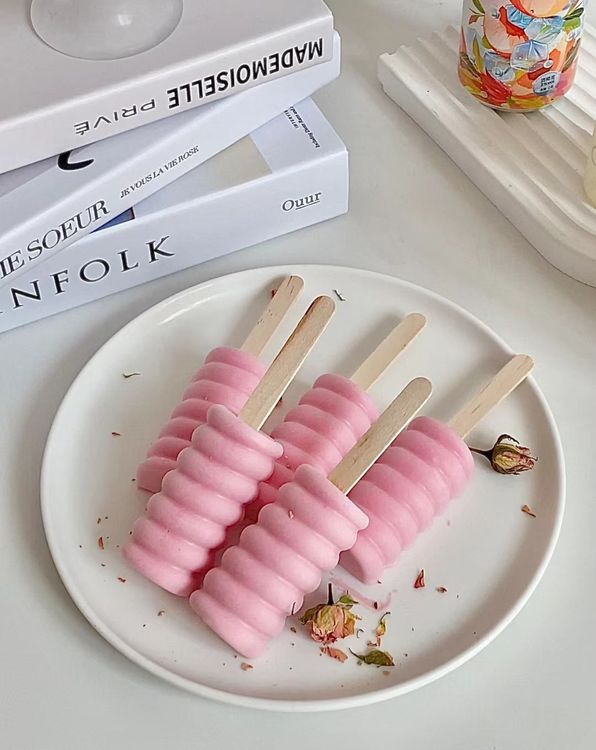
Every good New Year's night runs on what's in the glass. This pair covers both ends of midnight: a trio of sparkling, citrus-bright cocktails you can batch in a pitcher, and a boozy no-churn peach ice cream for the sweet, slightly loose hour after the toast. Both are essentially no-cook and endlessly scalable, so you can make enough for a crowd without tying up the stove. Chill everything hard, and keep a non-alcoholic version alongside so nobody is left out of the toast. A big bowl of ice with bottles buried in it does double duty as decoration and a self-serve bar, freeing you from playing bartender all night.
- International
- Vegan
- Beverage

- Chinese
- Vegetarian
- Dessert
Festive Desserts and Sweet Symbols of Good Fortune
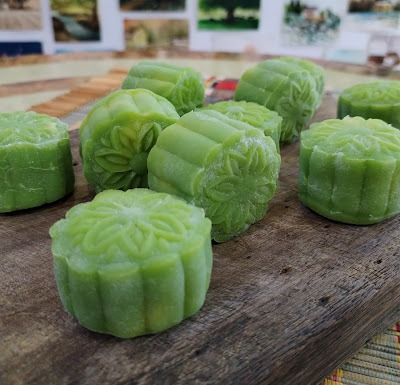
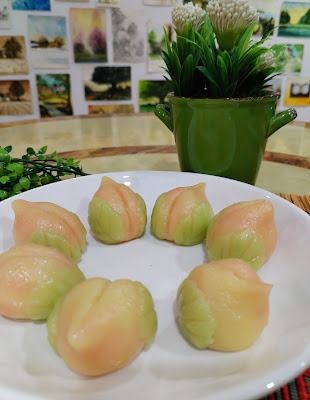
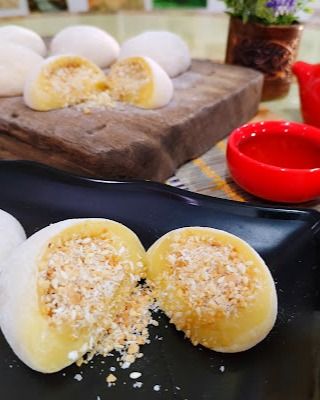
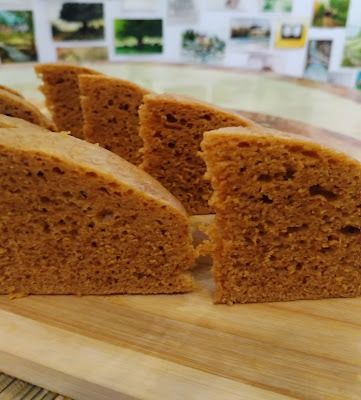
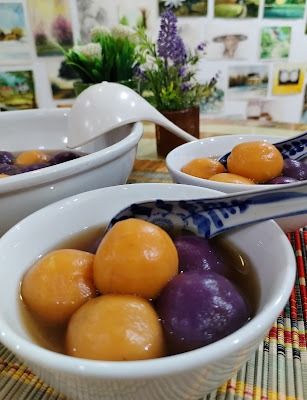
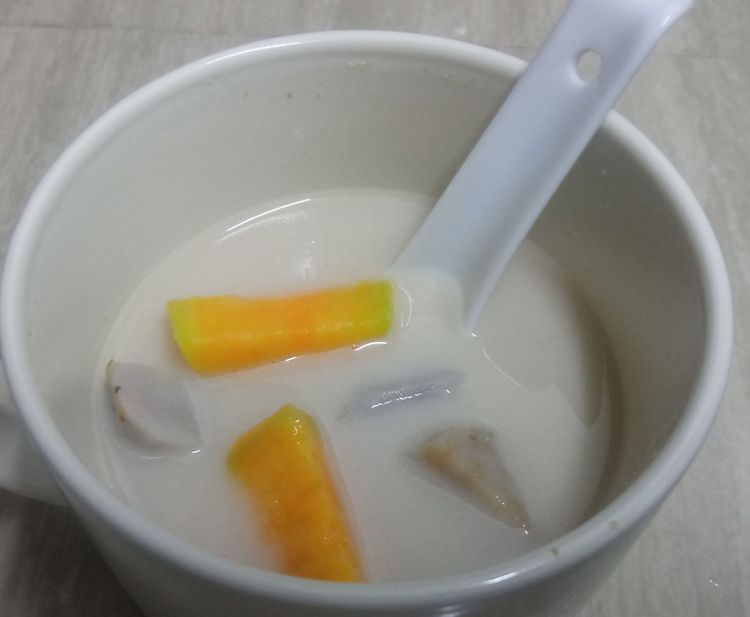
Sweetness carries the most meaning on a New Year table, so give dessert real estate rather than a single token plate. There is chewy nian gao for a higher year, peach-shaped ang ku kueh for longevity, and round tang yuan for family togetherness, plus lighter options — snow-skin mooncakes, steamed sponge cake, warm coconut bubur cha cha and glutinous rice balls. Aim for a mix of textures and temperatures: something cold and creamy, something warm and syrupy, something chewy. Most can be made a day ahead and simply plated, which is exactly why a generous dessert course is the easiest way to make a modest menu feel lavish without adding any last-minute stove time.
- Chinese
- Nut-Free
- Snack
- Eggetarian
- Snack
- Asian
- Vegetarian
- Snack
- Asian
- Vegan
- Snack
- Chinese
- Eggetarian
- Dessert
- Asian
- Eggetarian
- Snack
- Malaysian
- Vegan
- Dessert
Building a Lunar New Year Table: What to Serve and Why
Lunar New Year cooking is delicious partly because almost every dish carries a wish. Long noodles, left uncut, stand for a long life, which is why a plate of hand-pulled sesame-chili noodles belongs on the table rather than chopped into a soup where they would be broken. Whole fish signals abundance; dumplings, folded to look like old gold ingots, mean prosperity. Even the sticky rice cake, nian gao, is a pun — its name sounds like higher year, a wish to rise in the months ahead. Knowing the meaning makes it easier to choose what earns a spot.
Sweetness does a lot of symbolic heavy lifting, so do not treat dessert as an afterthought. Tang yuan, those round glutinous rice balls, are shaped to mean family togetherness and reunion; serving them in warm ginger syrup at the end of the meal is a gentle way to close the night. Peach-shaped ang ku kueh nods to longevity, while a pyramid of steamed buns or a golden ma lai gao gives the table height and generosity. Aim for a spread of textures — chewy, crisp, creamy — rather than three variations on the same one-note sweet.
You do not need twenty dishes to make it feel like a feast. Choose one substantial centerpiece — a Cantonese-Sichuan feast platter or a tray of char siu buns — then surround it with two or three smaller plates that can be passed and shared. Balance is the goal: something spicy, something savory and steamed, something sweet. Cook the labor-intensive items, like ang ku kueh or shao bao, a day ahead, so the actual celebration is about reheating and eating, not rolling dough while your guests wait at the door with empty glasses.
If you are hosting a mixed crowd who may not know the traditions, a few words of explanation turn a good meal into a memorable one. Tell people why the noodles stay long, why the tang yuan are round, why nobody cuts the fish in half; guests love the story, and it gently steers them toward eating the symbolic dishes in the intended spirit. Keep a small card by each platter if you like, or simply say a sentence as you set it down — either way, the meaning is half the reason these dishes have lasted for centuries.
Drinks, Portions and Feeding a Crowd Without Losing Midnight
Drinks set the tempo of the night, and the good news is that the best party pours are barely recipes at all. A sparkling-wine base — prosecco, cava, or champagne if you are splurging — plus fresh citrus and a splash of liqueur scales endlessly: mix a big batch in a pitcher, keep it cold, and top each glass with bubbles to order so nothing goes flat. Have a non-alcoholic version of the same drink ready, sparkling cider with the identical citrus and garnish, so every guest gets something festive to raise for the toast.
Portioning for a crowd is mostly arithmetic. For finger foods, plan on eight to twelve bites per person across the night, more if the party runs past midnight without a sit-down meal. Steamed buns and dumplings disappear fastest, so make more than you think you need — they are the items people circle back to again and again. If you are serving a plated main like scallops or Wellington, keep the small plates lighter so no one fills up on appetizers before the centerpiece lands on the table.
Above all, protect the countdown itself. Nothing should require active cooking in the fifteen minutes before midnight; that window is for pouring, not plating. I like to set out the cold desserts and a fresh round of drinks around 11:30, so the table looks abundant and everyone drifts back to it naturally. Keep coffee and something warm — a pot of ginger tang yuan syrup, say — going for the slow hour after the toast, when guests linger and the night softens into its best and easiest part.
Pro Tips for a Smoother New Year Feast
- Pat scallops bone-dry and do not move them for two full minutes — a proper golden crust only forms on a hot, dry pan, and crowding the pan drops the temperature and steams them grey instead.
- Chill your assembled Wellington uncovered for at least twenty minutes before baking; a cold, firm pastry puffs higher and seals better, and a smear of egg wash gives that lacquered, bakery-window shine.
- Steam glutinous-rice desserts over, not in, boiling water and wrap the lid in a cloth to catch drips — a single drop of condensation leaves a dimple in an otherwise flawless tang yuan or kueh.
- Make chili oil and dipping sauces the day before; they only deepen overnight, and having them pre-portioned into little bowls turns last-minute plating into a thirty-second job rather than a chore.
- Bring puff pastry and dumpling wrappers just to cool-room temperature before working — too cold and they crack, too warm and they turn slack and tear as you try to fold them.
- Batch-cook dumplings and buns and freeze them raw on a tray before bagging; steam straight from frozen with a few extra minutes and no one will guess they were not made that morning.
- Taste your syrups and sweet fillings against a plain spoonful of the dough — glutinous rice mutes sugar, so fillings should taste slightly too sweet on their own to read as balanced once wrapped.
- Keep one clean, dry kitchen towel per task on New Year's Eve; a wet cloth on a hot handle or a slippery grip on a full steamer are exactly the small mishaps that multiply when you are hosting.
Frequently Asked Questions
What are the best new year dinner party recipes for beginners?
Start with dishes that look impressive but forgive mistakes. Among this spread, the seared scallops, no-churn peach ice cream, and easy sparkling cocktails come together in under twenty-five minutes with basic technique. The make-ahead steamed and baked items, like turnip cake and ma lai gao, are also forgiving, since you prep them calmly a day early.
What food should I serve for a New Year's Eve party?
Build around one hot centerpiece — a beef Wellington or seared scallops — then surround it with passable finger foods like dumplings, crystal chai kueh and char siu buns that guests can graze on. Close with a sweet spread and keep sparkling cocktails flowing. Aim for eight to twelve bites per person if there is no formal sit-down meal.
What do people traditionally eat for Chinese and Lunar New Year?
Symbolic dishes dominate: long uncut noodles for longevity, dumplings shaped like gold ingots for wealth, whole fish for abundance, and nian gao, sticky rice cake, for a higher year ahead. Sweet tang yuan close the meal to signal family togetherness. This collection leans into these with hand-pulled noodles, several dumplings, and a range of glutinous-rice sweets.
Which dishes can I make ahead of time?
Most of the steamed and baked items are designed for it. Turnip cake, crystal dumplings, sponge cake, mooncakes and ang ku kueh can all be made a day or more ahead and gently reheated or served cold. Ice cream and snow-skin mooncakes actually need that lead time to set, so making them early is a feature, not a compromise.
Are liquor stores open on New Year's Day?
It varies by state and country, so do not count on it — buy your sparkling wine, spirits and mixers a few days ahead. New Year's Day is a common holiday closure or reduced-hours day for liquor retailers in many regions. Stocking up early also means your drinks are properly chilled by the time guests arrive.
What are good New Year's Eve finger foods for a crowd?
Anything you can pick up and eat standing with a drink in hand. Baked peanut dumplings, crystal chai kueh, pan-fried turnip cake squares and mini char siu buns all pass beautifully and reheat without fuss. Make more than you think you need — these bite-size items vanish faster than plated courses, especially late in the night.
How much food should I plan per guest?
For a grazing party with no seated meal, plan eight to twelve savory bites per person across the evening, plus two or three desserts each. If you are serving a plated main, scale the appetizers down so guests arrive at the centerpiece hungry. Always over-cater the dumplings and buns — they are the first things to disappear. Leftovers are rarely a problem on New Year's Eve, and most of these dishes reheat happily for a lazy January 1st brunch.
What is traditional to eat for Vietnamese Tet or other Lunar New Years?
Tet tables feature banh chung, square sticky-rice cakes wrapped in leaves, along with braised pork, pickled vegetables and candied fruits. Across Lunar New Year cultures the through-line is sticky rice, symbolic sweets and dishes that mean luck or reunion. Many sweets here, like tang yuan and bubur cha cha, share that Southeast Asian celebratory spirit.
However your celebration leans — champagne and canapes or dumplings and tang yuan — these new year dinner party recipes give you a centerpiece, a table of make-ahead bites, and sweets that mean something. Pick one showstopper, prep the rest a day early, pour something sparkling, and spend the countdown with your guests instead of your stove.
Related
- new year's eve
- lunar new year
- party appetizers
- dinner party
- make-ahead
- festive desserts
Popular Searches
- Best new year dinner party recipes
- Easy new year dinner party recipes
- Quick new year dinner party recipes
- Healthy new year dinner party recipes
- Simple new year dinner party recipes
- Homemade new year dinner party recipes
- Delicious new year dinner party recipes
- Popular new year dinner party recipes
- are liquor store open on new year's day
- ideas for new years eve party food
- black eyed peas for new year's day
- what to eat for chinese new year
Marnirni-apinthi Building, Lot Fourteen,
North Terrace, Adelaide, South Australia, 5000
Australia
