Plant-based proteins are revolutionizing the way we think about nutrition. Moving beyond traditional animal sources, this diverse category encompasses a wide range of foods packed with essential nutrients and offering a sustainable, ethical, and delicious alternative. Whether you're a seasoned vegan, a curious flexitarian, or simply looking to incorporate more whole foods into your diet, understanding the power of plant-based protein is crucial for optimal health.
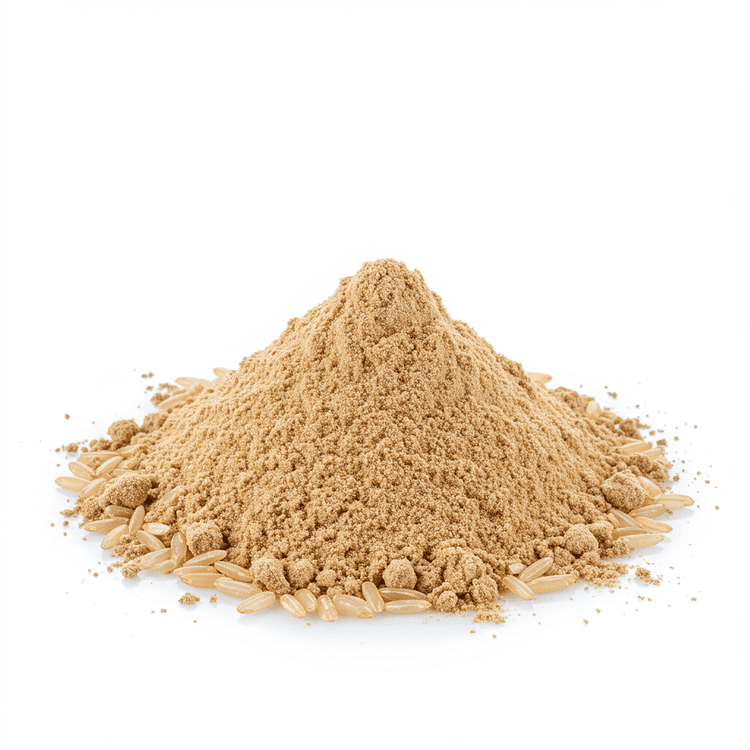
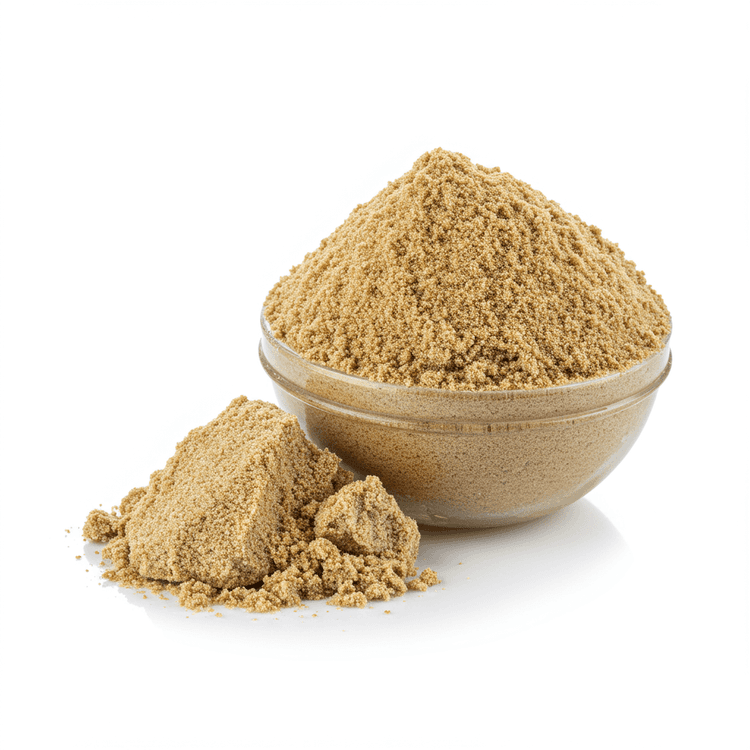
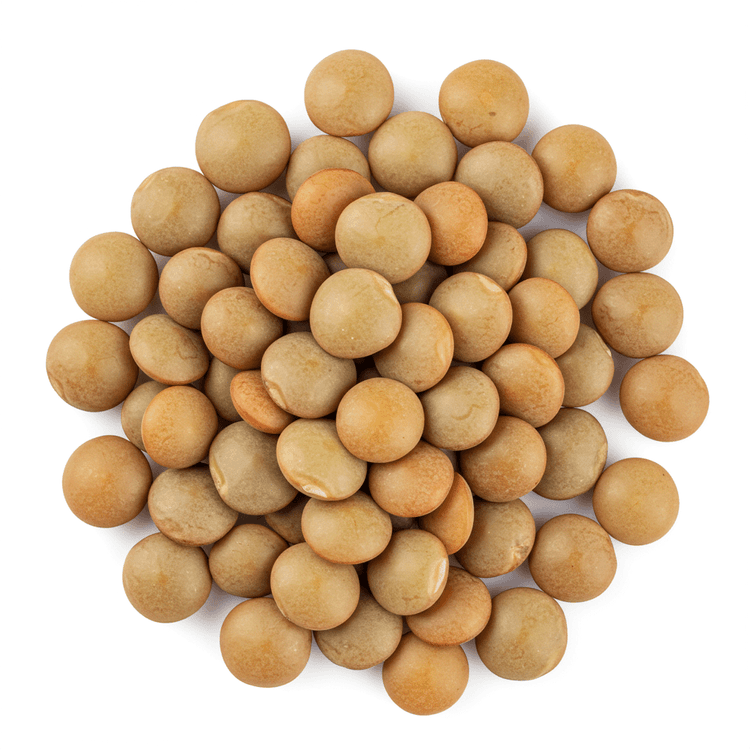
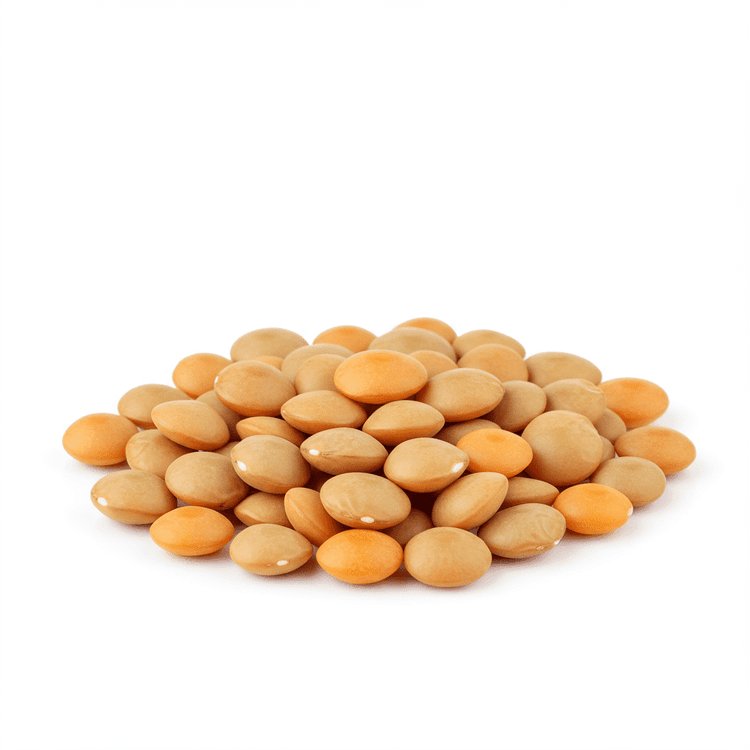
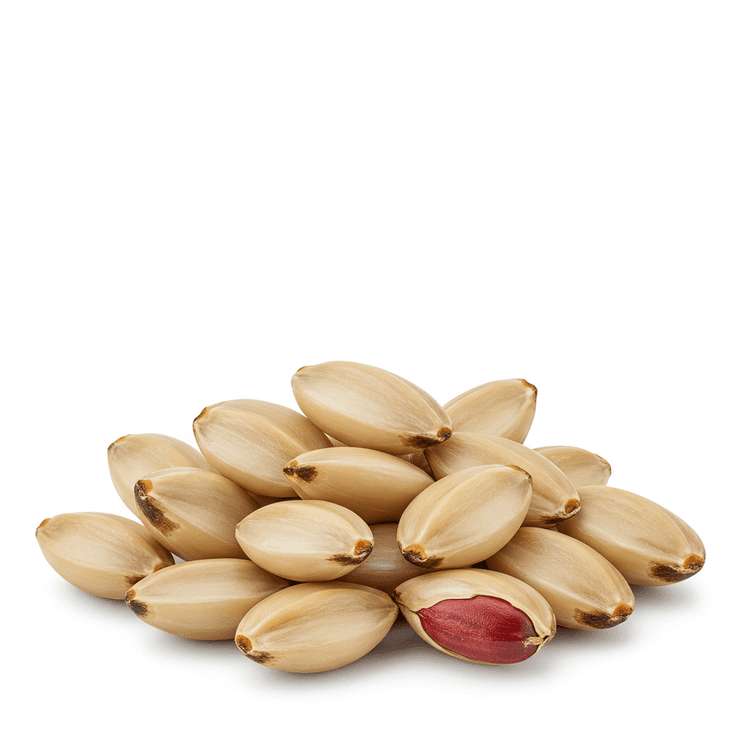
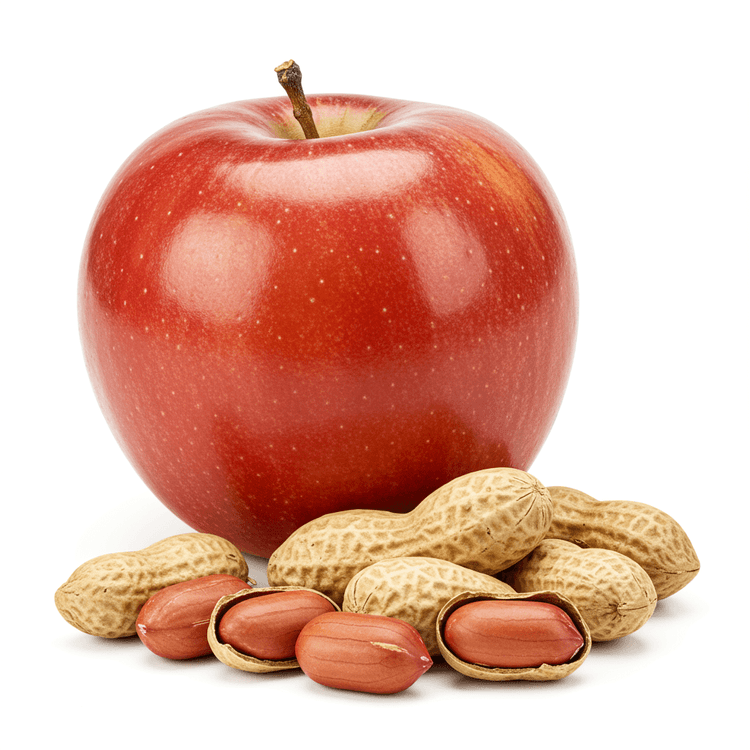
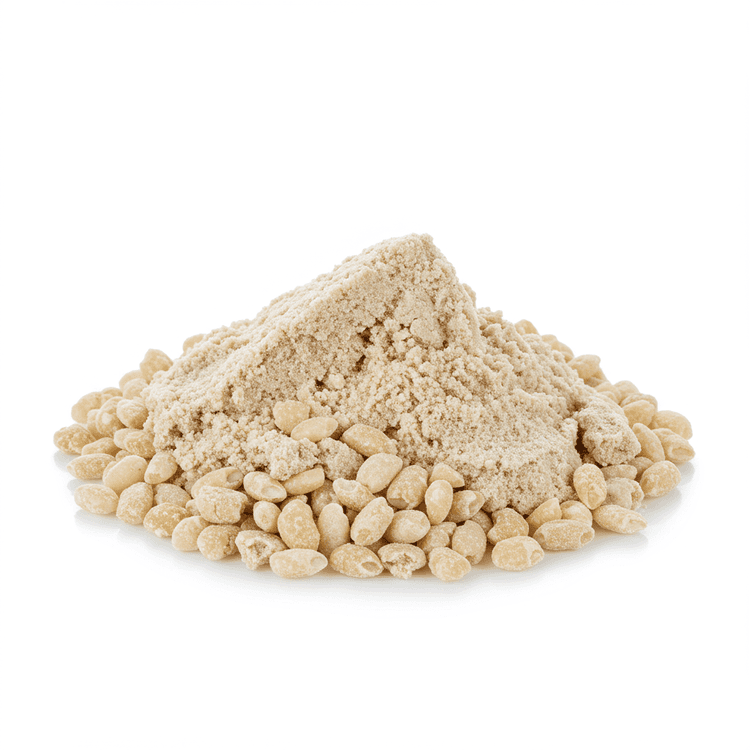
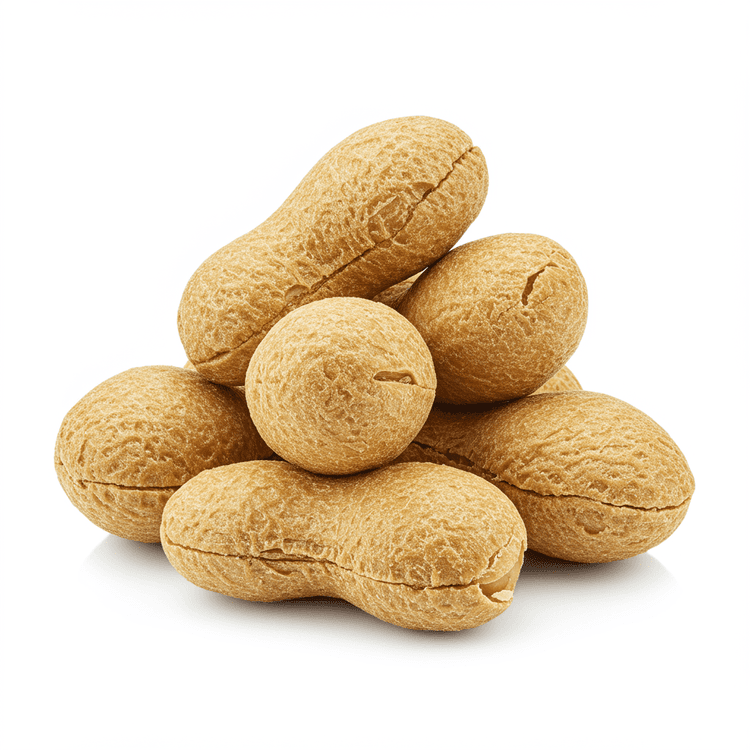
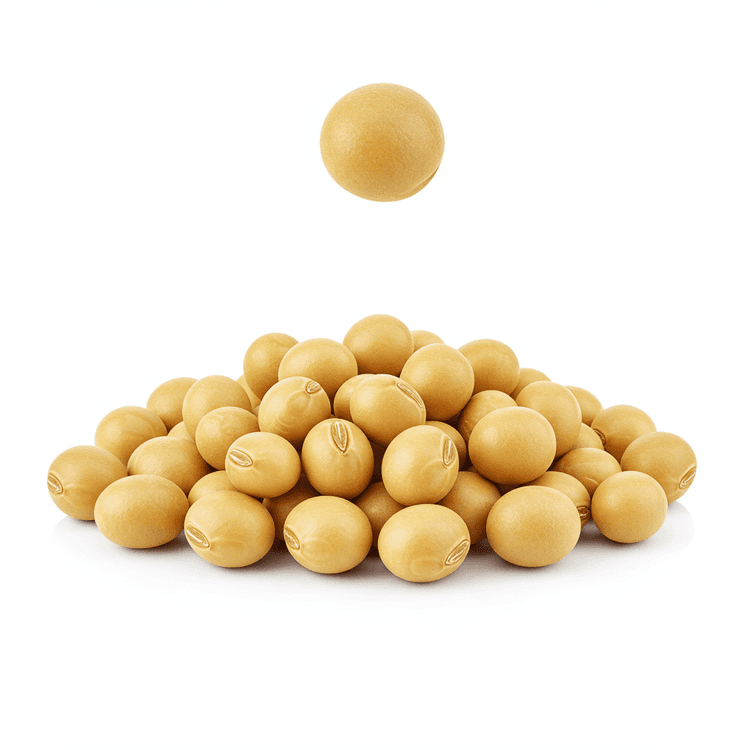
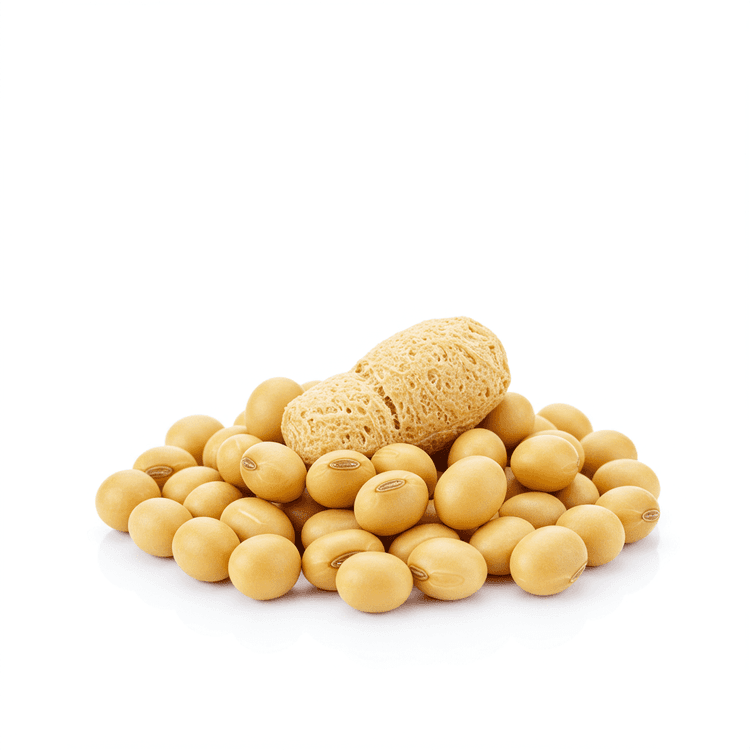
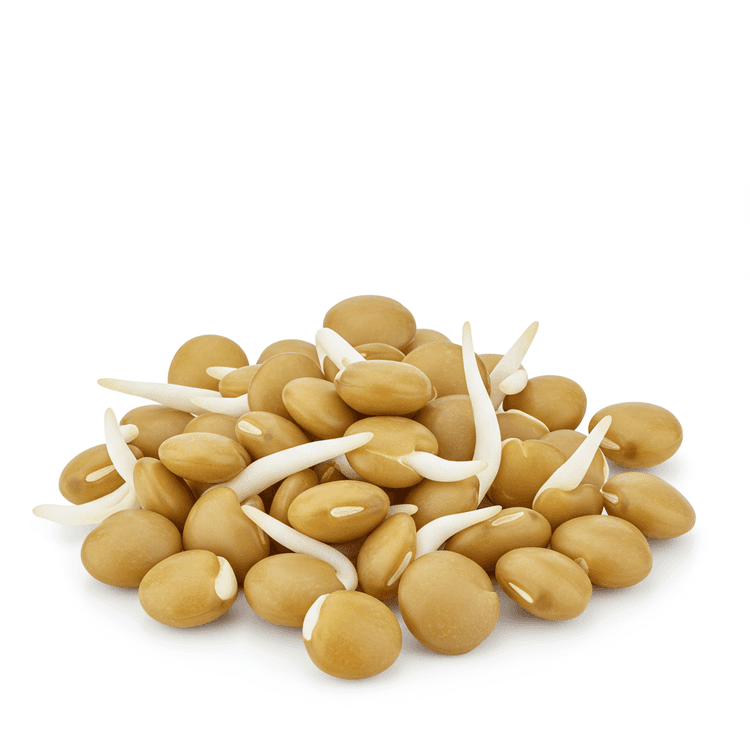
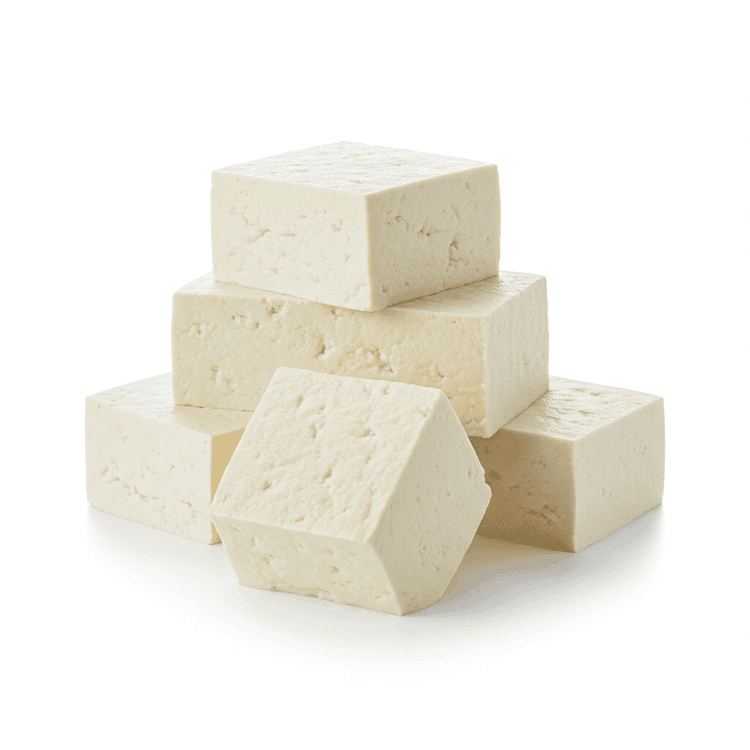
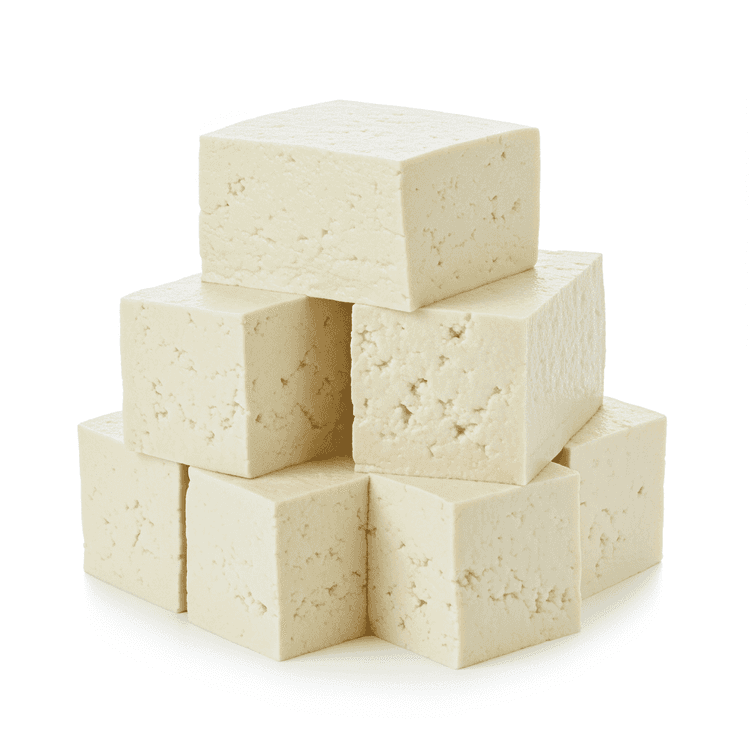
These protein powerhouses come in many forms: legumes (beans, lentils, peas), nuts and seeds (almonds, chia seeds, flaxseeds), soy products (tofu, tempeh, edamame), whole grains (quinoa, brown rice, oats), and even certain vegetables (broccoli, spinach). Each offers a unique nutritional profile, contributing to a well-rounded diet. Legumes, for example, are excellent sources of protein, fiber, iron, and folate. Nuts and seeds provide healthy fats, protein, vitamin E, and essential minerals like magnesium and zinc. Soy products are a complete protein source, meaning they contain all nine essential amino acids our bodies can't produce on their own. Whole grains offer complex carbohydrates, fiber, and protein, providing sustained energy. Even vegetables, while not typically considered primary protein sources, contribute valuable amounts of protein alongside a wealth of vitamins and antioxidants.
Plant-based proteins are incredibly versatile in the kitchen. Legumes form the base of hearty soups, stews, curries, and chili. Tofu and tempeh can be marinated, stir-fried, baked, or grilled, absorbing flavors beautifully. Nuts and seeds add crunch and flavor to salads, granola, and baked goods. Quinoa and brown rice serve as nutritious side dishes or bases for grain bowls. The possibilities are endless! Popular dishes featuring plant-based protein include lentil soup, tofu stir-fry, black bean burgers, quinoa salads, and overnight oats with chia seeds and nuts. They can be easily incorporated into tacos, pasta dishes, and even desserts, making them a convenient and delicious way to boost your protein intake.
The importance of plant-based protein in a balanced diet cannot be overstated. They are often lower in saturated fat and cholesterol than animal proteins, contributing to heart health. Their high fiber content promotes digestive health, helps regulate blood sugar levels, and can aid in weight management. The abundance of vitamins, minerals, and antioxidants found in plant-based protein sources supports overall well-being, boosting the immune system, protecting against chronic diseases, and promoting healthy aging. Notably, many plant-based proteins are rich in iron, crucial for energy production and oxygen transport. Combining different plant-based proteins throughout the day ensures you receive all the essential amino acids your body needs. By incorporating more plant-based protein into your diet, you're not only nourishing your body but also contributing to a more sustainable and ethical food system. Consider adding more beans, lentils, nuts, seeds, and soy products to your meals to reap the numerous health benefits and explore the exciting culinary possibilities that plant-based protein offers. They are truly a cornerstone of a healthy and fulfilling lifestyle. ||
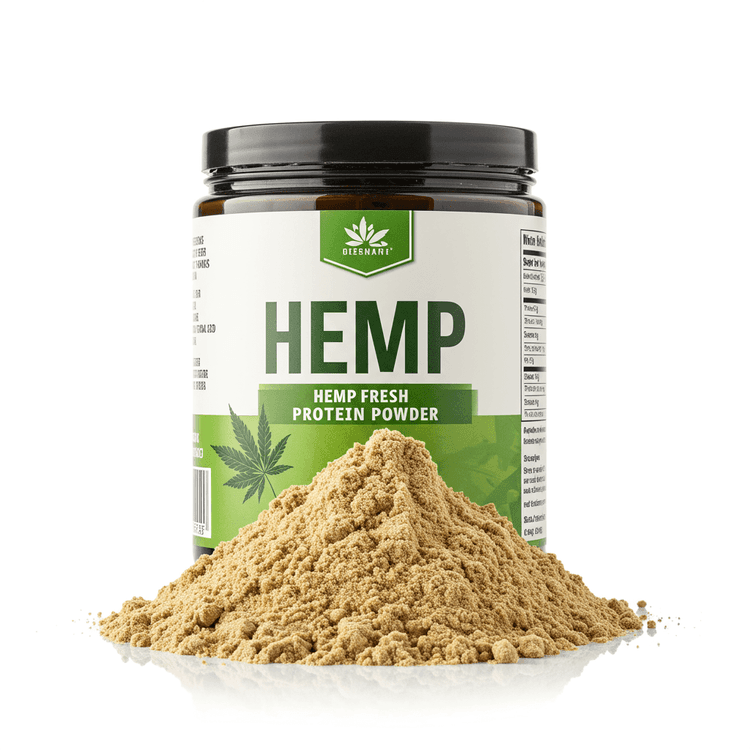
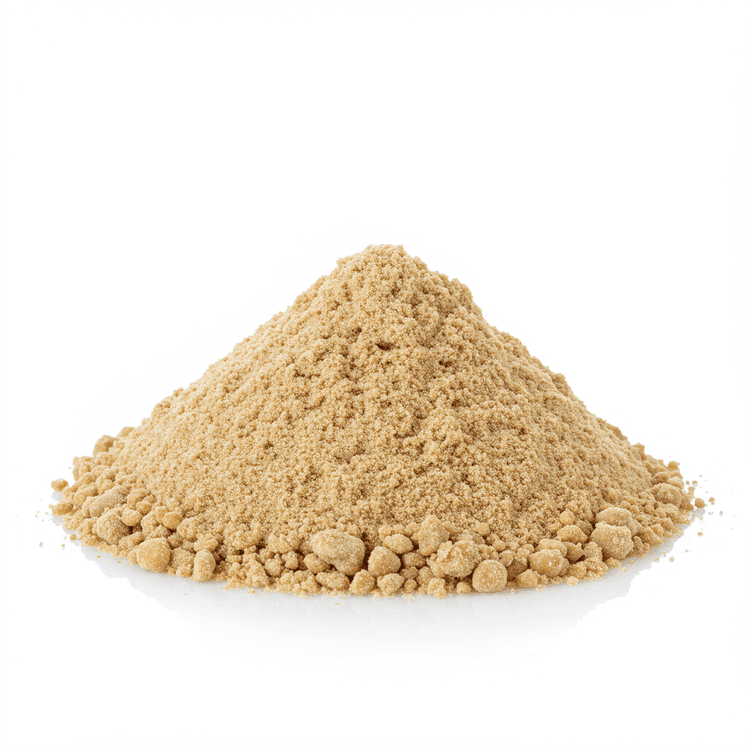
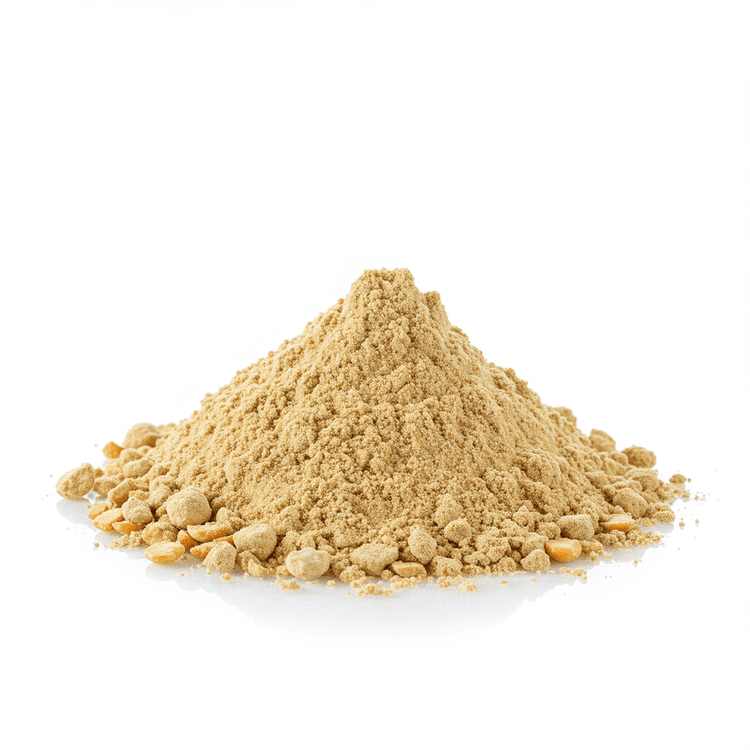
Plant-Based Protein are an essential part of a healthy diet, providing a wide range of nutrients and health benefits. Explore our collection of plant-based protein ingredients.