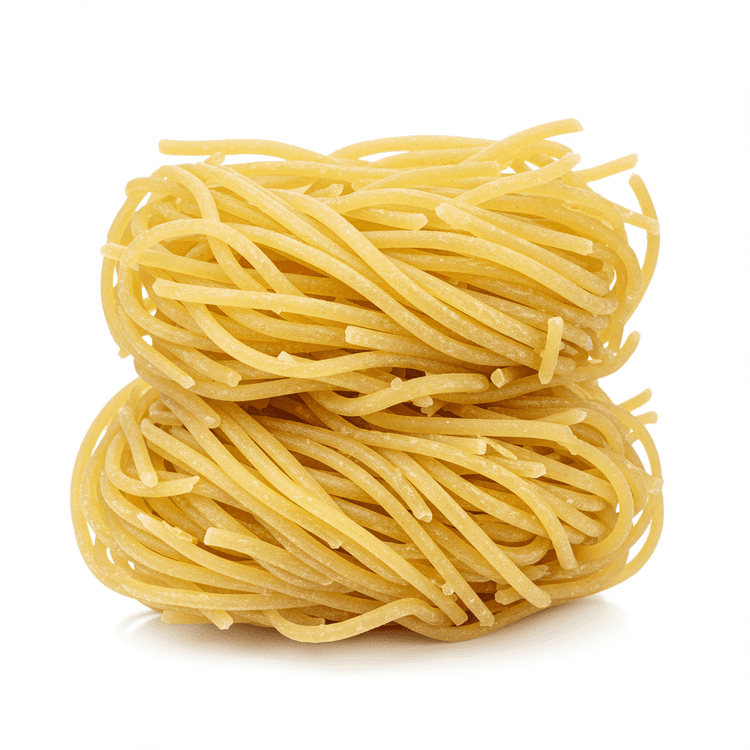
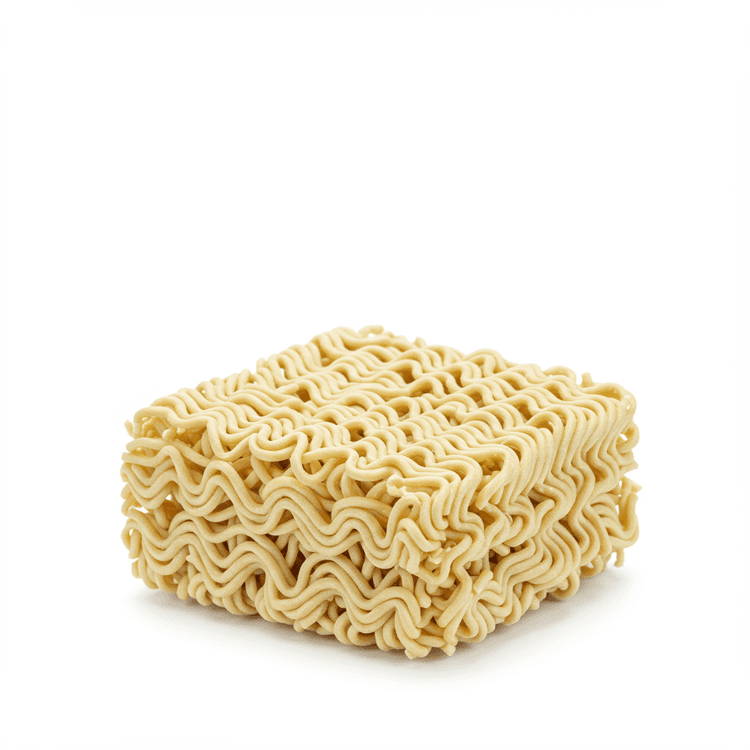
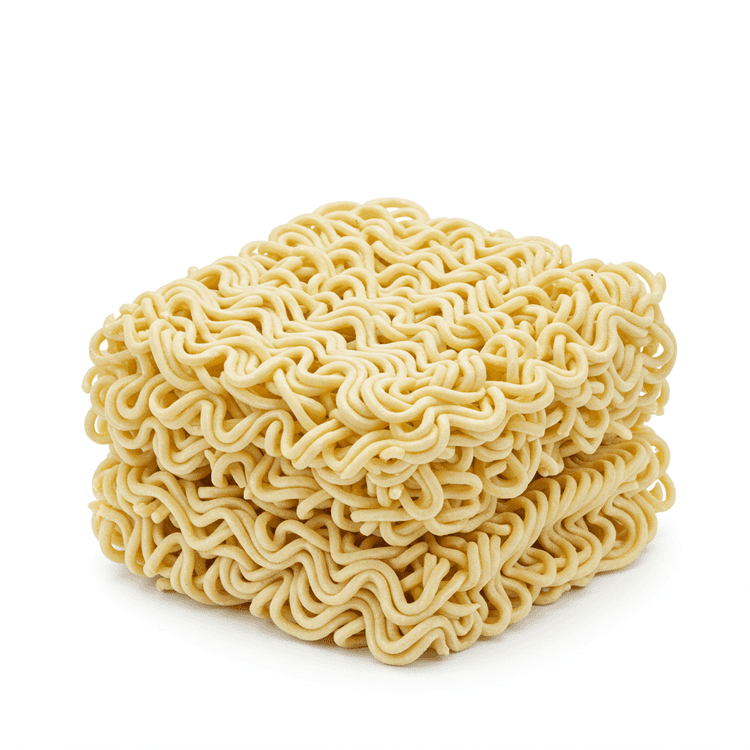
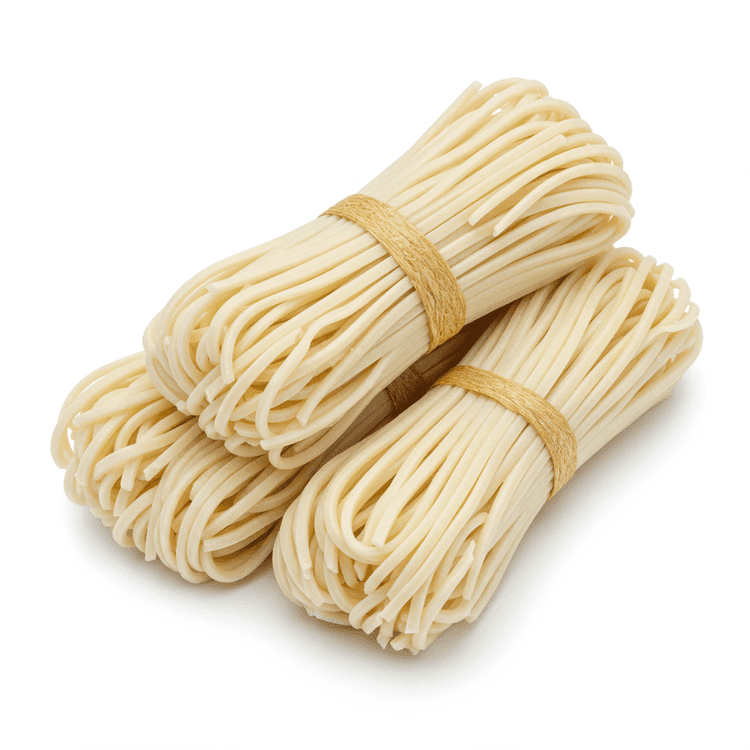
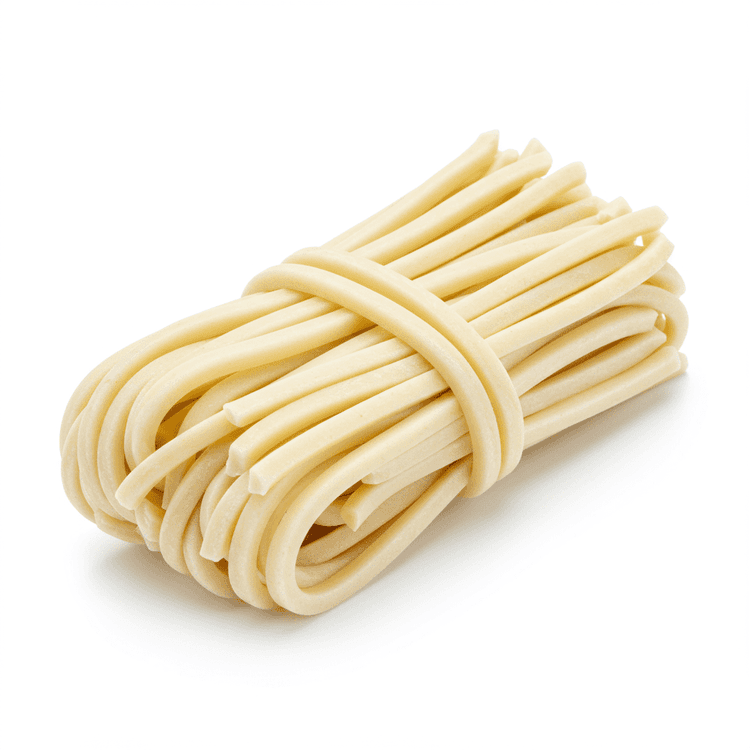
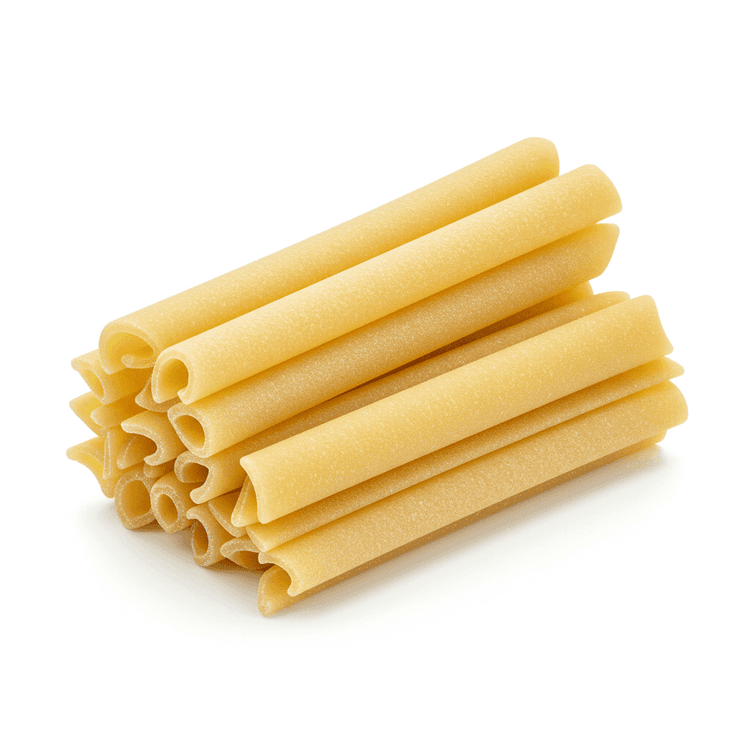
Noodles, a culinary staple across diverse cultures, offer more than just a comforting base for countless dishes. From the simple elegance of spaghetti to the satisfying chew of udon, noodles provide a versatile canvas for healthy and delicious meals. Understanding the nutritional profile and best uses of different noodle types can significantly enhance your dietary choices and overall well-being.
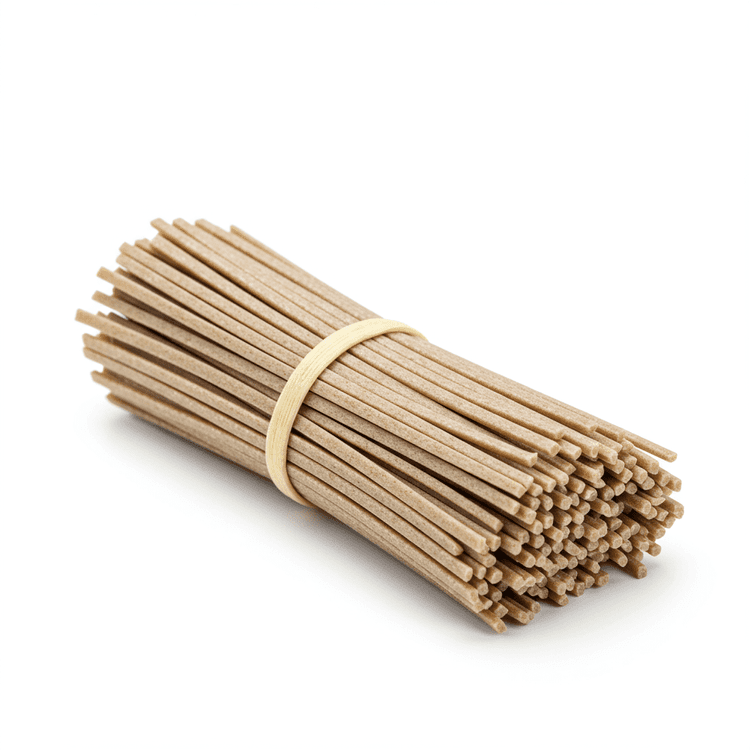
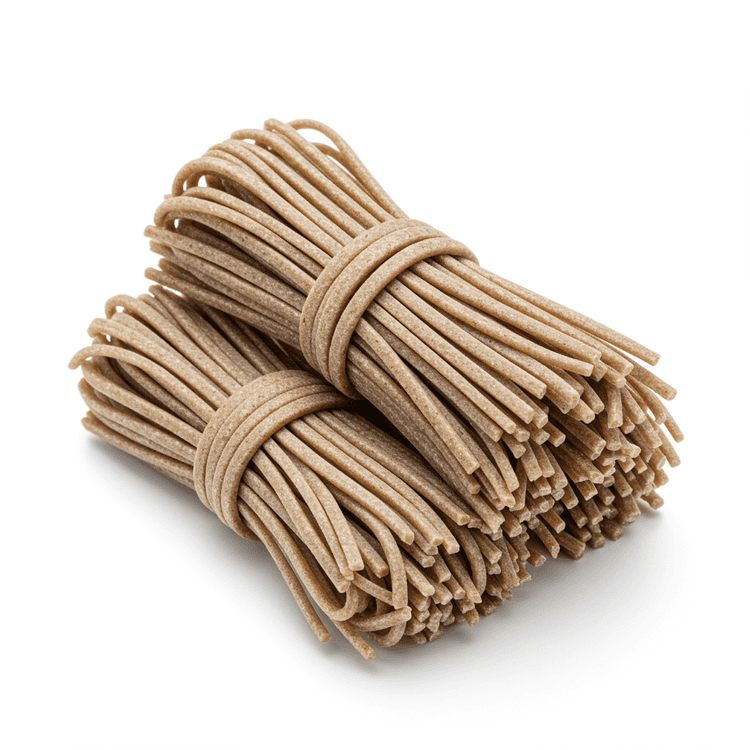
One of the primary benefits of noodles lies in their carbohydrate content, serving as a readily available energy source. Carbohydrates fuel our bodies and brains, making noodles a valuable component of an active lifestyle. Whole-wheat noodles, in particular, boast a higher fiber content compared to their refined counterparts. Fiber aids digestion, promotes gut health, and contributes to feelings of fullness, which can assist in weight management. Furthermore, certain noodles, like soba (buckwheat noodles), contain rutin, an antioxidant known for its potential cardiovascular benefits.
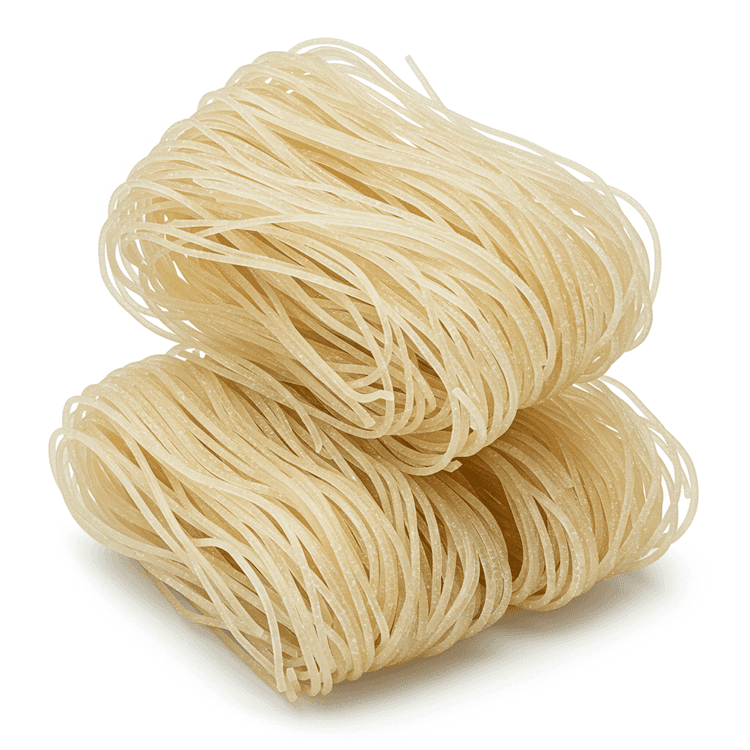
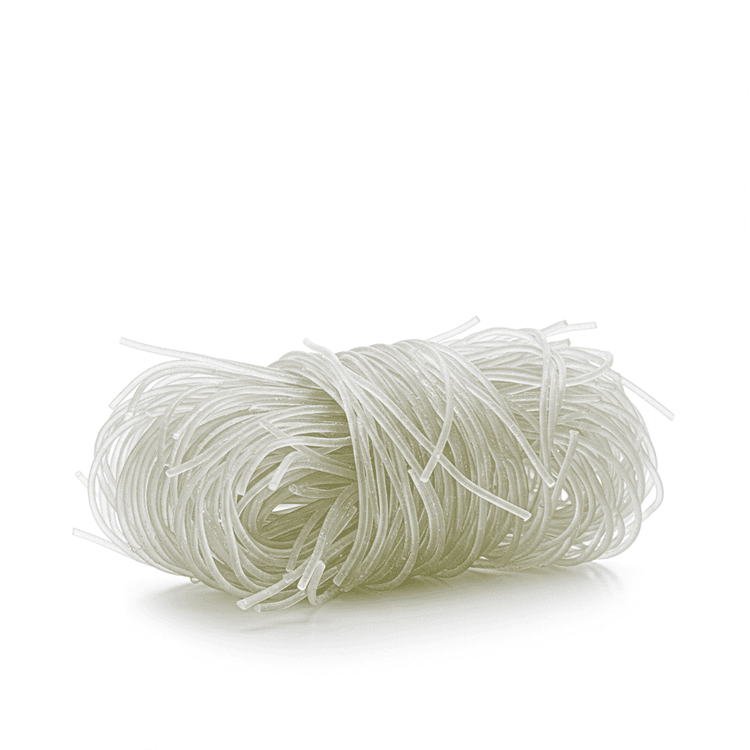
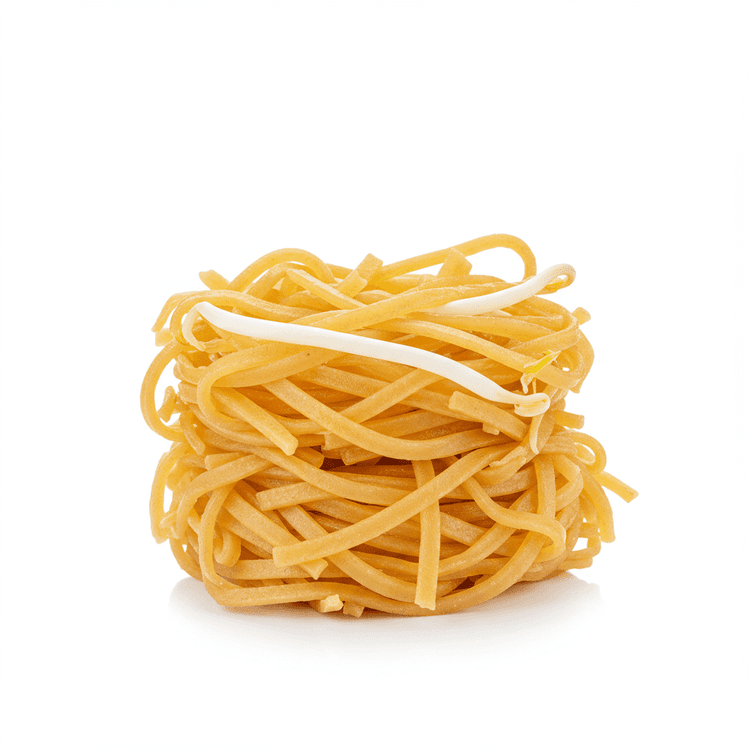
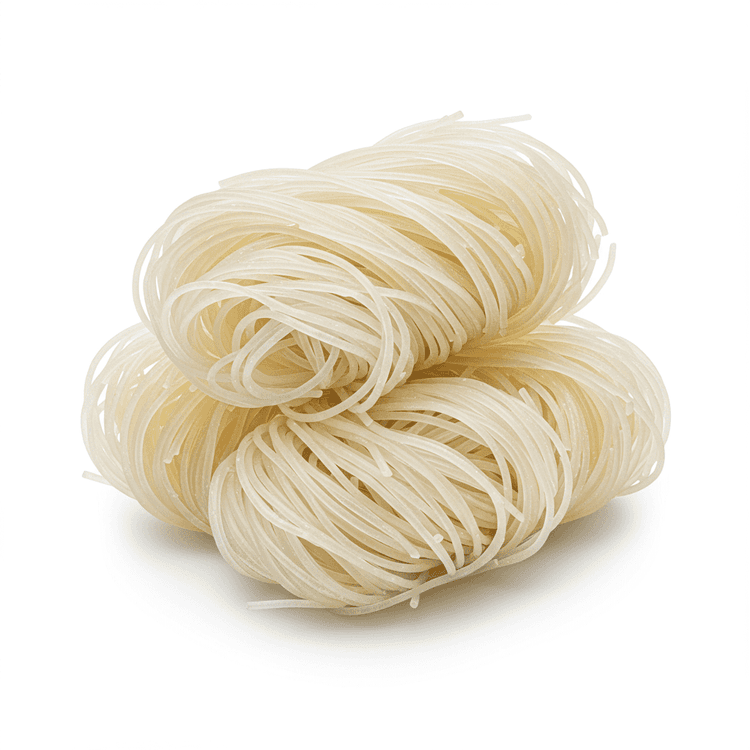
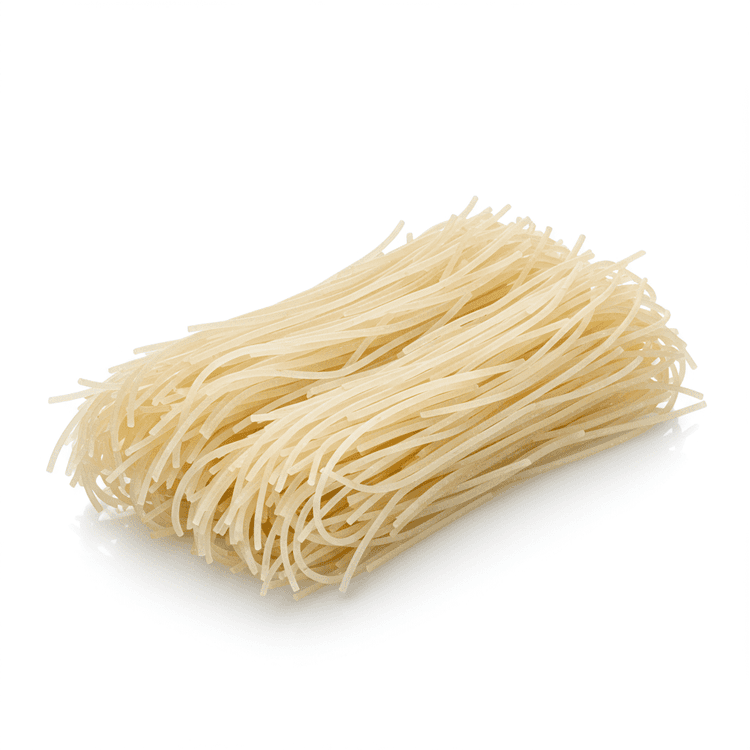
Beyond carbohydrates and fiber, some noodles offer other notable nutrients. Egg noodles contribute protein and essential amino acids, crucial for muscle building and repair. Rice noodles, naturally gluten-free, are a suitable alternative for individuals with celiac disease or gluten sensitivities. Bean thread noodles, made from mung bean starch, are lower in calories and carbohydrates than many other varieties, making them a lighter option.
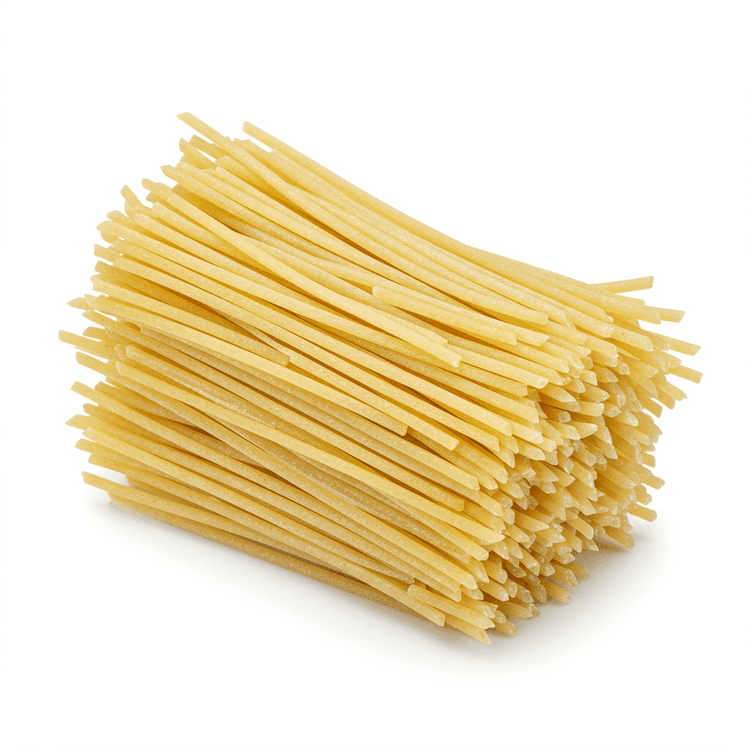
Culinary uses for noodles are virtually limitless. In Asian cuisines, noodles star in iconic dishes like ramen, pho, pad thai, and chow mein. Italian pasta dishes, such as spaghetti carbonara, lasagna, and fettuccine alfredo, are beloved worldwide. Beyond these classics, noodles can be incorporated into soups, salads, stir-fries, and casseroles. They can be boiled, steamed, stir-fried, or baked, offering a range of textures and flavors to complement various sauces, vegetables, and proteins.
Choosing the right noodles is essential for a balanced diet. Opt for whole-grain varieties whenever possible to maximize fiber intake. Pay attention to portion sizes and be mindful of high-calorie sauces or additions. Incorporate plenty of vegetables and lean protein to create a nutritionally complete meal. Noodle-based dishes can be a fantastic way to sneak in extra vegetables, such as spinach, mushrooms, peppers, or broccoli, enhancing both the flavor and health benefits.
Noodles are important for a balanced diet because they offer a source of energy, and when chosen wisely (whole grain options), provide fiber that supports digestive health. They are incredibly versatile, acting as a blank canvas for a range of flavors and nutritious ingredients. By understanding the different types of noodles and their nutritional properties, you can strategically incorporate them into your meal planning to create delicious, satisfying, and health-conscious meals. They are an excellent base for building meals packed with vegetables, proteins, and flavorful sauces, making them a simple way to increase micronutrient intake and build well-rounded meals. ||
Noodle are an essential part of a healthy diet, providing a wide range of nutrients and health benefits. Explore our collection of noodle ingredients.