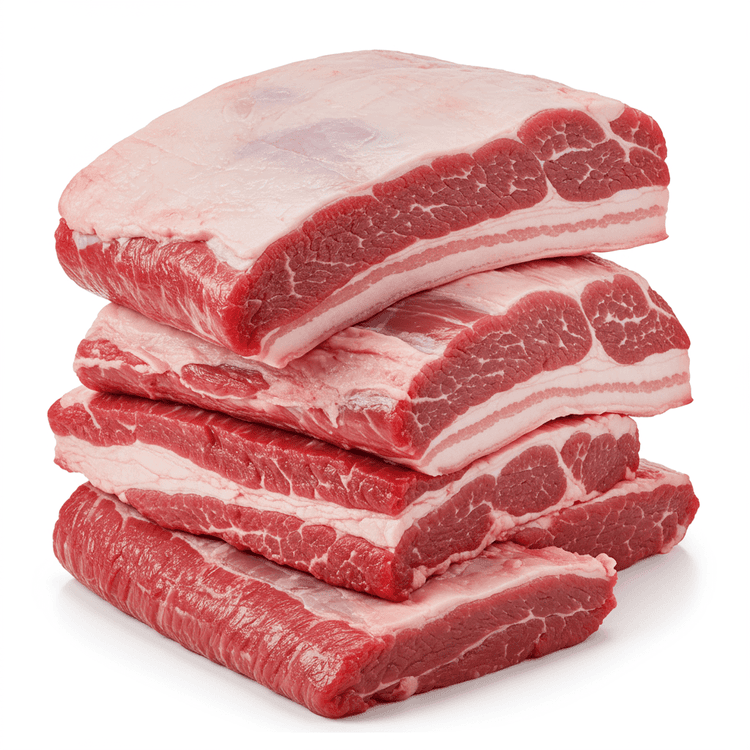
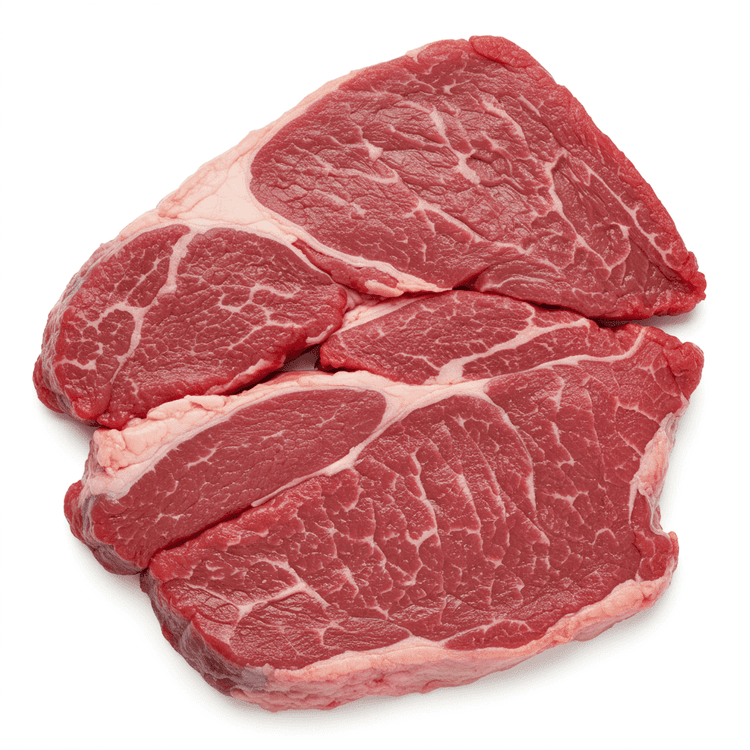
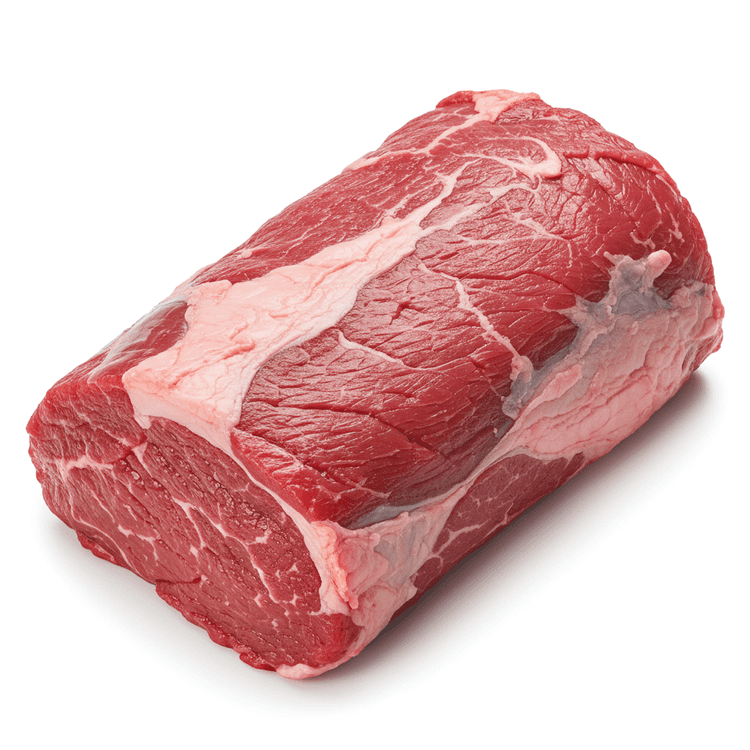
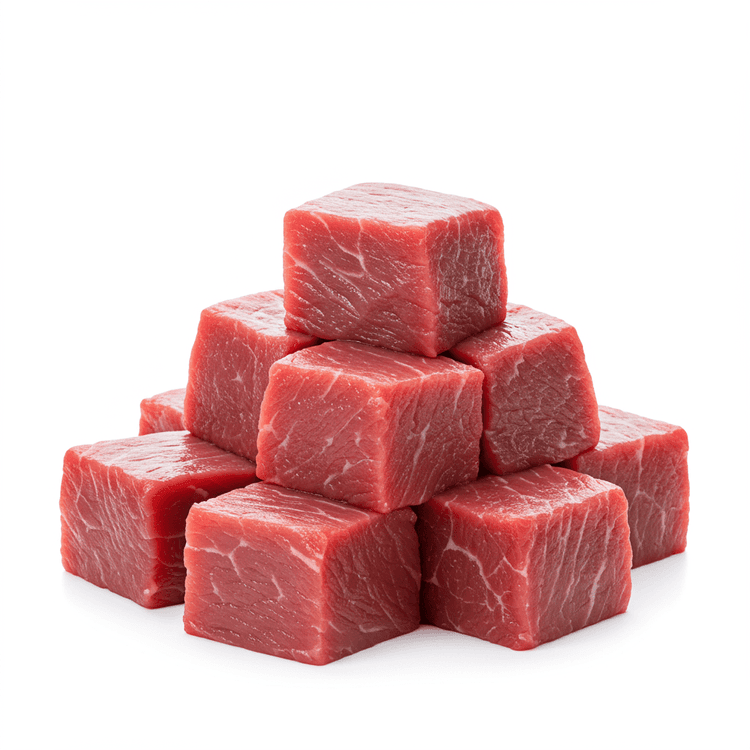
Beef: A Culinary and Nutritional Powerhouse
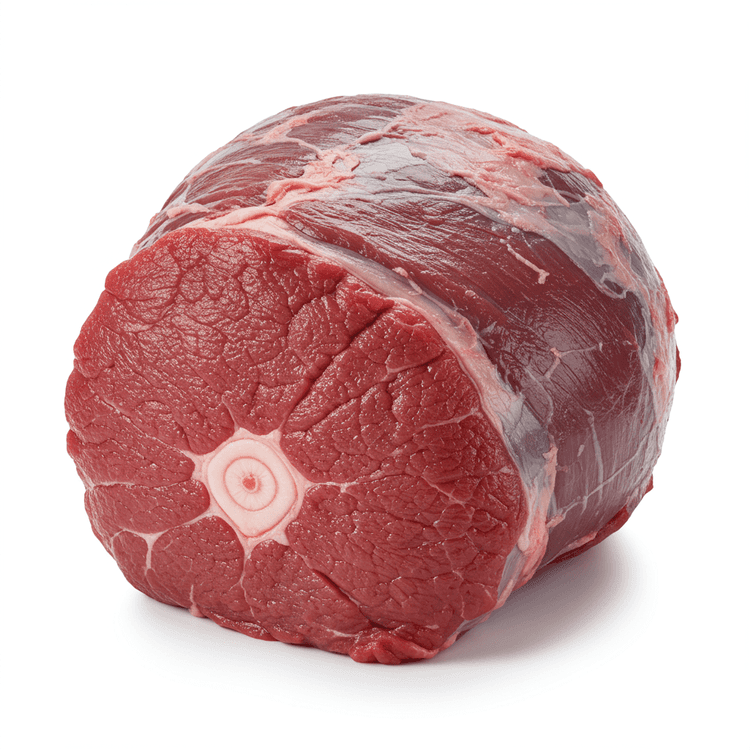
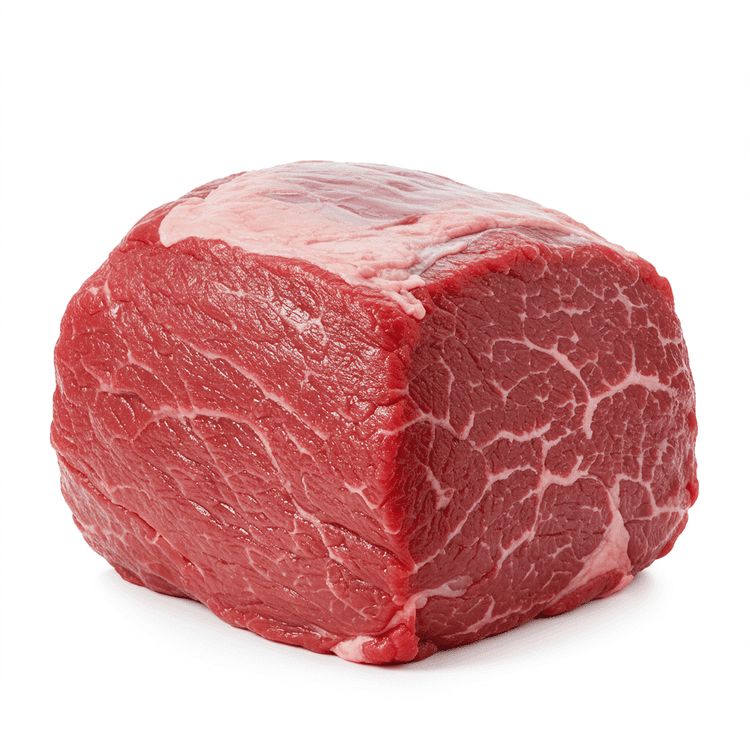
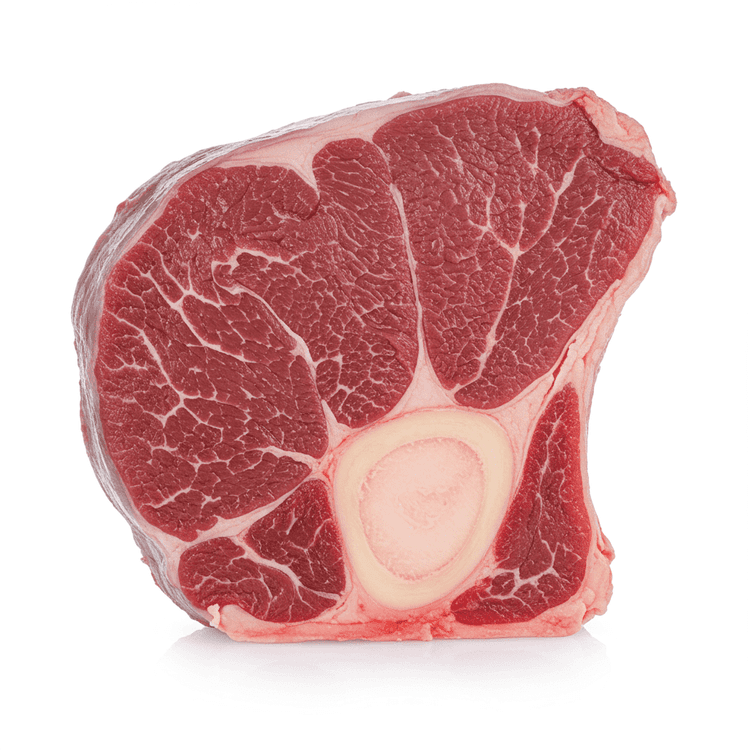
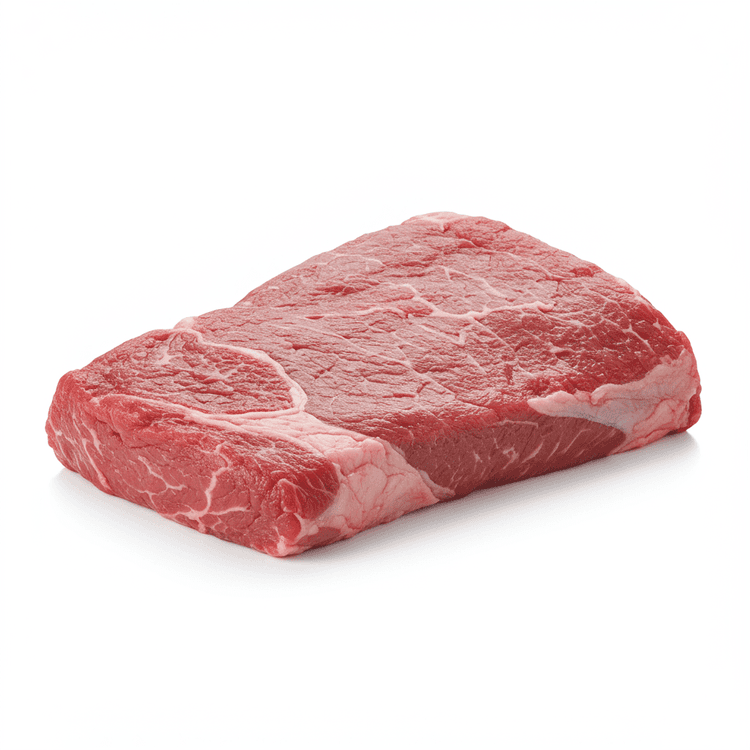
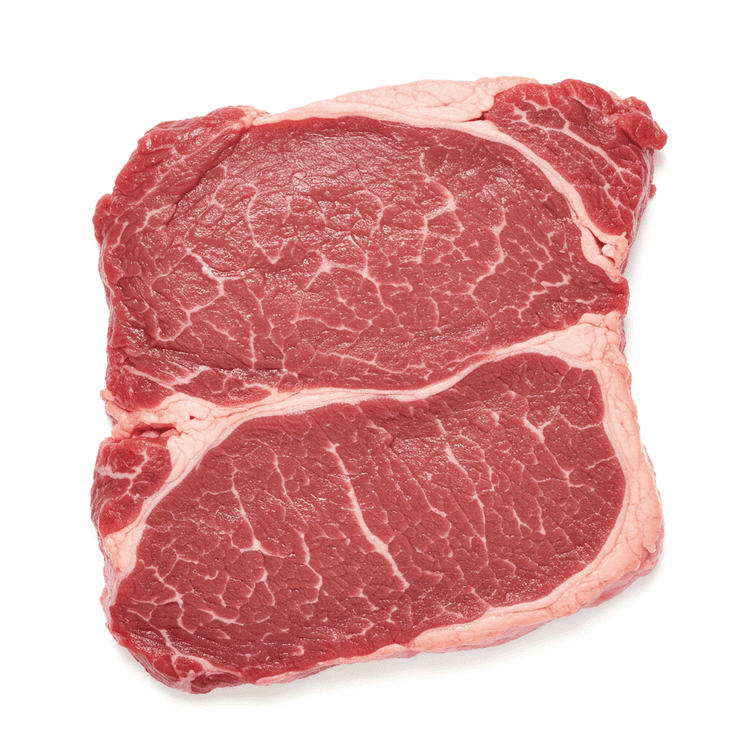
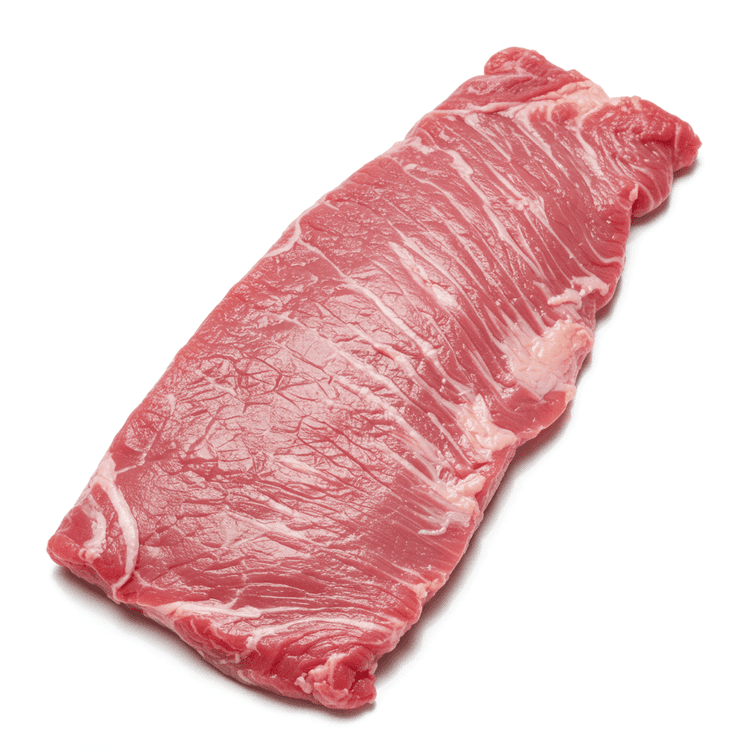
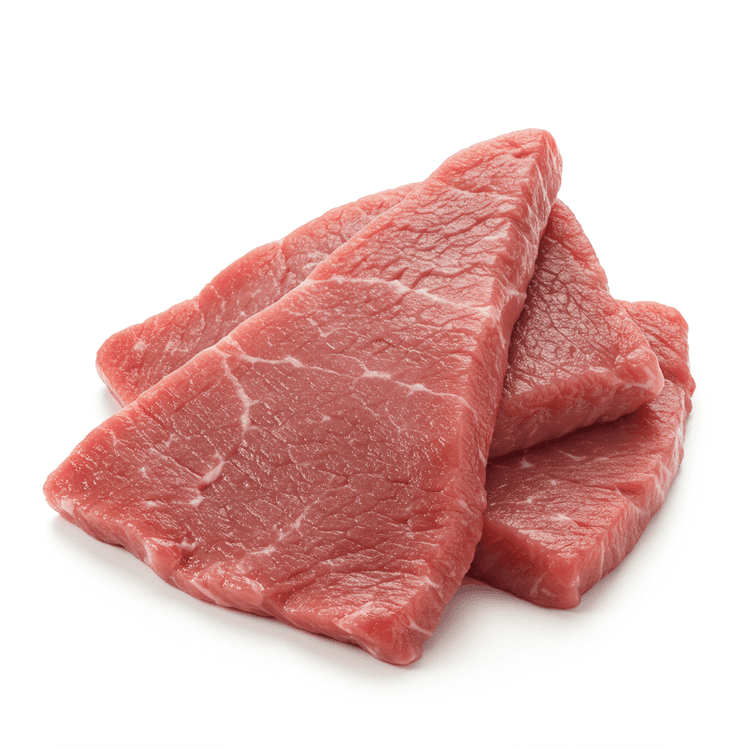
Beef, a staple in cuisines worldwide, is more than just a delicious meal; it's a significant source of essential nutrients that contribute to overall health and well-being. From succulent steaks to hearty stews, beef offers a diverse range of culinary applications while providing valuable vitamins, minerals, and high-quality protein.
Nutritional Benefits of Beef
Beef is a rich source of protein, crucial for building and repairing tissues, supporting immune function, and producing enzymes and hormones. A single serving of beef can provide a substantial portion of your daily protein needs. Beyond protein, beef is packed with essential nutrients. It is an excellent source of iron, particularly heme iron, which is more readily absorbed by the body than non-heme iron found in plant-based foods. Iron is vital for carrying oxygen throughout the body and preventing iron-deficiency anemia. Beef is also a significant source of zinc, supporting immune function, wound healing, and cell growth. B vitamins, particularly vitamin B12, are abundant in beef, playing a critical role in nerve function, DNA synthesis, and energy production. Vitamin B12 is primarily found in animal products, making beef an important dietary source, especially for individuals who do not consume other animal proteins.
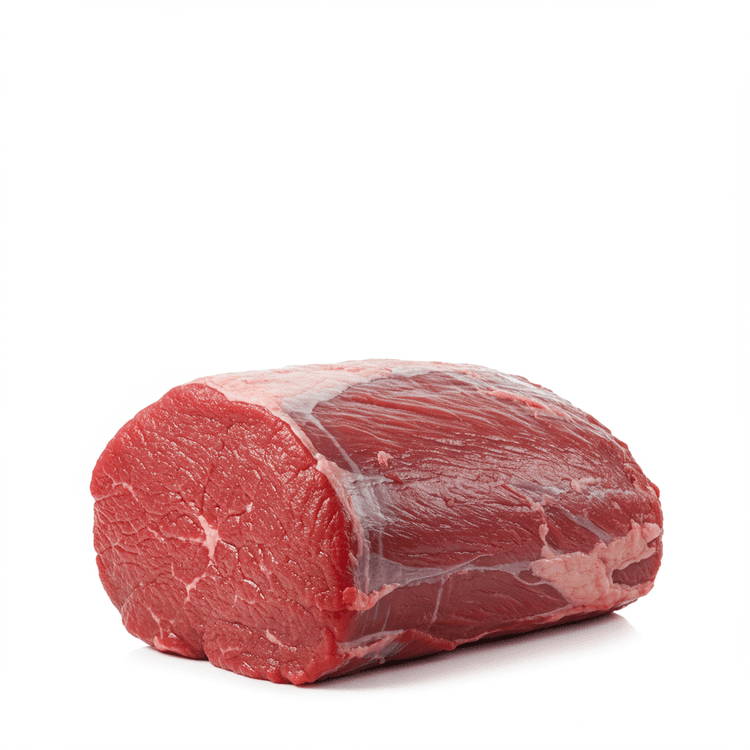
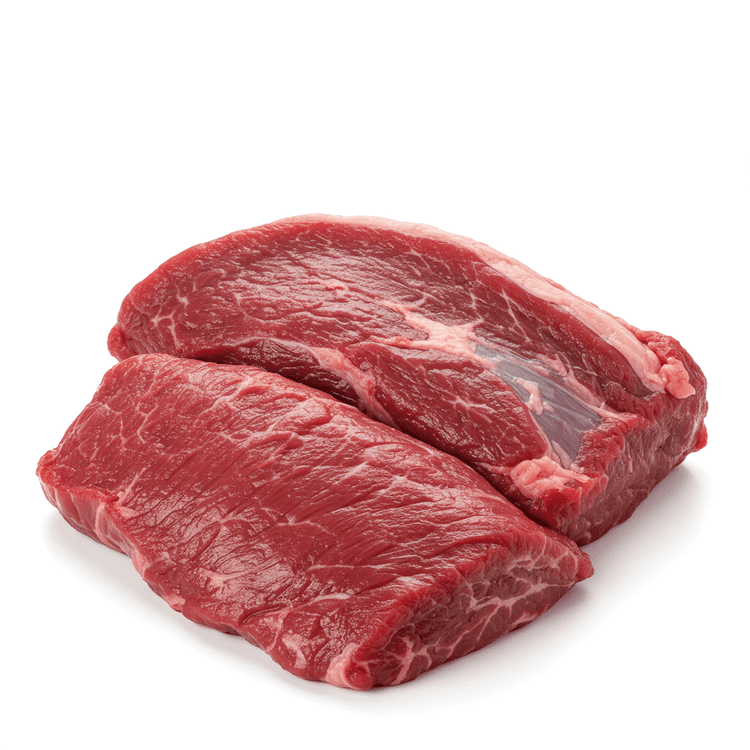
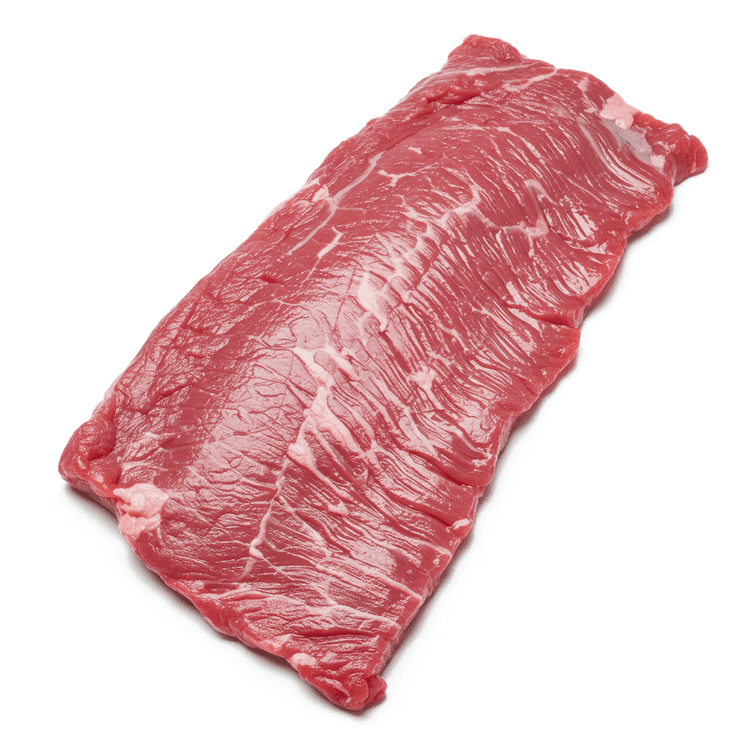
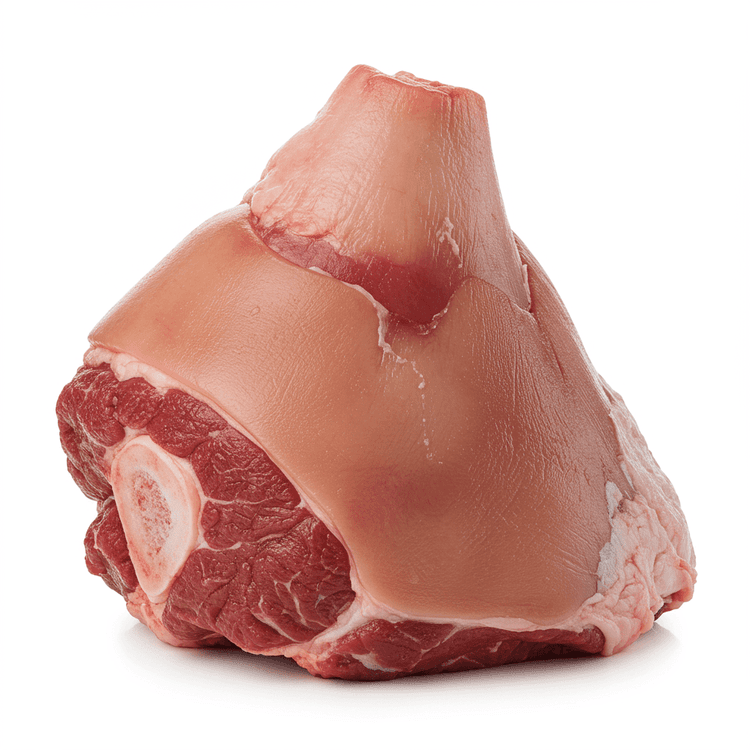
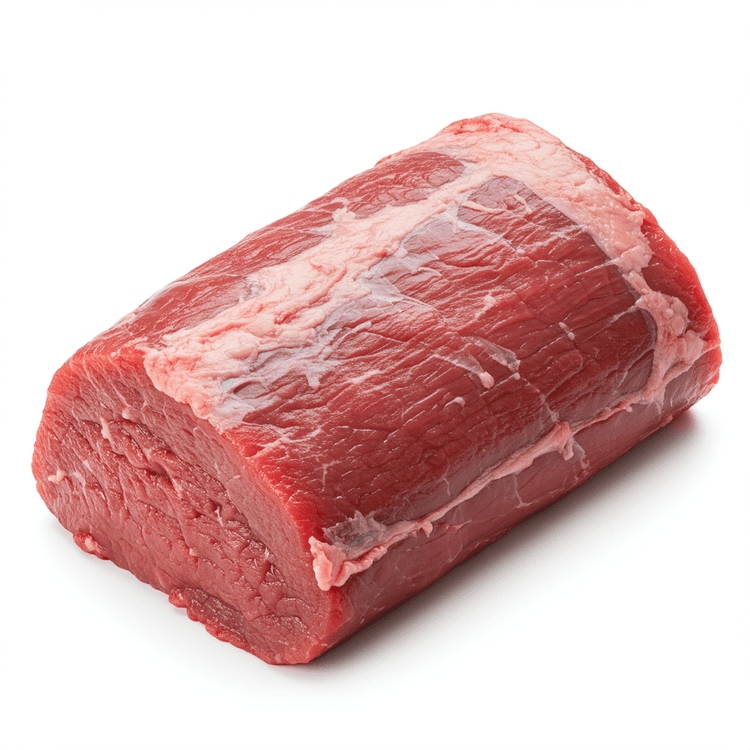
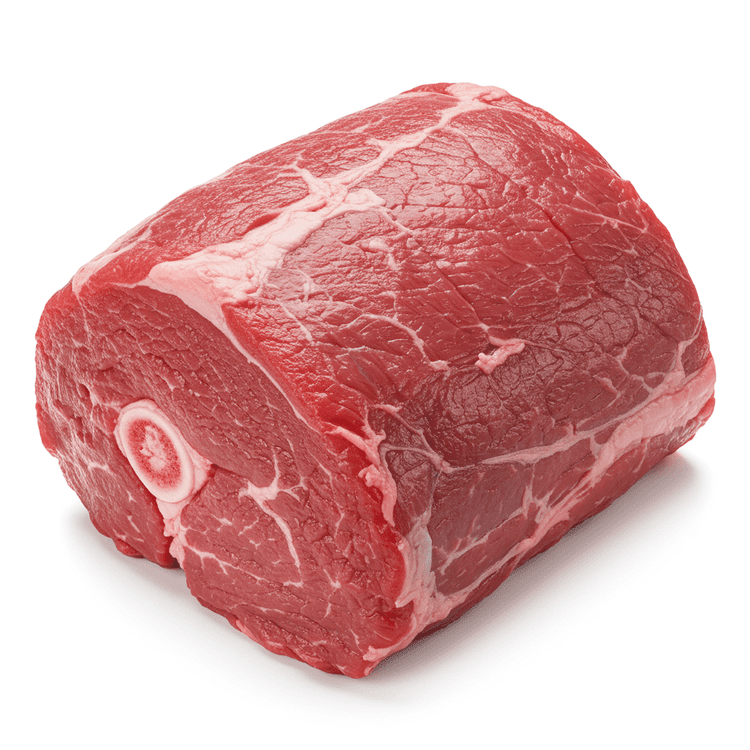
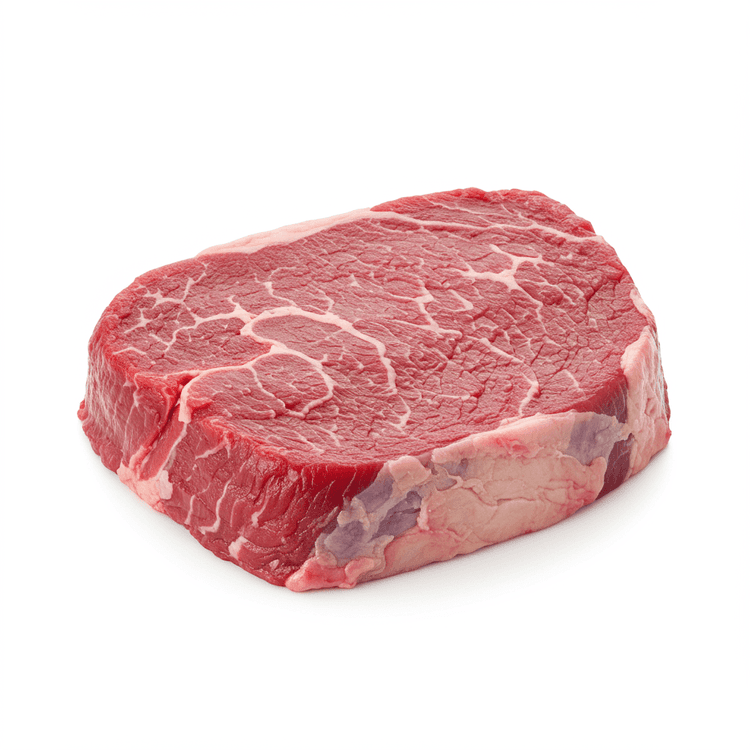
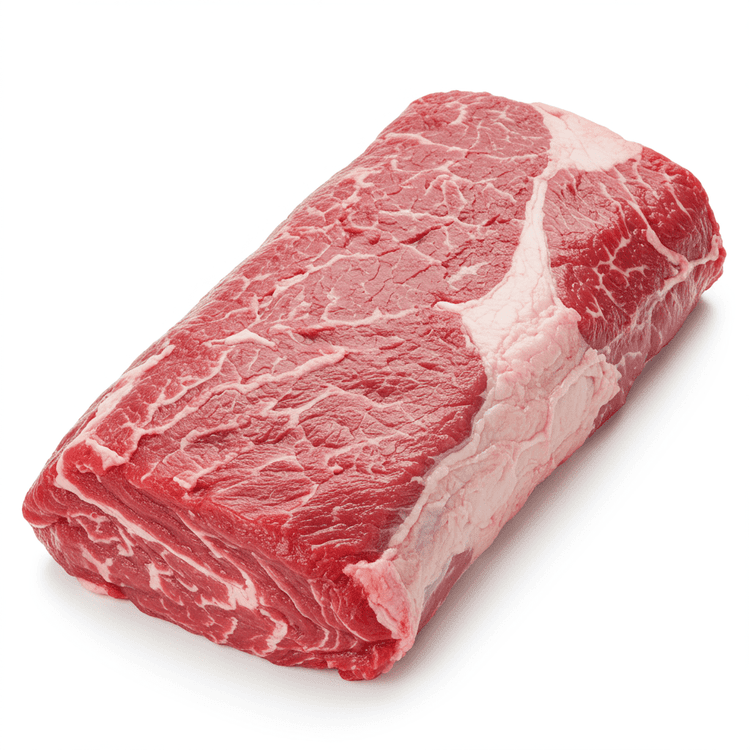
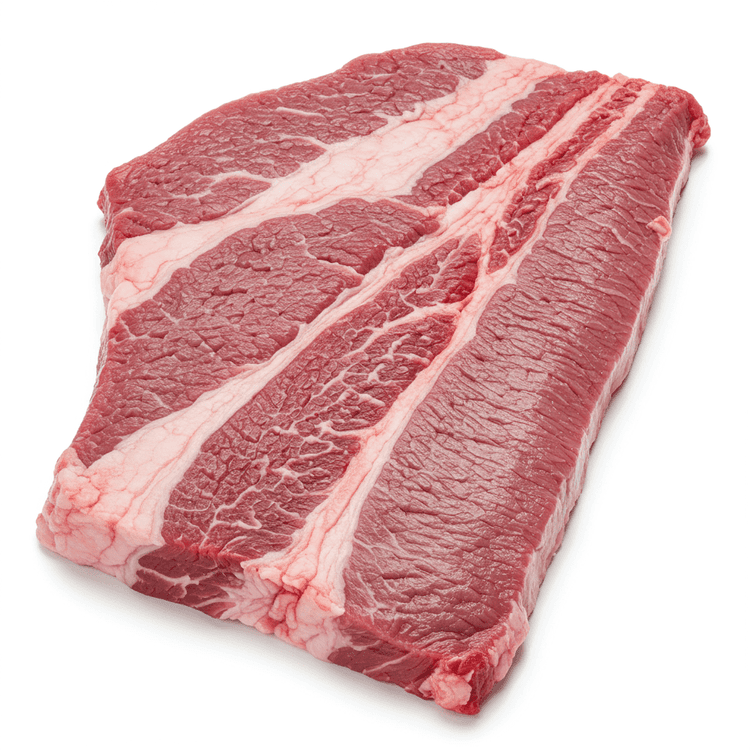
Beef contains creatine, a compound known to enhance muscle strength and power, making it beneficial for athletes and those seeking to improve their physical performance. It also provides carnosine, an antioxidant that helps reduce muscle fatigue and improve exercise endurance. While beef contains fat, the amount and type can vary depending on the cut. Leaner cuts, like sirloin and tenderloin, offer a good balance of protein and nutrients with less fat. Choosing leaner cuts can help manage calorie intake while still enjoying the benefits of beef.
Culinary Uses and Popular Dishes
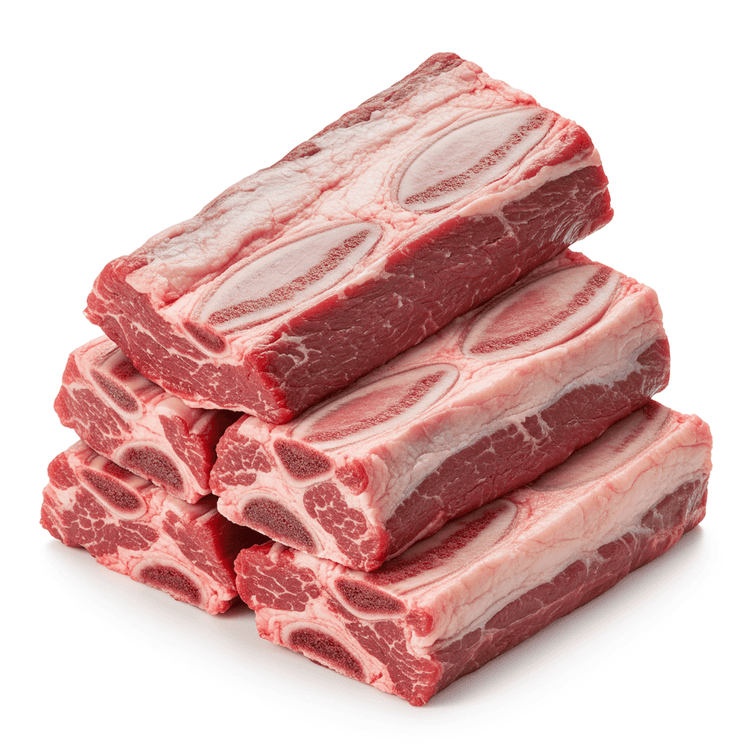
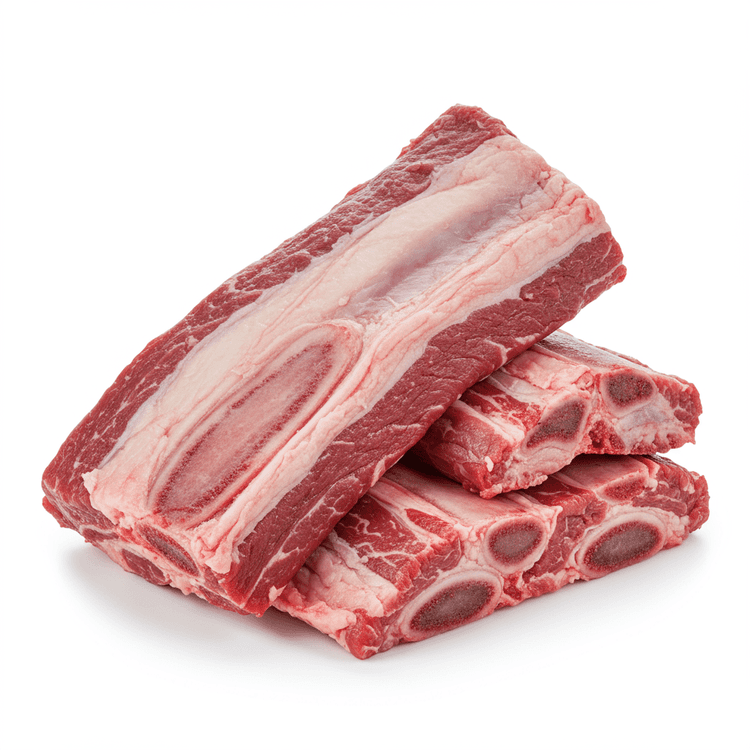
Beef's versatility makes it a favorite ingredient in countless dishes around the globe. From classic American barbecue featuring ribs and brisket to Argentinian asado with grilled cuts like ribeye, beef takes center stage. In French cuisine, beef bourguignon, a rich and savory stew, highlights beef's ability to transform into a comforting and flavorful meal. Asian cuisines utilize beef in stir-fries, such as Korean bulgogi, and noodle soups like Vietnamese pho. Ground beef is a staple in many households, used in dishes like tacos, burgers, and spaghetti sauce. The cooking methods for beef are as diverse as the cuisines it appears in. Grilling, roasting, braising, stir-frying, and slow-cooking are all popular techniques, each imparting a unique flavor and texture to the meat.
Beef in a Balanced Diet
Incorporating beef into a balanced diet can contribute significantly to overall wellness. The high-quality protein helps maintain muscle mass and supports satiety, which can be beneficial for weight management. The essential vitamins and minerals, like iron, zinc, and vitamin B12, are crucial for various bodily functions, from immune support to energy production. Choosing leaner cuts and preparing beef with healthy cooking methods, such as grilling or baking, can help maximize its nutritional benefits while minimizing unhealthy fat intake. Beef can be a valuable component of a well-rounded diet when consumed in moderation and paired with plenty of fruits, vegetables, and whole grains. By making informed choices about the cuts and cooking methods, you can enjoy the delicious flavor and nutritional advantages of beef as part of a healthy lifestyle. Including beef provides nutrients often lacking from other food sources and contributes to energy, muscle support, and overall wellbeing. ||
Beef are an essential part of a healthy diet, providing a wide range of nutrients and health benefits. Explore our collection of beef ingredients.