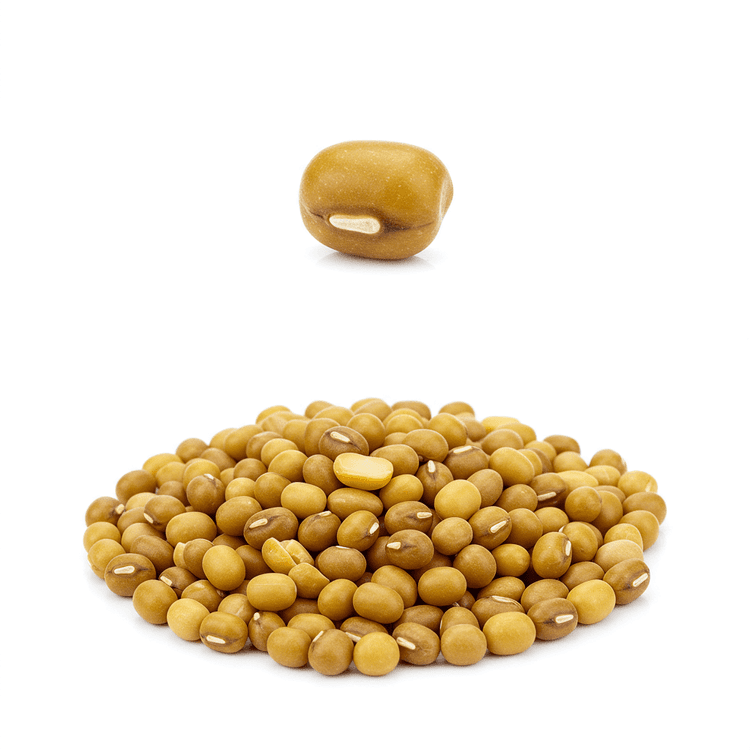
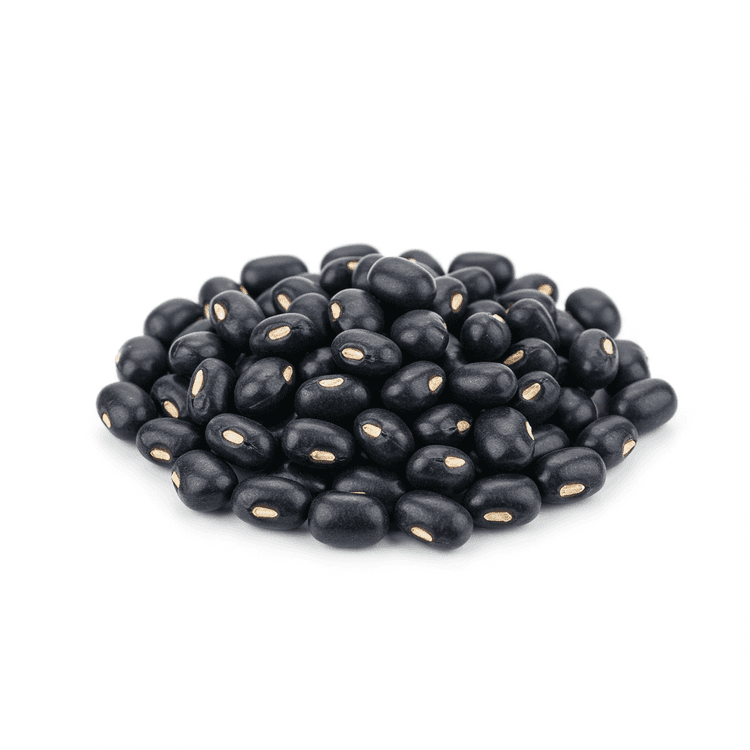
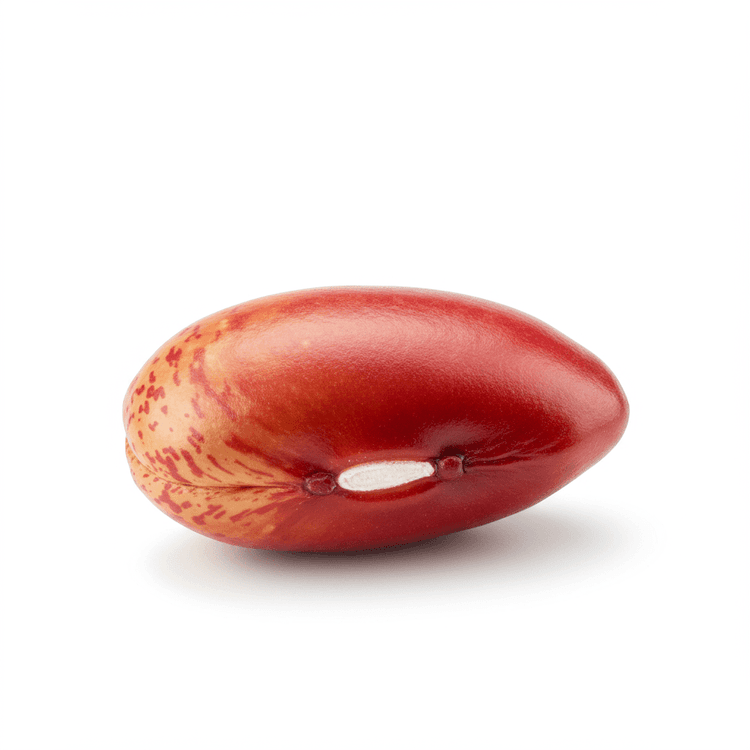
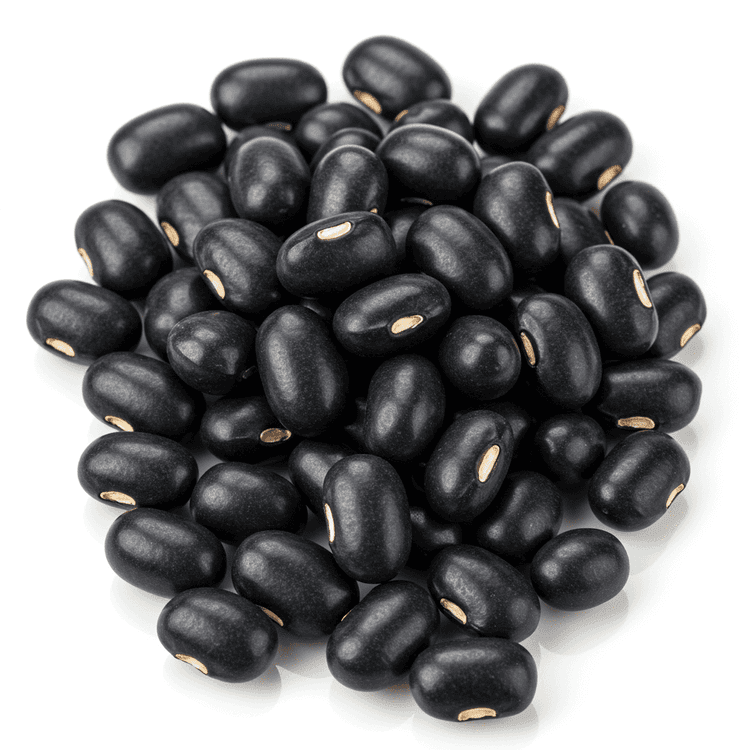
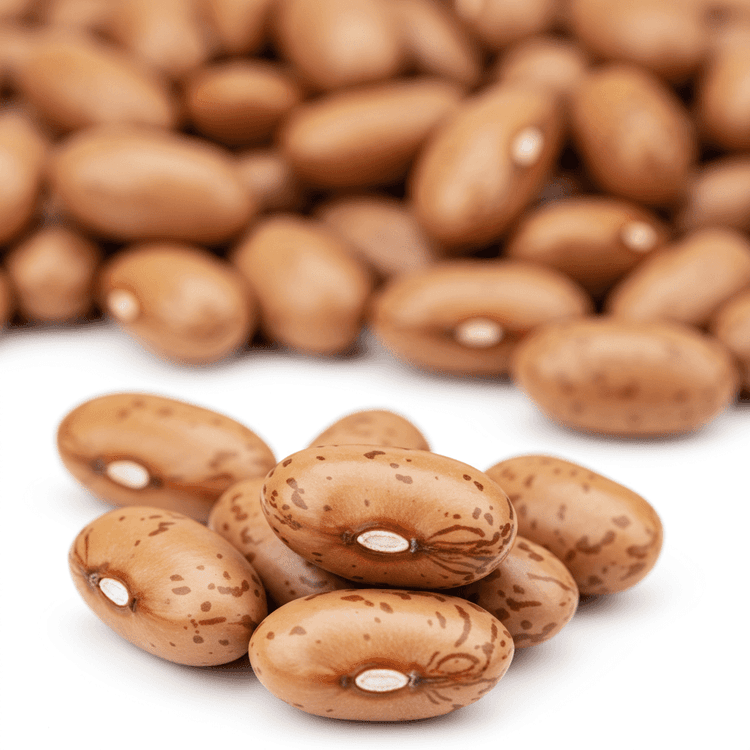
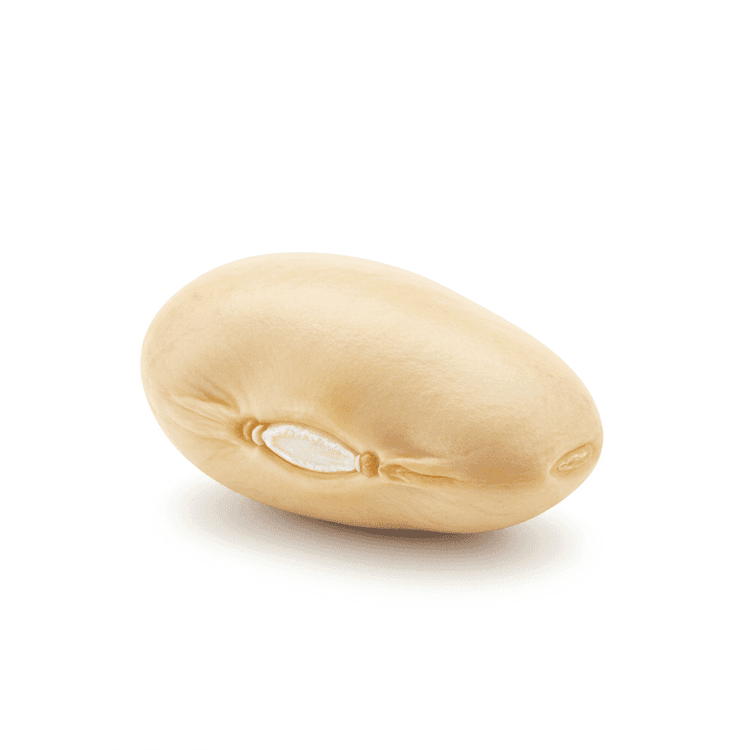
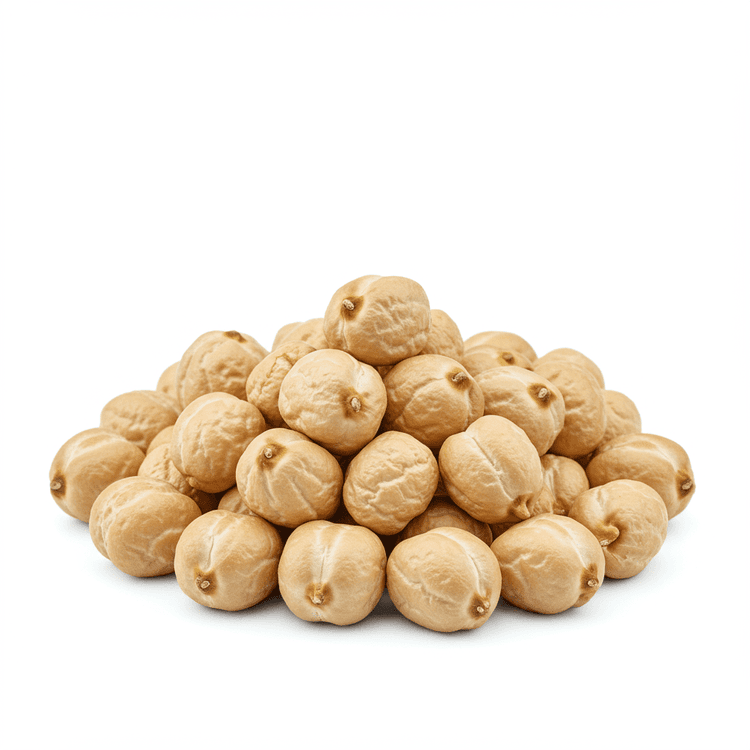
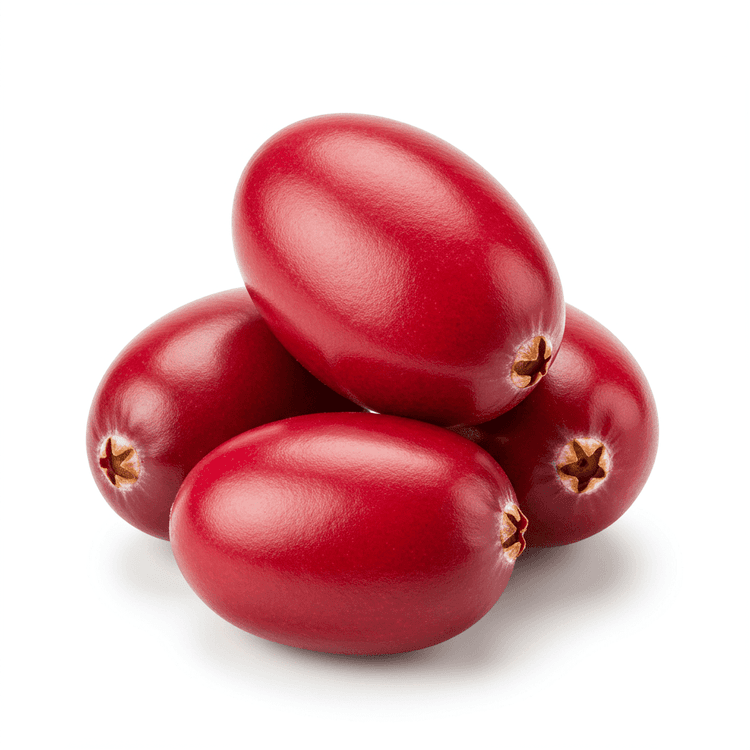
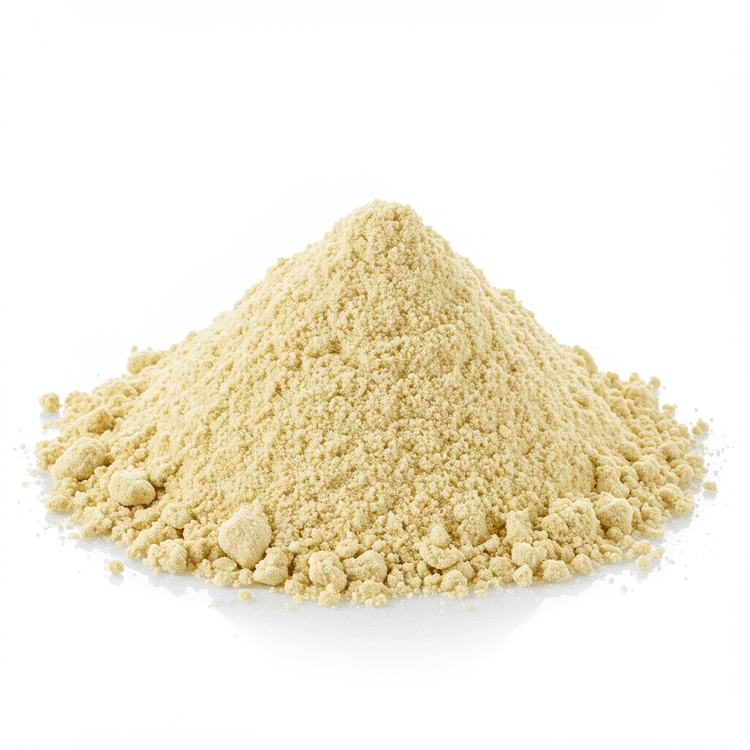
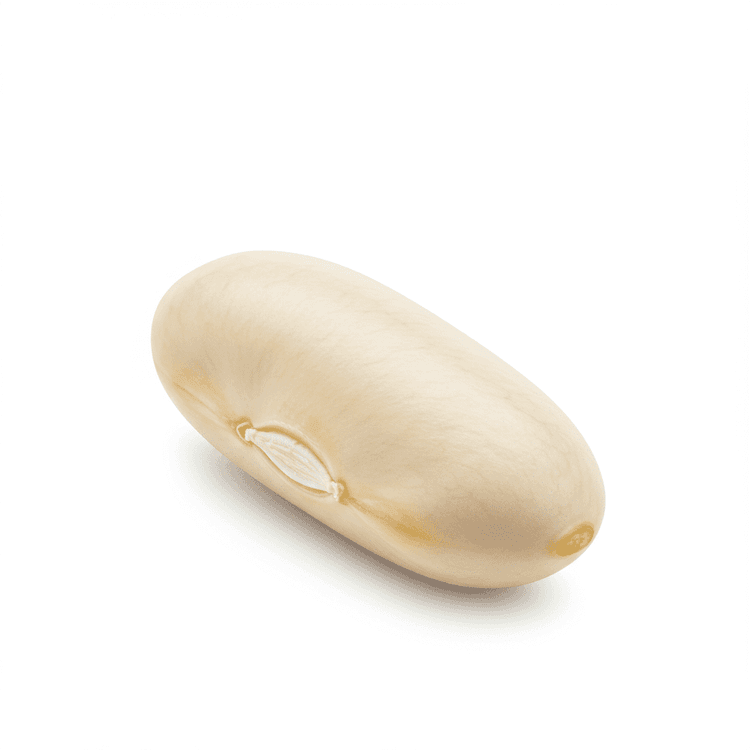
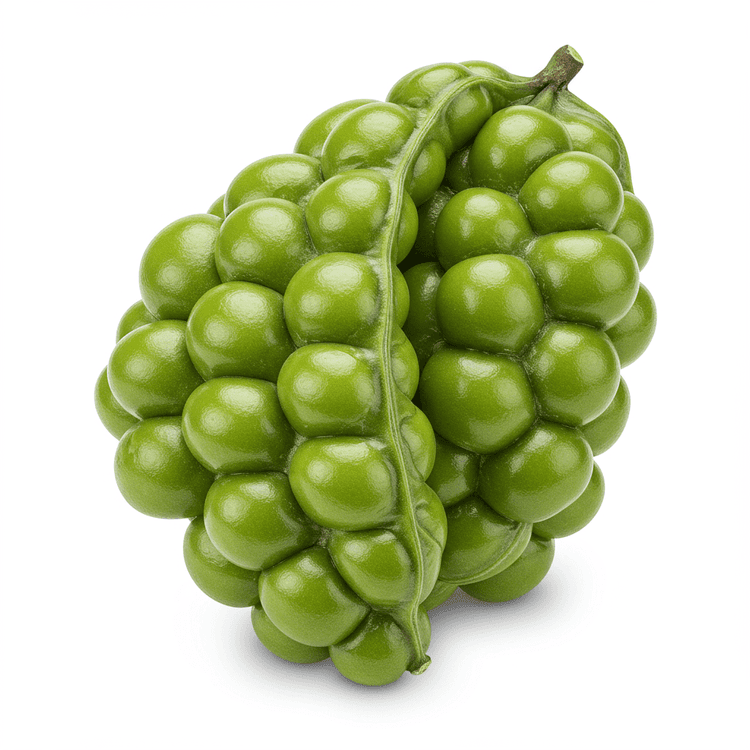
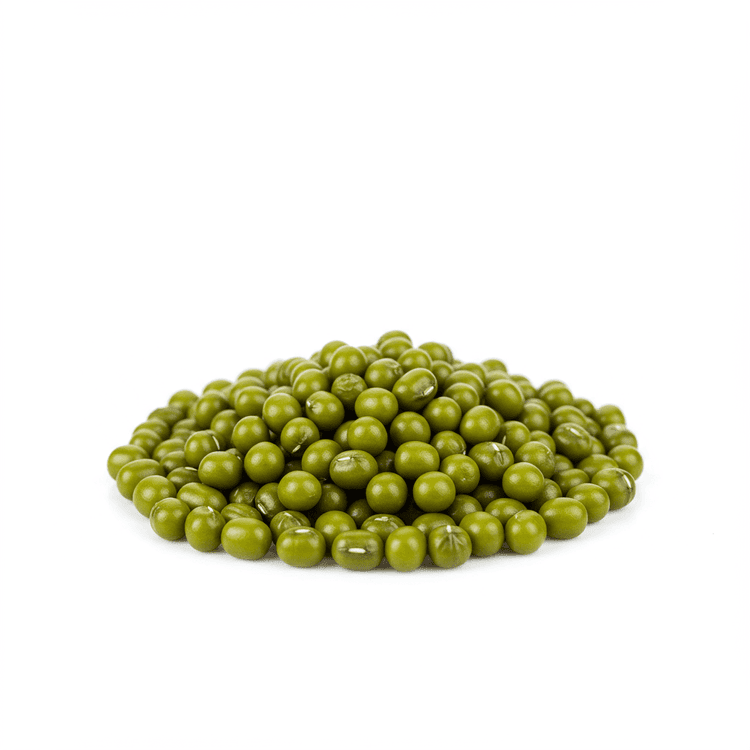
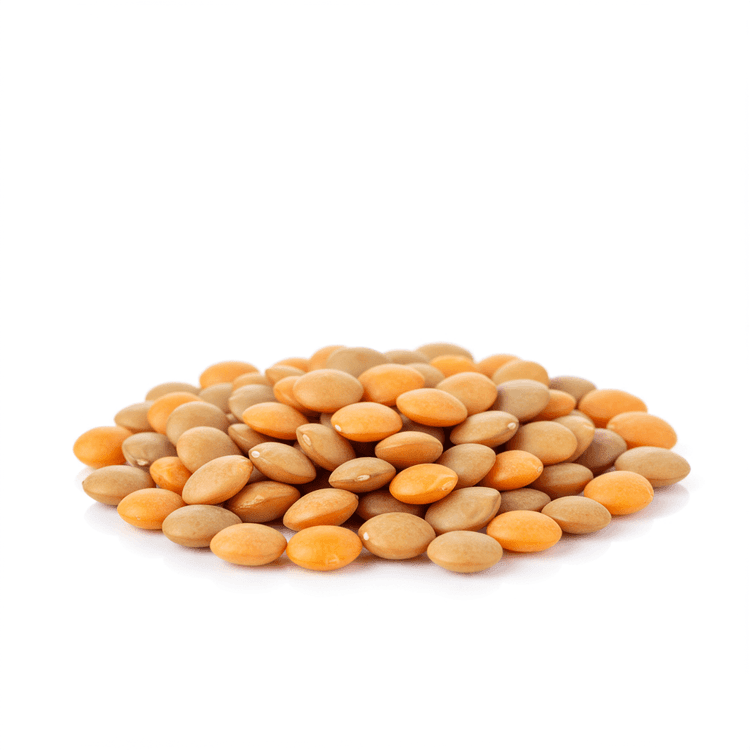
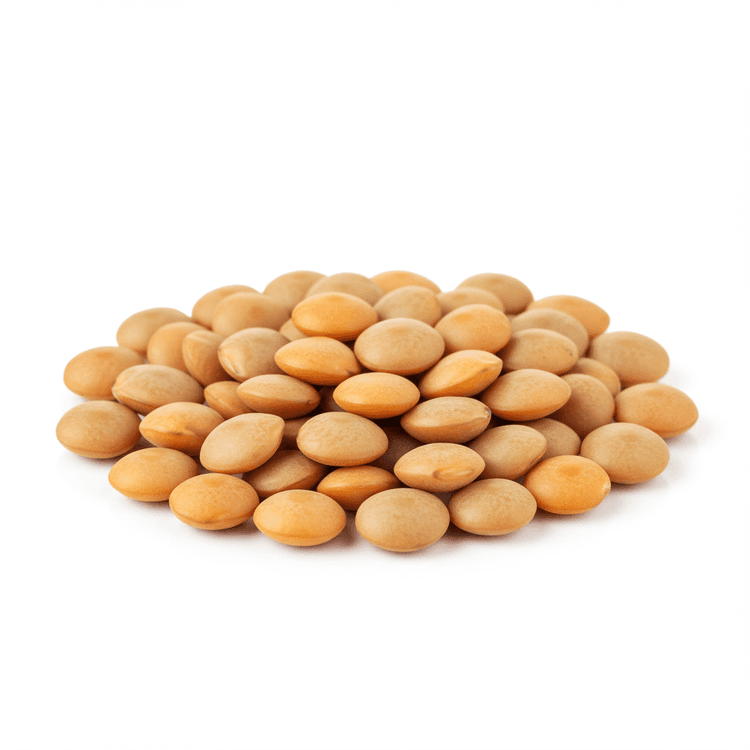
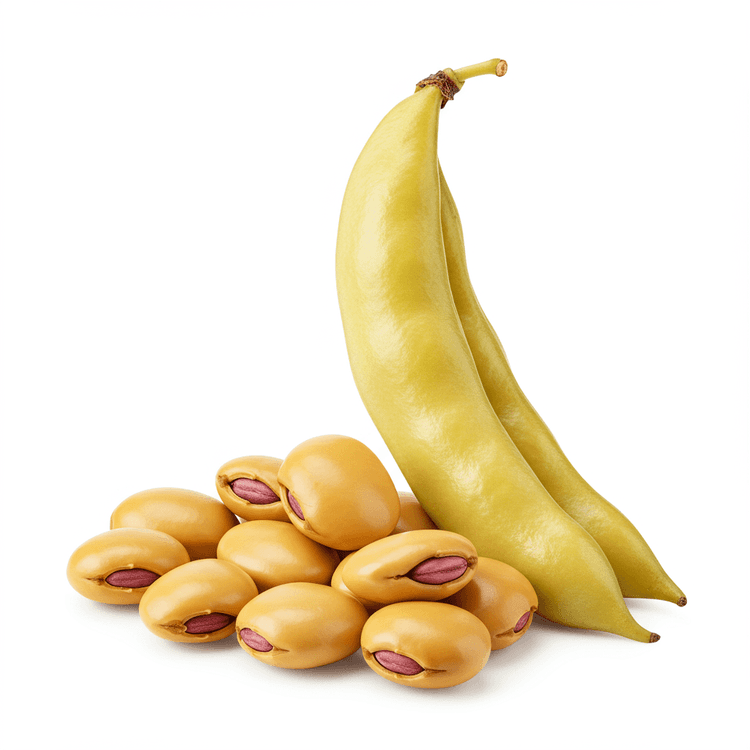
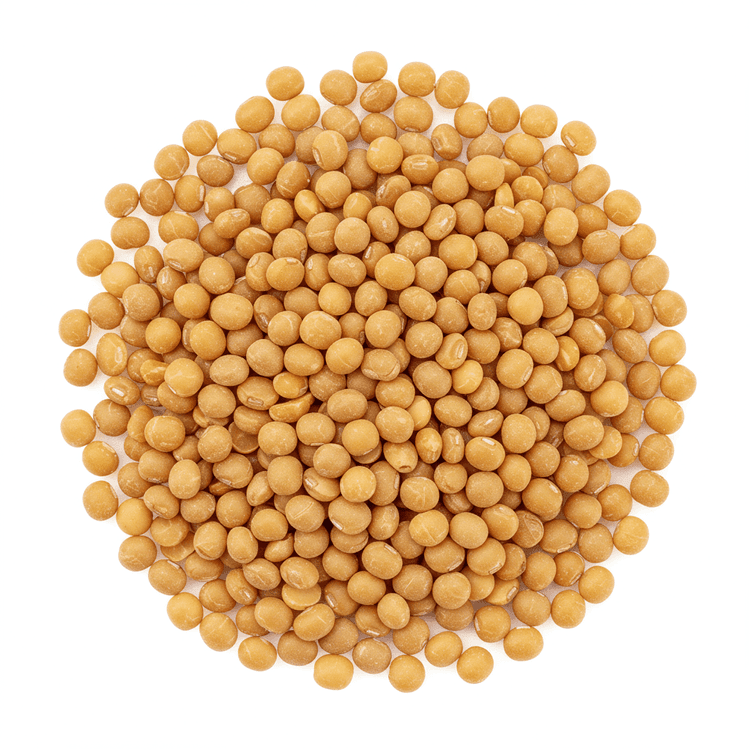
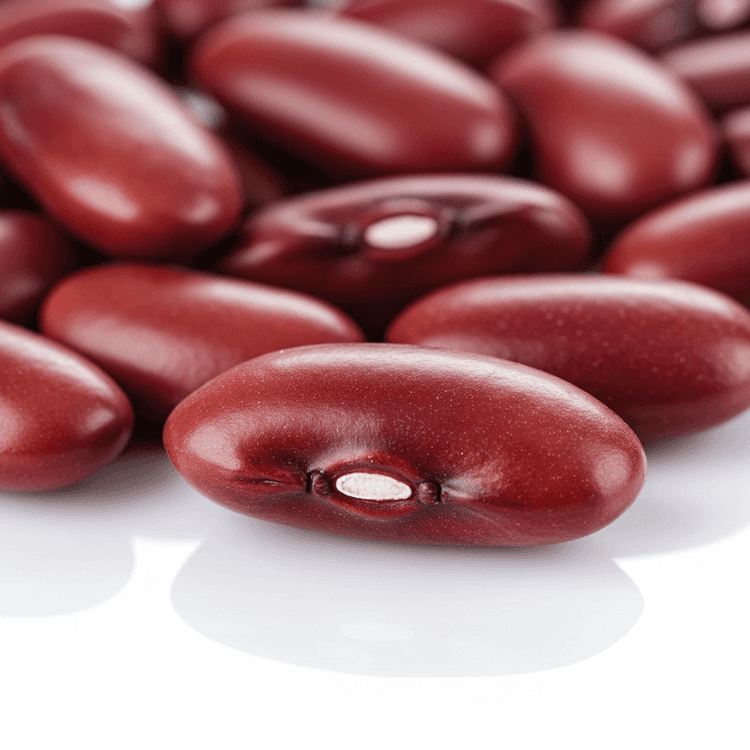
Beans, those humble powerhouses of the plant kingdom, are more than just a dietary staple; they're nutritional goldmines waiting to be unearthed. From the creamy cannellini to the hearty kidney, the earthy black bean to the versatile pinto, the sheer variety of beans available makes them an exciting addition to any culinary repertoire.
Their contribution to overall health is undeniable. Beans are brimming with fiber, a crucial element for digestive health. This dietary fiber aids in regulating bowel movements, preventing constipation, and promoting a healthy gut microbiome. Beyond digestion, the soluble fiber in beans plays a vital role in cholesterol management. By binding to cholesterol in the digestive tract, beans help lower LDL (bad) cholesterol levels, contributing to a healthier heart and reduced risk of cardiovascular disease. Beans are also a good source of protein, essential for building and repairing tissues. This makes them an excellent choice for vegetarians and vegans looking to meet their protein needs without relying on animal products. They are a relatively complete protein source, providing many of the essential amino acids the body needs. Moreover, they boast a significant amount of iron, crucial for red blood cell production and preventing anemia, and folate, vital for cell growth and development, particularly important during pregnancy. Magnesium and potassium, essential minerals for nerve and muscle function, are also abundant in beans.
The culinary versatility of beans is a testament to their global appeal. From savory stews and hearty soups to flavorful salads and creamy dips, beans seamlessly integrate into countless cuisines. They are the star ingredient in classic dishes like chili con carne, minestrone soup, and falafel. In Latin American cuisine, they are staples in burritos, tacos, and refried beans. Mediterranean diets often feature beans in salads and vegetable medleys. Even in Indian cuisine, lentils and beans form the base of many dal and curry dishes. Their ability to absorb flavors makes them an excellent addition to any recipe, enriching the taste profile and nutritional value. Popular cooking methods include boiling, simmering, pressure cooking, and roasting, each yielding unique textures and flavors.
Beans are undeniably important for a balanced diet and overall wellness due to their unique nutritional advantages. Their high fiber and protein content contribute to feelings of fullness and satiety, making them valuable for weight management. This can help prevent overeating and promote a healthier relationship with food. The slow-digesting nature of beans also helps regulate blood sugar levels, preventing spikes and crashes that can lead to energy fluctuations and cravings. This is particularly beneficial for individuals with diabetes or those at risk of developing the condition. Furthermore, the antioxidants present in beans, such as flavonoids and polyphenols, help protect the body against cellular damage from free radicals, reducing the risk of chronic diseases like cancer and heart disease. Incorporating beans into your diet is a proactive step towards a healthier and more vibrant life. Embrace the bean; your body will thank you. ||
Bean are an essential part of a healthy diet, providing a wide range of nutrients and health benefits. Explore our collection of bean ingredients.