We use cookies on this website to ensure its proper functioning and to improve the quality of our services. Cookie Policy
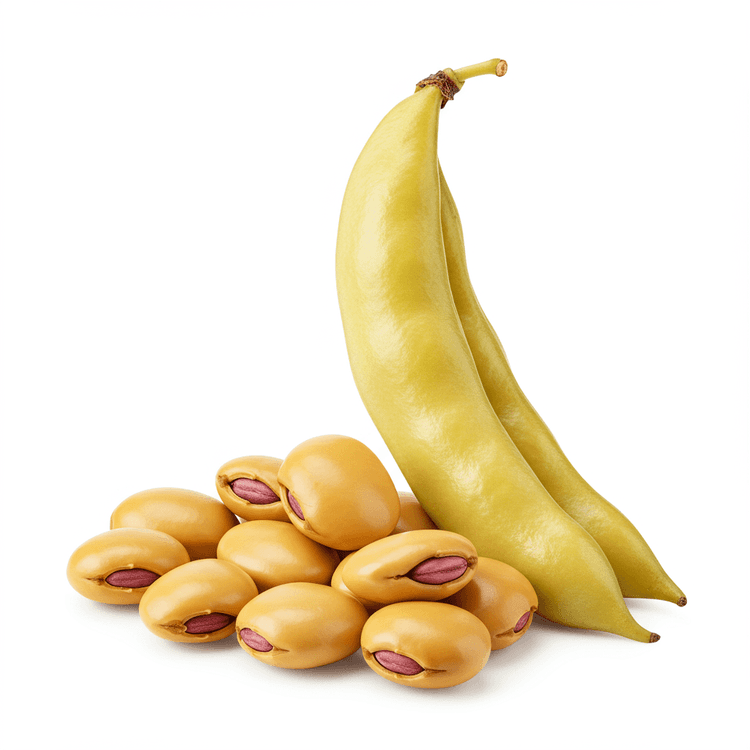
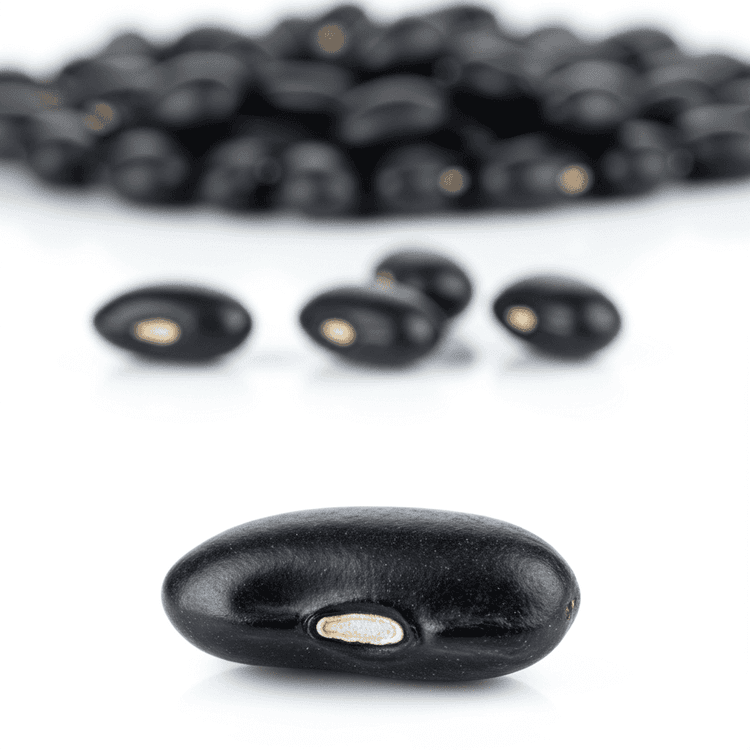
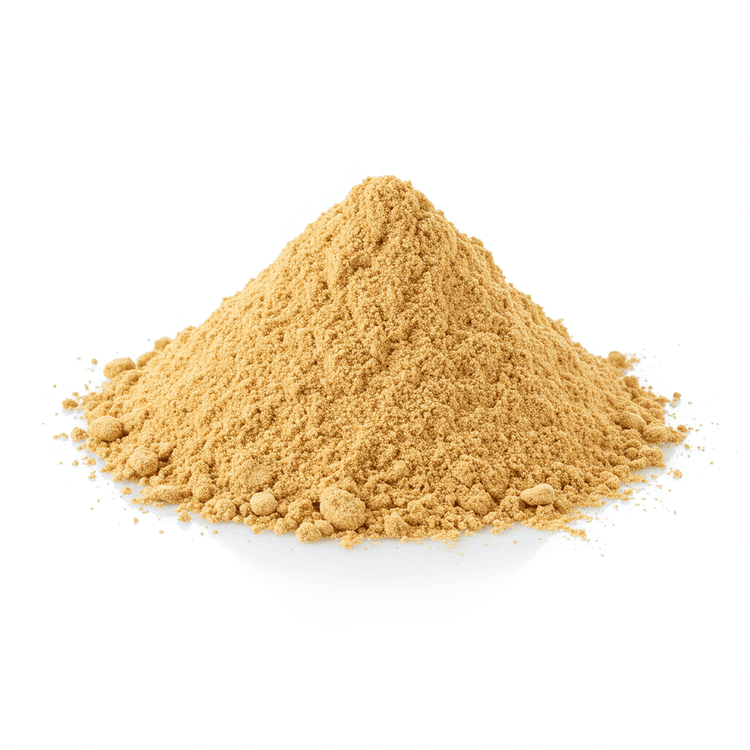
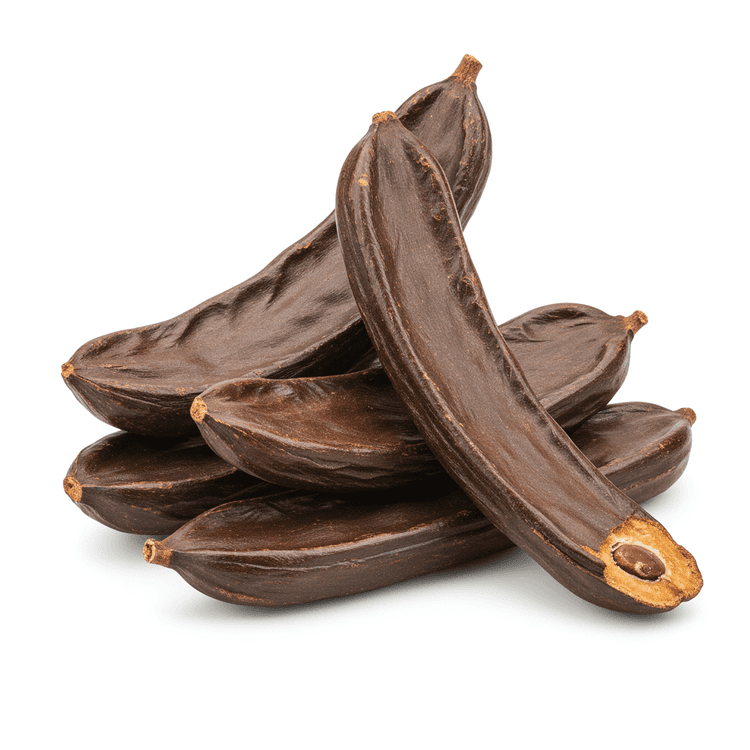
Locust beans — the ingredient behind West Africa's beloved iru, dawadawa, and ogiri condiments — come from the pods of the African locust bean tree. Also referred to as carob beans or African locust beans, they're recognized by their hard, dark brown exterior and a pulp that carries a strong, unmistakably fermented aroma. The flavor is bold and layered: people often describe chocolate-like and cheese-like notes sitting on top of a slightly sweet, deeply umami base. The pulp is usually processed into a powder or paste and used as a seasoning, while the hard inner seeds are typically discarded.
What makes locust beans so prized in the kitchen is that funk. Once fermented, they behave a lot like a natural bouillon cube — a spoonful melts into a pot and rounds everything out with savory depth. That pungent smell mellows dramatically as it cooks, leaving behind a rich, almost meaty background note that's hard to get any other way. If you've ever wondered why a bowl of egusi or ewedu tastes so complete, fermented locust beans are often the quiet reason.
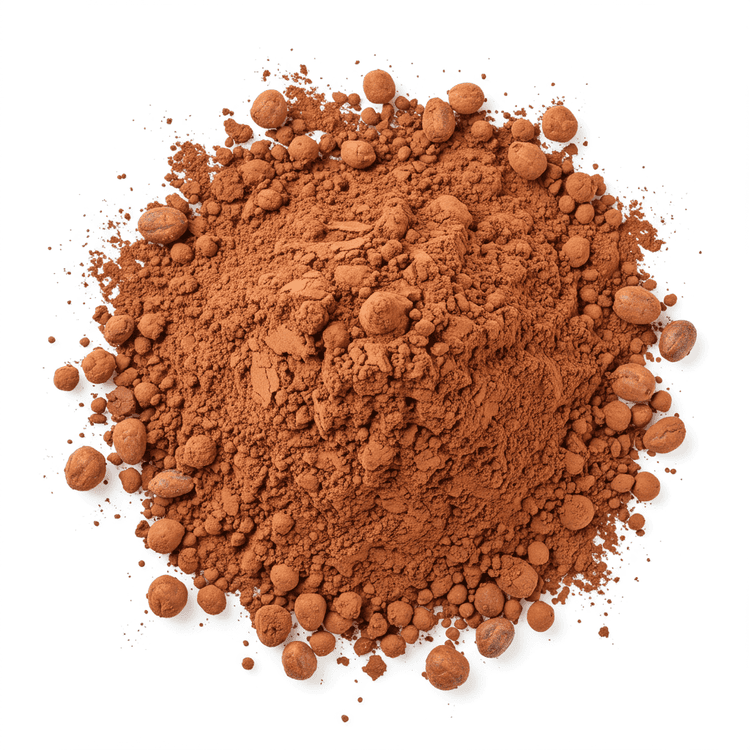
A quick note on names, since it trips people up: the sweet, roastable carob pod used in baking is a different animal from the pungent fermented seasoning described here, even though both get called "locust" or "carob" beans. If you're after the chocolatey-sweet side, reach for carob or cocoa powder; if you're chasing savory depth, it's the fermented iru or dawadawa you want. Botanically these sit among the legume family, cousins to the everyday beans you already cook with.
Save recipes from anywhere, and get answers, swaps, and help as you cook.


Available now for early access users.