We use cookies on this website to ensure its proper functioning and to improve the quality of our services. Cookie Policy

Tags and nutritional info are auto-generated and may be inaccurate. Always check the full ingredient list before cooking.


Heat a kadhai or wok over medium heat and add the oil.

Once the oil is hot, add the cumin seeds and allow them to splutter.

Add the curry leaves to the hot oil and let them crackle.

Add the crushed garlic, chana dal, and peanuts. Saute until the peanuts turn golden brown.

Add the finely chopped onion and green chillies. Saute until the onion becomes translucent.

Sprinkle over the hing and turmeric powder. Stir well and cook for a few minutes until the raw smell of the turmeric disappears.

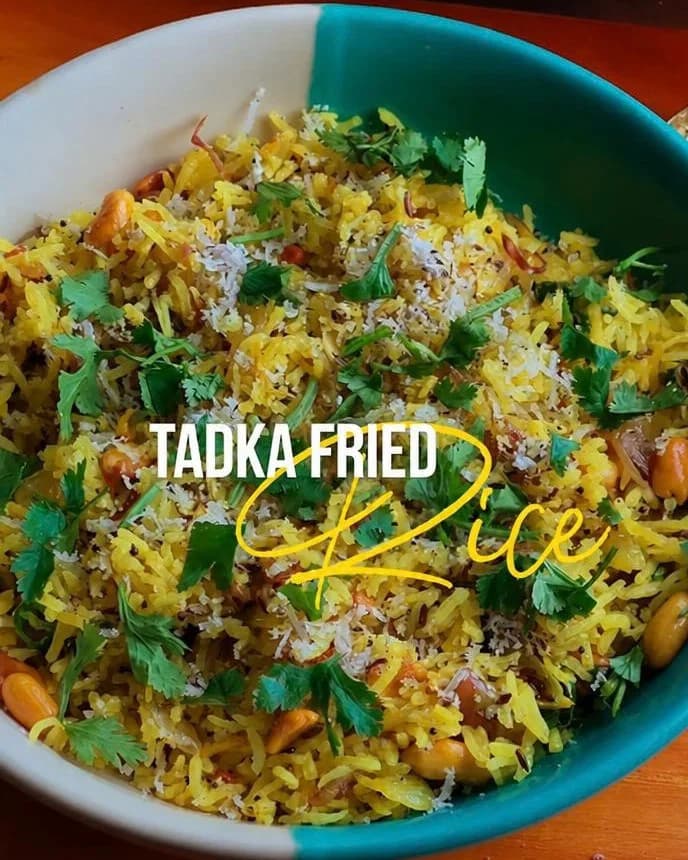
Add the leftover rice to the kadhai. Gently mix the rice with the tadka, ensuring an even distribution of flavours.

Season with salt to taste and continue to stir-fry the rice, allowing it to absorb the aromatic flavours.

Once the rice is well coated with the tadka and heated through, turn off the heat.

Garnish with fresh coriander leaves.

Serve hot on its own, or with curry or sambar.

Want to keep this recipe for later? We can email it to you!
Use 2-3 tbsp oil depending on how rich you like the tadka.
Adjust the spice level to your preference.
Can I use fresh rice instead of leftover rice?
Yes, you can use fresh rice, but make sure it's cooled down to prevent it from becoming mushy.
What can I serve with Tadke Wala Fried Rice?
It can be served on its own or paired with curry or sambar.
How can I adjust the spice level?
You can adjust the number of green chillies to increase or decrease the spice level.
Can I add vegetables to this recipe?
Yes, you can add vegetables like peas or carrots for additional flavor and nutrition.
Is there a substitute for chana dal?
You can use split yellow peas as a substitute for chana dal.
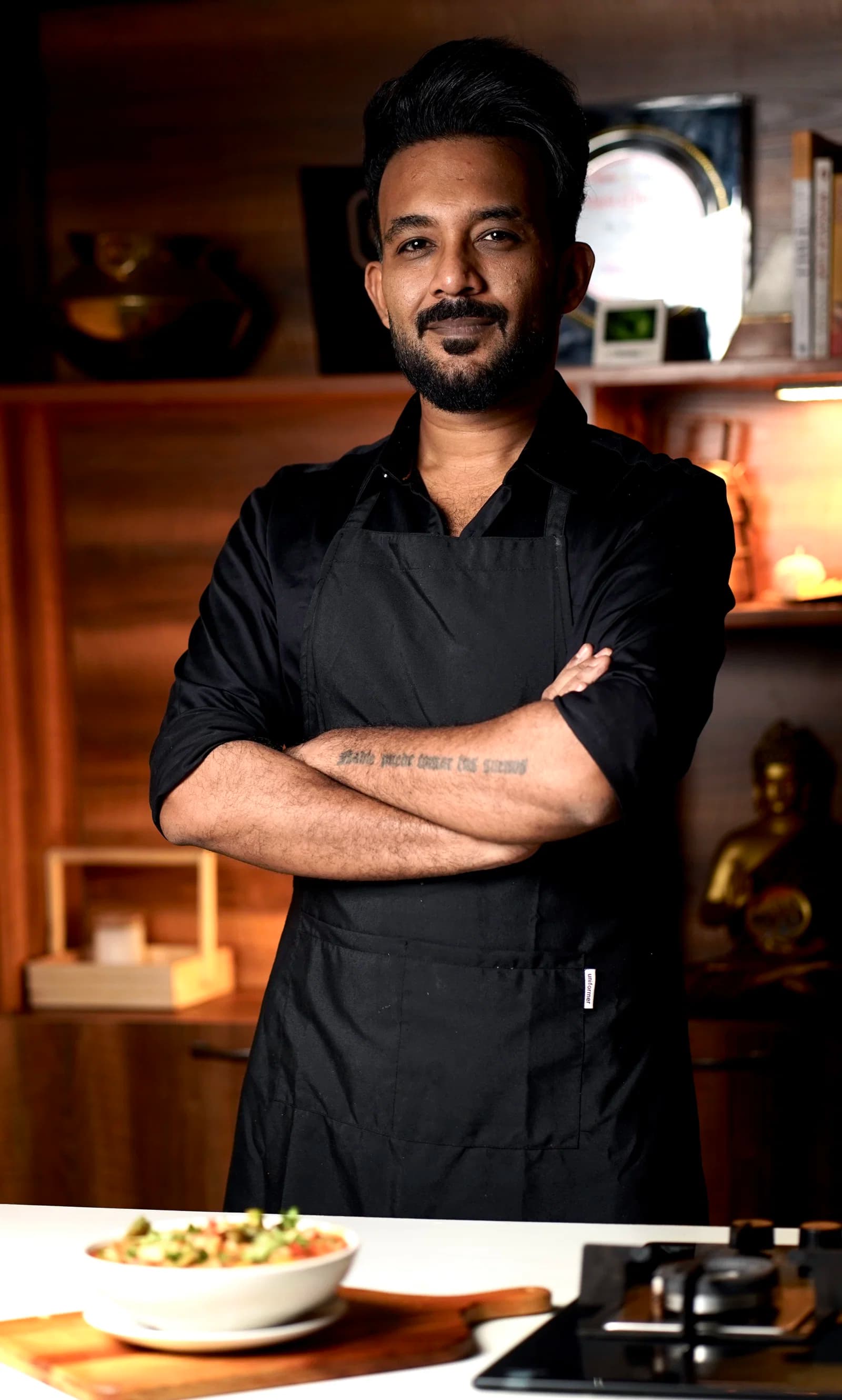
I’m Parichay, a food creator, recipe developer and the person behind Bhukkad in Town. For me, food has always been more than just a recipe. I grew up around Nepal and later made Chandigarh home, so a lot of the way I cook comes from memories, places I’ve travelled to, food I’ve eaten and the people I’ve shared it with. My cooking moves between comforting Indian food, regional recipes, street-food nostalgia and the occasional experiment that starts with, “What if we did this instead?” I love understanding why a dish tastes the way it does, simplifying it for a home kitchen, and then telling the story that made me want to cook it in the first place. Because eventually, the recipe tells you how to make the food. The story tells you why you might want to.
...