
Top 12 Brussels Sprouts Recipes: Roasted, Air-Fryer, Sauteed and Loaded
Updated June 29, 2026 · Curated by Chefadora
Brussels sprouts recipes have quietly become some of the most-cooked vegetable dishes around, and the reason is simple: the same little cabbage that earned a bad reputation from decades of boiling turns genuinely crave-able the moment you give it dry, high heat. Roasted until the cut face is deep brown and the loose leaves crackle, sprouts taste nutty and sweet rather than sulfurous. The recipes below were chosen to show that range, from a bare-bones sheet pan to a bubbling, cheesy gratin.
What makes brussels sprouts worth learning is how much their flavor depends on technique rather than the sprout itself. Cooked wet and slow, they release the sulfur compounds that gave them their grim reputation; cooked dry and hot, those same compounds break down before they can turn bitter, and the natural sugars caramelize instead. Get the heat right and you barely need to season at all. That single idea runs through every cluster on this page.
You will find four groups here: crispy roasted sprouts, the fast air-fryer versions, stovetop sears and raw shaved salads, and the loaded, bacon-and-cheese sides built for a holiday table. The base move is shared across nearly all of them, which is to expose as much cut surface to the heat as possible and to resist crowding the pan, so the moisture escapes as steam rather than pooling and stewing the sprouts soft.
Treat this as a working reference. Each recipe links to full ingredients and steps on Chefadora, and the guides below cover the decisions that actually decide whether your sprouts come out blistered and sweet or pale and bitter, from how to trim and halve them, to why crowding ruins a sheet pan, to the finishing touches that take a good side over the top.
Crispy Roasted Brussels Sprouts
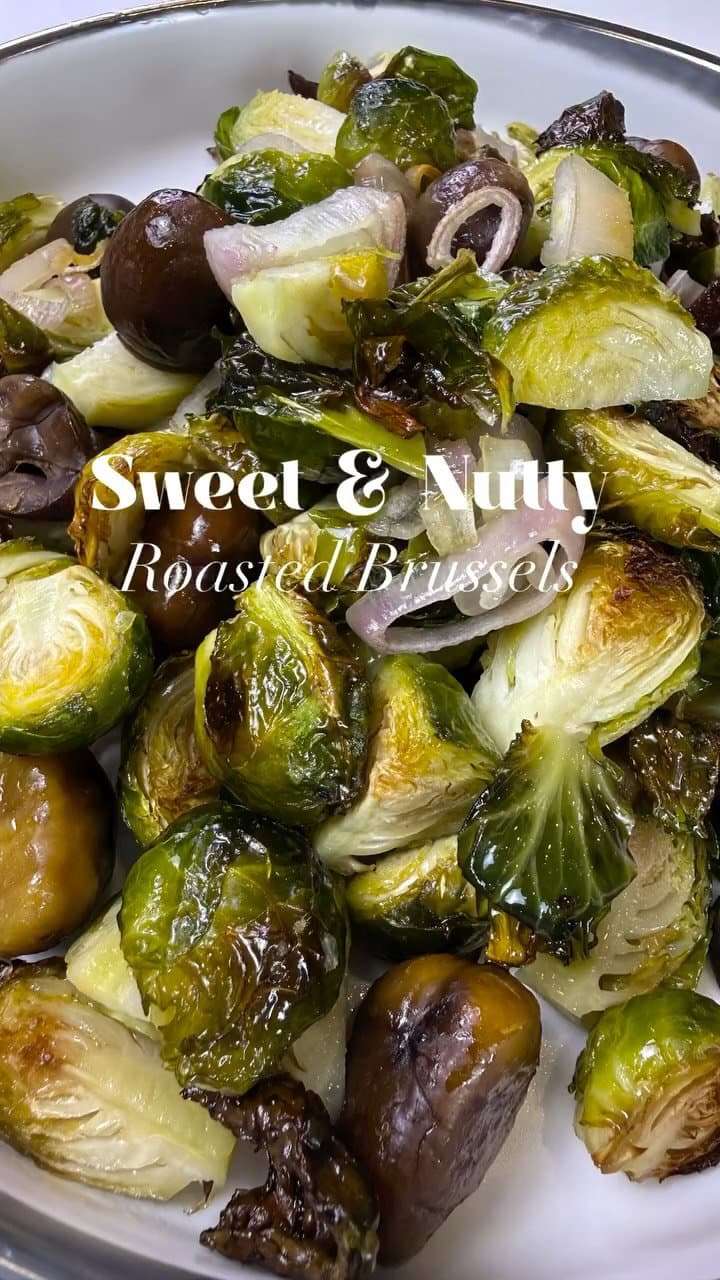
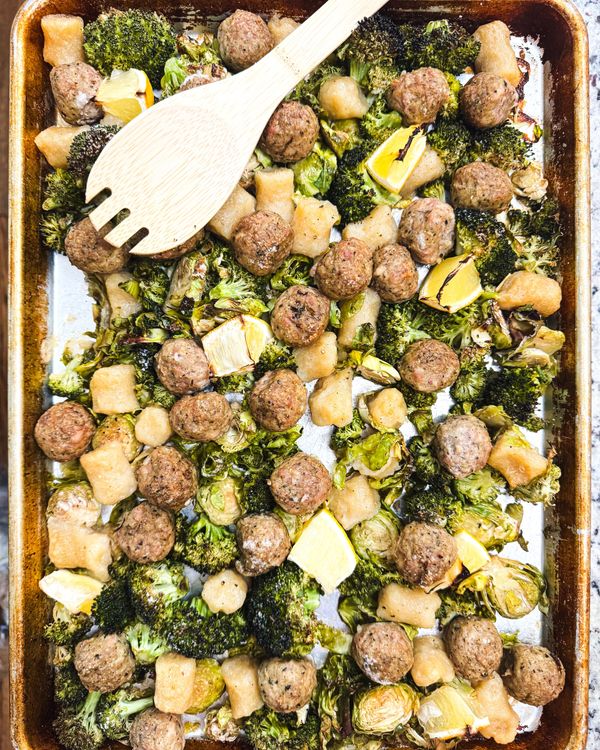
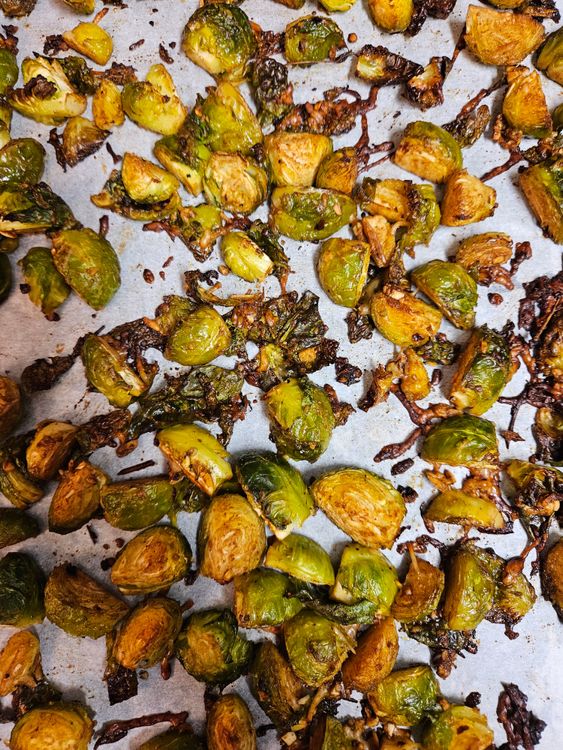
Roasting is the method that rescued the brussels sprout's reputation, and it lives or dies on dry, high heat. You want the oven genuinely hot, around 220C/425F or above, and ideally a sheet pan preheated until it is screaming, so the sprouts sizzle the instant they land. Halve them through the stem, dry them thoroughly, toss with just enough oil to sheen each piece, and lay them cut-side down in a single layer with real space between them. That flat cut face pressed against hot metal is where the deep, mahogany caramelization happens. The single most common mistake is crowding the pan, which traps steam and gives you pale, limp sprouts instead of crisp ones; if your sheet looks full, use two. Leave them undisturbed for the first ten to fifteen minutes so the crust sets before you flip them just once. Do not sweep up the loose stray leaves either, since they frizzle into crispy, chip-like bits that are half the joy. Finish off the heat with a squeeze of lemon, a drizzle of balsamic or a sweet-sharp glaze while the surface is still hot enough to grab it. Standouts here include Sweet & Nutty Roasted Brussels Sprouts and Crispy Caramelized Brussels Sprouts with Honey, Bacon, and Pomegranate, plus Sheet Pan Dinner with Brussels Sprouts, Broccoli, Gnocchi, and Chicken Meatballs.


- Vegan
- Side Dish


- American
- Non-Vegetarian
- Side Dish

- American
- Non-Vegetarian
- Dinner

- American
- Vegetarian
- Snack
- American
- Pescatarian
- Dinner
Sauteed, Pan-Seared & Shaved Salads
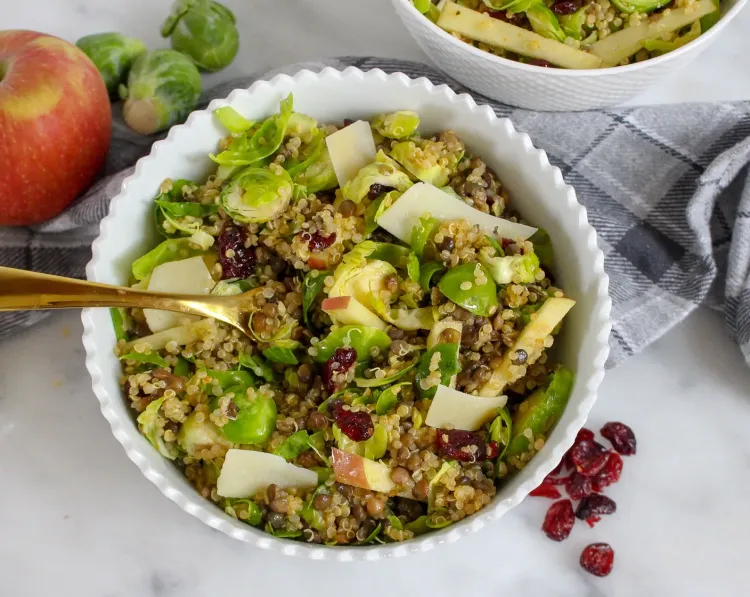
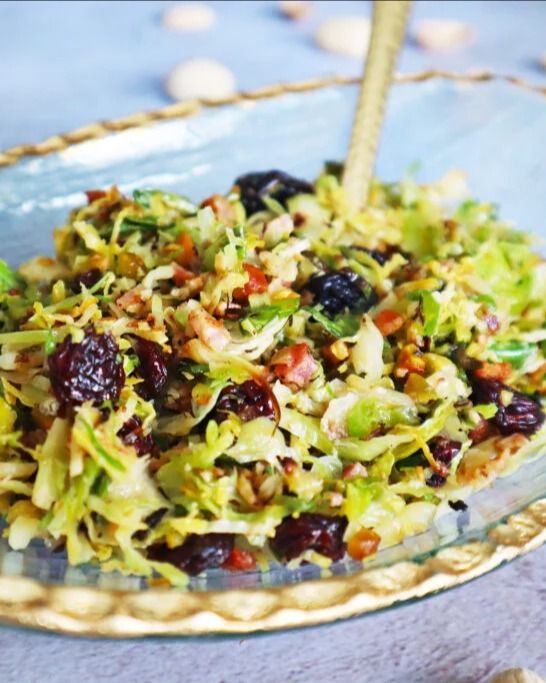
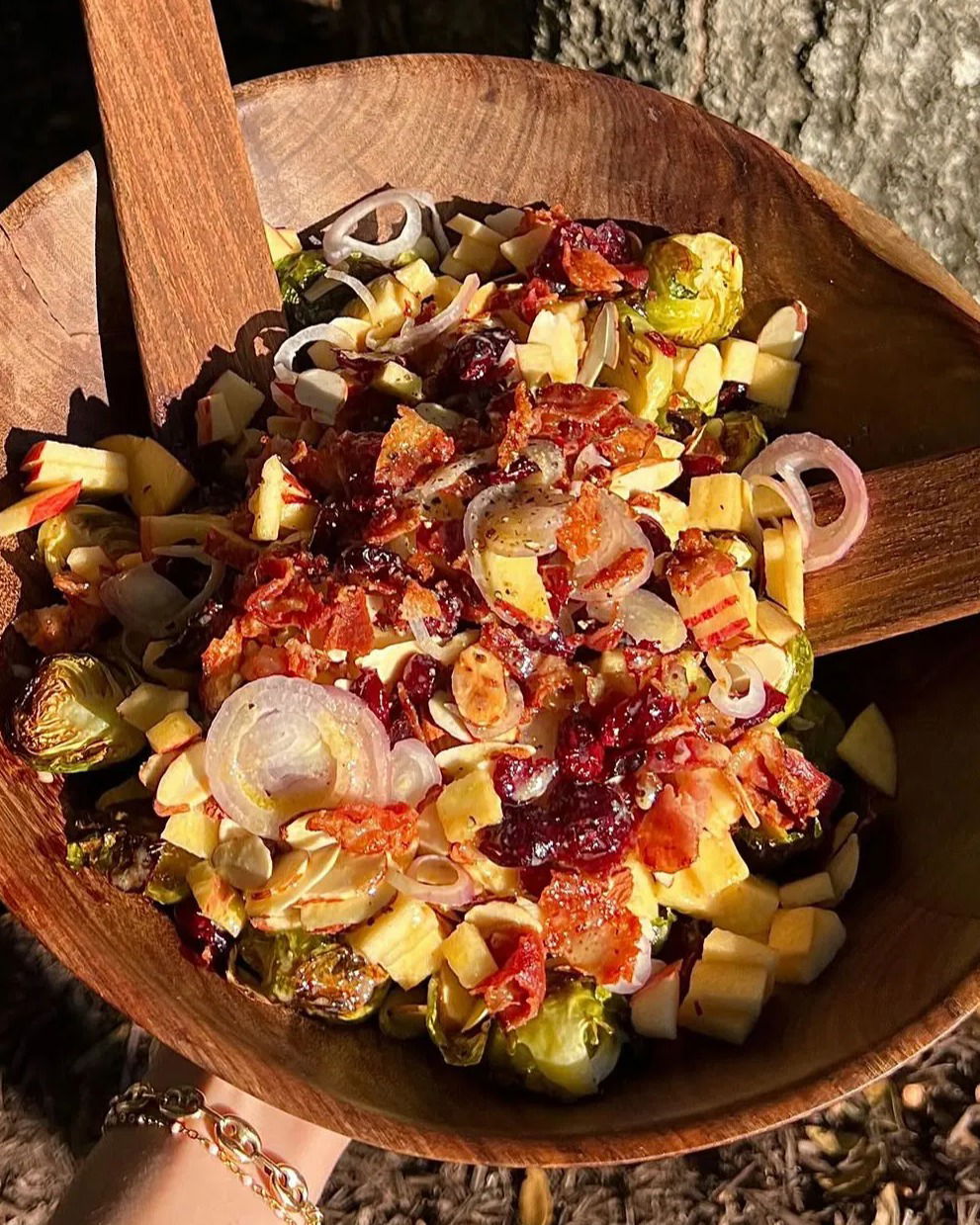
This cluster splits two ways, but both reward attention to texture. For a stovetop sear, get a heavy skillet properly hot, lay the halved sprouts cut-side down in a thin film of oil, and leave them alone until the face is deep brown before you toss them. A small splash of water or stock and a couple of minutes under a lid steams the centers tender, after which you uncover and let the liquid cook off so the cut faces re-crisp. That braise-then-sear move guarantees they are cooked through, not just browned outside, and it is faster than the oven for a small batch. The raw, shaved side is the other half: slice the sprouts wafer-thin with a sharp knife, mandoline or food processor so they break down into tender ribbons rather than tough chunks. Unlike most salads, shaved sprouts hold up beautifully and even soften as they sit, which makes them ideal to dress ahead. Lean on a bright, acidic dressing, plenty of salt, and contrast from parmesan, toasted nuts, dried fruit or crisp bacon. The mistake to avoid in both cases is under-seasoning, since sprouts can take a confident hand with salt and acid. Standouts here include Lentil and Quinoa Salad with Brussels Sprouts and Apple and Brussels Sprouts and Kale Salad, plus Brussels Sprouts Slaw.
- American
- Vegetarian
- Lunch

- Vegetarian
- Salad

- American
- Non-Vegetarian
- Salad
Bacon, Cheesy & Loaded Sides
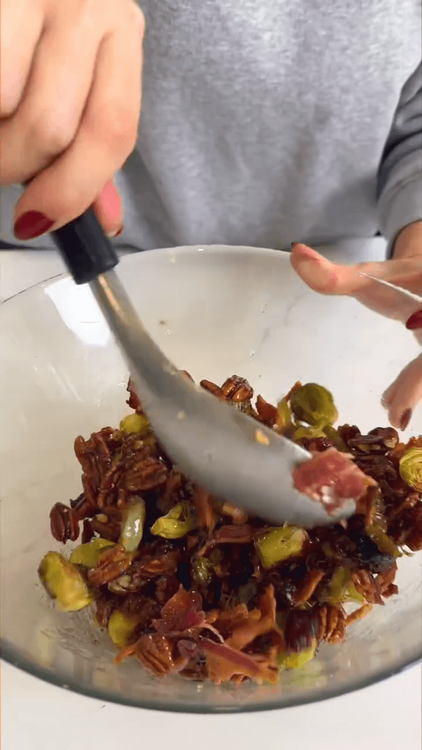
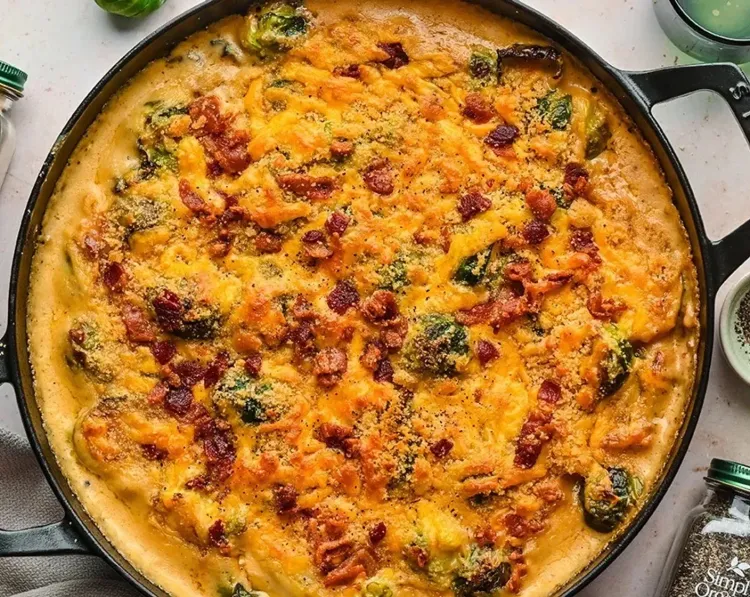
This is the indulgent end of the page, where the brussels sprout stops being a virtuous side and becomes the thing everyone reaches for first. The logic is simple: the same caramelization that makes roasted sprouts good gets amplified by fat and salt, so render bacon or pancetta first and roast the sprouts right in the drippings, or build a gratin where cream and cheese bubble and brown over tender halves. The key is not to lose the crispness you worked for. For bacon versions, give the sprouts enough room to still caramelize rather than stewing in the fat, and add the crisp bacon back near the end so it stays crunchy. For gratins, par-roast or blanch the sprouts first so they are tender before the dairy goes on, then finish under a hot broiler just long enough to brown the top without turning the whole dish greasy. Parmesan, gorgonzola and a sharp cheddar all melt into something savory and deep, and a final hit of balsamic or lemon keeps the richness from feeling heavy. These are holiday-table sides, so they can be assembled ahead and given a final blast to re-crisp and brown right before serving. Standouts here include Brussels Sprouts with Bacon, Cranberries, and Candied Pecans and Cheesy Brussels Sprouts and Bacon Casserole.

- American
- Non-Vegetarian
- Side Dish
- American
- Non-Vegetarian
- Dinner
More Brussels Sprouts Favourites
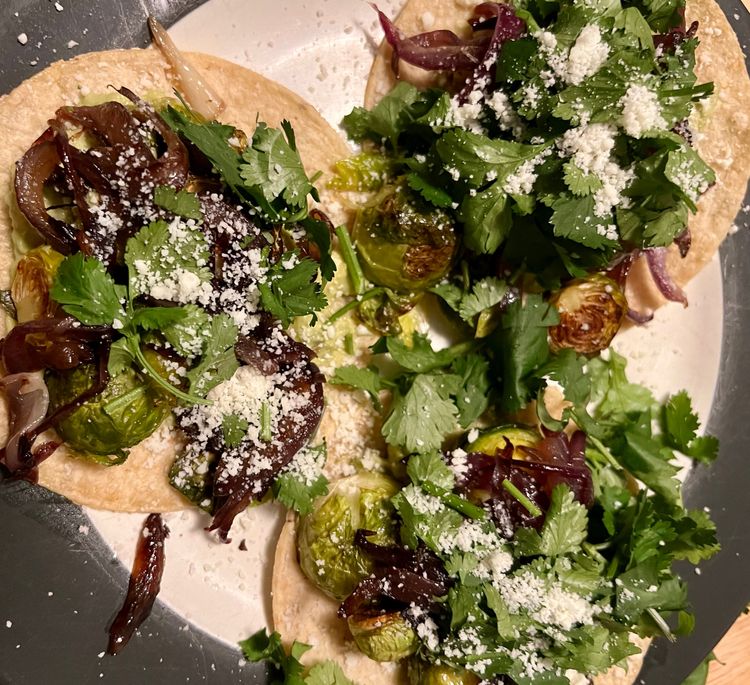
A few preparations never quite fit a single category, and these are the ones worth keeping in your back pocket once the staples feel routine. They lean on the same handful of moves you already know, dry high heat, an uncrowded pan, a confident sear and a finishing hit of acid, but steer the humble sprout toward different textures and flavor profiles, so it never tastes the same twice. Picking your next one is mostly about matching effort to mood: reach for a quick air-fryer batch or a fast skillet sear on a busy night when you want something on the table in fifteen minutes, and save the slower, loaded numbers for a weekend or a holiday when you can let things brown properly. Pay attention to size, too, since smaller sprouts cook faster and sweeter while larger ones need halving and a touch more time to lose their cabbagey edge. Whether you are folding them into a hash, glazing them sticky and sweet, or charring them for a grain bowl, the rules hold: keep them dry, give them space, and pull them while they still have crackle. Think of this group as the natural next step after the classics, the recipes that quietly earn a regular spot in the rotation once you have tried them. Standouts here include Brussel Sprout Tacos and Cozy Brussels Sprouts Dish.

- Mexican
- Vegetarian
- Dinner
- American
- Non-Vegetarian
- Side Dish
Buying, Trimming and Prepping Sprouts
Look for sprouts that are tight, firm and bright green, with no yellowing leaves or soft, blackened spots; smaller sprouts are sweeter and more tender, while big ones can taste cabbagey and need longer to cook through. If you can buy them still on the stalk, do, because they keep far better and you can twist off only what you need. Loose sprouts will keep about a week in the fridge in a breathable bag.
Prep is quick but worth doing properly. Trim a thin slice off the dry stem end, then peel away any loose or damaged outer leaves; do not cut too much off the base or the sprout falls apart into separate leaves. Halve each one straight through the stem, which both speeds cooking and gives you that flat cut face you want pressed against the hot pan. Leave very small sprouts whole or they will overcook before they color.
Dry them thoroughly after washing, because surface water is the enemy of browning; wet sprouts steam in the oven instead of roasting. A salad spinner or a few minutes on a towel does the job. Toss the dry halves with enough oil to coat each piece in a thin sheen but not so much that they sit in a puddle, then season with salt before they go in, since salt drawn in early helps them caramelize rather than just sweat.
Roasting for Maximum Crisp
Heat is everything. Get the oven genuinely hot, around 220C/425F or even higher, and ideally preheat the sheet pan itself so the sprouts start sizzling the instant they touch metal. Arrange the halves cut-side down in a single layer with space between them, and leave the loose stray leaves on the pan, because those frizzle into crispy, chip-like bits that are half the appeal. A cold pan and a crowded one are the two fastest ways to end up with steamed, pale sprouts.
Resist the urge to stir too soon or too often. The cut face needs uninterrupted contact with the hot pan to develop that deep, even, mahogany crust, so leave the sprouts undisturbed for the first ten to fifteen minutes before checking. If anything, you want to flip them only once, and only after the cut side is properly browned. Constant tossing knocks them around, exposes the rounded backs, and gives you spotty color instead of a full caramelized face.
Roast until the cut sides are deep golden-brown and the outer leaves are crisp and almost charred at the tips, usually twenty to thirty minutes depending on size. They should be tender enough to pierce easily but never mushy. If they are coloring too fast before cooking through, drop the heat slightly; if they are pale after twenty minutes, your oven runs cool or the pan was crowded. Finish with acid and salt the moment they come out, while the surface is hot enough to grab it.
Air-Frying and Stovetop Searing
The air fryer is brilliant for sprouts because its compact, fast-moving heat does the same job as a hot oven in a fraction of the time and with barely any oil. Toss halved sprouts in a light coat of oil and salt, then cook at around 190C/375F for ten to fifteen minutes, shaking the basket once or twice so every face gets blasted. Keep them in a single layer; a heaped basket steams the bottom pieces, so cook in batches rather than piling them in.
On the stovetop, a heavy skillet over medium-high heat gives you caramelized sprouts in minutes. Lay the halves cut-side down in a thin film of hot oil and let them sit undisturbed until the face is deep brown, then toss and finish. Adding a small splash of water or stock and covering for a couple of minutes steams the centers tender, after which you uncover and let the liquid cook off so the cut faces re-crisp. This braise-then-sear move guarantees they are cooked through, not just browned outside.
Whichever fast method you use, the failure mode is the same as the oven: crowding and surface moisture. Pat the sprouts dry, give them room, and do not be tempted to keep stirring. With both the air fryer and the skillet, the last minute matters most, since that is when the sugars darken from golden to nutty; pull them a touch early rather than late, because the carryover heat keeps working after they leave the pan.
Seasoning, Saucing and Serving
Brussels sprouts have a natural sweetness and a faint bitterness that both want balancing, and the single most reliable trick is a hit of acid at the very end. A squeeze of lemon, a splash of balsamic, or a drizzle of a sweet-sharp glaze cuts through the richness and wakes the whole dish up. Add it off the heat so it does not just evaporate, and taste again for salt, since a well-browned sprout can take more than you think.
From there, the flavor pairings are generous. Sweet partners like maple, honey and balsamic lean into the caramelization; salty, savory ones like bacon, parmesan, anchovy and soy add depth; and bright finishes like chili flakes, garlic, fresh herbs or a grating of lemon zest keep things from feeling heavy. A scatter of toasted nuts or crispy fried shallots adds the textural contrast that turns a side into something people actually fight over.
Serve sprouts hot and crisp, because they soften and lose their crackle as they sit, so cook them last and bring them straight to the table. They are at their best fresh from the heat, but leftovers reheat far better in a hot oven or air fryer than a microwave, which steams them limp. For a holiday spread, you can roast ahead and give them a final blast to re-crisp just before serving rather than holding them warm.
Pro Tips from the Test Kitchen
- Halve sprouts through the stem and roast them cut-side down — the flat face is where all the caramelization happens.
- Dry sprouts thoroughly before they meet oil; surface water steams them and kills the browning.
- Get the oven (or air fryer) genuinely hot and, if you can, preheat the sheet pan so they sizzle on contact.
- Never crowd the pan — a single layer with space roasts, a heaped pan steams them pale and soft.
- Leave the loose stray leaves on the pan; they frizzle into crispy, chip-like bits that are half the appeal.
- Leave them undisturbed for the first 10–15 minutes so the cut face builds a deep, even crust.
- Finish with acid off the heat — lemon, balsamic or a sweet-sharp glaze cuts the richness and wakes the dish up.
- Smaller sprouts are sweeter and more tender; leave very small ones whole so they do not overcook.
- On the stovetop, splash in a little water and cover briefly to steam the centers, then uncover to re-crisp.
- Serve immediately — sprouts lose their crackle as they sit, so cook them last and bring them straight to the table.
Frequently Asked Questions
How do you make brussels sprouts not bitter?
Cook them hot and dry rather than wet and slow. Boiling and steaming release the sulfur compounds that taste bitter, while roasting, air-frying or searing breaks those compounds down before they develop and lets the natural sugars caramelize instead. Halving the sprouts, drying them well, giving them space on the pan, and finishing with a squeeze of acid all push the flavor toward sweet and nutty rather than harsh.
Why are my roasted brussels sprouts soggy?
Almost always crowding or moisture. If the sprouts are piled on the pan or still wet from washing, they steam in their own trapped vapor instead of roasting, and you get pale, limp results. Dry them thoroughly, toss in just enough oil to coat, spread them in a single layer with space between each one, and use a genuinely hot oven. Preheating the sheet pan helps them sear on contact.
Should I cut brussels sprouts in half before roasting?
Yes, for most sprouts. Halving them through the stem creates a flat cut face that presses against the hot pan and caramelizes into a deep golden crust, which is the best part. It also speeds cooking and lets seasoning reach the inside. Leave only very small sprouts whole, since halved tiny ones can overcook before they color. Roast them cut-side down for the first stretch undisturbed.
How long do you roast brussels sprouts?
Usually twenty to thirty minutes at around 220C/425F, depending on size. You want the cut faces deep golden-brown, the outer leaves crisp and almost charred at the tips, and the centers tender enough to pierce easily. Leave them undisturbed for the first ten to fifteen minutes to build the crust, then flip once. If they brown too fast before softening, drop the heat slightly and give them a few more minutes.
Do you need to boil brussels sprouts before roasting?
No, and you should not. Parboiling adds water and a step, and it is the slow, wet cooking that brings out bitterness in the first place. Raw halved sprouts roast through perfectly in a hot oven in twenty to thirty minutes. If you are worried about the centers staying firm, cut them in half, do not roast at too high a heat, or use the stovetop trick of a quick covered steam followed by an uncovered sear.
Can you cook brussels sprouts in an air fryer?
Absolutely, and it is one of the best methods. The compact, fast-moving heat crisps the cut faces and frizzles the loose leaves with barely any oil, usually in ten to fifteen minutes at about 190C/375F. Toss the halves in a light coat of oil and salt, keep them in a single layer, and shake the basket once or twice so every side gets blasted. Cook in batches rather than overfilling, which steams the bottom pieces.
How do you store and reheat brussels sprouts?
Raw sprouts keep about a week in the fridge in a breathable bag, and stay even better on the stalk. Cooked sprouts keep three to four days in an airtight container, though they lose their crispness. Reheat them in a hot oven or air fryer rather than the microwave, which steams them limp; a few minutes of high, dry heat brings back much of the crackle. They are always best fresh, so reheat only what you need.
Are brussels sprouts healthy?
Very. They are low in calories and high in fiber, vitamin C, vitamin K and antioxidants, and being a cruciferous vegetable they carry compounds linked to general good health. The way you cook them matters more for nutrition: roasting with a modest amount of oil keeps them light, while loaded gratins and bacon-heavy sides are richer treats. Air-frying gives you the crispy texture with very little added fat.
What goes well with brussels sprouts?
They take both sweet and savory partners beautifully. Maple, honey and balsamic lean into their caramelization; bacon, pancetta, parmesan, garlic and anchovy add savory depth; and chili flakes, lemon, fresh herbs and toasted nuts keep them bright and add crunch. As a side they pair with roast chicken, pork, steak and the holiday table. Acid at the end, whether lemon or balsamic, is the finish that ties almost any version together.
Can you eat brussels sprouts raw?
Yes, and shaved raw they make an excellent salad or slaw. Finely slice or shred the sprouts with a sharp knife, mandoline or food processor so they break down into thin, tender ribbons rather than tough chunks. Dress them ahead of time, since unlike most salads they hold up well and even soften pleasantly as they sit, which makes them great for prepping in advance. Lemon, parmesan, nuts and dried fruit are classic additions.
The thread through every brussels sprouts recipe here is the same single idea: dry, high heat and an uncrowded pan turn a once-maligned vegetable sweet, nutty and crisp. Master that, plus a finishing hit of acid, and roasting, air-frying, searing and even raw shaved salads all fall into place. The sprout was never the problem; the old way of cooking it was.
Pick three to cook this week, a basic crispy roast, a quick air-fryer batch, and one loaded or shaved version, and save your favorites to a Chefadora cookbook. Then work through the rest, because this page is built to be the brussels sprouts reference you actually come back to once the boiled-and-bitter memories are gone for good.
Related
Popular Searches
- Best brussels sprouts recipes
- Easy brussels sprouts recipes
- Quick brussels sprouts recipes
- Healthy brussels sprouts recipes
- Simple brussels sprouts recipes
- Homemade brussels sprouts recipes
- Delicious brussels sprouts recipes
- Popular brussels sprouts recipes
- roasted brussels sprouts
- air fryer brussels sprouts
- brussel sprout recipes
Marnirni-apinthi Building, Lot Fourteen,
North Terrace, Adelaide, South Australia, 5000
Australia
