
31 Millet Recipes That Earn a Place on Your Weeknight Table
Updated July 16, 2026 · Curated by Chefadora
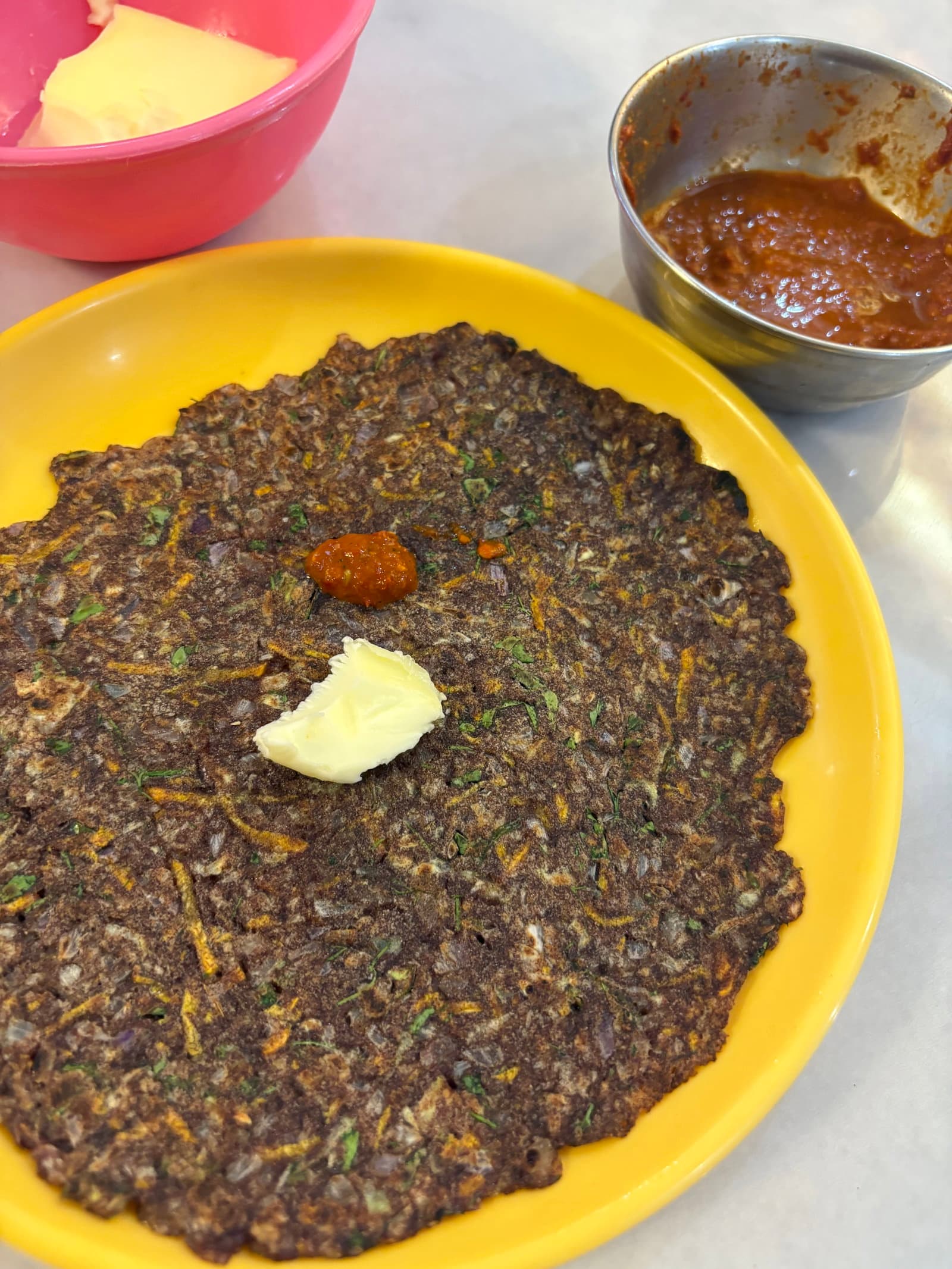
For years the only ragi in my kitchen was a packet of flour bought with good intentions and forgotten behind the atta. That changed slowly, then all at once. These 31 millet recipes are the result — the dishes I actually cook on a Tuesday, not the ones I feel I ought to. India grew these grains for millennia, quietly handed the fields over to rice and wheat through the seventies, and has spent the last decade taking them back. The 2023 International Year of Millets, proposed by India and adopted by the UN, gave that shift a name and a lot of press.
What follows is organised by grain, because the grain matters more than any category you could sort by. Ragi behaves nothing like jowar. Bajra is assertive where foxtail is polite. Once you know which one you are holding, the cooking stops being a gamble and starts being a technique.
You will find breakfast, one-pot dinners, sweets, bakes and two African drinks in here — because these grains belong to a lot more kitchens than ours.
Ragi Recipes: From Morning Ganji to Evening Roti
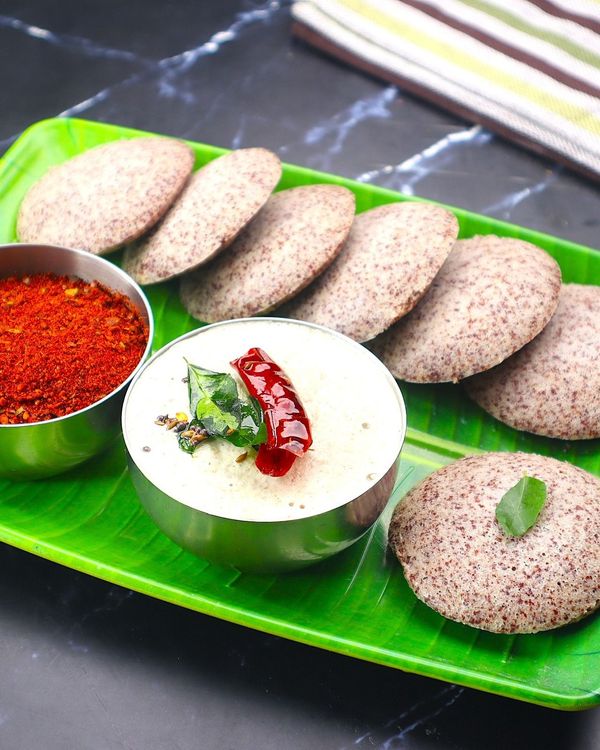
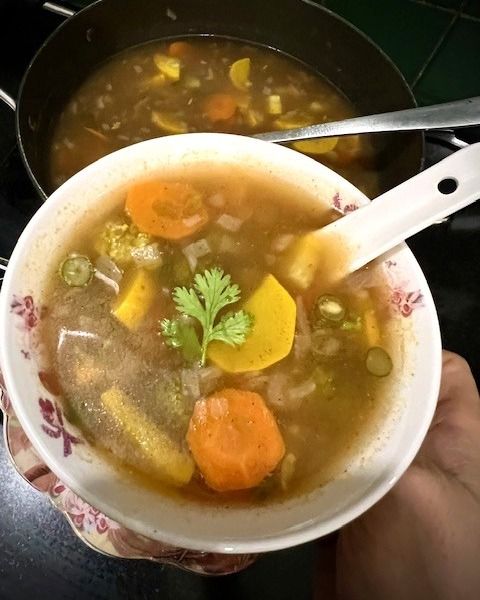
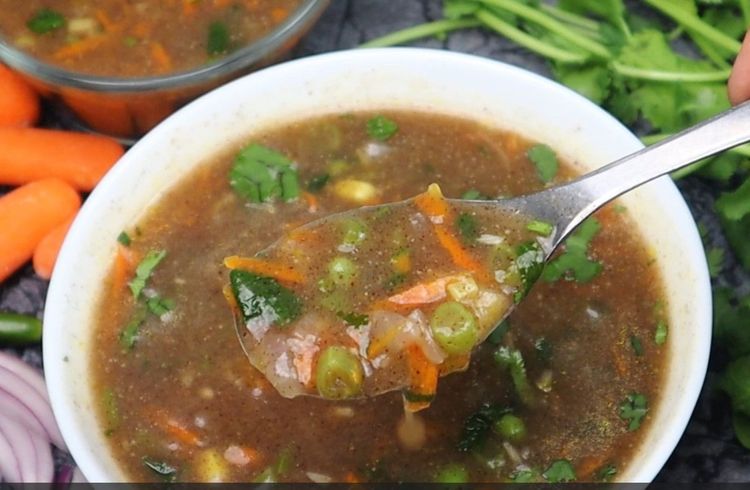
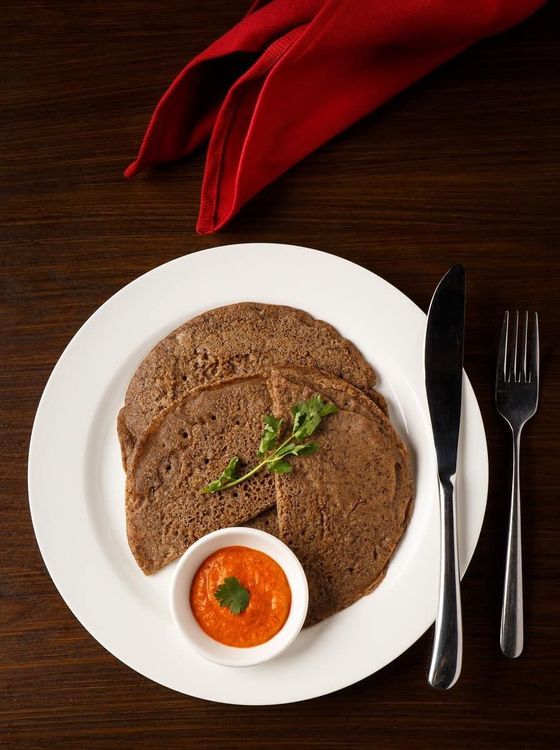
Ragi — finger millet, if you grew up with the English name — is the gateway grain. It is the darkest of the lot, faintly cocoa-ish, and unusually rich in calcium for a cereal. It also behaves badly if you rush it: the flour clumps the second it meets hot water, and no amount of beating will undo that. Whisk it into cold water first, then apply heat. Every dish in this group hinges on that one habit. These ragi recipes run from a twenty-five-minute ganji you can drink standing at the counter, to idlis that want an overnight batter, to a soup thicker and better than its ingredient list suggests.


- Indian
- Vegetarian
- Main Course

- South Indian
- Vegetarian
- Breakfast

- Continental
- Vegan
- Lunch

- Indian
- Vegetarian
- Breakfast
- Indian
- Vegan
- Appetiser
Bajra Recipes, Jowar Recipes and Kodo Flatbreads
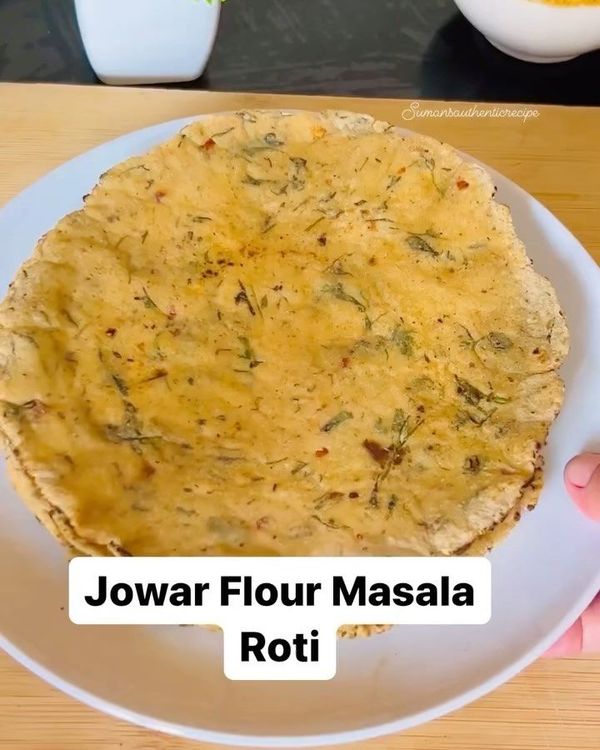
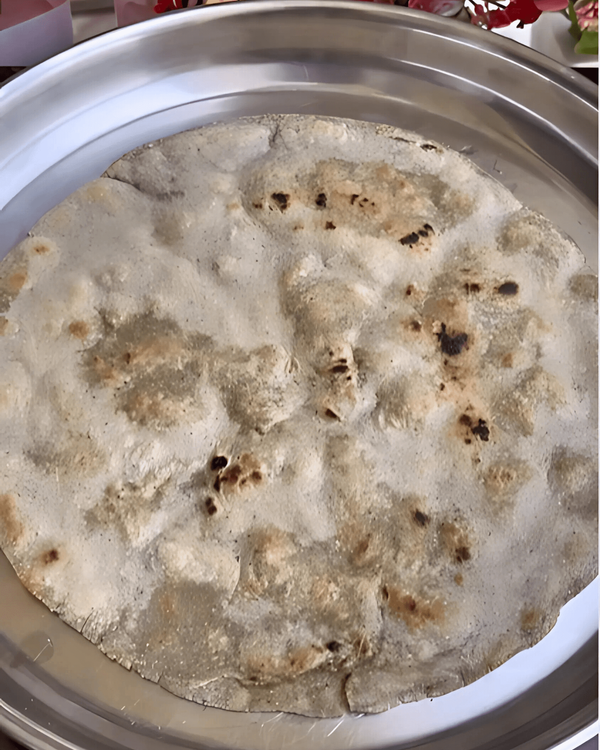
Here is where regional India shows up. Bajra (pearl millet) is the winter grain of Rajasthan and Maharashtra — assertive, slightly bitter, warming enough that people genuinely eat less of it once summer arrives. Jowar (sorghum) is its mild cousin: pale, soft, nearly sweet. Kodo is the Nepali and central-Indian outlier. None of these flours contain gluten, so nothing you knead will ever feel like wheat dough, and pretending otherwise is how people end up disappointed. Use water hot enough to scald, work fast while it is still warm, and pat the disc out with your palm. These bajra recipes and jowar recipes reward technique over strength.

- Nepalese
- Vegetarian
- Breakfast
- Indian
- Vegetarian
- Breakfast

- Maharashtrian
- Vegan
- Lunch


- Indian
- Vegetarian
- Breakfast

- Indian
- Vegan
- Breakfast
Breakfast Ideas: Pancakes, Waffles, Poha and Upma
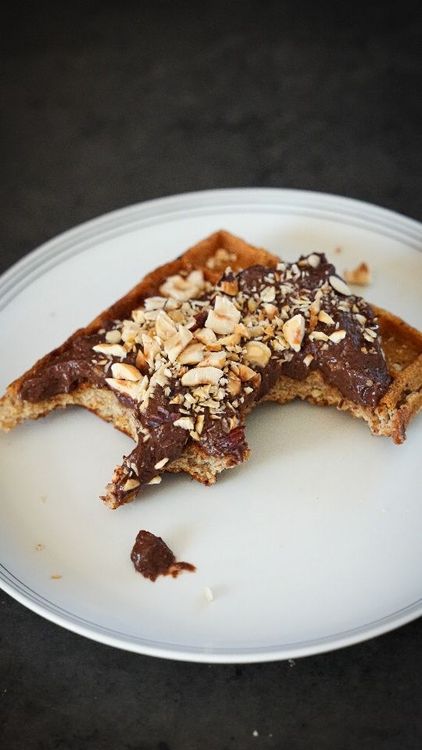
Mornings are where these grains earn their keep. A millet breakfast sits differently than a toast-and-tea one — more fibre, and generally a lower glycaemic load than refined flour, so you are not rummaging for a biscuit at eleven. The trick is batter consistency. Ground grain absorbs water on a delay, which means a batter that looks perfect the instant you mix it will be stodgy ten minutes later. Mix it looser than feels right, let it rest, then check again. Waffles want it looser still. Poha and upma dodge the problem entirely, which is why they are the weekday default in my house.
- French
- Vegan
- Breakfast

- International
- Vegan
- Breakfast
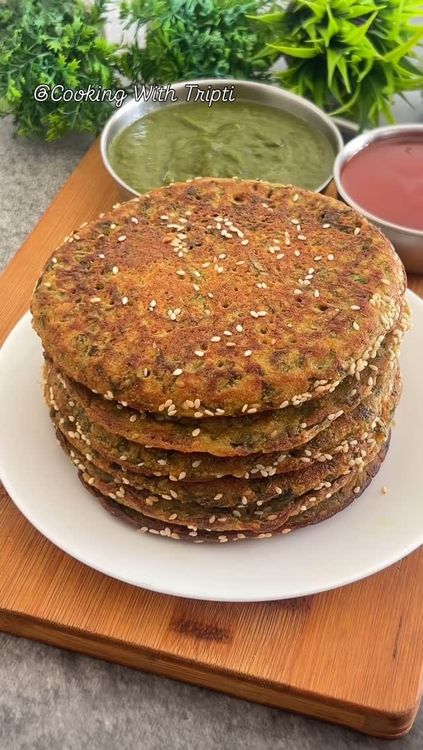

- Indian
- Vegetarian
- Breakfast
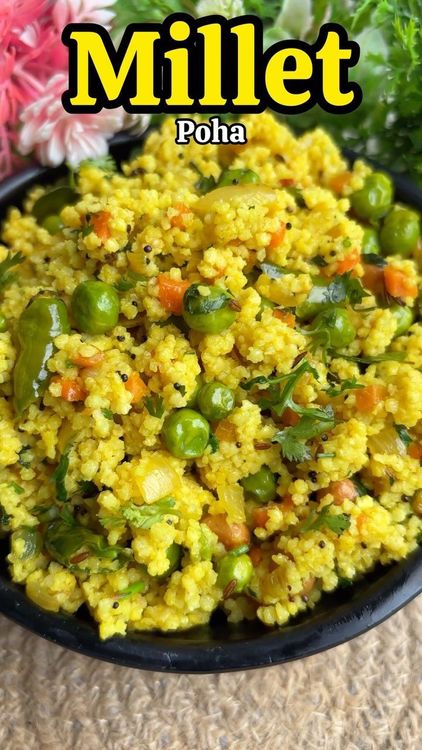
- Indian
- Vegan
- Breakfast
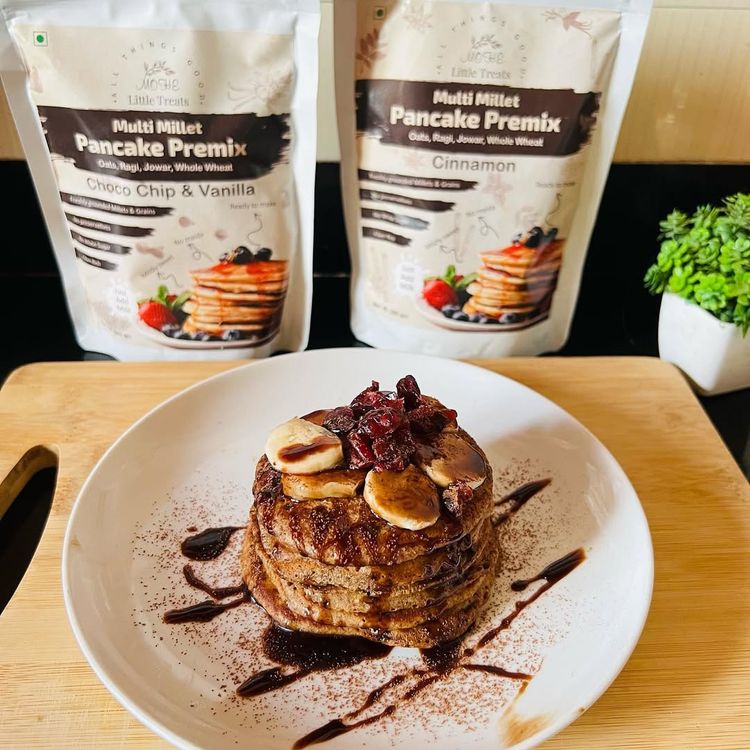
- Healthy
- Vegetarian
- Breakfast

- Healthy
- Vegetarian
- Breakfast
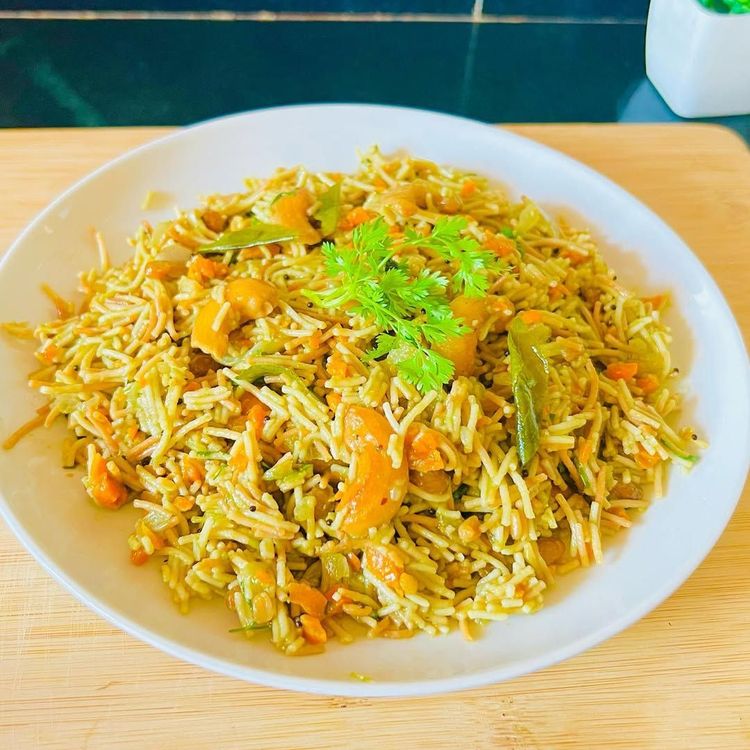
- Indian
- Vegan
- Breakfast
One-Pot Millet Recipes for Dinner: Khichdi, Noodles, Bowls
Whole grain, not flour — a completely different animal. The rule that matters: these grains drink roughly three parts water to one part grain, where rice takes two. Under-water them and you get gravel. Over-water them and stir, and you get paste. So measure, bring it up to a boil, cover it, drop the flame, and then leave it alone off the heat for ten minutes to finish steaming. That resting window is doing more work than the cooking did. Khichdi and the foxtail thalis lean soft and comforting; the noodles, burgers and salad want the grain firm and separate.
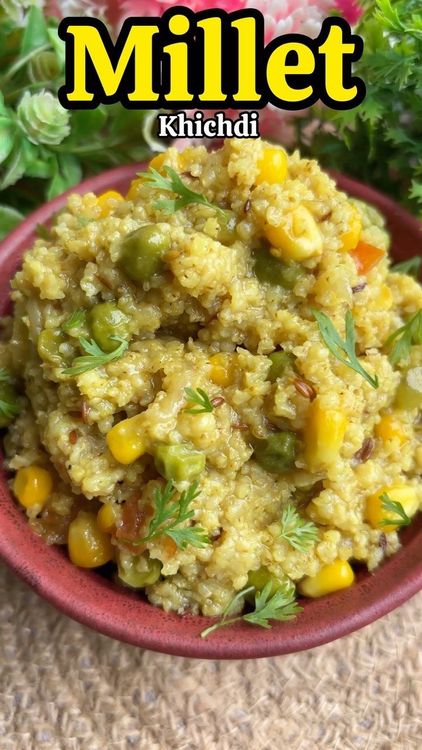
- Indian
- Vegetarian
- Lunch
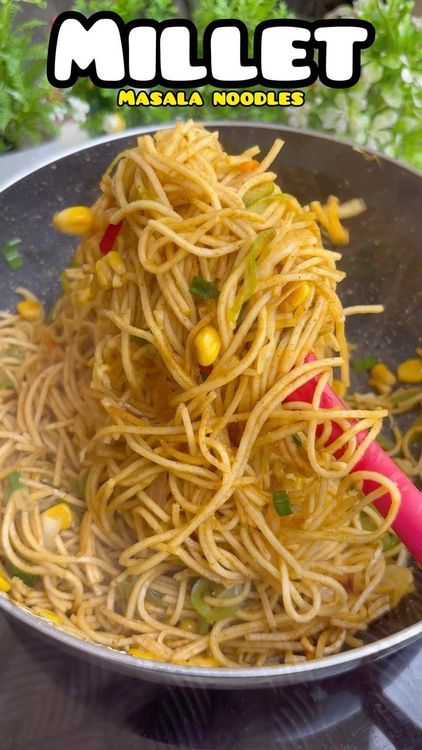
- Indian
- Vegan
- Lunch
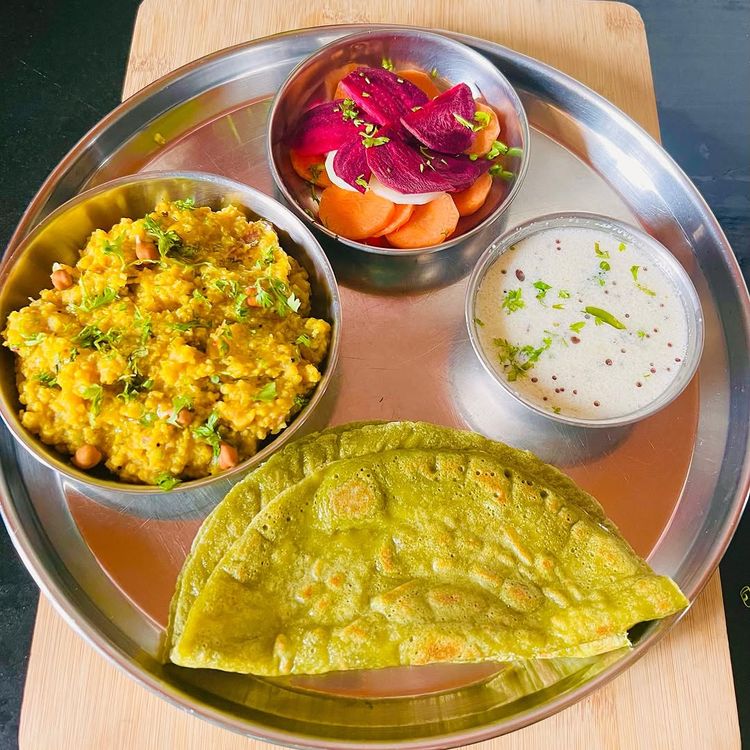
- Indian
- Vegetarian
- Lunch
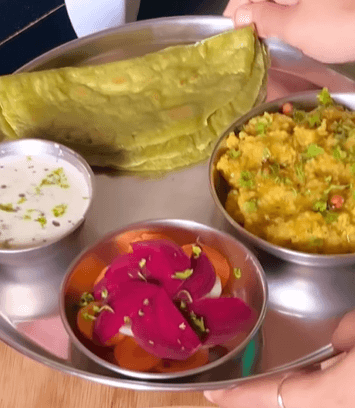
- Indian
- Vegetarian
- Lunch
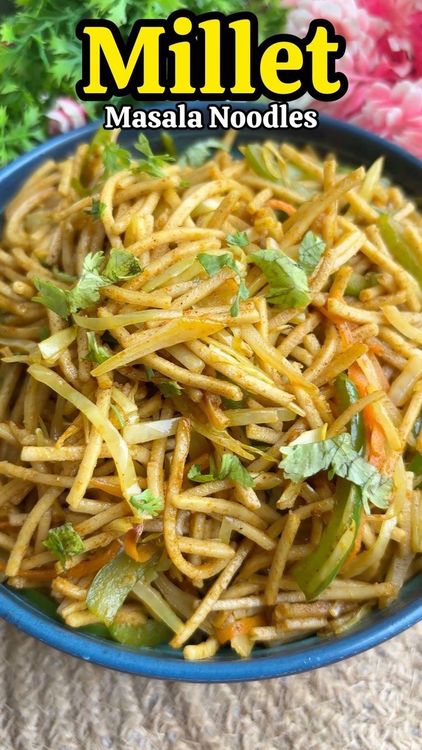
- Indian
- Vegan
- Lunch
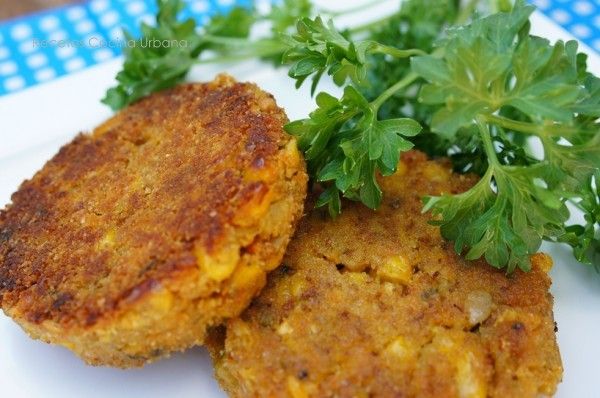
- American
- Vegan
- Main Course
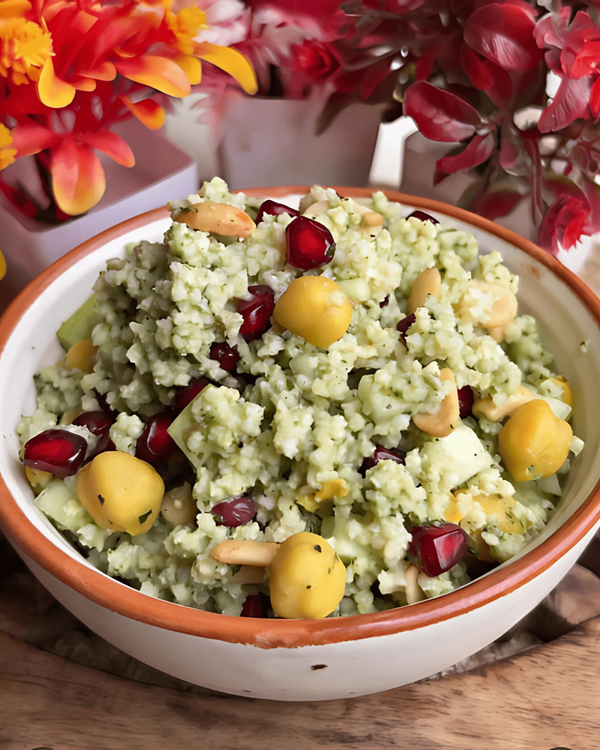
- Indian
- Vegetarian
- Salad
Sweets, Bakes and Two Cooling Drinks
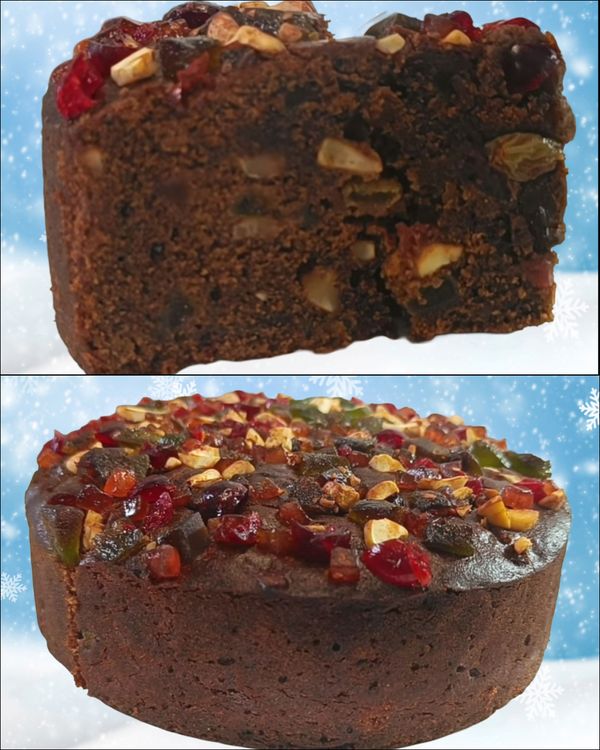
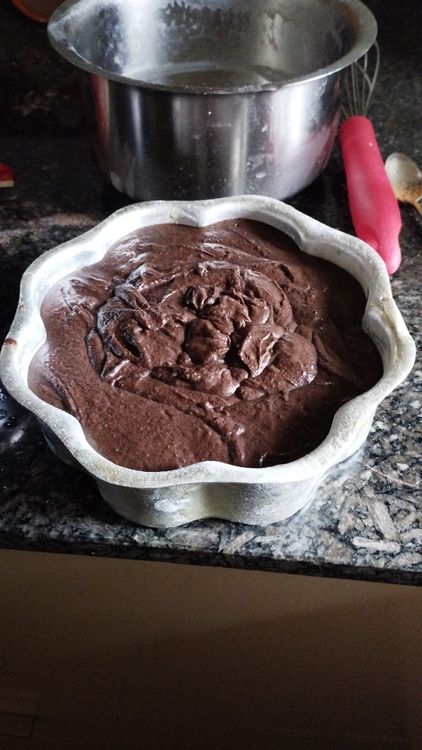
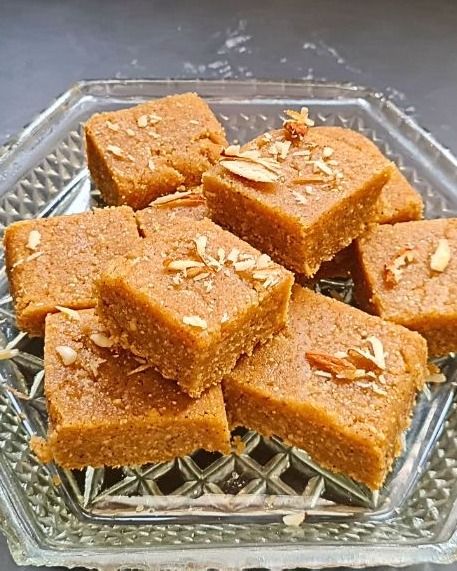
Baking with these flours is not a swap, it is a negotiation. There is no gluten, so nothing traps air the way wheat does — expect a tighter, shorter crumb and stop waiting for a fluffy one. Ragi is the friendliest here, because its earthiness reads as depth in anything built on chocolate or jaggery. Add extra fat and extra liquid, bake a touch lower and a touch longer, and cool the thing completely before you cut it, because these crumbs are fragile while warm. The two African drinks at the end — one Nigerian, one Ghanaian — are a useful reminder of how far this grain travelled.


- Vegetarian
- Dessert
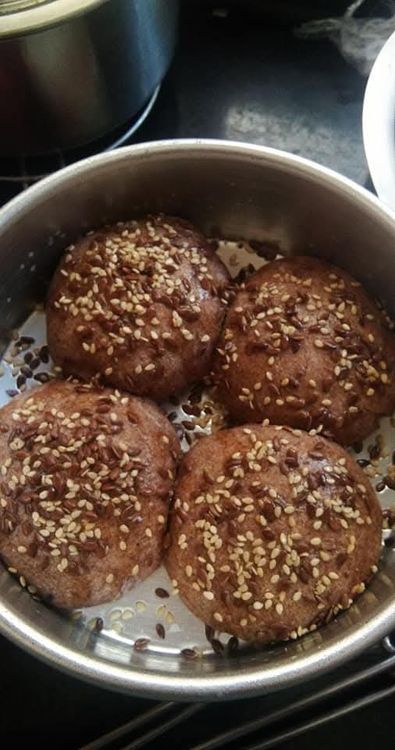
- Baking
- Vegetarian
- Snack
- Indian
- Vegetarian
- Breakfast
- Indian
- Eggetarian
- Dessert

- Indian
- Vegetarian
- Snack
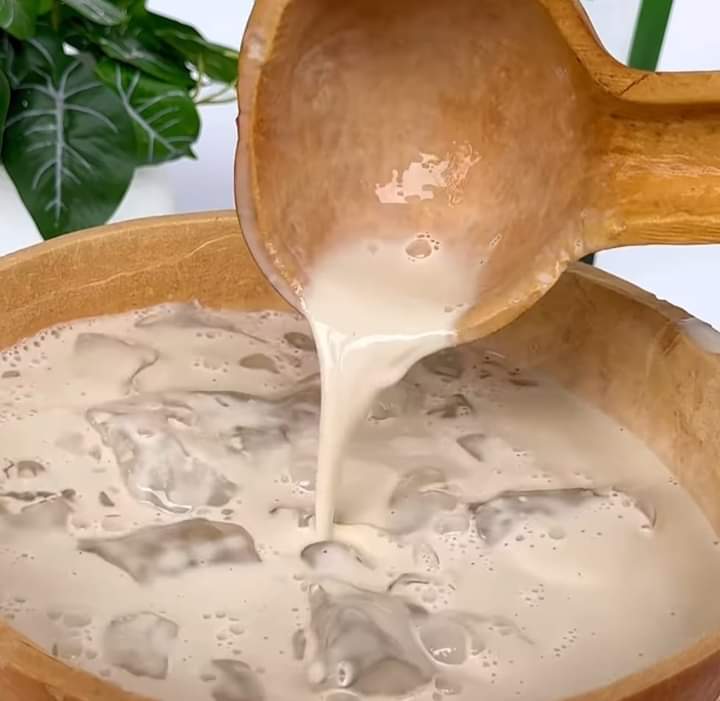
- International
- Vegetarian
- Snack
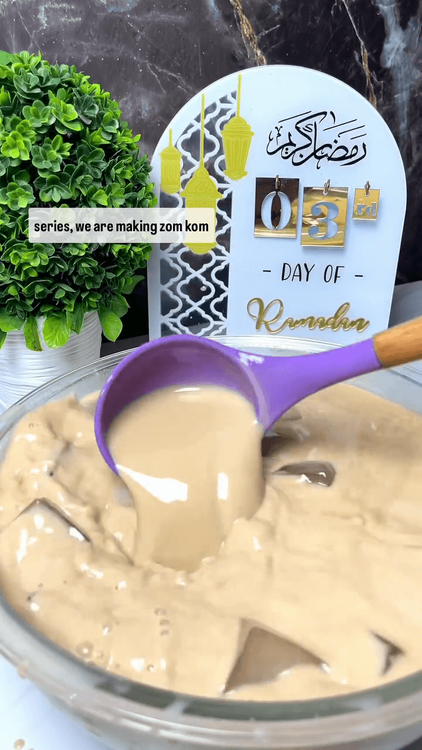

- Ghanaian
- Vegan
- Beverage
The Indian Millets, One by One
Ragi, or finger millet, is the dark one — a deep russet-brown flour with a faint cocoa note running underneath it. It carries more calcium than most cereals and it is the backbone of Karnataka's ragi mudde. It is also the most temperamental to mix and the most rewarding once you stop fighting it.
Bajra, pearl millet, is the tall grey-green crop of Rajasthan, Gujarat and Maharashtra. The flour is coarse, greyish and mildly bitter, and it goes rancid fast — buy small, keep it cold. Traditionally it is a winter grain, eaten with white butter and jaggery, and that pairing exists for a reason.
Jowar, sorghum, is the mildest and the most forgiving of the family. Pale, soft, nearly sweet — if someone in your house is suspicious of the whole category, start them on jowar and say nothing. Foxtail (kangni) and little millet (samai) are the small golden ones you cook whole, and they behave a great deal like broken rice, which makes them the easy on-ramp for khichdi and pulao.
Then the quieter ones: kodo (varagu), barnyard (samak, the grain people eat while fasting), and proso. Each is grown somewhere specific and eaten somewhere specific. Treating 'millets' as one single category is really a shopping convenience rather than a botanical fact, and the moment you start cooking them you will notice.
Cooking Millets Without Them Turning to Paste
The paste problem has exactly one cause: starch released into water with nowhere to go. Every fix follows from that. Rinse whole grain in two or three changes of water until it runs more or less clear — you are washing off surface starch, and it takes thirty seconds. Then, if you have the time, soak it for six hours or overnight. Soaking shortens the cook, softens the phytates, and gives you a noticeably more separate grain at the end.
Ratios next. Whole grain wants about one part grain to three parts water for a soft, khichdi-like result, and one to two-and-a-half for salads and pulao where you want the grains distinct. Rice's one-to-two will leave you with a crunchy centre. Bring it to a boil, drop to the lowest flame, cover, and — this is the part everyone skips — do not stir. Stirring is how you make porridge on purpose.
Off the heat, rest it covered for ten minutes, then fork it through. For flour, the rule inverts completely: slurry it into cold water and only then apply heat, because hot water gelatinises the outside of each lump and seals the dry powder inside forever. And dry-roast flour or vermicelli in a pan before you use it — two minutes, and the nuttiness turns it into a different dish.
Why Millets Came Back
India used to eat these grains as a matter of course. Then came the Green Revolution: from the mid-1960s, subsidised seed, guaranteed procurement and a public distribution system built around wheat and rice pushed everything else to the margins. Yields rose and hunger fell, which was the point. But the coarse grains — that was the official term, and it tells you everything — became what you ate if you could not afford better.
The return has been deliberate. India proposed 2023 as the International Year of Millets and the UN adopted it; the government renamed the category 'Shree Anna' and put procurement and branding behind it. Some of that is politics. The agronomy underneath it is not. These crops need a fraction of the water paddy does, tolerate poor soil and erratic rain, and mature fast — which matters a great deal in a country watching its water tables drop.
Nutritionally, the honest version: they are whole grains, with more fibre and generally a lower glycaemic index than refined flour or polished rice, and they are naturally free of gluten. That is genuinely useful. It is not medicine, and anyone selling you healthy millet food as a cure for something is selling you something. Eat them because they taste good, and because they grow where wheat will not.
Pro Tips From My Kitchen
- Buy bajra flour in the smallest bag you can find. It is high in fat and turns rancid within weeks — if it smells sharp or sour rather than grassy and clean, throw it out. Ragi and jowar are steadier, but the fridge helps all three.
- Boiling water, not warm, for any flatbread dough. Pour it in, mix with the back of a spoon until it is cool enough to touch, then knead. This gelatinises the starch and gives you the stretch that gluten would otherwise have provided.
- Pat, do not roll. For bhakri and ragi roti, wet your palm and press the ball outward on a greased sheet or straight on the counter. A rolling pin will crack the edges every single time, because there is nothing holding the dough together.
- Toast whole grain dry in the pan for two minutes before the water goes in. It smells faintly of popcorn when it is ready, and the finished grain stays noticeably more separate. Same goes for vermicelli, and same goes for rava.
- Start with a blend. Twenty per cent of these flours in your usual atta is invisible to a sceptical family, and you can walk it up to fifty over a month. Going straight to a hundred per cent is how people decide they do not like it.
- Cook a big batch of whole grain on Sunday and refrigerate it plain. It reheats into khichdi, folds into a salad cold, and binds into patties — three dinners from one pot, and the grain firms up nicely after a night in the fridge.
Frequently Asked Questions
Which millet recipes should a complete beginner start with?
Start with jowar or foxtail — both are mild and forgiving. A jowar banana pancake or a foxtail khichdi will not taste like a health project, which matters more than you think. Save bajra for later; it is assertive and it converts nobody. And begin with whole grain rather than flour, because flour has more ways to go wrong.
Are these grains actually gluten-free?
Yes — ragi, bajra, jowar, foxtail, kodo and barnyard all are, botanically speaking. The catch is processing. Flour milled on shared equipment picks up wheat, so if you are coeliac rather than simply cutting back, you need a packet that says certified gluten-free. Cross-contamination in Indian mills is common and rarely declared on the label.
Do they help with blood sugar or weight loss?
They are whole grains: more fibre, generally a lower glycaemic index than polished rice or maida, and they keep you fuller for longer. That helps. But a jaggery-heavy burfi is still a sweet, and a flatbread is still a flatbread. Treat them as a better default carbohydrate, not a treatment — and if you are diabetic, talk to your doctor rather than a food blog.
How do I stop ragi flour from going lumpy?
Cold water, always. Whisk the flour into cold or room-temperature water until it is a smooth slurry with no dry pockets left, then put it on the heat and stir continuously as it thickens. Hot water seals each lump with a cooked skin and traps dry powder inside it, and no amount of beating afterwards will fix that.
What is a good millet breakfast when I have got ten minutes?
The instant pancake — two ingredients, fifteen minutes, no resting. Or waffles from a batter you mixed the night before; they freeze well and reheat straight from the freezer in a toaster. Poha is the other reliable one, at around thirty minutes if you have prepped absolutely nothing in advance.
How much water does whole grain need?
About three parts water to one part grain for soft, khichdi-style results, and roughly two-and-a-half to one when you want separate grains for a salad or pulao. Rice's two-to-one leaves a hard centre. Bring it to a boil, cover, drop the flame right down, do not stir, and rest it off the heat for ten minutes.
Can I swap this flour into my usual baking one-for-one?
Not straight across, no. There is no gluten to trap air, so a full swap gives you a dense, crumbly result that nobody asked for. Start at thirty per cent of the total flour, add a spoon more fat and a splash more liquid, and drop the oven ten degrees while baking a little longer. Cool it completely before cutting.
How should I store the flour and the whole grain?
Whole grain keeps six months to a year in an airtight jar in a dark cupboard. Flour is the fragile one — the germ is still intact, so the oils oxidise. Buy a month's worth at a time, keep it in the fridge or freezer, and smell it before every use. Sour or paint-like means it has gone.
That is thirty-one millet recipes, five grains, and one habit worth stealing: cook a potful of whole grain at the weekend and let the week take care of itself. Start with jowar if you are nervous, ragi if you are curious, and bajra the moment winter arrives. These crops fed India for four thousand years. They are not a trend.
Related
- ragi recipes
- jowar recipes
- bajra recipes
- millet breakfast
- healthy millet food
- gluten-free grains
Popular Searches
- Best millet recipes
- Easy millet recipes
- Quick millet recipes
- Healthy millet recipes
- Simple millet recipes
- Homemade millet recipes
- Delicious millet recipes
- Popular millet recipes
- ragi recipes
- jowar recipes
- bajra recipes
- millet breakfast
Marnirni-apinthi Building, Lot Fourteen,
North Terrace, Adelaide, South Australia, 5000
Australia
