
14 Easy Condensed Milk Recipes for Fudge, Cakes and More
Updated July 7, 2026 · Curated by Chefadora
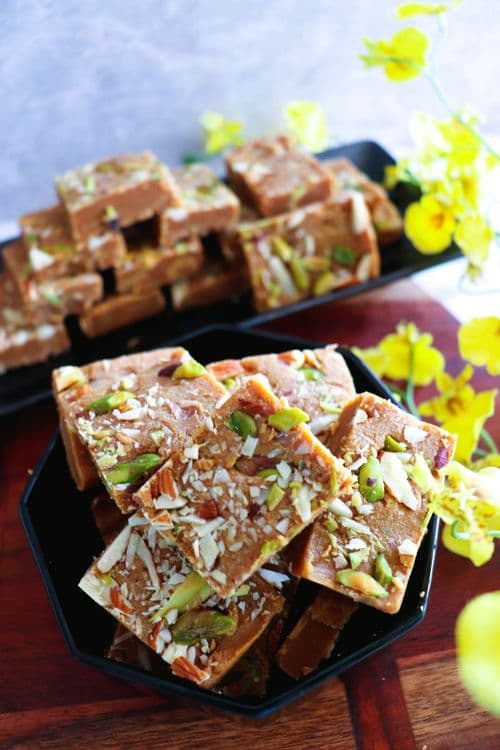
There is one humble tin that quietly powers half the sweet things I make, and this roundup of condensed milk recipes is my love letter to it. Sweetened, thick and pourable, it does the work of sugar and cream at once, which is why a single can turns into fudge, cake, flan or a scoopable frozen treat with almost no fuss.
I have pulled together fourteen of my favourites here, from Indian barfi to Latin American bakes, plus a clutch of foolproof homemade versions for the days the shops let you down. Whether you have a full can or a spoonful rattling in the fridge door, there is something below to use it up.
Expect short ingredient lists, forgiving methods and results that taste far more involved than they are. I have cooked every style here more times than I can count, so the notes come from spills, over-boils and the odd genuine triumph, not from a textbook.
Condensed Milk Fudge and Barfi
Barfi and fudge are where this tin earns its keep, turning a pan of bubbling sugar into neat, sliceable squares in under an hour. Both recipes here are actually made without the tinned stuff, which surprises people, but I have grouped them so you can see how milk powder, jaggery and toasted coconut hit the same fudgy target another way. The trick across the board is patience with the heat: cook too fast and you scorch the base, too slow and it never sets. Watch for the mixture pulling cleanly away from the sides of the pan, then press it flat while still warm. Cut it once cool and firm, not a moment before.
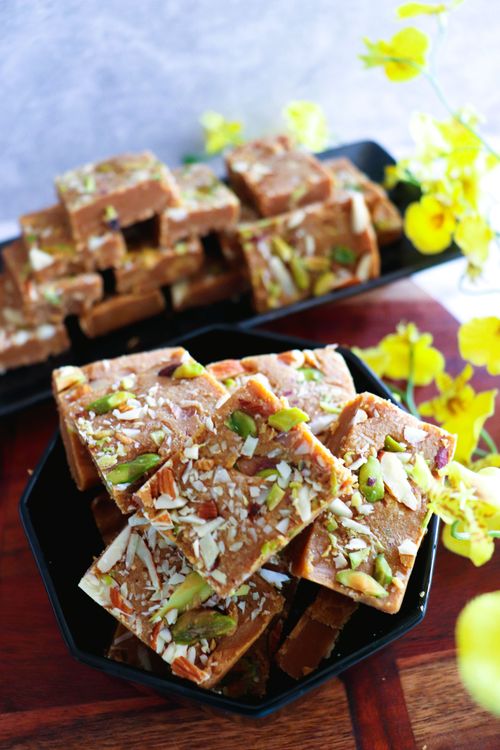

- Indian
- Vegetarian
- Dessert
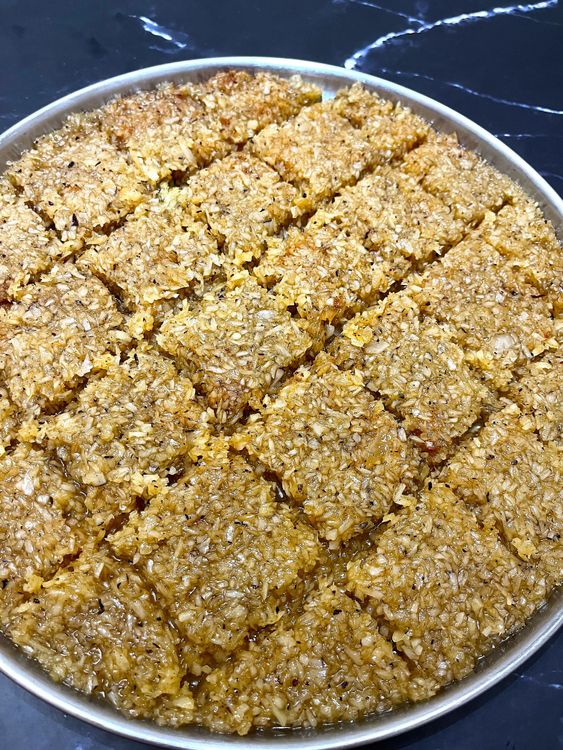

- Indian
- Vegetarian
- Snack
Cakes, Loaves and Quick Bakes
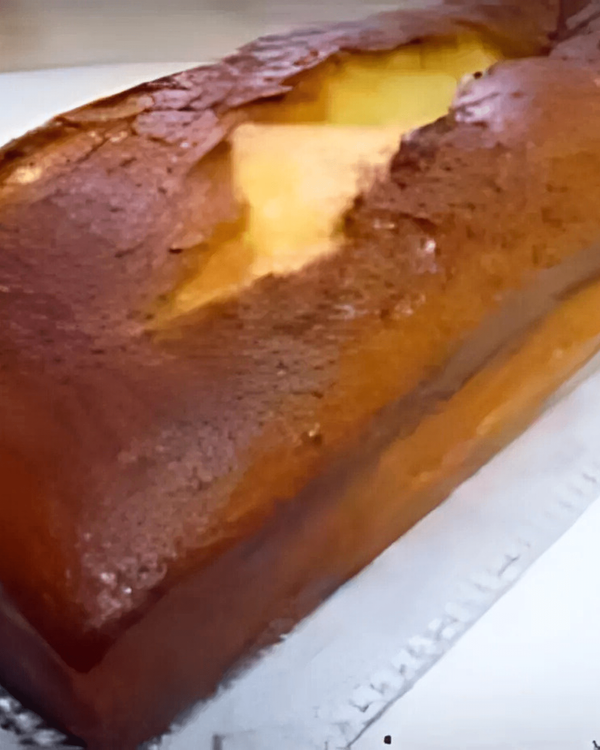
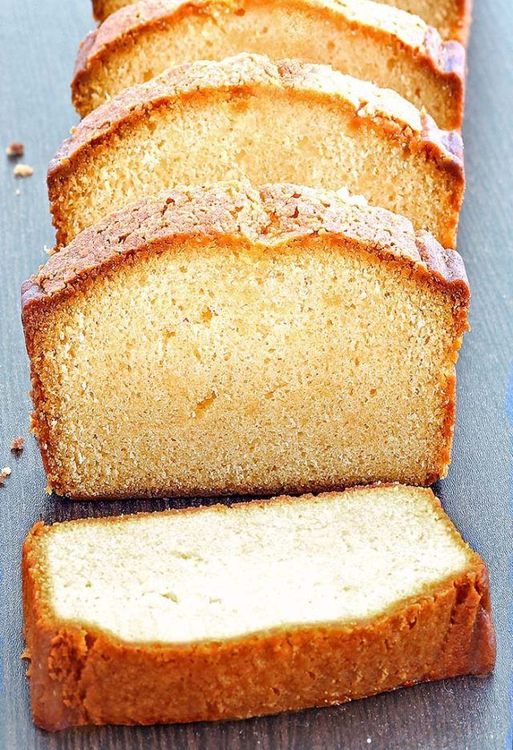
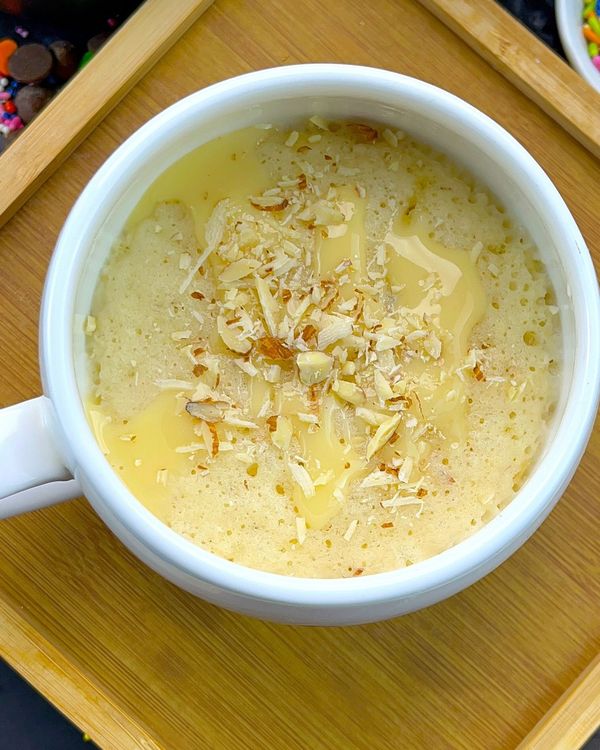
For cakes, this sweetener is a secret weapon: it keeps the crumb moist for days and browns beautifully, so even a plain sponge tastes rich. In this group you will find a dense pound cake, an airy five-ingredient sponge, a deep chocolate loaf and a one-minute mug cake for when the craving strikes at midnight. My general rule is to whisk it into the wet ingredients first, before the flour goes in, so it disperses evenly and you avoid gluey streaks at the bottom of the tin. Because it already carries plenty of sugar, cut back any added sugar the recipe lists by roughly a third, and keep a close eye on the oven since these brown early.
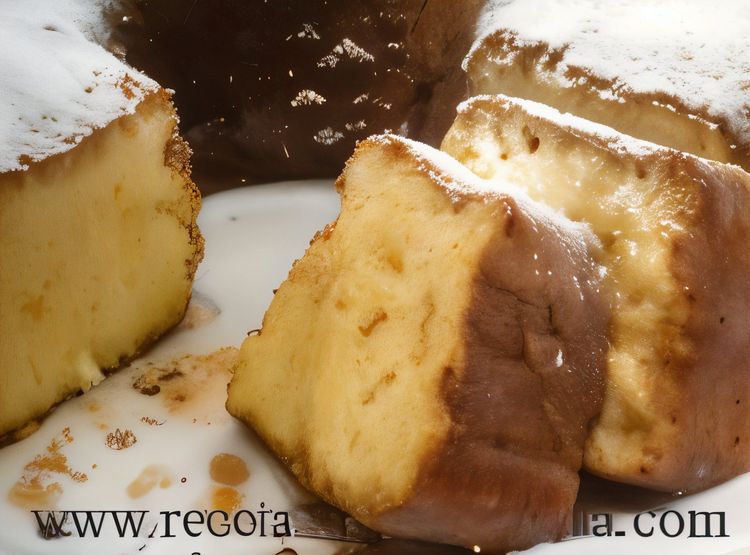
- Argentine
- Eggetarian
- Breakfast
- Latin American
- Eggetarian
- Snack

- International
- Eggetarian
- Dessert
- Global
- Vegetarian
- Snack
No-Churn Ice Cream and Cold Desserts
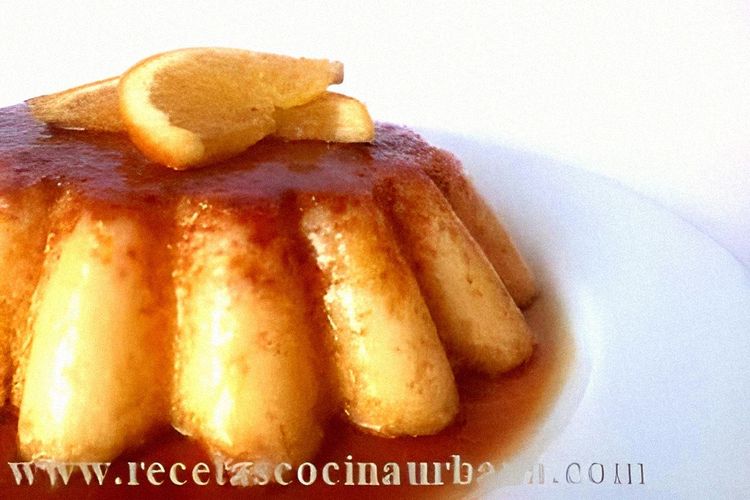
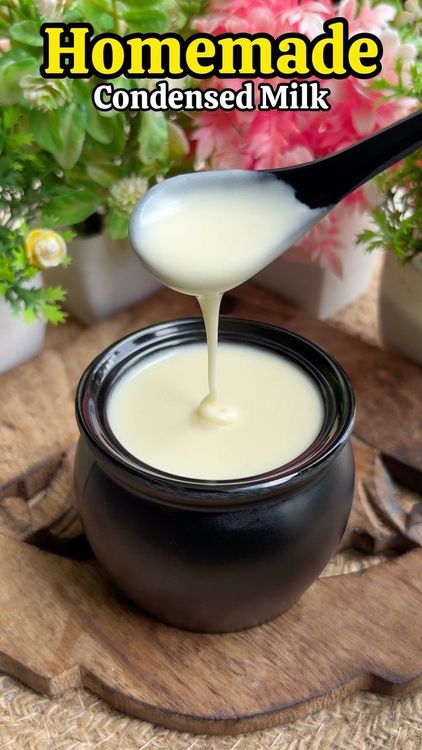
No-churn ice cream is the party trick everyone should know: fold this sweetened milk into softly whipped cream, freeze, and you get a scoopable, custard-smooth result with no machine at all. Here I pair a silky orange flan with two quick homemade bases that whisk straight into that cream in minutes, so you are never stuck without the key ingredient. Cold desserts live and die on texture, so chill your bowl and beaters first, and stop whipping the cream at soft peaks or the mix turns grainy. For the flan, bake it low in a water bath and resist the urge to rush the caramel. Both reward an overnight set in the fridge before you serve.
- Latin American
- Eggetarian
- Dessert

- Global
- Vegetarian
- Dessert

- Global
- Vegetarian
- Sauce & Condiment
Condensed Milk Drinks and Homemade Batches
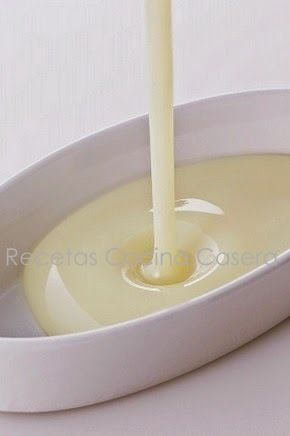
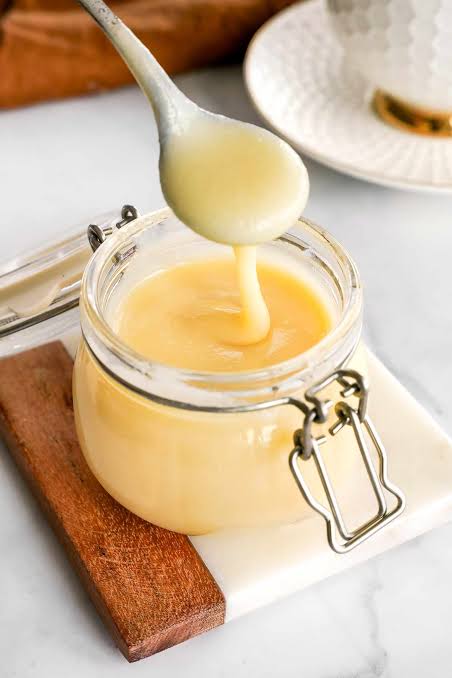
This last group is all about making your own from scratch, which matters more than you would think. A homemade batch stirred into iced coffee, chai or a milkshake tastes cleaner, and it lets you dial the sweetness yourself. I have gathered five methods here, from a fifteen-minute stovetop reduction to a slow weekend simmer and a no-cook blender version built on milk powder. Each yields roughly the equivalent of one shop tin, ready to swirl into drinks or spoon over fruit and toast. The stovetop routes need a heavy pan and steady stirring so the sugars do not catch; the blender route is foolproof but wants a few hours in the fridge to thicken properly before use.
- American
- Vegetarian
- Dessert

- American
- Vegetarian
- Dessert


- Indian
- Vegetarian
- Dessert


- International
- Vegetarian
- Sauce & Condiment
- Vegetarian
Condensed Milk vs Evaporated Milk: What Is the Difference
The two tins sit side by side on the shelf and get muddled constantly, but they are not interchangeable. Both start the same way, with fresh milk gently heated so a large share of its water evaporates, concentrating the solids and giving a cooked, faintly caramel note. The crucial difference is sugar. The sweetened kind has a heavy dose stirred in, roughly forty per cent of the tin by weight, which thickens it to a syrupy pour and makes it a dessert ingredient in its own right. The evaporated sort is left unsweetened, staying thin and pourable like ordinary cream, and it leans savoury as happily as sweet.
That sugar changes everything about how you cook with each. Reach for the sweetened tin when you want set fudge, no-churn ice cream, fillings and fast bakes, because the sugar provides both structure and flavour. Choose the evaporated kind for silky savoury sauces, soups, mashed potato and custards where you control the sweetness yourself. Swapping one for the other rarely works without adjustment: use the unsweetened one in fudge and it will never set, while the sweetened one in a gratin turns cloying. If a recipe simply says milk and you only have the evaporated kind, dilute it with an equal splash of water to bring it back to pouring strength. Keep both on hand and label them clearly, because reaching for the wrong one mid-recipe is a mistake you make exactly once. One more quiet difference worth knowing: the unsweetened kind whips poorly and curdles if boiled hard in an acidic sauce, so add it late and keep the heat gentle, while the sweetened one is stable and forgiving under heat.
Getting the Most From Condensed Milk Recipes: Ratios and Tips
A standard tin holds about 397 grams, a shade under one and a quarter cups, and almost every classic formula is built around that single unit. Commit a few ratios to memory and you can improvise freely. For no-churn ice cream, whip 300 millilitres of double cream to soft peaks and fold in half a tin; that is the whole base before any flavourings go in. For a two-ingredient fudge, melt 400 grams of chocolate with a full tin over low heat, then set it in a lined tray. For quick caramel, simmer an unopened tin submerged in water for two to three hours, or decant it and cook gently until amber and thick.
A handful of small habits save most first-timers real grief. Always warm the tin slightly before pouring so that sticky last third actually leaves the can. Add it to hot mixtures off the heat and stir constantly, because direct high heat scorches the sugars fast and leaves a burnt edge you cannot rescue. When baking, reduce any separately listed sugar by about a third to stop things tipping into sickly. Because it already carries so much sweetness, a pinch of flaky salt or a squeeze of citrus in the final mix keeps desserts from feeling flat. And measure by weight wherever you can, since sticky volume measures cling to the cup and throw your ratios off more than you would ever expect. A quick trick for that clinging: spray your measuring cup or scale bowl with a little neutral oil first, and the whole sticky lot slides out clean, so your ratios stay honest and nothing goes to waste in the bottom.
How to Make a Homemade Substitute in Minutes
Running out mid-bake is not the disaster it feels like, because you can build a convincing stand-in from things you almost certainly already have. The quickest stovetop route: simmer 500 millilitres of whole milk with 150 grams of sugar over medium-low heat, stirring often, until it reduces by roughly half and coats the back of a spoon, about twenty-five to forty minutes. A knob of butter stirred in at the end adds gloss and body. Cool it fully and it thickens further to that familiar syrupy pour. This is essentially what several of the homemade recipes in this collection do, and the results bake and set just like the tinned original.
For an even faster fix, skip the stove entirely. Blitz 120 grams of milk powder with 100 grams of sugar and 80 millilitres of hot water in a blender until completely smooth, then chill it for an hour or two to firm up. It is foolproof and endlessly scalable, which is why I keep milk powder in the cupboard the whole year round. Cooking for a vegan table? The same reduction trick works with full-fat coconut milk and sugar, giving a lightly tropical version that shines in coconut bakes and iced coffee. Whichever route you take, one homemade batch roughly equals one shop tin, so you can swap it straight into any recipe here without recalculating a single thing. If your homemade version comes out thinner than the tinned sort, simply return it to low heat for a few more minutes, since it always firms up noticeably as it cools. Store the leftovers cold and use them within a few days.
Storing an Opened Tin the Right Way
Once a tin is open the clock starts, and the metal is the first problem. Never store the leftovers in the can itself, because exposed steel can taint the contents with a faint metallic tang and, over time, corrode. Scrape every last bit into a clean airtight jar or a small lidded container instead. Kept in the coldest part of the fridge, an opened portion stays good for about two weeks, though I trust my nose over any calendar; a sour smell or any fizz means it has turned and should go straight in the bin without a second thought.
For longer storage, freezing works surprisingly well. Thanks to its high sugar content it never freezes rock solid, so it stays spoonable and thaws quickly. I freeze the leftovers in an ice-cube tray, then bag the frozen cubes, which lets me grab exactly the amount a coffee or a small bake needs. Thaw in the fridge overnight and give it a brisk stir, since it can look separated or grainy at first before coming back together smoothly. A film that forms on the surface in the fridge is harmless; just stir it through. Keep the jar tightly sealed and away from strong-smelling foods, because that sweet surface readily picks up odours from onions, garlic and last night's leftover curry. As a rule I date the jar with a strip of tape the moment I open it, which takes all the guesswork out of the fortnight window and stops a half-used tin quietly lurking at the back of the shelf past its best.
My Pro Tips for Cooking With the Tin
- Warm the tin in a bowl of hot water for a couple of minutes before opening; the contents pour far more willingly and you waste none of that sticky last third clinging stubbornly to the sides.
- When making caramel by boiling an unopened can, keep it fully submerged the entire time and never let the water run dry, or the trapped pressure can turn a sealed tin into a genuine kitchen hazard.
- Fold, do not beat, the sweetened milk into whipped cream for no-churn ice cream; over-mixing knocks the air out and you lose the light, scoopable texture you just worked so hard to build.
- Toast your milk powder or coconut gently before it goes into fudge and barfi; a few minutes of colour deepens the flavour and stops the finished squares tasting flat and stubbornly one-note.
- Always cut the added sugar by about a third in any bake you adapt, because the tin already brings plenty and unadjusted recipes tip quickly into cloying, tooth-aching sweetness that masks everything else.
- A pinch of flaky salt or a squeeze of lemon stirred in right at the end sharpens everything and keeps rich, heavy desserts from feeling one-dimensional or dull on the palate.
- Line your setting tray with parchment, leaving an overhang, before you pour the fudge in; lifting the whole slab out to cut it on a board beats hacking away at it stuck inside the pan.
Frequently Asked Questions
What is the difference between condensed milk and evaporated milk?
Both are milk with much of the water gently cooked off, but the sweetened kind has a large amount of sugar added, making it thick, syrupy and ideal for desserts. The evaporated sort stays unsweetened, thin and pourable, and suits savoury sauces and custards. They are not interchangeable without adjusting the sugar, so always check which one a recipe actually calls for before you start cooking.
Which condensed milk recipes are easiest for beginners?
Start with the no-cook homemade version and the one-minute mug cake, since both are nearly impossible to ruin and need no oven skills at all. From there, the five-ingredient sponge and the two-ingredient fudge build confidence fast. Each has a short ingredient list and a forgiving method, so you learn how the ingredient behaves before you tackle a fussier flan or a long, slow stovetop reduction.
Can I make a substitute at home if I run out?
Absolutely. Simmer whole milk with sugar over medium-low heat until it reduces by half and coats a spoon, roughly half an hour, then cool it fully. For a no-cook option, blend milk powder, sugar and a little hot water until smooth and chill. Either batch roughly equals one shop tin and swaps straight into any recipe on this page without recalculating quantities.
How long does an opened tin keep?
Scrape the leftovers out of the can into a clean airtight jar and refrigerate them; they stay good for around two weeks in the coldest part of the fridge. Trust your senses over the printed calendar, as a sour smell or any bubbling means it has spoiled. For longer storage, freeze it in cubes, where the high sugar keeps it spoonable and quick to thaw.
Why did my fudge not set properly?
Under-cooking is almost always the culprit. The mixture needs to reach the point where it pulls cleanly away from the sides of the pan before you press it into the tray; stop too early and it stays soft. Too little chilling matters too, so give it several hours, or ideally overnight, in the fridge. If it is still loose, gently re-cook it for a few minutes more.
Is it the same thing as dulce de leche?
Not quite, though the two are closely related. Dulce de leche is what you get when you cook the sweetened tin slowly until its sugars caramelise, turning it thick, amber and toffee-flavoured. Straight from the can it is paler, looser and simply sweet. You can make dulce de leche at home by simmering an unopened tin, kept fully submerged in water, for two to three hours.
Can I use it in savoury cooking too?
Sparingly, yes. A small spoonful can balance the acidity in a tomato curry or a Thai-style sauce and round out fierce chilli heat, which is why some regional dishes quietly rely on it. Because it is intensely sweet, add it in tiny amounts and taste as you go. For genuinely savoury needs like creamy soups or gratins, reach for the unsweetened evaporated kind instead.
What can I do with just a few leftover spoonfuls?
Small amounts are wonderfully useful. Stir a spoonful into hot coffee or chai, drizzle it over fresh fruit, pancakes or warm toast, or swirl it through porridge. It sweetens a quick salad dressing, enriches a milkshake, and glosses the top of a fruit tart. Freeze anything you cannot use within two weeks in cubes, ready to drop straight into your next drink.
That is the whole spread, and I hope these condensed milk recipes prove just how far one modest tin can stretch, from festive barfi and moist cakes to no-churn ice cream and a jar of the homemade stuff for your morning coffee. Keep a can in the cupboard, remember the ratios, and you are never more than a few minutes away from something sweet.
Related
- homemade condensed milk
- no churn ice cream
- easy fudge
- dulce de leche
- eggless bakes
- indian sweets
Popular Searches
- Best condensed milk recipes
- Easy condensed milk recipes
- Quick condensed milk recipes
- Healthy condensed milk recipes
- Simple condensed milk recipes
- Homemade condensed milk recipes
- Delicious condensed milk recipes
- Popular condensed milk recipes
- condensed milk dessert
- condensed milk fudge
- condensed milk cake
- no churn ice cream condensed milk
Marnirni-apinthi Building, Lot Fourteen,
North Terrace, Adelaide, South Australia, 5000
Australia
