
14 Dal Tadka Recipes That Taste Like a Slow Sunday
Updated July 15, 2026 · Curated by Chefadora

There is a particular smell that means dinner is close: ghee going hot in a small steel pan, cumin seeds popping, sliced garlic turning the colour of honey, then the whole lot hissing as it hits a pot of soft lentils. That sound is why I keep coming back to dal tadka recipes on the evenings when the day has gone sideways and I want something that costs almost nothing and still tastes like somebody cared.
Every cook I learned from does it differently — more garlic in Punjab, curry leaves and a pinch of asafoetida further south, a shy half tomato in some kitchens and a full spoon of paste in others. Some bowls below are labelled dal fry and some tadka, and the line between them is thinner than the internet insists: in one the lentils are folded into a cooked masala, in the other a tempering is poured over at the end.
I have grouped these fourteen by lentil and by mood; cook times run from thirty-five minutes to a leisurely hour and three quarters.
Classic Yellow Dal Tadka Recipes to Start With
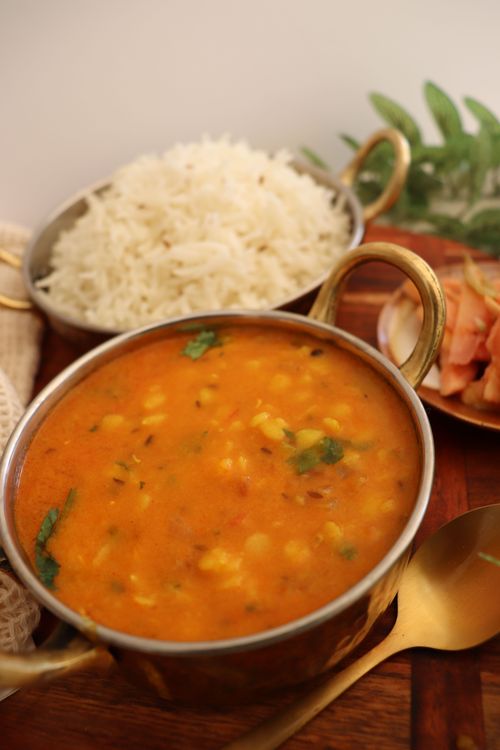
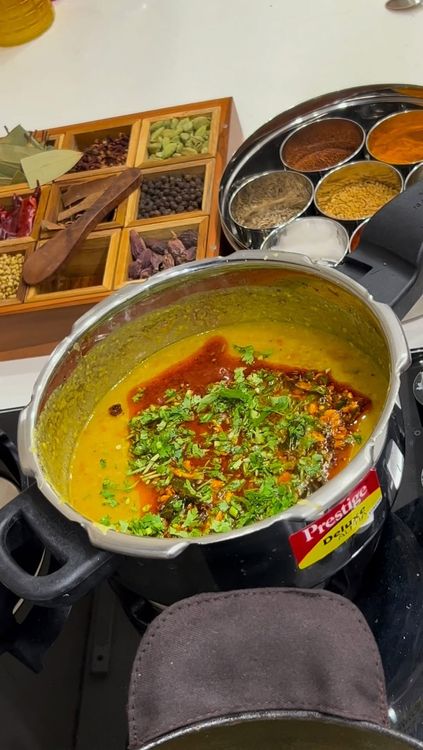
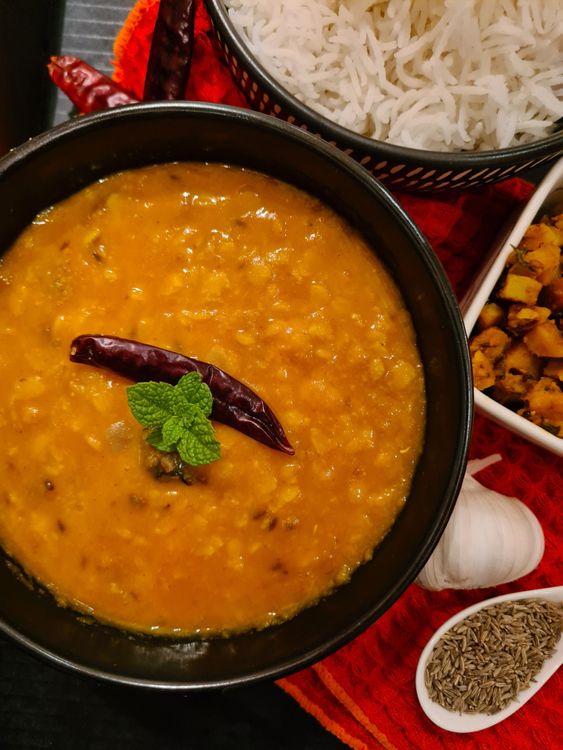
Toor, also sold as arhar or pigeon peas, is the default for a reason: it breaks down into something creamy without ever turning to paste, and it takes a heavy hand of garlic gracefully. This is the yellow dal tadka most people picture — turmeric-gold, loose enough to pour across rice, finished with ghee and a broken dried chilli. Cook it in a pressure cooker for three or four whistles, or forty minutes in an open pot if you want to watch it happen. Salt only after the lentils are properly soft, never before; early salt keeps the skins stubborn. Start here if you have never made this, because the technique carries the whole page.

- Indian
- Vegetarian
- Lunch

- Indian
- Vegetarian
- Lunch
- Indian
- Vegetarian
- Lunch

- Indian
- Vegetarian
- Lunch
Dhaba-Style Bowls with a Smoky Finish
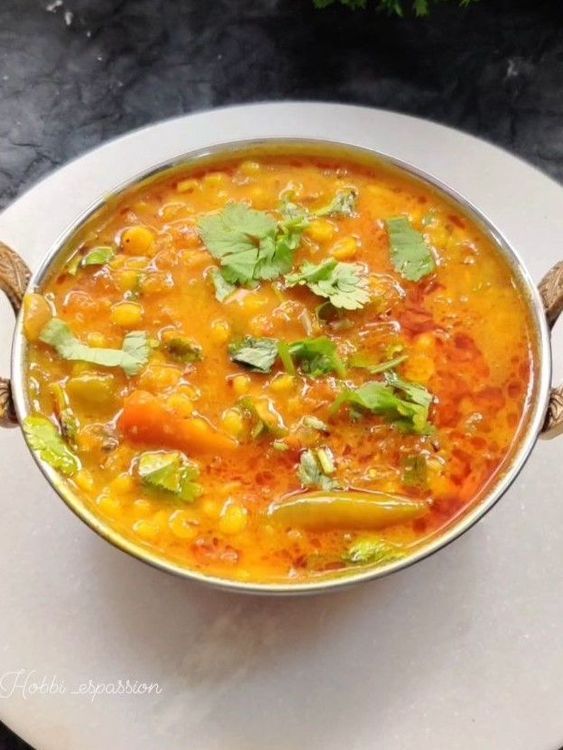
Roadside truck-stop cooking has a signature you can taste blindfolded: darker, oilier, faintly smoky, with a tempering poured on so late that it is still spitting when the bowl reaches the table. Part of it is butter used without guilt, part is kasuri methi crushed between the palms, and part is genuine woodsmoke you can fake at home with one lump of charcoal and a spoon of ghee. These three lean richer than the everyday versions — more onion, a longer masala fry, a splash of cream in some hands. If you have been chasing the flavour you remember from a highway stop somewhere outside Amritsar, this is where it lives, and it is closer than you think.

- Indian
- Vegetarian
- Lunch
- Vegetarian
- Main Course
- Indian
- Vegetarian
- Lunch
Chana & Moong: Heartier Lentils, Bolder Texture
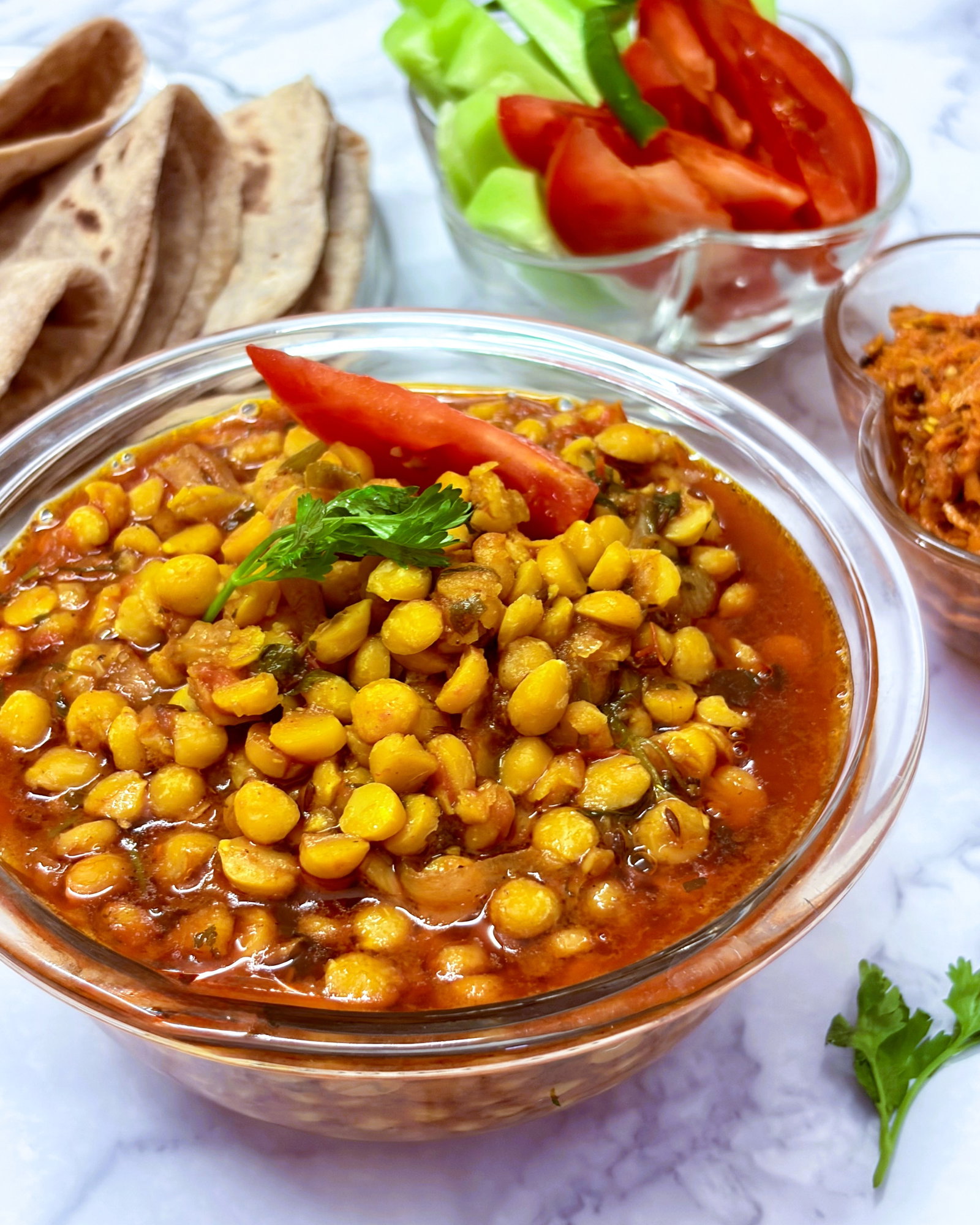
Split chickpeas and split moong behave nothing like toor does. Chana holds its shape through a full hour of simmering, staying nutty and distinct, so the masala coats each piece instead of dissolving into it — soak it for thirty minutes and it still wants seventy on the heat. Moong goes the other way, cooking fast and turning almost sweet, which is why the semi-dry version below works scooped up with roti rather than spooned over rice. Both are sturdier lunchbox candidates than the loose golden bowls above; they thicken overnight but reheat without going grainy or splitting. Expect more chew, more body, and a little more patience standing at the stove.

- Indian
- Vegan
- Dinner

- Indian
- Vegan
- Dinner

- Indian
- Vegan
- Lunch
Quick Weeknight Bowls & Regional Twists
Not every night deserves ninety minutes. These four run from a thirty-five-minute Kerala bowl to a Rajasthani panchmel that stretches to an hour and three quarters but rewards you with five different pulses in one pot. What I like about this group is how far the idea travels: the same tempering logic shows up with coconut oil and curry leaves in the south, with pumpkin melting into the lentils in Udupi kitchens, with a Tamil dal fry built on asafoetida instead of garam masala. Same technique, different accent, entirely different dinner. Cook two of them back to back on consecutive nights and you will hear the family resemblance immediately.
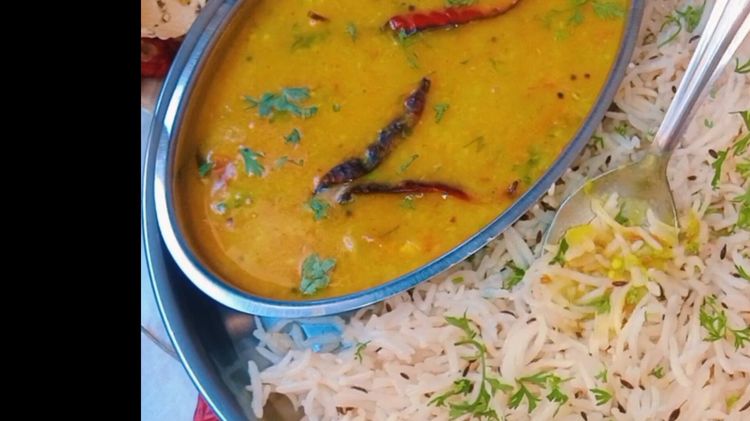

- Indian
- Vegetarian
- Lunch
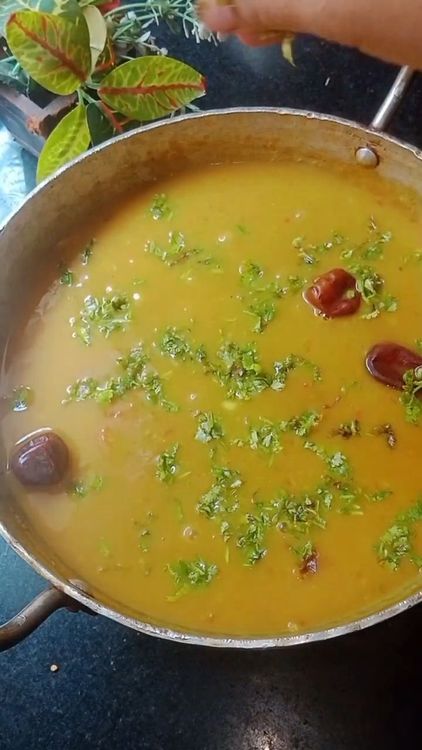
- Indian
- Vegetarian
- Lunch
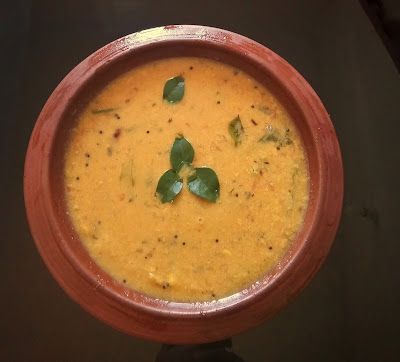

- Indian
- Vegan
- Dinner
The Tadka: Ghee, Cumin & Timing
If you only remember one thing about how to make dal tadka well, make it this: the fat must be properly hot before anything goes in, and the whole tempering is over in about ninety seconds. Use a small, heavy pan — a steel tadka pan, or the smallest skillet you own — and roughly two tablespoons of ghee per four servings. Ghee is not really negotiable for flavour, though a fifty-fifty split with neutral oil raises the smoke point and buys a little room for error.
The order matters, and it is always the same: whole spices first, aromatics second, ground powders last. Cumin seeds go into the hot ghee and should sizzle and darken within four or five seconds — if they sit there quietly, the fat is too cool; if they blacken on contact, pull the pan off to cool. Then sliced garlic, which needs thirty seconds to turn pale gold, and dried red chillies snapped in half. Only at the very end, with the pan off the flame, do you stir in chilli powder and a pinch of asafoetida. Ground spices burn in three seconds over a live flame and turn the pot bitter.
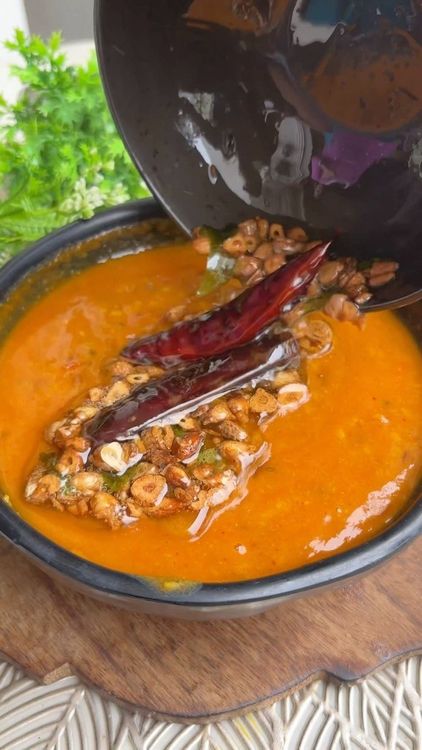
Pour it over the cooked lentils while it is still audibly spitting, then clap the lid on for two minutes so none of the aroma escapes. Some cooks stir it all the way through; I like to leave half sitting on the surface, so the first spoonful is pure ghee and cumin. Do this last, right before the bowl leaves the kitchen — a tempering made twenty minutes early is just oil.
Which Dal to Use
Toor — arhar, pigeon pea, same thing — is the workhorse and what the classic golden bowl is built on. It cooks in three or four whistles, breaks down into a creamy body while keeping just enough grain to feel like food, and stands up to garlic without being flattened by it. If a recipe simply says dal with no qualifier, this is almost always what it means. Buy the plain kind rather than the oiled variety if you can; oiled toor keeps longer but needs a proper rinse in warm water first.
Masoor, the red lentil, is the fast option — twenty minutes, no soaking, and it dissolves almost completely into a smooth orange-gold pool. It is the most forgiving pulse in the shop and the right choice on a night when you start cooking at eight o’clock and are already slightly annoyed about it. Moong dal, split and skinned, is gentler still, cooks in fifteen to twenty minutes, and is what people in India are handed when they have been unwell. It takes to a semi-dry treatment beautifully.
Chana dal is the outlier. Split chickpeas are dense, want a thirty-minute soak and a full hour on the heat, and never quite surrender — which is exactly the point in a Punjabi version, where you want texture the masala can grip onto. Then there is panchmel, the Rajasthani five-lentil blend of toor, chana, moong, urad and masoor, which hands you every texture at once. A fifty-fifty toor and masoor mix is the easiest upgrade most home cooks can make: body from the first, creaminess from the second.
Dhaba-Style Smoky Finish (Dhungar)
The gap between your bowl and the one at a highway dhaba is usually not spice — it is smoke. Truck-stop cooks work over coal and open flame all day long, and the pot sits nearby quietly absorbing it for hours. At home you replicate that with dhungar, a technique borrowed from Awadhi kitchens that takes ninety seconds and costs nothing but a single lump of charcoal from the barbecue bag.
Heat a piece of natural lump charcoal directly on a gas flame or under a grill until it glows orange all the way through, which takes five to eight minutes. Do not rush this part, because a half-lit coal gives you the smell of a barbecue that failed rather than clean smoke. Set a small steel bowl, or a folded piece of onion skin, on the surface of the cooked lentils, drop the glowing coal into it, and spoon a teaspoon of ghee straight onto the coal. It will smoke hard and immediately. Cover the pot at once and leave it completely alone for exactly two minutes, then lift the lid and take the coal out.
Two minutes is a ceiling, not a suggestion. At four minutes the smoke stops reading as depth and starts reading as an ashtray, and there is no undoing it. A pinch of kasuri methi crushed between your palms and a knob of butter stirred in off the heat fills in most of what is left. Between those two moves and a longer masala fry, the restaurant style dal tadka you have been chasing is genuinely reachable on an ordinary domestic hob.
Serving with Rice & Roti
Consistency should follow the carb, and this is the detail most home cooks miss entirely. For rice, you want it pourable — thin enough to spread across the grains and pool slightly at the edge of the plate, roughly the thickness of single cream. For roti, thicken it up so it can be scooped without running down your wrist. Same pot, two different dinners, and the whole difference is how much hot water you stir in at the end. Always adjust with boiling water, never cold, or you will dull the tempering you just spent ninety seconds building.
Plain steamed basmati is the classic partner, and jeera rice with a little extra ghee is the small upgrade that makes it feel like a Sunday. Roti, phulka or a tandoori-style naan all work; laccha paratha is what a dhaba would actually put in front of you. On the side you want something sharp and something crunchy: raw onion rings with lemon and salt, a slit green chilli, a spoon of mango pickle, and papad if there is one in the cupboard. Spiced buttermilk — masala chaas — turns it into a proper thali.
One habit worth keeping: this genuinely tastes better the next day, once the tempering has had a night to settle into the lentils. It thickens in the fridge, so loosen it with a splash of boiling water when you reheat, and if you want it to taste freshly made, fry a tiny second tempering of cumin and chilli to pour over. Three days in the fridge, three months in the freezer — though the coriander survives neither.
Pro Tips From My Kitchen
- Salt after the lentils are soft, never at the start. Salt firms up the skins and slows everything down, and you will be sitting there at whistle seven wondering why the pot is still full of little pebbles. Wait until a lentil crushes easily against the side of the pan with the back of a spoon, then season.
- Rinse until the water runs clear, which usually takes four or five changes. That cloudy starch is exactly what makes a pot foam up and boil over through the pressure valve, and scrubbing that off a hob is a far worse job than the extra minute you would have spent standing at the tap. Drain it properly too.
- Whisk the cooked lentils for fifteen seconds with a hand whisk, or a traditional wooden mathani if you have one, before the tempering goes on. It emulsifies the whole thing and gives you real creaminess with no cream in sight — restaurants lean on this constantly, and it is the single cheapest upgrade available to you. Ten seconds is plenty for red lentils.
- Ground spices go in with the pan off the heat, always. Chilli powder scorches in about three seconds over a live flame, and burnt chilli is bitter in a way no amount of sugar, cream or lemon will rescue afterwards. Take the pan off, count to five, then add the powders and pour it straight over.
- Cook the onion-tomato masala for longer than feels reasonable — keep going until the oil visibly separates and beads at the edges of the pan. That moment is not a decorative cue, it is the entire flavour of the dish arriving, and it usually takes eight to ten minutes over a medium flame. Do not rush it.
- Keep a lemon wedge on every plate. Lentils are rich and go slightly flat on their own, and a squeeze of acid at the table wakes the bowl up far more reliably than another spoon of chilli powder ever will. A pinch of amchur stirred in works just as well if there is no lemon in the house.
- If it tastes thin after all of that, it is nearly always under-salted rather than under-spiced. Add a quarter teaspoon, wait thirty seconds for it to dissolve properly through the pot, and taste again before you reach for the masala box. Nine times out of ten that is the whole fix, it costs nothing, and it saves you from burying a decent bowl under garam masala.
Frequently Asked Questions
What is the difference between dal fry and dal tadka?
In most kitchens the first means the boiled lentils get stirred into a cooked onion-tomato masala and simmered together, so the flavour goes all the way through the pot. The second means the lentils are seasoned simply, then a hot tempering of ghee, cumin and garlic is poured over at the end and barely mixed in. Restaurants keep the distinction carefully; home cooks blur it constantly, and nobody at the table has ever minded.
How to make dal tadka taste like the dhaba version?
Three things, in order of impact: use more ghee than feels sensible, cook the onion-tomato masala until the oil genuinely separates from it, and add smoke with the dhungar coal method for exactly two minutes and not a second longer. Then crush a pinch of kasuri methi between your palms and stir a knob of butter in off the heat. That closes most of the gap in one evening, with no special equipment.
Which lentil should a complete beginner use?
Start with toor, also sold as arhar or pigeon peas. It is the standard for good reasons: three or four whistles in a pressure cooker, it turns creamy without ever going gluey, and it forgives you if you overcook it by a few minutes. If you have no pressure cooker, use red masoor instead — twenty minutes in an open pot, no soaking required, and very nearly impossible to ruin even while distracted.
Can I make this without a pressure cooker?
Yes, it simply takes longer and a bit more attention. Toor needs about forty-five minutes at a steady simmer in a heavy pot with the lid slightly ajar, and roughly three times its volume in water; top it up with boiling water as it reduces. A thirty-minute soak beforehand cuts that to around thirty minutes of actual cooking. Red lentils need no cooker at all — twenty minutes and they are done.
Can I use oil instead of ghee?
You can, and the dish still works, but be honest that you are trading away the thing people actually remember about it. Ghee carries the cumin in a way neutral oil simply does not, and the aroma is half the pleasure of the whole exercise. If you are cooking vegan, coconut oil is the best substitute in southern-style bowls and a good mustard oil suits Punjabi ones. Avoid olive oil, which fights the spices.
Why did my yellow dal tadka turn out bitter?
Almost always burnt garlic, or burnt ground spice. Garlic goes from gold to bitter in roughly ten seconds in properly hot ghee, and chilli powder scorches even faster if the pan is still sitting over the flame. Pull the pan off the heat before any powders go in. If the tempering does catch, throw it out and start again with a clean pan — a burnt one cannot be rescued once it hits the pot.
How long does it keep, and can I freeze it?
Three days in the fridge in a sealed box, and about three months in the freezer. It thickens considerably as it cools, so loosen it with boiling water when reheating rather than cold, which dulls everything. Freeze it before the tempering goes on if you can plan that far ahead, and fry a fresh one when you serve — that way it tastes made that evening. Coriander does not survive freezing.
Is this actually healthy, or is it just comfort food?
Both, genuinely. Lentils bring plant protein and fibre with almost no fat of their own, and paired with rice they make a complete protein — which is a large part of why this combination has fed the subcontinent for centuries. The only real variable is the tempering: two spoons of ghee split between four people is nothing to worry about, while the cream-and-butter restaurant treatment is a different food group entirely.
That is the whole set — fourteen dal tadka recipes covering everything from a thirty-five-minute Kerala bowl to a five-lentil Rajasthani pot that asks for most of an afternoon. Learn the tempering properly and all the rest is variation on one idea. Cook the easy toor one this week, get the sound of the cumin right, and the other thirteen will follow without much thinking at all.
Related
- dal fry
- toor dal
- chana dal
- indian lentils
- one pot dinners
- vegetarian comfort food
Popular Searches
- Best dal tadka recipes
- Easy dal tadka recipes
- Quick dal tadka recipes
- Healthy dal tadka recipes
- Simple dal tadka recipes
- Homemade dal tadka recipes
- Delicious dal tadka recipes
- Popular dal tadka recipes
- dal tadka
- dal fry
- restaurant style dal tadka
- how to make dal tadka
Marnirni-apinthi Building, Lot Fourteen,
North Terrace, Adelaide, South Australia, 5000
Australia
