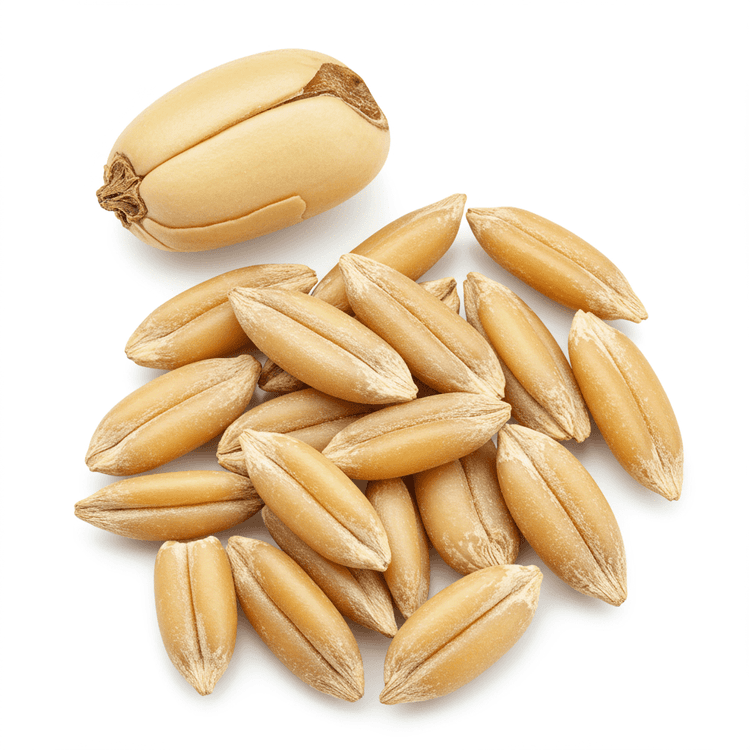
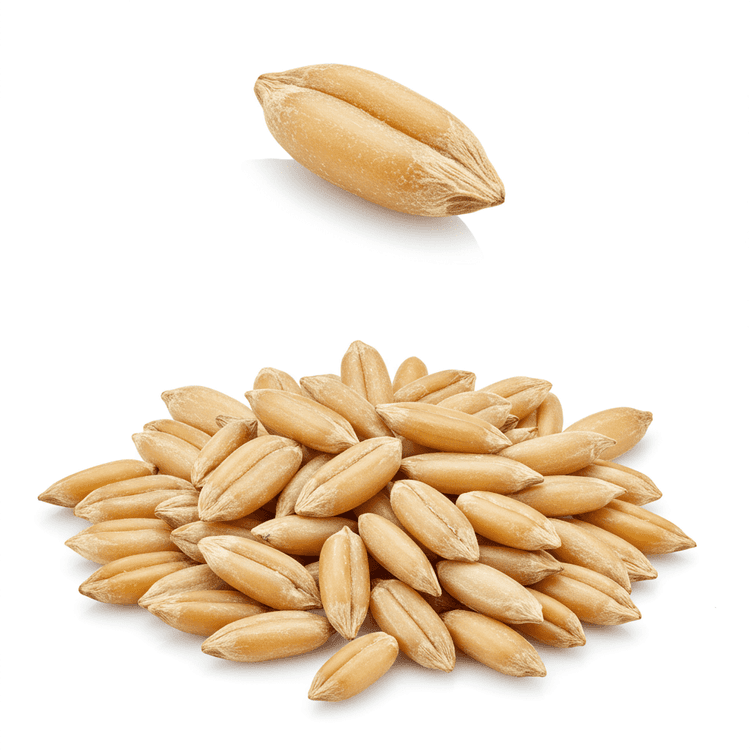
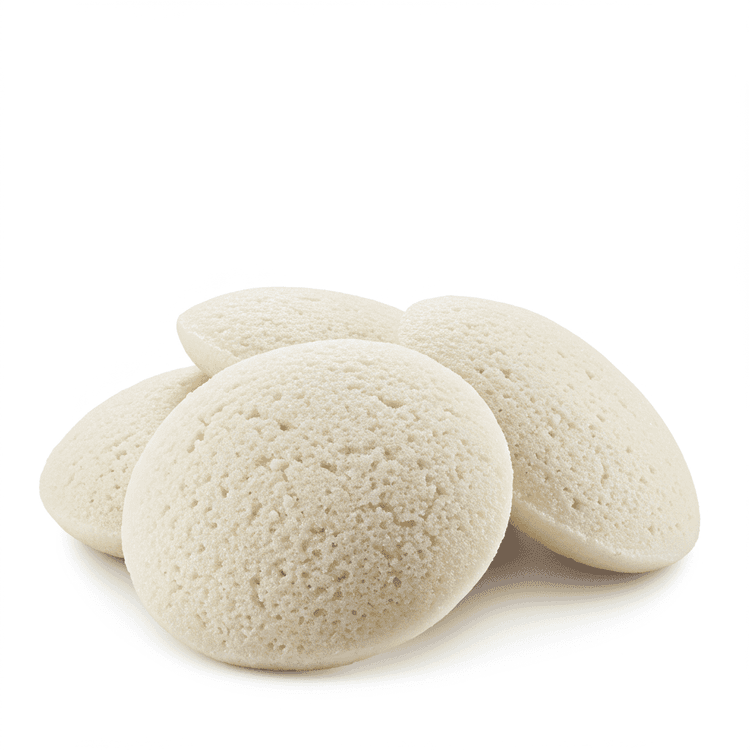
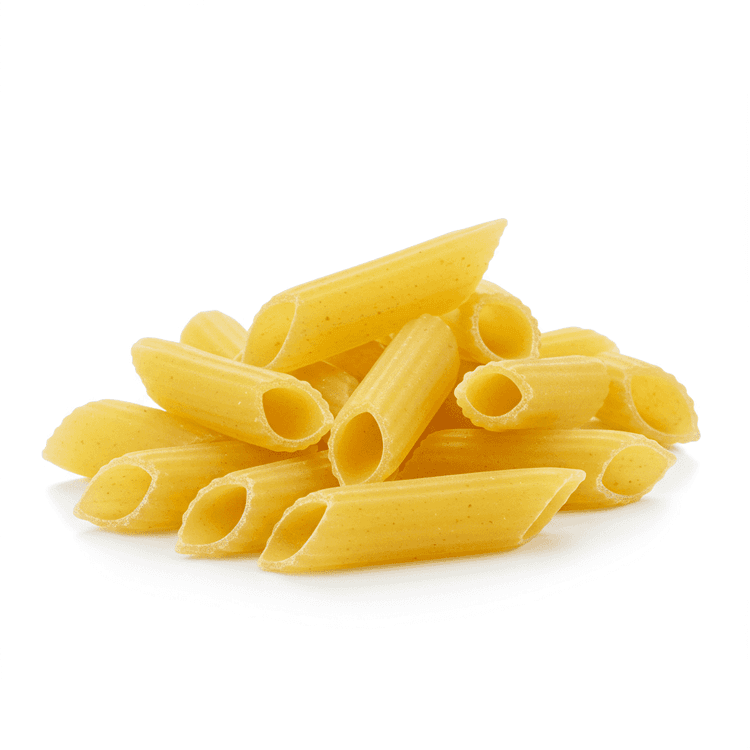
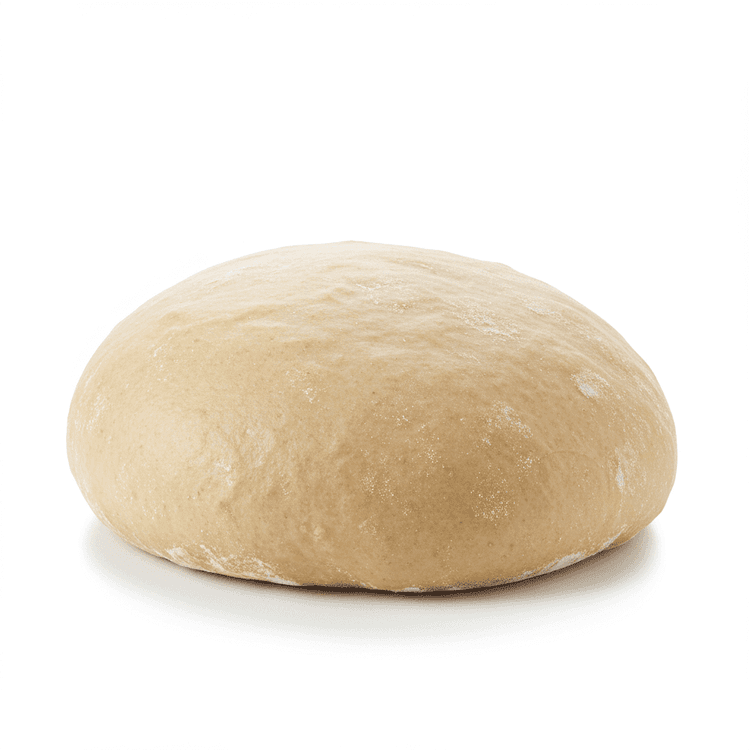
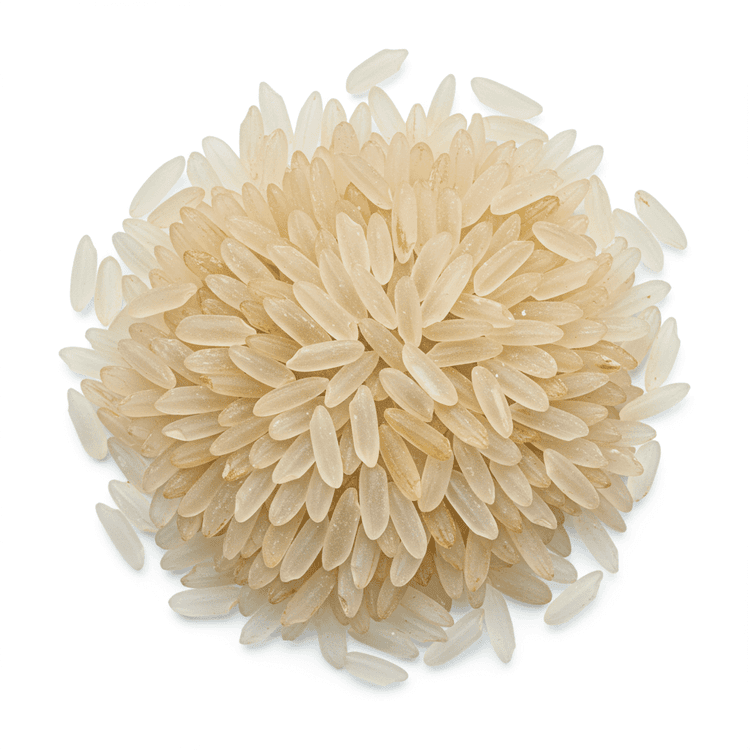
Staple foods are the unsung heroes of our diets, providing the foundational energy and essential nutrients that fuel our daily lives. These dietary cornerstones, typically consumed regularly and in large quantities, form the basis of traditional cuisines worldwide. Think of rice in Asia, maize in the Americas, potatoes in Europe, and wheat across many continents – these are the foods that sustain populations and shape culinary landscapes.
Beyond their role as energy providers, staple foods offer a wealth of health benefits. Whole grains like brown rice, quinoa, and whole wheat are excellent sources of complex carbohydrates, which provide sustained energy release, preventing blood sugar spikes and crashes. They are also rich in fiber, promoting healthy digestion, supporting gut health, and contributing to feelings of fullness, aiding in weight management. Furthermore, these grains often contain essential B vitamins like thiamin, niacin, and folate, crucial for nerve function, energy metabolism, and cell growth.
Root vegetables, such as potatoes and sweet potatoes, are also vital staple foods. Potatoes, despite common misconceptions, are a good source of vitamin C, potassium, and certain antioxidants. Sweet potatoes, with their vibrant orange hue, are packed with beta-carotene, a precursor to vitamin A, essential for vision, immune function, and skin health. These root vegetables are also relatively inexpensive and versatile, making them accessible and adaptable to various cooking methods.
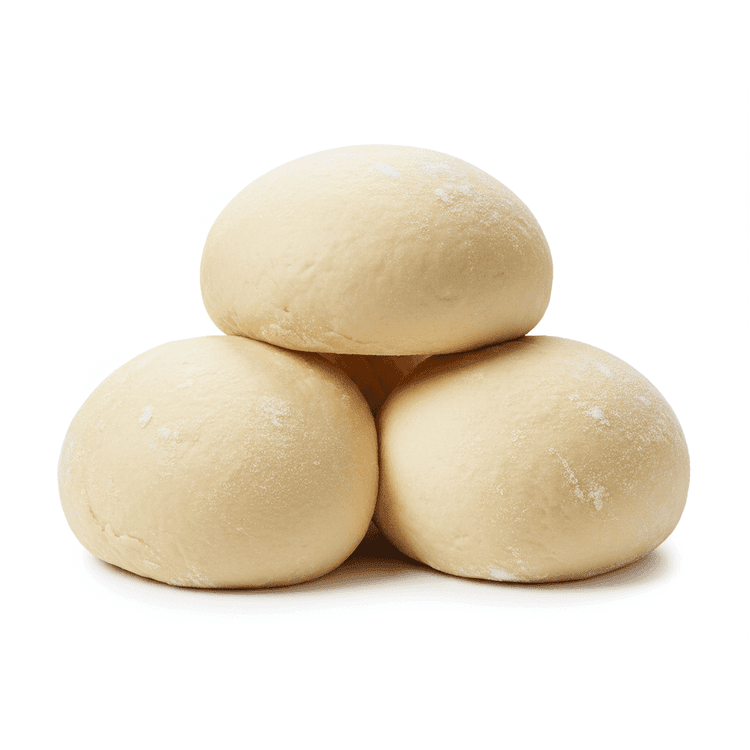
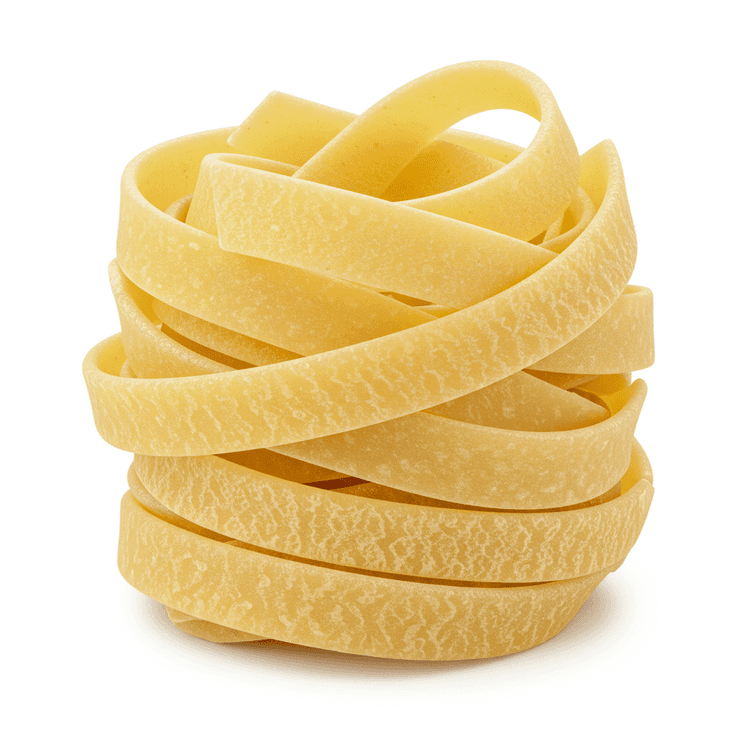
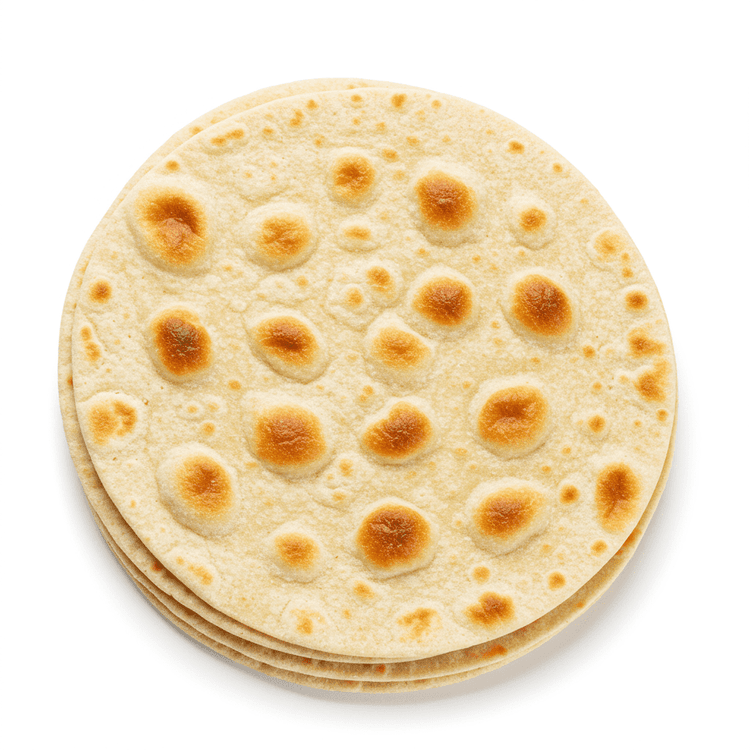
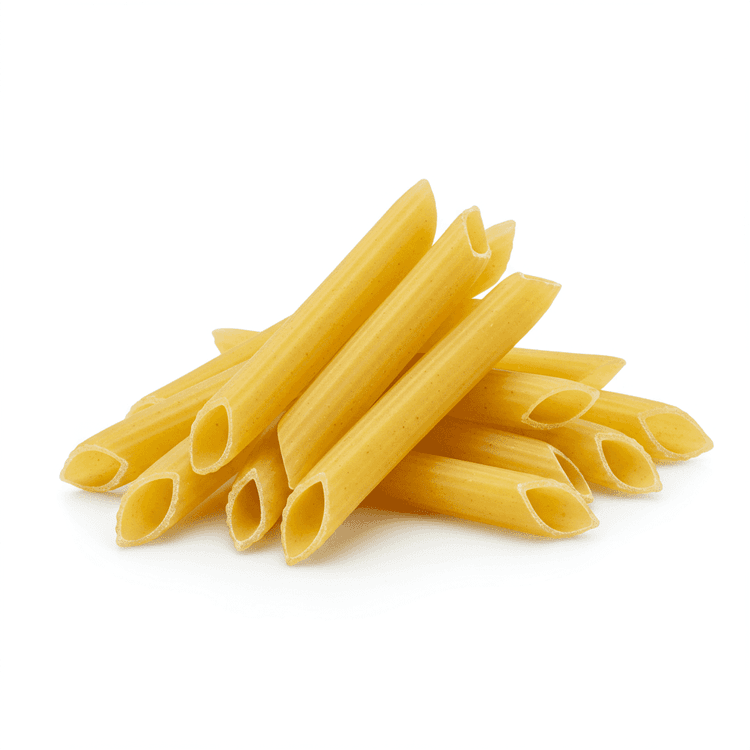
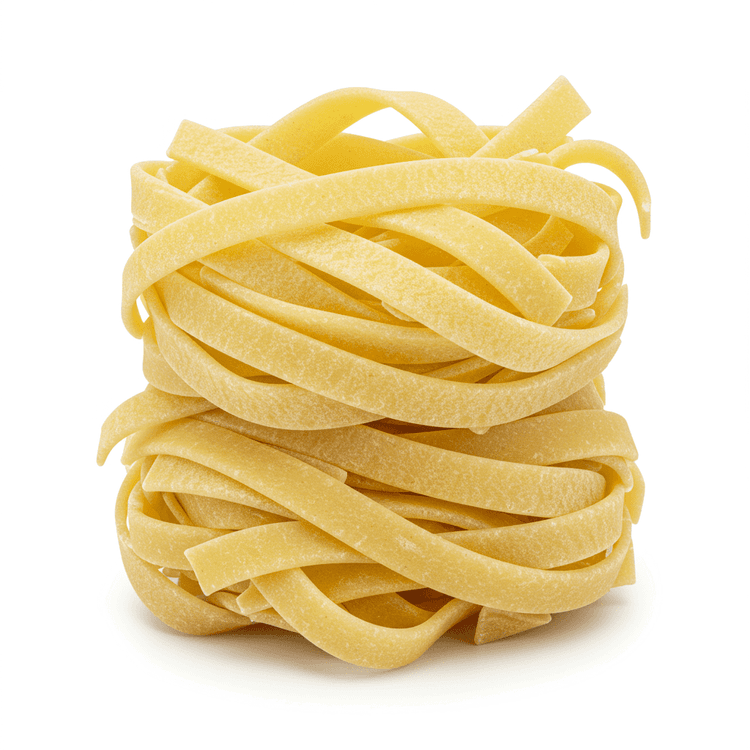
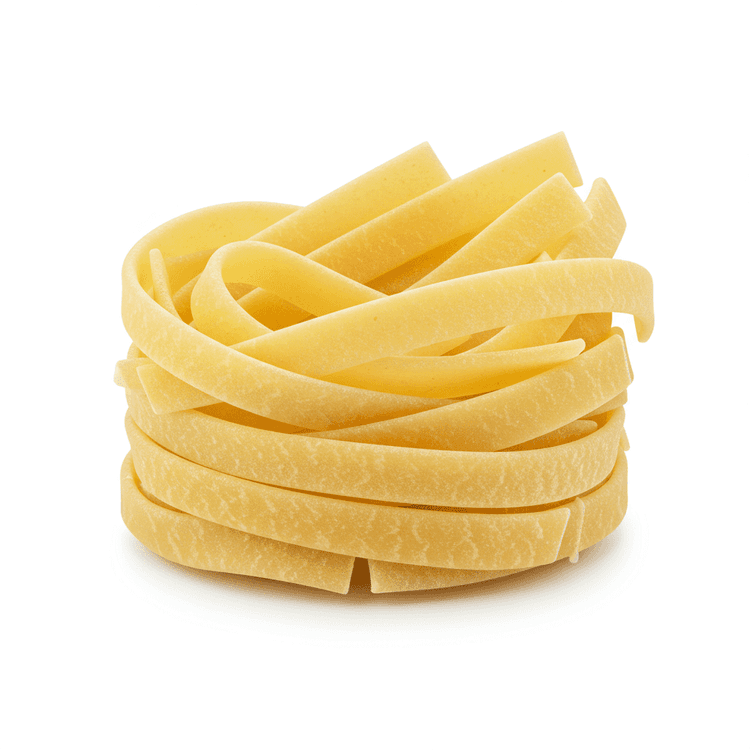
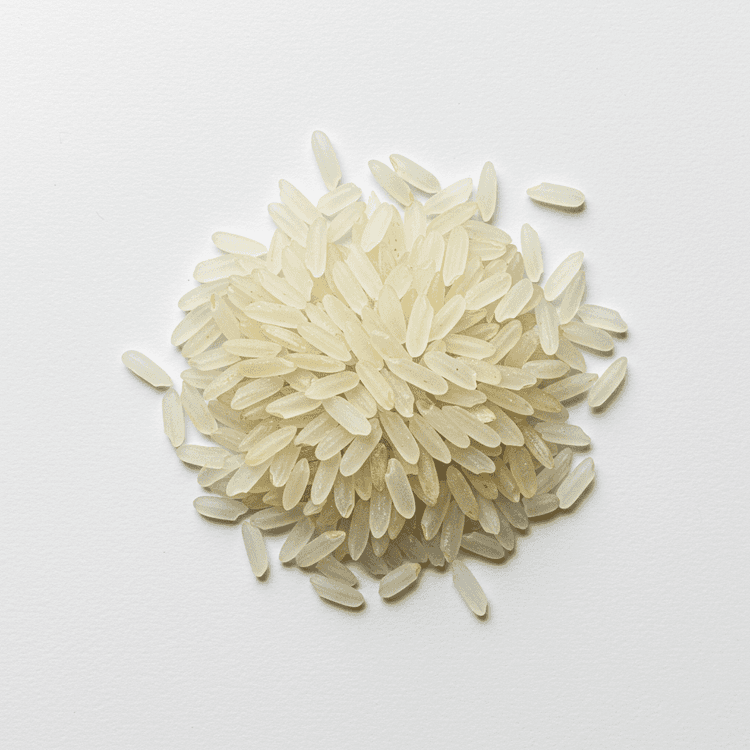
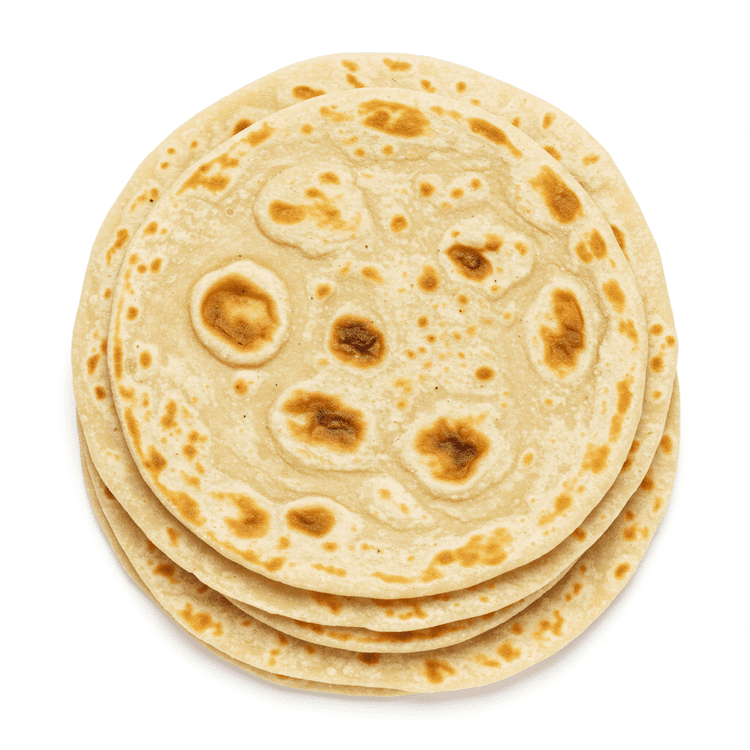
The culinary applications of staple foods are incredibly diverse. Rice, for example, can be steamed, boiled, fried, or used as a base for pilafs, risottos, and sushi. Potatoes can be mashed, baked, roasted, fried into crispy delights, or transformed into comforting soups and stews. Wheat, in its myriad forms, is the foundation for bread, pasta, noodles, and countless baked goods. Maize, ground into flour, becomes tortillas, polenta, and cornbread, adding texture and flavor to dishes across different cultures.
Incorporating a variety of staple foods into a balanced diet is essential for overall wellness. These foods provide not only the necessary calories to support physical activity but also contribute vital vitamins, minerals, and fiber. Choosing whole, unrefined versions of staple foods, such as brown rice over white rice or whole wheat bread over white bread, maximizes their nutritional benefits. By prioritizing these dietary staples and complementing them with fruits, vegetables, lean proteins, and healthy fats, we can create a sustainable and nourishing eating pattern that supports long-term health and vitality. These foundational foods are critical for providing steady energy levels, managing weight, promoting healthy digestion, and ensuring adequate intake of essential nutrients, making them indispensable components of a well-rounded and health-conscious lifestyle. Make sure to choose wisely and to prepare them in healthy ways, such as baking or steaming instead of frying, to reap the most benefits. ||
Staple Food are an essential part of a healthy diet, providing a wide range of nutrients and health benefits. Explore our collection of staple food ingredients.