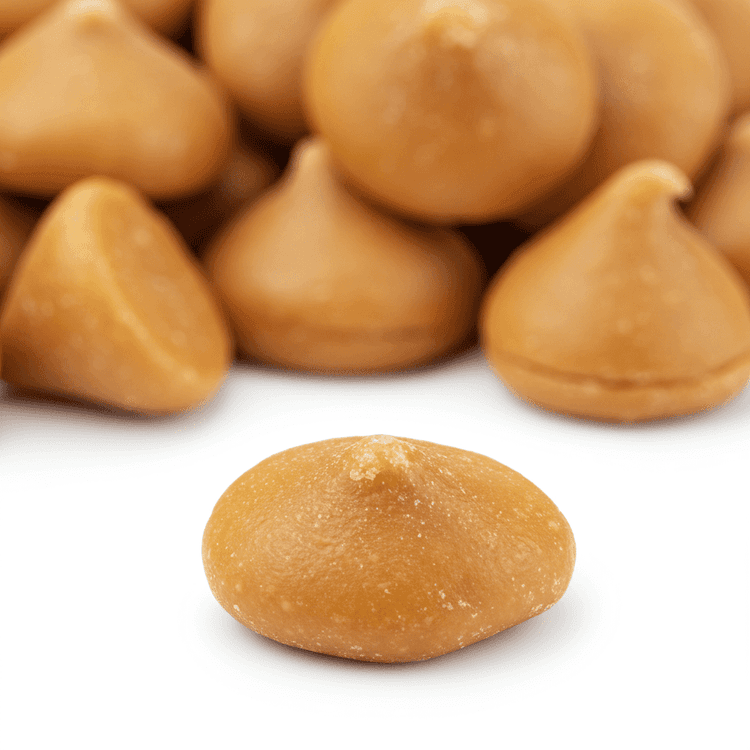
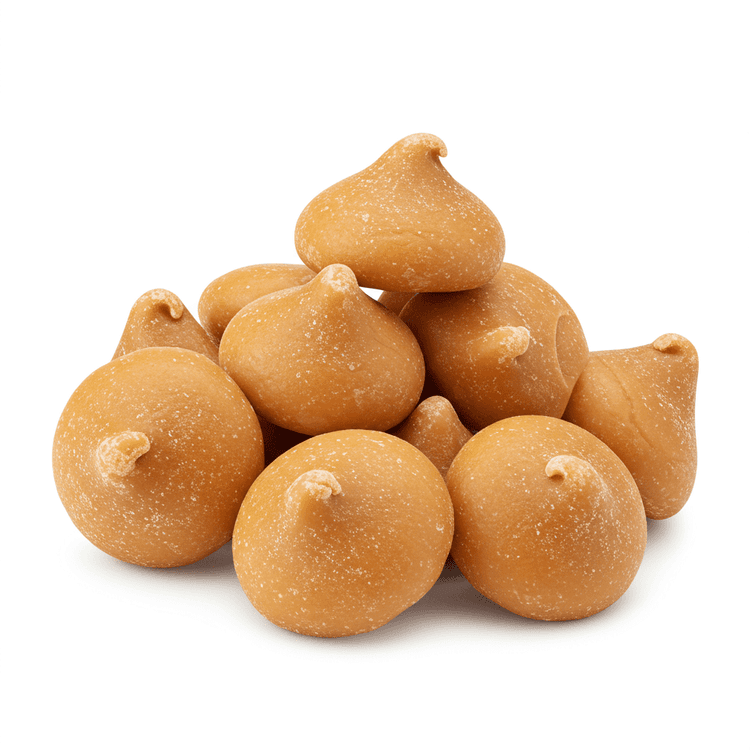
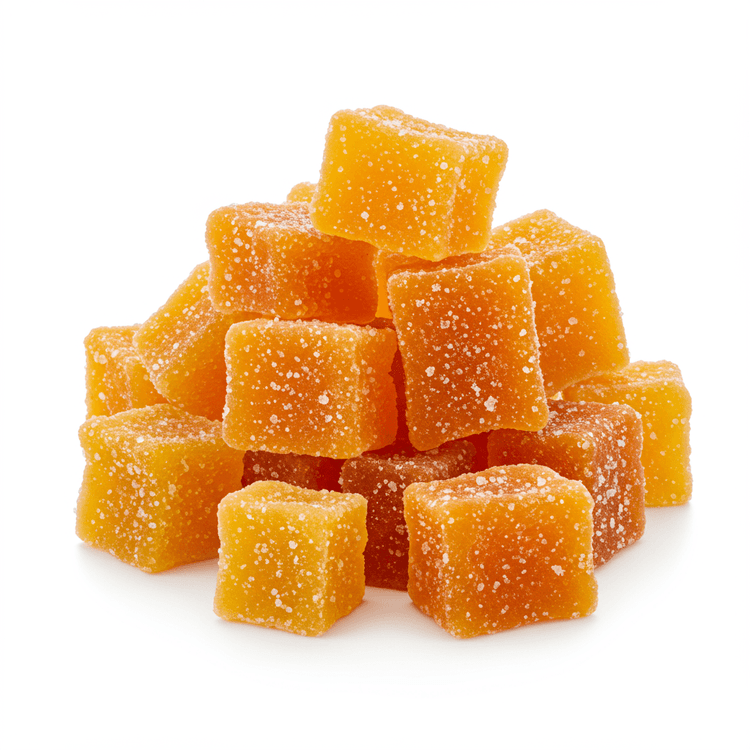
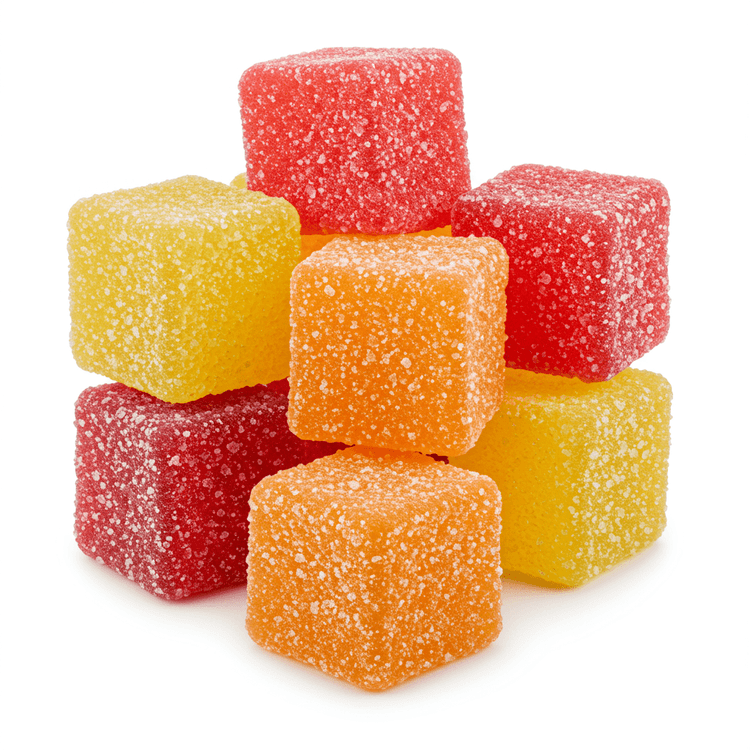
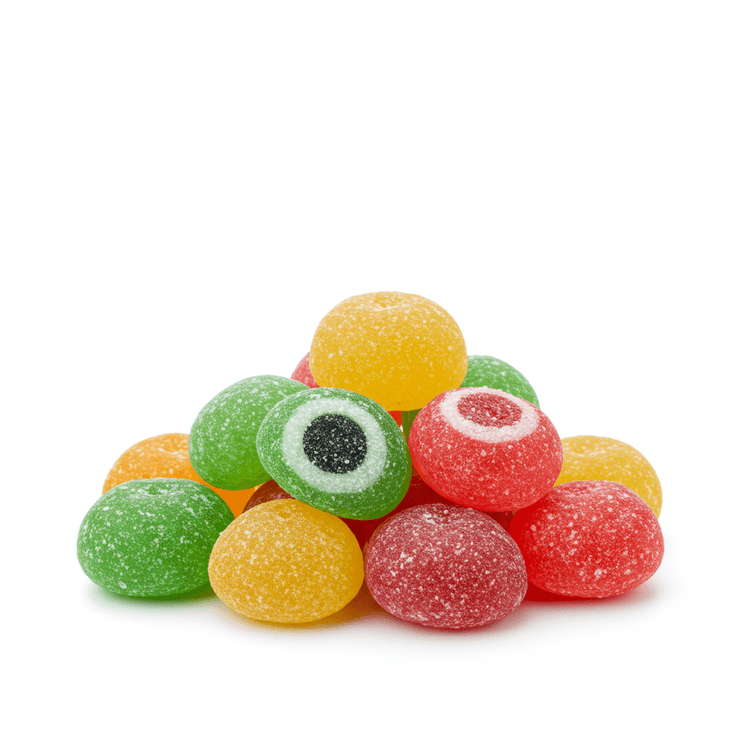
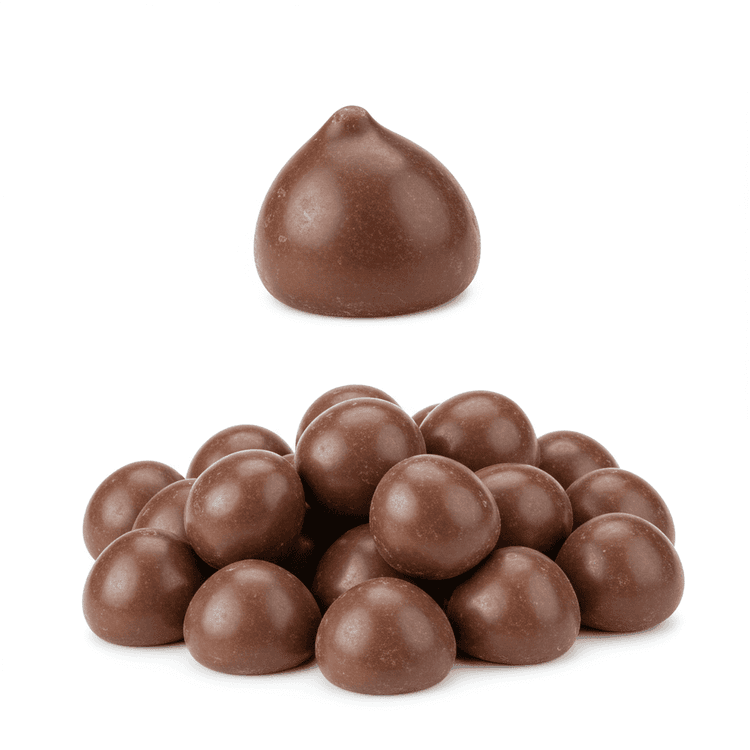
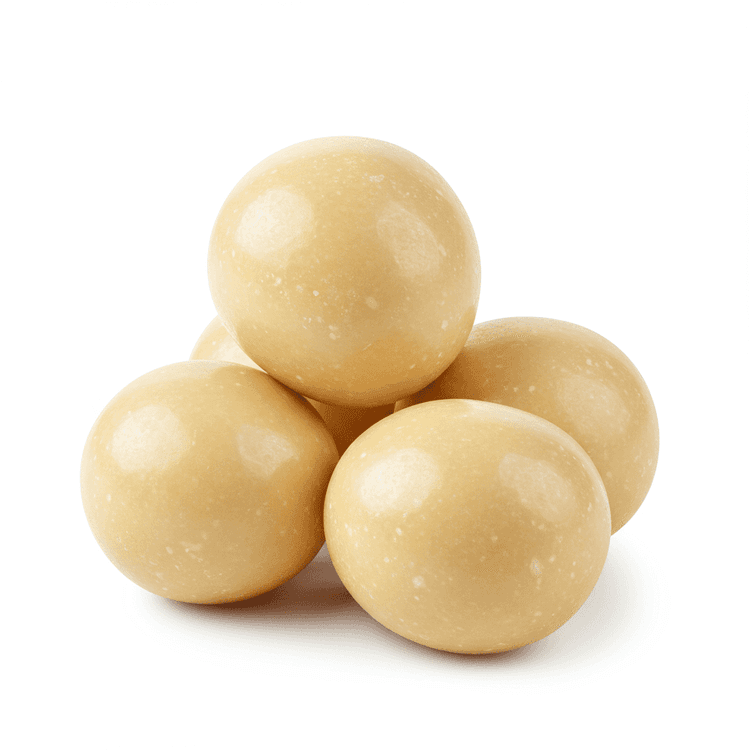
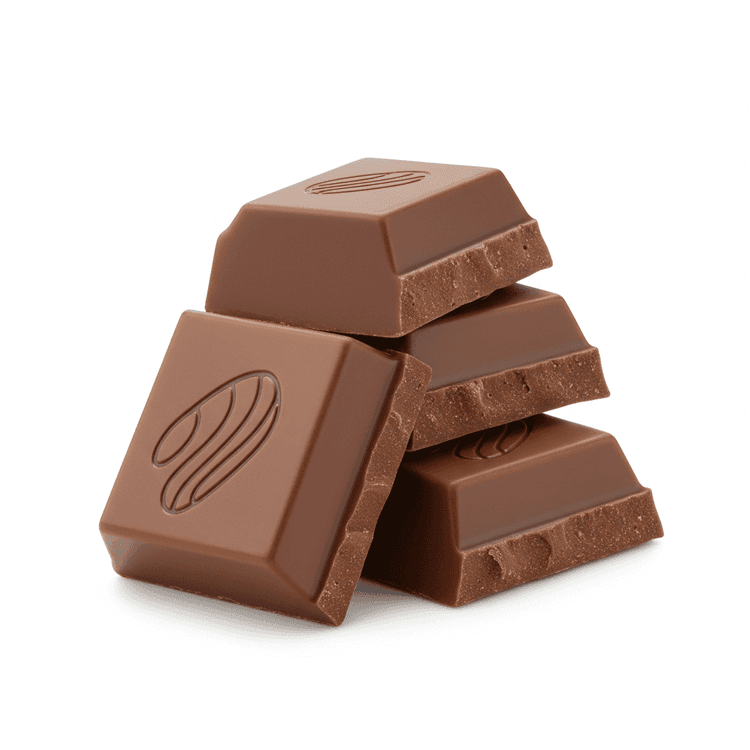
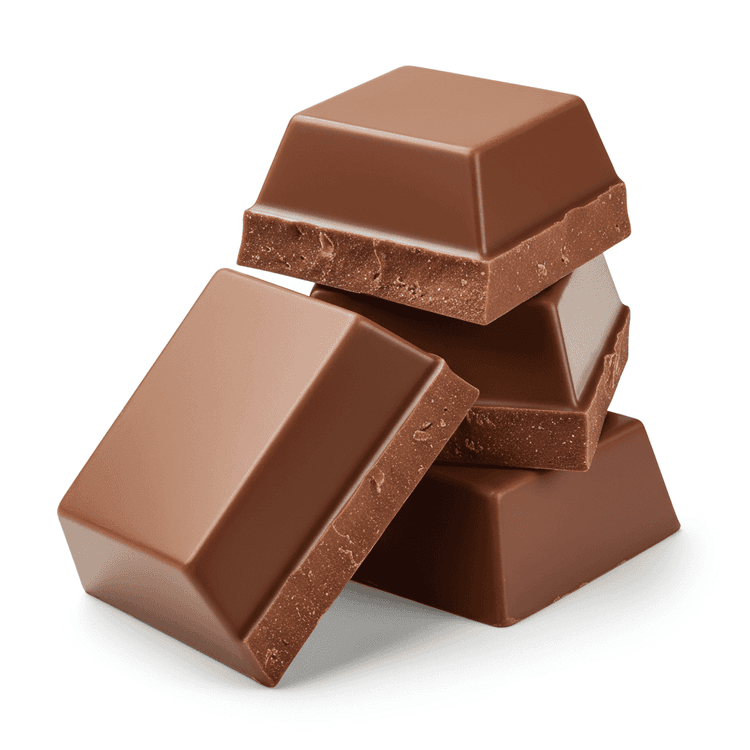
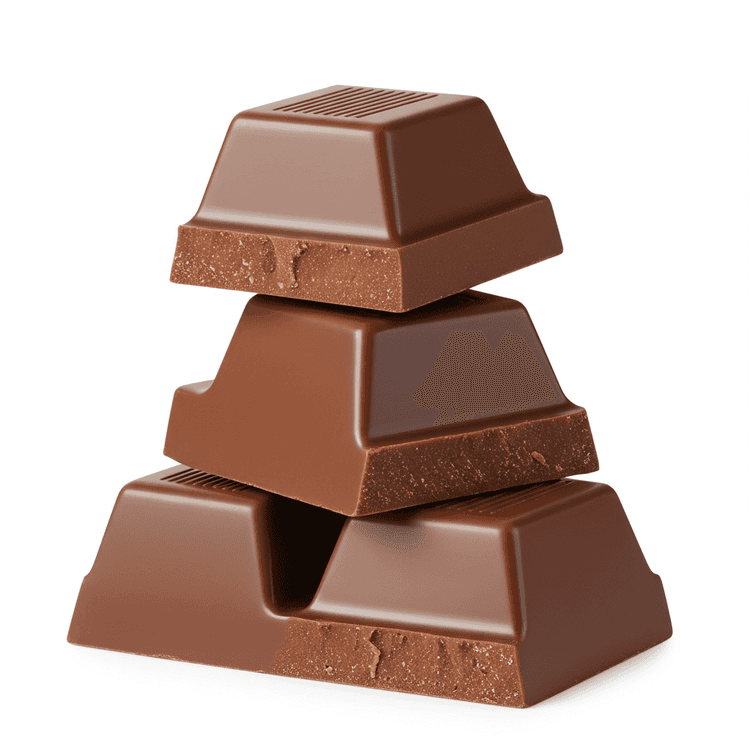
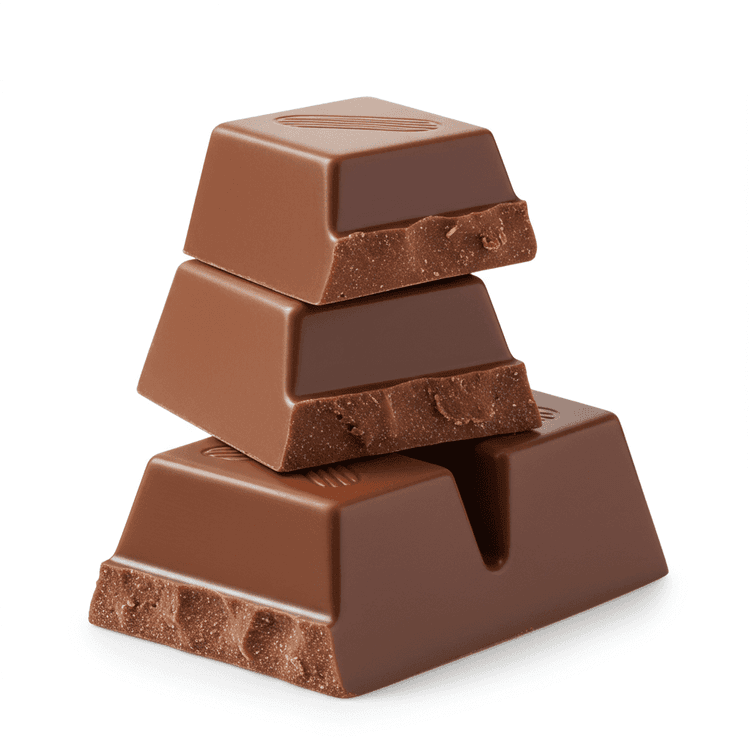
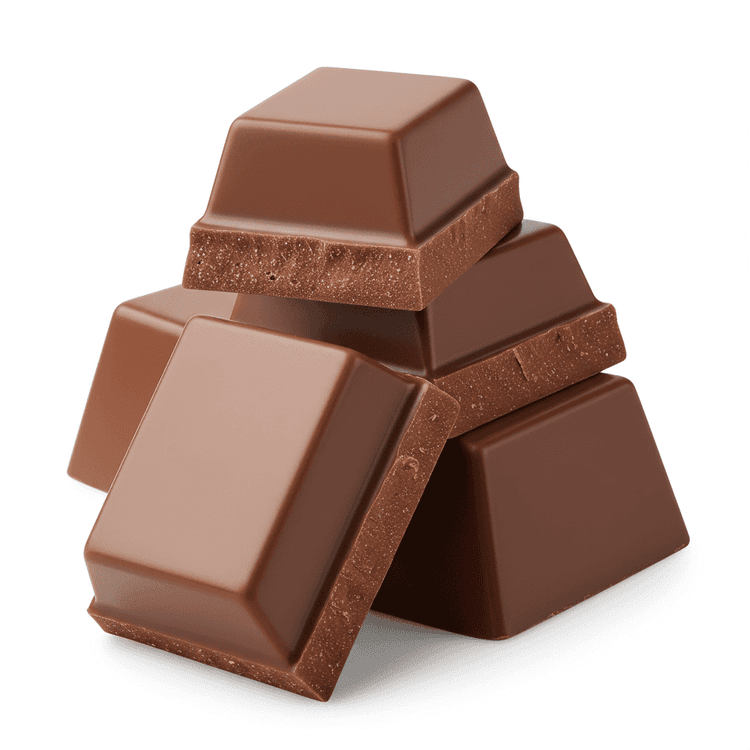
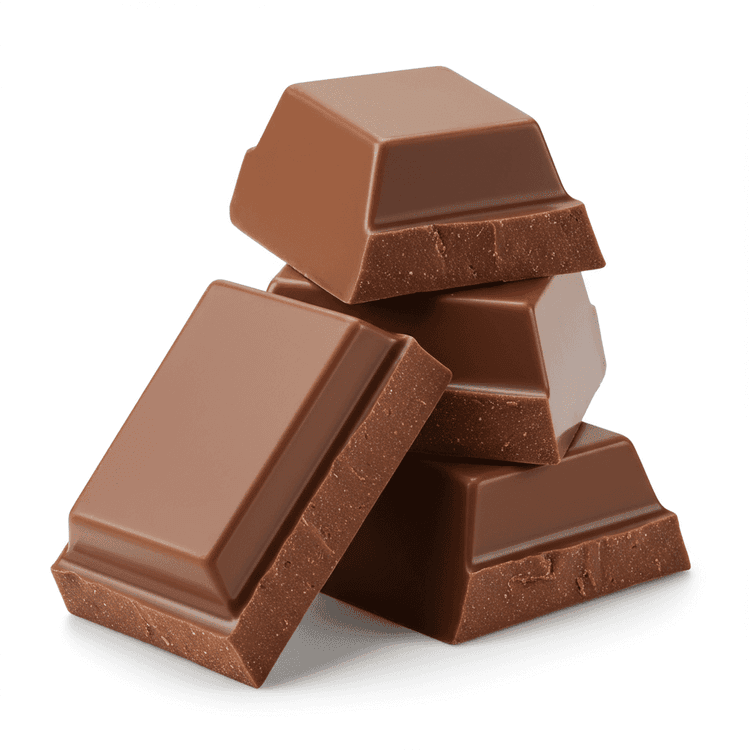
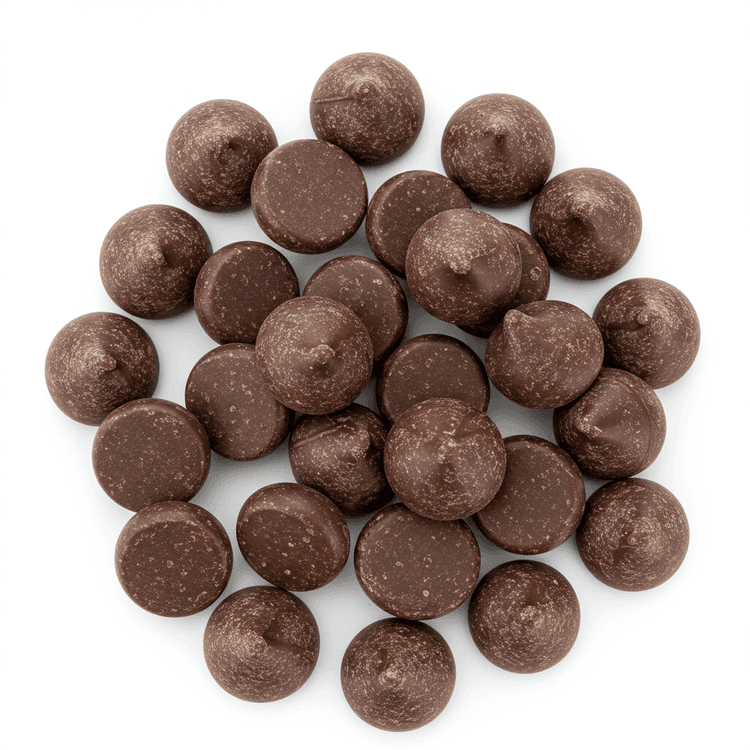
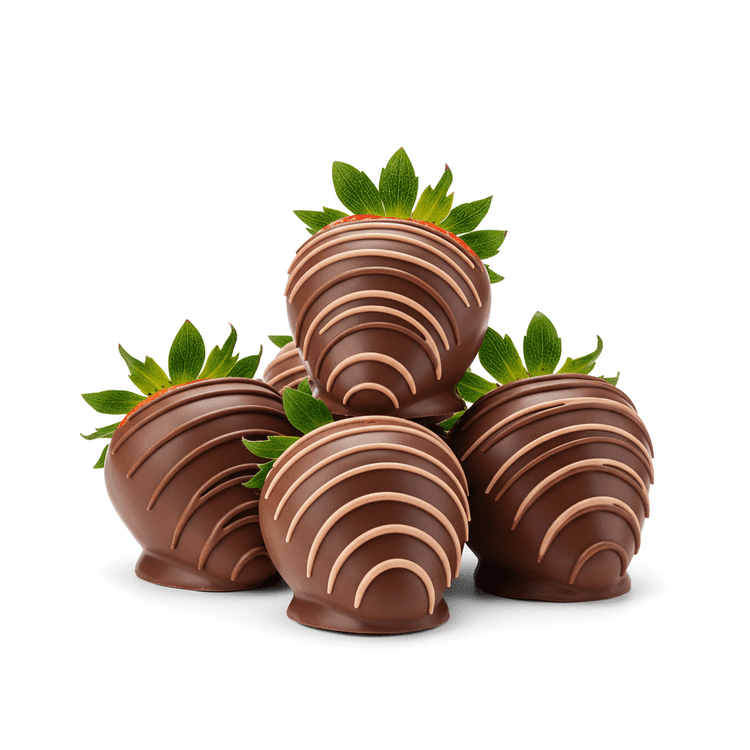
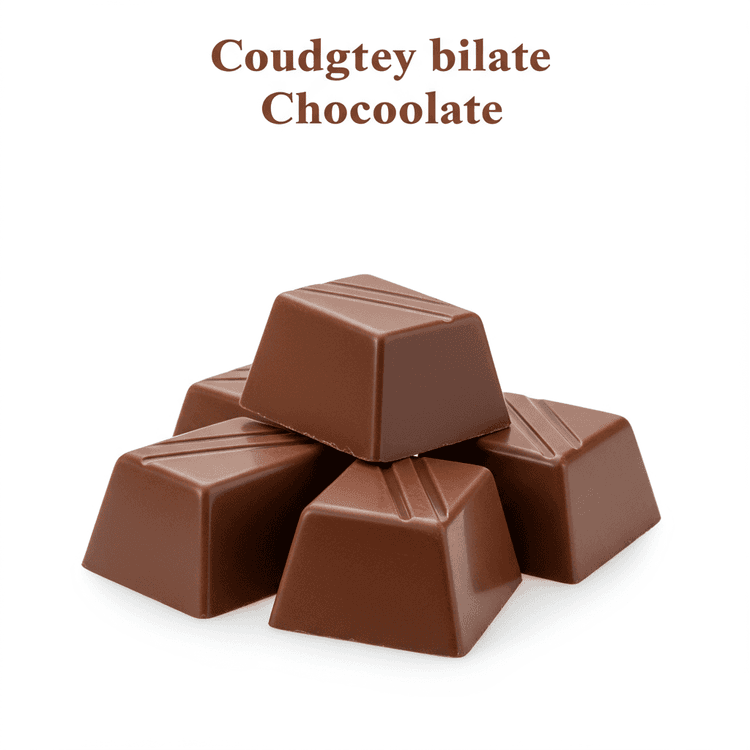
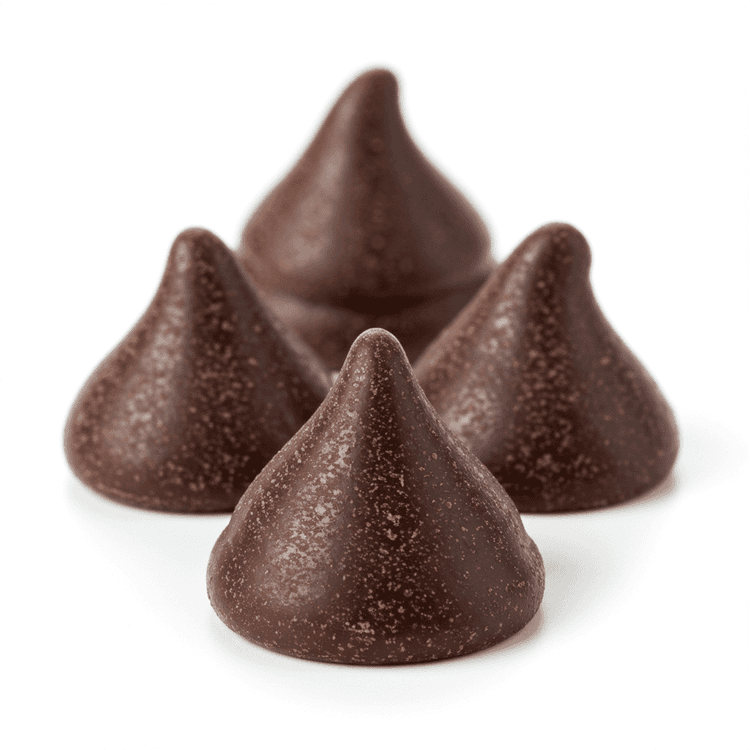
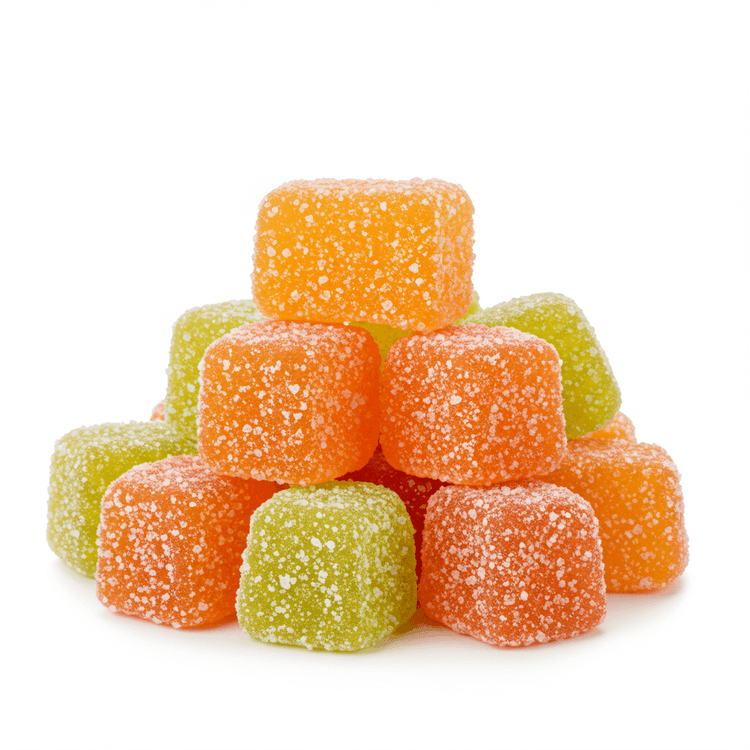
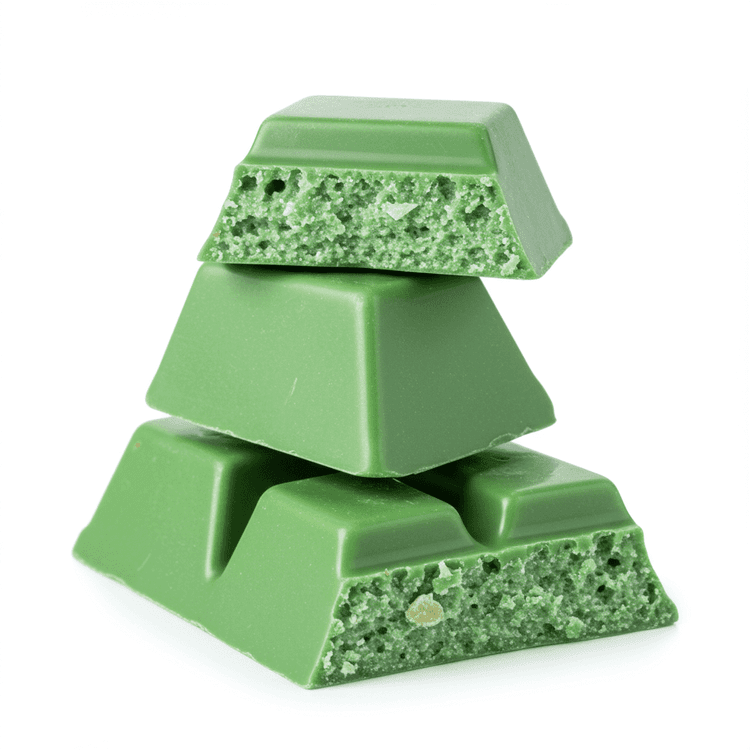
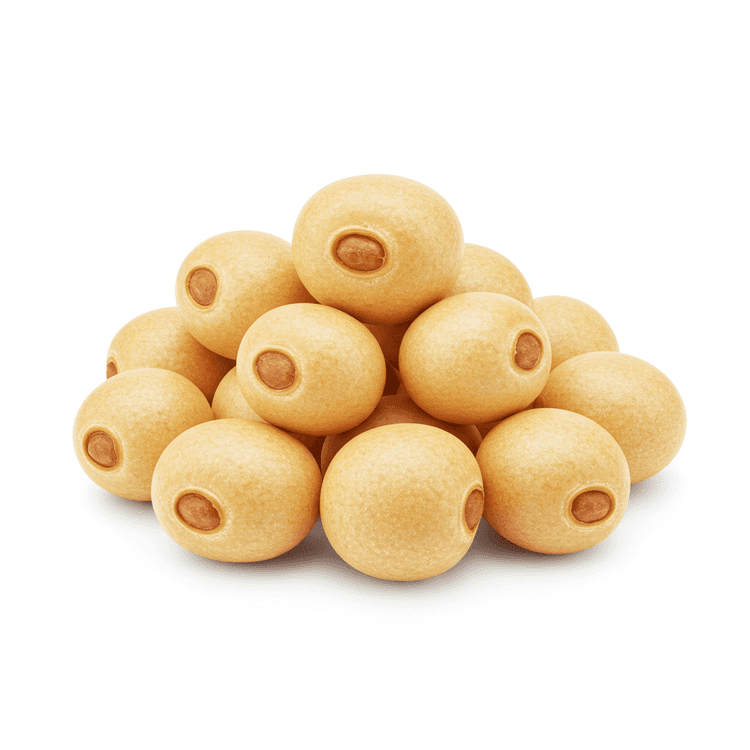
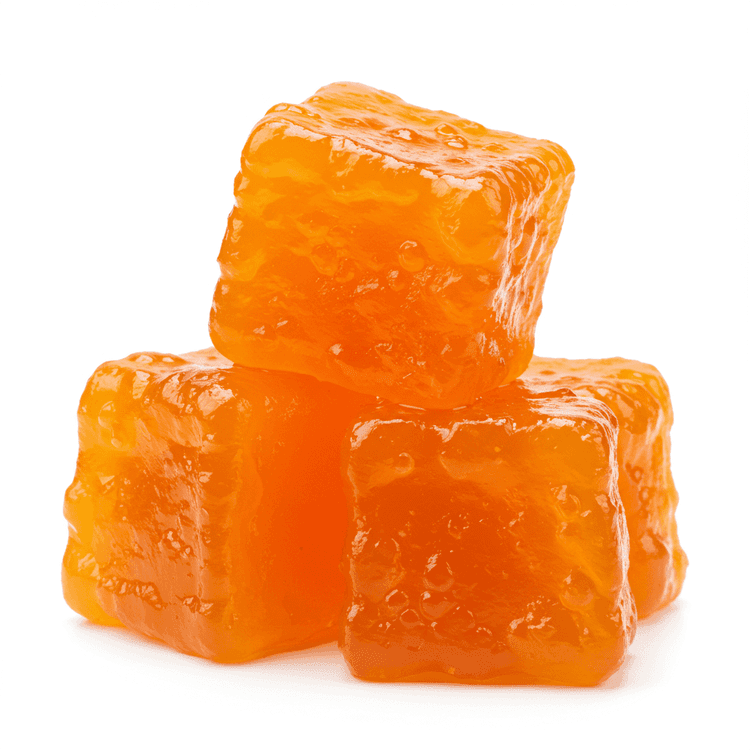
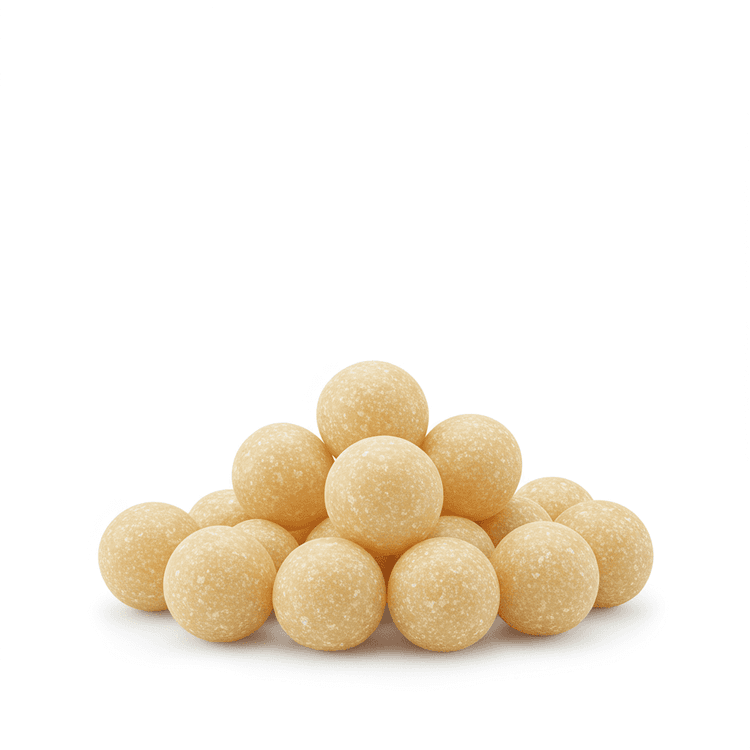
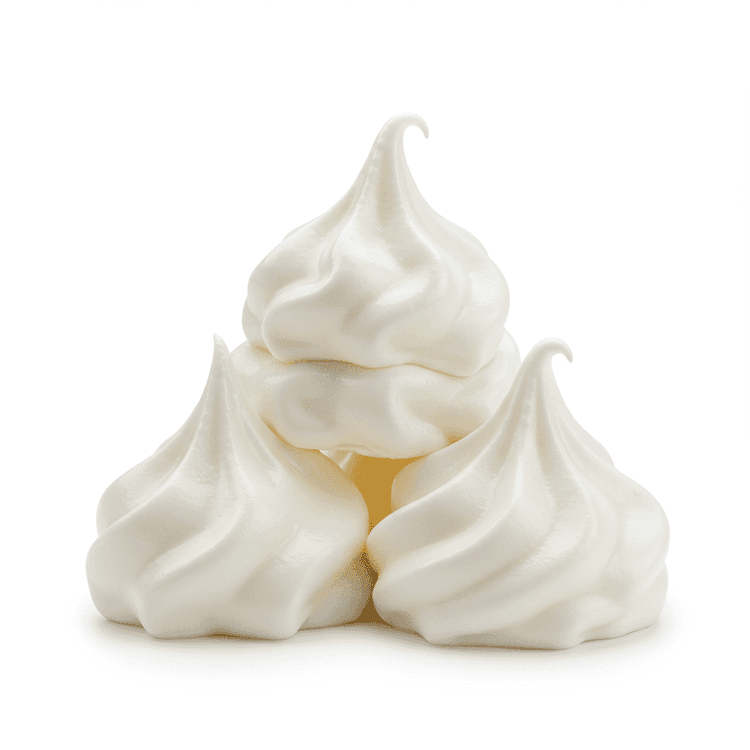
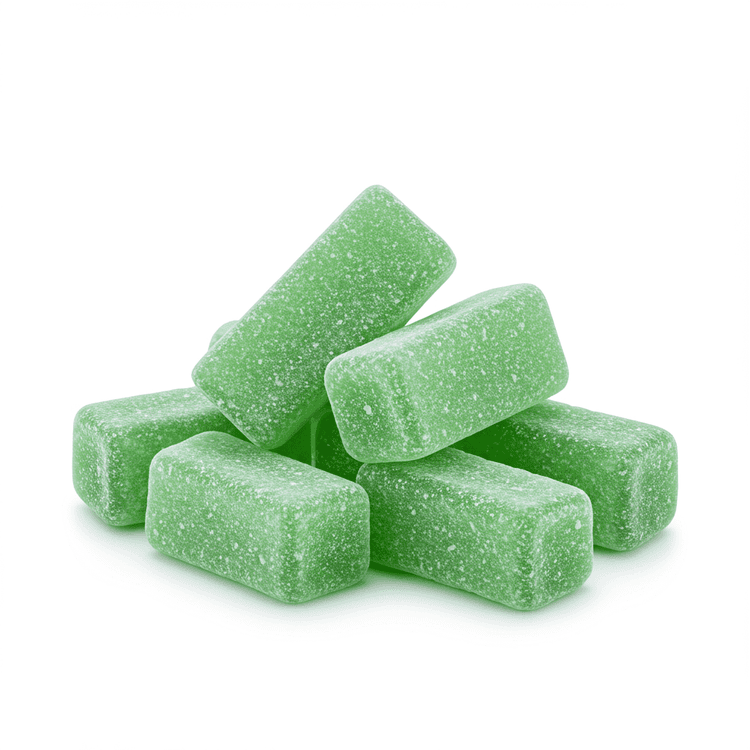
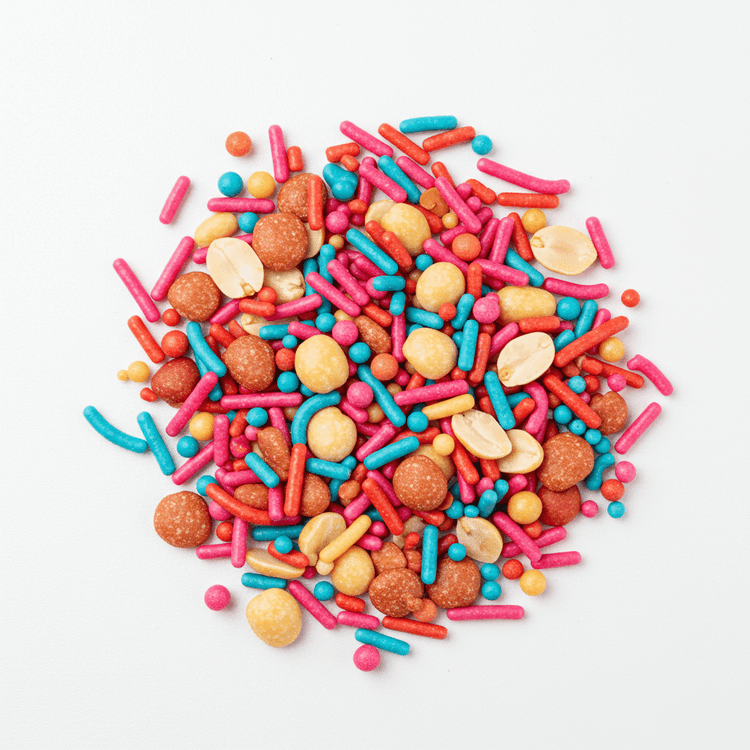
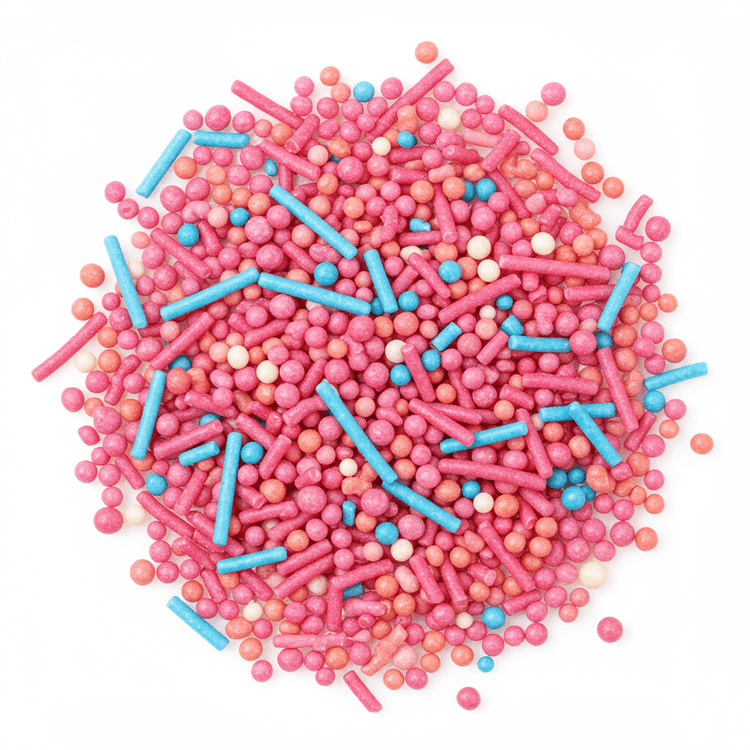
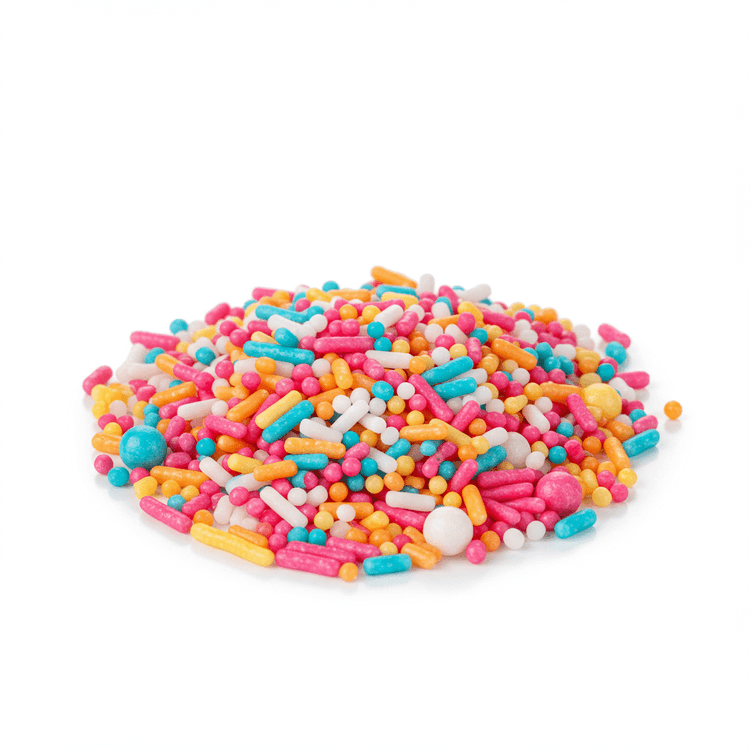
Confectionery, a category that encompasses sweets, candies, chocolates, and baked goods, often evokes feelings of joy and indulgence. While typically enjoyed in moderation, understanding the nuances of this category allows for informed choices and appreciation of its role in occasional treats and celebrations.
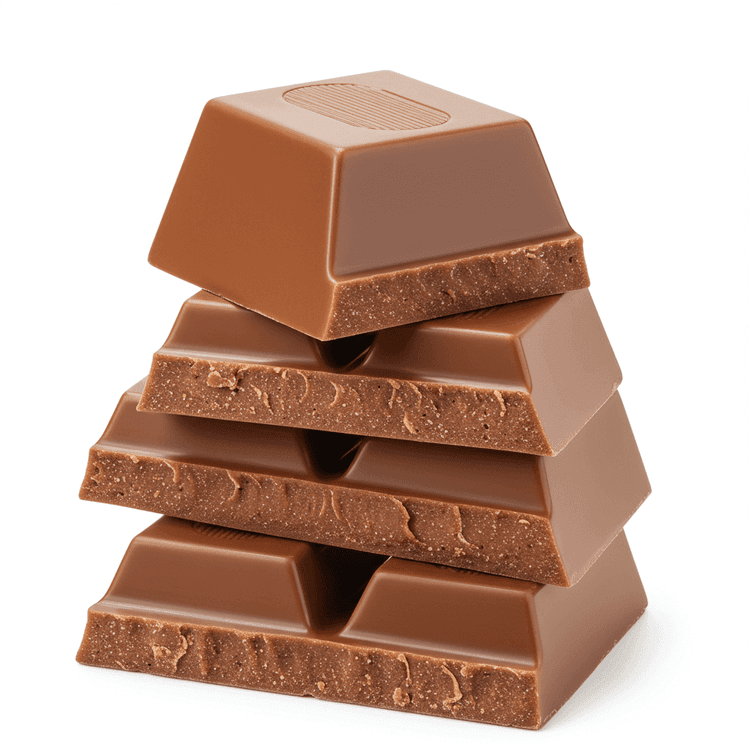
From a nutritional standpoint, confectionery items are often characterized by high sugar content and, depending on the specific item, varying amounts of fats and carbohydrates. Some chocolates, particularly dark chocolate with a high cocoa percentage, can offer antioxidant benefits from flavonoids. These compounds have been linked to improved cardiovascular health and reduced inflammation. However, the sugar content in most confectionery products remains a significant factor to consider. Choosing options with natural sweeteners, such as honey or maple syrup, or those with lower overall sugar content, can be a step towards making slightly healthier choices within the category.
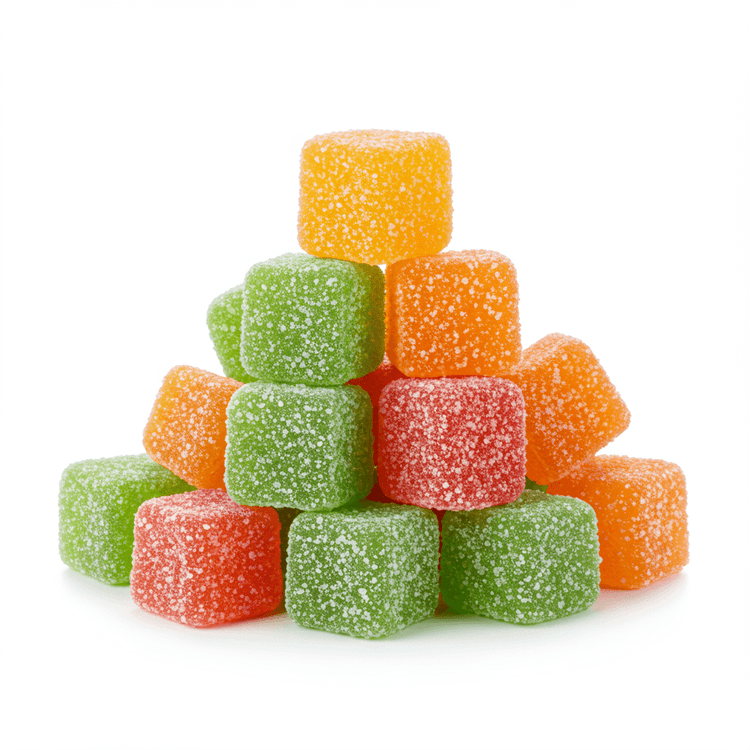
Culinary uses of confectionery are vast and diverse. Chocolates are incorporated into countless desserts, from simple brownies and cookies to elaborate cakes and mousses. Candies, in their myriad forms, serve as standalone treats, decorative elements for baked goods, and even as ingredients in savory dishes in some cultures. Baked goods, ranging from delicate pastries to hearty breads, provide a cornerstone of confectionery, often featuring sweet fillings, glazes, and toppings. Popular dishes include chocolate chip cookies, birthday cakes, French macarons, and various types of candies like gummy bears or hard candies. Cooking methods involve baking, melting, freezing, and molding, depending on the specific confectionery item being prepared.
Confectionery, though not a primary source of essential nutrients, can play a role in a balanced diet when enjoyed responsibly. The key is mindful consumption and prioritizing nutrient-dense foods in the majority of one's diet. Occasional treats can provide a sense of pleasure and satisfaction, contributing to overall well-being. It's essential to be aware of portion sizes and choose options that align with individual dietary needs and preferences. For example, individuals with diabetes need to carefully manage their carbohydrate intake, while those focused on weight management might opt for lower-sugar or portion-controlled treats. Ultimately, the role of confectionery in a balanced diet is one of occasional enjoyment rather than a staple food group. Understanding the sugar content, ingredient lists, and portion sizes allows for a more informed and balanced approach to enjoying these sweet indulgences. Selecting dark chocolate, incorporating natural sweeteners, and controlling portion sizes can contribute to a more mindful and potentially less detrimental approach to consuming confectionery. Furthermore, consider homemade versions of confectionery, which allows for greater control over ingredients and sugar levels, promoting a more balanced and informed approach to enjoying sweet treats.
||
Confectionery are an essential part of a healthy diet, providing a wide range of nutrients and health benefits. Explore our collection of confectionery ingredients.