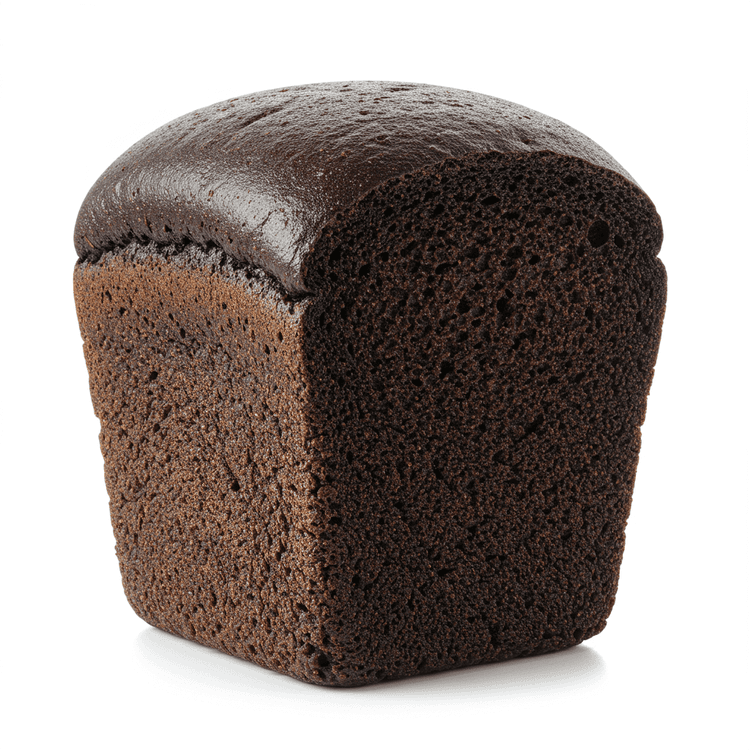
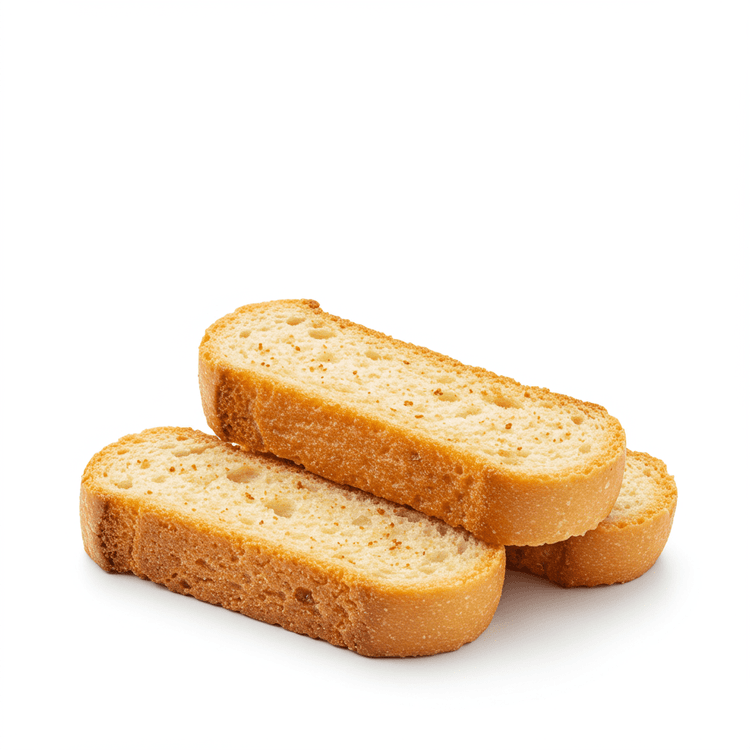
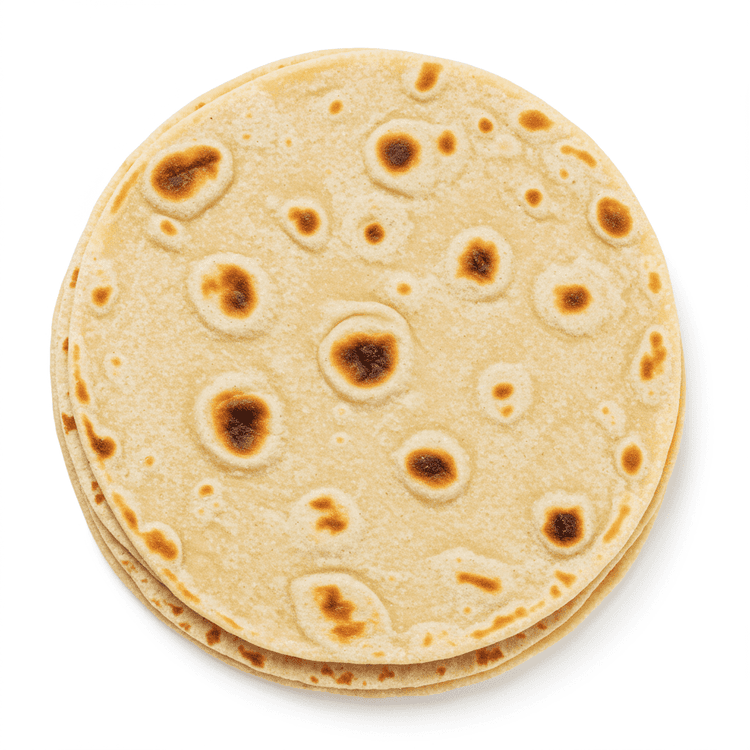
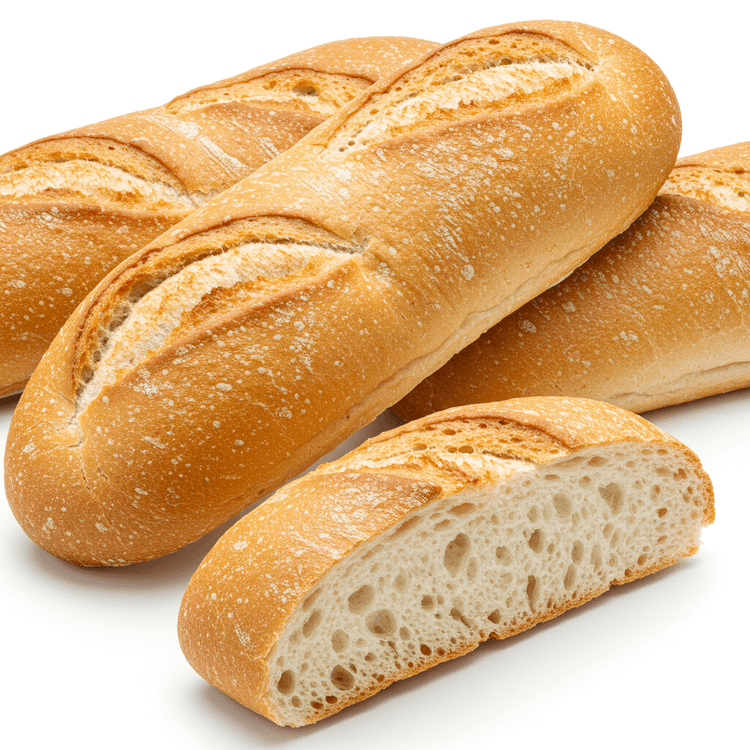
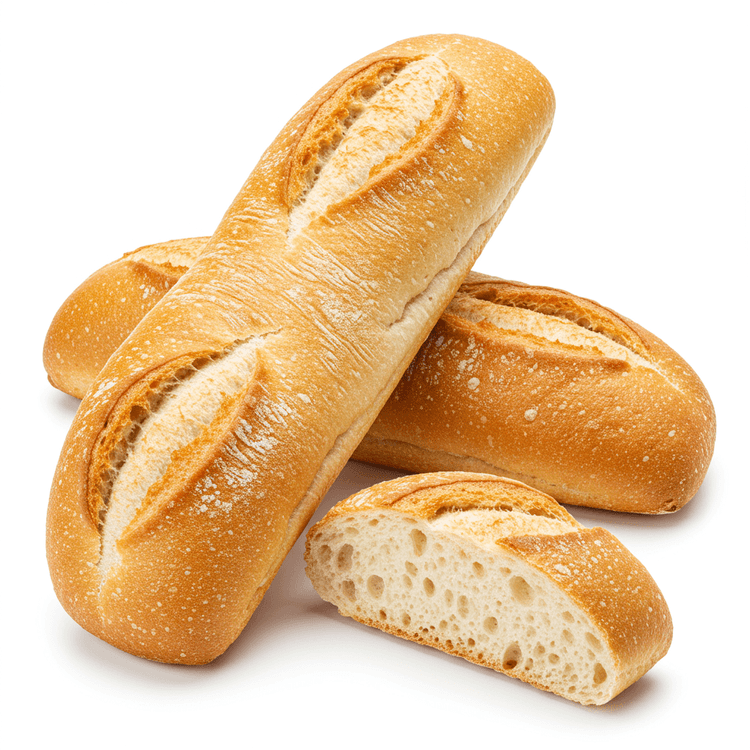
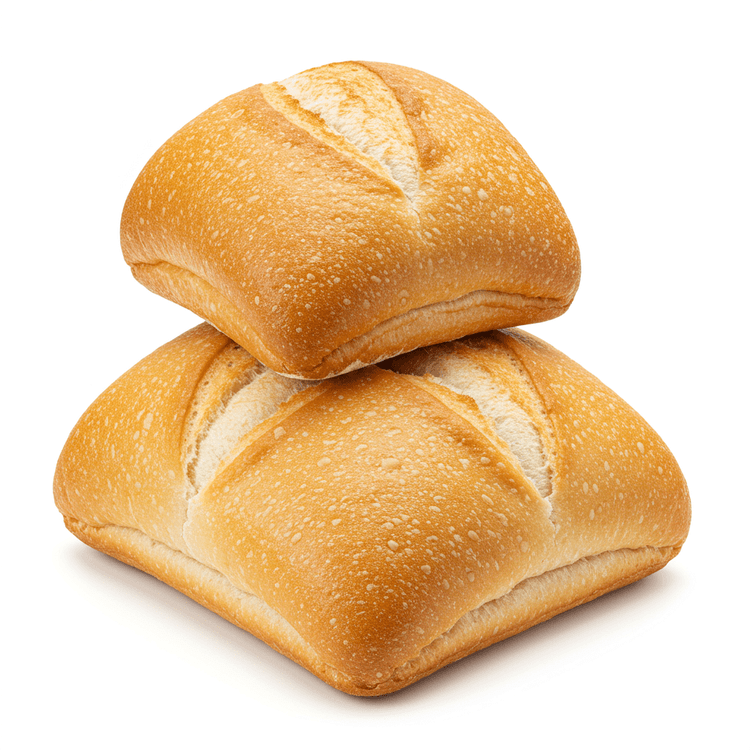
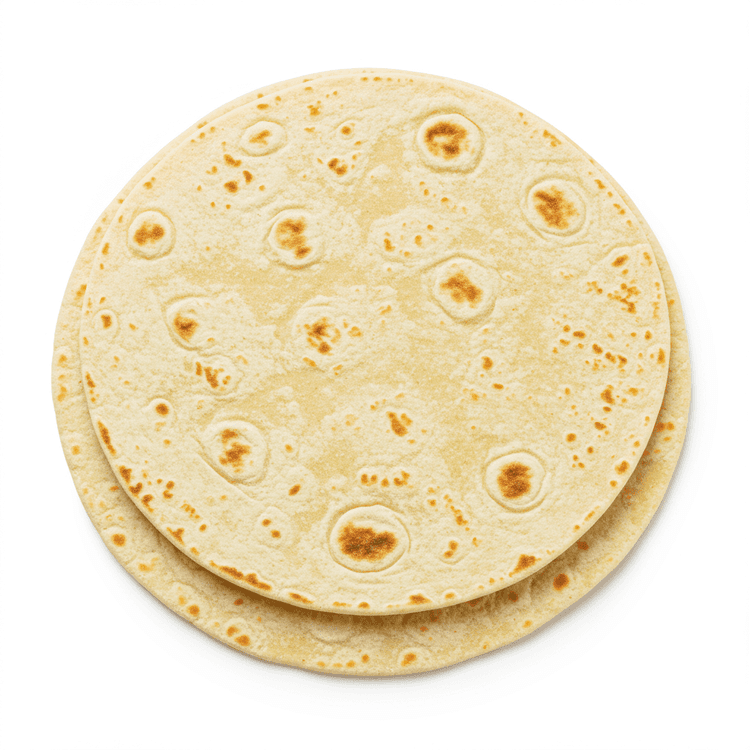
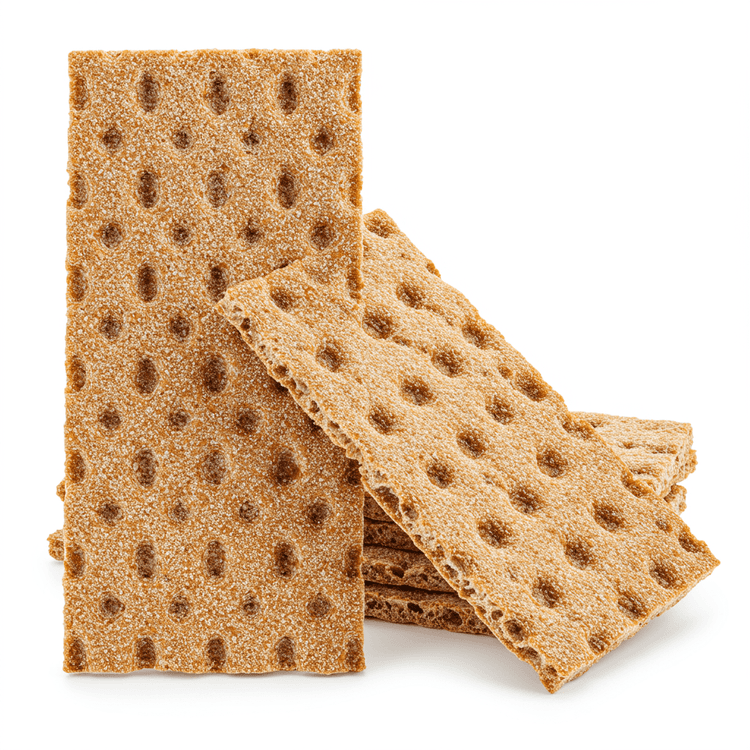
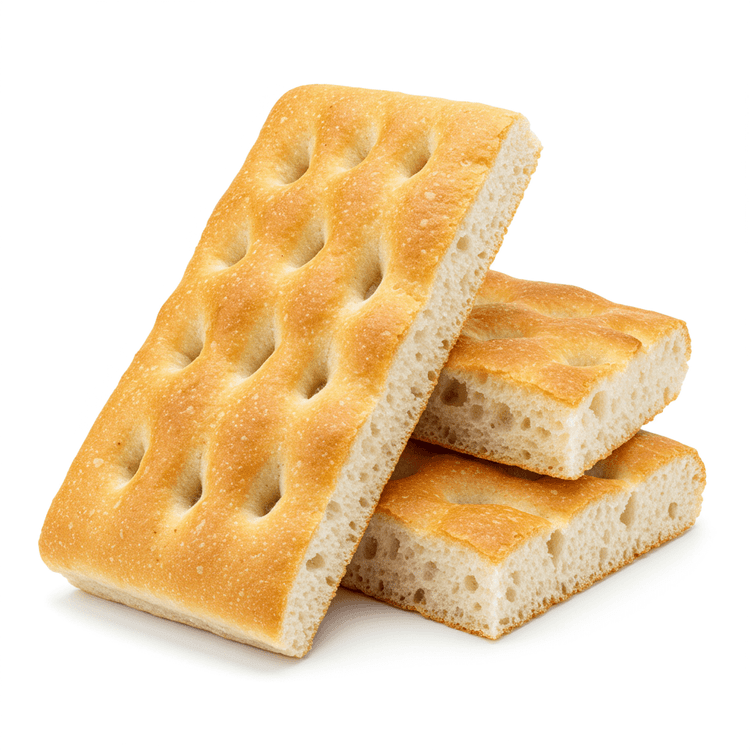
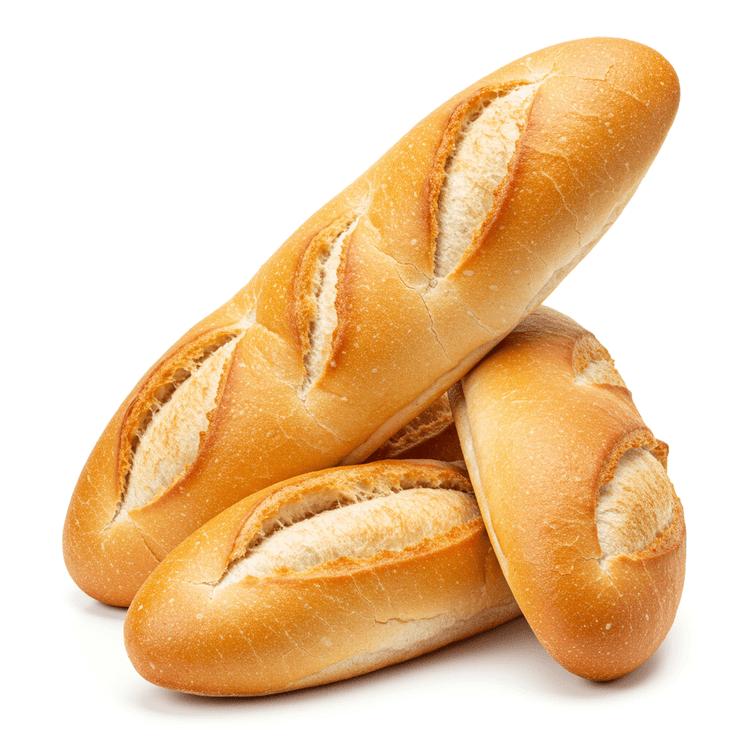
Bread: a staple food in many cultures, has undergone a transformation in recent years. No longer just a simple side, bread can be a nutritional powerhouse and a canvas for culinary creativity. From rustic sourdough to fluffy whole wheat, understanding the nuances of bread is key to incorporating it into a healthy and balanced diet.
The nutritional value of bread hinges on its ingredients and preparation. Whole wheat bread, for example, boasts a higher fiber content than white bread. Fiber aids digestion, promotes satiety, and can help regulate blood sugar levels. Look for breads that list whole grains as the primary ingredient, such as whole wheat flour, rye flour, or oat flour. These varieties are also excellent sources of B vitamins, including thiamin, riboflavin, and niacin, which are crucial for energy metabolism and nerve function. Some breads are even fortified with folate, a vital nutrient for pregnant women and overall cellular health.
Beyond fiber and B vitamins, certain breads offer additional nutritional advantages. Sprouted grain breads, made from grains that have begun to germinate, are often easier to digest and have a lower glycemic index. They can also contain higher levels of certain vitamins and minerals, such as vitamin C and zinc. Sourdough bread, thanks to its fermentation process, may improve mineral absorption and be gentler on the gut. Consider breads made with ancient grains like spelt, kamut, or quinoa. These grains often provide a wider spectrum of nutrients and can be a welcome alternative to traditional wheat.
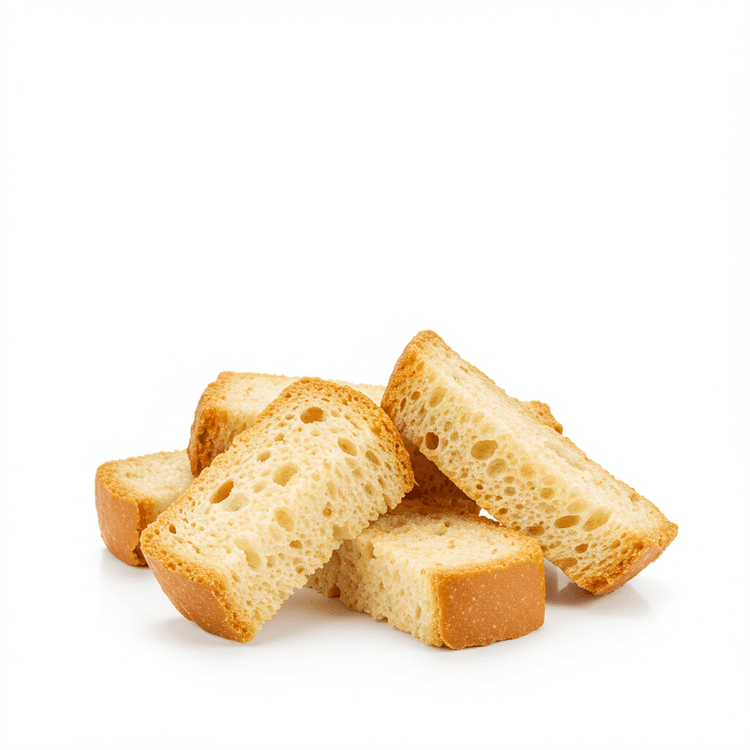
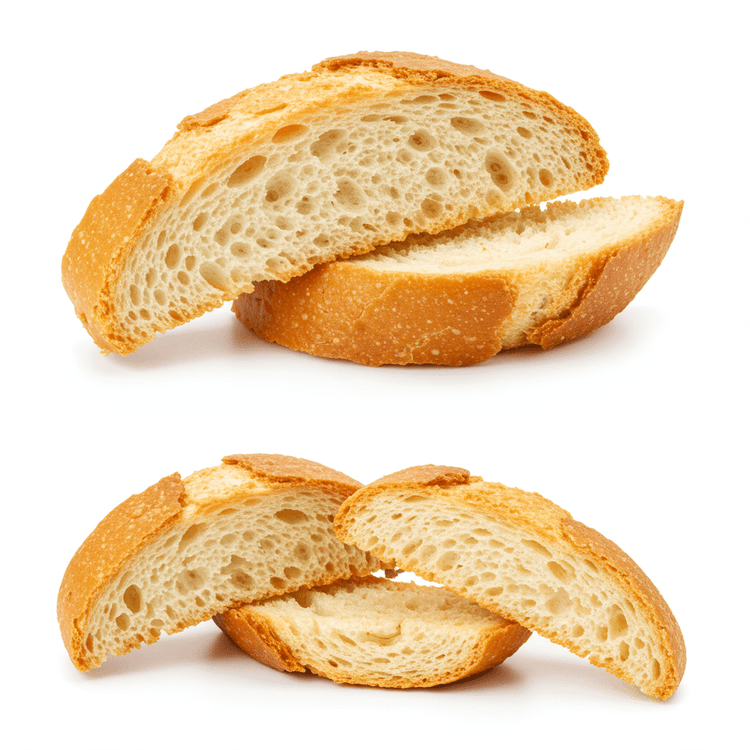
Culinary uses for bread are incredibly diverse. Toast is a classic breakfast staple, perfect with avocado, eggs, or nut butter. Sandwiches are a lunchtime favorite, offering endless possibilities for fillings. Breadcrumbs add texture and flavor to casseroles, meatloaf, and fried foods. Croutons elevate salads and soups, while bread pudding and French toast provide comforting desserts. Artisan breads, like baguettes and ciabatta, are ideal for dipping in olive oil or serving alongside cheese and charcuterie boards. Exploring different types of bread opens up a world of culinary possibilities.
When selecting bread, be mindful of added sugars, sodium, and unhealthy fats. Opt for breads with minimal ingredients and avoid those with excessive preservatives or artificial flavors. Reading the nutrition label carefully allows you to make informed choices that align with your dietary needs and preferences. Bread plays an important role in a balanced diet because it provides energy, fiber, and essential nutrients. Choosing the right type of bread can contribute to improved digestion, blood sugar control, and overall well-being. By embracing the diverse world of bread and understanding its nutritional potential, you can elevate your meals and nourish your body. ||
Bread are an essential part of a healthy diet, providing a wide range of nutrients and health benefits. Explore our collection of bread ingredients.