We use cookies on this website to ensure its proper functioning and to improve the quality of our services. Cookie Policy


Tags and nutritional info are auto-generated and may be inaccurate. Always check the full ingredient list before cooking.
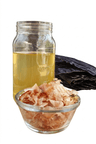


Follow the instructions on your dashi product. If using a dashi packet, add it to cold water and let it simmer for 5 to 10 minutes once it starts boiling.
Heat the prepared dashi stock in a pot over medium heat.
Add the miso paste to the pot. Use a ladle to dissolve the miso paste by placing it in the ladle and stirring it with a spoon while submerging it in the hot dashi.
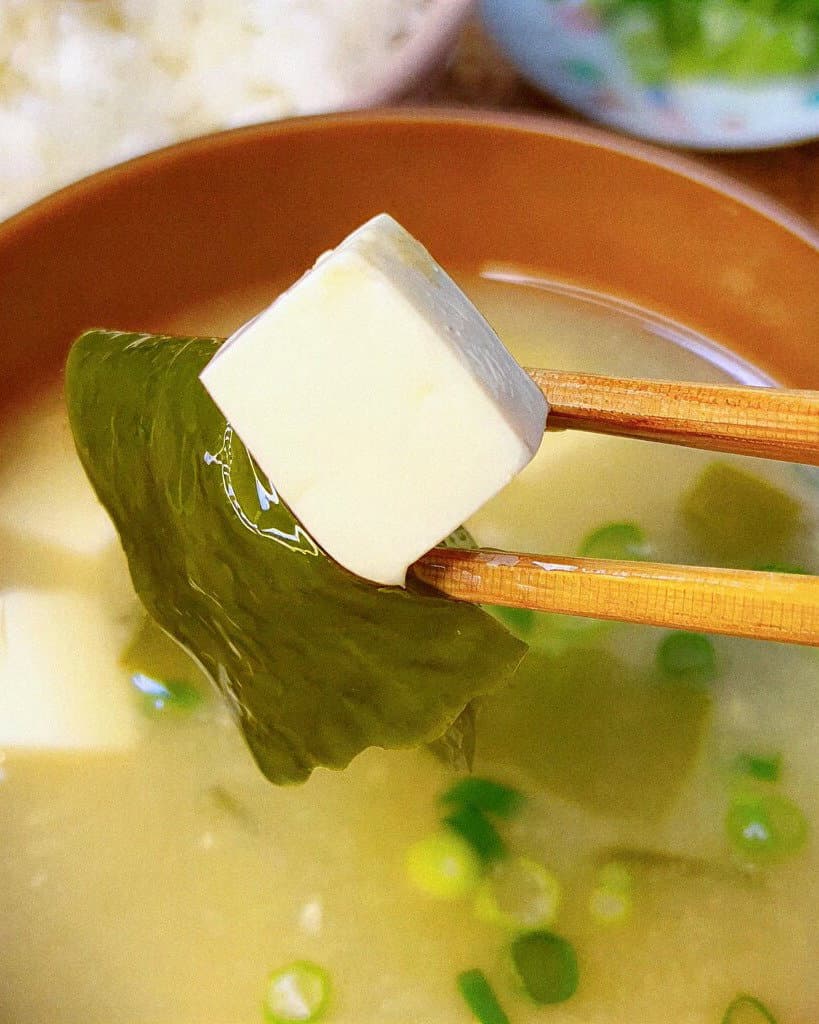
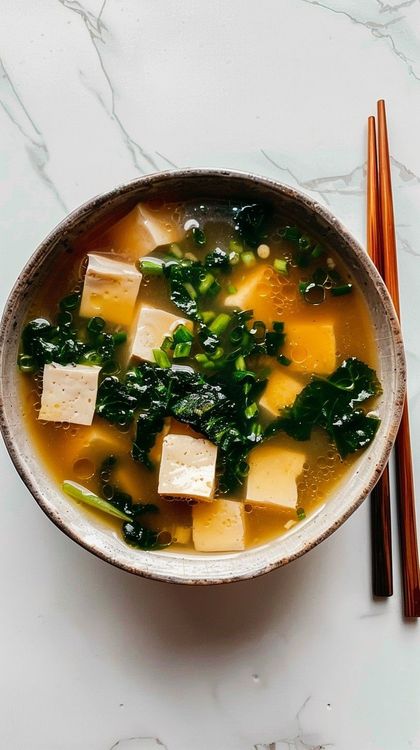
Once the miso is fully dissolved, add the cubed tofu and dried wakame to the pot.
Simmer gently for a few minutes until the wakame rehydrates and the tofu is warmed through.
Turn off the heat and garnish with sliced green onion before serving.
Want to keep this recipe for later? We can email it to you!
Avoid boiling the soup after adding miso paste, as it can affect the flavor and nutritional properties.
Keep dried wakame in your pantry for a quick and easy soup addition anytime.
Experiment with other add-ins like mushrooms, carrots, or spinach for variety.
Can I use a different type of miso paste?
Yes, you can use white, yellow, or red miso paste depending on your flavor preference. White miso is milder, while red miso has a stronger, saltier taste.
What is dashi, and can I substitute it?
Dashi is a Japanese soup stock made from ingredients like kombu (kelp) and bonito flakes. If you don’t have dashi, you can substitute it with vegetable or chicken stock, but the flavor will differ.
How do I store leftover miso soup?
Store leftover miso soup in an airtight container in the refrigerator for up to 2 days. Reheat gently on the stove, but avoid boiling.
Can I make this soup vegan?
Yes, use a kombu-based dashi or vegetable stock instead of traditional dashi, which often contains bonito flakes.
What is the best type of tofu to use?
Silken or soft tofu works best for miso soup as it has a delicate texture that complements the soup.

Hi, I'm Yukumi, a home cook from Japan sharing easy, everyday recipes rooted in Japanese fermentation culture. Koji, miso, amazake, and other fermented staples are at the heart of Japanese cooking — full of deep umami, natural nutrients, and centuries of tradition. My recipes make these ingredients simple and approachable, whether you're new to fermentation or looking to bring more Japanese flavors into your kitchen. Here you'll find recipes for gut-friendly miso soups, koji marinades, fermented seasonings, and more — all designed for a natural, balanced way of eating.
...