We use cookies on this website to ensure its proper functioning and to improve the quality of our services. Cookie Policy

Tags and nutritional info are auto-generated and may be inaccurate. Always check the full ingredient list before cooking.


Wash, core and roughly chop the quinces.
Place the quince pieces in a large saucepan, cover with water and bring to the boil. Cook for 30–40 minutes, or until the quince is tender.
Drain the cooked quince, transfer the pieces to a blender and blend until smooth.
Weigh the quince purée. You will need the same weight of sugar as quince purée.
Return the quince purée to the large saucepan and heat over a medium-low heat. Add the sugar and stir with a wooden spoon until completely dissolved.
Cook very gently until the mixture becomes very thick and develops a beautiful deep orange-pink colour. Stir regularly, especially towards the end, to prevent the quince paste from sticking to the bottom of the pan and burning.
Pour the quince paste into a baking tin lined with baking parchment. Leave to cool to room temperature, then place in the fridge to set into a firm block.
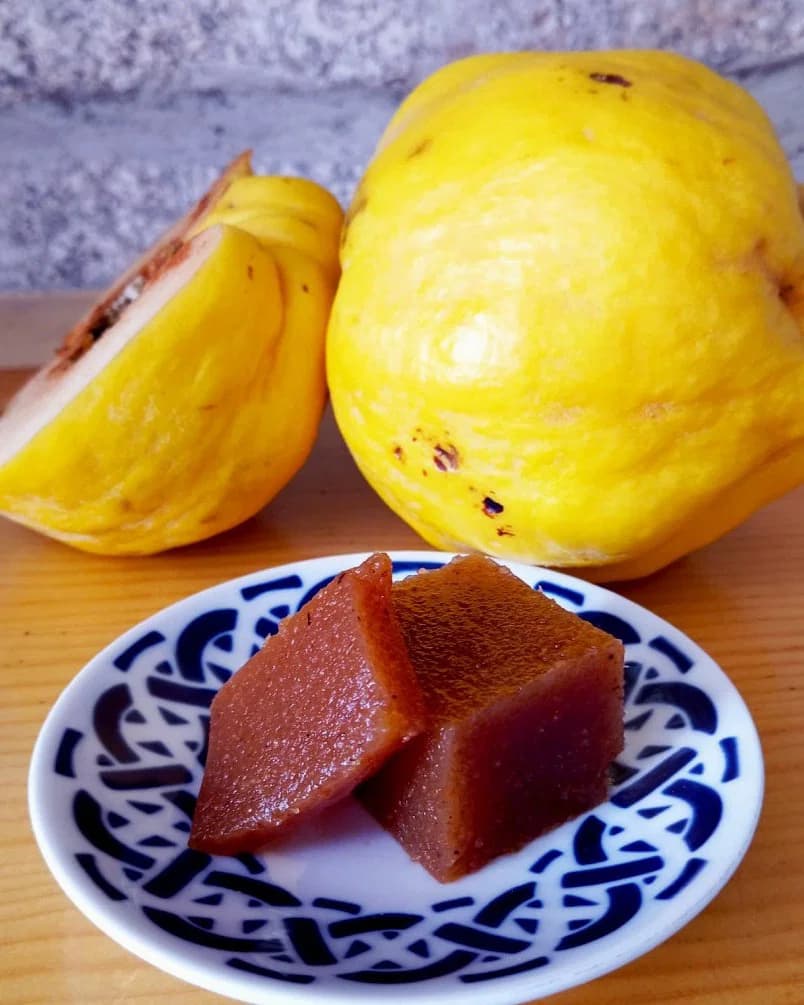
Once set, cut the quince paste (membrillo) into squares or wedges. Store in the fridge and enjoy whenever you fancy a sweet, fruity treat.
Want to keep this recipe for later? We can email it to you!
Choose ripe quinces: Ripe quinces change from pale yellow to a beautiful golden colour and become wonderfully aromatic.
Don’t worry about brown patches: Quinces can develop small brown areas inside once they are cut, just like apples do when exposed to air.
Keep the skin on: The skin of quince is edible when cooked, so peeling is optional.
Freeze quinces for later: If you have more quinces than you can use, wash, core and cut them into pieces and freeze them for later.
Be patient with the paste: Quince paste needs slow cooking to develop its characteristic thick texture and beautiful reddish-pink colour.
Use the purée-to-sugar ratio: For a firm traditional membrillo, use the same weight of sugar as quince purée.
Make the most of every batch: If you have more quince purée than you need for membrillo, use it in cakes, pastries, crumbles, tarts or compotes.
Storage: Once set, keep the quince paste well wrapped or in an airtight container in the fridge.
How do I know if a quince is ripe?
Ripe quinces change from pale yellow to a beautiful golden colour and become wonderfully aromatic.
Can I leave the skin on when making membrillo?
Yes, the skin of quince is edible when cooked, so peeling is optional.
How should I store quince paste?
Once set, keep the quince paste well wrapped or in an airtight container in the fridge.
What should I do if I have more quince purée than needed?
Use the extra purée in cakes, pastries, crumbles, tarts or compotes.
Can I freeze quinces?
Yes, wash, core and cut them into pieces and freeze them for later use.
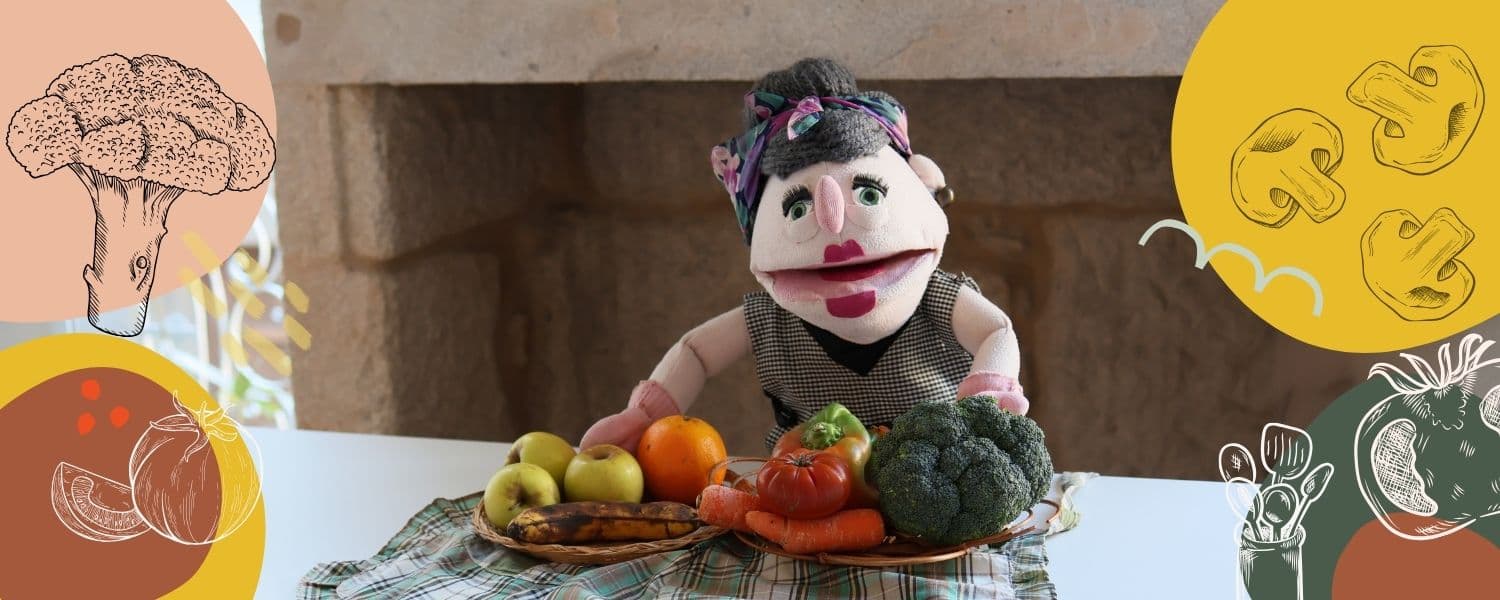
👵🌿 Welcome to Grandma Sita's kitchen. Grandma Sita comes from Galicia, in north-west Spain, a land where food, family and tradition have always gone hand in hand. Inspired by grandmothers around the world, we celebrate traditional recipes, seasonal ingredients, local produce and the wisdom passed from one generation to the next. Here you'll find comforting dishes, forgotten flavours and recipes rooted in sustainability—because cooking with care is one of the best ways to look after ourselves and the planet. More than a recipe collection, this is a place to preserve culinary heritage, celebrate food culture and keep family traditions alive, one dish at a time. Cook slowly. Waste less. Share generously. 💚
...