We use cookies on this website to ensure its proper functioning and to improve the quality of our services. Cookie Policy

Tags and nutritional info are auto-generated and may be inaccurate. Always check the full ingredient list before cooking.


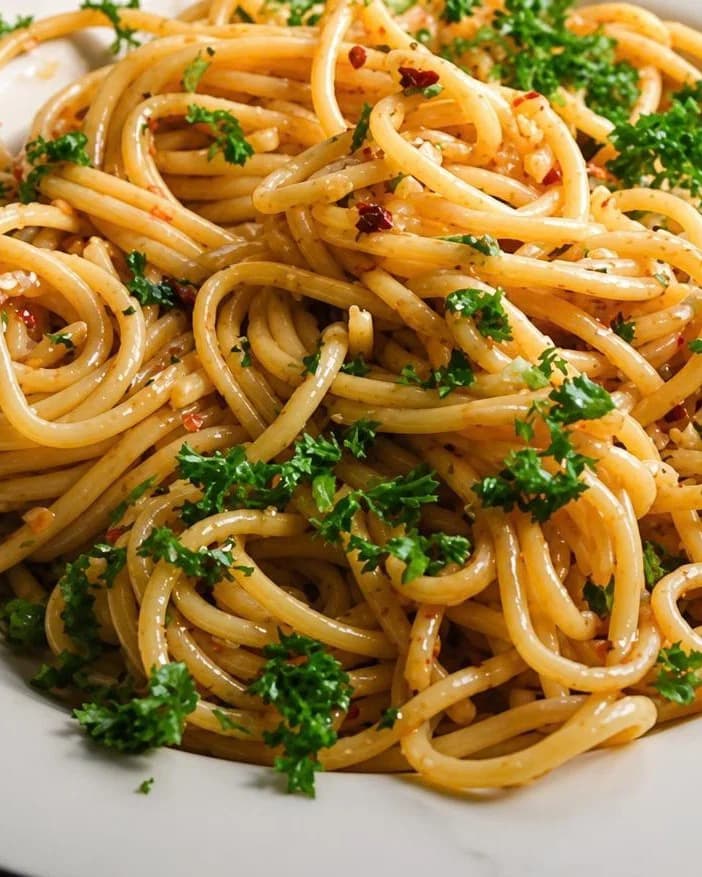
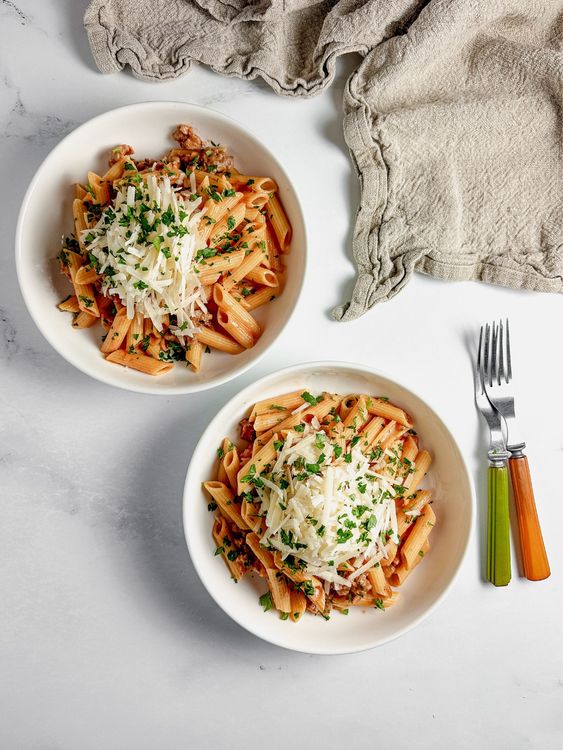
Bring water with salt to a boil.

Add spaghetti and cook until al dente, ensuring it retains a slight bite.
Heat a pan.
Add olive oil and chopped garlic, allowing garlic to infuse on low heat.

Add chilli flakes after a minute.
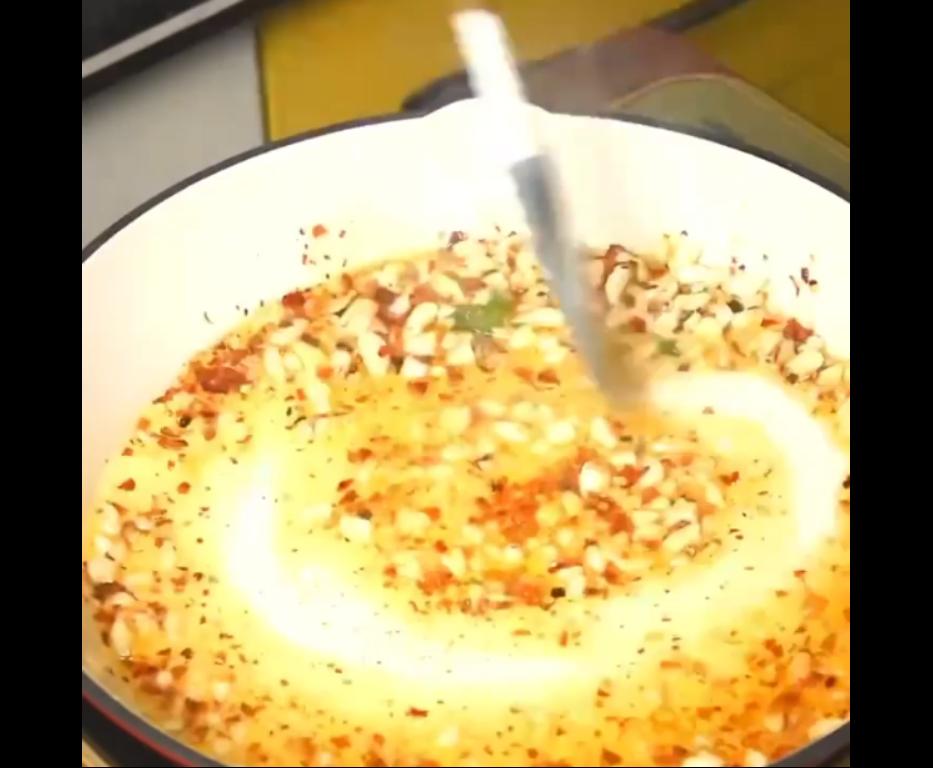
Once the aroma of garlic and chilli is evident, add spaghetti directly from boiling water to the pan.

Toss spaghetti with oil and season with salt and pepper.

Add chopped parsley and toss well.

Garnish with parmesan during serving.

Want to keep this recipe for later? We can email it to you!
Use 9 to 10 garlic cloves as per taste.
How do I know when the spaghetti is al dente?
The spaghetti should be firm to the bite and not too soft.
Can I adjust the amount of garlic?
Yes, you can use 9 to 10 garlic cloves depending on your taste preference.
What type of parmesan should I use?
Use freshly grated parmesan for the best flavor.
Can I use dried parsley instead of fresh?
Fresh parsley is recommended for its vibrant flavor, but dried can be used in a pinch.
Is there a substitute for olive oil?
Olive oil is preferred for its flavor, but you can use another light oil if necessary.

I’m Parichay, a food creator, recipe developer and the person behind Bhukkad in Town. For me, food has always been more than just a recipe. I grew up around Nepal and later made Chandigarh home, so a lot of the way I cook comes from memories, places I’ve travelled to, food I’ve eaten and the people I’ve shared it with. My cooking moves between comforting Indian food, regional recipes, street-food nostalgia and the occasional experiment that starts with, “What if we did this instead?” I love understanding why a dish tastes the way it does, simplifying it for a home kitchen, and then telling the story that made me want to cook it in the first place. Because eventually, the recipe tells you how to make the food. The story tells you why you might want to.
...