
Top 34 Mutton Recipes: Curries, Korma, Biryani and More
Updated July 2, 2026 · Curated by Chefadora
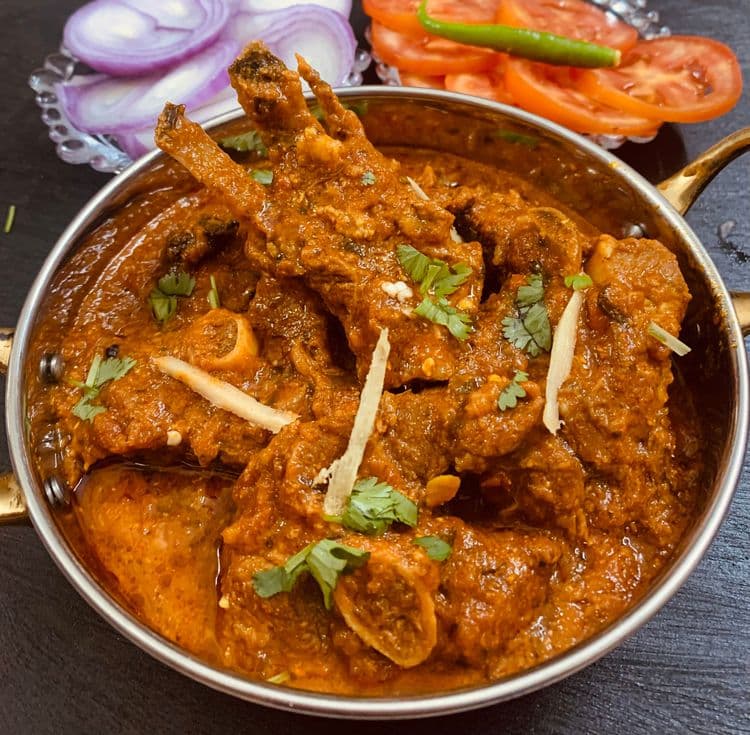
Mutton recipes are built around patience — tougher cuts of goat or lamb that need low, slow heat to turn genuinely tender rather than quick cooking to simply get hot. This collection spans classic karahi and gosht-style curries, rich korma and rogan josh gravies, mutton worked into biryani, pulao and other rice dishes, and a cluster of keema, roasts and snacks that show mutton beyond the curry pot.
What separates a great mutton dish from a merely acceptable one is almost always time, not technique. A properly cooked mutton curry needs the connective tissue in the meat to break down fully, which happens somewhere between forty-five minutes and two hours on the stove, or considerably less in a pressure cooker — but there is no real shortcut around giving the meat enough time, whichever method you use.
The four clusters here reflect the different ways mutton gets cooked: karahi-style and gosht curries built on a spiced onion-tomato base, korma and rogan josh gravies enriched with yoghurt, nuts or cream, biryani and rice dishes where the meat and grain cook together or alongside each other, and keema, roasts and smaller dishes that treat mutton very differently to a slow-simmered curry. Each cluster asks for a slightly different amount of time and attention, so pick the one that matches your afternoon.
Use this page as a working reference rather than a single read. Every recipe links through to full ingredients and method on Chefadora, and the guides below cover what actually decides whether mutton turns out tender and deeply flavoured or tough and underseasoned — choosing the right cut, marinating properly, managing a long simmer, and storing leftovers so they reheat well.
Mutton & Goat Curries
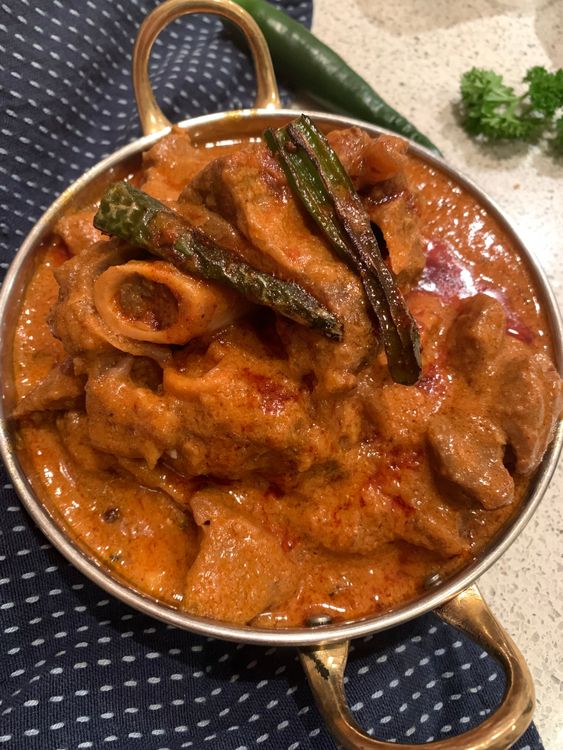
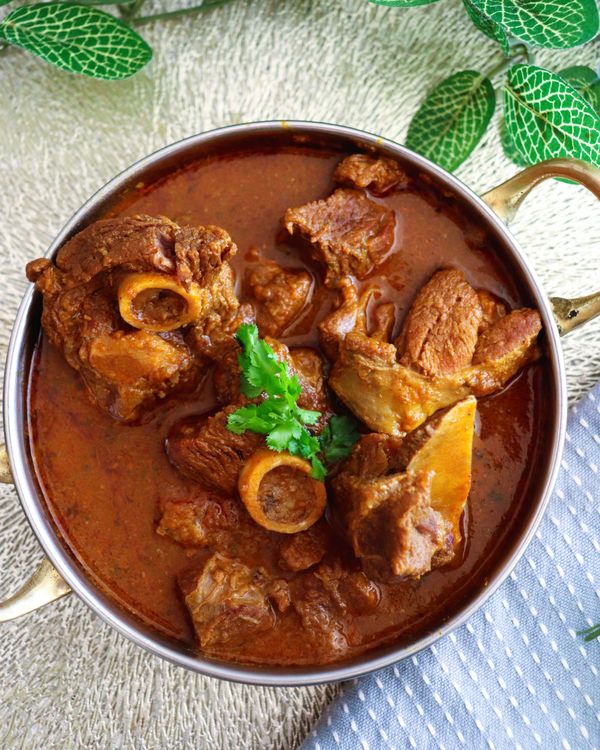
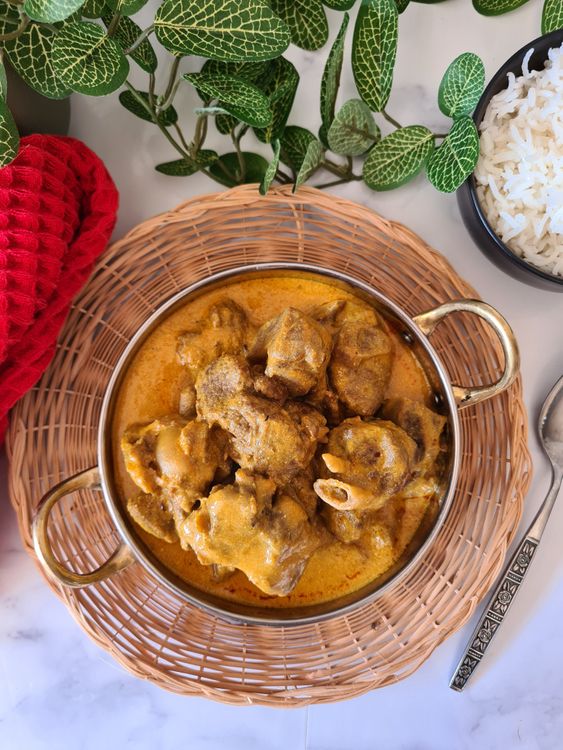
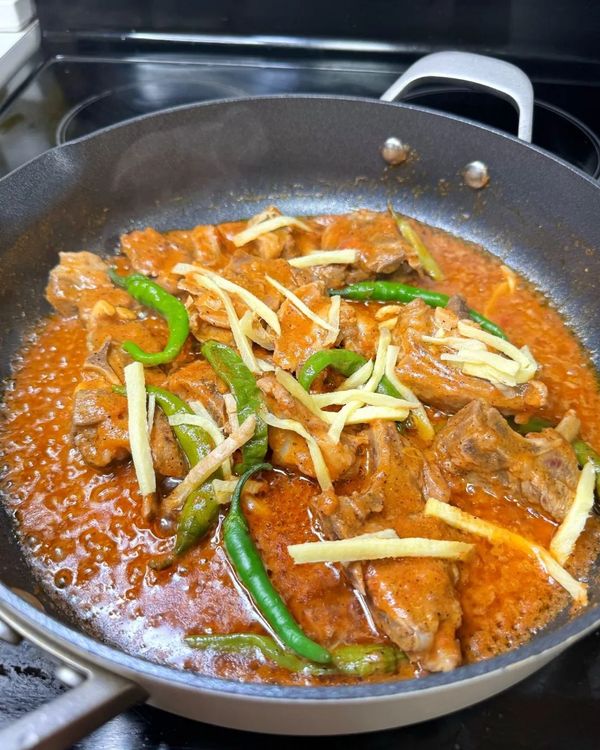
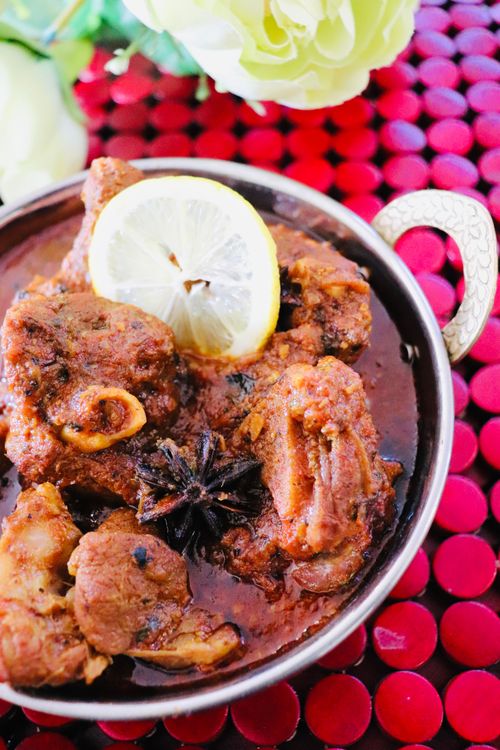
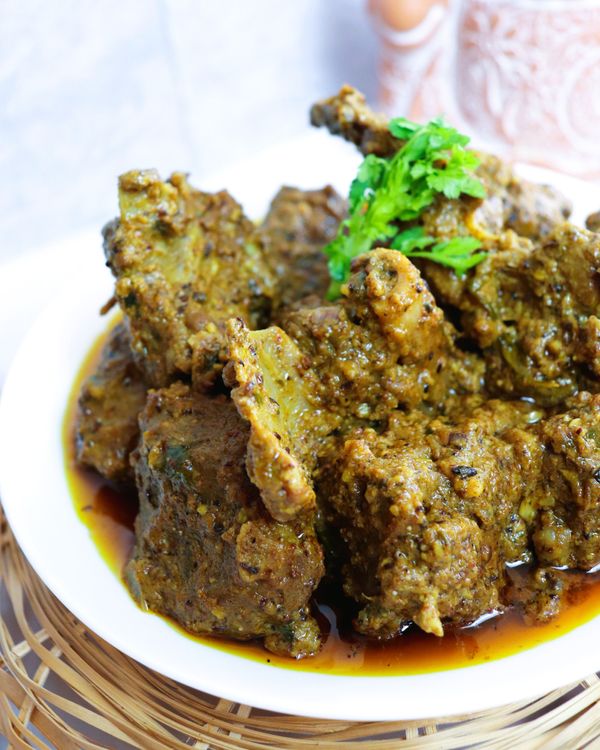
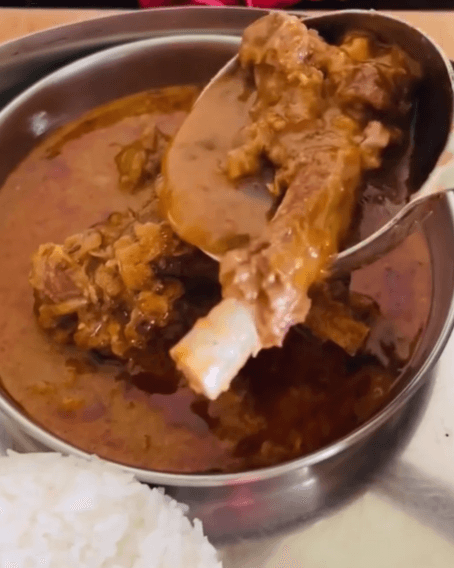
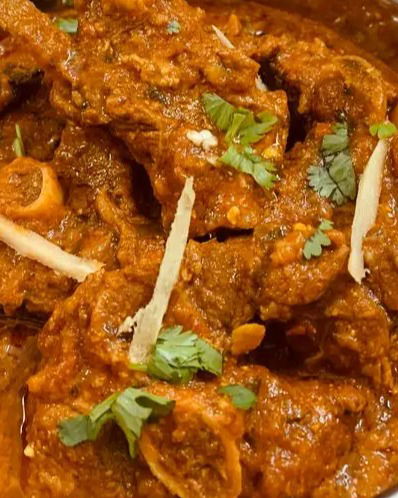
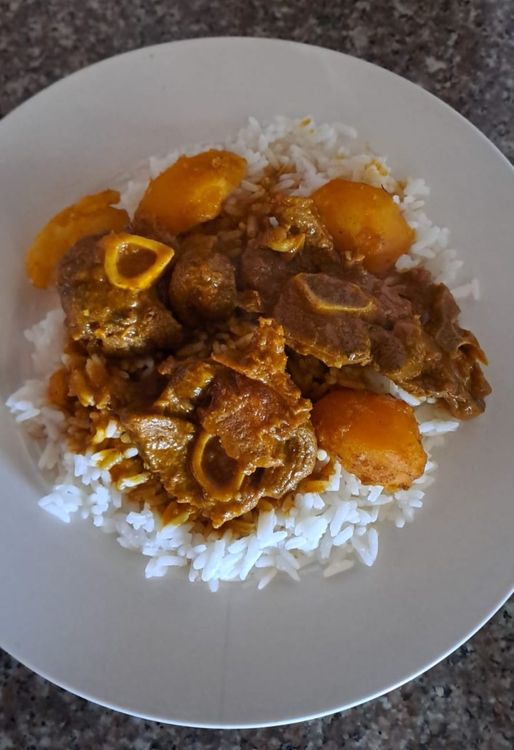
Karahi, gosht and masala-style curries form the backbone of this page, built on the same onion-tomato base used throughout Indian cooking but given considerably more time to let the mutton turn properly tender. Lahori and Shinwari-style karahi, cooked in the wide, heavy pan the dish takes its name from, keep the sauce relatively dry and concentrated, letting the meat and spice do the talking rather than a thin gravy. Bengali kosha mangsho takes a slower, deeper approach, cooking the meat down until it is almost caramelised before any liquid is added, while regional versions from the Konkan coast and beyond show how differently this same base technique gets handled from state to state. What unites everything in this cluster is the order of operations: build the base fully, sear the marinated meat into it, and then commit to a genuine simmer rather than rushing toward the finish. Bone-in mutton or goat is worth prioritising here, since the bone marrow and connective tissue enrich the gravy in a way boneless meat cannot fully replicate, and there is real value in tasting and adjusting the seasoning periodically through the long cook rather than only at the start and end. Standouts here include Lahori Karahi Mutton and Balti Gosht (Goat Curry), plus Dhaba-Style Mutton Curry (Goat Curry) .


- Indian
- Non-Vegetarian
- Lunch
- Indian
- Non-Vegetarian
- Lunch
- Indian
- Non-Vegetarian
- Lunch
- Indian
- Non-Vegetarian
- Lunch
- Pakistani
- Non-Vegetarian
- Lunch
- Indian
- Non-Vegetarian
- Lunch
- Indian
- Non-Vegetarian
- Lunch

- Bengali
- Non-Vegetarian
- Lunch
- Indian
- Non-Vegetarian
- Lunch
- Pakistani
- Non-Vegetarian
- Dinner
- South African
- Non-Vegetarian
- Lunch
Mutton Korma & Rogan Josh
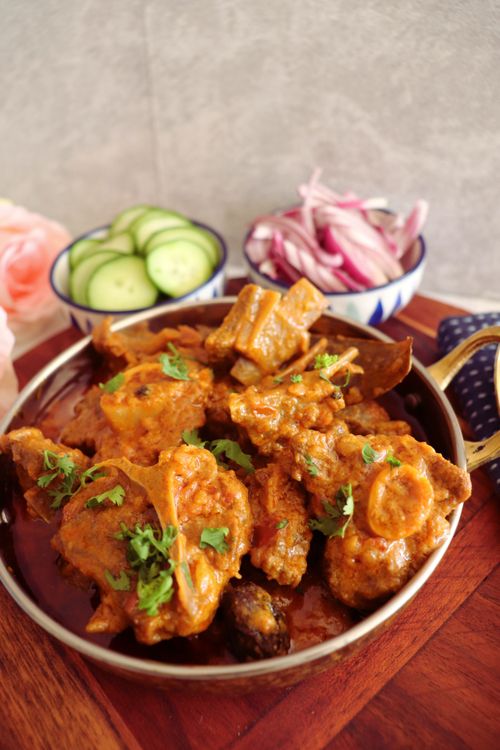
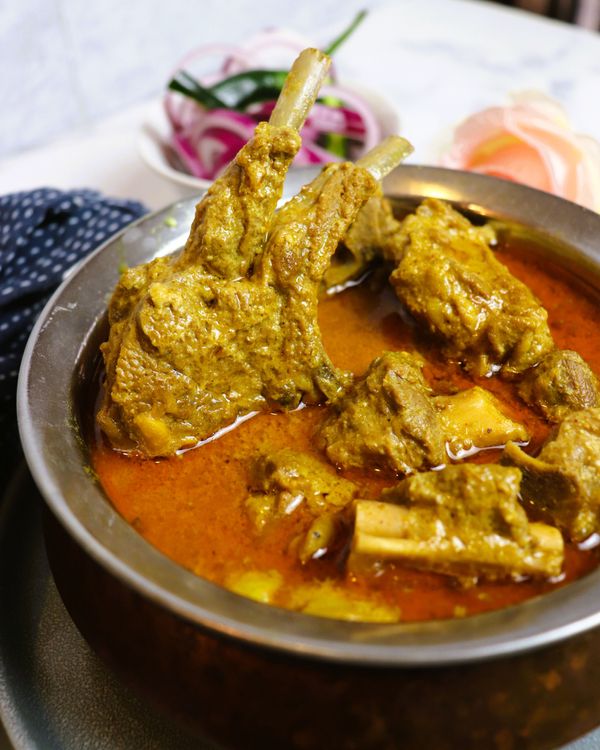
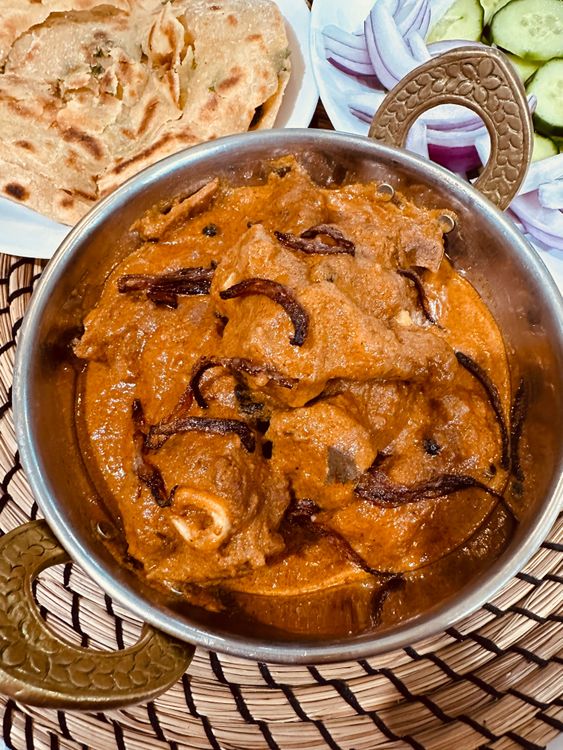
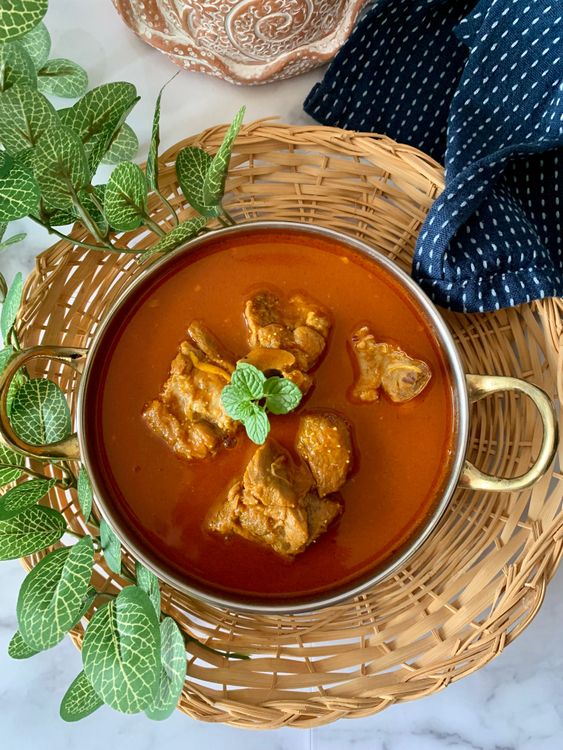
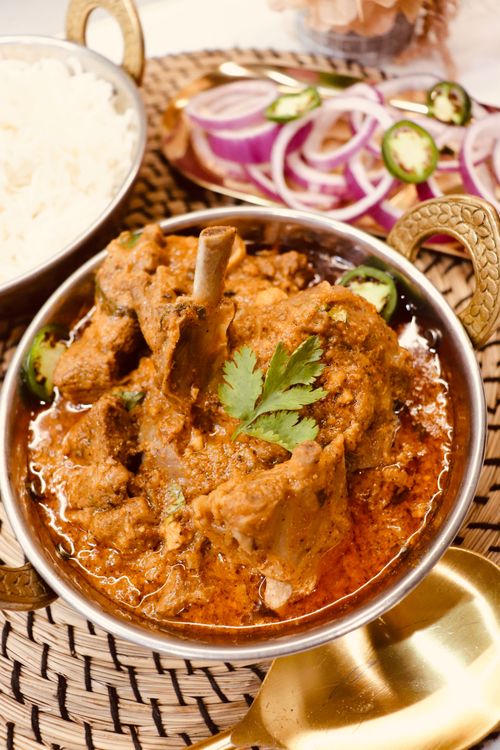
Korma, rogan josh and stew sit apart from the more rustic curries on this page because of what enriches them — yoghurt, nuts, cashew paste or cream rather than a straightforward tomato reduction, giving these dishes a rounder, silkier gravy. Rampuri taar korma and the Lucknowi-style version here both lean on this richer approach, using nut pastes or reduced dairy to build body rather than relying on tomato acidity for depth. Rogan josh brings its own signature note, traditionally coloured and flavoured with Kashmiri chilli and a blend of warming whole spices rather than fresh tomatoes, giving it a distinct deep red hue without excessive heat. Because these gravies rely more on dairy and nut-based thickeners, they need slightly gentler heat once those ingredients go in, since yoghurt and cream can split if boiled hard. Build the meat's tenderness first over a steady simmer, and only stir in the richer enriching elements toward the end, tempering yoghurt with a spoonful of the hot gravy before adding it fully so it blends smoothly rather than curdling. Standouts here include Mutton Rogan Josh (Cream-infused) and Rampuri Taar Korma (Mutton Taar Korma) , plus Degi Mutton Korma .
- Indian
- Non-Vegetarian
- Lunch
- Indian
- Non-Vegetarian
- Lunch
- Indian
- Non-Vegetarian
- Lunch
- Indian
- Non-Vegetarian
- Lunch
- Indian
- Non-Vegetarian
- Dinner
Mutton Biryani, Pulao & Rice
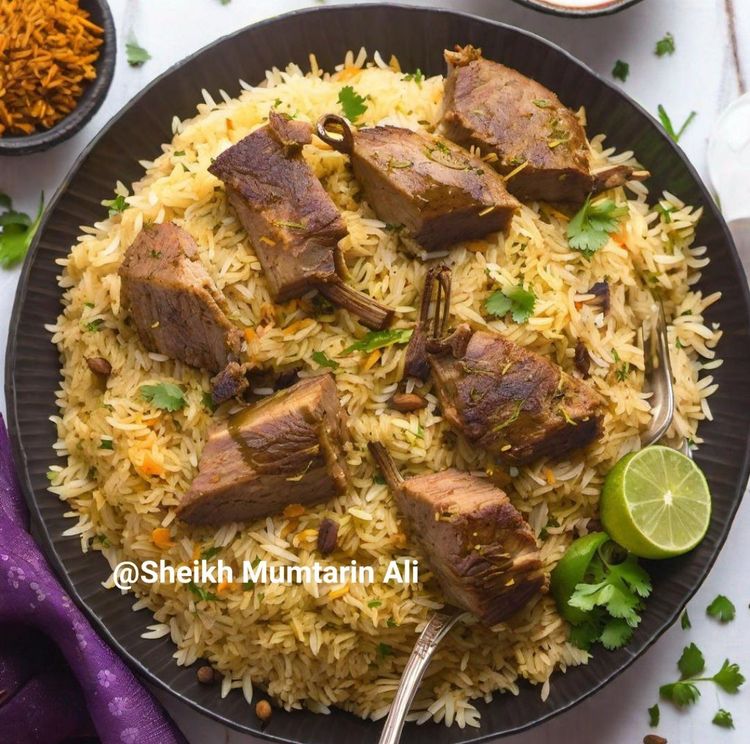
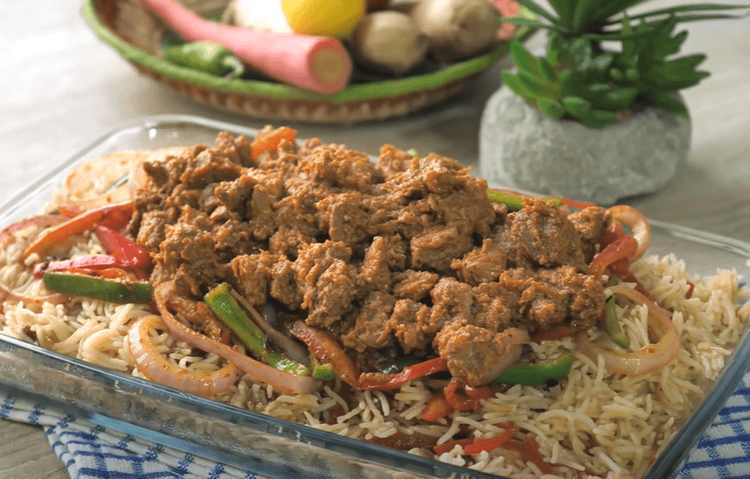
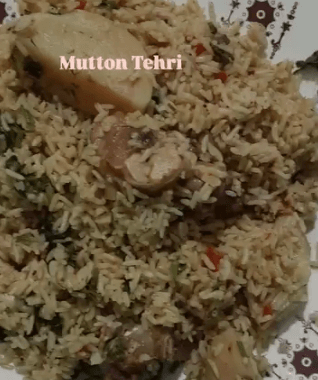
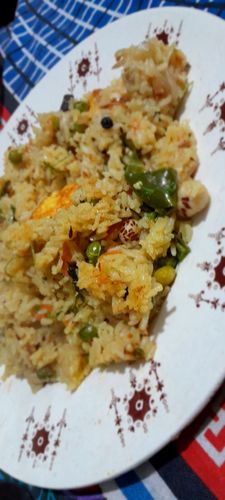
Biryani, pulao and rice dishes built around mutton treat the meat and grain almost as equal partners, which changes the approach compared with a straightforward curry. Mutton yakhni pulao gets its distinct flavour from a spiced stock, or yakhni, made by simmering the meat with whole spices first, then using that same liquid to cook the rice so the grains absorb the meat's flavour directly rather than relying on a separate sauce. Full biryanis, including the Eid-special version here, go further still, layering partially cooked meat and partially cooked rice together and finishing them over low heat so they cook the rest of the way in each other's steam — the dum method, which is what gives good biryani its distinct, unblended layers of flavour. Mutton tehri and BBQ-style rice dishes take a more one-pot approach, cooking meat and rice together from an earlier stage. Across all of these, undercooking the rice very slightly before layering or combining it with the meat matters, since it finishes cooking in the residual heat and moisture rather than needing to be fully done beforehand. Standouts here include Mutton Yakhni Pulao and Mutton Biryani with Sour Milk Salad, plus Mutton BBQ Rice .
- Indian
- Non-Vegetarian
- Lunch

- Indian
- Gluten-Free
- Lunch

- Pakistani
- Non-Vegetarian
- Lunch

- Indian
- Non-Vegetarian
- Dinner
- Indian
- Non-Vegetarian
- Lunch
Mutton Keema, Roasts & Snacks
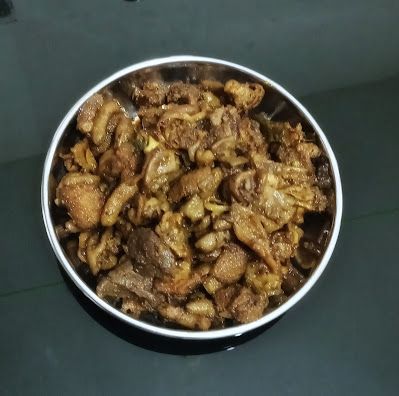
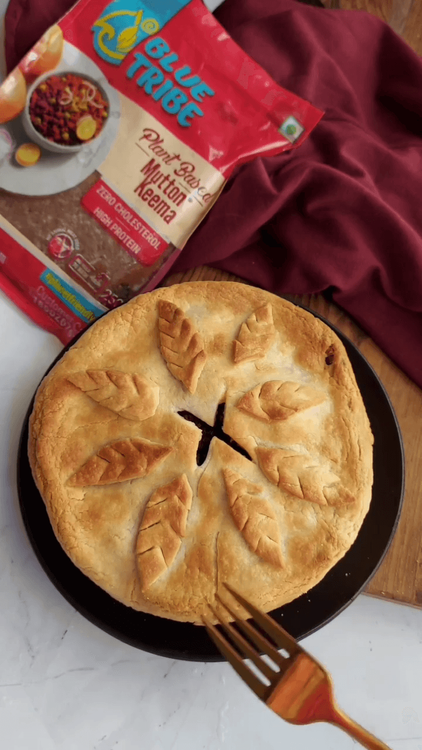
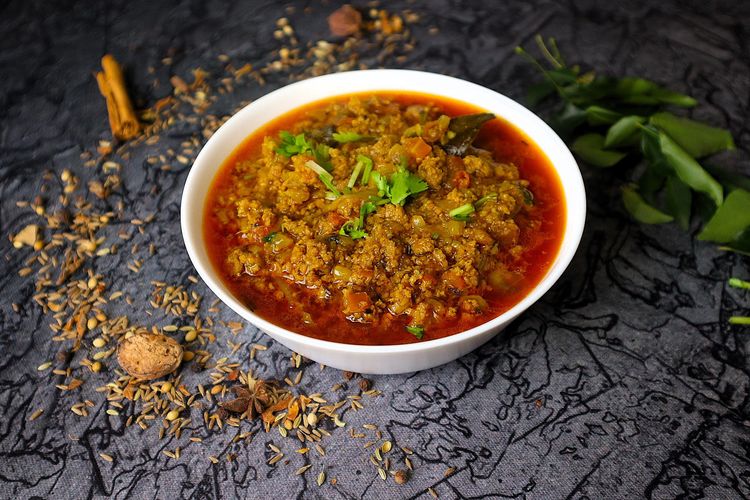
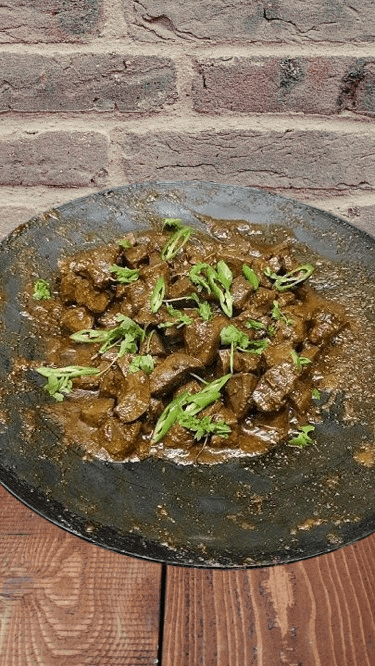
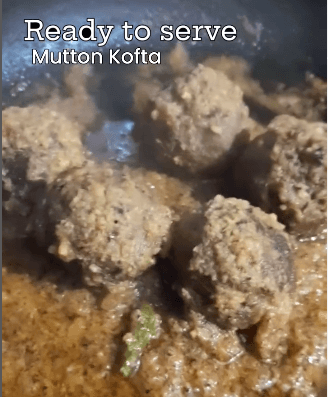
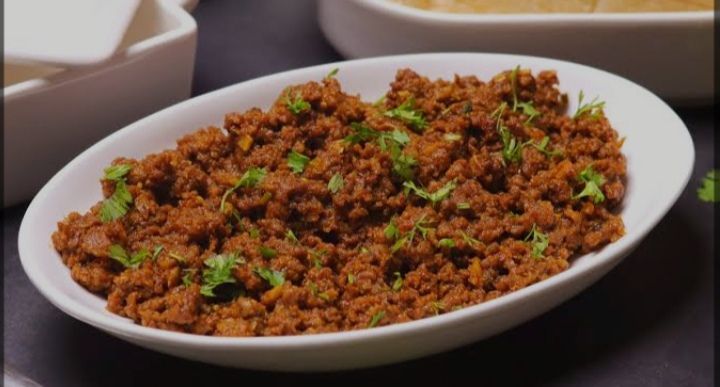
This cluster gathers everything that treats mutton differently to a slow-simmered gravy — minced into keema for quick weeknight cooking, roasted or grilled for a drier, more concentrated result, or turned into snacks like kaleji (liver), chops, samosas and even a mutton lollipop. Mutton keema, including the Hyderabadi dry-style and pressure-cooker versions here, cooks far faster than a whole-cut curry since the meat is already broken down, though it still benefits from the fat mutton mince carries to stay moist through that shorter cook. Roasts and chops go the opposite direction, cooked with less liquid and more direct heat so the exterior develops real colour and concentrated flavour, which means they need closer attention than a simmered curry to avoid drying out. Kaleji, or liver, cooks fastest of anything in this cluster and turns tough within minutes of overcooking, so it wants hot, brief contact with the pan rather than a long simmer. Snacks like mutton samosas, rolls and the mince-based lollipop here all start from a well-seasoned, fairly dry keema base, which is worth cooking down further than you would for a saucy main so it holds together properly once wrapped or shaped. Standouts here include Mutton Boti Roast and Plant-Based Mutton Keema Pastry, plus Mutton Keema in Pressure Cooker | Mutton Keema Recipe.
- Indian
- Non-Vegetarian
- Lunch

- Indian
- Non-Vegetarian
- Snack

- Indian
- Non-Vegetarian
- Lunch
- Indian
- Non-Vegetarian
- Lunch
- Indian
- Non-Vegetarian
- Lunch

- Indian
- Non-Vegetarian
- Dinner
- Indian
- Non-Vegetarian
- Lunch

- Indian
- Non-Vegetarian
- Appetiser
- Indian
- Non-Vegetarian
- Dinner

- Indian
- Non-Vegetarian
- Appetiser

- Indian
- Non-Vegetarian
- Lunch
More Mutton Favourites
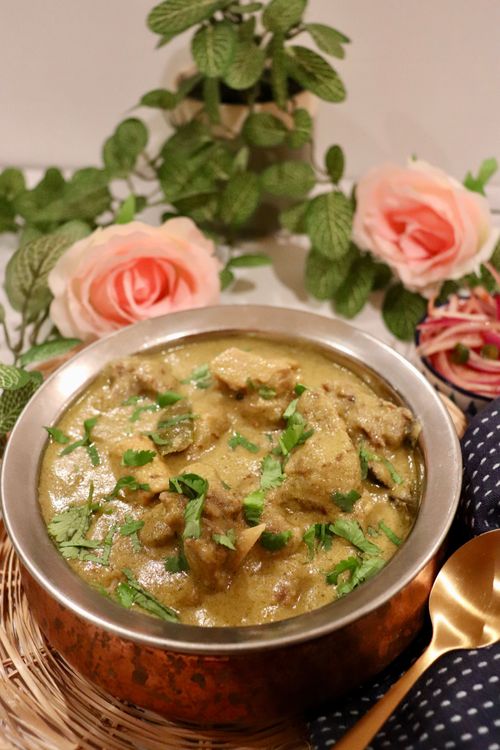
A few more dishes worth a place in your rotation — same techniques, different results. Standouts here include Himachali Khatta Mutton (Kangra-Style) and Mutton Mumtaz .

- Indian
- Non-Vegetarian
- Dinner
- Indian
- Non-Vegetarian
- Lunch
Choosing the Right Cut of Mutton
Bone-in cuts are worth seeking out for almost every mutton curry, korma or biryani in this collection — the bone and surrounding connective tissue add depth and body to the gravy that boneless meat simply cannot match on its own. Shoulder, leg and rib cuts all work well for slow-cooked curries, while shank and neck, though less common, make for particularly rich, gelatinous gravies given enough time.
Goat and mutton (technically meaning sheep in much of South Asian cooking, though often used interchangeably with goat) both benefit from the same approach, though goat tends to be slightly leaner and can dry out marginally faster if overcooked, while mutton carries more fat and forgives a longer simmer more easily. Either works across nearly every recipe in this collection with only minor timing adjustments, and a good butcher will happily cut either to order if you ask.
For keema and mince-based dishes, ask for a cut with a reasonable fat ratio rather than the leanest available — too-lean mince dries out fast given how quickly it cooks. For roasts and chops, a cut with some marbling and a bit of surface fat will baste itself as it cooks and stay considerably more tender than a very lean piece.
Marinating for Tenderness and Flavour
A yoghurt-based marinade is the standard starting point for most mutton recipes here, and it does real work beyond flavour — the mild acidity in yoghurt gently tenderises the meat over time without the harshness that a sharper acid like lemon or vinegar can bring if left too long. Thirty minutes is a reasonable minimum, but mutton benefits from several hours, and overnight in the fridge is genuinely worth planning for.
Ginger-garlic paste, along with whole and ground spices, usually goes into the marinade alongside the yoghurt, giving the flavour a head start before the meat even reaches the pan. Some recipes also include raw papaya paste, a traditional tenderiser that breaks down tougher fibres more aggressively than yoghurt alone — useful for particularly tough cuts, though easy to overdo since it can turn the texture mushy if left too long.
Bring marinated mutton to room temperature before it goes into a hot pan, rather than straight from the fridge, so it sears evenly instead of dropping the pan's temperature and steaming. Do not discard the marinade after removing the meat — most recipes call for it to go into the pan along with the meat, since it already carries built-up flavour worth keeping.
Managing a Long, Slow Simmer
Once the base is built and the mutton goes in, resist the urge to rush the simmer by cranking up the heat — a hard boil toughens meat rather than tenderising it, while a gentle, steady simmer over low heat gradually breaks down connective tissue into gelatine, which is what makes long-cooked mutton so much richer than a quickly cooked piece.
Check for doneness by testing whether the meat pulls away from the bone easily or shreds without much resistance, rather than by the clock alone, since cut size, bone content and even the age of the animal all affect exact timing. A pressure cooker significantly speeds this process up, typically cutting a two-hour stovetop simmer down to twenty-five or thirty minutes under pressure.
If the gravy reduces too much before the meat is fully tender, add hot water or stock rather than letting the pan run dry, which risks scorching the base on the bottom. Conversely, if the meat is tender before the gravy has reduced to the right consistency, remove the lid for the final stretch and let it reduce uncovered over medium heat.
Storing, Reheating and Repurposing Mutton Dishes
Mutton curries, korma and biryani all keep well in the fridge for three to four days in an airtight container, and like most slow-cooked dishes, the flavour often improves after a day as the spices continue to meld into the gravy. This makes mutton an especially good candidate for cooking a large batch over a weekend to eat through the week.
For longer storage, mutton curries and gravies freeze well for up to three months — freeze in flat, labelled portions so they thaw quickly and reheat evenly. Biryani freezes reasonably well too, though the rice texture softens slightly on reheating, so it is best eaten within the first month or two rather than stored for the full stretch, and is worth freezing in individual portions rather than one large block.
Reheat gently on the stove with a splash of water or stock to loosen the gravy, rather than in a dry microwave, which can toughen meat that took hours to tenderise in the first place. Leftover mutton curry repurposes well too — shredded off the bone into a filling for rolls, samosas or a quick keema-style hash with whatever vegetables are on hand.
Pro Tips from the Test Kitchen
- Choose bone-in cuts for curry, korma and biryani — the bone adds body and depth to the gravy that boneless meat cannot.
- Marinate mutton in yoghurt, ginger-garlic paste and spices for at least a few hours, ideally overnight, for real tenderness.
- Keep the simmer gentle and steady rather than a hard boil — high heat toughens meat instead of tenderising it.
- Test doneness by whether the meat pulls easily from the bone, not by the clock alone; cut size changes timing a lot.
- Use a pressure cooker to cut a two-hour stovetop simmer down to about twenty-five to thirty minutes.
- Bring marinated meat to room temperature before searing so it browns evenly instead of steaming the pan cold.
- Add the marinade to the pan along with the meat rather than discarding it — it already carries built-up flavour.
- If the gravy reduces too fast before the meat is tender, top up with hot water or stock rather than letting the pan run dry.
- Freeze mutton curry in flat portions; it reheats more evenly than a single large block.
- Reheat mutton gently with a splash of water on the stove rather than in a dry microwave, which can toughen the meat.
Frequently Asked Questions
What is the difference between mutton and goat meat?
In much of South Asian cooking the terms are often used interchangeably, though technically mutton refers to sheep meat while goat is a separate animal. Goat tends to be slightly leaner and can dry out a touch faster if overcooked, while mutton carries more fat and forgives a longer simmer more easily. Recipes in this collection work well with either, with only minor timing adjustments.
How long does mutton take to cook until tender?
On the stovetop, most mutton curries need forty-five minutes to two hours of gentle simmering, depending on the cut and the size of the pieces. A pressure cooker cuts that down significantly, usually to around twenty-five to thirty-five minutes under pressure. Bone-in pieces and tougher cuts sit at the longer end of either range.
Should I use a pressure cooker for mutton curry?
It is not required, but it saves considerable time and produces reliably tender meat, which is why it is widely used for mutton at home. A stovetop simmer gives you more control over the gravy's reduction and can develop slightly deeper flavour given the extra time, but a pressure cooker is the practical choice on a weeknight.
Why is my mutton curry tough even after a long cook?
Usually the heat was too high — boiling hard rather than a gentle simmer actually toughens meat instead of tenderising it, since high heat causes proteins to seize before the connective tissue has time to break down into gelatine. Lower the heat, extend the time if needed, and check whether the meat pulls easily from the bone rather than relying on the clock.
What is the best marinade for mutton?
A yoghurt-based marinade with ginger-garlic paste and spices is the standard and most reliable choice — the yoghurt's mild acidity tenderises gently without turning the meat mushy, unlike a harsher acid such as lemon or vinegar left too long. A few hours is the minimum for real benefit, and overnight in the fridge is worth planning for when time allows.
What is the difference between mutton curry and mutton korma?
Mutton curry generally refers to a spiced, onion-tomato-based gravy, often thinner and more rustic. Korma is typically richer and creamier, built with yoghurt, nuts or cashew paste and usually milder in heat, prized for its silky, enveloping sauce. Rogan josh sits between the two, known for its deep red colour and warming spice blend rather than heavy cream.
Can mutton biryani be made without a pressure cooker?
Yes, using the dum method — partially cooking the mutton and rice separately, then layering and sealing them together over low heat so they finish cooking in each other's steam. It takes longer than a pressure-cooker shortcut but is the traditional method and gives excellent, distinct layers of flavour and texture.
How do you know when mutton is properly cooked?
The meat should pull away from the bone with little resistance, or shred easily with a fork if boneless, rather than feeling springy or chewy. Colour and time are less reliable indicators than texture — always test a piece rather than judging by the clock alone, since cut and bone content both affect exact cooking time.
Is mutton healthy to eat regularly?
Mutton is a good source of protein, iron and B vitamins, but it is also higher in saturated fat than chicken or most seafood, so it is generally better enjoyed a few times a week rather than daily. Trimming visible fat, favouring simmered curries over heavily fried preparations, and watching portion size are the easiest ways to keep it a sensible regular option.
How do I store and reheat leftover mutton curry?
Store in an airtight container in the fridge for three to four days, or freeze in flat portions for up to three months. Reheat gently on the stove with a splash of water or stock to loosen the gravy — a hard reheat or dry microwave can toughen meat that took hours to tenderise in the first place.
Every dish in this collection depends on the same underlying patience: mutton rewards low, steady heat and proper marinating far more than it rewards a heavy hand with spice. Get the cut right, give the marinade real time, and keep the simmer gentle, and the difference between a karahi curry, a rich korma and a full biryani becomes a matter of technique and timing rather than a completely different skill to relearn each time.
Start with whichever cluster matches the time you have this weekend — a quick keema on a busy night, a full curry when there is an afternoon to spare — and build from there. Save your favourites to a Chefadora cookbook as you go; this page is built to be the mutton reference you keep coming back to.
Related
- Mutton
- Goat
- Curry
- Indian
- Biryani
- Dinner
- Spicy
Popular Searches
- Best mutton recipes
- Easy mutton recipes
- Quick mutton recipes
- Healthy mutton recipes
- Simple mutton recipes
- Homemade mutton recipes
- Delicious mutton recipes
- Popular mutton recipes
- mutton curry
- mutton recipe
- goat curry
Marnirni-apinthi Building, Lot Fourteen,
North Terrace, Adelaide, South Australia, 5000
Australia
