
Top 15 Meal Prep Recipes: Bowls, Make-Ahead Breakfasts, Lunches and Freezer Meals
Updated June 25, 2026 · Curated by Chefadora
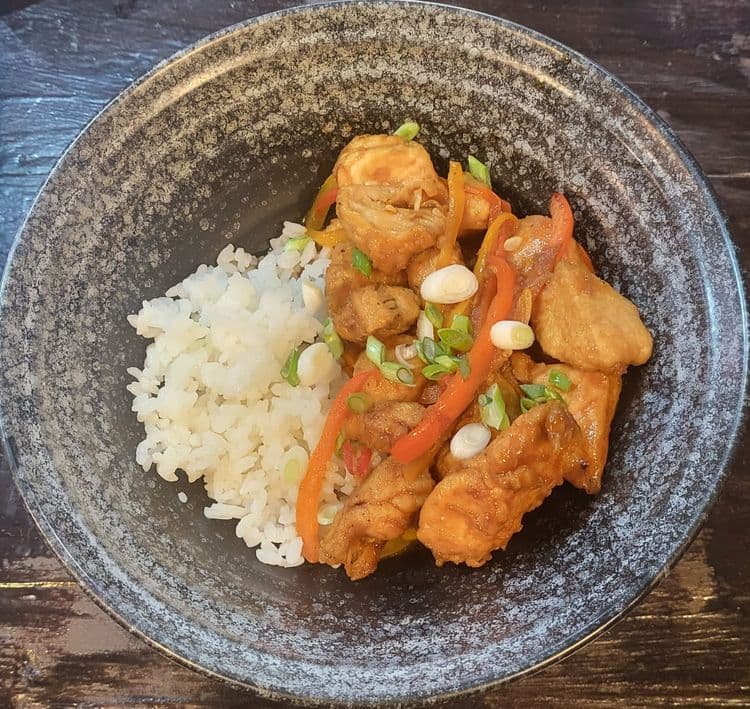
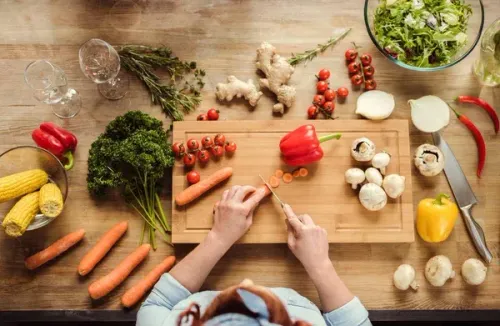
Meal prep recipes turn one busy hour into a week of meals that are already half-eaten in your head before you cook them. The collection below spans the whole day — high-protein bowls for lunch, make-ahead breakfasts, batch-cooked dinners, and the snacks and freezer meals that fill the gaps. The idea is simple: cook and portion deliberately once, so the rest of the week you reheat, assemble and eat well without thinking.
What makes prepped food work is mostly about cooling, moisture and storage. Cool cooked food quickly and uncovered before it goes in the fridge, so condensation and bacteria both stay low; keep dressings, crunchy toppings and anything that wilts in separate pots until serving. Slightly undercook grains and vegetables you plan to reheat, because they carry on softening, and season a touch boldly, since chilling dulls flavour. Get those habits right and food tastes made-that-day, not three-days-old.
You will find the collection grouped into clusters — high-protein meal prep bowls, make-ahead breakfast prep, lunch and dinner meal prep, and snacks and freezer-friendly prep. Standout dishes range from a chicken or paneer burrito bowl and overnight oats to a big-batch curry, a sheet-pan dinner, and freezer-friendly energy balls and sauces, each built on the portioning and storage fundamentals the guides below lay out.
Treat this as a working reference. Each recipe links to full ingredients and steps on Chefadora, and the guides below cover what actually decides whether prepped food stays good all week — how to batch and portion without burning a whole Sunday, how to store and reheat so nothing turns dry, soggy or sad, and how to plan a week of meals you will genuinely look forward to.
High-Protein Meal Prep Bowls
High-protein bowls are the backbone of a prep week because they hold up for days and keep you genuinely full. The format is always the same — a protein, a grain or starchy base, and a generous pile of vegetables — which means you can cook each part once and box up four or five different bowls without repeating yourself. Aim for roughly 25 to 35 grams of protein a bowl from chicken, eggs, paneer, tofu, lentils, chickpeas or quinoa, and slightly undercook anything you will reheat so it does not dry out the second time round. The detail that separates a sad lunchbox from a craveable one is keeping wet and crunchy elements apart: dressings, salsas and anything fresh go in their own pots and join the bowl only at serving, so the base stays in good shape all week. Season a touch more boldly than you would for eating straight away, because chilling mutes flavour, and add a hit of acid or a punchy sauce at the end to wake everything up. Burrito bowls, grain bowls and rice bowls all run on this logic, and once you have it, lunch builds itself. Standouts here include Hong Kong Chicken & Sticky Rice and Creamy Balsamic Chicken Sausage Linguine, plus Chilli Paneer .
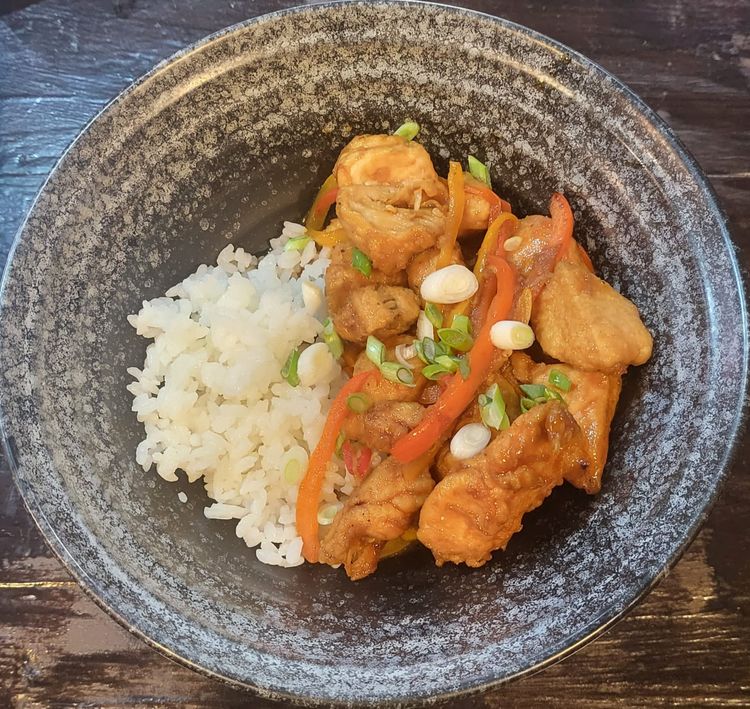

- Chinese
- Non-Vegetarian
- Lunch
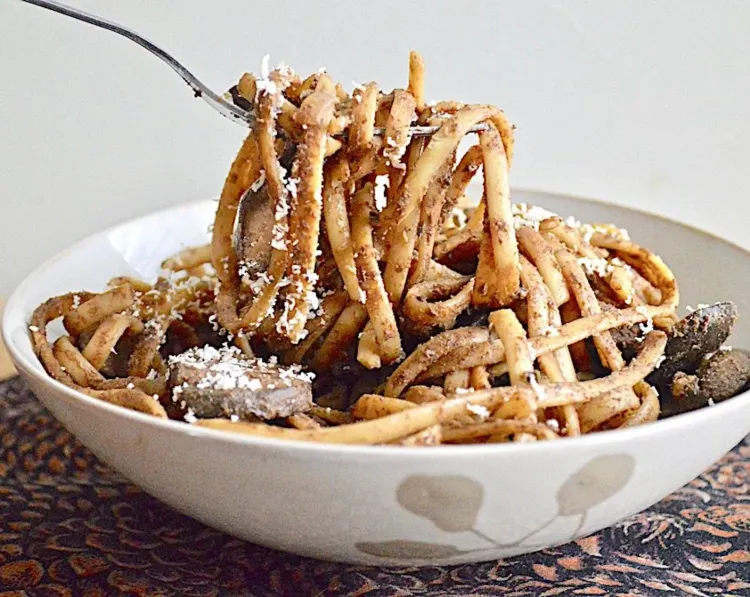
- Italian
- Non-Vegetarian
- Dinner
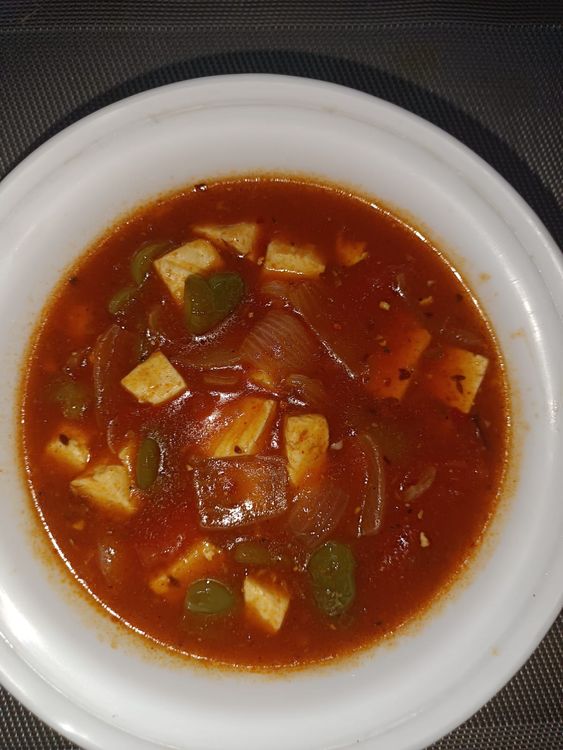

- Chinese
- Vegetarian
- Lunch
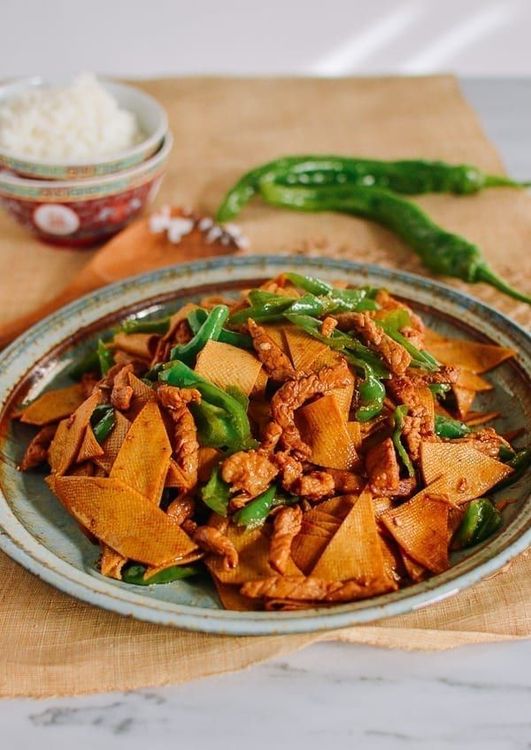
- Chinese
- Non-Vegetarian
- Dinner
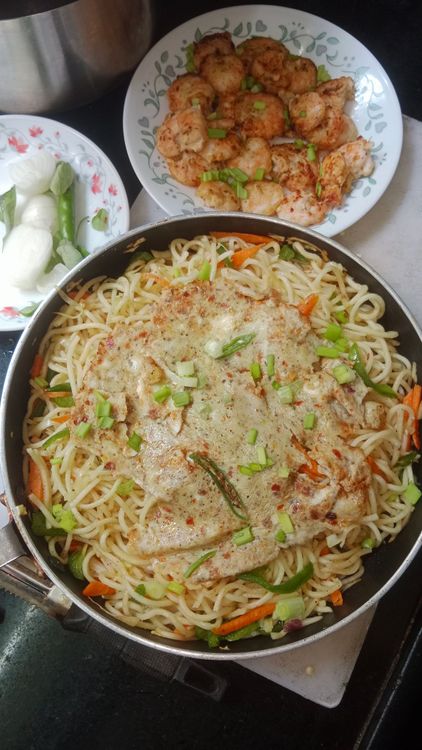

- Chinese
- Pescatarian
- Lunch
Lunch & Dinner Meal Prep
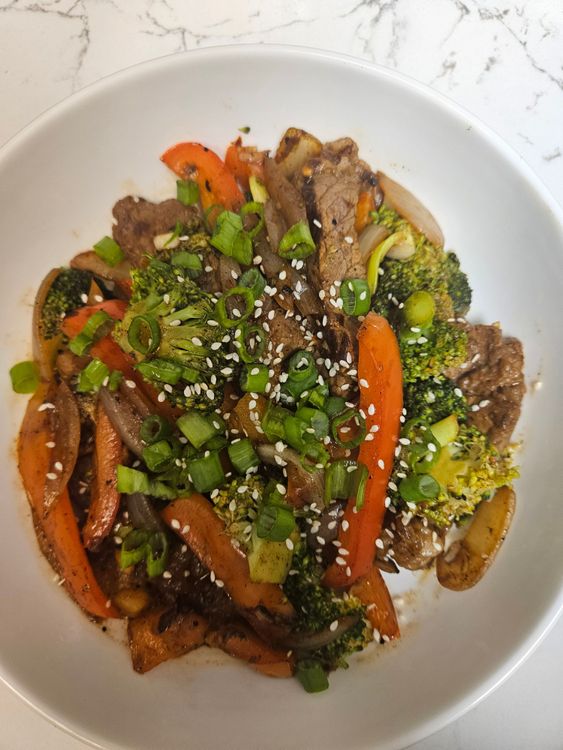
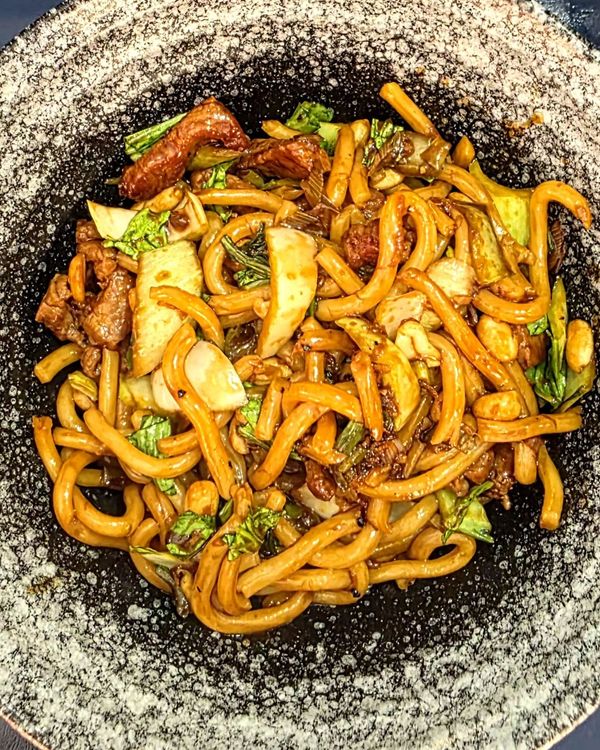
Lunch and dinner prep is the heart of cooking ahead, and it leans on dishes that are naturally good keepers: curries, chilis, pasta bakes, traybakes, one-pot rice plates, big salads and hearty soups. Saucy, sturdy dishes are the stars here because they reheat without complaint and several actually taste better after a night in the fridge, as the spices settle and deepen. The move on a prep day is to cook one or two big-batch mains and split them into portions, then round out the week with quick-assembly options like wraps and grain salads that come together from components in minutes. Slightly undercook pasta, rice and vegetables destined for reheating so they do not turn to mush, and stir a splash of stock or water through anything that has thickened in the fridge before you warm it. Keep dressings and crisp salad elements separate, eat the most perishable boxes first, and send the rest to the freezer as backup dinners. Cooked once and portioned with a little thought, a single afternoon at the stove can cover most of the week's lunches and dinners, with the freezer quietly covering the nights everything goes sideways. Standouts here include Super Tender Beef Stir-Fry With BBQ SAUCE and Beef Stir Fry with Garlic Ginger Marinade, plus Sticky Pork, Pak Choi & Udon Noodle Stir Fry.
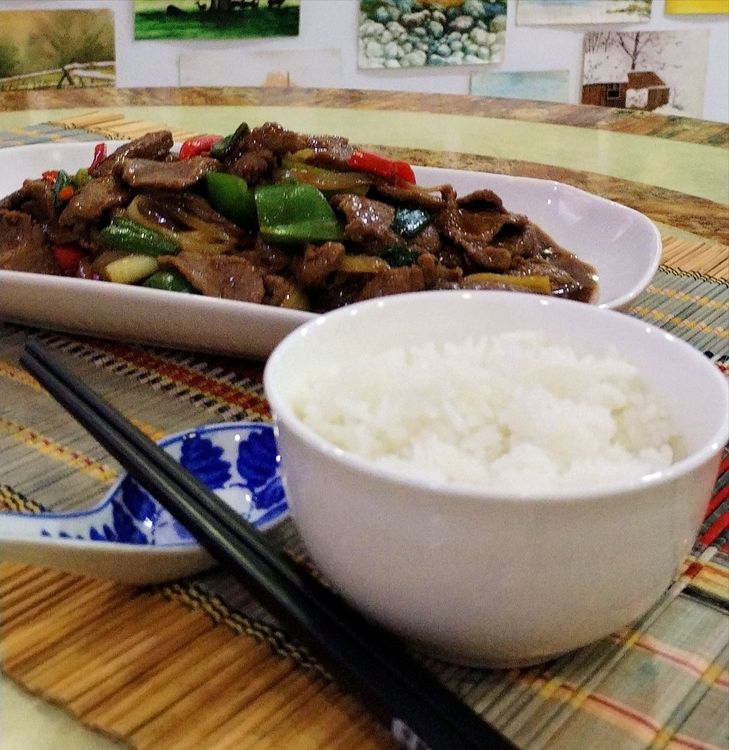
- Chinese
- Non-Vegetarian
- Lunch
- Asian
- Non-Vegetarian
- Dinner
- Asian
- Non-Vegetarian
- Lunch

- Italian
- Eggetarian
- Lunch

- Italian
- Vegetarian
- Lunch
More Meal Prep Favourites
Beyond the headline clusters sit the meals and odds and ends that quietly hold a prep week together, and they all answer to the same fundamentals you already know: cook components rather than finished plates, cool and store food properly, keep wet and crunchy parts separate, and season a little boldly to make up for what chilling takes away. These are the recipes to reach for once the staples feel automatic — a new sauce that reinvents the same grain bowl, a traybake that doubles as both lunch and dinner, a freezer backup for the nights nothing goes to plan. Choosing your next one is mostly about matching effort to the week ahead: lean on quick-assembly bowls and wraps when time is tight, and save the big-batch curries and bakes for an afternoon when you can let things simmer and cool properly. Pay attention to how each dish holds — what keeps four days, what is best eaten first, and what belongs in the freezer — and build a short rotation you can prep without thinking, adding one new recipe at a time so each becomes second nature before the next. Treat these as the natural next step that turns occasional prep into a habit that genuinely sticks. Standouts here include Quick Desi Manchurian Gravy and Crispy Beef Chow Mein, plus Creamy Onion Spaghetti.
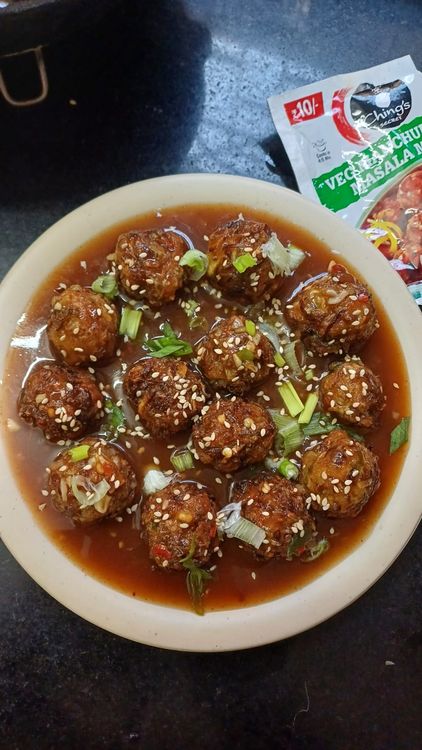
- Indian-Chinese
- Vegan
- Lunch
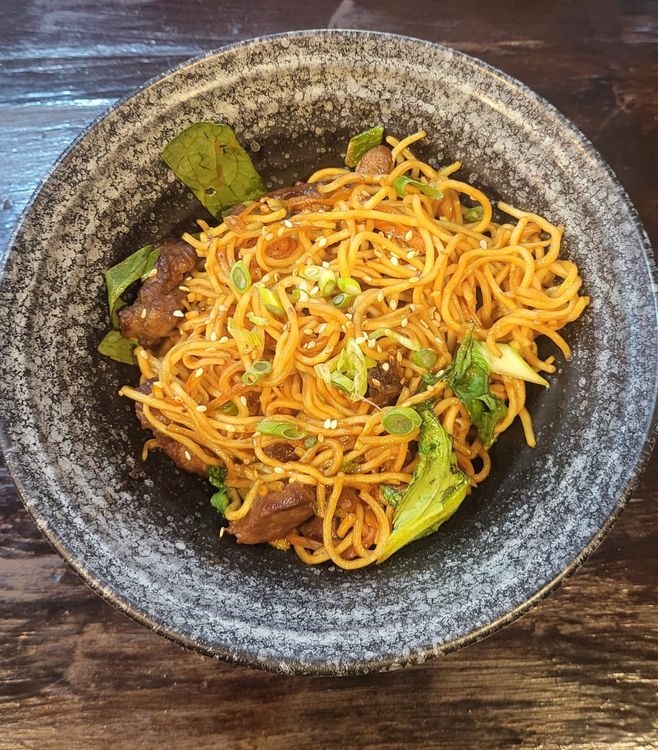
- Chinese
- Dairy-Free
- Lunch
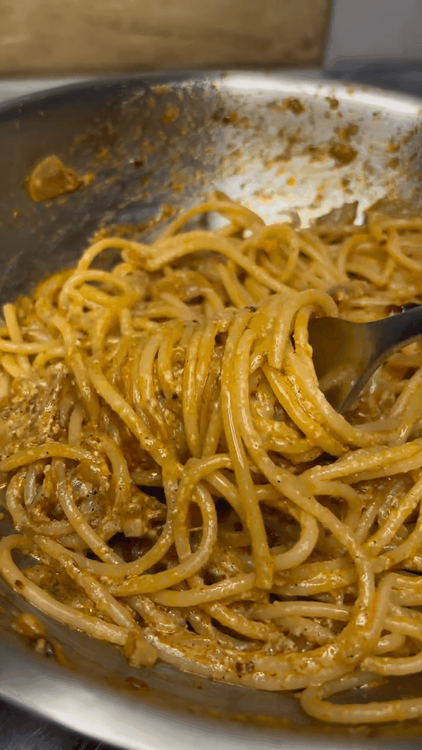
- Italian
- Vegetarian
- Main Course
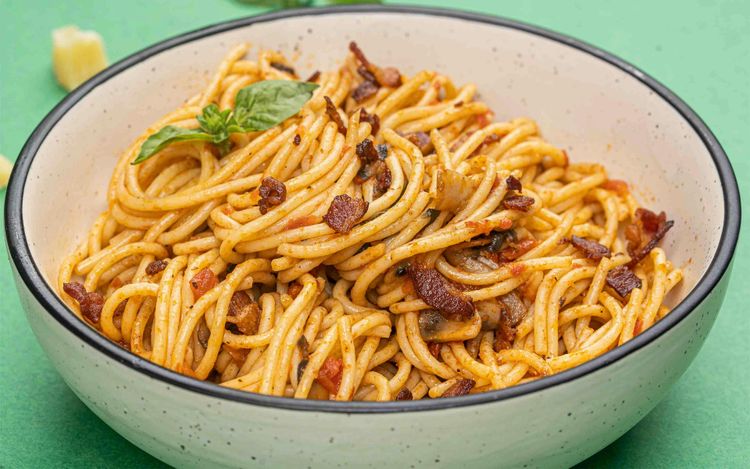
- Italian
- Gluten-Free
- Dinner
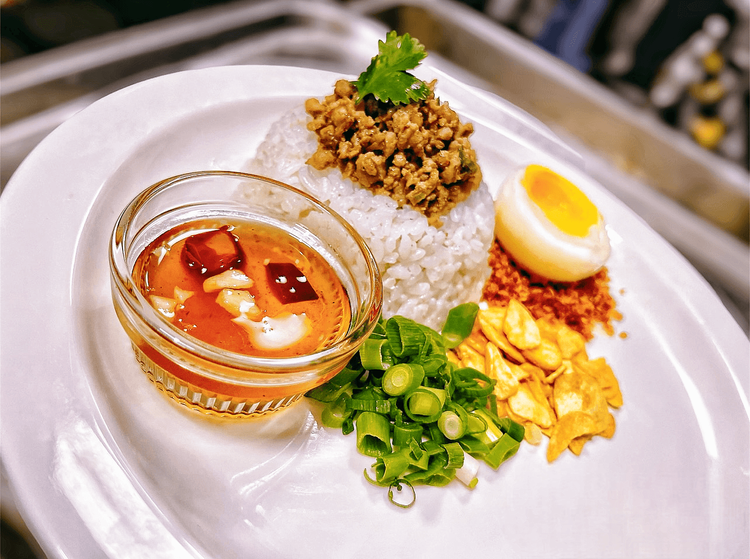

- Thai
- Non-Vegetarian
- Lunch
Batch Cooking and Portioning Without the Burnout
The trick to a prep session that does not eat your whole day is cooking components, not finished meals. Roast two or three trays of vegetables, simmer a big pot of one grain, and cook a couple of proteins, then mix and match them into different bowls across the week so nothing feels repetitive by Wednesday. Start the longest things first — grains, roasts, anything braised — and prep quick salads and dressings while they cook. Two or three components done well beat five rushed ones.
Portioning is where prep pays off, so weigh or eyeball even amounts into your containers rather than guessing meal by meal. A balanced box is roughly a palm of protein, a fist of carbs and two fists of vegetables, scaled to your appetite. Cook a little more than you think you need, since prepped lunches always disappear faster than planned, and stash any surplus in the freezer as a backup dinner. Uniform pieces cook and reheat evenly, so chop with that in mind.
Give yourself the right kit and the job gets quicker every week. Glass or BPA-free containers with tight lids stack neatly and reheat safely, and a few small pots or silicone cups keep dressings, nuts and crunchy toppings separate until serving. Label boxes with the dish and the date so nothing gets lost at the back of the fridge. Clean as you go and prep in an order that lets the oven and hob run while you chop, and a full week of meals comes together in about an hour.
Storing and Reheating So Nothing Goes Soggy
Most prepped food keeps three to four days in the fridge, so plan to eat the most perishable boxes first and freeze the rest. Cool food quickly before refrigerating — spread it out, leave it uncovered for a few minutes, and never stack a hot container, since trapped steam turns into the condensation that makes everything soggy and speeds spoilage. Store food in shallow, airtight containers so it chills fast and evenly, and keep raw and cooked items well apart.
Keep texture by storing the right things separately. Dressings, sauces and anything crunchy — nuts, croutons, granola, fresh herbs, crisp salad leaves — go in their own pots and join the meal only at serving, or they soak and wilt within a day. Slightly undercook pasta, rice and vegetables you will reheat later, because they finish cooking the second time round; fully cooked grains reheated again turn mushy. A splash of water or stock stirred in before reheating revives anything that has dried out.
Reheat gently and thoroughly to keep food both safe and pleasant. On the hob or in the microwave, add a little liquid, cover loosely, and heat until piping hot all the way through, stirring halfway so there are no cold spots. Reheat only the portion you are eating rather than warming a whole batch over and over, which dries food out and is not safe. Frozen meals are best thawed overnight in the fridge, then reheated, though many soups and curries go straight from freezer to pan.
Planning a Week of Meals You Will Actually Eat
Good weekly planning starts with a realistic look at the week ahead — which nights are busy, which lunches need to travel, and how many meals you genuinely want to prep versus cook fresh. Build around a few base components you can spin into different meals: a grain, a roast tray of vegetables, a protein or two, and a couple of sauces. Repeating ingredients across dishes keeps the shopping list tight, cuts waste, and means less chopping on prep day.
Aim for balance and variety so the food still appeals on day four. Vary the protein, the cuisine and the flavour profile across your boxes — a spiced curry one day, a fresh grain bowl the next, a wrap after that — so you are not eating the same plate five times. Mix textures and colours, lean on naturally good keepers like roasted vegetables, grains, curries and stews, and save delicate salads and crispy things for the first day or two. Write the plan down and shop to it.
Make prep sustainable by matching ambition to your real schedule rather than the ideal one. If a full Sunday cook-up feels like too much, prep just lunches, or do a smaller midweek top-up so the second half of the week stays fresh. Keep a short list of go-to meals you can prep on autopilot, then rotate one new recipe in at a time. Stock the freezer with a few backup portions for the nights plans change, and meal prep becomes a habit that holds rather than a chore you dread.
Pro Tips from the Test Kitchen
- Cook components, not finished meals — a grain, a couple of proteins and roast vegetables mix into different boxes all week.
- Cool food quickly and uncovered before refrigerating, and never stack hot containers, which traps steam and makes everything soggy.
- Keep dressings, sauces and crunchy toppings in separate pots and add them only at serving so nothing wilts.
- Slightly undercook pasta, rice and vegetables you plan to reheat, since they finish cooking the second time round.
- Season a touch boldly — chilling dulls flavour, so prepped food needs a little more salt and acid than fresh.
- Store food in shallow, airtight containers so it chills fast and evenly; label each with the dish and date.
- Eat the most perishable boxes first and freeze the rest as backup dinners for nights plans change.
- Reheat only the portion you are eating, with a splash of water or stock, until piping hot throughout.
- Thaw frozen meals overnight in the fridge before reheating, though soups and curries can go straight to the pan.
- Vary the protein, cuisine and texture across the week so the food still appeals on day four.
Frequently Asked Questions
What are the best meal prep recipes to start with?
Begin with forgiving, component-based meals: a high-protein bowl of chicken or paneer, rice and roasted vegetables; overnight oats or baked egg cups for breakfast; and a big-batch curry, chili or pasta bake for dinner. These keep well, reheat easily, and let you mix and match across the week. Add a sauce or two, portion into containers, and you have several days of meals from one cook. Start with two or three dishes rather than trying to prep everything at once.
How many days do meal prep recipes last in the fridge?
Most cooked meal prep keeps three to four days in the fridge, provided you cool it quickly and store it in shallow, airtight containers. Cooked rice, roasted vegetables, curries and grain bowls sit comfortably in that window; dressed salads and crispy items are best within a day or two. Eat the most perishable boxes first and freeze anything you will not get to. If you want food for the whole week, freeze half and thaw it as you go.
How do you keep meal prep from getting soggy or dry?
Store anything that wilts or crisps — dressings, sauces, salad leaves, nuts, croutons, herbs — in separate pots and combine them only at serving. Cool food fast and uncovered before refrigerating so steam does not turn to condensation, and use shallow containers so it chills evenly. Slightly undercook grains and vegetables you will reheat, since they soften again. When reheating, add a splash of water or stock and cover loosely so the food steams back to moist rather than drying out.
What makes a good high protein meal prep?
A good high-protein prep centres each box on a solid protein source — chicken, eggs, paneer, tofu, lentils, chickpeas or quinoa — aiming for roughly 25 to 35 grams a meal. Pair it with a complex carb and plenty of vegetables for balance and fibre. Cook proteins so they stay juicy (slightly under for anything you will reheat), keep sauces separate, and vary the source across the week so it does not get boring. Greek yogurt, beans and edamame are easy ways to push the protein higher.
Can you prep breakfast ahead of time?
Easily — breakfast is one of the best things to batch. Overnight oats and chia jars set in the fridge and are ready to grab; baked egg cups and frittata portions reheat in a minute; and muffins, pancakes and waffles freeze well and toast straight from frozen. Smoothie packs of pre-portioned fruit wait in the freezer for a quick blend. Keep any crunchy toppings like granola or nuts separate so they stay crisp, and most prepped breakfasts hold three to four days.
How do you reheat meal prep without ruining it?
Reheat gently and only the portion you are eating. In the microwave, add a little water or stock, cover loosely, and heat in short bursts, stirring halfway so there are no cold spots, until piping hot throughout. On the hob, warm with a splash of liquid over medium heat. Avoid reheating a whole batch repeatedly, which dries food out and is not safe. For crispy items, a few minutes in an oven or air fryer beats the microwave for texture.
Which meals freeze well for meal prep?
Saucy, sturdy dishes freeze best — curries, chili, soups, stews, pasta bakes, cooked grains, and bean or lentil dishes all thaw beautifully and often taste better for the rest. Cooked proteins, muffins, pancakes and energy balls freeze well too. Avoid freezing anything with a high water content or a delicate texture, like crisp salads, fried foods, creamy dressings and plain potatoes, which turn watery or grainy. Cool food fully, portion it flat in freezer bags or boxes, and label with the date.
Are meal prep recipes worth it for saving time and money?
For most people, yes. Cooking in batches means one round of chopping, one heated oven and one clean-up instead of five, and buying ingredients in bulk to use across several meals cuts both cost and waste. Prepped food also makes it far easier to eat well on busy days, since the healthy option is already made. The upfront hour does take planning, but the payoff is cheaper, faster, less stressful meals all week. Start small and scale up as the habit sticks.
How do you stop meal prep getting boring?
Variety is built in at the planning stage. Prep flexible base components — a grain, a couple of proteins, roast vegetables — then change the sauce, spice profile or format each day so a single set of ingredients becomes a curry bowl, a wrap and a salad across the week. Rotate one new recipe in at a time, vary the cuisine, and mix textures and colours. Keeping toppings and dressings separate also lets you finish each box differently right before eating.
The thread through every meal prep recipe here is the same: cook flexible components rather than finished plates, cool and store them properly so nothing turns soggy or dry, and portion with a little variety so the food still tempts you on day four. Master those habits and one hour of batch cooking turns into a week of breakfasts, lunches, dinners and snacks that taste made-that-day.
Pick a few meal prep recipes to cook this week — a tray of high-protein bowls, a make-ahead breakfast and a big-batch dinner that freezes — and save your favourites to a Chefadora cookbook. Build a small rotation you can prep on autopilot, then add one new dish at a time; this page is built to be the meal prep reference you keep coming back to.
Related
- Meal prep
- High protein
- Make ahead
- Batch cooking
- Freezer friendly
- Healthy
- Lunch
- Budget
Popular Searches
- Best meal prep recipes
- Easy meal prep recipes
- Quick meal prep recipes
- Healthy meal prep recipes
- Simple meal prep recipes
- Homemade meal prep recipes
- Delicious meal prep recipes
- Popular meal prep recipes
- high protein meal prep
- meal prep ideas
- make ahead meals
- easy meal prep
Marnirni-apinthi Building, Lot Fourteen,
North Terrace, Adelaide, South Australia, 5000
Australia
