
16 Chana Dal Recipes That Earn Their Long Simmer
Updated July 15, 2026 · Curated by Chefadora
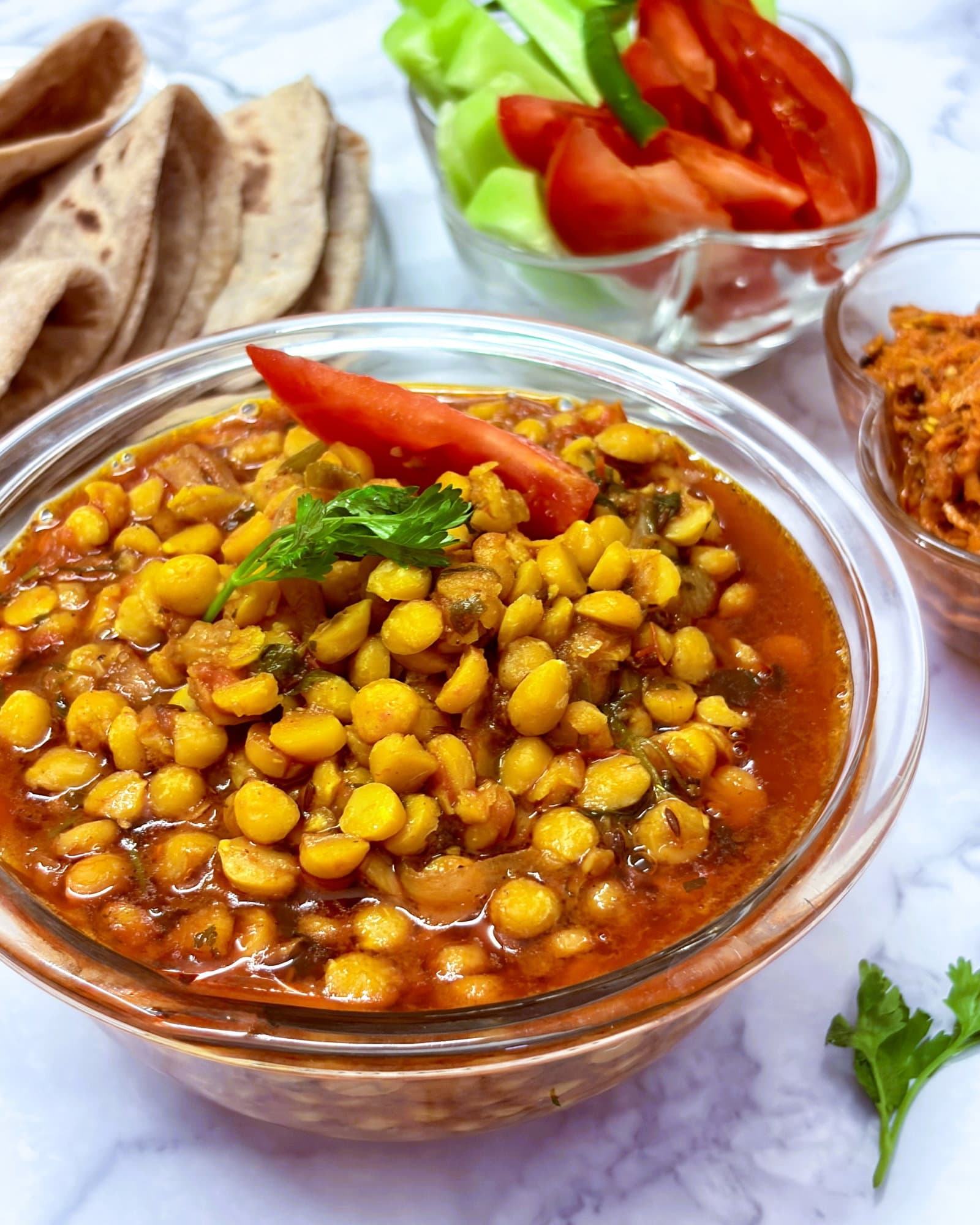
I keep a jar of split bengal gram next to the rice, and it earns its shelf space every single week. The chana dal recipes collected here come from cooks across the site — Punjabi, Gujarati, Tamil, Maharashtrian, Udupi — and they all lean on the same quiet virtue: these lentils hold their shape. Boil them properly and each piece stays distinct and creamy inside, never collapsing into mush the way masoor does after twenty minutes.
That structure is exactly why the range below runs so wide. The same pulse that thickens a weeknight gravy also stuffs a paratha, crisps into vada, grinds into chutney, and — with jaggery and ghee — rolls into laddu in ten minutes flat. Sixteen dishes, four different ways of thinking about one cheap ingredient.
You'll find the fries and gravies first, then the vegetable simmers, then the breads and rice, then snacks and sweets. I've flagged soaking times, pressure-cooker settings, and the tempering moves that separate a flat pot from one people ask about.
Everyday Chana Dal Recipes for the Weeknight Table
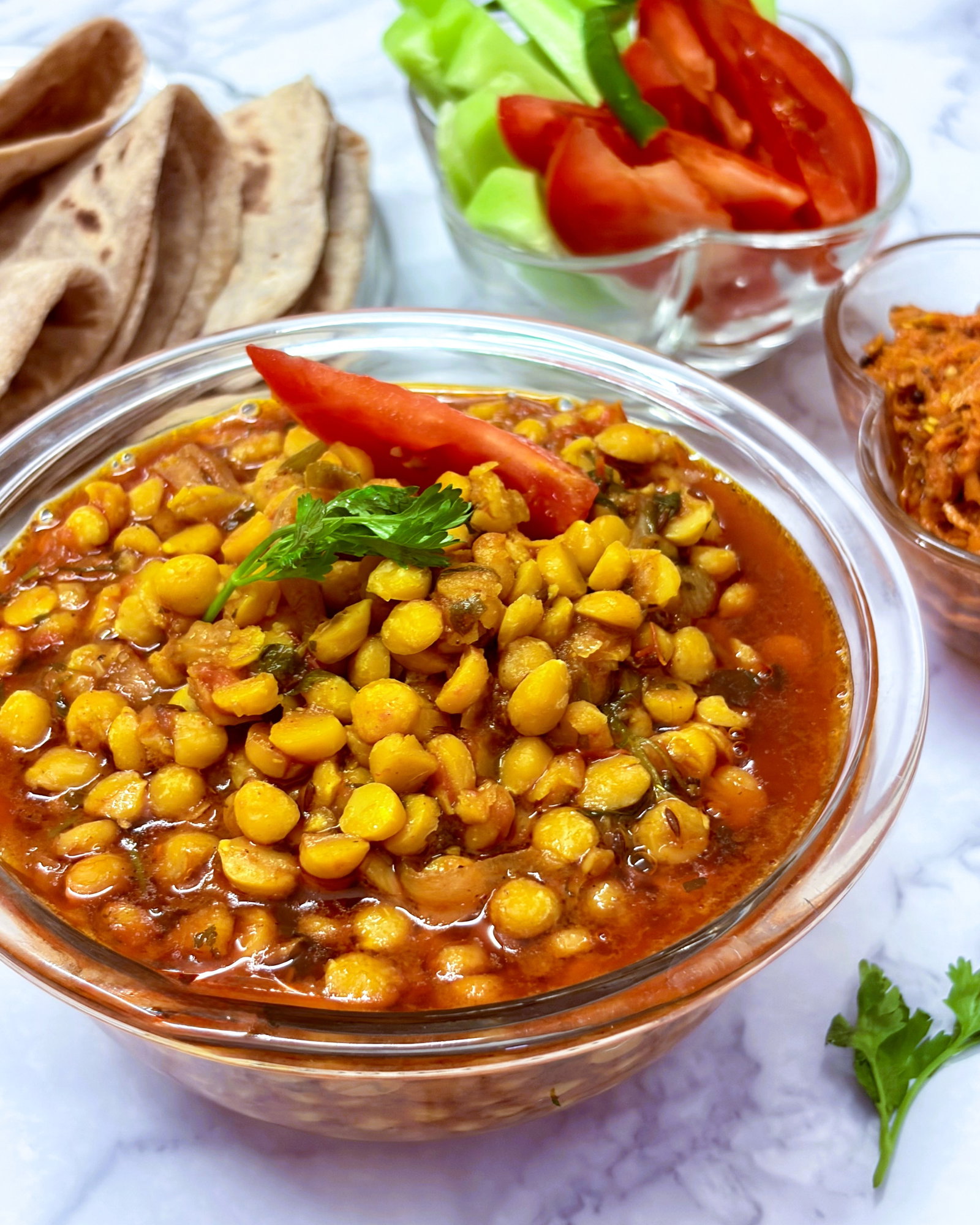
This is the section most people come for: a pot of gravy that goes with rice or roti and reheats without complaint on Wednesday. All four start the same way — soaked pulses, a pressure cooker or a patient forty minutes on the stove — and then diverge entirely in the finish. A restaurant-style chana dal fry leans on deeply browned onion, tomato and a late ghee tempering. The homestyle version stays thinner, sharper, and uses a third of the fat. Katachi amti, the Maharashtrian outlier, treats the cooking water itself as stock and finishes tangy with tamarind and goda masala. Cook any one of them once and you have lunch handled for three days.

- Vegetarian
- Main Course

- Indian
- Vegan
- Dinner

- Indian
- Vegan
- Lunch

- Indian
- Vegan
- Lunch
Gourds and Greens: Simmers That Stretch a Handful of Pulses
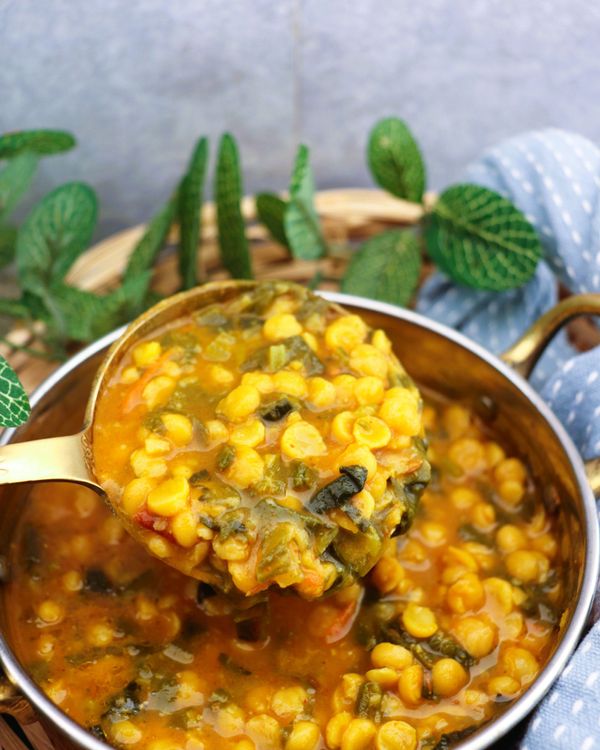
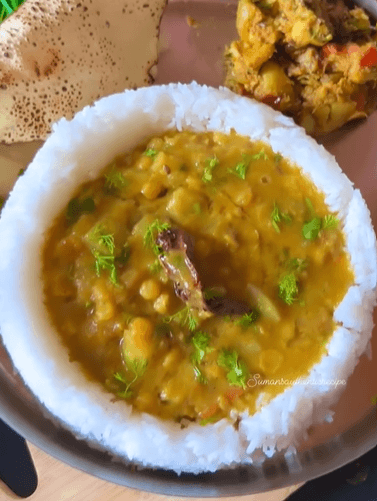
Bottle gourd, spinach, lauki — north and west Indian kitchens have been padding out pulses with cheap vegetables forever, and the results are far better than the thrift suggests. The gourd melts and sweetens the pot from the inside; the spinach goes in last so it stays green rather than khaki. Ratios matter more than usual here. Use roughly equal weights of soaked lentils and chopped vegetable, and cut the water back by a cup, because doodhi and lauki both throw off plenty of their own as they soften. Salt at the very end, once the pulses are tender — early salt genuinely slows things down. These three are the lightest cooking on the page.

- Indian
- Vegan
- Dinner
- Indian
- Vegetarian
- Lunch
- Indian
- Vegetarian
- Lunch
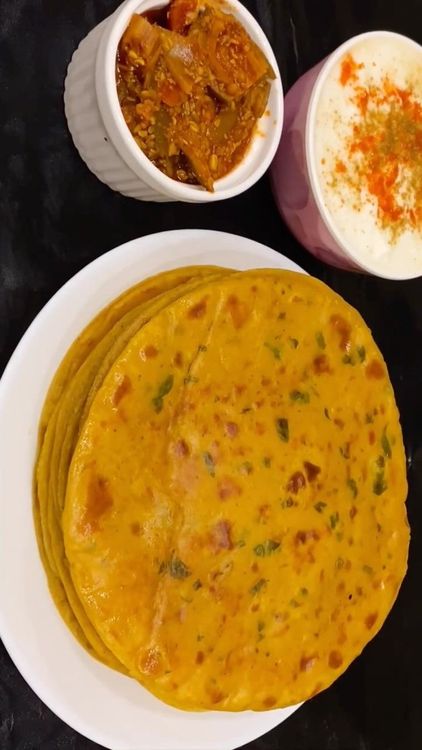
Stuffed Flatbreads, Puris and a Punjabi Pulao
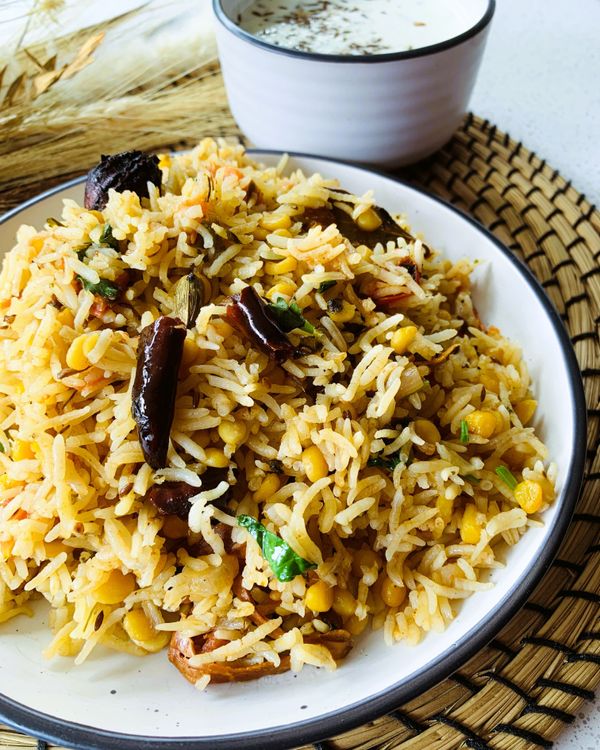
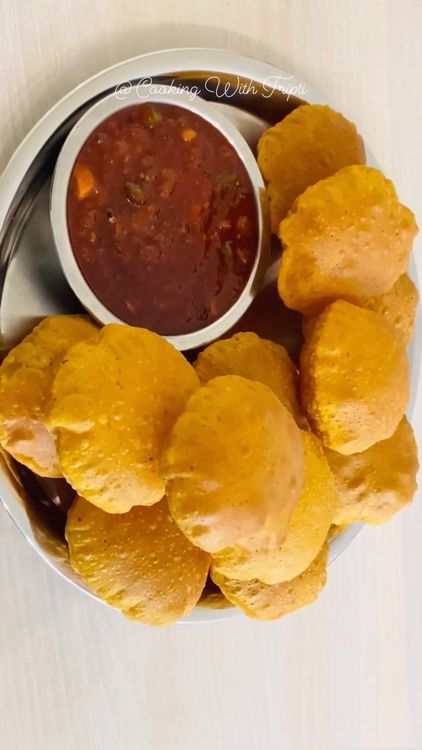
Cooked pulses want to be dry before they meet dough, and that single fact is the whole trick to this group. Drain hard, mash coarse, and let the filling cool completely — warm filling steams from the inside, tears the paratha at the seam, and no amount of careful rolling will save it. For the puris, the ground mixture is worked straight into the flour rather than stuffed, which is why they puff unevenly and taste better cold from the tin than hot off the stove. The pulao is the savoury exception: whole soaked grains go in with the basmati and hold their bite right through the steam. Budget thirty-five minutes for the breads, closer to seventy-five for the rice.
- Indian
- Vegetarian
- Lunch

- Indian
- Vegan
- Breakfast
- Indian
- Vegan
- Breakfast

- Indian
- Vegetarian
- Snack
Snacks, Chutneys and One Ridiculously Easy Laddu
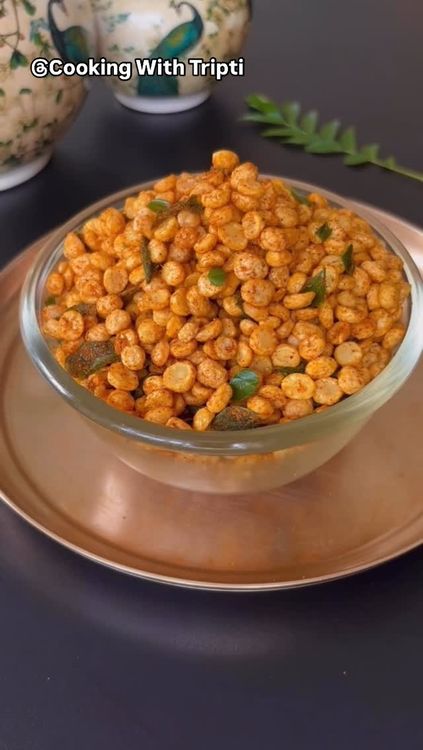
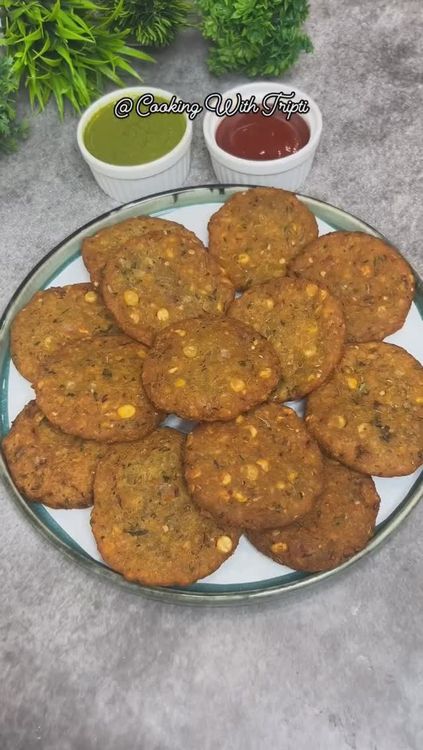
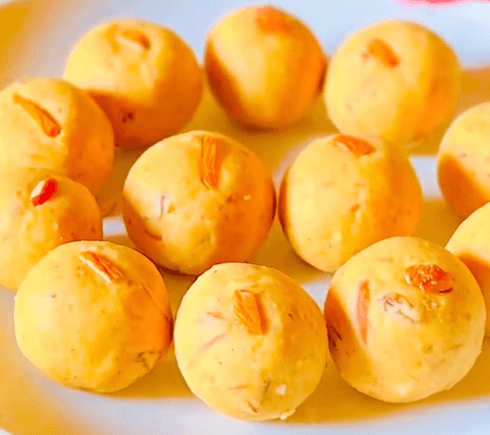
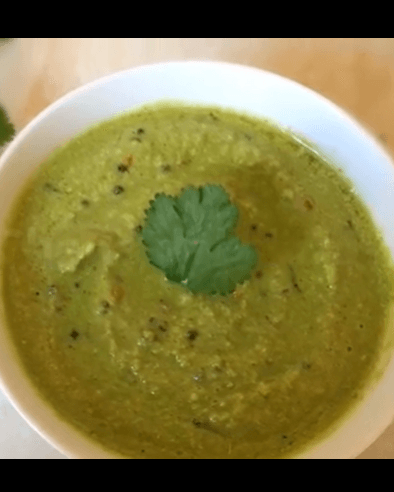
Here the pulse stops being a gravy and starts being texture. Vada and appe both rely on a coarse grind — pulse the soaked lentils in short bursts, leave some pieces recognisably whole, and skip added water entirely, or the batter slackens and the fritters drink oil instead of crisping. Namkeen is a fry-and-cool project worth doing in a proper batch, since it keeps for weeks in a jar. The coconut chutney and the laddu both use the roasted, ready-to-eat form sold as dalia, which needs no soaking at all and grinds smooth in about a minute. Five dishes here, and only two of them ask you to plan ahead.

- Indian
- Vegetarian
- Breakfast
- Indian
- Vegan
- Snack
- Indian
- Vegetarian
- Snack
- Indian
- Vegetarian
- Snack
- Indian
- Vegan
- Sauce & Condiment
Soaking & Cooking Chana Dal Perfectly
The single question I get most is how to cook chana dal so it comes out tender but not mush, and the answer starts the night before. Rinse through three changes of water until it runs clear, then soak. Four hours is plenty; overnight does no harm. Soaked pulses cook in roughly half the time and, more importantly, cook evenly, so you don't end up with a third of the pieces still chalky while the rest have gone to paste.
For the pressure cooker: soaked, with two and a half cups of water per cup of pulses, that's three whistles on high and then eight to ten minutes on low, followed by natural release. Force the pressure down early and the pieces split along their seams. Unsoaked, budget six whistles and accept a less uniform result. On the stovetop, soaked, it runs forty to fifty minutes at a lazy simmer with the lid ajar. Skim the grey foam in the first five minutes, because it carries the raw beany smell and stirs back in if you leave it.
Two rules matter more than they sound. Salt goes in after the pulses are tender — added at the start it firms the skins and adds a real fifteen minutes. Acid behaves the same way, so tamarind, tomato and amchur all wait until the end. Test by pressing a piece against the side of the pot with the back of a spoon: it should give with almost no pressure but still look like a lentil rather than a smear. That texture is the foundation every dish here is built on.
Chana Dal vs Other Dals
Bengal gram is a split, husked desi chickpea — a different variety from the big pale kabuli chickpeas you'd blend into hummus, and noticeably smaller, darker and nuttier on the tongue. That parentage explains almost all of its behaviour in the pot. It's the sturdiest of the common pulses in an Indian kitchen, with a low starch release and a dense structure that survives long heat without surrendering into sludge, which is both its great strength and the reason it takes so long.
Compare cooking times and the gap is obvious. Masoor collapses in twenty minutes and thickens on its own. Moong goes soft in twenty-five and turns velvety. Toor takes thirty-five and breaks down into that classic loose sambar body everyone knows. Bengal gram wants forty-five to fifty minutes and still hands you individual pieces at the end. This is precisely why nobody makes a quick khichdi with it, and why every stuffed paratha in north India does.
Swapping is possible but never free. If a recipe here calls for the split gram and you only have toor, cut the liquid by a third and the time by fifteen minutes, and accept a looser gravy than the photo. Going the other direction — using this pulse in a toor recipe — means adding half a cup more water and a good half hour. The one substitution that genuinely works is split yellow peas: near-identical size, similar hold, slightly sweeter finish. Roasted dalia, though, is not a substitute for the raw form. It's a separate, already-cooked ingredient used for chutneys, laddu and last-minute thickening.
Protein & Nutrition
Per cooked cup you're looking at roughly thirteen to fifteen grams of protein and around ten grams of fibre, most of it soluble. That's the practical reason this pulse anchors so many vegetarian plates across the subcontinent: paired with rice or roti, the amino acid profile rounds out properly, and the combination has kept people fed and working for a very long time without anyone needing to think about it. It's also cheap, shelf-stable for a year, and needs nothing fancier than a pot.
The more interesting number is the glycaemic one. Bengal gram sits low on the index — lower than most pulses — thanks to that dense, slow-digesting structure and its share of resistant starch. It's why a bowl of it at lunch doesn't drop you through the floor at four o'clock the way plain white rice can. Diabetes-conscious Indian meal plans lean on it heavily for exactly this reason, and the vegetable-heavy simmers on this page are the version I'd point anyone toward first.
Two honest caveats. First, portion size: the fibre load that makes it good is the same thing that makes people uncomfortable if they jump from none to two cups a day. Ramp up gradually, and soak properly — soaking and discarding that water removes a decent chunk of the oligosaccharides responsible. A generous pinch of asafoetida in the tempering is the traditional fix and it isn't superstition. Second, fat: a restaurant-style finish can carry three tablespoons of ghee, which is delicious and is not diet food. The homestyle versions here use a fraction of that and taste nearly as good.
The Tadka
The tempering is not a garnish. It is where most of the flavour in a chana dal curry actually comes from, and the whole thing takes about ninety seconds. Heat ghee or oil in a small pan until a single cumin seed dropped in sizzles immediately — lively, not smoking. Cumin goes first, five seconds, until it darkens a shade and smells toasted rather than dusty. Then asafoetida for two seconds, which is all it gets before it turns bitter and takes the pot with it.
Order is everything after that. Dried red chillies and sliced garlic go next, with the garlic cooked to pale gold and no further; browned garlic is acrid and you will taste it in every single spoonful for the rest of the week. Kashmiri chilli powder comes off the heat entirely — the pan's residual warmth blooms the colour without scorching it, and the difference between a red pot and a dull brown one is those three seconds of restraint.
Pour the whole pan over the cooked pulses and clap the lid on for a minute to trap the volatiles — that trapped minute is doing more work than the pouring is. Some cooks stir it straight through; I like leaving half of it sitting on top so the first spoonful is louder than the rest. And a second tempering made fresh just before serving — while the pot reheats — is the actual restaurant trick nobody tells you. It's the cheapest upgrade available to anyone cooking bengal gram recipes at home, and it costs a teaspoon of ghee.
Pro Tips
- Rinse until the water runs clear — three changes, usually. That cloudiness is loose surface starch, and leaving it in gives you a gluey pot and a dull, flat-tasting gravy that no amount of tempering will rescue later on.
- Skim the grey foam during the first five minutes of boiling. It carries the raw, beany note, and once you let it stir back into the pot you cannot get it out again with any amount of spice or acid.
- Salt and tamarind go in at the end, never at the start. Both firm up the skins and can add a genuine fifteen minutes to your cooking time for no benefit whatsoever to the finished flavour.
- Keep a jar of roasted dalia alongside the raw pulses. It needs no soaking, grinds to chutney in about sixty seconds, and a spoonful whisked in will thicken any gravy that came out thinner than you wanted.
- For vada and appe, grind the soaked pulses with zero added water and leave the mixture deliberately coarse. Smooth, wet batter spreads out in the oil and turns greasy instead of crisp, every single time.
- Cool cooked filling completely before it touches dough. Warm filling steams from the inside, tears the paratha at the seam, and there is genuinely no rescuing it once that has happened.
- Cook double and freeze half in flat bags. It thaws in ten minutes, and a fresh tempering poured over reheated leftovers is honestly indistinguishable from a pot made from scratch that morning.
Frequently Asked Questions
How long do I need to soak it before cooking?
Four hours minimum, overnight if that is easier to schedule around your evening. Soaked pulses cook in about half the time and, more usefully, cook evenly — unsoaked pots almost always leave a few chalky pieces behind. If you have forgotten entirely, a thirty-minute soak in hot water straight from the kettle gets you most of the way there, though you will still want six whistles rather than three.
Can I cook it without a pressure cooker?
Yes, and plenty of these dishes were originally made exactly that way. Soaked, it takes forty to fifty minutes at a steady simmer with the lid ajar and the occasional top-up of hot water. Keep it lazy rather than rolling — a hard boil splits the pieces before their centres soften. An Instant Pot on high pressure does the same job in twelve minutes with natural release.
Which of these chana dal recipes should a beginner start with?
Start with the palak or the lauki simmer. Both are forgiving one-pot dishes tagged beginner-friendly, both finish inside fifty minutes, and the vegetable politely hides any unevenness in the pulses. Once you trust your texture, move on to the restaurant-style fry, where the entire point is that every piece stays separate and the tempering at the end does all of the heavy lifting.
Is bengal gram the same thing as chickpeas?
Same species, different variety and different processing. This is the desi chickpea — smaller and darker-skinned — split in half and husked. Kabuli chickpeas are the big pale ones you'd blend into hummus. They aren't interchangeable in any recipe on this page: the split, husked form cooks in under an hour and holds its shape, while whole chickpeas need an overnight soak and go creamy right through.
Why did my gravy turn out thin and watery?
Usually one of three things. You added too much water at the start — two and a half cups per cup of soaked pulses is the ceiling for a fry-style finish. Or you undercooked, so nothing released into the liquid. Or you salted early. The fix at the table is fast: mash a ladleful against the side of the pot and stir it back in, or whisk in a spoon of ground roasted dalia.
How do I make it less heavy on the stomach?
Soak it and throw the soaking water away rather than cooking in it — that alone removes a good share of the oligosaccharides that cause the trouble in the first place. Then add a generous pinch of asafoetida to the tempering and do not skip the fresh ginger. Serve yourself a smaller portion than you think you want for the first few meals, and build up over a couple of weeks.
What's the difference between a fry and a curry version?
A chana dal fry is thicker and drier, built on onions and tomatoes browned properly in fat before the cooked pulses ever join them, then finished with a ghee tempering poured over the top. A curry runs looser, with more liquid and often coconut or tamarind, meant for spooning over rice. Katachi amti sits at the far thin end — practically a spiced broth made from the cooking stock.
How long do leftovers keep?
Five days refrigerated in a sealed container, and it genuinely improves on day two as the spices settle into each other. It also freezes well for three months — flatten it in a bag and it thaws in minutes. Reheat with a splash of hot water, because it thickens hard when cold, then pour a fresh tempering over the top. The fried snacks are the exception: eat those the same day.
Sixteen chana dal recipes, one humble jar of split bengal gram. Start with a vegetable simmer if the pulse is new to you, graduate to the restaurant-style fry once you trust your texture, and keep the roasted form on hand for a ten-minute laddu. Cook a big pot on Sunday — this is one of the few things that honestly tastes better by Tuesday.
Related
- bengal gram
- lentils
- Indian vegetarian
- high protein
- budget friendly
- meal prep
Popular Searches
- Best chana dal recipes
- Easy chana dal recipes
- Quick chana dal recipes
- Healthy chana dal recipes
- Simple chana dal recipes
- Homemade chana dal recipes
- Delicious chana dal recipes
- Popular chana dal recipes
- chana dal
- how to cook chana dal
- chana dal curry
- chana dal fry
Marnirni-apinthi Building, Lot Fourteen,
North Terrace, Adelaide, South Australia, 5000
Australia
