The Blossoming Benefits of Edible Flowers: A Guide to Culinary Delights and Nutritional Powerhouses
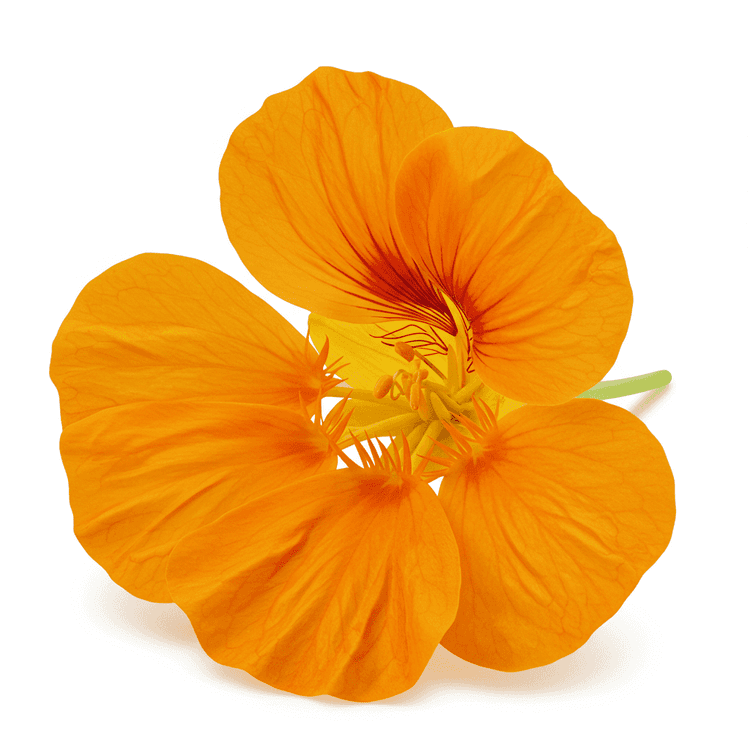
Edible flowers aren't just a pretty garnish; they're a vibrant addition to any plate, offering a unique blend of flavors, textures, and health benefits. From the peppery zest of nasturtiums to the sweet fragrance of roses, incorporating edible flowers into your diet can transform ordinary meals into extraordinary experiences. But beyond their aesthetic appeal, these delicate blooms are packed with nutrients that contribute to overall wellness.
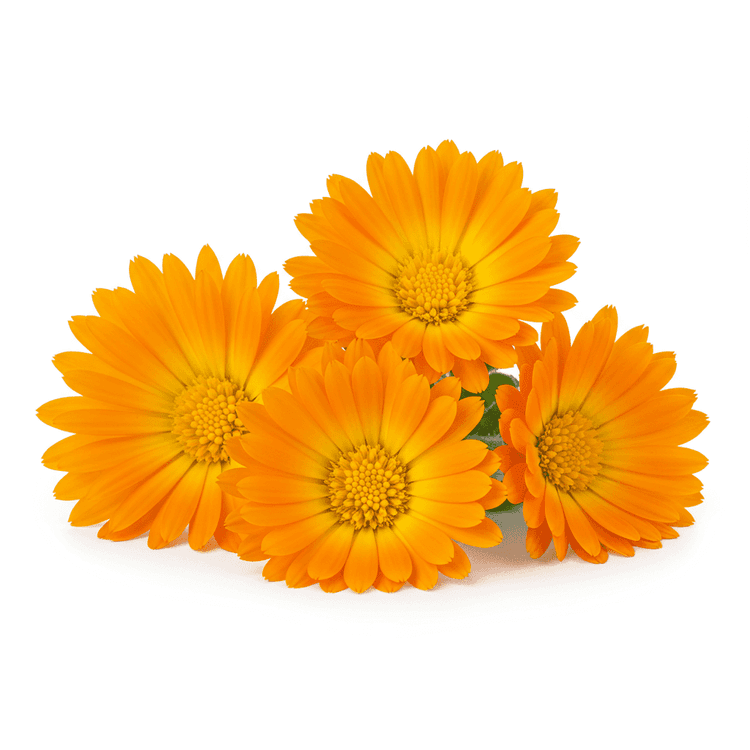
One of the key benefits of edible flowers lies in their rich antioxidant content. Many varieties, like pansies and violets, contain anthocyanins, powerful antioxidants that combat free radicals, protecting cells from damage and reducing the risk of chronic diseases. Calendula, with its vibrant orange petals, is known for its anti-inflammatory properties and is often used in herbal remedies. Even humble dandelions, often considered weeds, are a surprisingly good source of vitamin A, vitamin C, and potassium, crucial for immune function, vision, and maintaining healthy blood pressure.
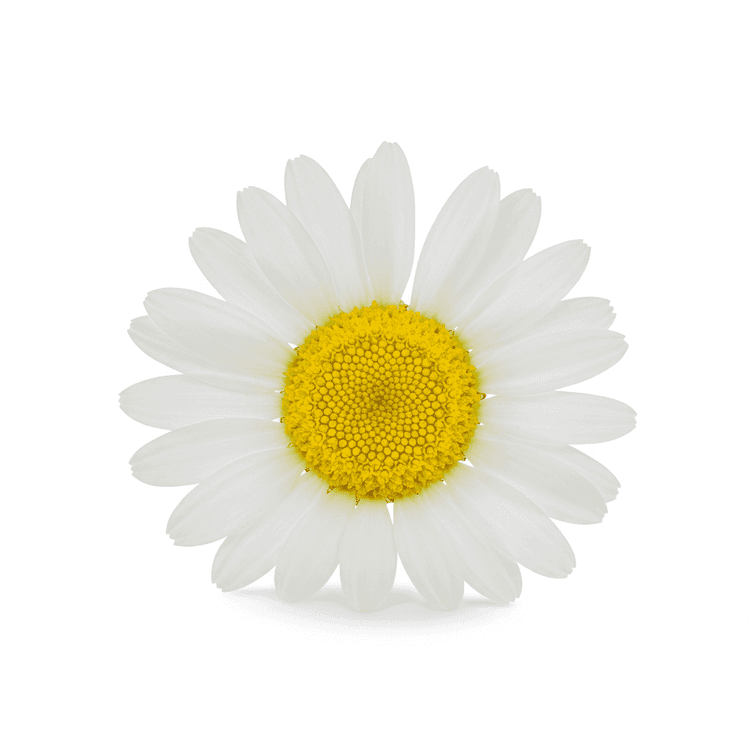
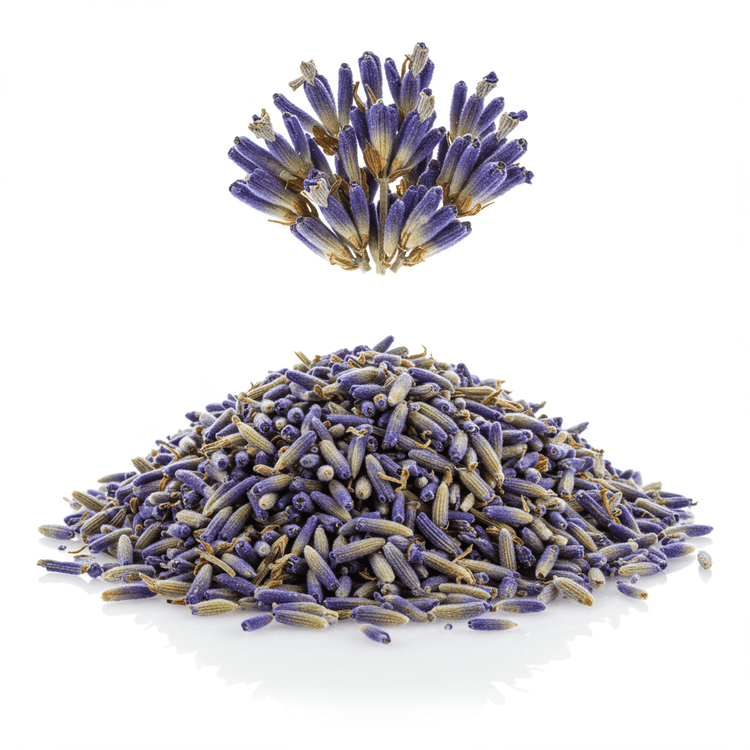
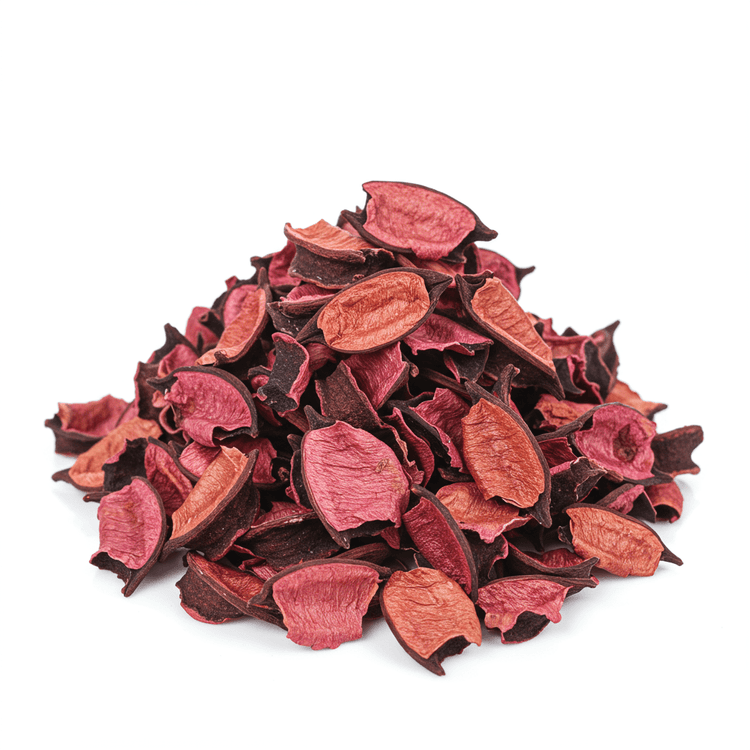
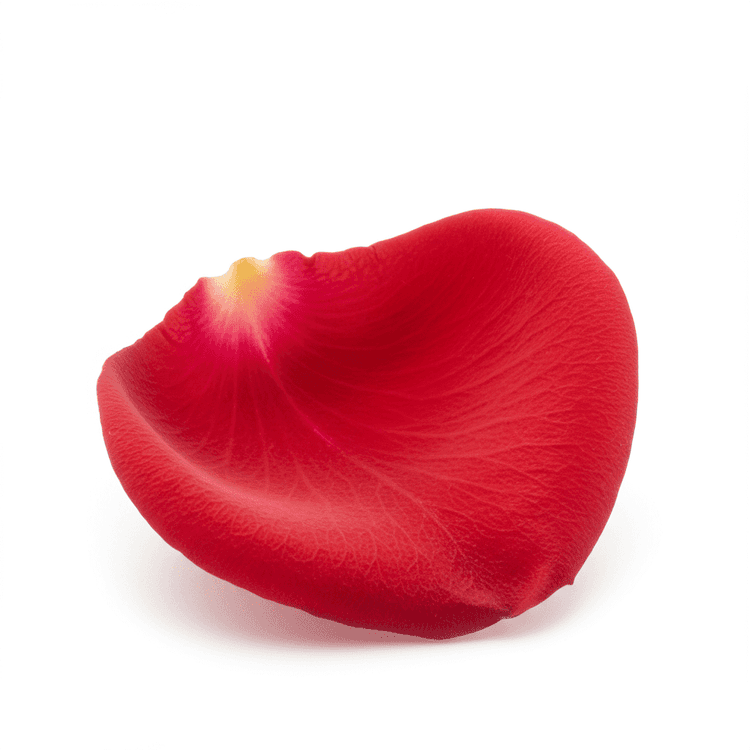
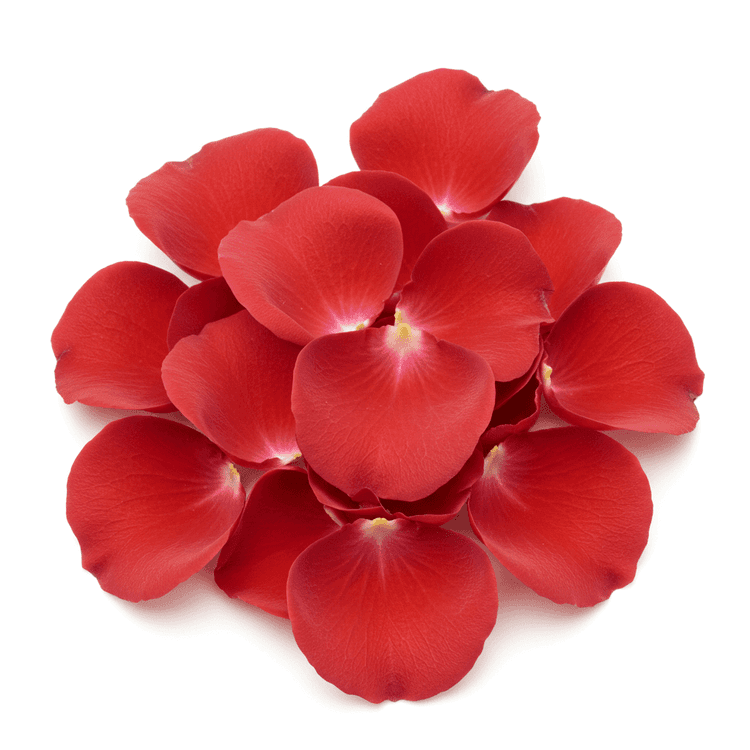
The culinary applications of edible flowers are as diverse as the blooms themselves. Nasturtium flowers and leaves add a peppery bite to salads and sandwiches. Violets can be candied and used to decorate cakes or infused into syrups for a delicate floral flavor. Rose petals are used in jams, teas, and even infused oils. Squash blossoms are a classic ingredient, often stuffed with cheese and herbs, then lightly battered and fried. Think of the possibilities: lavender-infused honey drizzled over yogurt, chamomile flowers steeped in a calming tea, or vibrant borage blossoms floating in a refreshing summer cocktail.
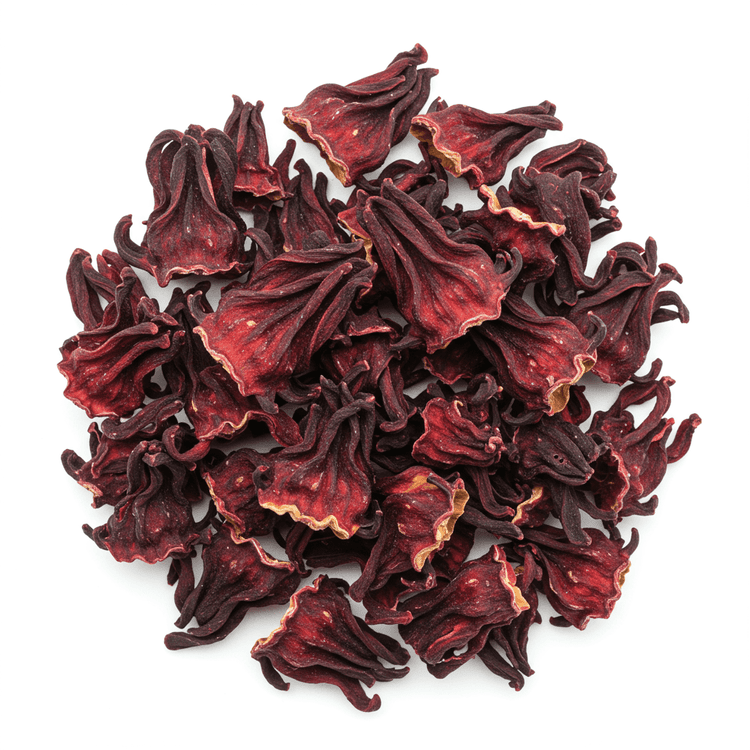
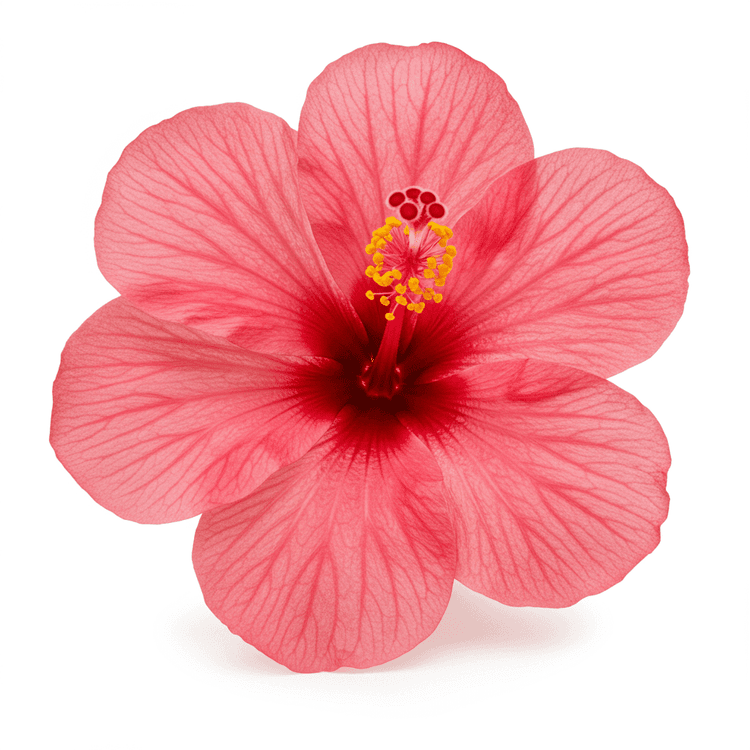
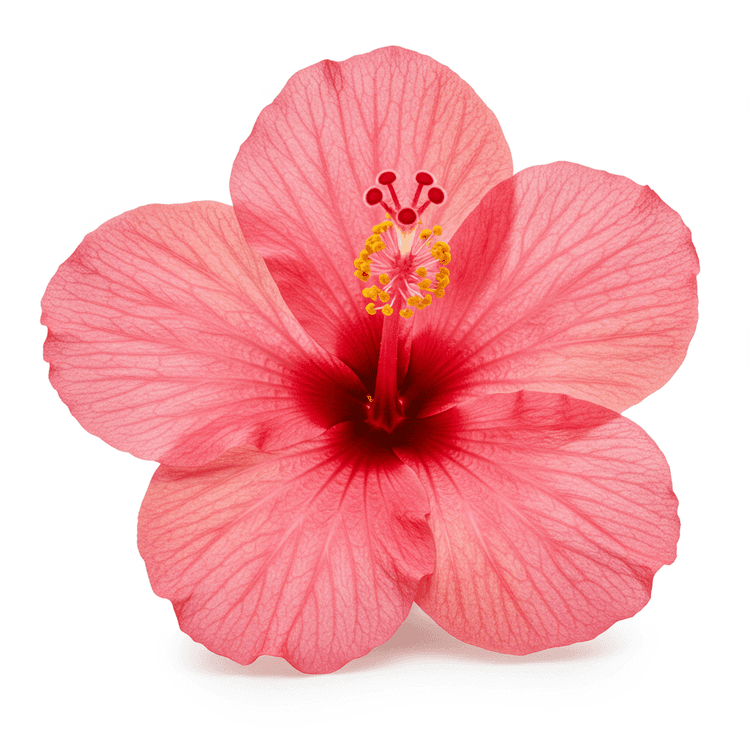
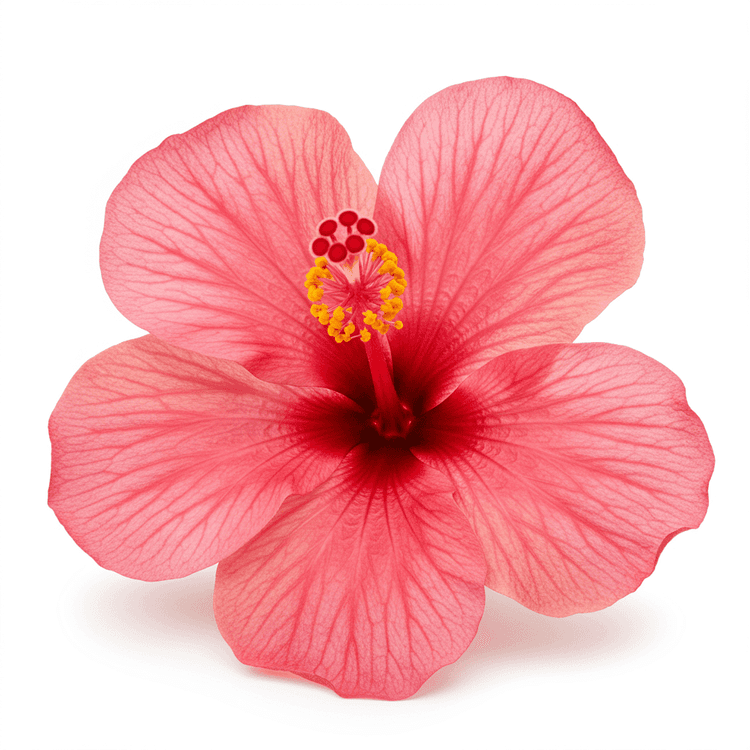
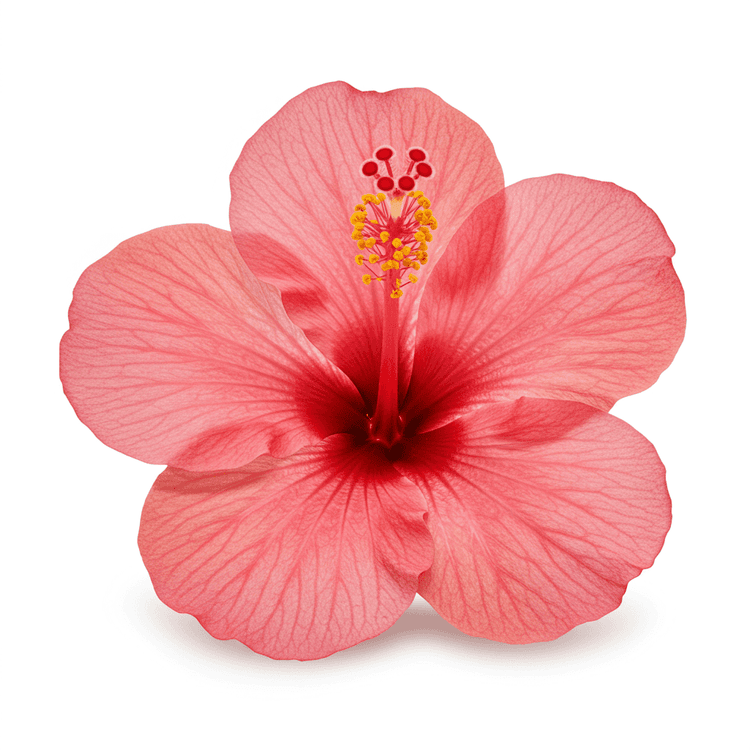
Beyond the popular choices, consider experimenting with other edible flowers like hibiscus, with its tart, cranberry-like flavor, perfect for teas and jams. Or try bachelor's buttons, adding a subtle, grassy flavor to salads. When using edible flowers, it's crucial to ensure they are organically grown and free from pesticides or herbicides. Avoid using flowers from florists or garden centers, as these are often treated with chemicals that are not safe for consumption.
Incorporating edible flowers into a balanced diet contributes to overall wellness in several unique ways. Their high antioxidant content supports immune function and protects against cellular damage. Their diverse range of vitamins and minerals provides essential nutrients that contribute to healthy skin, vision, and cardiovascular health. Moreover, the act of adding beautiful, natural elements to your meals can enhance your overall well-being by promoting mindful eating and appreciation for the beauty of nature. They also add a unique dimension to the gut microbiome, potentially leading to a healthier gut and therefore supporting a healthier overall bodily system. They can also add a dash of color and intrigue to otherwise monochrome meals, encouraging more adventurous eating and a wider variety of intake of nutrients.
In conclusion, edible flowers are more than just a pretty face. They are a nutritional powerhouse and a culinary delight, offering a unique blend of flavors, textures, and health benefits. By incorporating these vibrant blooms into your diet, you can elevate your meals and contribute to overall wellness, one petal at a time. ||
Flower are an essential part of a healthy diet, providing a wide range of nutrients and health benefits. Explore our collection of flower ingredients.